
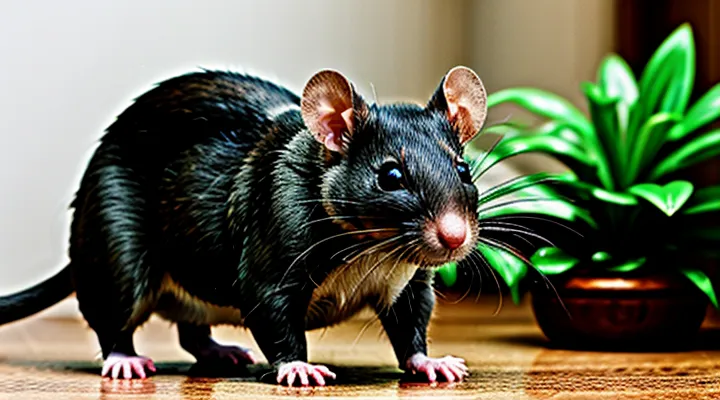
The Appeal of Decorative Pet Rats
What Makes Them «Decorative»?
Variety in Coat Types
Decorative pet rats display a remarkable range of coat textures, each requiring specific attention to grooming and health monitoring. Understanding these variations helps owners provide optimal care and enhances the visual appeal of their companions.
- Standard (smooth) coat – short, sleek fur covering the body evenly; minimal shedding, easy to brush.
- Rex coat – tightly curled, plush hair creates a velvety appearance; prone to matting, regular gentle combing recommended.
- Satin coat – glossy, slightly longer strands that reflect light; requires occasional trimming to prevent tangles.
- Hairless (nude) coat – absence of fur, exposed skin sensitive to temperature changes; necessitates controlled environment and skin moisturization.
- Curly coat – looser curls than Rex, forming a wave-like texture; benefits from weekly detangling to avoid debris accumulation.
Coat type influences dietary needs, temperature regulation, and grooming frequency. Rats with dense or curly fur may benefit from higher humidity levels to maintain skin health, while hairless individuals require warm bedding and protection from drafts. Regular inspection for parasites, skin lesions, or uneven growth ensures the animal’s well‑being regardless of coat selection.
Diversity in Markings
Decorative pet rats display a remarkable spectrum of coat markings, each resulting from distinct genetic mechanisms that influence pigment distribution across the body. Breeders and owners rely on these visual traits to differentiate individuals, enhance aesthetic appeal, and preserve lineage characteristics.
The primary genetic determinants include melanin production pathways, albino mutations, and modifier genes that alter pattern intensity. Melanin variations generate dark, sable, or agouti bases, while albino alleles suppress pigment, yielding white fur with pink eyes. Modifier genes introduce spotting, striping, or mottling by interrupting uniform coloration.
Key marking categories observed in ornamental rats are:
- Solid: uniform color covering the entire coat.
- Banded: dark base with a lighter dorsal stripe.
- Rex: soft, wavy fur with a consistent hue.
- Himalayan: white body with dark extremities (ears, nose, tail).
- Blaze: white facial mask extending onto the chest.
- Mask: dark facial area contrasting with a lighter body.
- Spot: isolated patches of contrasting color.
- Siamese: dark points on ears, tail, and feet against a pale background.
- Mottled: irregular speckles of two or more colors across the fur.
Breeding strategies must account for inheritance patterns; recessive alleles require both parents to carry the trait, while dominant modifiers may appear in the first generation. Health considerations remain unchanged across markings, but certain pigment genes correlate with heightened sensitivity to light, necessitating appropriate environmental lighting.
Understanding marking diversity equips owners with the knowledge to make informed breeding decisions, maintain genetic health, and appreciate the visual complexity that defines decorative pet rats.
Eye Color Variations
Decorative pet rats display a range of eye colors that reflect underlying genetic mechanisms and influence aesthetic preferences among enthusiasts. The most common hues include:
- Red (ruby) eyes – result of the albino (c) gene; melanin absent in the iris.
- Black (dark) eyes – typical of wild‑type and many coat colors; full melanin production.
- Pink (bloodshot) eyes – associated with the pink-eyed dilution (pe) allele; reduced pigment.
- Blue eyes – rare, linked to specific recessive mutations such as the “blue‑eyed” (be) gene.
- Heterochromatic eyes – one eye of each color, usually arising from compound heterozygosity.
Genetic background determines each variant. The albino allele (c) is recessive; both parents must carry it for offspring to exhibit red eyes. The pink‑eyed allele (pe) is also recessive but can appear in combination with other coat genes, producing pink or pale eyes. Blue‑eyed individuals require two copies of the be allele, which is uncommon in standard breeding lines.
Health considerations are minimal for most eye colors. Albino rats may experience increased light sensitivity, prompting owners to provide shaded habitats. Pink‑eyed rats sometimes show slight corneal dryness, manageable with regular ocular lubrication. No evidence links blue eyes to systemic disorders.
Breeding strategies focus on predictable outcomes. To achieve red eyes, breeders select two carriers of the albino gene. For pink eyes, they pair carriers of the pe allele. Introducing the be allele involves careful line management, as it can conceal other recessive traits.
Accurate identification relies on visual inspection under consistent lighting. Red eyes appear bright ruby, black eyes are deep and uniform, pink eyes show a translucent pink hue, and blue eyes present a clear, sky‑like coloration. Heterochromia is evident when each eye differs in color.
Understanding these variations enables informed selection, enhances visual appeal, and supports responsible breeding practices for ornamental rats.
Why Choose a Decorative Rat?
Intelligence and Trainability
Decorative pet rats possess a level of cognition comparable to that of common laboratory strains, demonstrating rapid learning, spatial awareness, and the capacity to retain information for weeks. Their small size and striking coat patterns do not diminish neural development; instead, selective breeding for aesthetic traits has retained the species’ innate problem‑solving abilities.
Key aspects of intelligence:
- Recognition of individual humans and other rats within seconds of visual contact.
- Ability to navigate mazes, locate hidden food, and discriminate between shapes and colors after a few repetitions.
- Memory of routine schedules, such as feeding times, for periods extending beyond a month.
Trainability stems from this cognitive foundation. Rats respond well to positive reinforcement, particularly food rewards, and can acquire complex behaviors with consistent cue‑reward pairings. Effective training protocols include:
- Target training: teaching the animal to touch a designated object, enabling precise directional control.
- Trick sequences: chaining simple actions—such as spin, jump, or retrieve—into multi‑step routines.
- Harness walking: acclimating the rat to a lightweight harness and leash, allowing supervised outdoor exploration.
Successful conditioning requires short, frequent sessions (5–10 minutes) and clear, distinct signals. Overtraining leads to stress and performance decline; therefore, session length and frequency must be balanced with the rat’s natural activity cycles. Properly trained decorative rats exhibit reliable obedience, reduced anxiety, and enhanced interaction with owners, confirming that aesthetic selection does not compromise functional intelligence.
Social Nature
Decorative pet rats exhibit complex social structures that influence health, behavior, and compatibility with human caretakers. In a colony, individuals organize into a dominance hierarchy established through brief physical contests and scent marking. Higher‑ranking rats receive priority access to food and preferred nesting sites, while lower‑ranking members defer to dominant signals to maintain group stability.
Communication occurs through a combination of ultrasonic vocalizations, scent cues, and tactile interactions. Ultrasonic calls convey distress or excitement, detectable with specialized equipment. Scent glands on the flank and genital area deposit pheromones that encode identity, reproductive status, and rank. Grooming serves both hygienic and affiliative functions; mutual grooming reinforces bonds and reduces stress hormones.
Interaction with owners mirrors inter‑rat social mechanisms. Rats recognize human voices and scent, responding to consistent handling with increased approach behavior and reduced aggression. Regular, gentle contact encourages trust, enabling rats to perform tasks such as target training or obstacle navigation. Social enrichment—providing companions, varied climbing structures, and opportunities for scent exchange—prevents stereotypic behaviors and supports neurological development.
Key considerations for managing social dynamics:
- Maintain groups of at least two rats to satisfy innate social needs; solitary housing increases anxiety and health risks.
- Monitor hierarchy shifts after introducing new individuals; gradual acclimation reduces conflict.
- Provide multiple nesting boxes and feeding stations to prevent resource‑based aggression.
- Observe grooming patterns; excessive self‑grooming may signal stress, while balanced reciprocal grooming indicates welfare.
Understanding these social mechanisms enables caretakers to create environments that promote natural behaviors, enhance well‑being, and facilitate positive human‑rat relationships.
Unique Personalities
Decorative pet rats display a wide range of individual temperaments, making each animal a distinct companion. Their personalities emerge through interactions, environmental responses, and genetic background, providing owners with clear behavioral cues.
Owners identify traits by observing activity levels, response to handling, and social preferences. Consistent monitoring of feeding patterns, exploration habits, and vocalizations reveals whether a rat is curious, shy, or dominant. Recording these observations over several days establishes a reliable personality profile.
Personality influences daily care, enclosure design, and enrichment strategies. An adventurous rat benefits from complex tunnels and climbing structures, while a timid individual requires sheltered hideouts and gentle handling. Training approaches differ: confident rats respond to clicker cues, whereas cautious rats need gradual exposure to new stimuli.
Typical personality categories include:
- Explorer: frequent roaming, rapid adaptation to new objects, high interaction with owners.
- Socializer: seeks companionship, engages in group play, prefers shared nesting spaces.
- Guardian: monitors environment, displays protective behavior toward cage mates, may exhibit mild aggression.
- Observer: prefers observation over participation, spends time perched, reacts slowly to changes.
- Calm: low activity, steady eating schedule, tolerates handling without stress signals.
Matching care routines to these traits enhances welfare, reduces stress, and fosters stronger bonds between rat and caretaker. Understanding individual temperament is essential for responsible ownership of ornamental rodents.
Care and Upkeep
Housing Your Pet Rat
Cage Requirements
When keeping ornamental rats, the enclosure must provide adequate space, ventilation, and safety. A cage that fails any of these criteria compromises health and well‑being.
- Minimum floor area: 2 sq ft (≈0.19 m²) per adult rat; larger groups require proportional expansion.
- Height: at least 12 in (30 cm) to accommodate climbing structures and nesting material.
- Bar spacing: ½ in (12 mm) or less to prevent escape and protect delicate paws.
- Material: stainless steel or powder‑coated wire to resist rust and corrosion; avoid painted or treated metal that may release toxins.
- Flooring: solid base covered with absorbent bedding; wire mesh floors are unsuitable because they cause foot injuries.
- Ventilation: open sides or mesh panels that allow continuous airflow while shielding from drafts.
- Security: lockable doors with latch mechanisms that rats cannot manipulate; inspect hinges regularly for wear.
- Enrichment integration: attach tunnels, platforms, and chewable toys without creating sharp edges or loose parts that could be ingested.
Regular cleaning, monthly inspection of structural integrity, and prompt replacement of damaged components sustain a hygienic environment. Proper cage design eliminates common hazards, supports natural behaviors, and promotes the long‑term vitality of decorative rats.
Substrate Options
Choosing an appropriate substrate is essential for the health and comfort of ornamental pet rats. The material must support natural digging behavior, provide adequate absorbency, and be easy to maintain in a decorative enclosure.
- Paper‑based bedding (e.g., shredded newspaper, cellulose pellets). Highly absorbent, low dust, readily available. Requires regular replacement to prevent odor buildup.
- Aspen shavings. Soft texture encourages burrowing, low aromatic content. Must be sourced from untreated wood to avoid chemical exposure.
- Coconut fiber (coir). Retains moisture, mimics natural forest floor. Can become compacted; occasional fluffing prevents matting.
- Hemp bedding. Natural fibers, moderate absorbency, minimal dust. Slightly more expensive than paper options.
- Recycled wood pellets. Compact, economical, excellent absorption. Grain size may irritate sensitive paws; monitor for excessive scratching.
Avoid substrates containing aromatic oils, cedar, or pine, as these compounds can damage respiratory systems. Regular cleaning schedules—spot cleaning daily, full substrate change weekly—maintain hygiene without disrupting the decorative aesthetic. Selecting the right substrate balances practicality with the visual theme of the enclosure, ensuring both the rat’s welfare and the display’s appeal.
Enrichment and Toys
Enrichment and toys are essential components of a healthy environment for decorative pet rats. Proper stimulation reduces stress, encourages natural behaviors, and supports physical development.
Effective enrichment falls into three categories:
- Physical – tunnels, climbing structures, and chewable objects that promote exercise and dental health.
- Mental – puzzle feeders, foraging boxes, and hide‑and‑seek toys that challenge problem‑solving abilities.
- Sensory – textured fabrics, scent‑infused items, and auditory stimuli that engage the rat’s keen senses.
When selecting toys, adhere to the following safety criteria:
- Constructed from non‑toxic, chew‑resistant materials such as untreated hardwood, solid plastic, or stainless steel.
- Dimensions exceed the animal’s head size to prevent accidental ingestion.
- Free of loose parts, sharp edges, or paint flakes that could cause injury.
Implement a rotation schedule to maintain novelty: introduce a new item every 3–5 days, remove the previous one for a week, then reintroduce it. Clean reusable toys with mild soap and hot water weekly; discard worn or damaged pieces promptly.
Consistent application of these practices yields robust health, active play, and reduced stereotypic behaviors in decorative rats.
Nutrition for Optimal Health
Commercial Rat Foods
Commercial rat foods are formulated to meet the high metabolic rate and dental health requirements of ornamental pet rats. Products fall into three primary categories: complete mixes, fortified treats, and specialty blends.
- Complete mixes combine grains, legumes, and added vitamins to supply balanced protein, fat, and fiber. They serve as the sole dietary source when feeding frequency is limited.
- Fortified treats contain concentrated nutrients such as calcium, omega‑3 fatty acids, and antioxidants. They are intended for occasional supplementation to enhance coat sheen and vigor.
- Specialty blends target specific needs, for example, low‑phosphorus formulas for rats prone to urinary issues or high‑energy mixes for show animals undergoing intensive training.
Key nutritional parameters include protein levels of 18–22 %, fat content of 5–8 %, and a calcium‑phosphorus ratio near 1.5 : 1. Adequate fiber, typically 4–6 % cellulose, supports gastrointestinal motility and gnawing behavior. Vitamin E and selenium are added to protect against oxidative stress, which can affect fur coloration.
Packaging design influences shelf life and hygiene. Vacuum‑sealed pouches prevent oxidation and moisture ingress, extending freshness for up to 12 months. Resealable zip locks facilitate portion control and reduce waste. Bulk bins are suitable for breeders with high turnover, provided that dry storage conditions are maintained.
Feeding guidelines recommend offering 1 – 2 tablespoons of complete mix per 100 g of body weight daily, divided into two meals. Treats should not exceed 10 % of total caloric intake; excessive indulgence can lead to obesity and dental overgrowth. Water must be available at all times, preferably in a sipper bottle to maintain cleanliness.
Selecting a commercial diet involves evaluating ingredient transparency, nutrient analysis, and the manufacturer’s reputation for quality control. Brands that publish batch testing results and adhere to ISO‑9001 standards offer reliable assurance of consistency, essential for maintaining the aesthetic standards expected in the decorative rat community.
Fresh Foods and Treats
Fresh foods provide essential vitamins, minerals, and hydration for decorative pet rats, complementing their regular grain‑based diet. Offer a variety of items daily to prevent nutritional gaps and maintain coat sheen.
- Leafy greens: kale, romaine lettuce, spinach; wash thoroughly, remove tough stems, serve in small, bite‑size pieces.
- Root vegetables: carrots, sweet potatoes, beets; steam lightly to soften fibers, cool before offering.
- Fruit wedges: apple (core removed), blueberries, banana; limit to one or two pieces per day due to natural sugars.
- Herbs: parsley, cilantro, mint; provide a pinch to encourage enrichment and digestive health.
- Protein treats: boiled egg white, cooked chicken breast, low‑fat cottage cheese; present in tiny cubes to avoid over‑protein intake.
Treats must meet safety standards. Remove seeds, pits, and any toxic foliage such as avocado, onion, or citrus peel. Store fresh items in airtight containers at refrigerator temperatures and discard leftovers after 24 hours to prevent bacterial growth.
Hydration is critical; supplement fresh foods with a clean water source that is refreshed daily. Monitoring body condition and stool consistency helps assess dietary adequacy and adjust portions accordingly.
Dietary Restrictions
Decorative pet rats require a diet that excludes ingredients known to cause metabolic or gastrointestinal disturbances.
- Sugary snacks and candy must be avoided; they can lead to rapid weight gain and insulin spikes.
- High‑fat foods such as nuts, seeds, and oil‑rich treats should be limited to prevent obesity and liver strain.
- Citrus fruits, tomatoes, and raw beans contain acids or toxins that irritate the digestive tract and must be excluded.
- Chocolate, caffeine, alcohol, and avocado are toxic to rodents and must never be offered.
- Processed human foods, including chips, crackers, and processed meats, lack the nutrients rats need and can introduce harmful additives.
A balanced regimen consists of high‑quality laboratory‑grade rodent pellets as the primary source of protein, fiber, and essential vitamins. Fresh vegetables—such as leafy greens, carrots, and broccoli—should be added daily in moderate amounts to supply antioxidants and micronutrients. Calcium‑rich foods, like plain yogurt or fortified greens, help maintain bone health, but quantities must be controlled to avoid urinary calculi. Water must be clean, fresh, and available at all times; stagnant water encourages bacterial growth and should be replaced regularly.
Portion sizes should reflect the rat’s age, activity level, and body condition. Overfeeding leads to excess fat deposits, while underfeeding results in malnutrition and weakened immunity. Regular weight checks and observation of stool consistency provide early indicators of dietary issues. Adjustments to the diet must be made promptly based on these observations to sustain optimal health and the ornamental appearance prized in decorative rats.
Health Considerations
Common Rat Ailments
Health monitoring is essential for ornamental rodents kept as companions. Recognizing disease early prevents suffering and reduces the risk of spreading infections within a household.
-
Respiratory infections (e.g., Mycoplasma pulmonis, Streptococcus spp.)
• Symptoms: sneezing, nasal discharge, labored breathing, reduced activity.
• Treatment: veterinary-prescribed antibiotics, humidified environment, isolation of affected individual. -
Gastrointestinal disorders (e.g., bacterial enteritis, parasitic infestations)
• Symptoms: diarrhea, weight loss, loss of appetite, abdominal distension.
• Treatment: antiparasitic medication, supportive fluid therapy, diet modification. -
Dermatitis and skin conditions (e.g., fungal infections, mites)
• Symptoms: hair loss, crusty or scaly patches, itching, redness.
• Treatment: topical antifungal or acaricidal agents, regular grooming, environmental sanitation. -
Dental malocclusion
• Symptoms: difficulty chewing, drooling, weight loss, facial swelling.
• Treatment: professional dental trimming, provision of appropriate chew toys, regular veterinary checks. -
Metabolic diseases (e.g., diabetes, renal insufficiency)
• Symptoms: excessive thirst, frequent urination, lethargy, abnormal urine color.
• Treatment: blood glucose monitoring, dietary adjustments, renal-supportive medication as prescribed.
Preventive measures include routine veterinary examinations, balanced nutrition, clean housing, and enrichment that encourages natural chewing behavior. Consistent observation of behavior and physical condition enables swift identification of abnormalities, ensuring optimal well‑being for decorative pet rats.
Preventive Care
Preventive care is essential for maintaining the health and longevity of decorative pet rats. Regular veterinary examinations, scheduled at least twice a year, allow early detection of common ailments such as respiratory infections, skin conditions, and tumors.
A balanced diet supports immune function and dental health. Provide a base of high‑quality laboratory rat pellets, supplemented with fresh vegetables (e.g., broccoli, carrots) and occasional protein sources (e.g., boiled egg). Limit sugary treats to prevent obesity and dental overgrowth.
Environmental management reduces stress and disease risk. Clean cages weekly, replacing bedding and disinfecting accessories with a dilute bleach solution (1 % concentration). Ensure ventilation without drafts, and maintain ambient temperature between 18 °C and 24 °C.
Parasite control protects against external and internal threats. Apply a veterinarian‑approved ectoparasitic treatment quarterly; administer a broad‑spectrum dewormer annually, adjusting dosage to body weight.
Dental wear requires monitoring. Provide chewable objects such as untreated wooden blocks and mineral chews to prevent malocclusion. Inspect incisors monthly for uneven growth or sharp edges.
Social interaction prevents behavioral disorders. House rats in compatible groups of at least two individuals, monitoring for aggression. Offer enrichment items—tunnels, climbing structures, and puzzle feeders—to stimulate natural foraging behavior.
Vaccination is not routine for rats, but emerging research suggests potential benefits of specific immunizations against Mycoplasma pulmonis. Consult a qualified exotic‑animal veterinarian to evaluate suitability.
Record-keeping consolidates preventive measures. Maintain a log of health checks, dietary changes, and environmental cleaning dates. This documentation streamlines veterinary consultations and facilitates trend analysis.
Finding a Rat-Savvy Vet
When seeking veterinary care for a decorative pet rat, prioritize professionals with documented experience in small‑rodent medicine. Verify credentials through state licensing boards and confirm that the practitioner has treated rats or similar species within the past year.
Key factors to assess include:
- Specialized training – completion of courses or certifications in exotic or laboratory animal practice.
- Practical experience – regular handling of rats, familiarity with common ailments such as respiratory infections, dental overgrowth, and skin conditions.
- Facility readiness – availability of appropriate examination equipment, isolation cages, and sterilization protocols.
- Client communication – clear guidance on nutrition, enrichment, and preventive care tailored to ornamental rats.
- Emergency support – defined after‑hours contact options and rapid response procedures.
Contact local veterinary colleges or professional societies for referrals, and request references from other rat owners. A vet meeting these criteria will provide reliable, species‑specific health management for your decorative companion.
Socialization and Handling
Building Trust
Trust forms the foundation of a successful relationship with ornamental pet rats. Consistent, gentle handling establishes the animal’s confidence in its caregiver and reduces stress‑induced behaviors.
- Approach the rat from the side, avoiding sudden movements.
- Offer treats directly from the hand to associate the caregiver with positive outcomes.
- Allow the rat to explore the palm before attempting to lift it.
- Maintain a routine of brief, daily interaction sessions lasting 5–10 minutes.
- Speak in a calm, low tone to reinforce a sense of safety.
Regular observation of body language confirms trust levels. A relaxed posture, open ears, and willingness to approach the hand indicate a secure bond. Conversely, rapid grooming, tail‑tucking, or avoidance suggest the need for slower progression.
Preserve trust by respecting the rat’s boundaries. Cease interaction if signs of discomfort appear, and re‑introduce contact after a short interval. Clean, spacious housing and a balanced diet further reinforce the animal’s perception of a reliable environment.
A disciplined approach to handling, combined with attentive care, produces a stable, trusting partnership that enhances the well‑being and decorative appeal of pet rats.
Playtime and Interaction
Decorative pet rats thrive when provided with varied play opportunities that stimulate their natural curiosity and promote physical health. Structured sessions of exploration, manipulation, and social engagement prevent boredom and reduce stress-related behaviors.
Interactive play should incorporate the following elements:
- Tactile enrichment: Soft tunnels, chew‑resistant ropes, and textured mats encourage gnawing and climbing, strengthening jaw muscles and coordination.
- Puzzle devices: Treat‑dispensing toys require problem‑solving, enhancing cognitive function and extending activity periods.
- Social interaction: Supervised hand‑taming and gentle petting reinforce trust, improve handling confidence, and support bonding between owner and rat.
- Environmental variation: Rotating toys and rearranging cage accessories introduce novelty, keeping exploratory drive active.
- Timed sessions: Short, frequent play periods (5–10 minutes) align with the species’ attention span, ensuring engagement without fatigue.
Safety considerations include selecting non‑toxic materials, inspecting toys for wear, and supervising all interactions to prevent accidental ingestion of small parts. Consistent routine, combined with diverse enrichment, maximizes the well‑being of decorative pet rats and fosters a responsive, interactive companion.
Introducing New Rats
Introducing a new decorative rat requires careful planning to preserve the visual standards and health of the existing group. Selection begins with identifying individuals that meet breed specifications, color patterns, and temperament expectations. Prospective rats should come from reputable breeders or reputable rescue sources that provide health certificates and lineage records.
Key steps during the initial period include:
- Quarantine: Isolate the newcomer for a minimum of fourteen days to monitor for parasites, respiratory symptoms, or gastrointestinal issues.
- Health evaluation: Conduct a veterinary examination, including weight measurement, dental check, and blood work if available.
- Behavioral observation: Record activity levels, social interactions, and response to handling to assess compatibility.
After clearance, integrate the rat gradually. Start with visual exposure through a solid barrier, then allow brief supervised interactions. Extend contact time daily, increasing duration until the newcomer participates fully in group activities. Provide multiple enrichment items to reduce competition for resources.
Maintain decorative attributes through regular grooming and safe cosmetic practices. Trim nails weekly, brush fur to prevent matting, and apply approved, non‑toxic dyes or accessories according to manufacturer guidelines. Monitor the rat’s skin condition after each application to detect irritation early.
Document each stage—selection, quarantine, health checks, integration, and aesthetic maintenance—to ensure repeatable results and uphold the high standards expected of ornamental pet rats.
Ethical Considerations and Responsibilities
Sourcing Your Pet Rat
Reputable Breeders
Choosing a breeder with proven standards is essential for acquiring healthy, well‑socialized decorative rats. Reputable sources maintain detailed records, conduct regular health screenings, and prioritize genetic diversity to prevent hereditary defects.
Key indicators of a trustworthy breeder include:
- Documentation of veterinary checks for common rodent ailments such as respiratory infections and skin conditions.
- Clear lineage charts showing ancestry, coat patterns, and any selective breeding goals.
- Transparent housing practices that provide enrichment, proper ventilation, and consistent nutrition.
- Availability of a written contract outlining health guarantees, return policies, and post‑sale support.
Reliable breeders supply starter kits that contain feeding guidelines, cage setup instructions, and behavioral tips. They remain responsive to inquiries, offering advice on acclimation and ongoing care. Communication channels, such as email or dedicated forums, facilitate long‑term owner‑breeder relationships.
Ethical operations avoid over‑breeding, limit litter sizes, and separate pregnant females from males promptly. They also screen prospective owners to ensure suitable environments, thereby reducing the risk of abandonment or neglect. Selecting such a breeder contributes to the overall welfare of ornamental pet rats and supports responsible hobbyist communities.
Rescue Organizations
Rescue organizations dedicated to ornamental companion rodents focus on salvaging abandoned, injured, or mis‑managed rats and preparing them for responsible ownership. These groups operate shelters that provide temporary housing, veterinary assessment, and behavioral enrichment to ensure each animal’s well‑being before adoption.
Key functions include:
- Veterinary screening for disease, parasites, and injuries; treatment administered as needed.
- Socialization sessions that teach rats to tolerate handling and interact safely with humans.
- Matching process that evaluates prospective owners’ experience, living conditions, and commitment level.
- Educational outreach that supplies care guides, feeding recommendations, and enrichment ideas specific to decorative rat breeds.
- Fundraising initiatives that cover medical costs, cage upgrades, and emergency rescues.
Collaboration with local animal control agencies, veterinary clinics, and breed specialists expands the network of resources, allowing swift response to rescue calls and sustained support for adopters. Continuous monitoring after placement helps identify challenges early, reducing return rates and promoting long‑term success for both rats and owners.
Avoiding Pet Stores
Pet stores often supply decorative rats sourced from large‑scale breeding operations. These facilities prioritize volume over genetic health, leading to a higher incidence of inherited defects, compromised coat quality, and reduced lifespan. Additionally, the animals are typically exposed to stressful handling, making them less likely to retain the calm temperament desired for ornamental display.
Key reasons to bypass retail outlets:
- Genetic integrity: Reputable breeders conduct health screenings and maintain lineage records, minimizing the risk of hereditary disorders.
- Coat condition: Selective breeding programs focus on pattern and texture, ensuring vibrant, well‑maintained pelage.
- Behavioral stability: Rats raised in controlled environments receive consistent socialization, resulting in predictable, docile behavior.
- Legal compliance: Some jurisdictions restrict the sale of exotic or specially bred rodents; private breeders can provide documentation confirming lawful ownership.
Prospective owners should seek out established breeders, specialty clubs, or rescue groups that verify health, lineage, and temperament. Direct communication with breeders allows assessment of breeding practices, housing standards, and the individual rat’s history before purchase. This approach reduces the likelihood of acquiring compromised animals and supports responsible, sustainable breeding of ornamental rats.
Lifespan and End-of-Life Care
Understanding Their Lifespan
Decorative pet rats typically live between two and three years, with some individuals reaching four years under optimal conditions. Longevity depends on genetics, diet, environment, and veterinary care.
Key factors influencing lifespan:
- Genetic line – Breeds selected for health traits tend to outlive those with known hereditary issues.
- Nutrition – Balanced commercial rat pellets supplemented with fresh vegetables, limited fruit, and clean water support organ function.
- Housing – Spacious cages, regular cleaning, and appropriate temperature (18‑24 °C) reduce stress and disease risk.
- Health monitoring – Routine checks for respiratory signs, skin lesions, and dental wear allow early intervention.
- Enrichment – Safe toys and social interaction prevent boredom‑related behaviors that can compromise immunity.
Common health concerns that shorten life expectancy include respiratory infections, tumors, and dental malocclusion. Early detection through weekly observation and prompt veterinary assessment improves outcomes.
Providing a stable environment, high‑quality nutrition, and preventive health measures extends the typical two‑to‑three‑year lifespan, allowing decorative rats to enjoy a full, healthy life.
Quality of Life Decisions
When keeping ornamental rats as decorative companions, owners must evaluate choices that affect the animal’s overall well‑being. Each decision should balance aesthetic presentation with the animal’s physiological and psychological needs.
Key factors include:
- Housing design – Enclosures must provide sufficient space for movement, climbing structures, and safe hiding spots. Materials should be non‑toxic and easy to clean.
- Nutrition – Balanced diets composed of high‑quality rodent pellets, fresh vegetables, and occasional protein supplements support longevity and coat health.
- Health monitoring – Regular checks for dental wear, skin condition, and weight fluctuations enable early intervention. Vaccination is unnecessary; hygiene and parasite control are sufficient.
- Social interaction – Rats are highly social; solitary housing reduces activity levels and can lead to stress‑related behaviors. Pairing compatible individuals promotes grooming and play.
- Environmental enrichment – Rotating toys, tunnels, and foraging opportunities maintains mental stimulation and prevents stereotypic pacing.
Decision‑making follows a simple framework: identify the desired decorative outcome, assess the impact on the rat’s basic needs, and adjust the environment to satisfy both criteria. If a proposed modification compromises health, nutrition, or social welfare, it must be revised or discarded.
Prioritizing these considerations ensures that aesthetic choices enhance, rather than diminish, the quality of life for decorative pet rats.
Grief and Remembrance
Decorative pet rats, often kept for their aesthetic appeal and gentle temperament, become focal points of personal mourning when they pass. Owners frequently create small memorials that reflect the animal’s unique markings and personality, integrating the tribute into the living space where the rat was displayed. These commemorations serve both as a reminder of the bond and as a means to process loss without overwhelming sentiment.
Practical approaches to remembrance include:
- Crafting a miniature portrait using the rat’s original fur pattern and placing it on a dedicated shelf.
- Installing a discreet plaque that lists the rat’s name, dates, and a brief description of its decorative qualities.
- Arranging a seasonal display of natural elements—such as dried grasses or scented herbs—that echo the rat’s habitat and enhance the visual tribute.
- Maintaining a digital archive of photographs and videos, organized chronologically, to preserve the animal’s appearance over time.
The act of memorializing decorative rats reinforces the significance of small companions in human emotional life. By employing thoughtful, tangible markers, owners honor the animal’s contribution to their environment while navigating grief with clarity and respect.
Dispelling Myths and Misconceptions
Rats as Pests vs. Pets
Rats occupy a dual reputation: wild invaders in urban environments and cherished companions in households that value their appearance and behavior. Understanding this contrast is essential for anyone interested in ornamental pet rats.
-
Rapid reproduction leads to large colonies that outcompete native species.
-
Chewing habits damage insulation, wiring, and stored food.
-
Carriage of pathogens such as Leptospira and hantavirus poses health risks.
-
Presence in waste areas attracts secondary pests, including insects and feral cats.
-
Selective breeding produces coat colors and patterns prized by enthusiasts.
-
Social nature enables bonding with owners, facilitating handling and training.
-
Small size allows housing in controlled habitats that meet sanitary standards.
-
Ability to learn tricks and respond to cues makes them suitable for enrichment activities.
Pest control focuses on exclusion, population reduction, and sanitation. Pet care emphasizes habitat design, nutrition, and regular health monitoring. The two approaches intersect when a decorative rat escapes, requiring immediate recapture and assessment of potential ecological impact.
For prospective owners, secure enclosures with lockable doors prevent escape. Routine cleaning eliminates attractants that could support wild populations. Veterinary check‑ups detect disease markers before they spread. Documentation of lineage and registration helps differentiate pet specimens from feral individuals, ensuring responsible stewardship of both the animal and the surrounding environment.
Hygiene and Cleanliness
Proper hygiene is essential for maintaining the health and appearance of ornamental rats kept as decorative companions. Clean bedding, regular grooming, and disease prevention form the foundation of a sound care regimen.
Key practices include:
- Daily spot‑cleaning of the enclosure to remove waste and food debris.
- Weekly full substrate replacement with absorbent, dust‑free material.
- Routine inspection and trimming of nails and whiskers to avoid injury.
- Monthly deep cleaning of cages, toys, and feeding dishes using mild, pet‑safe disinfectants.
- Monitoring humidity levels to prevent mold growth and respiratory issues.
Additional measures reinforce cleanliness: provide fresh water in a sealed bottle each day, avoid scented cleaning agents that may irritate sensitive nasal passages, and establish a schedule for veterinary health checks. Consistent application of these protocols ensures that decorative rat pets remain vibrant, disease‑free, and visually appealing.
Aggression and Biting
Aggressive behavior in ornamental pet rats often manifests as sudden lunges, vocalizations, and attempts to bite. Recognizing the signs early prevents injury to both the animal and its caretaker.
Common triggers include:
- Inadequate socialization during the juvenile period.
- Overcrowding or competition for limited resources.
- Sudden environmental changes such as new bedding, cage relocation, or unfamiliar scents.
- Pain or illness that reduces tolerance for handling.
When a rat bites, it typically delivers a brief, firm nip with the incisors, leaving a small puncture. The wound may bleed lightly and usually heals quickly if kept clean.
Effective management strategies:
- Provide a stable, enriched environment with multiple nesting sites, chew toys, and climbing structures.
- Introduce new rats gradually, using neutral territory and visual barriers to reduce territorial disputes.
- Handle the animal gently, supporting the body and avoiding restraint that induces stress.
- Monitor health regularly; address dental problems, skin issues, or internal discomfort promptly.
- Apply positive reinforcement—offer treats immediately after calm interactions to associate handling with reward.
If aggression persists despite environmental and health interventions, consult a veterinarian experienced with small mammals. Professional guidance may include behavioral assessment, pain management, or, in rare cases, medication to reduce hyperactivity.