
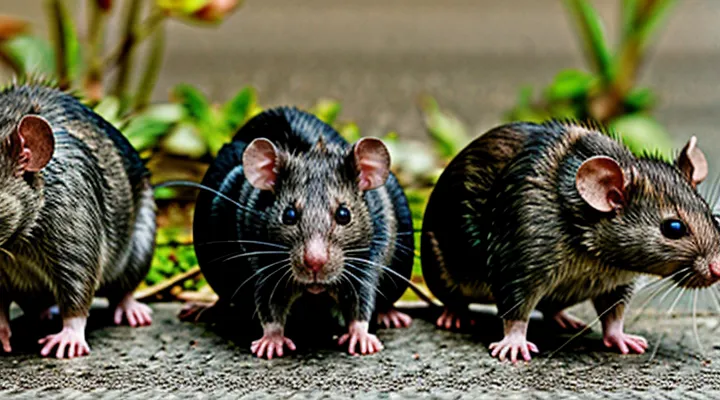
Understanding Rat Reproductive Cycles
Key Reproductive Milestones
Puberty Onset in Male Rats
Puberty onset in male rats marks the transition from juvenile to reproductive competence. It is defined by the activation of the hypothalamic‑pituitary‑gonadal axis, leading to the production of mature spermatozoa.
In most laboratory strains, puberty begins between post‑natal day (PND) 35 and PND 45. Testicular growth accelerates around PND 30, and the first wave of spermatogenesis is detectable by PND 40. By PND 50, most males exhibit full spermatogenic activity and can successfully mate.
The hormonal cascade starts with a rise in luteinizing hormone (LH) and follicle‑stimulating hormone (FSH), followed by a surge in circulating testosterone. Testosterone drives the enlargement of the testes, development of secondary sexual characteristics, and the initiation of sperm production.
Observable external indicators include:
- Preputial separation, typically occurring between PND 35 and 40.
- Testicular descent and a measurable increase in testicular volume.
- Presence of sperm in epididymal smears, first observed around PND 45.
Several variables modify the timing of puberty:
- Genetic background (different rat strains show distinct maturation schedules).
- Nutritional status (caloric restriction delays, while high‑energy diets accelerate onset).
- Environmental conditions (photoperiod, ambient temperature, and housing density).
- Exposure to endocrine‑active compounds (phytoestrogens, pesticides, and synthetic hormones).
When planning breeding programs or reproductive studies, researchers must select male rats that have passed the puberty window, generally after PND 50, to ensure reliable fertility outcomes and avoid confounding effects associated with incomplete sexual maturation.
Puberty Onset in Female Rats
Female rats reach sexual maturity between 5 and 8 weeks of age, depending on strain, nutrition, and housing conditions. Pubertal onset is marked by vaginal opening (VO), which typically occurs at 35–45 days post‑natal in Sprague‑Dawley and Wistar strains. Following VO, estrous cycles become regular after an additional 1–2 weeks, indicating full reproductive competence.
Key factors influencing the timing of puberty:
- Genetic background: Inbred strains such as Fischer 344 mature later (≈7 weeks) than outbred strains.
- Dietary protein: High‑protein diets advance VO by 2–3 days; protein restriction delays it by up to a week.
- Environmental temperature: Ambient temperatures of 22–24 °C promote earlier maturation; colder environments can postpone VO.
- Social hierarchy: Dominant females often experience earlier VO compared to subordinates in crowded cages.
Hormonal profile changes accompany the transition. Serum estradiol rises sharply within 48 hours of VO, while luteinizing hormone (LH) pulses increase in frequency, reflecting activation of the hypothalamic‑pituitary‑gonadal axis. Gonadotropin‑releasing hormone (GnRH) neuronal firing becomes more robust, driven by increased kisspeptin signaling in the arcuate nucleus.
Researchers use the age of VO as a reliable proxy for the onset of reproductive capability. Precise reporting of this metric is essential for studies on developmental toxicology, endocrine disruption, and comparative reproductive biology.
Factors Influencing Reproductive Maturity
Genetic Predisposition
Genetic predisposition strongly influences the onset of reproductive capability in rats. Specific alleles determine the timing of puberty, with some strains reaching sexual maturity as early as five weeks, while others delay until eight weeks. Heritability estimates for this trait range from 0.45 to 0.60, indicating that nearly half of the variation is attributable to inherited factors.
Key genetic components identified in laboratory studies include:
- GnRH1 promoter variants – affect hypothalamic release of gonadotropin‑releasing hormone, accelerating or postponing puberty.
- Leptin receptor (Lepr) mutations – modify energy‑balance signaling, which in turn shifts the age of reproductive activation.
- Kiss1 and Kiss1R polymorphisms – regulate kisspeptin signaling pathways essential for the initiation of the reproductive axis.
- Sex‑determining region Y‑box 9 (Sox9) expression levels – influence gonadal development speed.
Selective breeding experiments demonstrate that crossing early‑maturing lines with late‑maturing lines produces offspring whose reproductive onset aligns with the dominant parental genotype. Genome‑wide association studies (GWAS) in outbred populations confirm multiple quantitative trait loci (QTL) linked to puberty timing, reinforcing the polygenic nature of the trait.
Environmental factors, such as nutrition and temperature, interact with the genetic background but cannot override the baseline set by inherited alleles. Consequently, predicting the age at which a rat will begin reproducing requires assessment of its strain‑specific genotype alongside any external modifiers.
Environmental Conditions
Environmental factors exert a measurable influence on the timing of reproductive maturity in rats. Temperature fluctuations affect metabolic rate; ambient temperatures near the species’ thermoneutral zone accelerate growth, leading to earlier onset of fertility, whereas colder environments delay development. Photoperiod length modulates hormonal cycles; extended daylight exposure increases melatonin suppression, promoting earlier gonadal activation, while short days postpone maturation.
Nutritional availability directly alters body weight trajectories. Diets rich in protein and calories enable rats to reach the critical body mass for puberty sooner, often reducing the age of first estrus by several days. Conversely, caloric restriction or low‑protein regimens extend the pre‑reproductive period, sometimes preventing sexual maturation entirely in severely deficient conditions.
Social environment contributes to reproductive timing. Presence of adult conspecifics, especially breeding females, can trigger earlier sexual readiness through pheromonal cues. Isolation or lack of mature mates generally results in delayed maturation, as endocrine feedback mechanisms remain suppressed.
Key environmental variables and their typical effects:
- Ambient temperature: thermoneutral (≈28 °C) → earlier maturity; sub‑thermoneutral → delayed maturity.
- Photoperiod: long days (≥14 h light) → earlier onset; short days (≤10 h light) → later onset.
- Dietary composition: high protein, adequate calories → reduced age at first estrus; calorie or protein deficit → increased age.
- Social cues: presence of breeding adults → accelerated maturation; solitary housing → postponed maturation.
Understanding these conditions allows precise manipulation of reproductive timelines in laboratory and breeding programs, ensuring predictable outcomes for experimental design and population management.
Nutrition and Diet
Nutrition directly influences the onset of reproductive capability in rats. Adequate protein levels accelerate gonadal development, while deficiencies delay sexual maturity. Energy density of the diet correlates with body weight gain; rapid weight gain shortens the period before fertility is reached.
Key dietary factors include:
- Protein content: 18‑20 % crude protein in standard chow promotes earlier maturation; lower percentages extend the pre‑reproductive interval.
- Caloric density: 3.3‑3.5 kcal/g supports optimal growth; excessive calories can lead to obesity, which may impair reproductive timing.
- Essential fatty acids: ω‑3 and ω‑6 fatty acids modulate hormone synthesis; balanced ratios enhance estrous cycle regularity.
- Micronutrients: Vitamin E, selenium, and zinc are critical for gonadal health; deficiencies result in delayed puberty.
Laboratory protocols often employ a standardized diet containing 20 % protein, 5 % fat, and fortified micronutrients to achieve consistent reproductive onset around 6‑8 weeks of age. Adjustments for specific strains or experimental goals should maintain the protein‑to‑energy ratio while monitoring body condition scores.
Feeding schedules impact hormonal rhythms. Providing food ad libitum ensures continuous nutrient availability, whereas restricted feeding can postpone the first estrus in females and the first ejaculation in males. Consistency in diet composition and feeding frequency minimizes variability in the age at which rats become fertile.
Social Environment and Stress Levels
The social environment exerts a measurable influence on the timing of sexual maturation in laboratory rats. Group housing accelerates the onset of reproductive competence compared with solitary confinement, likely because exposure to conspecific cues stimulates hypothalamic‑pituitary‑gonadal activation. Conversely, chronic isolation delays maturation, reflecting reduced pheromonal stimulation and altered circadian rhythms.
Stress levels modulate this relationship through glucocorticoid pathways. Elevated corticosterone, resulting from overcrowding, frequent handling, or unpredictable lighting, suppresses gonadotropin‑releasing hormone secretion and postpones reproductive readiness. In contrast, low‑intensity, predictable stressors—such as brief handling—can enhance hormonal pulsatility and advance maturation.
Key factors linking social context and stress to reproductive timing:
- Population density: moderate groups (3–5 rats) promote earlier sexual maturity; extreme crowding raises stress hormones and delays it.
- Hierarchy formation: dominant individuals experience lower corticosterone and reach reproductive age sooner; subordinates exhibit higher stress markers and later onset.
- Environmental stability: consistent light‑dark cycles and temperature reduce basal stress, supporting timely maturation.
- Pheromonal exposure: presence of adult males or estrous females accelerates puberty in juveniles via olfactory signaling.
Experimental evidence shows that manipulating cage composition or stressor intensity can shift the age of reproductive activation by 1–2 weeks in standard Sprague‑Dawley rats. Researchers must therefore control social housing conditions and minimize chronic stress to obtain reliable data on developmental timelines.
Temperature and Lighting
Temperature and lighting are primary environmental variables that determine the timing of sexual maturity in laboratory and wild rats. Warm ambient temperatures accelerate metabolic rates, leading to earlier gonadal development. Studies show that rats kept at 22 °C reach first estrus between 45 and 55 days of age, whereas individuals housed at 26 °C mature 5–7 days sooner. Temperatures below 18 °C delay puberty by up to two weeks, often accompanied by reduced litter size.
Photoperiod influences hormonal cycles through melatonin secretion. Continuous light (24 h) suppresses melatonin, shortening the interval to first estrus by approximately 3 days compared with a standard 12 h light/12 h dark cycle. Short-day conditions (8 h light) extend the pre‑reproductive period by 4–6 days and may lower serum luteinizing hormone concentrations. Light intensity also matters; illumination levels above 300 lux promote earlier onset of breeding activity, while dim lighting (<50 lux) can postpone maturity.
Key points for managing reproductive timing:
- Maintain ambient temperature between 22 °C and 24 °C for predictable maturation.
- Use a 12 h light/12 h dark schedule to align with typical laboratory protocols.
- Ensure light intensity of 300–500 lux at cage level.
- Avoid temperature fluctuations greater than ±2 °C to prevent variability in reproductive age.
By controlling these parameters, researchers can reliably predict when rats will become capable of reproduction, facilitating experimental planning and colony management.
Early Breeding Considerations
Health Implications for Young Mothers
Rats reach reproductive maturity at approximately five to six weeks of age, a period when physiological systems are still developing. Early breeding imposes significant health challenges on the dam, including heightened metabolic demand, compromised immune function, and increased risk of obstetric complications.
Key health implications for young female rats:
- Nutritional strain: Pregnancy and lactation divert essential nutrients from the mother’s own growth, leading to weight loss, reduced bone density, and delayed somatic development.
- Hormonal imbalance: Immature endocrine regulation can cause irregular estrous cycles, elevated cortisol levels, and impaired glucose tolerance, which together elevate the probability of gestational diabetes.
- Reproductive pathology: Young dams exhibit higher incidence of uterine infections, dystocia, and postpartum hemorrhage due to underdeveloped uterine musculature and insufficient cervical dilation.
- Immune suppression: The combined stress of gestation and early weaning diminishes leukocyte activity, increasing susceptibility to bacterial and viral agents.
- Reduced lifespan: Cumulative physiological wear from early reproductive cycles shortens overall longevity, as evidenced by accelerated senescence markers in laboratory studies.
These effects not only jeopardize the mother’s immediate well‑being but also diminish the viability of offspring, who may experience lower birth weights, impaired thermoregulation, and increased neonatal mortality. Mitigating early breeding through controlled colony management can improve maternal health outcomes and enhance experimental reliability.
Litter Size and Viability
Rats reach reproductive maturity between 5 and 8 weeks of age, and the first litters produced at this stage exhibit distinct size and survival characteristics.
Typical litter size ranges from six to twelve pups, with a mean of eight. Size increases modestly as females age to three–five months, then declines after approximately one year. Early breeders (first estrus) often produce smaller litters (average five to seven pups) compared to mature adults.
Viability of newborns correlates with maternal age and litter size. Neonatal mortality averages 5 % in litters of optimal size (seven to nine pups) from females aged three–five months. Mortality rises to 10–15 % in litters from very young (first estrus) or older (over twelve months) mothers, and in oversized litters exceeding ten pups.
Key points:
- Litter size peaks at 7–9 pups for females aged 3–5 months.
- First litters from newly mature females are smaller and have higher mortality.
- Mortality rates increase in litters <6 pups or >10 pups.
- Maternal age beyond one year reduces both litter size and pup survival.
These patterns reflect the physiological constraints of early reproductive development and the declining reproductive efficiency of aging females.
Behavioral Aspects of Young Parents
Rats typically reach sexual maturity at five to six weeks of age, initiating the first reproductive cycle shortly thereafter. This early onset shapes the behavioral profile of juvenile parents, who must balance rapid physiological changes with the demands of offspring care.
Young mothers exhibit intense nest‑building activity within hours of parturition, arranging shredded material into a compact structure that maintains temperature and protects pups. Frequent pup‑directed licking and grooming reduce neonatal stress hormones and promote thermoregulation, while also reinforcing maternal bond formation. Maternal aggression peaks during the first post‑natal week, targeting intruders that threaten nest integrity.
Paternal involvement remains limited; adult males seldom participate in direct care but may display territorial vigilance that indirectly safeguards the litter. When males are introduced at a juvenile stage, they often exhibit reduced mating drive and increased tolerance toward the dam, suggesting a shift in social hierarchy driven by early reproductive exposure.
Key behavioral patterns observed in young rat parents include:
- Accelerated nest construction immediately after birth
- High-frequency pup grooming and retrieval
- Elevated defensive aggression toward conspecifics during early lactation
- Minimal paternal contact, with occasional protective posturing
These behaviors emerge rapidly after the onset of reproductive capability, reflecting an adaptive strategy that maximizes offspring survival despite the parents’ limited experience. Understanding these patterns informs experimental designs that rely on early‑stage breeding models and enhances interpretation of developmental outcomes in rodent research.
Comparing Domestic and Wild Rat Reproduction
Differences in Sexual Maturity Age
Rats reach sexual maturity at ages that vary according to species, sex, genetic line, and environmental conditions. Laboratory strains of Rattus norvegicus typically become fertile between 5 and 7 weeks, whereas wild‑caught individuals may require 8 to 10 weeks. Female rats usually attain reproductive competence earlier than males; the first estrus often appears 2–3 days before males exhibit spermatozoa in the epididymis.
Key determinants of maturity age include:
- Genetic background – Inbred lines such as Sprague‑Dawley mature faster than outbred populations.
- Nutrition – High‑calorie diets accelerate growth, reducing the time to first litter by up to 10 %.
- Photoperiod – Longer daylight exposure shortens the pre‑pubertal interval in some strains.
- Temperature – Ambient temperatures above 22 °C promote earlier gonadal development.
Physiological markers of maturity are measurable. In females, the presence of vaginal opening and subsequent estrous cycles indicate readiness for conception. In males, testicular enlargement and detectable sperm in the epididymis confirm functional capacity.
Understanding these variations assists researchers in scheduling breeding programs, predicting population dynamics, and interpreting experimental outcomes that depend on reproductive timing.
Impact of Captivity on Breeding Habits
Rats reach sexual maturity earlier in captive environments than in the wild. Controlled temperature, constant food supply, and reduced predator stress accelerate gonadal development, allowing breeding to commence at ages as low as five weeks for laboratory strains. In contrast, wild populations typically begin reproducing between eight and ten weeks, depending on seasonal temperature fluctuations and food availability.
Key physiological changes observed under confinement include:
- Elevated serum estrogen and testosterone levels due to uninterrupted photoperiod exposure.
- Increased body mass from ad libitum feeding, which correlates with earlier estrous cycles in females.
- Shortened estrous cycle length, often reduced from four to three days, leading to more frequent ovulations.
Behavioral adaptations also affect breeding timing. Limited space restricts territorial disputes, decreasing aggression‑induced delays in mating. Group housing promotes synchronized estrus, further compressing the interval between puberty and first litter.
Long‑term consequences of these shifts involve higher reproductive output per year, altered litter size, and potential genetic drift toward traits favoring rapid maturation. Researchers must account for these captive‑induced modifications when extrapolating laboratory data to natural rat populations.
Practical Implications for Rat Owners and Researchers
Managing Breeding in Pet Rats
Pet rats reach sexual maturity between five and six weeks of age. At this point they can conceive and produce litters, so owners must decide whether to allow breeding or to prevent it.
To prevent unintended litters, separate males and females before the maturity window. Keep males in a dedicated enclosure and house females alone or with other females. Regularly inspect cages for signs of estrus, such as swelling of the vulva, and relocate any females showing these signs away from males.
If breeding is desired, follow a structured plan:
- Verify that both parents are healthy, free of genetic defects, and have up‑to‑date vaccinations.
- Pair a male and a female after confirming the female’s estrus cycle; a brief 24‑hour cohabitation usually results in successful mating.
- Provide nesting material and a quiet area for the pregnant female; avoid stressors such as loud noises and frequent handling.
- Monitor weight gain; a pregnant rat typically adds 10‑15 % of body weight by the third week.
- Prepare for parturition by ensuring the cage is clean and the temperature remains stable (20‑24 °C).
After birth, keep the litter with the mother for the first three weeks. During this period, limit human contact to reduce stress and prevent premature weaning. At three weeks, separate the pups for individual health checks and begin gradual socialization.
Record dates of mating, birth, and weaning for each litter. Accurate records help track generational health trends and assist in making informed breeding decisions in the future.
Ethical Considerations in Research Breeding
Research breeding of rats to determine the onset of reproductive capability demands strict ethical oversight. Institutional review boards require a clear scientific justification that the information cannot be obtained through non‑animal methods or from existing data. Researchers must document how the chosen age range aligns with the study’s objectives and demonstrate that the knowledge gained justifies the use of live animals.
Animal welfare considerations include minimizing the number of subjects, providing environmental enrichment, and ensuring that breeding pairs are housed in conditions that reduce stress. Protocols must specify humane endpoints, such as removal of pregnant females before parturition if the study does not require offspring, and immediate veterinary intervention for signs of pain or distress. Regular health monitoring and prompt reporting of adverse events are mandatory components of responsible breeding programs.
Compliance with regulatory standards involves:
- Submission of detailed breeding schedules to the ethics committee, indicating the exact age at which rats are introduced to breeding conditions.
- Implementation of the 3Rs (Replacement, Reduction, Refinement) by using the smallest viable cohort, employing automated monitoring to reduce handling, and selecting strains with known reproductive timelines to avoid unnecessary variation.
- Transparent record‑keeping of litter sizes, gestation lengths, and any deviations from expected developmental milestones, facilitating reproducibility and external review.
Adhering to these practices ensures that investigations into the developmental onset of rat fertility are conducted with accountability, scientific rigor, and respect for animal welfare.
The Science Behind Rat Reproduction
Hormonal Regulation of Puberty
Role of Gonadotropins
Gonadotropins, primarily luteinizing hormone (LH) and follicle‑stimulating hormone (FSH), drive the activation of the hypothalamic‑pituitary‑gonadal (HPG) axis that marks the transition from juvenile to reproductively competent rats. The surge in pulsatile gonadotropin‑releasing hormone (GnRH) from the hypothalamus initiates increased LH and FSH secretion, stimulating ovarian follicle development in females and testosterone production in males. Elevated LH triggers the first ovulatory event, while rising FSH supports follicular growth and estradiol synthesis, establishing the first estrus cycle.
In females, the first estrus typically appears between the fifth and sixth post‑natal week. Measurements of serum LH show a pre‑ovulatory peak approximately 24 hours before this event, followed by a sustained elevation of FSH that coincides with follicular recruitment. In males, testicular enlargement and spermatogenesis commence around the seventh to eighth week, preceded by a gradual increase in basal LH and a pronounced FSH rise that stimulates Sertoli‑cell proliferation.
Key experimental observations:
- Gonadectomy before the expected surge abolishes LH/FSH peaks and delays reproductive onset.
- Administration of exogenous GnRH agonists advances the LH surge by 2–3 days, leading to earlier estrus.
- Antagonism of LH receptors prevents ovulation despite normal FSH levels, confirming LH’s decisive function in the first ovulatory event.
- FSH knockout models exhibit arrested follicular development and absence of the first estrus, underscoring FSH’s necessity for follicle maturation.
Collectively, the coordinated increase of LH and FSH orchestrates the physiological changes that define the age at which rats achieve reproductive capability.
Estrogen and Testosterone Surges
Rats reach sexual maturity between 5 and 7 weeks of age, depending on strain, nutrition, and environmental conditions. The transition is driven by sharp increases in circulating sex steroids.
Estrogen surge in females:
- Begins shortly after weaning, typically at 4–5 weeks.
- Peaks around the first estrus, coinciding with vaginal opening.
- Triggers development of the hypothalamic‑pituitary‑gonadal axis, promoting luteinizing hormone release and follicular maturation.
Testosterone surge in males:
- Starts at 4 weeks, rises steadily, and peaks near 6 weeks.
- Stimulates growth of the testes, sperm production, and secondary sexual characteristics such as increased musculature and aggression.
- Enhances feedback inhibition of gonadotropin‑releasing hormone, stabilizing the reproductive cycle.
Both hormones act through nuclear receptors that modulate gene expression in the brain and gonads, establishing the physiological framework for successful mating. The timing of these surges aligns with the age at which rats become capable of breeding, marking the onset of reproductive competence.
Physiological Changes During Sexual Maturation
Development of Reproductive Organs
Rats reach reproductive competence after a defined period of post‑natal development during which the gonads and associated structures undergo rapid morphological and functional changes.
In females, ovarian follicles appear within the first week after birth. By the third week, primary follicles are abundant, and secondary follicles begin to form. Around the fifth to sixth week, antral follicles dominate, and the surge of luteinising hormone triggers the first ovulation. Correspondingly, the uterus elongates and the vaginal epithelium thins, preparing for copulation.
In males, testicular cords are recognizable by day four. Leydig cells differentiate between days 10 and 15, initiating testosterone synthesis. Seminiferous tubules expand and establish a complete blood‑testis barrier by the fourth week. By the sixth to eighth week, spermatogenesis reaches the stage of mature spermatozoa, and the epididymis acquires full transport capacity.
Key developmental milestones:
- Week 1–2: Gonadal primordia formation; initial hormone production.
- Week 3–4: Follicular development in females; Leydig cell activity in males.
- Week 5–6: First ovulation in females; appearance of motile sperm in males.
- Week 6–8: Full functional maturity of reproductive tracts; readiness for breeding.
These timelines reflect the physiological window during which rats become capable of successful mating, aligning organ maturation with the emergence of sexual behavior.
Behavioral Indicators of Readiness
Rats attain sexual maturity within a narrow post‑natal window, and specific behaviors reliably signal this transition.
- Increased mounting attempts directed toward opposite‑sex partners.
- Frequent vocalizations, especially ultrasonic calls, during close contact.
- Intensified scent‑marking using urine and glandular secretions to advertise reproductive status.
- Construction of elaborate nests or burrows, often accompanied by gathering of bedding material.
- Heightened aggression toward same‑sex conspecifics, reflecting competition for mates.
- Elevated locomotor activity and exploratory bouts when presented with potential partners.
Observers can detect these cues by continuous video monitoring, ultrasonic recording, and analysis of urine pheromone profiles. The onset of these behaviors typically aligns with the developmental stage when rats first become capable of successful breeding.
Genetic Studies on Reproductive Timing
Identified Genes and Pathways
Genetic regulation determines the timing of reproductive maturity in rats. Experimental data identify several loci that consistently correlate with the onset of puberty.
- Gnrh1: encodes gonadotropin‑releasing hormone; knockout models delay vaginal opening and testicular descent.
- Kiss1 and Kiss1r: encode kisspeptin and its receptor; loss‑of‑function mutations shift puberty onset by 2–3 weeks.
- Fshb and Lhb: regulate follicle‑stimulating and luteinizing hormone synthesis; reduced expression postpones first estrus.
- Esr1: estrogen receptor α; altered signaling modifies the age of first ovulation.
- Mkrn3: suppressor of GnRH release; overexpression extends the prepubertal interval.
Key signaling cascades integrate these genes:
- Hypothalamic‑pituitary‑gonadal (HPG) axis: GnRH pulsatility drives gonadotropin secretion; upstream modulation by kisspeptin and MKRN3 dictates pulse frequency.
- PI3K‑AKT‑mTOR pathway: mediates nutrient‑sensing signals; activation accelerates GnRH neuron maturation.
- MAPK/ERK cascade: transduces growth factor inputs; enhanced activity correlates with earlier gonadal activation.
- Leptin‑JAK/STAT pathway: conveys adiposity cues to the hypothalamus; sufficient leptin signaling is required for timely puberty.
Collectively, these genes and pathways constitute the molecular framework that sets the age at which rats achieve reproductive competence.
Selective Breeding Effects
Selective breeding exerts a measurable influence on the onset of reproductive maturity in laboratory rats. By repeatedly pairing individuals that reach first estrus or sperm production at younger ages, researchers generate lines that achieve sexual maturity several days earlier than unselected stock. Conversely, selecting for later maturation produces strains that delay puberty by comparable intervals. Genetic analyses reveal that these shifts correspond to alterations in alleles regulating hypothalamic gonadotropin‑releasing hormone release, growth hormone pathways, and metabolic rate.
Experimental colonies demonstrate that early‑maturing lines exhibit accelerated growth curves, reduced body weight at weaning, and heightened luteinizing hormone pulsatility. Late‑maturing lines display prolonged juvenile phases, increased adiposity, and attenuated gonadotropin surges. These physiological changes affect breeding schedules, litter size, and intergenerational turnover, thereby shaping colony management strategies.
Practical outcomes include:
- Shortened generation time for early‑maturing rats, enabling faster genetic experiments.
- Extended lifespan of breeding cohorts when delayed maturity reduces reproductive stress.
- Necessity to adjust housing conditions, nutrition, and health monitoring to accommodate divergent developmental timelines.
Overall, selective breeding modifies the age at which rats become reproductively competent through targeted genetic pressure, producing predictable changes in endocrine function and growth patterns that must be accounted for in experimental design and colony upkeep.
Lifespan and Reproductive Senescence
Decline in Fertility with Age
Rats attain sexual maturity rapidly; females typically become fertile between five and six weeks of age. Peak reproductive output occurs during the first two to three months after this point, with litter sizes and conception rates at their highest. As individuals advance beyond this early window, measurable declines in fertility appear.
- By three months, the frequency of successful matings drops by approximately 10 % compared to peak levels.
- At six months, average litter size reduces from 8–10 pups to 5–6, and the interval between estrous cycles lengthens.
- After nine months, conception probability falls below 50 % of the peak, and embryonic loss rates increase noticeably.
Physiological mechanisms underlying the decline include reduced ovarian follicle reserve, altered hormone secretion patterns, and deteriorating uterine receptivity. Male rats exhibit parallel changes: sperm motility and count diminish after six months, contributing to lower fertilization success.
The combined effect of these age‑related factors shortens the reproductive lifespan of laboratory rats, limiting the window for optimal breeding to roughly the first half‑year of life. Researchers planning breeding programs must therefore schedule matings early to maximize output and minimize the impact of age‑associated fertility loss.
Reproductive Health in Older Rats
Rats reach sexual maturity relatively early, but reproductive performance changes markedly after the first breeding cycle. In older females, estrous cycles become irregular, litter size declines, and the incidence of dystocia rises. Hormonal profiles shift, with reduced circulating estrogen and progesterone, leading to lower implantation rates. Gonadal senescence also affects males; testosterone levels drop, sperm motility diminishes, and the proportion of morphologically abnormal sperm increases.
Key aspects of reproductive health in aging rats include:
- Hormonal alterations – decreased estradiol and testosterone, altered luteinizing hormone pulsatility.
- Gamete quality – reduced oocyte viability, increased chromosomal abnormalities, compromised sperm morphology.
- Reproductive output – fewer pups per litter, longer inter‑litter intervals, higher neonatal mortality.
- Maternal health – greater susceptibility to metabolic disorders, impaired uterine contractility, heightened stress response.
Management strategies focus on monitoring estrous patterns, adjusting breeding schedules to avoid peak senescence, and providing enriched diets rich in antioxidants to mitigate oxidative stress. Interventions such as hormone replacement or assisted reproductive techniques can improve outcomes but require careful dosing to prevent adverse effects. Continuous assessment of reproductive parameters enables researchers to maintain colony productivity while respecting the physiological limits of older rats.