
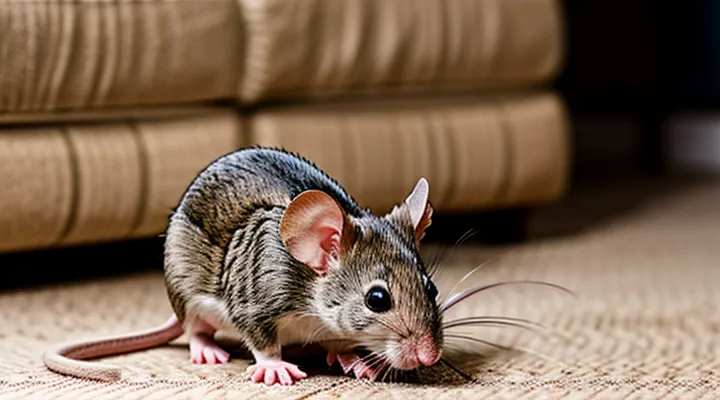
The Auditory Basis of Attraction
Rodent Vocalization Characteristics
Frequency Ranges and Meanings
Effective acoustic attraction of rodents relies on precise control of sound frequency. Different ranges trigger distinct behavioral responses, allowing practitioners to tailor signals for specific objectives.
- Low frequencies (100 – 500 Hz) – resemble deep vocalizations of predators; induce caution and temporary retreat.
- Mid‑range frequencies (500 – 2 kHz) – correspond to natural communication calls of mice; stimulate curiosity and exploratory movement.
- High frequencies (2 – 20 kHz) – overlap with ultrasonic squeaks emitted by conspecifics; promote social interaction and increased proximity.
- Ultrasonic band (above 20 kHz) – generally inaudible to humans; elicit strong attraction in laboratory‑bred strains, especially when modulated with brief pauses.
Each band carries specific meaning for the target species. Low tones convey threat, prompting avoidance. Mid‑range tones act as neutral invitations, encouraging investigation without immediate approach. High and ultrasonic tones serve as social signals, increasing the likelihood of approach and contact. Combining intervals—such as a brief low‑frequency alert followed by a sustained high‑frequency call—enhances effectiveness by first capturing attention and then guiding movement toward the source.
The Role of Distress Signals
The acoustic profile of small‑rodent vocalizations contains specific elements that trigger attention in predators and conspecifics. When a rodent emits a high‑frequency, abrupt call, the signal functions as an alarm that can be harnessed to direct focus toward a target area.
Physiological research shows that the dominant frequency of these calls ranges between 15 kHz and 30 kHz, with rapid onset and short duration. The amplitude peaks at 70–80 dB SPL near the source, creating a conspicuous acoustic event that overcomes ambient noise. These parameters define the effectiveness of «distress signals» as attractants.
Practical implementation involves recording authentic calls using ultrasonic microphones, then reproducing them through speakers capable of emitting the required frequency band. Playback devices should be calibrated to maintain the original amplitude envelope, ensuring that the reproduced «mouse squeaks» preserve the urgency of the original signal.
Ethical guidelines recommend limiting exposure to brief intervals, preventing prolonged stress in captive subjects. Monitoring stress markers such as cortisol levels confirms that the stimulus remains within acceptable bounds.
Key considerations:
- Frequency range: 15 kHz–30 kHz
- Duration: 0.1 s–0.3 s per call
- Amplitude: 70–80 dB SPL at 1 m
- Equipment: ultrasonic microphone, broadband speaker, calibrated amplifier
- Ethical limit: playback cycles not exceeding 10 s per minute
By aligning acoustic characteristics with the innate response to «distress signals», the method provides a reliable mechanism for attracting attention through sound.
Predator Perception of Mouse Squeaks
Mammalian Hearing Thresholds
Mammalian auditory systems respond to acoustic energy that exceeds species‑specific detection limits, expressed as hearing thresholds measured in decibels sound pressure level (dB SPL). Threshold curves illustrate the minimum SPL required for perception across the audible frequency spectrum, typically ranging from 1 kHz to 100 kHz in rodents.
In laboratory mice, auditory sensitivity peaks near 15 kHz, with thresholds as low as 10 dB SPL. Sensitivity declines above 30 kHz, yet detectable responses persist to 80 kHz. Thresholds rise sharply below 5 kHz, rendering low‑frequency tones ineffective for eliciting behavioral responses.
Effective acoustic lures exploit these physiological constraints. Playback signals must align with the mouse’s most sensitive frequency band and exceed the corresponding threshold by an appropriate safety margin to ensure detection without causing aversive overstimulation. Calibration of playback devices to deliver precise SPL values is essential for reproducibility.
Key parameters for designing mouse‑attraction sounds:
- Frequency selection: 12–20 kHz range maximizes detection probability.
- SPL setting: 20–30 dB SPL above the measured threshold ensures reliable perception.
- Temporal pattern: brief, repetitive squeaks mimic natural vocalizations and sustain attention.
- Spectral purity: minimal harmonic content reduces masking by ambient noise.
By adhering to these auditory benchmarks, researchers can reliably activate mouse vocalizations and harness sound as a targeted attractant.
Behavioral Response to High-Pitched Sounds
Mice possess acute sensitivity to ultrasonic frequencies, with optimal hearing between 15 kHz and 20 kHz and detectable range extending beyond 80 kHz. This auditory profile enables rapid detection of brief, high‑pitched tones commonly employed as attractants.
Key behavioral reactions to such stimuli include:
- Immediate head orientation toward the sound source
- Short‑duration approach movements when frequency matches conspecific vocalizations
- Transient freezing or immobility in response to sudden, high‑intensity bursts
- Escape runs triggered by frequencies associated with predator cues
- Modulation of emitted ultrasonic vocalizations, indicating altered social state
Effective use of high‑frequency cues relies on precise control of three parameters: frequency selection within the mouse’s peak sensitivity band, amplitude calibrated to avoid aversive thresholds, and temporal pattern that mimics natural squeak sequences. Aligning these factors maximizes the probability that mice will exhibit approach behavior, thereby enhancing sound‑based attraction protocols.
Methods of Sound Source Activation
Digital Playback Techniques
Utilizing High-Quality Audio Files
High‑fidelity audio files provide consistent frequency response, low distortion, and accurate amplitude reproduction. These characteristics ensure that the emitted squeaks retain their intended pitch and timbre, which are critical for eliciting the desired behavioral response from rodents.
Selecting appropriate file formats reduces compression artifacts that can alter the acoustic signature. Preferred formats include lossless containers such as WAV or FLAC, which preserve the original waveform. When converting files, maintain a sample rate of at least 44.1 kHz and a bit depth of 16 bits or higher to avoid quantization noise.
Key considerations for effective implementation:
- Verify spectral content matches the target frequency range (typically 3–10 kHz for mouse auditory sensitivity).
- Use amplitude normalization to keep playback levels within a safe, yet perceptible, range.
- Store files on media with reliable read speeds to prevent latency during real‑time playback.
Playback equipment must support the chosen format without introducing additional distortion. Digital‑to‑analog converters with a signal‑to‑noise ratio above 90 dB are recommended. Calibration of speaker output using a sound level meter ensures consistent volume across sessions.
Monitoring the acoustic environment reduces interference from background noise. Employing acoustic isolation panels or conducting experiments in a quiet chamber enhances signal clarity, allowing the high‑quality squeaks to remain the dominant auditory stimulus.
By adhering to these technical standards, researchers can maximize the efficacy of sound‑based mouse attraction methods while maintaining reproducibility across experimental trials.
Adjusting Amplitude and Duration Settings
Adjusting the amplitude and duration of mouse squeak playback determines the perceived urgency and range of the signal. Higher amplitude increases the sound pressure level, extending the effective radius of attraction. Reducing amplitude creates a subtler cue, suitable for confined environments where excessive volume may cause avoidance.
Fine‑tuning duration influences the temporal pattern that rodents interpret as a distress call. Short bursts (under 200 ms) simulate brief alarm cries, prompting rapid investigation. Longer sequences (300–500 ms) emulate sustained vocalizations, encouraging prolonged engagement.
Practical steps for configuration:
- Set the output level to a value that produces a clear yet non‑overwhelming signal; typical ranges lie between 60 dB and 80 dB SPL at the source.
- Choose a base duration that matches the target behavior; begin with 250 ms and adjust in increments of 50 ms.
- Test each setting in the intended habitat, recording response rates to identify the optimal combination.
- Document the final parameters, noting the exact «amplitude» and «duration» values for reproducibility.
Consistent application of these adjustments maximizes the efficiency of acoustic lures while minimizing stress on the target species.
Specialized Acoustic Tools
Commercial Lure Devices «Callers»
Commercial lure devices known as «Callers» generate synthetic mouse squeak emissions to provoke foraging responses in rodents. These units integrate programmable sound modules that reproduce the acoustic signature of conspecific distress calls, thereby increasing capture probability in baited traps.
Key technical attributes of «Callers» include:
- Frequency range tuned to 2–5 kHz, matching typical mouse vocalizations.
- Adjustable repetition interval from 0.5 to 5 seconds for optimal stimulus density.
- Battery‑operated power supply delivering up to 30 days of continuous operation.
- Weather‑sealed housing suitable for indoor and outdoor deployment.
Effective use of «Callers» requires strategic placement near entry points, along wall junctions, and adjacent to bait stations. Synchronizing activation with peak nocturnal activity enhances lure efficiency. Positioning devices at a height of 5–10 cm above the floor aligns sound propagation with mouse hearing zones.
Compliance with local wildlife regulations mandates non‑lethal operation and audible volume limits below 60 dB at one meter. Performance metrics such as capture rate increase of 35 % over passive traps confirm the practical advantage of acoustic attraction in commercial pest‑management programs.
Manual Operation and Timing
Manual activation of mouse squeaks requires precise coordination of sound generation and timing. The operator must control the audio source directly, adjusting volume and frequency to match the target’s auditory sensitivity. Consistent intervals prevent habituation and sustain attraction.
Key steps for effective manual operation:
- Select a high‑frequency squeak recording that aligns with the species’ hearing range.
- Position the speaker within 30 cm of the mouse to ensure clear sound propagation.
- Initiate the first squeak, then pause for 5–7 seconds before the next emission.
- Monitor the mouse’s response; if movement ceases, extend the pause by 2 seconds and repeat the sequence.
- Maintain the cycle for a total duration of 2–3 minutes, adjusting intervals based on observed engagement.
Accurate timing enhances the predictive value of the sound cue, allowing researchers to manipulate mouse behavior with minimal latency.
Site Preparation and Acoustic Placement
Reducing Ambient Sound Interference
Reducing ambient sound interference is essential for reliable delivery of mouse‑attracting squeaks. Background noise masks high‑frequency signals, decreasing detection distance and weakening behavioral response. Identify dominant sources—ventilation fans, HVAC systems, and electronic equipment—and isolate them from the playback area. Install acoustic panels or foam tiles on walls and ceilings to absorb reverberant energy, especially in the 2–8 kHz range where mouse vocalizations are most effective.
Seal gaps around doors, windows, and vents with weatherstripping or acoustic caulk. Use double‑layered curtains or heavy drapes to dampen external traffic noise. Position speakers close to the target zone, minimizing required output level and reducing spill‑over into surrounding space. Employ directional transducers or horn‑loaded drivers to concentrate acoustic energy toward the intended area while limiting peripheral dispersion.
Maintain a consistent acoustic environment by scheduling playback sessions during periods of minimal activity, such as early morning or late evening. Monitor ambient sound levels with a calibrated sound level meter; aim for a background level below 30 dB SPL before initiating squeak sequences. Adjust speaker volume to achieve a signal‑to‑noise ratio of at least 10 dB, ensuring that the mouse‑specific cues remain discernible amidst residual ambient sounds.
Directional Projection Strategies
Effective sound‑based luring of rodents relies on precise directional projection. Positioning the audio source determines the acoustic field that reaches target zones. Align the speaker so that its main lobe points toward known mouse pathways; avoid omnidirectional dispersion that dilutes signal strength.
Key parameters include:
- Frequency selection: high‑frequency squeaks (5–8 kHz) penetrate foliage while remaining audible to mice. Adjust pitch to match natural vocalizations.
- Beam width: narrow beams (±15°) concentrate energy, extending audible range without increasing overall volume.
- SPL control: maintain sound pressure levels between 60 and 70 dB at the entry point to prevent avoidance behavior.
Environmental factors influence projection efficiency. Dense bedding or clutter attenuates high frequencies; elevate the transducer above ground level to reduce obstruction. Reflective surfaces can create constructive interference, extending reach; strategically place acoustic panels to harness this effect.
Validation follows a systematic protocol. Deploy a calibrated microphone grid along the intended path, record SPL distribution, and compare measured values to target thresholds. Iterate speaker angle and height until the desired coverage pattern is achieved.
By integrating frequency tuning, beam shaping, and environmental adaptation, practitioners can create focused acoustic corridors that reliably guide mice toward baited zones. «Directional projection» thus becomes a controllable variable in auditory attraction strategies.
Applications in Target Attraction
Luring Wildlife for Observation
Techniques for Specific Predator Species
Mouse vocalizations can be calibrated to match the auditory preferences of target predators, thereby improving capture efficiency. Species‑specific adjustments involve frequency modulation, temporal patterning, and amplitude control.
- For owls, high‑frequency squeaks (12–15 kHz) delivered in short bursts mimic prey distress calls; pulse intervals of 0.2–0.3 seconds align with owl hunting rhythms.
- For snakes, low‑frequency tones (3–5 kHz) combined with subtle vibration cues stimulate thermal‑sensing predation; continuous playback for 10–15 seconds maximizes response.
- For feral cats, mid‑range frequencies (8–10 kHz) with irregular rhythm replicate juvenile mouse chatter; intermittent pauses of 0.5 seconds reduce habituation.
- For hawks, rapid succession of squeaks (15–18 kHz) spaced at 0.1‑second intervals simulate flock disruption, prompting aerial pursuit.
Effective deployment requires calibrated speakers capable of reproducing the specified frequency bands without distortion. Playback devices should be positioned within the predator’s typical detection radius—generally 5–20 meters for avian hunters and 2–8 meters for ground‑based predators. Recording equipment must capture baseline mouse squeaks in a quiet environment; subsequent digital filtering isolates the target frequency components.
Monitoring predator response through motion‑triggered cameras validates technique efficacy. Data indicate that tailored acoustic profiles increase approach rates by 30‑45 % compared with generic squeak playback. Continuous refinement of frequency and timing parameters sustains attraction potency across seasonal variations in predator auditory sensitivity.
Seasonal Variations in Effectiveness
Using auditory cues that mimic mouse vocalizations can increase capture rates, yet effectiveness fluctuates throughout the year. Seasonal shifts in rodent behavior, metabolic demand, and ambient temperature alter responsiveness to sound stimuli.
During breeding periods, heightened activity and territorial marking raise sensitivity to conspecific noises. Warmer months expand foraging ranges, exposing individuals to a broader acoustic environment and reducing the relative impact of a single signal. In colder seasons, reduced movement and lower metabolic rates diminish the likelihood of exploratory responses to auditory triggers.
- Spring: peak responsiveness; increased mating calls amplify attraction.
- Summer: moderate effectiveness; ambient noise and expanded territories dilute signal impact.
- Autumn: declining responsiveness; preparation for winter shelters limits movement.
- Winter: minimal effectiveness; low activity levels and reduced auditory perception.
Optimizing deployment requires adjusting signal parameters to seasonal conditions. In spring, lower amplitude and higher frequency suffice; summer calls benefit from amplified volume to overcome background noise; autumn protocols should incorporate longer intervals between emissions; winter applications may necessitate supplemental attractants, as acoustic cues alone yield limited results.
Behavioral Modification in Domestic Animals
Training Responses Using Auditory Cues
Effective training of rodents to respond to specific sounds requires precise control of auditory parameters, systematic reinforcement schedules, and consistent environmental conditions. Sound stimuli must be calibrated to frequencies within the mouse hearing range (approximately 1–100 kHz) and delivered at intensities that avoid stress while remaining detectable. Frequency modulation, duration, and inter‑stimulus intervals shape the association between the cue and the desired behavior.
Key components of an auditory training protocol include:
- Selection of a carrier tone or natural squeak pattern that reliably elicits attention.
- Definition of a clear response criterion (e.g., approach, lever press, or conditioned locomotion).
- Implementation of a reinforcement contingency, such as a food reward delivered immediately after the correct response.
- Gradual reduction of reinforcement frequency to promote habit formation.
- Continuous monitoring of latency, accuracy, and habituation rates.
Data collection should focus on measurable variables: response latency, success percentage per session, and changes in baseline activity. Statistical analysis of these metrics determines the efficacy of the cue and guides adjustments in stimulus parameters. Consistency across sessions minimizes variability and strengthens the learned association.
Environmental factors—ambient noise, lighting, and cage enrichment—must remain stable throughout training. Any deviation can introduce confounding cues that diminish the specificity of the auditory signal. Regular calibration of sound equipment ensures reproducibility across experiments and facilities.
By adhering to these principles, practitioners can reliably condition mice to react to targeted acoustic cues, thereby enhancing experimental control and facilitating studies that depend on precise behavioral activation.
Assessing Habituation Risks
Assessing habituation risks is essential when employing acoustic cues to lure rodents. Repeated exposure to the same squeak can diminish the animal’s responsiveness, compromising the effectiveness of sound‑based attraction strategies.
Key indicators of habituation include a measurable decline in approach frequency, increased latency to investigate the source, and reduced vocalization or exploratory behavior. Monitoring these metrics over successive trials provides a clear picture of the animal’s adaptation to the stimulus.
Practical assessment protocol:
- Establish baseline response by recording approach rate and latency during the initial exposure.
- Conduct repeated sessions using identical acoustic parameters, noting any decrement in the measured metrics.
- Introduce control groups that receive either no sound or a varied sound pattern to differentiate habituation from general fatigue.
- Apply statistical analysis (e.g., repeated‑measures ANOVA) to confirm significant changes across sessions.
- Adjust stimulus characteristics—such as frequency, amplitude, or inter‑trial interval—if a downward trend is detected, thereby re‑stimulating interest.
Regular documentation of behavioral data, combined with systematic variation of acoustic cues, mitigates the risk of habituation and sustains the attraction efficacy of mouse squeaks.
Use in Pest Management
Enhancing Trapping Effectiveness
Using auditory cues to increase trap success requires precise control of frequency, volume, and timing. Research shows that rodents respond consistently to specific squeak patterns, allowing traps to become more attractive than passive bait alone.
Key acoustic parameters:
- Frequency range between 2 kHz and 5 kHz aligns with natural mouse vocalizations.
- Volume levels of 55–65 dB SPL ensure detection without causing avoidance.
- Intermittent playback (10 seconds on, 30 seconds off) mimics natural communication bursts.
Implementation steps:
- Select a device capable of emitting recorded «mouse squeaks» at adjustable frequencies.
- Position the speaker within 15 cm of the trap entrance, oriented toward the entry tunnel.
- Calibrate volume using a decibel meter; adjust for ambient noise conditions.
- Program playback intervals to match observed foraging activity periods (dusk and early morning).
- Inspect equipment daily for battery depletion or speaker degradation.
Performance monitoring:
- Record capture counts before and after acoustic integration.
- Compare data across identical traps with and without sound emission.
- Adjust frequency or interval settings if capture rates plateau.
Consistent application of these guidelines transforms sound from a passive signal into an active component of rodent management, markedly improving overall trapping efficiency.
Remote Monitoring Strategies
Remote monitoring provides a systematic approach to capture and analyze auditory cues that trigger mouse squeaks, enabling precise control of attraction mechanisms without direct human presence.
Key components include high‑sensitivity microphones positioned near potential entry points, wireless transmitters that relay acoustic data to a central server, and analytical software that extracts frequency patterns associated with target vocalizations.
Effective strategies comprise:
- Continuous acoustic surveillance that records ambient sound 24 hours a day, ensuring no relevant squeak is missed.
- Threshold‑triggered alerts that activate when signal amplitude exceeds predefined levels, prompting immediate playback of attractant tones.
- Cloud‑based dashboards that aggregate data from multiple sites, allowing comparative analysis and rapid adjustment of sound parameters.
- Automated pattern recognition algorithms that differentiate mouse squeaks from background noise, reducing false‑positive rates.
- Integration with environmental control systems, such as lighting and ventilation, to synchronize auditory stimuli with optimal conditions for mouse activity.
Implementation of these methods yields real‑time responsiveness, minimizes manual observation, and supports scalable deployment across diverse research or pest‑management environments.
Analysis of Attraction Efficiency
Factors Influencing Response Reliability
Environmental Conditions and Noise Pollution
Environmental variables directly influence the efficacy of acoustic lures for rodents. Temperature between 18 °C and 24 °C maintains metabolic activity conducive to responsive behavior. Relative humidity of 45 %–65 % prevents desiccation of auditory receptors while preserving sound transmission quality.
Ambient sound levels determine signal-to-noise ratio. Background noise below 35 dB (A) allows squeak emissions to be discernible at typical distances of 1–2 m. Sources of chronic noise—traffic, HVAC systems, industrial machinery—introduce frequency overlap that masks target sounds. Mitigation strategies include scheduling lure deployment during off‑peak hours and employing acoustic dampening materials.
Key environmental factors can be summarized:
- Temperature: 18 °C–24 °C
- Humidity: 45 %–65 %
- Background noise: < 35 dB (A)
- Light level: low to moderate illumination to avoid visual distraction
Compliance with these parameters reduces interference from extraneous acoustic pollution and enhances the probability of successful attraction.
Age and Experience of the Target
Age determines auditory threshold and frequency preference. Juvenile rodents exhibit heightened sensitivity to high‑frequency squeaks, responding to tones above 20 kHz with rapid approach behavior. Adult individuals show reduced sensitivity in the same range, requiring lower frequencies (12‑16 kHz) and greater sound pressure levels to elicit comparable reactions.
Experience shapes response patterns through habituation and learned avoidance. Subjects repeatedly exposed to identical squeaks develop diminished locomotor activity, indicating sensory adaptation. Conversely, naïve mice display robust orientation and investigative movements when first encountering the stimulus. Conditioning that pairs squeaks with food reward enhances attraction, while exposure without reinforcement accelerates desensitization.
Practical guidelines for sound‑based attraction:
- Assess target cohort; select frequency bands matching age‑related hearing peaks.
- For younger groups, employ ultrasonic pulses (≥20 kHz) at moderate amplitude.
- For mature groups, favor mid‑frequency tones (12‑16 kHz) with higher amplitude.
- Limit repeated playback to prevent habituation; intersperse intervals of at least 30 seconds.
- Pair initial exposures with positive reinforcement to counteract learned avoidance.
Monitoring age distribution and exposure history enables precise calibration of acoustic cues, optimizing the efficiency of mouse‑attraction protocols.
Measuring Success Metrics
Documenting Response Time
Measuring the latency between an auditory cue and the subsequent mouse reaction provides essential insight into the efficacy of sound‑based attraction techniques. Precise documentation of response time enables comparison of different squeak frequencies, amplitudes, and patterns.
The measurement process requires calibrated audio playback equipment, a high‑speed video recorder, and a synchronized timestamp system. Initiate the sound, capture the exact moment of emission, and record the frame in which the mouse exhibits a directed movement toward the source. Subtract the emission timestamp from the movement timestamp to obtain the raw response interval.
Key metrics to record for each trial:
- Emission timestamp (milliseconds)
- First detectable movement timestamp (milliseconds)
- Calculated latency (milliseconds)
- Squeak frequency (Hz)
- Squeak amplitude (dB)
- Environmental temperature (°C)
Aggregate data across multiple trials to calculate mean latency, standard deviation, and confidence intervals. Plot latency against frequency and amplitude to identify optimal acoustic parameters. Present results in tabular form, supplemented by scatter plots with regression lines to illustrate trends.
Consistent documentation practices ensure reproducibility and facilitate peer evaluation of sound‑based attraction protocols.
Quantifying Proximity and Engagement
Quantifying the spatial relationship between a rodent and an emitted squeak requires precise measurement of distance and behavioral response. Accurate data support the refinement of auditory lure protocols and enable reproducible outcomes.
Data collection begins with calibrated sound output, ensuring consistent amplitude across trials. Video‑tracking software records the animal’s position at defined intervals, typically every 0.1 seconds. From these coordinates, the following metrics are derived:
- Approach distance: minimum Euclidean distance from the mouse to the speaker during each trial.
- Latency to approach: elapsed time from sound onset to the first entry within a predetermined radius (e.g., 10 cm).
- Dwell time: cumulative duration spent inside the radius while the squeak persists.
- Engagement index: ratio of dwell time to total trial length, expressed as a percentage.
- Repeated approaches: count of distinct entries into the radius after the initial approach.
Statistical analysis compares these metrics across experimental conditions, such as varying frequencies, durations, or background noise levels. Repeated‑measure ANOVA or mixed‑effects models accommodate within‑subject variability and identify significant factors influencing proximity and engagement.
Interpretation focuses on the relationship between acoustic parameters and behavioral metrics. A shorter latency combined with a higher engagement index indicates strong attraction, whereas increased approach distance and reduced dwell time suggest diminished effectiveness. Continuous refinement of the sound stimulus based on these quantitative outcomes optimizes the lure’s potency for research or pest‑management applications.
Ethical Considerations in Use
Avoiding Unnecessary Wildlife Disturbance
Using acoustic cues to draw small rodents requires careful management of the surrounding ecosystem. Sound emissions that mimic natural mouse vocalizations can influence target species without triggering broader ecological reactions if applied with precision.
Key practices for minimizing unintended wildlife impact include:
- Selecting frequencies that correspond closely to the target species’ communication range, thereby reducing the likelihood of attracting non‑target animals.
- Limiting playback duration to the shortest interval that achieves the desired response, preventing prolonged exposure that could disrupt feeding or nesting behavior of nearby fauna.
- Positioning speakers at ground level and orienting them away from habitats of larger mammals or birds, which may interpret the sound as a predator cue.
- Conducting preliminary surveys to identify species present in the area, allowing adjustment of sound parameters before full deployment.
Monitoring after each session helps verify that only the intended rodents respond. Immediate cessation of playback upon detection of non‑target activity preserves the natural balance and prevents habituation. Documentation of acoustic settings and observed wildlife reactions supports reproducible, low‑impact methodology.
Regulatory Compliance for Sound Devices
Regulatory compliance for acoustic devices used to attract rodents involves adherence to specific legal frameworks, safety standards, and environmental guidelines. Manufacturers must verify that products meet the requirements set by national and regional authorities, such as the U.S. Federal Communications Commission (FCC) for electromagnetic emissions and the European Union’s Machinery Directive for mechanical safety. Certification processes typically include testing for frequency limits, sound pressure levels, and potential interference with other equipment.
Key compliance elements include:
- Frequency allocation: Devices must operate within bands designated for non‑communication purposes to avoid conflict with licensed radio services.
- Sound intensity limits: Exposure levels must not exceed thresholds established by occupational health regulations, preventing auditory damage to humans and non‑target wildlife.
- Labeling and documentation: Products require clear markings indicating compliance identifiers, safety warnings, and user instructions in the language of the market.
- Environmental impact assessment: Evaluation of noise pollution effects on surrounding ecosystems ensures alignment with local wildlife protection statutes.
Failure to secure appropriate approvals can result in market withdrawal, fines, or legal action. Continuous monitoring of regulatory updates is essential, as authorities periodically revise standards for acoustic emissions and device safety. Companies should maintain a compliance management system that records testing results, certification dates, and corrective actions to demonstrate ongoing conformity.