
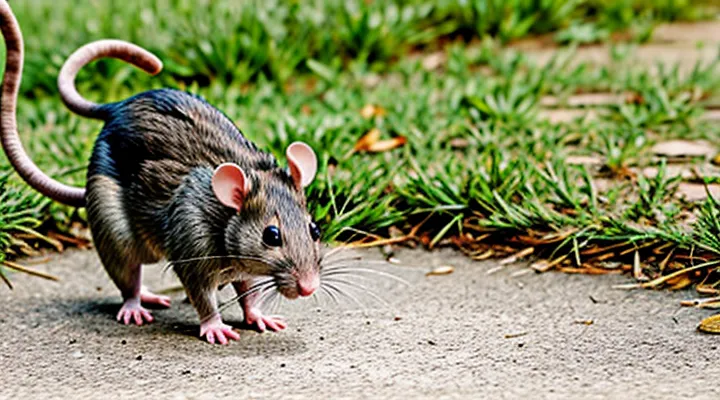
«Understanding Rat Respiratory Distress»
«Identifying the Sounds»
«Grunting vs. Wheezing: Key Differences»
Rats produce two distinct respiratory noises that indicate different physiological states. Grunting is a low‑frequency, rhythmic sound generated by the diaphragm and intercostal muscles during forced exhalation. Wheezing is a high‑frequency, continuous tone produced by turbulent airflow through narrowed airways.
-
Acoustic profile
• Grunting: deep, pulsatile, audible at 30–80 Hz.
• Wheezing: sharp, musical, audible above 200 Hz. -
Anatomical source
• Grunting: chest wall movement, often linked to abdominal pressure.
• Wheezing: airway obstruction within trachea, bronchi, or bronchioles. -
Typical causes
• Grunting: pain, hypoxia, severe distress, or effort to clear airway secretions.
• Wheezing: bronchoconstriction, edema, infection, or foreign body presence. -
Associated clinical signs
• Grunting: rapid breathing, cyanosis, reduced activity.
• Wheezing: labored breathing, audible crackles, possible cough. -
Immediate actions
• Grunting: assess oxygen saturation, provide supplemental O₂, evaluate for pain or trauma, consider gentle ventilation support.
• Wheezing: examine airway patency, administer bronchodilators if bronchoconstriction is suspected, clear secretions, monitor for respiratory failure.
Understanding these differences enables rapid identification of the underlying problem and selection of appropriate interventions, thereby reducing morbidity in affected rodents.
«Other Abnormal Noises»
Rats may emit sounds that fall outside the typical grunt or wheeze spectrum. Recognizing these vocalizations helps identify stress, disease, or environmental issues.
Common abnormal noises include:
- Sharp squeaks – sudden, high‑frequency bursts often signal acute pain or injury.
- Low‑frequency growls – deep, rumbling tones can indicate territorial aggression or severe discomfort.
- Rapid clicking – fast, repetitive clicks may precede seizures or neurological disturbances.
- Soft chirps – gentle, repetitive chirps are sometimes associated with respiratory infections or upper‑airway obstruction.
When any of these sounds appear, follow a structured response:
- Observe context – note the time, location, and preceding events to differentiate between environmental triggers and physiological causes.
- Examine the animal – check for visible injuries, nasal discharge, labored breathing, or abnormal posture.
- Record the vocalization – capture audio for comparison and potential veterinary consultation.
- Isolate the rat – move the individual to a quiet, temperature‑controlled enclosure to reduce stress.
- Consult a veterinarian – provide the recorded sound and observational data; request diagnostic tests such as radiographs or blood panels if respiratory or neurological issues are suspected.
- Implement preventive measures – ensure proper ventilation, reduce loud ambient noise, and maintain a clean habitat to minimize irritants.
Prompt identification and targeted action prevent escalation and support the health of the rodent population.
«Common Causes of Respiratory Issues in Rats»
«Respiratory Infections (Mycoplasma pulmonis)»
Mycoplasma pulmonis is the primary bacterial agent causing respiratory disease in laboratory and pet rats. The organism lacks a cell wall, rendering it resistant to β‑lactam antibiotics and requiring agents that target protein synthesis, such as tetracyclines or macrolides.
Transmission occurs through direct contact, aerosolized secretions, and contaminated bedding. Infected individuals shed the bacterium for weeks, often without overt signs, facilitating silent spread within colonies.
Typical clinical manifestations include nasal discharge, sneezing, audible wheezing, and reduced activity. Progressive infection may lead to secondary bacterial pneumonia, otitis media, and conjunctivitis. Early detection relies on observation of these signs and confirmation by culture, polymerase chain reaction, or serology.
Management protocol:
- Isolate symptomatic rats and any in‑contact individuals.
- Initiate antimicrobial therapy with doxycycline (5 mg/kg, oral, twice daily) or azithromycin (10 mg/kg, oral, once daily) for a minimum of 14 days.
- Provide supportive care: supplemental heat, humidified environment, and easy access to water and soft food.
- Perform weekly health checks; discontinue treatment only after two consecutive examinations show no respiratory signs.
Preventive measures:
- Maintain low humidity and adequate ventilation to reduce aerosol persistence.
- Replace bedding weekly; use autoclaved or commercially sterilized material.
- Quarantine new arrivals for at least 30 days; screen with PCR before integration.
- Implement strict hand hygiene and use dedicated equipment for each cage.
Record keeping of treatments, outcomes, and environmental parameters supports ongoing colony health assessment and enables rapid response to future outbreaks.
«Allergies and Environmental Irritants»
Rats that exhibit frequent grunting and wheezing often suffer from airborne allergens and irritants. These agents trigger inflammation of the respiratory tract, reduce oxygen intake, and may lead to secondary infections. Identifying and eliminating the sources of exposure is essential for restoring pulmonary function.
Common contributors include:
- Dust mites and rodent bedding fragments that become airborne.
- Mold spores proliferating in damp corners of cages or storage areas.
- Volatile organic compounds released by cleaning agents, scented oils, or plasticizers.
- Pollen that infiltrates through ventilation openings.
- Smoke particles from nearby combustion sources.
Effective mitigation follows a systematic approach:
- Conduct a visual inspection of the habitat, noting humidity levels, visible mold, and accumulation of debris.
- Replace standard bedding with low‑dust, hypoallergenic alternatives such as paper‑based products.
- Install a HEPA filtration unit to capture fine particles and maintain air exchange rates of at least 30 cubic feet per minute per cage.
- Apply a non‑toxic antifungal treatment to affected surfaces, allowing full drying before re‑introduction of the animal.
- Eliminate chemical sprays and scented cleaners; use plain, water‑based disinfectants verified as safe for rodents.
- Monitor the rat’s respiratory sounds daily; any persistence of wheezing beyond 48 hours warrants veterinary assessment.
By removing allergenic and irritant sources, maintaining optimal humidity (40‑60 % relative), and ensuring continuous clean airflow, respiratory distress in affected rats can be rapidly reduced, preventing long‑term health complications.
«Heart Conditions»
A rodent that grunts and wheezes may be experiencing cardiac distress. Recognizing heart‑related causes is essential for timely intervention.
Signs indicating a cardiac problem include rapid or irregular pulse, cyanotic gums, lethargy, abdominal swelling, and difficulty breathing that intensifies during activity. Absence of these signs does not exclude heart disease; subtle changes in posture or reduced appetite can also be relevant.
Diagnostic steps:
- Perform a thorough physical examination, focusing on pulse quality and respiratory pattern.
- Obtain a chest radiograph to assess heart size and pulmonary vessels.
- Conduct an electrocardiogram to detect rhythm abnormalities.
- Run blood tests for biomarkers such as troponin and B‑type natriuretic peptide.
- Consider echocardiography for detailed evaluation of chamber dimensions and valve function.
Management protocol:
- Stabilize airway and oxygenation; administer supplemental oxygen if hypoxia is present.
- Initiate diuretics (e.g., furosemide) to reduce fluid overload when pulmonary edema is evident.
- Apply positive inotropic agents (e.g., pimobendan) for reduced contractility.
- Use anti‑arrhythmic drugs (e.g., lidocaine) if ventricular ectopy is documented.
- Monitor electrolytes and adjust therapy to maintain potassium and magnesium within normal ranges.
- Provide analgesia and stress reduction to minimize sympathetic stimulation.
- Schedule regular re‑evaluation, adjusting dosages based on serial imaging and clinical response.
Preventive measures focus on maintaining optimal body weight, providing a low‑sodium diet, and minimizing stressors that can provoke tachycardia. Routine health checks for breeding colonies should include cardiac screening to detect subclinical disease early.
Prompt identification and targeted treatment of heart conditions can prevent progression to fatal respiratory failure in affected rodents.
«Tumors and Other Medical Conditions»
Rats that emit low‑frequency grunts or high‑pitched wheezes often suffer from underlying pathology. Tumors, particularly in the respiratory tract, nasal cavity, or mediastinum, generate mechanical obstruction and tissue irritation, producing audible distress sounds. Malignant growths typically progress rapidly; palpable masses, weight loss, and reduced activity accompany the vocal changes.
Other medical conditions that manifest with similar noises include:
- Chronic bronchitis or pneumonia – inflammation and fluid accumulation narrow airways, leading to wheezing.
- Cardiac failure – pulmonary edema creates crackles and labored breathing that may be mistaken for wheezes.
- Upper‑airway obstruction from foreign bodies or severe allergic rhinitis – sudden onset of grunting as the animal struggles to move air.
- Neurological disorders affecting respiratory muscles – dysphagia and abnormal vocalization result from impaired coordination.
When these signs appear, immediate veterinary assessment is essential. Diagnostic steps should follow a systematic order:
- Physical examination to detect masses, auscultate lung sounds, and assess heart rate.
- Radiographic imaging of thorax and skull to identify tumors, fluid, or foreign objects.
- Complete blood count and serum chemistry to reveal infection, anemia, or organ dysfunction.
- Cytology or biopsy of suspicious tissue for definitive tumor classification.
- Pulse oximetry and arterial blood gas analysis to evaluate oxygenation and guide supportive care.
Treatment plans depend on the identified condition. Surgical excision or radiation therapy targets localized neoplasms; antibiotics and anti‑inflammatory agents address infectious or inflammatory processes; diuretics and cardiac medications manage heart failure; removal of obstructive material resolves acute airway blockage. Throughout, analgesia and supportive oxygen therapy improve comfort and reduce further respiratory strain.
«Immediate Actions and Veterinary Care»
«First Steps at Home»
«Assessing Severity»
When a rat exhibits noisy breathing and strained vocalizations, the first clinical priority is to determine how urgently intervention is required. Severity assessment relies on objective observations, measurable parameters, and rapid decision‑making.
Key indicators of critical condition include:
- Respiratory rate exceeding 120 breaths per minute.
- Audible wheezing or grunting that persists during both inhalation and exhalation.
- Oxygen saturation below 90 % on room air.
- Presence of cyanosis around the muzzle or extremities.
- Rapid decline in activity level or loss of righting reflex.
If any of these signs are present, classify the case as severe and initiate emergency support, such as supplemental oxygen and airway clearance, before proceeding to diagnostic testing. In the absence of these markers, categorize the situation as mild to moderate, monitor vitals every 15 minutes, and consider bronchodilator therapy if wheezing is intermittent. Continuous re‑evaluation ensures timely escalation should the animal’s status deteriorate.
«Creating a Comfortable Environment»
A rat that emits grunts and wheezes requires a habitat that minimizes respiratory stress and supports recovery. The enclosure should provide ample space, clean bedding, and stable environmental conditions.
- Cage dimensions: at least four times the animal’s length; vertical height sufficient for climbing.
- Bedding: dust‑free, absorbent material; replace daily to prevent ammonia buildup.
- Temperature: maintain 20‑24 °C; avoid sudden fluctuations.
- Humidity: keep between 40‑60 %; use a hygrometer to monitor.
- Ventilation: ensure fresh air flow without drafts; install a low‑noise fan if needed.
- Noise control: place the cage on a solid surface; use acoustic panels to dampen external sounds.
- Enrichment: offer chew toys, tunnels, and nesting material; rotate items weekly to sustain interest.
Regular cleaning schedules, prompt removal of waste, and observation of the rat’s breathing pattern are essential. Adjust any parameter that deviates from the recommended range within 24 hours to prevent aggravation of respiratory symptoms.
«Humidity and Air Quality Considerations»
Maintaining optimal humidity and air quality is critical for a rat exhibiting grunts and wheezes. Excess moisture encourages mold growth, bacterial proliferation, and dust mite populations, all of which aggravate respiratory pathways. Conversely, overly dry air dries mucous membranes, reducing the animal’s ability to filter irritants.
Key parameters to monitor:
- Relative humidity: keep within 40‑60 % to prevent condensation while preserving airway moisture.
- Temperature: maintain a stable 68‑74 °F (20‑23 °C) to avoid stress‑induced hyperventilation.
- Particulate concentration: aim for less than 35 µg/m³ of PM2.5; employ HEPA filtration to capture fine dust and allergens.
- Volatile organic compounds (VOCs): limit exposure to <0.5 ppm; avoid scented cleaners, aerosol sprays, and strong fragrances in the enclosure area.
- Ammonia levels: keep below 10 ppm; use absorbent bedding and regular spot cleaning to reduce nitrogenous waste buildup.
Practical steps:
- Install a calibrated hygrometer and digital air‑quality monitor near the cage.
- Adjust enclosure ventilation with a low‑speed fan to promote air exchange without creating drafts.
- Replace bedding weekly; select low‑dust, absorbent substrates such as paper‑based or aspen shavings.
- Conduct weekly deep cleaning: remove waste, scrub surfaces with a mild, fragrance‑free disinfectant, and rinse thoroughly.
- Introduce a small, sealed water dish; avoid open water trays that increase humidity spikes.
Consistent adherence to these guidelines reduces airway irritation, supports mucosal health, and mitigates the audible distress signals produced by the rat. Monitoring data and adjusting environmental controls promptly yields measurable improvement in respiratory function.
«When to Seek Veterinary Attention»
«Signs Requiring Urgent Care»
A rodent that produces grunting or wheezing sounds may be experiencing a medical emergency. Immediate veterinary evaluation is warranted when any of the following signs appear.
- Labored breathing, visible effort to inhale or exhale, or rapid respiratory rate.
- Persistent coughing, choking, or gagging that does not resolve within a few minutes.
- Bleeding from the nose, mouth, or any body opening.
- Sudden collapse, loss of consciousness, or inability to stand.
- Profuse drooling, foaming at the mouth, or signs of oral pain.
- Swelling or bulging of the abdomen, indicating possible internal distress.
- Severe lethargy, unresponsiveness, or marked weakness.
- Bright red or black discoloration of the skin or mucous membranes, suggesting shock or severe anemia.
These indicators signal conditions such as respiratory obstruction, severe infection, trauma, or systemic shock. Prompt professional care can prevent irreversible damage or death. If any sign is observed, contact an emergency veterinarian without delay.
«Choosing a Rat-Savvy Veterinarian»
When a pet rat exhibits grunting or wheezing, the veterinarian’s expertise determines the speed and quality of care. Selecting a practitioner who understands rodent physiology reduces diagnostic delay and improves treatment outcomes.
First, verify credentials. Look for a veterinarian with a small‑animal license who lists exotic‑pet or rodent experience on their website or in professional directories. Membership in organizations such as the American College of Veterinary Internal Medicine (exotic species section) or the Association of Exotic Mammal Veterinarians indicates additional training.
Second, assess practical experience. Ask the clinic how many rat patients they have treated in the past year and whether they perform routine procedures—such as dental exams, respiratory assessments, and minor surgeries—specifically on rats. Clinics that keep detailed medical records for rodents demonstrate systematic care.
Third, consider facility suitability. A treatment area with separate cages, low‑stress handling tools, and proper ventilation minimizes the risk of exacerbating respiratory issues. Availability of diagnostic equipment (e.g., radiography with small‑animal settings, otoscopic examination) is essential for accurate evaluation of wheezing.
Fourth, evaluate communication. A competent veterinarian should explain the likely causes of grunting and wheezing, outline diagnostic steps, and describe treatment options without relying on vague language. Clear, written instructions for medication dosing and home care reduce the chance of errors.
Finally, check references. Online reviews from rat owners, recommendations from reputable breeders, or testimonials from local rodent‑interest groups provide insight into the clinic’s reliability.
By confirming licensing, confirming rodent‑specific experience, inspecting the treatment environment, demanding transparent communication, and consulting peer feedback, owners can choose a veterinarian equipped to address a rat’s respiratory distress promptly and effectively.
«Diagnostic Procedures at the Vet»
«Physical Examination»
When a rat produces audible grunts and wheezes, a focused physical examination is the first clinical priority. Rapid assessment determines the severity of respiratory compromise and guides subsequent interventions.
Observe the animal’s posture, respiratory rate, and effort. Note any labored breathing, flaring of nares, or abdominal muscle use. Record temperature, heart rate, and mucous membrane color to evaluate systemic stability.
- Respiratory inspection: Check for chest wall movement symmetry, identify crackles or stridor with a stethoscope, and count breaths per minute.
- Auscultation: Place the diaphragm over each lung lobe; listen for wheezes, rales, or diminished sounds. Compare left and right sides.
- Palpation: Gently feel the thorax for tenderness, crepitus, or abnormal masses. Assess tracheal position for deviation.
- Oropharyngeal exam: Examine the oral cavity for discharge, swelling, or dental overgrowth that could obstruct airflow.
- Cardiovascular assessment: Listen to heart sounds, palpate femoral pulse, and note any arrhythmias that may accompany hypoxia.
Document findings precisely. Persistent wheezes, increased respiratory rate (>120 breaths/min), or cyanotic mucous membranes indicate urgent supportive care, such as oxygen supplementation, airway clearance, and analgesia. Normal parameters suggest monitoring and investigation of underlying causes, including infection, foreign body, or allergic reaction.
«Imaging (X-rays)»
When a rodent exhibits audible breathing abnormalities, X‑ray examination provides the quickest objective assessment of the thoracic cavity. Radiographs reveal airway obstruction, lung consolidation, pleural effusion, and skeletal involvement that cannot be judged by auscultation alone.
Key objectives of radiographic imaging in this scenario are:
- Detect tracheal narrowing or foreign bodies.
- Identify pulmonary infiltrates indicating infection or inflammation.
- Visualize diaphragmatic position and potential ascites.
- Assess rib or sternum fractures that may compromise ventilation.
Technique considerations:
- Use a calibrated digital X‑ray unit with settings adjusted for small‑animal anatomy (approximately 40–50 kVp, 0.5 mAs).
- Position the rat in lateral recumbency for a ventro‑dorsal view, then rotate to obtain a dorsoventral projection.
- Apply a low‑density, radiolucent support to minimize superimposed tissue and improve contrast.
- Sedate with a short‑acting agent (e.g., midazolam) to prevent motion artifacts while preserving respiratory drive.
Interpretation guidelines:
- Uniformly increased opacity across one lung field suggests pneumonia; focal opacity with air bronchograms points to consolidation.
- A hyperlucent area with a sharp border indicates pneumothorax.
- Presence of radiopaque material within the trachea confirms an obstructive foreign object.
- Asymmetrical diaphragm elevation may signal pleural effusion or diaphragmatic herniation.
Follow‑up actions based on findings:
- If obstruction is identified, plan immediate retrieval using endoscopic or surgical methods.
- For infectious patterns, initiate targeted antimicrobial therapy after culture.
- Pneumothorax requires needle decompression or chest tube placement.
- Effusion warrants thoracocentesis and analysis of fluid.
Prompt radiographic evaluation, combined with precise technique and systematic interpretation, directs effective intervention for rodents displaying grunting and wheezing sounds.
«Laboratory Tests»
When a rodent presents with audible grunting and wheezing, laboratory evaluation clarifies the underlying cause and guides treatment.
- Complete blood count (CBC) with differential: identifies leukocytosis, anemia, or eosinophilia that suggest infection, hemorrhage, or allergic airway disease.
- Blood gas analysis: measures pH, PaO₂, PaCO₂, and lactate to assess respiratory efficiency and detect hypoxemia or hypercapnia.
- Serum biochemistry panel: evaluates renal and hepatic function, electrolytes, and inflammatory markers such as C‑reactive protein.
- Microbiological cultures (nasal swab, bronchoalveolar lavage): isolate bacterial, viral, or fungal pathogens; include antimicrobial susceptibility testing when indicated.
- Radiographic imaging (thoracic X‑ray or CT): visualizes pulmonary infiltrates, airway obstruction, pleural effusion, or masses.
- PCR or serologic assays for specific respiratory pathogens (e.g., Mycoplasma spp., Sendai virus): confirm viral or atypical bacterial infection.
Interpretation of results determines whether the condition is infectious, inflammatory, metabolic, or structural. Elevated white‑blood cell count with a left shift and positive culture directs antimicrobial therapy. Hypoxemia on blood gas paired with radiographic infiltrates supports pneumonia, prompting oxygen supplementation and targeted antibiotics. Normal CBC and chemistry with abnormal imaging suggest non‑infectious airway disease, indicating bronchodilators or anti‑inflammatory agents. Immediate implementation of the appropriate intervention reduces morbidity and improves survival prospects.
«Treatment Options»
«Antibiotics for Infections»
When a rat exhibits grunting and wheezing, the likelihood of a respiratory infection is high. Prompt antimicrobial therapy can prevent progression to pneumonia and systemic illness.
Select an antibiotic based on the most common bacterial agents in rodents: Streptococcus, Klebsiella, and Mycoplasma. First‑line options include:
- Enrofloxacin, 10 mg/kg orally every 12 hours for 7–10 days.
- Trimethoprim‑sulfamethoxazole, 30 mg/kg orally every 12 hours for 7 days, provided the animal tolerates sulfonamides.
- Doxycycline, 5 mg/kg orally every 12 hours for 10 days, effective against atypical pathogens.
Culture and sensitivity testing should guide adjustments; empirical treatment is acceptable only when immediate intervention is required.
Monitor clinical signs daily. Improvement within 48 hours indicates appropriate coverage. Persisting wheeze, lethargy, or weight loss after 72 hours warrants re‑evaluation, possible imaging, and alteration of the antimicrobial regimen.
Supportive care complements antibiotics:
- Warm, humid environment to ease breathing.
- Fluid therapy to maintain hydration.
- Nutrient‑rich diet to sustain immune function.
Avoid using broad‑spectrum agents without justification, as resistance develops rapidly in small‑animal populations. Document dosage, duration, and response to ensure repeatable outcomes for future cases.
«Corticosteroids and Bronchodilators»
Rats that exhibit audible grunts and wheezing are likely experiencing lower‑airway inflammation or bronchoconstriction. Prompt pharmacologic intervention can reverse airway obstruction and limit tissue damage.
Corticosteroids suppress inflammatory cell infiltration, reduce cytokine release, and stabilize epithelial membranes. In rodent models, systemic dexamethasone (0.2–0.5 mg kg⁻¹ day⁻¹) or inhaled budesonide (0.5–1 µg kg⁻¹ bid) achieve measurable decreases in bronchoalveolar lavage neutrophils within 24 hours. Therapy should begin after confirming bacterial or viral infection is not the primary driver, because immunosuppression may exacerbate uncontrolled pathogens.
Bronchodilators relax smooth‑muscle tone, improving airflow. Short‑acting β₂‑agonists (e.g., albuterol 0.1 mg kg⁻¹ via nebulization) produce rapid reduction in respiratory resistance, useful for acute episodes. Long‑acting agents (e.g., salmeterol 0.05 mg kg⁻¹ q24h) maintain patency during chronic phases. Anticholinergic agents such as ipratropium (0.2 mg kg⁻¹ q8h) complement β‑agonists by inhibiting vagal-mediated constriction.
Effective management combines both classes:
- Initiate corticosteroid therapy within the first 12 hours of symptom onset.
- Administer a short‑acting β₂‑agonist at the first sign of increased effort, repeat every 4–6 hours as needed.
- Add a long‑acting bronchodilator after 48 hours if wheezing persists despite short‑acting use.
- Consider ipratropium when tachycardia limits β‑agonist dosing.
Monitoring includes daily observation of respiratory rate, auscultation for wheeze intensity, and periodic measurement of serum cortisol to detect adrenal suppression. Adjust dosages if weight loss exceeds 10 % or if signs of infection emerge.
Discontinuation of corticosteroids should taper over 5–7 days to prevent rebound inflammation. Bronchodilators may be weaned once wheeze resolves for 48 hours, then maintained at the lowest effective dose.
«Supportive Care and Oxygen Therapy»
A rat that is coughing, wheezing, or emitting low‑frequency grunts requires immediate stabilization of its physiological environment. Maintain ambient temperature between 20 °C and 25 °C, provide a quiet enclosure, and ensure continuous access to fresh water and easily digestible food. Monitor respiratory rate, heart rate, and body condition at least every 30 minutes during the acute phase.
Supportive care includes:
- Warm, humidified air to ease airway irritation.
- Subcutaneous or intraperitoneal administration of isotonic fluids (10 ml/kg) if dehydration is evident.
- Analgesics such as meloxicam (0.2 mg/kg, subcutaneously) to reduce stress‑induced tachypnea.
- Antimicrobial agents only if bacterial infection is confirmed by culture or imaging.
Oxygen therapy should be initiated promptly when SpO₂ falls below 90 %. Apply a low‑flow (0.5–1 L/min) oxygen source through a small‑diameter mask or a custom‑fit nose cone, ensuring the gas is warmed and humidified to prevent mucosal drying. Maintain therapy for 30–60 minutes, then reassess arterial oxygen saturation and respiratory effort. Adjust flow rate or switch to intermittent oxygen bursts if the animal shows signs of hyperoxia, such as rapid heart rate or lethargy. Continuous observation of respiratory patterns will guide the duration and intensity of oxygen support.
«Prevention and Long-Term Management»
«Optimizing Cage Environment»
«Substrate Choices»
Choosing the right bedding directly affects a rat’s respiratory health, especially when grunting and wheezing are present. The substrate must minimize dust, provide adequate absorbency, and support natural digging behavior without introducing irritants.
- Paper‑based bedding – low dust, high absorbency, easy to replace; may lack the texture some rats prefer for burrowing.
- Aspen shavings – moderate dust, good structural integrity, biodegradable; occasional splinters can irritate sensitive nasal passages.
- Coconut fiber (coir) – virtually dust‑free, retains moisture, offers natural scent; retains odors longer than paper, requiring more frequent changes.
- Corncob pellets – low dust, compact form reduces waste volume; hard surface may be uncomfortable for prolonged contact.
- Hemp bedding – minimal dust, antimicrobial properties, soft texture; higher cost and limited availability.
Selection criteria focus on dust output, moisture control, durability, and ease of cleaning. Measure dust levels by observing the substrate’s behavior when disturbed; aim for particles that remain settled rather than becoming airborne. Evaluate absorbency by weighing the bedding after a set period of use; the substrate should retain at least twice its dry weight without clumping. Durability is assessed by the substrate’s ability to hold shape under the rat’s activity; brittle materials increase the risk of splinters. Cleaning efficiency depends on how quickly the material can be removed and replaced without leaving residue.
Implement a routine that includes daily spot cleaning, weekly full substrate replacement, and regular ventilation of the enclosure. Monitor the rats for changes in breathing patterns after each substrate change; immediate improvement indicates a suitable choice, while persistent wheezing suggests the need for an alternative.
«Ventilation and Air Purity»
When a rat exhibits grunting and wheezing, inadequate airflow and contaminated air are common contributors. Poor ventilation restricts oxygen intake, while airborne irritants exacerbate respiratory distress.
Effective mitigation requires controlling both air movement and purity. Implement the following measures:
- Install a small, low‑noise fan to ensure continuous air exchange, positioning it to create gentle circulation without creating drafts.
- Replace the cage’s standard bedding with a dust‑free, absorbent substrate; discard any material that releases particulate matter.
- Use an activated‑carbon filter in the enclosure’s ventilation system to remove volatile organic compounds and odors.
- Maintain ambient temperature between 20 °C and 24 °C; extreme heat or cold increases respiratory strain.
- Perform daily cleaning of the cage, removing waste and soiled bedding promptly to prevent microbial growth.
Monitor the rat’s breathing after each adjustment. A reduction in audible wheeze and a steadier respiration rate indicate that ventilation and air quality are within acceptable limits. If symptoms persist, consult a veterinarian for further diagnostic testing.
«Regular Cleaning Protocols»
Regular cleaning schedules reduce the buildup of allergens, pathogens, and odor that trigger respiratory distress in rodents. Consistent removal of waste, spilled food, and damp bedding creates an environment where rats are less likely to develop wheezing and vocal strain.
A practical protocol includes:
- Daily spot‑cleaning: discard soiled bedding, wipe surfaces with a mild disinfectant, and replace water bottles.
- Weekly deep cleaning: remove all bedding, scrub cages with a non‑abrasive cleaner, rinse thoroughly, and dry before adding fresh material.
- Bi‑weekly equipment inspection: check ventilation fans, filter units, and air circulation pathways for dust accumulation; clean or replace filters as needed.
- Monthly sanitation audit: document cleaning dates, verify that cleaning agents meet safety standards for rodent exposure, and adjust frequencies based on observed health indicators.
Adhering to these steps maintains optimal air quality, minimizes stress‑induced grunts, and supports overall rodent health.
«Diet and Nutrition»
«Balanced Diet for Immune Support»
When a pet rodent shows signs of respiratory distress, strengthening the immune system through nutrition becomes a priority. A diet that supplies adequate protein, essential fatty acids, vitamins, and minerals creates the physiological conditions needed for effective pathogen defense.
Key nutrients for immune support include:
- High‑quality animal protein (e.g., cooked chicken, boiled eggs) to provide amino acids for antibody synthesis.
- Omega‑3 fatty acids from flaxseed oil or fish oil to modulate inflammatory responses.
- Vitamin C from fresh bell peppers or strawberries to enhance leukocyte function.
- Vitamin E from sunflower seeds or almonds to protect cell membranes from oxidative damage.
- Zinc from pumpkin seeds or lean meat to support lymphocyte activity.
- Selenium from Brazil nuts in limited amounts to aid antioxidant enzymes.
Practical feeding plan:
- Offer a base of commercial rodent pellets formulated for adult health, ensuring they contain balanced macro‑ and micronutrients.
- Supplement each day with a protein source equivalent to 10 % of total caloric intake, cooked without seasoning.
- Add a teaspoon of mixed seed blend (flax, sunflower, pumpkin) for essential fatty acids and minerals.
- Provide two small portions of fresh vegetables rich in vitamin C (e.g., kale, broccoli) and a few berries for additional antioxidants.
- Offer a calcium‑rich chew (e.g., mineral block) to maintain bone health and support overall metabolism.
Consistent hydration, clean water, and regular monitoring of weight and respiratory condition complete the dietary strategy. Adjust portions based on activity level and veterinary recommendations to maintain optimal immune function.
«Supplements (Consult Vet)»
When a pet rat exhibits grunting or wheezing, nutritional support can aid recovery, but any supplement regimen must be approved by a veterinarian.
Supplements commonly recommended for respiratory distress include:
- Vitamin C – antioxidant that may reduce inflammation; dosage typically 10 mg per 100 g body weight, administered once daily.
- Vitamin E – protects cell membranes; 5 IU per 100 g body weight, given with food.
- Omega‑3 fatty acids (fish‑oil or algae oil) – modulate immune response; 0.5 ml of high‑purity oil per kilogram, divided into two feedings.
- Probiotic blends – maintain gut flora, indirectly supporting immunity; 1 × 10⁹ CFU per day mixed into a small portion of fresh food.
- N‑acetylcysteine (NAC) – mucolytic that eases airway clearance; 2 mg per 100 g body weight, administered in water after veterinary confirmation.
Key considerations:
- Verify each product is free of additives toxic to rodents.
- Adjust dosages based on the rat’s weight, age, and severity of symptoms.
- Introduce supplements one at a time; observe for adverse reactions such as loss of appetite or diarrhea.
- Record any changes in breathing patterns, activity level, and coat condition; report findings to the vet promptly.
Because individual health status varies, a veterinarian’s assessment determines suitability, correct dosage, and duration of supplementation. Ignoring professional guidance can exacerbate respiratory issues or cause toxicity.
«Stress Reduction Strategies»
«Proper Socialization»
Proper socialization reduces stress‑induced vocalizations and respiratory strain in rats that grunt and wheeze. Calm interactions teach the animal to associate human contact with safety, decreasing the frequency of distress sounds.
Key practices include:
- Gradual exposure – Begin with brief, quiet sessions near the cage. Extend duration only after the rat remains still for several minutes.
- Consistent handling – Use the same hand, grip, and motion each time. Predictable contact reinforces trust.
- Positive reinforcement – Offer a small treat immediately after the rat allows gentle petting. The reward links calm behavior with a pleasant outcome.
- Environmental enrichment – Provide tunnels, chew toys, and nesting material. Enrichment lowers baseline anxiety, which often triggers excessive grunting.
- Observation of breathing patterns – Watch for labored inhalation during handling. If wheezing intensifies, pause interaction and allow recovery before resuming.
Implementing these steps creates a stable routine, minimizes respiratory irritation, and encourages the rat to vocalize only when necessary. Regular assessment of behavior and health ensures that socialization remains effective and that any underlying medical condition receives timely veterinary attention.
«Enrichment and Play»
Rats that display frequent grunts and wheezes benefit from targeted enrichment and structured play, which can reduce stress and promote clearer breathing. Enrichment supplies mental stimulation, while play encourages gentle physical activity that supports lung function without overexertion.
- Rotate puzzle feeders every two to three days to sustain curiosity.
- Provide chewable tunnels made of untreated wood to satisfy natural gnawing urges.
- Offer scent‑rich objects such as dried herbs or safe herbs placed in a small pouch.
- Introduce foraging bags filled with small, low‑dust seeds or pellets, encouraging slow, deliberate movement.
When implementing enrichment, prioritize materials that are non‑toxic, dust‑free, and free of strong fragrances that could irritate the respiratory tract. Monitor each session for signs of fatigue; pause immediately if the rat shows increased wheezing or appears distressed.
Play sessions should be brief, lasting no longer than five minutes, and focus on low‑impact activities. Suitable options include:
- Gentle chase with a lightweight ball rolled across a solid surface.
- Supervised climbing on a short, sturdy ladder positioned at a shallow angle.
- Soft tug‑of‑war using a thin, breathable fabric strip, encouraging brief bursts of effort.
Consistent, varied enrichment combined with controlled play can help alleviate respiratory discomfort and improve overall well‑being for rats experiencing grunting and wheezing symptoms.
«Regular Health Checks»
«Routine Veterinary Visits»
Routine veterinary examinations are essential for maintaining the health of pet rats that exhibit grunting or wheezing. A qualified small‑animal veterinarian can assess respiratory function, dental condition, and overall well‑being in a single appointment.
During the visit, the clinician typically performs the following procedures:
- Physical inspection of the nasal passages, throat, and chest to detect abnormal sounds or discharge.
- Palpation of the abdomen and limbs to identify masses, swelling, or pain.
- Oral examination to check for overgrown incisors and gum disease.
- Weight measurement and body condition scoring to monitor growth and nutritional status.
- Collection of a small blood sample for complete blood count and biochemical panel, which helps reveal infection, anemia, or organ dysfunction.
- Review of the rat’s environment, diet, and enrichment to identify stressors that may exacerbate respiratory issues.
Owners should prepare the rat for the appointment by:
- Placing the animal in a secure, well‑ventilated carrier with familiar bedding to reduce stress.
- Bringing a recent record of observed symptoms, feeding habits, and any changes in behavior.
- Carrying a list of current medications or supplements.
Post‑visit recommendations often include:
- Administering prescribed antibiotics, bronchodilators, or anti‑inflammatory drugs according to the dosage schedule.
- Adjusting humidity levels in the cage to 50‑60 % to ease breathing.
- Providing a high‑fiber, low‑fat diet enriched with fresh vegetables to support immune function.
- Scheduling follow‑up examinations every three to six months, or sooner if symptoms worsen.
Consistent veterinary monitoring reduces the risk of chronic respiratory disease, improves quality of life, and provides owners with clear guidance on preventive care.
«Monitoring for Early Symptoms»
Rodent grunts and wheezes often signal the onset of respiratory distress, metabolic imbalance, or infection. Early detection relies on systematic observation of vocal and breathing patterns.
- Frequency of grunts per minute
- Duration of wheezing episodes
- Changes in pitch or harshness of sounds
- Alterations in activity level or grooming behavior
- Visible signs of nasal discharge or labored breathing
Implement continuous audio capture with calibrated microphones placed near cages. Pair recordings with video surveillance to correlate sound events with physical movements. Deploy non‑invasive sensors to log respiratory rate and body temperature at regular intervals. Conduct baseline measurements for each animal, then compare daily data against established thresholds.
When recorded metrics exceed normal ranges, flag the individual for immediate veterinary assessment. Isolate the subject to prevent potential spread of pathogens. Review environmental factors—humidity, ventilation, bedding quality—and adjust to reduce irritants. Document all interventions and outcomes for future reference.
Consistent monitoring transforms sporadic observations into actionable intelligence, enabling prompt treatment and minimizing morbidity among the colony.
«Managing Chronic Conditions»
«Long-Term Medication Plans»
When a rat shows continuous grunting and wheezing, a structured medication plan is required to manage chronic respiratory distress.
First assessment must confirm diagnosis, identify the pathogen or irritant, and evaluate the animal’s weight, age, and overall health. Laboratory tests, imaging, and veterinary examination provide the data needed to select appropriate drugs.
Medication selection focuses on agents that control inflammation, clear airway secretions, and combat infection. Common categories include:
- Bronchodilators to relax airway smooth muscle.
- Corticosteroids to reduce mucosal swelling.
- Antibiotics or antifungals when bacterial or fungal agents are detected.
- Mucolytics to thin secretions and improve clearance.
Dosage calculations rely on body weight (mg/kg) and must be expressed in precise units. A typical schedule might involve:
- Initial loading dose administered twice daily for the first 48 hours.
- Maintenance dose reduced to once daily after symptom stabilization.
- Tapering phase over 7–14 days to avoid withdrawal effects.
Monitoring includes daily observation of breathing rate, sound intensity, and activity level. Record any adverse reactions such as lethargy, loss of appetite, or gastrointestinal upset. Adjust doses promptly based on trends rather than isolated readings.
Long‑term success depends on consistent record‑keeping. Maintain a log with date, time, dose, and observed response. Share this log with the veterinarian during each follow‑up visit to inform potential modifications.
Veterinary oversight remains mandatory. Regular re‑evaluation every two to four weeks ensures the regimen remains effective and safe, allowing timely transition to alternative therapies if resistance or side effects emerge.
«Quality of Life Considerations»
A rat that produces audible grunts and wheezes signals a potential decline in physiological function. Assessing the animal’s environment, nutrition, and medical status determines whether the sounds reflect pain, respiratory distress, or stress.
First, evaluate housing conditions. Ensure cage size meets species‑specific standards, provide ample bedding that remains dry, and maintain temperature between 20‑26 °C. Eliminate drafts, strong odors, and excessive noise that could exacerbate respiratory irritation.
Second, review diet. Offer a balanced pellet formula supplemented with fresh vegetables, and monitor water availability to prevent dehydration. Replace food daily to avoid mold growth, a common source of respiratory pathogens.
Third, conduct a health examination. Observe breathing pattern, nasal discharge, and activity level. Record frequency and intensity of vocalizations. If wheezing persists or intensifies, initiate veterinary consultation for:
- Radiographic imaging of thoracic cavity
- Hematologic analysis for infection markers
- Administration of appropriate antibiotics or bronchodilators
Fourth, implement enrichment that reduces stress. Rotate toys, provide chewable objects, and schedule regular handling sessions to build trust. Limit handling duration to avoid fatigue.
Finally, track progress. Maintain a log documenting:
- Date and time of each observed grunt or wheeze
- Environmental changes implemented that day
- Medical interventions administered
- Observed response within 24 hours
Consistent documentation enables identification of trends and informs timely adjustments, supporting the rat’s overall wellbeing.