
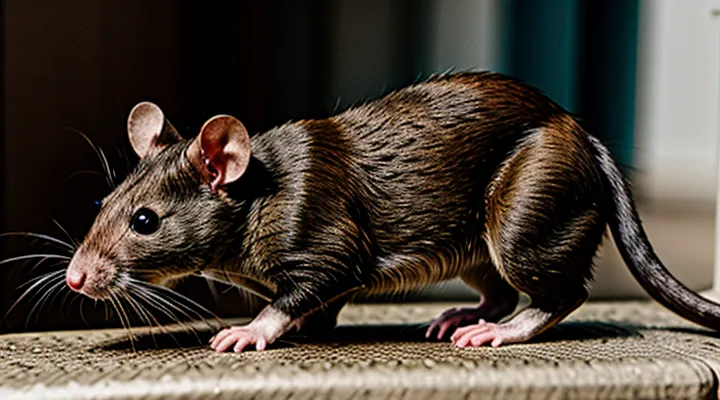
The Genetics Behind Hairlessness
Spontaneous Mutations and Their Discovery
Spontaneous mutations are random alterations in the DNA sequence that arise without external induction. In laboratory rat colonies, such mutations occasionally affect genes responsible for hair development, producing individuals that are completely or partially hairless. The first documented hairless rat emerged in the early 1950s when a breeding program at the Institute of Genetics in Moscow reported a litter with a recessive allele causing the absence of pelage. Genetic analysis later identified a loss‑of‑function mutation in the Krt71 gene, which encodes a keratin protein essential for hair shaft formation.
Discovery of these mutations relies on systematic phenotypic screening and molecular validation. Researchers follow a three‑step workflow:
- Phenotypic observation – routine visual inspection of breeding colonies detects atypical coat patterns.
- Pedigree analysis – breeding experiments establish inheritance mode (typically autosomal recessive).
- Molecular characterization – sequencing of candidate genes confirms the precise nucleotide change.
The identification of the Krt71 mutation prompted broader surveys of hairless phenotypes across rodent strains. In the 1970s, a team at the University of Cambridge applied polymerase chain reaction (PCR) to amplify hair‑related loci, revealing additional spontaneous lesions in the Eda and Fgfr2 genes. These findings demonstrated that multiple genetic pathways can converge on the same visible outcome: loss of fur.
Subsequent studies employed whole‑genome sequencing to uncover rare, previously uncharacterized mutations. A 2018 investigation of a spontaneously hairless Sprague‑Dawley line identified a frameshift in the Foxn1 gene, a regulator of epidermal differentiation. Functional assays confirmed that the altered Foxn1 protein failed to activate downstream targets required for hair follicle development.
The accumulation of documented cases provides a framework for understanding why certain rats lack fur. Each spontaneous mutation offers insight into the molecular architecture of hair growth, informs the creation of targeted animal models, and expands the genetic toolbox available for biomedical research.
Specific Genes Involved: «Hr» (Hairless) and Others
The hairless phenotype in rats results from mutations that disrupt normal hair follicle formation and maintenance. The Hr gene, also known as Hairless, produces a nuclear protein that interacts with transcriptional regulators governing the growth cycle of hair follicles. Loss‑of‑function mutations in Hr prevent the activation of downstream pathways required for the transition from the catagen to the anagen phase, leading to permanent alopecia.
Additional genes contribute to similar outcomes when altered:
- Krt71 – encodes keratin 71, a structural component of the inner root sheath; truncating mutations cause brittle hair shafts and follicular degeneration.
- Foxn1 – codes for a forkhead transcription factor essential for thymic epithelial cell development and hair shaft differentiation; null alleles result in sparse fur.
- Eda – produces ectodysplasin A, a signaling molecule for ectodermal organogenesis; disruptions produce sparse or absent hair coats.
- Dsg4 – encodes desmoglein‑4, a cadherin involved in cell adhesion within hair follicles; defective alleles lead to hair loss and abnormal follicle architecture.
These genes converge on pathways that regulate keratinocyte proliferation, differentiation, and apoptosis within the follicular niche. Mutations that impair any of these processes can manifest as the hairless condition observed in certain rat strains.
Recessive Inheritance Patterns
Recessive inheritance explains the appearance of hairlessness in specific rat populations. The trait manifests only when an individual possesses two copies of a non‑functional allele at the relevant locus. Carriers, carrying one normal and one mutant allele, display a normal coat because the functional allele supplies sufficient protein for hair development. When two carriers mate, the expected genotypic distribution follows a 1:2:1 ratio: 25 % homozygous dominant (normal coat), 50 % heterozygous carriers (normal coat), and 25 % homozygous recessive (hairless phenotype).
The hairless condition results from loss‑of‑function mutations in genes such as hr (hairless) or fgfr2, which disrupt epidermal signaling pathways essential for follicle formation. Homozygous recessive individuals lack functional protein, leading to absent or severely reduced fur. Penetrance is typically complete; virtually all homozygotes exhibit the trait, though expressivity may vary slightly with environmental factors.
Breeding programs that aim to maintain or eliminate hairlessness rely on genotypic screening. Strategies include:
- Pairing two carriers to generate predictable proportions of hairless offspring.
- Selecting homozygous recessive rats for research models requiring a hairless phenotype.
- Avoiding carrier‑carrier matings when the goal is to prevent the trait in a colony.
Understanding the recessive pattern provides precise control over the distribution of hairlessness across generations, supporting both scientific investigation and colony management.
Types of Hairless Rats and Their Characteristics
The «Hairless» (rnu) Rat: A Classic Model
The “Hairless” (rnu) rat is a well‑characterized laboratory strain that lacks a functional coat due to a recessive mutation in the hairless (rnu) gene. Homozygous animals display sparse, fine fur and a markedly reduced dermal layer, providing direct access to the skin surface. This phenotype results from disrupted keratinocyte differentiation and altered signaling pathways that regulate hair follicle development.
Researchers employ the rnu rat to investigate mechanisms of epidermal repair, barrier function, and dermal drug delivery. Because the skin is readily observable, wound‑healing assays can be performed without extensive surgical exposure. The strain also serves as a platform for studying genetic interactions that modulate hair growth, as crossbreeding with other models produces variable coat phenotypes that reveal modifier loci.
Key attributes of the rnu model include:
- Consistent hairless phenotype across generations when maintained as a true‑breeding line.
- Compatibility with standard rodent husbandry practices, allowing integration into existing facilities.
- Established baseline data on physiological parameters such as thermoregulation, immune response, and metabolic rate, facilitating comparative studies.
Limitations involve increased susceptibility to temperature fluctuations and heightened risk of skin infections, necessitating controlled environmental conditions and vigilant health monitoring. Despite these challenges, the rnu rat remains a valuable tool for elucidating the genetic and molecular basis of hair loss, as well as for testing topical therapeutics in a preclinical setting.
Physical Traits and Development
Rats that lack fur exhibit distinct anatomical characteristics that arise during embryogenesis and persist throughout maturity. The primary determinants include:
- Genetic mutations affecting keratin‑associated genes (e.g., Krt71, Krt75) that disrupt hair shaft formation.
- Altered signaling pathways such as Wnt and BMP, which regulate dermal papilla development and follicular initiation.
- Reduced melanocyte activity, leading to lighter skin pigmentation that often accompanies hair loss.
- Modified epidermal thickness, with a thinner stratum corneum that compensates for the absence of insulating fur.
During early gestation, the failure of placode formation halts the cascade that normally produces hair follicles. Consequently, the skin remains exposed, prompting adaptive physiological responses: increased vascularization to regulate temperature, and heightened sensitivity of cutaneous sensory receptors. Post‑natal growth does not restore follicular structures; instead, the rat’s morphology stabilizes, and the hairless phenotype becomes a permanent feature of the individual’s phenotype.
Health Considerations Unique to This Strain
Hairless laboratory rats lack the protective fur layer that shields normal rodents from environmental stressors, creating a distinct set of physiological challenges. Their skin is exposed to ultraviolet radiation, temperature fluctuations, and mechanical irritation, which can lead to dermatitis, hyperthermia, and delayed wound healing. Because the epidermis is thinner, these animals exhibit increased transdermal absorption of topical agents, making dosage calculations for creams or disinfectants more critical than for haired strains.
Key health considerations include:
- Thermoregulation: Without insulating fur, hairless rats lose heat rapidly in cool environments and may overheat in warm settings. Housing temperature should be maintained between 22 °C and 24 °C, with supplemental warming devices available during colder periods.
- Skin integrity: The absence of hair makes the integument prone to abrasions and infections. Caging materials must be smooth, and bedding should be low‑dust, low‑irritant. Regular skin inspections are required to detect early signs of erythema or ulceration.
- Hydration: Increased evaporative loss through the skin raises the risk of dehydration. Water sources should be readily accessible, and daily fluid intake should be monitored.
- Nutrient requirements: Elevated metabolic demand for skin repair may necessitate higher protein and essential fatty acid levels in the diet. Formulations enriched with omega‑3 fatty acids support anti‑inflammatory processes.
- Pharmacokinetics: Transdermal drug delivery results in higher systemic exposure. Dose adjustments based on body surface area calculations are essential to avoid toxicity.
Veterinary protocols must incorporate these parameters into routine care plans. Failure to address them can compromise experimental validity and animal welfare.
Other Known Hairless Strains: «Fuzzy», «Double-Rex»
Hairless phenotypes in rats result from mutations that disrupt normal follicle development, often affecting the keratin‑associated pathways that regulate hair shaft formation. These genetic alterations can be inherited as autosomal recessive traits, leading to a stable, hair‑free coat across generations.
Among the documented hairless varieties, two additional strains merit attention:
-
Fuzzy – Originated from a spontaneous mutation observed in a laboratory colony in the early 1990s. The strain exhibits a sparse, wiry coat rather than complete alopecia, with a mutation in the Krt71 gene that reduces hair shaft thickness. Breeding records show a 25 % incidence of the phenotype in heterozygous crosses, confirming recessive inheritance.
-
Double‑Rex – Developed through selective breeding of the classic Rex strain, which carries a mutation in the Fgfr2 gene affecting dermal papilla signaling. Double‑Rex displays a near‑complete lack of fur and a pronounced skin wrinkling pattern. The strain is homozygous for two distinct alleles, each contributing to hair suppression, and requires careful management to avoid increased susceptibility to dermatological infections.
Both strains share the underlying principle that targeted genetic disruptions can eliminate or severely reduce fur production, providing valuable models for studying skin physiology, wound healing, and the genetic architecture of hair growth.
Distinguishing Features
Hairless rats display a set of physical and physiological characteristics that clearly separate them from standard‑fur varieties.
- Smooth, unpigmented skin covering the entire body, sometimes revealing faint vascular patterns.
- Visible whisker pads and elongated vibrissae, which compensate for the lack of pelage.
- Reduced body temperature regulation; core temperature remains stable while surface temperature fluctuates more rapidly.
- Increased susceptibility to dermal injuries and infections due to the absence of protective fur.
- Distinctive grooming behavior focused on moisture control and debris removal from exposed skin.
The phenotype originates from a recessive mutation affecting the keratin‑associated gene responsible for hair follicle development. Homozygous individuals express the mutation, resulting in complete hair loss, while heterozygotes retain normal fur.
Metabolic adjustments accompany the hairless condition. Basal metabolic rate rises modestly to offset heat loss, and dietary requirements may include higher levels of essential fatty acids to support skin integrity.
Overall, the combination of naked skin, altered thermoregulation, heightened health considerations, and a specific genetic mutation defines the distinguishing features of hairless rats.
Genetic Basis for Their Appearance
Hairlessness in certain rat strains results from specific genetic alterations that disrupt normal follicle development. Mutations in the hairless (Hr) gene produce a truncated protein unable to regulate epidermal signaling, leading to reduced hair shaft formation. A separate loss‑of‑function allele in the keratin 71 (Krt71) gene interferes with the structural integrity of hair fibers, causing sparse or absent coat. In some laboratory lines, a recessive mutation in the fibroblast growth factor 5 (Fgf5) gene extends the anagen phase of hair growth but simultaneously impairs follicle cycling, producing a sleek phenotype.
Key genetic mechanisms include:
- Loss‑of‑function mutations that eliminate essential hair‑producing proteins.
- Dominant-negative variants that interfere with normal protein complexes in the dermal papilla.
- Regulatory region deletions that suppress transcription of hair‑specific genes.
Inheritance patterns vary. The Hr mutation follows an autosomal recessive scheme; two copies are required for full hairlessness, while heterozygotes retain a normal coat. The Krt71 allele exhibits incomplete dominance, producing a gradient of coat density depending on allele dosage. Fgf5 mutations are typically autosomal recessive but can display variable expressivity across different rat colonies.
Molecular studies using CRISPR‑mediated knockout and RNA‑seq profiling confirm that disruption of these pathways reduces expression of downstream keratin and melanocyte genes, reinforcing the link between genotype and the observed naked appearance.
Why Hairlessness Occurs in Rats
Evolutionary Implications: A Rare Trait
Hairless individuals appear sporadically within rodent populations, representing a phenotypic deviation from the typical pelage. The trait manifests in isolated colonies and laboratory strains, where the frequency rarely exceeds a few percent of the total population.
Genetic investigations identify loss‑of‑function mutations in genes responsible for keratin synthesis and hair follicle development. These mutations disrupt the normal cascade of epidermal signaling, resulting in reduced or absent fur. The alleles are recessive; heterozygous carriers display normal pelage but transmit the mutation to offspring.
Evolutionary consequences arise from altered interactions with the environment:
- Increased heat loss in cold habitats, imposing a physiological cost.
- Enhanced visibility to visual predators, reducing survivorship.
- Decreased ectoparasite load, potentially offsetting some disadvantages.
- Modified social signaling, affecting mate selection and hierarchy.
Population genetics models suggest that the trait persists through a balance of recurrent mutation and selective pressures. In some environments, the reduced parasite burden may confer a marginal fitness benefit to heterozygotes, maintaining the allele at low frequency.
Parallel occurrences of hairlessness in mammals such as naked mole‑rats and certain domestic breeds illustrate convergent evolution. Each case reflects distinct selective regimes, yet all involve mutations that disrupt hair follicle formation.
The rarity of the condition in rats offers a valuable experimental system. Researchers can examine gene‑regulatory networks governing integumentary development, test hypotheses about trade‑offs between thermoregulation and parasite resistance, and explore the genetic architecture of rare phenotypes.
Human Intervention: Selective Breeding for Research
Selective breeding has produced rat strains that lack fur. Laboratories maintain these lines by pairing individuals that display the hairless trait, ensuring that the underlying alleles are passed to successive generations. Genetic screening confirms the presence of mutations in genes such as Hr and Krt71, which disrupt normal hair shaft formation.
The breeding protocol involves:
- Identifying carriers of the hairless allele through phenotypic observation or DNA analysis.
- Crossing carriers to produce homozygous offspring that exhibit complete fur loss.
- Maintaining colony health by monitoring for unintended side effects, such as skin lesions or temperature sensitivity.
Hairless rats serve specific research purposes. Their exposed skin allows direct measurement of dermal responses, simplifies wound‑healing studies, and eliminates fur interference in topical drug delivery trials. Additionally, the absence of insulation facilitates investigations of thermoregulatory mechanisms and metabolic rate under controlled temperature conditions.
Development of Laboratory Strains
Laboratory rat strains lacking hair have been produced through intentional breeding and genetic manipulation. Researchers selected individuals with spontaneous mutations that affect hair growth, such as the hairless (hr) and nude (nu) alleles, and then interbred them to stabilize the trait. Repeated backcrossing to a standard background strain preserves other desired characteristics while retaining the hairless phenotype.
Key procedures in establishing hair‑deficient colonies include:
- Identification of a viable mutation affecting keratin or follicle development.
- Confirmation of homozygosity for the mutation using molecular markers.
- Backcrossing to a reference strain for at least ten generations to eliminate unrelated genetic variation.
- Monitoring of health parameters, because the absence of fur influences thermoregulation and susceptibility to skin infections.
- Archiving of breeding records and cryopreservation of embryos for future reconstitution.
The resulting strains provide a controlled model for studying skin physiology, wound healing, and the genetic basis of hair loss, offering reproducible conditions that would be impossible with naturally occurring, non‑laboratory rats.
Benefits in Biomedical Studies
Hairless rats provide a unique platform for biomedical investigations that rely on direct observation of physiological processes. The absence of fur eliminates optical interference, allowing high‑resolution imaging of skin, vasculature, and subdermal structures without the need for depilation or invasive preparation.
- Enhanced optical clarity improves longitudinal studies of tumor growth, angiogenesis, and wound healing.
- Reduced barrier function facilitates transdermal drug delivery experiments, yielding precise pharmacokinetic data.
- Uniform skin surface standardizes injury models, increasing reproducibility across laboratories.
- Absence of hair diminishes the risk of dermatitis and secondary infections, leading to lower attrition rates in long‑term studies.
The hairless phenotype also simplifies genetic manipulation. Researchers can track gene expression in epidermal cells using fluorescence reporters without background autofluorescence from hair pigments. This capability accelerates validation of CRISPR edits and the assessment of gene‑therapy vectors targeting cutaneous tissues.
Operational advantages include decreased housing costs, as hairless strains require fewer grooming supplies and less bedding contamination. The streamlined handling procedures reduce stress‑induced variability, strengthening the statistical power of experimental outcomes.
Collectively, hairless rats expand the methodological toolkit for preclinical research, delivering clearer data, higher reproducibility, and cost efficiencies that accelerate translational progress.
Health and Care for Hairless Rats
Skin Care and Protection
Hairless rats lack the protective fur that shields the epidermis from mechanical injury, temperature fluctuations, and microbial invasion. Their exposed skin requires targeted care to maintain barrier integrity and prevent pathology.
Key practices for maintaining healthy skin in hairless rodents include:
- Daily inspection for abrasions, ulcerations, or signs of infection; immediate cleaning with sterile saline.
- Application of a veterinary‑approved emollient or barrier cream two to three times daily to restore lipid layers and reduce transepidermal water loss.
- Monitoring ambient humidity and temperature; optimal conditions range from 45‑55 % relative humidity and 20‑24 °C to avoid desiccation.
- Provision of a diet rich in essential fatty acids, vitamin E, and zinc, which support keratinocyte function and collagen synthesis.
Environmental protection strategies focus on minimizing exposure to irritants. Enclosures should be constructed from non‑porous, chemical‑free materials; bedding must be dust‑free and hypoallergenic. UV lighting, if used, should be filtered to prevent erythema, while regular cage cleaning reduces bacterial load.
Consistent implementation of these measures reduces the incidence of dermatitis, accelerates wound healing, and sustains overall physiological stability in hairless rat populations.
Importance of Moisturizing
Hairless rats possess a thin epidermis directly exposed to the environment, which eliminates the protective layer provided by fur. This exposure accelerates transepidermal water loss, leading to rapid skin dehydration and increased susceptibility to irritation, infection, and impaired thermoregulation.
Moisturizing restores the skin’s hydration balance by forming an occlusive barrier that reduces evaporative loss and supports the integrity of the stratum corneum. Regular application of emollient formulations maintains optimal moisture levels, promotes barrier repair, and minimizes the risk of lesions that could compromise the animal’s health.
Key outcomes of consistent skin hydration include:
- Decreased incidence of dry patches and cracking
- Enhanced resilience against microbial invasion
- Stabilized body temperature through improved skin conductance
- Support for wound healing processes
Implementing a structured moisturizing regimen is essential for the welfare of hairless rodents, ensuring their skin remains functional and protected despite the absence of fur.
Preventing Skin Infections
Hairless rats lack the protective fur layer that normally shields skin from abrasion and moisture loss, making them highly susceptible to bacterial and fungal invasion. Direct skin exposure to bedding, cage surfaces, and handling instruments creates entry points for pathogens; even minor cuts can develop into severe infections within hours.
Effective prevention relies on three core practices:
- Maintain a dry, clean environment. Replace soiled bedding daily, use absorbent, low‑dust substrates, and monitor humidity levels to stay below 60 % relative humidity.
- Implement rigorous hygiene protocols. Wash hands and gloves before and after each animal contact, disinfect cages and equipment with an approved antiseptic, and avoid cross‑contamination between groups.
- Provide topical barrier protection. Apply a veterinary‑approved emollient or barrier ointment to vulnerable areas twice daily, especially after grooming or procedures that may disrupt the epidermis.
Regular health monitoring completes the strategy. Conduct visual inspections of the integument at least once per shift, record any erythema, swelling, or discharge, and submit samples for culture when abnormalities appear. Early detection combined with the preventive measures above reduces infection rates and supports the overall welfare of hairless rat colonies.
Temperature Regulation Challenges
Hairless rats experience rapid heat loss because the insulating layer of fur is absent. Without this barrier, convection and radiation remove body heat more efficiently, forcing the animal to maintain a higher basal metabolic rate to sustain core temperature. The increased metabolic demand elevates oxygen consumption and glucose utilization, which can strain cardiovascular and endocrine systems.
Thermoregulatory stress manifests in several physiological responses.
- Vasodilation of peripheral vessels accelerates heat dissipation.
- Shivering thermogenesis activates skeletal muscle contractions to generate heat.
- Brown adipose tissue activity rises to produce non‑shivering heat.
Behavioral strategies mitigate these challenges. Hairless individuals seek sheltered microenvironments, cluster with conspecifics, and construct nests from soft materials. They also adjust activity patterns, increasing movement during colder periods to generate internal warmth.
Effective management of hairless rodents requires precise environmental control. Ambient temperature should be maintained 2–4 °C above that recommended for furred counterparts. Continuous temperature monitoring, supplemental heating devices, and provision of nesting substrates are essential to prevent hypothermia and reduce metabolic strain.
Maintaining Optimal Environmental Conditions
Maintaining precise environmental parameters is essential when investigating the phenomenon of hairless rats. Laboratory and breeding facilities must control conditions that directly affect skin and fur development.
- Temperature: keep ambient temperature between 20 °C and 24 °C; prolonged exposure to temperatures below 18 °C can trigger thermogenic responses that suppress hair growth.
- Humidity: maintain relative humidity at 45 %–55 %; excessive dryness accelerates epidermal desiccation, while high humidity promotes fungal colonization that may alter follicle function.
- Lighting: provide a consistent 12‑hour light/dark cycle with illumination levels of 150–300 lux; irregular photoperiods disrupt melatonin secretion, influencing keratinocyte activity.
- Diet: supply a balanced diet containing adequate protein (18 %–22 % of calories), essential fatty acids, and vitamins A, D, and E; deficiencies impair keratin synthesis and lead to alopecia.
- Bedding: use low‑dust, absorbent substrate; high dust loads increase skin irritation and inflammatory responses that can damage hair follicles.
- Ventilation: ensure air exchange rates of at least 15 cycles per hour; stagnant air raises ammonia concentrations, which irritate the epidermis and contribute to hair loss.
Failure to adhere to these specifications creates physiological stress that manifests as reduced fur density or complete hairlessness in susceptible rat strains. Continuous monitoring with calibrated sensors and regular record‑keeping ensures conditions remain within target ranges, thereby minimizing environmental contributions to hair loss.
Risk of Hypothermia and Hyperthermia
Hairless rats lack the insulating fur that typical rodents rely on to maintain core temperature. Without this barrier, they are susceptible to rapid heat loss in cool environments and to overheating in warm settings. The absence of pelage forces the animal to depend on metabolic heat production and behavioral adjustments, which are less efficient than the passive protection provided by hair.
Low ambient temperatures can drive core body temperature below the physiological set point, leading to hypothermia. Signs include reduced locomotion, shivering, and lethargy. Mortality risk rises sharply when body temperature falls more than 5 °C beneath normal levels. Prevention requires:
- Maintaining room temperature between 22 °C and 26 °C.
- Providing nesting material that offers localized warmth.
- Monitoring body temperature with a rectal probe during temperature fluctuations.
Conversely, exposure to high ambient temperatures can cause hyperthermia. Hairless rats dissipate heat primarily through vasodilation and respiratory evaporation, mechanisms that are limited compared to furred counterparts. Elevated core temperature may result in rapid breathing, panting, and collapse. Critical thresholds are reached when core temperature exceeds 40 °C. Mitigation strategies include:
- Keeping enclosure temperature below 24 °C.
- Ensuring adequate ventilation and airflow.
- Supplying chilled water and ice packs for short-term relief.
Both thermal extremes disrupt enzymatic activity, impair immune function, and increase susceptibility to infection. Consistent environmental control, regular health checks, and immediate response to temperature deviations are essential for the welfare of rats lacking hair.
Dietary Needs and Metabolic Differences
Rats that exhibit reduced fur often show distinctive nutritional and metabolic profiles. Adequate intake of protein, especially amino acids such as cysteine and methionine, supplies the building blocks for keratin, the primary component of hair shafts. Deficiencies in these amino acids correlate with thinner coats and patchy hair loss. Essential fatty acids, particularly omega‑3 and omega‑6, contribute to the lipid matrix that surrounds hair follicles; insufficient supply compromises follicular integrity and slows hair growth. Minerals like zinc and copper serve as cofactors for enzymes that regulate keratin cross‑linking, while vitamins A, D, and B‑complex support epidermal differentiation and pigment synthesis. Imbalances in any of these nutrients can disrupt the hair production cycle.
Metabolic differences further influence coat density. Rats with lower basal metabolic rates allocate less energy to thermogenesis, reducing the physiological demand for extensive insulation. Consequently, the endocrine signals that stimulate follicular activity diminish, leading to sparser fur. Elevated levels of thyroid hormones accelerate metabolism and promote hair growth, whereas hypothyroid states often produce alopecia. Glucose utilization patterns also affect hair follicles; chronic hypoglycemia limits the supply of ATP required for keratin synthesis and follicular turnover.
Experimental manipulation of diet confirms the connection. Feeding rats a diet enriched with high‑quality protein and balanced fatty acids restores normal coat thickness within weeks, while nutrient‑restricted regimens produce measurable hair thinning. Metabolic assessments reveal that animals with restored fur exhibit increased oxygen consumption and higher core temperatures, indicating a shift toward greater thermogenic activity.
Key factors linking nutrition and metabolism to rat hairlessness:
- Amino acids: cysteine, methionine – keratin precursors
- Essential fatty acids: omega‑3, omega‑6 – follicular lipid support
- Minerals: zinc, copper – enzymatic co‑factors for keratin cross‑linking
- Vitamins: A, D, B‑complex – epidermal differentiation and pigmentation
- Thyroid hormone levels: regulate basal metabolic rate and follicular stimulation
- Glucose availability: provides ATP for keratin synthesis
Understanding these dietary and metabolic variables clarifies why a subset of rats displays reduced fur, offering practical avenues for research and husbandry interventions.
Increased Caloric Requirements
Hairless rats lose insulating fur, which raises heat loss through the skin. To maintain core temperature, these animals must generate additional metabolic heat, a process that consumes more energy than in fur‑covered counterparts. Consequently, their daily caloric intake must increase to offset the extra thermogenic demand.
Key physiological adjustments include:
- Elevated basal metabolic rate (BMR) to sustain heat production.
- Greater food consumption, often measured as a percentage increase over standard intake.
- Enhanced activity of brown adipose tissue, which oxidizes fatty acids for rapid heat generation.
Failure to meet the heightened energy requirement can lead to hypothermia, reduced growth, and impaired reproductive performance. Researchers quantify the caloric gap by comparing feed conversion ratios between hairless and haired strains under identical ambient temperatures. Data consistently show a 15–30 % rise in energy demand for hairless specimens, underscoring the direct link between fur loss and nutritional needs.
Specialized Nutritional Considerations
Hairless rats experience higher heat loss and greater exposure of skin to the environment. Their diet must compensate for increased metabolic demand and protect the epidermis from damage.
Protein quality directly affects keratin synthesis. Sources rich in essential amino acids, particularly cysteine and methionine, support the formation of structural proteins in the skin. Inadequate intake leads to thinning of the dermis and delayed wound healing.
Essential fatty acids supply the lipid matrix that maintains skin barrier integrity. A ratio of omega‑6 to omega‑3 around 4:1 reduces inflammation and promotes moisture retention. Supplementation with fish oil or flaxseed oil provides the necessary EPA and DHA.
Vitamins A, D, E, and C play distinct roles in epidermal health:
- Vitamin A: regulates cell differentiation and promotes normal hair follicle function.
- Vitamin D: modulates calcium homeostasis, influencing keratinocyte activity.
- Vitamin E: acts as an antioxidant, protecting cell membranes from oxidative stress.
- Vitamin C: required for collagen synthesis, strengthening the dermal scaffold.
Minerals such as zinc, copper, and selenium are cofactors for enzymes involved in skin repair and immune defense. Adequate levels prevent hyperkeratosis and reduce susceptibility to infections.
Hydration status is critical because hairless skin loses moisture rapidly. Providing constant access to fresh water and, when appropriate, electrolyte‑balanced solutions helps maintain skin turgor.
Practical feeding guidelines:
- Offer a high‑protein pelleted diet (minimum 18 % crude protein) enriched with cysteine‑rich ingredients.
- Include a measured amount of omega‑3 oil (0.5 % of total diet weight) to achieve the desired fatty‑acid profile.
- Fortify the diet with a vitamin‑mineral premix that meets or exceeds the recommended daily allowance for the listed micronutrients.
- Monitor body weight and skin condition weekly; adjust caloric density if weight loss or excessive dryness occurs.
By aligning nutrient composition with the physiological challenges of hairlessness, caretakers can sustain optimal growth, skin integrity, and overall health in these rodents.
Common Health Issues
Hairless rats, whether resulting from genetic mutations, selective breeding, or disease, face a distinct set of health challenges compared to their furred counterparts. The absence of protective pelage exposes the skin to temperature fluctuations, dehydration, and abrasion, demanding vigilant environmental control.
Common health problems observed in these rodents include:
- Dermatitis – inflammation caused by irritants, bacterial overgrowth, or fungal infection; symptoms comprise redness, swelling, and crusty lesions.
- Hypothermia – rapid loss of body heat due to lack of insulation; signs involve lethargy, shivering, and reduced activity.
- Dehydration – accelerated fluid loss through exposed skin; manifested by dry mucous membranes, sunken eyes, and weight decline.
- Skin ulcers – chronic wounds that develop from pressure points or minor injuries; may become infected if not treated promptly.
- Respiratory infections – increased vulnerability to pathogens because of compromised barrier function; presents with nasal discharge, coughing, and labored breathing.
Effective management requires maintaining stable ambient temperature, providing humidified environments, using gentle, hypoallergenic cleaning agents, and monitoring hydration status daily. Prompt veterinary intervention at the first indication of skin irritation or systemic illness improves outcomes and extends the lifespan of hairless rats.
Hairless Rats in Research and Pet Ownership
Contributions to Scientific Understanding
The study of hair‑deficient rats has expanded knowledge across several scientific domains.
Genetic research has identified mutations in the Foxn1 and Krt71 genes that disrupt keratinocyte differentiation, providing a model for congenital alopecia. Comparative sequencing of hairless and furred strains confirms that single‑nucleotide changes can abolish hair shaft formation without affecting overall viability.
Developmental biology benefits from observing altered skin morphogenesis in these rodents. Embryonic analysis reveals delayed follicle initiation and premature apoptosis of dermal papilla cells, clarifying the timing of hair follicle signaling pathways.
Evolutionary investigations use hairless rats to explore adaptive loss of pelage. Population studies demonstrate that selective breeding for laboratory conditions favors reduced fur, illustrating how artificial pressures can mimic natural selection processes.
Medical research leverages hairless rats as platforms for dermatological testing. Their transparent epidermis allows direct assessment of wound healing, drug penetration, and immune responses, reducing reliance on invasive procedures.
Key contributions can be summarized:
- Clarification of genetic mutations responsible for fur loss.
- Insight into follicle development stages and regulatory mechanisms.
- Evidence of selective pressures influencing pelage traits.
- Enhanced preclinical models for skin‑related therapies.
Immune System Studies
Hairless rat strains provide a unique platform for investigating immune mechanisms that govern skin integrity and pathogen defense. The absence of fur eliminates a physical barrier, allowing direct observation of epidermal immune cell activity, cytokine diffusion, and microbial colonization patterns. Researchers exploit this transparency to quantify the kinetics of inflammatory responses following topical antigen exposure.
Experimental protocols routinely compare hairless and haired counterparts to isolate the contribution of the cutaneous barrier to systemic immunity. Data indicate that hairless models exhibit heightened sensitivity to irritants, reflected in amplified neutrophil infiltration and elevated levels of interleukin‑1β and tumor necrosis factor‑α in skin biopsies. These findings support the hypothesis that the fur layer modulates the threshold for immune activation.
Genetic analyses of hairless phenotypes reveal mutations affecting keratinocyte differentiation and the expression of barrier proteins such as filaggrin and loricrin. Parallel immunophenotyping demonstrates altered dendritic cell populations in the dermis, suggesting a link between structural gene defects and antigen‑presenting cell function. The correlation between gene disruption and immune dysregulation provides insight into human dermatological disorders characterized by compromised barrier function.
Therapeutic studies leverage hairless rats to evaluate topical immunomodulators, vaccine delivery systems, and wound‑healing agents. The model’s accessibility permits repeated sampling of skin fluids and real‑time imaging of immune cell trafficking, thereby accelerating the assessment of drug efficacy and safety. Results obtained in this context have informed the design of clinical trials targeting cutaneous immune diseases.
Dermatology Research
Dermatology research on the phenomenon of fur loss in certain laboratory rat strains focuses on the biological mechanisms that produce a hairless phenotype. Investigations combine molecular genetics, histopathology, and physiological assessments to identify factors that interrupt normal hair cycle progression.
Genetic analyses reveal that spontaneous or engineered mutations in genes governing skin development—such as the hairless (Hr) locus, fibroblast growth factor 5 (Fgf5), and keratin-associated proteins—disrupt signaling pathways essential for follicle formation. Loss‑of‑function variants produce premature termination of the anagen phase, resulting in persistent alopecia.
Physiological studies demonstrate that altered keratinocyte proliferation, aberrant epidermal differentiation, and compromised melanocyte activity accompany the genetic defects. Hormonal imbalances, particularly in thyroid and glucocorticoid axes, modulate these cellular processes and can exacerbate the hairless condition.
Experimental use of hairless rats provides a consistent model for evaluating topical formulations, wound healing, and phototoxic responses. The model’s advantages include uniform skin exposure and reduced variability in barrier function; limitations involve differences in immune response compared with haired counterparts.
Key determinants of the hairless phenotype:
- Mutations in hair cycle regulatory genes (Hr, Fgf5, etc.)
- Dysregulation of epidermal cell proliferation and differentiation
- Hormonal disturbances affecting skin metabolism
- Environmental stressors that impair follicular integrity
Continued integration of genomic editing, transcriptomic profiling, and in vivo pharmacology refines the understanding of cutaneous biology and supports the development of therapeutic strategies for alopecia and related skin disorders.
Pet Ownership Considerations
Hairless rats present distinct responsibilities for owners because their lack of fur eliminates natural insulation and protection. Their skin is prone to dryness, injury, and temperature fluctuations, requiring vigilant monitoring and specialized care.
Owners must address the following factors:
- Environmental control: Maintain ambient temperature between 68‑75 °F (20‑24 °C) and provide low‑draft housing to prevent heat loss.
- Skin hygiene: Apply veterinarian‑approved moisturizer daily, keep bedding dust‑free, and inspect for abrasions after handling.
- Nutritional balance: Supply a diet rich in essential fatty acids and vitamins A, D, and E to support skin health; supplement with omega‑3 sources when necessary.
- Veterinary oversight: Schedule regular examinations focused on dermatological assessment; obtain prompt treatment for infections or dermatitis.
- Social interaction: Ensure adequate enrichment and companionship, as hairless rats are highly social and may experience stress without interaction.
Failure to meet these requirements can lead to respiratory issues, hypothermia, and dermatological disorders, reducing lifespan and welfare. Proper preparation and ongoing commitment are essential for responsible ownership of hairless rat companions.
Unique Care Requirements
Hairless rats lack the protective fur that standard laboratory and pet strains possess, exposing their skin to temperature fluctuations, dehydration, and injury. Their physiology demands precise environmental control and specialized handling to prevent health complications.
- Temperature: Maintain ambient temperature between 72 °F and 78 °F (22 °C–26 °C). Provide heated nesting material or a low‑intensity heat lamp during colder periods.
- Humidity: Keep relative humidity at 50 %–60 % to avoid skin drying. Mist the enclosure lightly once daily, ensuring no pooling of water.
- Bedding: Use soft, dust‑free substrates such as paper or aspen shavings. Avoid pine, cedar, or any material that releases aromatic oils, which can irritate delicate skin.
- Nutrition: Offer a diet enriched with essential fatty acids and vitamin E to support skin integrity. Supplement with a small amount of fish oil or flaxseed oil, monitoring for gastrointestinal tolerance.
- Grooming: Perform gentle skin inspections twice daily. Clean minor abrasions with sterile saline and apply a veterinary‑approved barrier ointment if needed.
- Enclosure design: Eliminate wire mesh floors and sharp objects. Provide smooth plastic or stainless‑steel surfaces, and include climbing structures with padded grips.
- Handling: Use gloved hands or soft cloths to reduce friction. Limit handling sessions to short intervals, allowing the rat to recover between interactions.
Regular veterinary check‑ups focusing on dermatological health are essential. Early detection of ulceration, infection, or temperature stress reduces morbidity and extends the lifespan of hairless rats.
Ethical Implications
Hairless rats arise from genetic mutations or selective breeding and are frequently employed in biomedical research because their skin offers unobstructed access to physiological processes.
The absence of fur compromises thermoregulation, exposing the animals to hypothermia or hyperthermia if ambient temperature is not strictly controlled. Skin integrity deteriorates rapidly, leading to ulcerations, infections, and chronic pain. These welfare issues demand heightened veterinary monitoring and enriched housing that mitigates temperature fluctuations and provides soft, absorbent bedding.
Scientific justification rests on the unique advantages hairless models provide for dermatological, immunological, and pharmacokinetic studies. Ethical evaluation requires weighing the incremental knowledge gained against the increased suffering of a phenotype that would not survive in a natural environment. When alternative models—such as in vitro skin equivalents or genetically engineered mice with partial hair loss—can answer the same research question, the preference should shift toward those less invasive options.
Regulatory bodies classify hairless rodents as a special category, mandating Institutional Animal Care and Use Committee (IACUC) approval, detailed endpoints for humane euthanasia, and justification of sample size. Compliance with the 3Rs principle (Replacement, Reduction, Refinement) is obligatory, and any deviation must be documented with a risk–benefit analysis.
Recommendations
- Implement continuous temperature monitoring and automatic climate control in all housing units.
- Provide daily skin examinations; treat lesions with sterile dressings and analgesics.
- Prioritize alternative assays whenever they produce comparable data.
- Require explicit justification for each use of hairless rats in research proposals.
- Conduct periodic ethical audits to ensure adherence to welfare standards and 3Rs compliance.