
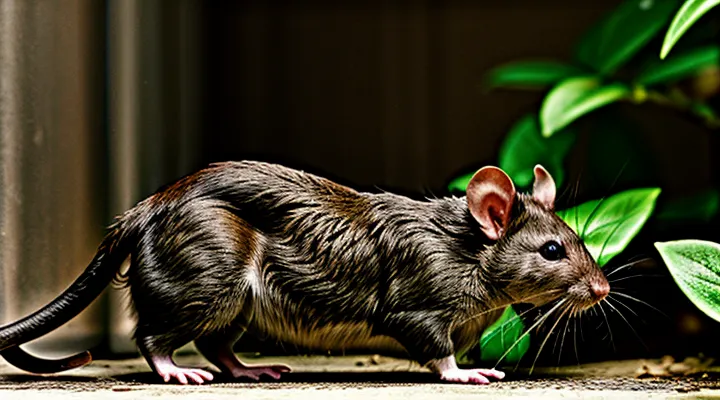
Understanding Rat Respiration
The Basics of Breathing in Mammals
Comparative Physiology: Rats vs. Humans
Rats exhibit breathing rates that exceed those of humans by an order of magnitude. This disparity stems from fundamental differences in metabolic demand, body size, and respiratory mechanics.
Metabolic intensity in small mammals drives oxygen consumption. A rat’s basal metabolic rate (≈ 6 W/kg) surpasses human values (≈ 1 W/kg) because heat loss scales with surface‑to‑volume ratio. To sustain this energy turnover, rats must replenish oxygen and eliminate carbon dioxide more frequently, resulting in 80–150 breaths per minute at rest, compared with 12–20 breaths per minute in an adult human.
Structural contrasts further accelerate rat ventilation. Rat lungs possess a higher alveolar surface‑area‑to‑mass ratio, permitting rapid gas exchange across a thinner diffusion barrier. The diaphragm and intercostal muscles contract at higher frequencies, while the airway resistance remains low due to narrower, more compliant bronchial tubes. Humans, with larger tidal volumes, rely on deeper, slower breaths to achieve equivalent minute ventilation.
Key comparative points:
- Tidal volume: rat ≈ 0.2 mL kg⁻¹; human ≈ 7 mL kg⁻¹.
- Respiratory frequency: rat 80–150 min⁻¹; human 12–20 min⁻¹.
- Minute ventilation (VE): rat 15–30 mL kg⁻¹ min⁻¹; human 5–8 mL kg⁻¹ min⁻¹.
- Alveolar surface area per gram of tissue: rat > human, enhancing diffusion rate.
Neural control also diverges. The rat’s medullary respiratory centers generate faster rhythmic output, synchronized with a higher heart rate (≈ 300–400 bpm) that demands swift pulmonary turnover. Human central pattern generators produce slower cycles, matching a heart rate of 60–80 bpm.
In summary, the rapid breathing of rats reflects an integrated suite of physiological adaptations—elevated metabolic rate, compact lung architecture, and accelerated neural drive—designed to meet the energetic and thermoregulatory challenges of a small body. Humans adopt a contrasting strategy, relying on larger tidal volumes and slower cycles to satisfy lower per‑kilogram metabolic requirements.
Metabolic Rate and Oxygen Demand
Rats possess a high basal metabolic rate, which drives continuous cellular activity and generates substantial heat. Their small body mass limits thermal inertia, requiring rapid heat dissipation. To sustain this metabolism, tissues consume oxygen at a rate that exceeds that of larger mammals of comparable weight.
- Elevated mitochondrial density accelerates ATP production, increasing O₂ consumption per gram of tissue.
- Frequent locomotion and foraging behavior elevate short‑term metabolic demands, prompting instantaneous respiratory adjustments.
- Thermoregulatory mechanisms rely on increased ventilation to expel excess CO₂ and supply fresh O₂, maintaining acid‑base balance.
Consequently, the respiratory system operates at a faster rhythm to match the heightened oxygen requirement and to remove metabolic by‑products efficiently, ensuring physiological stability despite the rat’s compact size.
Physiological Reasons for Rapid Breathing
High Metabolic Rate and Thermoregulation
Heat Dissipation Through Respiration
Rats regulate body temperature primarily through evaporative cooling, and respiration provides a rapid pathway for heat loss. When ambient temperature rises, the animal increases its ventilation rate, moving large volumes of air across moist respiratory surfaces. The latent heat of vaporization absorbed by the evaporating moisture removes excess thermal energy from the bloodstream.
The process involves several physiological steps:
- Elevated tidal volume: deeper breaths expand the alveolar surface area exposed to cooler external air, enhancing heat exchange.
- Increased respiratory frequency: more breaths per minute raise the total airflow, accelerating convective heat removal.
- Mucosal evaporation: moisture lining the nasal passages and lungs evaporates during exhalation, dissipating heat directly to the environment.
- Blood flow redistribution: pulmonary circulation directs warm blood toward the lungs, where heat is transferred to the inhaled air.
These mechanisms allow rats to maintain a stable core temperature despite fluctuations in external conditions. The rapid breathing observed in warm environments reflects the integrated action of ventilation adjustments and evaporative cooling, providing an efficient, non‑behavioral means of thermoregulation.
Energy Expenditure and Oxygen Consumption
Rats maintain a high respiratory rate because their metabolic processes demand swift oxygen delivery. Energy production through aerobic pathways consumes oxygen at a pace proportional to the amount of ATP generated. When a rat’s tissues increase activity—whether during locomotion, thermoregulation, or stress—the mitochondria accelerate oxidative phosphorylation, raising the whole‑body oxygen requirement. The respiratory system compensates by expanding tidal volume and increasing breathing frequency, thereby matching oxygen influx to metabolic demand.
Key aspects linking energy expenditure to oxygen consumption in rats:
- Basal metabolic rate (BMR): Small mammals possess a high BMR; even at rest, rats consume oxygen at rates several times greater than larger species.
- Thermoregulatory heat production: Non‑shivering thermogenesis in brown adipose tissue elevates oxygen use, prompting rapid breathing to dissipate excess heat.
- Physical activity: Muscle contraction boosts ATP turnover, directly increasing O₂ uptake and ventilation.
- Stress response: Activation of the sympathetic nervous system triggers catecholamine release, which accelerates cardiac output and pulmonary ventilation.
Quantitative data illustrate the relationship: a resting adult rat (~300 g) consumes approximately 150 ml O₂ kg⁻¹ h⁻¹, while vigorous exercise can raise consumption to more than 600 ml O₂ kg⁻¹ h⁻¹. The corresponding rise in ventilation frequency from 70 breaths per minute at rest to over 200 breaths per minute during activity demonstrates the tight coupling between metabolic energy demand and respiratory output.
Stress, Fear, and the «Fight or Flight» Response
Hormonal Influence on Breathing Rate
Rats exhibit a markedly high respiratory frequency, a response tightly linked to endocrine activity. Hormones adjust ventilation by acting on central respiratory nuclei, peripheral chemoreceptors, and metabolic processes that generate carbon dioxide.
- Epinephrine and norepinephrine – released during acute stress, increase sympathetic drive to the brainstem, elevate tidal volume and frequency.
- Thyroid hormones (T3, T4) – raise basal metabolic rate, produce excess CO₂ that stimulates chemoreceptive pathways.
- Cortisol – enhances protein catabolism, elevates metabolic heat, indirectly prompting faster breathing.
- Vasopressin (ADH) – modulates blood osmolarity; altered plasma volume influences pulmonary stretch receptors and respiratory rhythm.
Epinephrine and norepinephrine bind β‑adrenergic receptors in the medullary respiratory center, shortening the inspiratory and expiratory phases. Thyroid hormones up‑regulate mitochondrial activity, leading to higher O₂ consumption and CO₂ production, which the carotid bodies detect as a need for increased ventilation. Cortisol influences the set point of central chemoreceptors, making them more responsive to modest pH shifts. Vasopressin adjusts blood pressure and fluid balance, affecting pulmonary baroreceptors that contribute to rhythm generation.
During heightened activity or environmental stress, the combined hormonal surge produces a synchronized acceleration of breathing, ensuring adequate oxygen delivery and carbon‑dioxide clearance to meet the rat’s metabolic demands.
Behavioral Indicators of Distress
Rats increase their respiratory rate when they encounter stressful situations; the change serves as a physiological alarm that accompanies observable signs of discomfort.
Common behavioral markers that accompany accelerated breathing include:
- High‑frequency vocalizations, especially ultrasonic squeaks, indicating acute agitation.
- Excessive grooming of a single body region, reflecting displacement activity.
- Abnormal postural shifts such as a hunched back, lowered head, or rigid stance.
- Repeated attempts to escape the enclosure, manifested by frantic running along the cage walls.
- Reduced interaction with conspecifics, marked by avoidance or aggression toward nearby rats.
These behaviors provide a reliable framework for assessing distress in laboratory and pet rats. When rapid respiration is observed alongside any of the listed indicators, the animal is likely experiencing a heightened stress response that warrants immediate intervention.
Small Body Size and Surface Area to Volume Ratio
Efficient Gas Exchange Requirements
Rats sustain high metabolic rates, which demand swift removal of carbon dioxide and rapid delivery of oxygen. Efficient gas exchange hinges on several physiological conditions.
- Thin alveolar membrane: Minimal diffusion distance allows oxygen to pass from inhaled air into capillary blood within milliseconds. The membrane’s delicate structure also facilitates quick carbon dioxide efflux.
- High surface area: Extensive alveolar sacs multiply the contact zone between air and blood, increasing the total area available for diffusion and supporting the animal’s elevated ventilation frequency.
- Adequate capillary perfusion: Dense capillary networks ensure continuous blood flow, maintaining a steep partial pressure gradient for both gases. Rapid blood turnover prevents saturation of hemoglobin and maintains driving forces for diffusion.
- Optimal partial pressure gradients: Elevated ambient oxygen pressure and low arterial carbon dioxide pressure create strong concentration differentials, accelerating molecular movement across the respiratory barrier.
- Effective ventilation mechanics: Strong diaphragmatic contractions and compliant thoracic walls generate the tidal volumes necessary to refresh alveolar air quickly, reducing the risk of hypoventilation.
Collectively, these requirements enable rats to exchange gases at rates sufficient to support their fast-paced activity and thermoregulatory needs.
Impact on Heart Rate and Circulation
Rats increase their breathing frequency when metabolic demand rises, such as during stress, exercise, or exposure to cold. This acceleration of ventilation directly influences cardiovascular dynamics.
Rapid respiration elevates oxygen intake and carbon‑dioxide removal, prompting the autonomic nervous system to adjust cardiac output. The sympathetic branch intensifies, causing heart rate to climb in proportion to the respiratory rate. Simultaneously, parasympathetic withdrawal reduces vagal tone, further supporting tachycardia.
The heightened heart rate expands blood flow to meet the oxygen needs of active tissues. Peripheral vessels dilate under sympathetic stimulation, decreasing vascular resistance and allowing greater perfusion. Enhanced circulation also facilitates faster removal of metabolic waste products.
Key physiological outcomes of accelerated breathing in rats:
- Heart rate rises proportionally to respiratory frequency.
- Cardiac output increases to sustain elevated tissue oxygen demand.
- Systemic vascular resistance drops due to sympathetic‑mediated vasodilation.
- Blood pressure may experience a modest rise, reflecting the balance between increased output and reduced resistance.
These interrelated adjustments ensure that rapid respiration is matched by an efficient cardiovascular response, maintaining homeostasis during periods of heightened activity.
Environmental and Health Factors Affecting Respiration
Environmental Conditions
Temperature and Humidity
Rats increase breathing rate when ambient temperature rises because their small body mass limits heat dissipation. Elevated temperatures raise metabolic demand, prompting faster oxygen uptake and carbon‑dioxide expulsion to maintain core temperature. Rapid respiration also facilitates evaporative cooling through the nasal passages, a primary mechanism for heat loss in rodents.
Humidity directly affects the efficiency of this cooling process. High moisture content in the air reduces the gradient for water vapor evaporation, diminishing heat removal and forcing rats to breathe even faster to compensate. Conversely, low humidity enhances evaporative cooling, allowing lower respiratory rates at the same temperature.
Key physiological responses to temperature and humidity variations:
- Thermal stress: body temperature above the thermoneutral zone triggers increased tidal volume and respiratory frequency.
- Ventilatory drive: elevated ambient heat elevates the drive from peripheral chemoreceptors, accelerating breathing.
- Evaporative demand: high relative humidity lowers evaporative potential, prompting a rise in minute ventilation to sustain heat loss.
- Acclimation: prolonged exposure to warm, humid environments induces morphological changes in lung tissue, improving gas exchange efficiency.
Understanding these environmental influences clarifies why rats exhibit rapid respiration under specific climatic conditions.
Air Quality and Pollutants
Rats increase their breathing rate when exposed to compromised air quality. Elevated concentrations of airborne irritants trigger a physiological response that maximizes oxygen intake while expelling harmful substances more efficiently.
Key pollutants influencing this response include:
- Particulate matter (PM2.5 and PM10): Fine particles penetrate deep lung tissue, reducing gas exchange efficiency and prompting faster breaths.
- Ammonia: Common in confined habitats, ammonia irritates the respiratory epithelium, leading to hyperventilation.
- Sulfur dioxide (SO₂) and nitrogen oxides (NOx): These gases cause bronchoconstriction, forcing the animal to increase ventilation to maintain oxygen levels.
- Volatile organic compounds (VOCs): High VOC levels interfere with alveolar function, stimulating rapid respiration as a compensatory mechanism.
The respiratory system of a rat relies on a high surface‑area lung structure that can adapt quickly to fluctuating atmospheric conditions. When pollutant levels rise, chemoreceptors detect reduced oxygen availability or increased acidity in the blood, sending signals to the brainstem respiratory centers. The resulting increase in tidal volume and respiratory frequency restores arterial oxygen saturation and removes excess carbon dioxide and toxins.
Chronic exposure to poor air quality can lead to structural changes in the airway, such as thickened alveolar walls and increased mucus production. These alterations diminish baseline respiratory efficiency, making elevated breathing rates a persistent feature even under moderate pollutant loads.
Understanding the relationship between environmental contaminants and rat ventilation patterns provides insight into broader mammalian respiratory adaptations and informs laboratory animal welfare standards. Maintaining low indoor pollutant concentrations reduces the need for compensatory rapid breathing, preserving normal metabolic function.
Health-Related Causes
Respiratory Illnesses and Infections
Rats exhibit elevated breathing rates when the respiratory system is compromised. The increase serves as an immediate physiological signal of impaired gas exchange.
Common respiratory conditions in rats include:
- Bacterial pneumonia caused by Streptococcus or Klebsiella species.
- Mycoplasma pulmonis infection, a chronic condition that thickens airway walls.
- Viral agents such as Sendai virus, which provoke inflammation and fluid accumulation.
- Fungal infections, particularly Aspergillus spp., that obstruct bronchioles.
- Parasitic infestations like lungworm (Syngamum spp.) that irritate mucosal surfaces.
Each disease presents with rapid respiration alongside additional signs: nasal discharge, audible wheezing, reduced activity, and weight loss. Bacterial pneumonia typically produces purulent sputum and fever; Mycoplasma pulmonis generates a dry cough and progressive dyspnea; viral infections cause transient fever and conjunctivitis; fungal involvement leads to localized lung lesions visible on radiographs; parasitic infection results in intermittent coughing and occasional hemoptysis.
Management strategies focus on early detection, antimicrobial therapy, and environmental control. Effective measures comprise:
- Routine health monitoring to identify breathing abnormalities promptly.
- Targeted antibiotic or antifungal treatment based on culture and sensitivity results.
- Vaccination against common viral pathogens where available.
- Maintenance of low humidity, adequate ventilation, and dust‑free bedding to reduce pathogen load.
- Quarantine of new arrivals and regular sanitation to prevent transmission.
Timely intervention mitigates the progression of respiratory illness, restores normal breathing patterns, and improves overall survival rates in laboratory and pet rat populations.
Pain, Injury, and Discomfort
Rats increase their breathing rate when experiencing pain, tissue damage, or any source of discomfort. Nociceptive signals trigger the autonomic nervous system, which elevates tidal volume and respiratory frequency to meet heightened metabolic demands.
Key mechanisms linking distress to rapid respiration:
- Sympathetic activation – releases catecholamines that stimulate the respiratory centers in the brainstem.
- Inflammatory mediators – prostaglandins and cytokines sensitize chemoreceptors, causing faster inhalation cycles.
- Muscle tension – pain‑induced contraction of intercostal muscles reduces chest compliance, prompting the body to compensate with quicker breaths.
- Stress hormones – cortisol and adrenaline augment oxygen uptake to support potential fight‑or‑flight responses.
Observational studies show that rats subjected to minor limb injuries exhibit a measurable rise in breaths per minute within minutes of the insult. Analgesic administration reverses this pattern, confirming the direct relationship between nociception and respiratory acceleration.
In clinical and laboratory settings, monitoring respiratory rate provides a rapid, non‑invasive indicator of pain severity or injury progression in rodents. Elevated breathing frequency, when paired with other physiological markers, assists researchers in assessing the efficacy of analgesic interventions and the welfare status of experimental animals.
Age and Underlying Health Issues
Rats exhibit higher breathing rates than many mammals, and the magnitude of this response varies with age and physiological condition.
Young rats possess elevated metabolic demands that drive rapid respiration. As they mature, basal ventilation declines, stabilizing at lower frequencies in adulthood. Geriatric rats often display reduced tidal volume and slower rhythm, yet compensatory mechanisms may cause intermittent tachypnea when tissue oxygenation wanes.
Underlying health problems modulate respiratory patterns independent of age. Common factors include:
- Pulmonary infections (e.g., Mycoplasma spp., Streptococcus pneumoniae) that irritate airway mucosa and trigger reflex hyperventilation.
- Cardiovascular disorders such as congestive heart failure, which elevate venous pressure and stimulate increased breathing to offset reduced cardiac output.
- Metabolic acidosis from renal insufficiency or diabetic ketoacidosis, forcing the animal to expel excess CO₂ through accelerated breaths.
- Neurological damage affecting brainstem respiratory centers, leading to irregular or excessively fast breathing.
Monitoring respiratory frequency alongside age and health status provides a reliable indicator of a rat’s physiological stress and can guide experimental or veterinary interventions.
Observing and Interpreting Rat Breathing Patterns
Normal vs. Abnormal Respiration
Visual Cues and Behavioral Changes
Rats exhibit distinct visual signals when respiration accelerates. Enlarged nostrils become visibly flared, allowing greater airflow. Thoracic and abdominal walls display rapid, shallow movements that are easily distinguished from normal breathing cycles. The skin over the ribs may appear taut due to increased muscular effort.
Behavioral alterations accompany these physical cues. Rats often increase locomotor activity, running or pacing more frequently. They may display heightened alertness, with ears positioned forward and whiskers splayed outward. Grooming behavior typically declines; rats spend less time cleaning themselves and more time scanning the environment. In stressful situations, such as exposure to predators or abrupt temperature changes, rats may emit short, high‑frequency vocalizations that correlate with the surge in breathing rate.
Key observations for rapid respiration include:
- Flared nares and visible airflow turbulence.
- Accelerated chest and belly wall contractions.
- Elevated locomotion or pacing.
- Forward‑oriented ears and expanded whisker spread.
- Reduced grooming time and increased vigilance.
- Presence of brief, high‑pitched vocalizations.
These visual and behavioral markers provide reliable, non‑invasive indicators of heightened respiratory activity in rats, facilitating accurate assessment in laboratory and field settings.
Sounds Associated with Breathing
Rats produce distinct acoustic cues when their respiratory rate increases. The sounds arise from airflow turbulence, vocal cord vibration, and muscle movement within the thoracic cavity.
- Sharp inhalation clicks: generated by rapid closure of the nostrils as air is drawn in at high velocity.
- Continuous wheeze: results from narrowed bronchi during stress or exertion, creating a high‑frequency tone audible at close range.
- Soft snort‑like bursts: occur when the animal pauses between breaths, allowing brief pressure release through the nasal passages.
- Low‑frequency thump: caused by the diaphragm’s swift descent, transmitting vibrations through the body wall.
These acoustic signatures correlate with physiological drivers of accelerated breathing, such as elevated metabolic demand, thermoregulation, and acute stress responses. Detecting and interpreting the sounds enable researchers to assess respiratory health, identify distress, and differentiate normal rapid respiration from pathological conditions.
When to Seek Veterinary Advice
Signs of Respiratory Distress
Rapid breathing in rats often signals an underlying respiratory problem. Recognizing the early indicators of distress can prevent progression to severe hypoxia or death.
Observable signs include:
- Open‑mouth breathing, especially while the animal is at rest.
- Audible wheezing or crackles during inhalation and exhalation.
- Nasal flaring that expands the nostrils beyond their normal width.
- Persistent panting that does not subside after brief exertion.
- Cyanotic discoloration of the ears, tail, or skin, indicating inadequate oxygen saturation.
- Lethargy or sudden collapse, reflecting systemic hypoxia.
- Increased heart rate detectable by rapid pulse at the femoral artery.
Additional behavioral cues may appear:
- Reduced grooming and social interaction, suggesting discomfort.
- Abnormal posture, such as a hunched back or extended neck, to facilitate airflow.
Prompt veterinary assessment is required when two or more of these manifestations are present, as they often precede critical respiratory failure in rodents. Early intervention—oxygen therapy, bronchodilators, or antimicrobial treatment—can stabilize breathing patterns and improve outcomes.
Common Treatments and Preventative Measures
Rapid breathing in rats signals respiratory distress, infection, or metabolic imbalance; timely intervention reduces morbidity and mortality.
Common treatments
- Antimicrobial agents for bacterial pneumonia (e.g., enrofloxacin, doxycycline) administered according to culture sensitivity.
- Bronchodilators (e.g., albuterol) to alleviate airway constriction.
- Corticosteroids (e.g., dexamethasone) for inflammatory lung conditions, dosed under veterinary supervision.
- Supplemental oxygen via cage mask or chamber to maintain arterial oxygen saturation above 95 %.
- Fluid therapy (intravenous or subcutaneous) to correct dehydration and support circulatory volume.
- Analgesics (e.g., meloxicam) to reduce pain‑induced tachypnea.
Preventative measures
- Maintain cage temperature between 20–24 °C and humidity at 40–60 % to limit heat‑induced hyperventilation.
- Ensure adequate ventilation; replace filtered air at least 10 times per hour.
- Implement strict quarantine for new arrivals; perform respiratory screening before integration.
- Provide a balanced diet rich in essential nutrients; supplement vitamin C for stress‑prone colonies.
- Conduct regular health monitoring: weekly observation of respiratory rate, nasal discharge, and behavior.
- Apply routine sanitation protocols; disinfect cages and equipment with approved agents to eradicate pathogens.
Adhering to these therapeutic and preventive strategies stabilizes respiratory function and promotes overall health in laboratory and pet rat populations.