
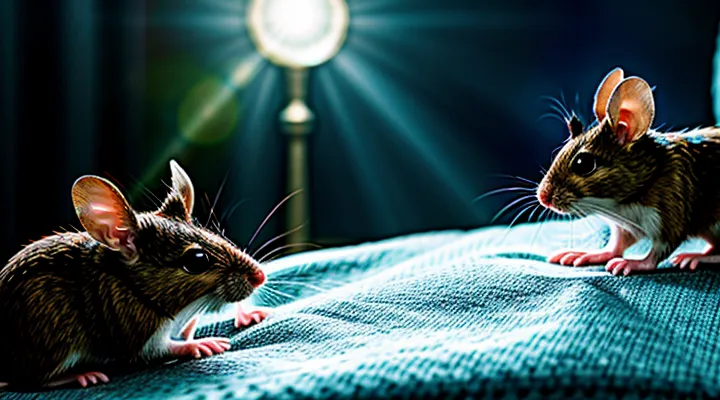
The Symbolic Language of Dreams
The Universal Nature of Dream Symbols
Dream imagery operates on a shared symbolic system that transcends individual experience, allowing similar motifs to surface across diverse cultures and epochs. Researchers identify recurring elements—such as water, ladders, or small animals—as archetypal signs that convey fundamental concerns about safety, transformation, or social hierarchy. This universality arises from collective unconscious structures that encode common human anxieties and aspirations.
Mice exemplify a cross‑cultural emblem of vulnerability and hidden activity. In folklore, rodents often symbolize scarcity, stealth, or unnoticed influence, while psychological theory links them to feelings of insignificance or suppressed urges. When a mouse appears in a nocturnal narrative, the brain interprets the image through this entrenched schema, converting personal stressors into a recognizable symbolic form.
Typical universal dream symbols include:
- Water – denotes emotional flow, uncertainty, or renewal.
- Stairs – represent progression, obstacles, or status changes.
- Flying – signals desire for freedom, ambition, or escape.
- Animals – convey instinctual drives; size and behavior modify meaning.
Each symbol functions as a concise visual shorthand, enabling the dreaming mind to process complex psychological material without verbal mediation. The recurrence of such motifs underscores the innate architecture of dream language, which shapes the appearance of specific images like mice in nightly reverie.
Cultural Interpretations of Mice
Western Symbolism
Mice appear in Western dream symbolism as representatives of subtle anxieties, hidden resources, and social dynamics. Throughout literature and folklore, rodents are linked to vulnerability, survival instincts, and the unnoticed aspects of daily life.
In classical mythology, mice embody petty theft and the erosion of stability, reflecting concerns about loss of control. Medieval bestiaries describe mice as carriers of disease, reinforcing fears of contamination and moral decay. In contemporary Western art, the creature often signifies the undercurrents of personal ambition and the tension between humility and assertiveness.
Psychological analysis interprets these emblematic associations as follows:
- Unconscious fears: The small size and rapid movement of mice mirror repressed worries that surface in fragmented, fleeting dream images.
- Resource management: Mice’s habit of gathering and storing food aligns with the dreamer’s subconscious assessment of scarcity or abundance.
- Social hierarchy: Observations of mice navigating complex burrow networks parallel the dreamer’s perception of interpersonal power structures and marginalization.
The convergence of cultural symbolism and individual psyche produces a layered meaning: a dream featuring mice signals attention to minor yet persistent stressors, encourages scrutiny of overlooked personal assets, and warns of potential erosion of boundaries within relational contexts.
Eastern Symbolism
In Eastern cultural frameworks, the mouse is consistently linked to themes of scarcity, vigilance, and transformation. These associations arise from agrarian societies where rodents threatened stored grain, yet their survival instincts were admired for adaptability.
- Resourcefulness: the mouse’s ability to navigate confined spaces mirrors subconscious problem‑solving.
- Hidden danger: nocturnal activity symbolizes latent anxieties that surface during sleep.
- Fertility and abundance: certain traditions view mice as harbingers of prolific growth, reflecting subconscious desires for productivity.
- Spiritual modesty: the creature’s modest size conveys humility, aligning with teachings that value inner over outward status.
When a dreamer encounters a mouse, the psyche often projects these cultural motifs onto personal emotional content. The image can denote an unconscious alert to overlooked issues, a call to employ ingenuity, or a manifestation of suppressed aspirations for expansion. Psychological analysis interprets the mouse as a symbolic conduit, translating collective archetypes into individualized meaning.
Consequently, incorporating Eastern symbolism refines the interpretive lens applied to rodent imagery, allowing clinicians to differentiate between generic fear responses and culturally nuanced signals embedded in the dream narrative. This approach enhances diagnostic precision and enriches therapeutic dialogue.
Psychological Frameworks for Dream Analysis
Freudian Perspectives
Unconscious Desires and Repressed Thoughts
Mice often surface in dreams as condensed representations of hidden appetites and forbidden impulses. Within the unconscious mind, these small rodents embody desires that conflict with conscious values, allowing the psyche to address them indirectly. The image of a mouse provides a safe metaphor for cravings that might otherwise provoke anxiety if faced directly.
Repressed memories and suppressed emotions can also adopt the form of a mouse. When a dreamer experiences stress related to control, vulnerability, or loss of autonomy, the mind may project these themes onto a creature that is both timid and persistent. The mouse’s nocturnal activity mirrors the covert operation of suppressed content, emerging only when the conscious guard is lowered.
Key psychological mechanisms linking mice to unconscious material include:
- Symbolic displacement: the mouse substitutes for a more threatening object, reducing emotional intensity.
- Incremental exposure: repeated mouse encounters gradually desensitize the dreamer to the underlying fear or desire.
- Associative retrieval: personal experiences with rodents trigger related memories, activating associated affective networks.
Understanding these dynamics clarifies why mouse imagery recurs in dream narratives. It signals that the dreamer’s psyche is negotiating concealed urges and unresolved conflicts through a modest yet potent symbol.
Mouse as a Symbol of Infantile Fears
Mice recur in many dream accounts, often emerging without an obvious narrative purpose. Researchers attribute this pattern to the persistence of early‑life anxieties that survive into adulthood. Small, swift creatures trigger a primal alert system that developed when infants were vulnerable to hidden threats. The mouse, as a diminutive and elusive animal, aligns precisely with that alert system, reinforcing feelings of helplessness and loss of control.
From a psychoanalytic perspective, the mouse functions as a condensed representation of infantile fear. The symbol condenses multiple dimensions of early distress—fear of being overrun, fear of unseen danger, and fear of dependence. When the unconscious mind revisits these themes in sleep, it employs the mouse as a readily accessible image that conveys the original emotional tone without the need for elaborate storytelling.
Empirical studies support this connection. Survey data reveal that individuals who reported intense fear of rodents during childhood are significantly more likely to report mouse imagery in their dreams. Longitudinal analyses of dream diaries confirm that the frequency of mouse appearances correlates with the persistence of childhood fear markers, even after controlling for general anxiety levels.
Practical implications for therapy include:
- Identifying mouse imagery as a cue to explore unresolved infantile anxieties.
- Using the symbol as a focal point for exposure‑based interventions aimed at desensitizing the underlying fear.
- Incorporating dream analysis into treatment plans for patients whose nightmares feature rodents, thereby addressing the root emotional content.
Overall, the mouse operates as a compact, evolutionarily charged emblem of early fear, shaping dream content and offering a diagnostic window into deep‑seated emotional patterns.
Jungian Archetypes
The Shadow and Insignificance
Mice surface in nocturnal imagery as symbols of the unconscious shadow, representing aspects of the self that remain hidden, rejected, or undervalued. Their diminutive size mirrors feelings of personal insignificance, prompting the dreamer to confront perceived inadequacy. The association between rodents and the shadow emerges from their nocturnal habits, stealthy movements, and tendency to occupy marginal spaces—qualities that parallel suppressed emotions and unacknowledged impulses. When a dream presents a mouse, the mind signals an invitation to examine the marginal parts of identity that have been relegated to the background.
Key psychological functions of mouse imagery include:
- Highlighting internal conflicts that the conscious ego has dismissed.
- Signaling a need to integrate minor, overlooked traits into the broader self‑concept.
- Illustrating the tension between perceived powerlessness and the potential for subtle influence.
The sense of insignificance attached to mice operates as a mirror for the dreamer’s self‑assessment. By confronting the animal, the individual encounters a tangible representation of low self‑esteem, marginality, or fear of being unnoticed. This encounter can catalyze a reassessment of personal value, encouraging the integration of the shadow’s content and the reclamation of agency previously denied by feelings of triviality.
Animus/Anima and Small Creatures
Mice in nocturnal imagery often serve as symbols of the unconscious anima or animus, representing the hidden emotional currents that balance the conscious self. Jungian theory posits that the anima (for men) and animus (for women) embody the psyche’s opposite gendered aspects, manifesting through modest, vulnerable figures such as small rodents. These creatures convey the subtle, nurturing or threatening qualities of the inner opposite, prompting the dreamer to confront neglected feelings.
The diminutive size of mice accentuates their function as messengers of the psyche’s peripheral concerns. Their agility and tendency to hide mirror the elusive nature of suppressed thoughts, while their frequent association with domestic spaces reflects personal, intimate domains. When a dream presents a mouse, the mind may be signaling the presence of unnoticed anxieties, desires, or relational dynamics linked to the animus/anima archetype.
Psychological mechanisms that translate these archetypal symbols into dream content include:
- Projection of internal gendered traits onto external animal forms.
- Activation of the personal unconscious through recurring motifs tied to early experiences with rodents.
- Integration processes where the dreamer negotiates the balance between conscious identity and the contrasexual inner figure.
Collectively, the appearance of mice signals an invitation to examine the interplay between the conscious self and its contrasexual counterpart, urging awareness of the subtle emotional forces that shape behavior and self‑perception.
Gestalt Dream Theory
Projection and Unacknowledged Aspects
Mice that surface in nocturnal imagery often symbolize facets of the self that remain unexamined. When a dreamer projects these small rodents, the mind externalizes suppressed impulses, anxieties, or desires, allowing them to be observed without direct confrontation. This mechanism operates through a transfer of internal content onto a neutral, culturally familiar figure, thereby reducing the threat associated with personal acknowledgment.
Typical functions of such projection include:
- Displacement of discomfort: The dream replaces a painful emotion with a harmless animal, easing immediate distress.
- Clarification of hidden motives: Observing the mouse’s behavior can reveal patterns of avoidance or curiosity that the waking self obscures.
- Facilitation of integration: By repeatedly encountering the mouse, the individual gains incremental awareness of previously denied aspects, promoting psychological cohesion.
The recurring presence of mice thus serves as a diagnostic cue, indicating that the psyche is attempting to reconcile neglected material through symbolic representation. Recognizing this pattern enables a more precise interpretation of the underlying emotional landscape.
Integrating the Mouse Symbol
Dream imagery featuring mice often reflects underlying emotional states, memory processes, and cultural associations. To incorporate the mouse symbol effectively in dream analysis, consider three interrelated dimensions.
- Emotional resonance: Mice commonly evoke feelings of vulnerability, curiosity, or irritation. Identifying the dreamer’s immediate affective response clarifies whether the animal represents suppressed anxiety, a desire for exploration, or a source of minor annoyance.
- Cognitive patterns: The presence of a mouse may signal the brain’s retrieval of early‑life experiences, such as childhood encounters with rodents or metaphorical representations of “small problems.” Linking these memories to current concerns reveals how the mind repurposes the symbol for problem‑solving or avoidance strategies.
- Cultural and archetypal layers: Across mythologies, mice embody traits ranging from cleverness to pestilence. Recognizing the cultural narrative that the individual associates with the animal refines interpretation, distinguishing between a universally recognized motif and a personal emblem.
Integrating the mouse symbol requires mapping these layers onto the dreamer’s narrative. Begin by documenting the animal’s behavior, size, and context within the dream. Next, assess the emotional tone and relate it to recent stressors or unresolved conflicts. Finally, compare the observed attributes with culturally derived meanings to determine whether the symbol functions as a warning, a guide, or a reflection of inner resourcefulness.
By systematically aligning affective reaction, memory activation, and cultural reference, analysts can transform a seemingly trivial rodent into a precise indicator of subconscious processing. This approach enhances the overall understanding of why rodents surface in nocturnal visions and supports targeted therapeutic interventions.
Common Dream Scenarios Involving Mice
Mouse Infestation
Feeling Overwhelmed
Mice often surface in dreams when the dreamer experiences a state of overload. The small, rapid movements of rodents mirror the fragmented attention that accompanies excessive cognitive demands. Research links high cortisol levels to vivid, animal‑laden imagery; the brain substitutes manageable symbols for abstract pressures, and mice serve as concise representations of minor yet persistent irritants.
Key mechanisms connecting overwhelm to mouse imagery include:
- Threat perception: When stress amplifies vigilance, the brain scans for potential hazards. Mice, as swift intruders, trigger an instinctive alert system, allowing the mind to rehearse coping responses in a safe, symbolic arena.
- Fragmented processing: Overload disrupts narrative cohesion, prompting the subconscious to assemble discrete, concrete elements. Mice provide a simple, recognizable unit that can populate disjointed dream scenes.
- Emotional displacement: Feelings of helplessness or loss of control are projected onto diminutive creatures that are easy to dominate or evade, reflecting the dreamer’s desire to regain mastery.
Neuropsychological studies show that individuals reporting chronic overwhelm exhibit a higher frequency of small‑animal motifs. Functional imaging indicates heightened activity in the amygdala and hippocampus during such dreams, supporting the view that emotional intensity drives the selection of mouse symbols.
Therapeutic interpretation treats recurring mouse dreams as diagnostic cues. Identifying the specific stressors that generate the feeling of being swamped can clarify why the mind chooses this particular emblem. Reducing overall load, establishing structured routines, and practicing stress‑reduction techniques often diminish the prevalence of mouse‑related dream content.
Loss of Control
Mice frequently surface in nocturnal imagery when the dreamer experiences a sense of losing command over personal circumstances. The small, swift animal embodies vulnerability and unpredictability, mirroring the subconscious perception that one’s actions have become insufficient to steer outcomes. This association emerges from the brain’s pattern‑recognition system, which links threatening or uncontrollable scenarios with archetypal symbols of infestation and escape.
Psychological mechanisms that translate loss of control into rodent motifs include:
- Activation of the amygdala during stress, prompting the retrieval of animal representations linked to fear of contamination or invasion.
- Recruitment of the default‑mode network, which generates narrative content based on recent feelings of helplessness, often selecting rodents as convenient metaphorical agents.
- Influence of cultural conditioning, where mice are historically portrayed as pests that multiply despite attempts at eradication, reinforcing the dream’s thematic focus on uncontrollable proliferation.
The resulting dream scenario typically features mice scurrying, multiplying, or evading capture, reinforcing the emotional impression that the dreamer cannot restrain the spread of an undesirable condition. Such imagery serves as an unconscious alert, encouraging reflection on areas where personal agency feels compromised.
Chasing or Catching Mice
Confronting Small Problems
Mice in dreams often symbolize minor, persistent concerns that occupy the subconscious without demanding immediate attention. The brain converts these concerns into a familiar, harmless creature, allowing the sleeper to process anxiety while maintaining emotional distance. Recognizing this symbolism provides a practical framework for addressing the underlying issues.
Confronting such small problems involves deliberate mental rehearsal and behavioral adjustment. The following steps translate dream insight into actionable coping:
- Identify the recurring theme of the mouse, noting its context (e.g., hidden, chased, or observed).
- Relate the context to a specific real‑life nuisance—unfinished tasks, interpersonal friction, or health reminders.
- Allocate a brief, scheduled interval each day to address the identified nuisance directly, using concrete actions rather than abstract intentions.
- Record progress in a journal, linking each completed action to a reduction in mouse‑related dream frequency.
When the dream imagery diminishes, the mind signals that the minor concern has been integrated. Continuous monitoring of dream content alongside systematic problem‑solving sustains psychological equilibrium and prevents escalation of trivial matters into larger stressors.
Seeking Solutions
Mice that surface in nightly visions often signal unresolved anxieties, memory consolidation issues, or symbolic representations of vulnerability. Recognizing these patterns enables targeted intervention.
Therapeutic avenues include:
- Cognitive‑behavioral dream restructuring: identify recurring mouse motifs, challenge associated maladaptive beliefs, and replace them with adaptive narratives.
- Exposure‑based imagination rehearsal: deliberately visualize mouse encounters while practicing relaxation, reducing emotional intensity over repeated sessions.
- Symbolic journaling: record mouse imagery, contextual emotions, and waking triggers; analyze for recurrent themes that may guide behavioral adjustments.
- Neurofeedback training: monitor sleep-stage activity, reinforce patterns that diminish intrusive rodent imagery through real‑time feedback loops.
Practical steps for individuals:
- Maintain a nightly dream log, noting mouse appearances, emotions, and situational details.
- Review entries weekly to detect clusters linked to stressors such as work pressure, health concerns, or interpersonal conflict.
- Apply relaxation techniques—progressive muscle relaxation, diaphragmatic breathing—before sleep to lower arousal levels that amplify distressing symbols.
- Consult a qualified psychologist for guided interpretation if mouse motifs persist despite self‑directed efforts.
Dead or Dying Mice
End of a Minor Issue
Mice frequently surface in nocturnal imagery, often symbolizing trivial concerns that occupy the subconscious. When such minor concerns dissolve, the dream narrative typically shifts, indicating psychological closure. The cessation of the mouse motif signals that the underlying issue has lost relevance, allowing the mind to allocate resources to more salient matters.
Key indicators of resolution include:
- Absence of mouse-related scenes in subsequent sleep cycles.
- Replacement of the mouse with neutral or unrelated imagery.
- Decreased emotional intensity associated with previously recurring mouse appearances.
The transition reflects adaptive processing. The brain discards the minor stressor, integrating its lessons into broader cognitive frameworks. This reduction in symbolic presence aligns with the natural tendency to prioritize dominant emotional themes once peripheral anxieties have been resolved.
Neglected Aspects of Self
Mice often surface in dreams when the psyche draws attention to personal elements that remain unnoticed in waking life. Their modest size and nocturnal activity mirror facets of identity that operate beneath conscious awareness.
Neglected aspects of self include:
- Repressed feelings that have not been expressed for extended periods.
- Unacknowledged desires that conflict with prevailing self‑image.
- Suppressed memories that lack integration into the autobiographical narrative.
- Latent competencies that have never been exercised or recognized.
Each of these components can be encoded as a mouse because the animal’s behavior—quiet movement, seeking hidden shelter, rapid retreat—parallels the covert functioning of these inner elements. When the mind encounters unresolved tension, it may project the tension onto the image of a mouse, thereby creating a symbolic conduit for the hidden material.
Therapeutic work that examines mouse imagery can reveal the specific neglected element it represents. By tracing the emotional tone, setting, and interaction with the mouse, clinicians can isolate the underlying self‑aspect, facilitate its acknowledgment, and integrate it into the broader self‑concept. This process reduces the frequency of mouse‑laden dreams and promotes psychological equilibrium.
Friendly or Pet Mice
Nurturing Vulnerability
Mice that surface in nocturnal imagery frequently signal subconscious attention to delicate emotional states. Their small size and shy behavior mirror personal sensitivities that the mind prefers to conceal. When these creatures emerge during sleep, they often indicate an unprocessed need to acknowledge fragility and to permit authentic expression of inner feelings.
Vulnerability describes the willingness to expose emotional truths despite potential discomfort. Psychological literature associates this openness with increased resilience, improved relational trust, and enhanced self‑regulation. Ignoring vulnerability sustains defensive patterns, whereas deliberate cultivation creates a framework for adaptive coping.
Dreams featuring rodents act as symbolic invitations to engage with suppressed aspects of the self. The presence of a mouse suggests that the dreamer’s psyche is flagging an area where protective barriers have become overly rigid. Recognizing this signal encourages a conscious shift from avoidance to acceptance, aligning waking behavior with the unconscious call for emotional honesty.
Practical methods for fostering vulnerability include:
- Regularly sharing personal experiences in trusted environments.
- Practicing reflective journaling that records fears and hopes without judgment.
- Seeking feedback that highlights blind spots and encourages growth.
- Engaging in mindfulness exercises that observe uncomfortable sensations without suppression.
Implementing these practices reinforces the psychological pathway that transforms the fleeting appearance of mice in dreams into a lasting capacity for genuine emotional connection.
Innocence and Simplicity
Mice frequently emerge in nocturnal imagery because they embody traits of innocence and simplicity that resonate with early developmental experiences. The animal’s modest size, unobtrusive behavior, and reliance on basic survival instincts create a visual shorthand for unguarded vulnerability. When the mind constructs dream narratives, it often selects symbols that convey familiar emotional states with minimal cognitive load; mice satisfy this requirement by representing pure, uncomplicated existence.
Psychological theory links such symbols to archetypal patterns rooted in childhood perception. Infants encounter mice as harmless, curious creatures during play or storytime, forming neural pathways that associate the animal with safety and modesty. These pathways persist into adulthood, allowing the subconscious to retrieve the image when processing feelings of fragility or a desire for uncomplicated living.
The presence of innocence and simplicity in dream content influences emotional tone. Dreams featuring mice tend to lack aggressive conflict, instead highlighting gentle curiosity or mild anxiety about loss of naiveté. This shift reflects the brain’s tendency to balance complex stressors with soothing, elementary motifs, thereby preserving psychological equilibrium during sleep.
Key implications for therapeutic practice:
- Recognize mouse imagery as an indicator of the dreamer’s yearning for unburdened emotional states.
- Interpret recurring mouse motifs as signals to explore areas where the individual feels overly complicated or constrained.
- Use the symbol to facilitate discussions about restoring simplicity in daily routines, reinforcing a sense of basic well‑being.
Understanding the connection between mouse symbolism and the qualities of innocence and simplicity enriches analysis of dream material, offering precise insight into the subconscious pursuit of uncomplicated emotional balance.
The Role of Personal Experience
Childhood Memories and Associations
Mice often surface in nocturnal imagery because early life encounters create durable neural patterns that reappear during sleep. Children who notice rodents in homes, classrooms, or storybooks develop sensory and emotional records that the brain accesses when dreaming.
Repeated exposure to mice—whether through fear of infestation, fascination with their size, or affection for cartoon characters—produces associative networks linking the animal to specific feelings. When the limbic system activates during REM sleep, these networks trigger visual representations of mice that match the original affective tone.
Cultural artifacts reinforce the connection. Fairy tales, animated films, and classroom lessons embed mice with moral or comedic significance. Children internalize these narrative roles, and the brain later retrieves them as contextual cues in dream scenes.
Neuropsychological research indicates that hippocampal consolidation of episodic memories preserves details of childhood rodent encounters. During sleep, the same circuitry replays fragments, resulting in vivid mouse imagery that reflects the original emotional charge.
Typical childhood experiences that generate mouse‑related dream material include:
- Observing a mouse scurrying across a kitchen floor.
- Hearing a parent describe a pest problem.
- Reading a story where a mouse solves a problem.
- Watching an animated mouse character engage in adventure.
- Participating in classroom activities featuring small animals.
These memories, combined with the brain’s pattern‑completion processes, explain why mice frequently appear in dreams and how the content mirrors formative experiences.
Current Life Stressors
Research connects recent stressors with the emergence of mouse imagery during sleep. Elevated cortisol levels trigger the amygdala, intensifying emotional processing while the brain consolidates memories. Minor‑threat symbols, such as rodents, become carriers for unresolved tension, allowing the subconscious to rehearse coping strategies.
Current stressors most frequently associated with this dream motif include:
- Excessive workload and looming deadlines
- Financial instability or debt concerns
- Interpersonal conflict within family or romantic partnerships
- Persistent health anxieties or chronic illness
- Overexposure to digital media and information overload
Each factor heightens vigilance toward perceived threats. The brain translates abstract pressure into concrete, low‑level danger representations; mice embody vulnerability and rapid, uncontrolled movement, mirroring the frantic pace of modern pressures. When these stressors persist, the dreaming mind repeatedly deploys the mouse symbol to process and integrate the associated emotional load.
Underlying Anxieties and Fears
Mice often surface in dreams when the sleeper confronts hidden concerns about vulnerability, loss of control, or social evaluation. The small, elusive nature of the animal mirrors the subtle, sometimes unconscious aspects of these fears, prompting the mind to encode them in a readily recognizable form.
Common anxieties that translate into mouse imagery include:
- Fear of being overlooked or dismissed, reflected in the creature’s tendency to hide in corners.
- Worry about contamination or disease, linked to the mouse’s association with filth.
- Anxiety about invasion of personal space, symbolized by the animal’s habit of entering homes unnoticed.
- Apprehension about diminished competence, suggested by the mouse’s reputation for timid, evasive behavior.
When these concerns dominate the subconscious, the brain selects the mouse as a metaphorical vessel, allowing the dreamer to process emotional tension without confronting the source directly. Recognizing this symbolic function can aid therapeutic work, guiding individuals to address the underlying fears rather than merely the dream content.
The Self-Reflection Process
Decoding the Message
Mice frequently surface in nocturnal narratives, prompting the mind to attach significance beyond mere imagery. Their diminutive size, nocturnal habits, and reputation for stealth create a symbolic package that the psyche employs to convey internal states.
From a depth‑psychology angle, the rodent embodies the shadow element—unacknowledged impulses, anxieties, or suppressed memories. Freudian analysis links the creature to primal urges and early developmental concerns, while Jungian interpretation treats it as an archetype of survival instincts and adaptation. Cognitive‑behavioral perspectives view the mouse as a cue for stress‑related patterns, suggesting that recurring appearances correspond with heightened vigilance or feelings of vulnerability.
Practical decoding proceeds as follows:
- Identify emotional tone during the dream (fear, curiosity, amusement). The affective backdrop determines whether the mouse signals threat or opportunity.
- Note the mouse’s behavior (scurrying, biting, hiding). Aggressive actions often mirror confrontations with repressed content; passive movement may indicate unnoticed aspects of daily life.
- Relate contextual details (setting, other characters) to personal circumstances. A kitchen scene might reflect nourishment or domestic concerns; a laboratory environment could point to analytical scrutiny of one’s habits.
- Assess frequency and intensity. Repeated, vivid encounters suggest a persistent issue requiring attention; fleeting sightings may represent transient reminders.
Interpreting mouse imagery refines self‑knowledge by exposing hidden pressures, encouraging proactive resolution of underlying tensions, and fostering adaptive coping strategies.
Actionable Insights from Dreams
Dreams featuring mice often signal underlying concerns about vulnerability, competition, or unnoticed details in daily life. Psychological research associates small rodents with feelings of being overwhelmed by minor stressors, or with the need to attend to neglected aspects of personal projects. Recognizing these signals can transform vague anxiety into concrete self‑management strategies.
When a mouse repeatedly appears, the mind is highlighting a specific domain that requires attention. Identify the setting of the dream—home, workplace, or wilderness—and map it onto current responsibilities. If the mouse scurries through a cluttered room, the parallel may be an overloaded schedule; if it hides in a corner, the parallel could be suppressed emotions.
Actionable steps:
- Record each mouse‑related dream immediately, noting emotions, location, and actions.
- Review entries weekly to detect patterns in frequency, context, and emotional tone.
- Match recurring themes to real‑world situations; assign a concrete task (e.g., declutter a workspace, schedule a brief check‑in with a colleague) to address the identified stressor.
- Use the mouse imagery in visualization exercises: imagine guiding the mouse to a safe area, thereby rehearsing a controlled response to the underlying issue.
- Apply cognitive reframing by interpreting the mouse as a signal rather than a threat, which reduces automatic anxiety responses.
Implementing this systematic approach converts symbolic nocturnal content into measurable behavioral adjustments, enhancing self‑awareness and problem‑solving capacity.