
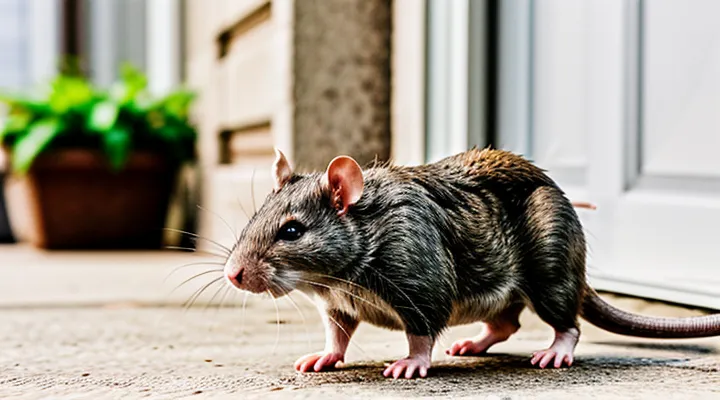
Understanding Normal Rat Respiration
Healthy Breathing Indicators
Healthy respiration in rodents is characterized by a stable respiratory rate, regular rhythm, and clear airflow. In a normal adult rat, the breathing frequency ranges from 70 to 110 breaths per minute at rest. The inspiratory and expiratory phases are of equal duration, producing a smooth, unlabored pattern observable through a transparent cage or a brief handling session.
Key indicators of optimal breathing include:
- Consistent rate: No sudden spikes or prolonged depressions in breaths per minute.
- Quiet sound: Absence of audible wheezing, rattling, or harsh intakes during both inhalation and exhalation.
- Open nostrils: No visible congestion, discharge, or flaring that would impede airflow.
- Steady chest movement: Uniform expansion and contraction of the thoracic cavity without tremors or asymmetry.
- Normal oxygen saturation: Pulse oximetry readings between 95 % and 100 % under resting conditions.
When these parameters are maintained, the animal demonstrates effective gas exchange and minimal stress on the respiratory system. Deviations such as elevated rate, audible wheeze, or irregular chest motion suggest underlying pathology and warrant immediate veterinary evaluation.
Factors Affecting Respiration in Healthy Rats
Respiration in healthy laboratory rats is governed by a set of physiological and environmental variables that determine breathing frequency, tidal volume, and airway resistance. Baseline respiratory patterns reflect the integration of metabolic demand, neural control, and external conditions.
Key factors include:
- Metabolic rate: Elevated by growth, thermogenesis, and activity, increasing oxygen consumption and carbon‑dioxide production, which drives higher respiratory frequency.
- Ambient temperature: Temperatures above thermoneutral range raise metabolic heat production, prompting faster breathing to dissipate excess heat; colder environments reduce ventilation.
- Humidity: High relative humidity lowers airway moisture loss but can increase airway resistance, modestly affecting breathing depth.
- Physical activity: Voluntary locomotion or forced treadmill exercise produces a proportional rise in tidal volume and respiratory rate.
- Age: Neonatal rats exhibit higher respiratory rates relative to adults; senescence introduces reduced lung compliance and slower ventilation.
- Sex: Hormonal differences influence airway caliber and respiratory drive, with females typically showing slightly higher minute ventilation under identical metabolic loads.
- Genetic background: Strain‑specific lung morphology and neurorespiratory circuitry generate distinct baseline breathing patterns.
- Nutritional status: Caloric restriction lowers metabolic output, decreasing ventilation; high‑fat diets can alter lung surfactant composition and airway resistance.
- Circadian rhythm: Respiration peaks during the active (dark) phase and declines during rest, aligning with endogenous clock genes.
- Stress and handling: Acute stress elevates catecholamine release, transiently increasing respiratory rate and airway constriction.
Understanding these determinants clarifies why a rat may exhibit heavy breathing or wheezing when any of the variables shift beyond normal limits, even in the absence of pathology.
Common Causes of Heavy Breathing and Wheezing
Respiratory Infections
Mycoplasma pulmonis and Other Bacterial Infections
Mycoplasma pulmonis infects the respiratory epithelium of rats, leading to inflammation, mucus hypersecretion, and loss of ciliary function. The resulting airway obstruction produces rapid, shallow respiration and audible wheezing. The pathogen adheres to the tracheal and bronchial surfaces via specialized attachment proteins, evading immune clearance and establishing chronic infection.
Other bacterial agents frequently coexist with Mycoplasma pulmonis and exacerbate respiratory distress. Common co‑pathogens include:
- Streptococcus pneumoniae – induces alveolar consolidation and pleuritic pain.
- Pasteurella multocida – causes purulent bronchopneumonia and secondary lung abscesses.
- Bordetella bronchiseptica – triggers necrotizing bronchitis with profuse sputum production.
Diagnosis relies on a combination of clinical observation, radiographic assessment, and microbiological testing. Nasal or tracheal swabs cultured on selective media identify Mycoplasma colonies, while polymerase chain reaction assays confirm species‑specific DNA. Hematology typically reveals neutrophilic leukocytosis and elevated acute‑phase proteins.
Therapeutic protocols prioritize antimicrobial agents with activity against both mycoplasmas and Gram‑negative organisms. Tetracyclines (e.g., doxycycline) effectively suppress Mycoplasma pulmonis, whereas fluoroquinolones (e.g., enrofloxacin) target co‑infecting bacteria. Supportive care includes humidified oxygen, bronchodilators to reduce airway resistance, and nutritional supplementation to counteract weight loss. Early intervention reduces mortality and limits long‑term pulmonary damage.
Viral Infections
Rats that exhibit rapid breathing and audible wheezing often suffer from viral respiratory disease. Viral agents infect the nasal passages, trachea, and lung tissue, leading to inflammation, mucus overproduction, and airway narrowing, which together produce the characteristic labored respiration.
Common viral pathogens responsible for these signs include:
- Sendai virus (Murine parainfluenza)
- Rat coronavirus (RCV)
- Rat adenovirus
- Hantavirus species affecting rodents
These viruses replicate in epithelial cells, trigger cytokine release, and compromise ciliary function. The resulting edema and bronchoconstriction reduce oxygen exchange, causing tachypnea and wheezing. Secondary bacterial infection may aggravate the condition, further impairing airflow.
Diagnosis relies on clinical observation, radiographic imaging, and laboratory confirmation through PCR or serology. Treatment focuses on supportive care: supplemental oxygen, humidified environments, and anti-inflammatory medication. Antiviral agents are limited; management emphasizes isolation and hygiene to prevent spread.
Prevention strategies involve strict quarantine of new arrivals, regular health monitoring, and vaccination where available. Proper ventilation and reduced stress levels decrease susceptibility to viral respiratory outbreaks in laboratory and pet rat colonies.
Fungal Infections
Fungal pathogens frequently cause respiratory distress in laboratory and pet rats, manifesting as increased effort of breathing and audible wheezing. Inhalation of spores leads to colonization of the nasal passages, trachea, and lungs, where hyphal growth obstructs airways and induces inflammatory edema.
Common agents include:
- Aspergillus spp. – produces dense hyphal mats that block bronchioles.
- Candida albicans – forms yeast and pseudohyphal forms that invade mucosal surfaces.
- Pneumocystis carinii – proliferates in alveolar spaces, reducing gas exchange.
- Cryptococcus neoformans – capsular yeast that disseminates to pulmonary tissue.
Pathophysiology centers on tissue invasion, cytokine‑mediated inflammation, and fibrosis, all of which restrict airflow and elevate respiratory rate. Immunocompromised or stressed rats are especially vulnerable because cellular immunity is impaired.
Diagnostic approach:
- Observe clinical signs (tachypnea, wheeze, nasal discharge).
- Collect nasal or bronchial swabs for fungal culture.
- Perform histopathology on lung tissue to identify hyphal structures.
- Use PCR assays for rapid species identification.
Therapeutic options:
- Itraconazole or voriconazole for Aspergillus infections.
- Fluconazole for Candida‑related disease.
- Amphotericin B in severe Pneumocystis or Cryptococcus cases.
- Supportive care includes humidified oxygen and anti‑inflammatory agents.
Prevention relies on maintaining low humidity, regular cleaning of cages, adequate ventilation, and avoiding exposure to moldy bedding or feed. Routine health monitoring can detect early colonization, allowing prompt treatment before respiratory compromise becomes severe.
Environmental Factors
Ammonia and Poor Ventilation
Ammonia released from rat urine and feces accumulates quickly in confined spaces. When ventilation is insufficient, concentrations rise above the threshold at which the respiratory epithelium becomes irritated. Ammonia irritates mucous membranes, induces inflammation, and triggers bronchoconstriction, all of which increase respiratory effort and produce audible wheezing. Elevated ammonia also reduces the oxygen‑carrying capacity of the blood by impairing alveolar gas exchange, forcing the animal to breathe more rapidly and deeply to meet metabolic demands.
Key physiological effects of ammonia exposure include:
- Stimulation of sensory nerves in the airway, leading to reflex hyperventilation.
- Swelling of bronchial walls, narrowing airway diameter and generating wheeze.
- Disruption of ciliary function, impairing clearance of mucus and pathogens.
- Acidification of lung tissue, aggravating tissue damage and respiratory distress.
Poor airflow compounds these effects by limiting the removal of toxic gases and reducing the influx of fresh air. Inadequate air exchange permits ammonia to linger, while stagnant air lowers ambient oxygen levels, further stressing the respiratory system.
Mitigation strategies focus on controlling both source and environment:
- Frequent removal of soiled bedding to limit ammonia production.
- Installation of high‑efficiency particulate air (HEPA) filters or activated carbon filters to adsorb volatile compounds.
- Maintenance of a minimum air change rate of 15–20 exchanges per hour in laboratory cages.
- Monitoring of ammonia levels with calibrated sensors to ensure concentrations remain below 25 ppm.
By addressing ammonia generation and ensuring adequate ventilation, the incidence of heavy breathing and wheezing in rats can be substantially reduced.
Dust and Allergens
Dust particles suspended in a cage environment contain a mixture of organic and inorganic matter that can provoke respiratory distress in rodents. Inhalation of fine particulates deposits on the nasal mucosa and lower airways, triggering irritation of sensory nerve endings. The irritation initiates a reflex increase in tidal volume and respiratory rate, which appears as heavy breathing. Simultaneously, airway smooth‑muscle contraction narrows bronchioles, producing audible wheeze during exhalation.
Allergens commonly present in dust—such as rodent‑derived proteins, mold spores, and pollen fragments—activate the immune system. Sensitized rats generate IgE antibodies that bind to mast cells lining the respiratory tract. Upon re‑exposure, mast cells degranulate, releasing histamine, leukotrienes, and prostaglandins. These mediators cause:
- Vasodilation of airway vessels
- Edema of the mucosal lining
- Hypersecretion of mucus
- Bronchoconstriction
Each effect contributes to airflow obstruction and the characteristic wheezing sound. Chronic exposure amplifies inflammatory cell infiltration, leading to remodeling of airway walls and persistent dyspnea.
Mitigation strategies focus on reducing airborne contaminants. Effective measures include:
- Regular cage cleaning with low‑dust bedding.
- Use of HEPA‑filtered ventilation systems.
- Implementation of allergen‑free feed and nesting material.
- Periodic health monitoring for signs of respiratory inflammation.
By minimizing dust load and allergen presence, the incidence of labored respiration and wheeze in laboratory rats can be substantially lowered.
Temperature Extremes
Rats exposed to extreme temperatures experience rapid, labored breathing and audible wheezing as a direct physiological response to maintain homeostasis. When ambient heat exceeds the animal’s thermoregulatory capacity, vasodilation and increased cardiac output raise metabolic demand; the respiratory system compensates by elevating tidal volume and respiratory rate. Elevated body temperature also accelerates airway mucosal inflammation, narrowing bronchioles and producing wheeze‑like sounds during exhalation. Conversely, exposure to severe cold triggers peripheral vasoconstriction, shivering‑induced oxygen consumption, and reflex bronchoconstriction, all of which increase the work of breathing and may generate wheezing if airway secretions become viscous.
Key mechanisms linking temperature stress to respiratory distress in rats:
- Heat‑induced hyperventilation to dissipate excess heat through evaporative cooling.
- Bronchial mucosal edema caused by heat‑related inflammation, reducing airway diameter.
- Cold‑triggered bronchoconstriction due to sympathetic nervous system activation.
- Increased metabolic rate in both heat and cold, elevating oxygen demand and carbon dioxide production.
- Viscous mucus accumulation from dehydration in heat or from slowed clearance in cold, creating turbulent airflow and wheeze.
Monitoring ambient temperature, providing appropriate shelter, and ensuring adequate hydration are essential to prevent temperature‑related respiratory compromise in laboratory and pet rats.
Cardiovascular Issues
Heart Disease and Congestive Heart Failure
Rats that exhibit rapid respiration and audible wheeze often have underlying cardiac pathology. When the myocardium cannot pump efficiently, blood pools in the pulmonary circulation, increasing hydrostatic pressure. Fluid transudates into alveolar spaces, reducing gas‑exchange surface and stimulating chemoreceptors that drive tachypnea. The narrowed airways, compressed by interstitial edema, generate wheezing sounds during expiration.
Key mechanisms linking heart disease to respiratory distress include:
- Left‑ventricular systolic dysfunction → elevated left atrial pressure → pulmonary congestion.
- Diastolic impairment → incomplete ventricular filling → elevated venous return pressure.
- Myocardial ischemia → arrhythmias that diminish cardiac output, aggravating hypoxia‑driven breathing effort.
- Valvular insufficiency → regurgitant flow, further raising pulmonary capillary pressure.
Congestive heart failure compounds these effects. Persistent volume overload forces the right ventricle to work against increased pulmonary resistance, leading to systemic venous congestion and peripheral edema. The combined burden on both ventricles accelerates the onset of labored breathing and wheeze.
Diagnostic indicators in laboratory rats:
- Elevated respiratory rate measured over a fixed interval.
- Audible high‑frequency wheeze during quiet respiration.
- Thoracic auscultation revealing crackles consistent with fluid accumulation.
- Echocardiographic evidence of reduced ejection fraction or ventricular dilation.
Therapeutic interventions that mitigate respiratory symptoms target the cardiac origin: diuretics to reduce preload, ACE inhibitors to lower afterload, and positive inotropes to improve contractility. Prompt identification of cardiac dysfunction therefore prevents progression to severe respiratory compromise in affected rodents.
Other Medical Conditions
Tumors and Neoplasms
Tumor growth within the respiratory tract is a primary cause of increased respiratory effort and audible wheezing in laboratory rats. Primary lung neoplasms, such as bronchioloalveolar carcinoma and fibrosarcoma, expand the airway lumen, reduce elastic recoil, and obstruct airflow. Metastatic lesions originating from mammary, gastrointestinal, or hematopoietic tumors frequently lodge in pulmonary vessels, producing nodular infiltrates that impair gas exchange and elevate ventilation demand.
Bronchial obstruction by malignant masses generates turbulent airflow, which manifests as wheezing during expiration. The mechanical resistance forces the animal to increase tidal volume and respiratory rate, producing the observed heavy breathing. Additionally, tumor‑induced inflammation releases cytokines (e.g., IL‑1β, TNF‑α) that stimulate bronchoconstriction and edema, further narrowing airway passages.
Diagnostic evaluation typically includes:
- Radiographic imaging to identify mass size, location, and pleural involvement.
- Computed tomography for three‑dimensional assessment of tumor volume and vascular invasion.
- Histopathological examination of biopsy samples to classify tumor type and grade.
- Pulmonary function tests, where feasible, to quantify airflow limitation and compliance changes.
Therapeutic considerations focus on reducing tumor burden and alleviating airway obstruction. Options encompass surgical resection of localized lesions, targeted chemotherapy agents (e.g., tyrosine‑kinase inhibitors for specific oncogenic drivers), and radiotherapy to shrink infiltrative masses. Palliative measures, such as bronchodilators and corticosteroids, mitigate bronchospasm and inflammatory edema, providing temporary relief of respiratory distress.
Prognosis correlates with tumor histology, stage at detection, and response to treatment. Early identification of pulmonary neoplasms improves survival odds and reduces the severity of respiratory symptoms in affected rats.
Asthma and Allergic Reactions
Rats exhibit labored respiration and audible wheezing when their airways become inflamed or obstructed. In many cases, the underlying condition resembles asthma, a chronic disease characterized by reversible bronchoconstriction, mucus hypersecretion, and airway hyper‑responsiveness. Allergic reactions can provoke similar airway changes; exposure to airborne allergens such as dust, mold spores, or rodent‑specific proteins triggers IgE‑mediated mast cell degranulation, releasing histamine, leukotrienes, and prostaglandins that contract smooth muscle and increase vascular permeability.
Key physiological responses include:
- Bronchial smooth‑muscle tightening, reducing airflow.
- Excessive mucus production that clogs bronchioles.
- Inflammatory cell infiltration (eosinophils, neutrophils) that thickens airway walls.
- Edema of the respiratory epithelium, narrowing the lumen.
These mechanisms generate the heavy breathing and wheezing observed in affected rodents. Diagnosis relies on clinical observation, auscultation of wheeze sounds, and, when possible, bronchoalveolar lavage to identify inflammatory cell profiles. Pulmonary function testing, although limited in small animals, can quantify airway resistance.
Effective management follows the same principles used in human asthma:
- Avoidance of identified allergens (e.g., cleaning cages to reduce dust, limiting exposure to bedding materials that provoke reactions).
- Administration of bronchodilators (β2‑agonists) to relax smooth muscle and improve airflow.
- Use of anti‑inflammatory agents such as corticosteroids to suppress cytokine production and reduce eosinophilic infiltration.
- Supplementary oxygen therapy for severe hypoxia.
Monitoring treatment response includes regular assessment of respiratory rate, wheeze intensity, and overall activity level. Prompt adjustment of medication dosage or environmental controls prevents progression to chronic airway remodeling, which can cause irreversible airflow limitation.
Dental Problems Affecting Airway
Dental disease is a frequent cause of labored respiration and wheezing in rats. Overgrown incisors can protrude into the oral cavity, pressing against the soft palate and narrowing the nasopharyngeal space. Malocclusion creates uneven pressure on the surrounding bone, leading to inflammation that extends into the airway. Dental abscesses and root infections generate pus that may track toward the nasal passages, producing swelling that restricts airflow.
Clinical signs include open‑mouth breathing, audible wheeze during exhalation, reduced activity, and occasional nasal discharge. Palpation of the jaw often reveals firm, enlarged masses consistent with abscess formation. Radiographic imaging shows incisor length, bone loss, and soft‑tissue swelling. Endoscopic examination confirms obstruction of the nasal or pharyngeal lumen.
Effective management requires:
- Precise trimming of overgrown incisors to restore normal occlusion.
- Surgical drainage or removal of abscesses when present.
- Administration of broad‑spectrum antibiotics to eliminate bacterial infection.
- Analgesic therapy to reduce pain and improve breathing effort.
- Regular dental monitoring to prevent recurrence.
Prompt identification and correction of dental pathology reduce airway compromise, restore normal breathing patterns, and prevent progressive respiratory deterioration in affected rats.
Obesity
Obesity in laboratory rats increases the mass of thoracic and abdominal fat, which compresses the lungs and limits diaphragmatic excursion. The resulting decrease in lung compliance forces the animal to adopt a faster, shallower breathing pattern to maintain adequate oxygen uptake. Airway caliber narrows under the pressure of surrounding adipose tissue, raising airway resistance and producing audible wheezing during expiration.
Metabolic disturbances associated with excess adiposity amplify respiratory compromise. Elevated circulating leptin and pro‑inflammatory cytokines (TNF‑α, IL‑6) promote airway inflammation and smooth‑muscle hyperreactivity. Hypoxia‑induced oxidative stress further sensitizes bronchial receptors, contributing to irregular airflow and wheeze generation.
Experimental findings consistently demonstrate:
- Higher respiratory rates in obese rats compared with weight‑matched controls.
- Increased occurrence of expiratory wheeze recorded by plethysmography.
- Correlation between body‑fat percentage and measures of airway resistance.
These observations indicate that excess body weight is a primary driver of the heavy breathing and wheezing phenotype in rats. Controlling for obesity is essential when interpreting respiratory data, as weight‑related changes can confound the assessment of pulmonary pathology or therapeutic interventions.
Stress and Anxiety
Rats exposed to acute or chronic stress exhibit a marked increase in respiratory rate and the presence of wheezing sounds. The underlying mechanisms involve activation of the sympathetic nervous system, release of catecholamines, and heightened hypothalamic‑pituitary‑adrenal (HPA) axis activity. Elevated adrenaline and noradrenaline stimulate bronchiolar smooth‑muscle contraction, reducing airway diameter and generating turbulent airflow that is perceived as wheezing. Concurrently, cortisol modulates inflammatory pathways, promoting edema of the airway mucosa and further narrowing the lumen, which forces the animal to breathe more rapidly to maintain oxygen intake.
Key physiological responses linked to stress‑induced respiratory changes in rats:
- Sympathetic surge: rapid heart rate, increased tidal volume, and bronchoconstriction.
- HPA axis activation: cortisol elevation, mucosal swelling, and altered immune cell activity.
- Neurotransmitter shifts: heightened glutamate and serotonin levels influencing respiratory centers in the brainstem.
- Behavioral manifestations: increased locomotor activity, vocalizations, and escape attempts that compound metabolic demand.
Experimental observations confirm that pharmacological blockade of β‑adrenergic receptors or administration of anxiolytic agents reduces both breathing frequency and wheeze intensity, indicating a direct causal relationship between emotional stress and respiratory distress. Chronic exposure to unpredictable stressors produces persistent hyperventilation and audible wheeze, suggesting that sustained anxiety can lead to maladaptive changes in airway reactivity.
In summary, stress and anxiety trigger neuroendocrine pathways that constrict airways, inflame mucosal tissue, and accelerate breathing, collectively accounting for the pronounced respiratory symptoms observed in laboratory rats.
Recognizing Symptoms and When to Seek Veterinary Care
Identifying Specific Sounds
Wheezing
Wheezing is a high‑pitched, musical respiratory sound produced when air flows through narrowed or obstructed airways. In rats, wheezing often accompanies increased respiratory effort and indicates the presence of airway inflammation, mucus accumulation, or structural changes that restrict airflow.
Typical mechanisms generating wheeze in rodents include:
- Bronchoconstriction caused by smooth‑muscle contraction.
- Edema of the bronchial mucosa leading to reduced lumen diameter.
- Accumulation of secretions that partially block the trachea or bronchi.
- Fibrotic remodeling of airway walls after chronic irritation.
These factors elevate airway resistance, forcing the animal to breathe more forcefully. The resulting turbulent airflow creates the characteristic audible vibration identified as wheeze. Observation of wheezing, together with rapid, shallow breaths, signals that the rat’s pulmonary system is compromised and may require veterinary assessment.
Diagnostic approaches focus on auscultation, radiographic imaging, and, when feasible, bronchoalveolar lavage to evaluate inflammatory cells and mucus content. Treatment strategies target the underlying cause: bronchodilators relax smooth muscle, corticosteroids reduce inflammation, and mucolytics aid secretion clearance. Supportive care, such as supplemental oxygen, alleviates hypoxia associated with severe airway obstruction.
Recognition of wheezing as a symptom of respiratory distress clarifies why a rat exhibits heavy breathing. The sound directly reflects narrowed air passages that compel the animal to increase ventilation effort, linking audible wheeze to observable tachypnea.
Rales and Crackles
Rales and crackles are audible lung sounds produced when air moves through fluid‑filled or collapsed alveolar spaces. In rodents, these noises are detected with a stethoscope or specialized acoustic sensors and indicate disturbances in the peripheral airways. The term “rales” traditionally refers to fine, high‑pitched crackles, whereas “coarse crackles” describe louder, lower‑pitched sounds.
Fine crackles arise from sudden opening of small airways that have been held closed by surface tension or edema. Coarse crackles result from turbulent flow through larger bronchi obstructed by mucus, pus, or inflammatory exudate. Both patterns may accompany increased respiratory effort and wheezing in rats, reflecting underlying pulmonary pathology.
Typical conditions that generate rales and crackles in rats include:
- Pulmonary edema caused by heart failure or fluid overload
- Bacterial or viral pneumonia producing alveolar exudate
- Aspiration of foreign material leading to localized inflammation
- Bronchial obstruction from secretions or neoplastic growth
Recognition of these sounds guides further diagnostic steps such as radiography, bronchoalveolar lavage, or histopathology. Early identification of rales and crackles helps differentiate between fluid‑related and obstructive causes of labored breathing, allowing targeted therapeutic intervention.
Sniffles and Sneezing
Sniffles and sneezing in rats represent upper‑respiratory responses that can accompany or precede more severe breathing abnormalities such as labored respiration and wheezing. The act of sniffling reflects increased nasal airflow through partially obstructed passages, while sneezing expels irritants from the nasal cavity. Both signs indicate irritation or inflammation of the mucosal lining.
When the nasal passages are compromised, the animal may increase tidal volume to maintain oxygen intake, producing heavy breathing. Concurrent airway narrowing or secretions can generate turbulent flow, which is perceived as wheezing. Thus, sniffles and sneezing often serve as early indicators of a broader respiratory disturbance.
Common causes include:
- Viral upper‑respiratory infections (e.g., Sendai virus)
- Bacterial pathogens (e.g., Streptococcus spp.)
- Allergic reactions to bedding, food, or dust
- Parasites affecting the nasal sinuses (e.g., Myrmecophaga spp.)
- Environmental irritants such as ammonia, smoke, or cold drafts
Accurate assessment requires:
- Visual examination for discharge, crusting, or facial swelling.
- Auscultation of thoracic sounds to detect wheezes or crackles.
- Radiographic imaging to identify sinus opacification or lung infiltrates.
- Nasal swabs for microbiological culture and PCR testing.
Therapeutic measures focus on eliminating the underlying irritant and supporting airway function:
- Replace contaminated bedding, improve ventilation, and maintain humidity at 40–60 %.
- Administer appropriate antibiotics for confirmed bacterial infection; use culture‑guided selection when possible.
- Provide anti‑inflammatory agents (e.g., corticosteroids) for allergic or inflammatory conditions, adhering to dosage guidelines for rodents.
- Offer supplemental oxygen or humidified air for severe dyspnea.
Monitoring respiratory rate, nasal discharge, and wheeze intensity enables timely adjustment of treatment and reduces the risk of progression to chronic respiratory disease.
Behavioral Changes
Lethargy and Reduced Activity
Rats that exhibit labored respiration and audible wheezing often show concurrent lethargy and reduced activity. These behavioral changes signal a systemic response to compromised pulmonary function. When airway obstruction or inflammation limits oxygen exchange, the animal conserves energy by decreasing movement, leading to noticeable inactivity.
Key factors linking respiratory distress to lethargy include:
- Decreased arterial oxygen saturation, which impairs muscular performance and central nervous system alertness.
- Elevated carbon dioxide levels that produce a depressive effect on the respiratory drive and overall vitality.
- Pain or discomfort from inflamed airways, prompting the rat to remain still to avoid exacerbating the condition.
- Metabolic adjustments that prioritize vital organ function over locomotion, resulting in reduced exploratory behavior.
Clinically, observers should record the onset, duration, and severity of inactivity alongside respiratory signs. Persistent lethargy may indicate progressing pulmonary disease, such as bacterial pneumonia, viral infection, or allergic airway inflammation. Early detection of reduced activity can guide timely intervention, improve diagnostic accuracy, and increase the likelihood of successful treatment.
Changes in Appetite and Thirst
Rats experiencing labored breathing and audible wheezing often display altered feeding and drinking patterns. Reduced oxygen intake forces the body to prioritize essential functions, leading to a noticeable decline in food consumption. Energy demands shift toward maintaining respiratory muscles, while gastrointestinal motility slows, further suppressing appetite.
Simultaneously, increased respiratory effort raises fluid loss through rapid, shallow breaths. Dehydration risk escalates as the animal drinks less, either because of diminished thirst perception or because the effort required to approach water sources becomes burdensome. In some cases, compensatory polydipsia occurs, but it typically follows a lag period during which dehydration intensifies.
Key observations include:
- Marked decrease in daily food intake, often below 70 % of baseline.
- Variable water consumption: initial reduction followed by possible overdrinking if dehydration progresses.
- Weight loss correlating with the severity of respiratory distress.
- Dry mucous membranes and reduced skin turgor indicating fluid deficit.
Monitoring these changes provides early indication of worsening respiratory pathology and guides timely intervention to prevent secondary complications such as hypoglycemia or renal impairment.
Hunched Posture and Piloerection
Heavy breathing and wheezing in rats often accompany a hunched posture and piloerection. The posture reflects increased work of the respiratory muscles; a curved spine shortens the thoracic cavity, reducing lung expansion and forcing the animal to breathe more rapidly to maintain oxygen intake. Simultaneously, piloerection—raising of the hair coat—signals activation of the sympathetic nervous system, which elevates heart rate and airway resistance. Together, these responses amplify the effort required for ventilation, producing audible wheezes as airflow becomes turbulent through narrowed airways.
Key physiological links:
- Spinal curvature compresses the rib cage, limiting tidal volume and prompting faster, shallower breaths.
- Sympathetic activation triggers piloerection, releases catecholamines, and induces bronchoconstriction, which generates wheezing sounds.
- Stress response combines muscular tension with elevated metabolic demand, further accelerating respiration.
Observation of a pronounced hunch and upright fur therefore serves as a reliable indicator of underlying respiratory distress in rodents. Monitoring these external signs allows early intervention before hypoxia or severe airway obstruction develops.
Emergency Situations
Rats that exhibit rapid, labored respiration and audible wheezing are often in a critical condition that requires immediate intervention. The following points outline the essential actions and considerations for emergency management.
-
Assess the environment – Remove the animal from sources of smoke, dust, or chemical fumes that could exacerbate airway irritation. Place the rat in a quiet, well‑ventilated area with a stable temperature between 20‑24 °C (68‑75 °F).
-
Perform a rapid physical examination – Check for nasal discharge, oral secretions, or visible obstructions in the mouth or throat. Palpate the chest for asymmetry, and listen for abnormal sounds that suggest bronchial constriction or fluid accumulation.
-
Provide supplemental oxygen – If a portable oxygen source is available, deliver 1–2 L/min through a small mask or a syringe‑driven flow system. Continuous observation of breathing rate and effort is required while oxygen is administered.
-
Control stress and temperature – Keep the rat calm to prevent tachypnea from agitation. Use a soft cloth to gently restrain the animal without applying pressure to the thorax. Maintain ambient warmth to avoid hypothermia, which can worsen respiratory depression.
-
Identify potential toxins – Consider recent exposure to rodenticides, essential oils, cleaning agents, or mold. If ingestion is suspected, note the substance, amount, and time of exposure for veterinary reporting.
-
Initiate emergency transport – Place the rat in a ventilated carrier lined with absorbent material. Secure the carrier to prevent movement during transport. Contact a veterinarian or an emergency animal clinic before arrival to confirm availability of emergency services.
-
Document observations – Record the onset time of heavy breathing, any preceding events, and the presence of wheezing. Precise notes facilitate diagnosis and treatment planning.
Prompt execution of these steps reduces the risk of respiratory failure and improves the likelihood of a favorable outcome. When uncertainty persists, immediate veterinary consultation is mandatory.
Diagnostic Approaches
Physical Examination
When a rodent exhibits labored respiration and audible wheezes, a systematic physical examination provides the primary data for diagnosis. The clinician begins with observation of the animal’s posture and behavior. Signs such as open‑mouth breathing, nasal flaring, and a hunched stance indicate increased work of breathing. Respiratory rate should be counted over a full minute; values exceeding the normal range for the species (approximately 60–110 breaths per minute in adult rats) confirm tachypnea.
Auscultation follows visual assessment. Using a pediatric stethoscope, the examiner listens to bilateral lung fields for wheezes, crackles, or diminished breath sounds. Wheezing that intensifies during expiration suggests airway narrowing, while crackles may point to fluid accumulation. The heart rate and rhythm are recorded simultaneously, as tachycardia often accompanies respiratory distress.
Palpation of the thorax evaluates rib movement and detects pain. Symmetrical chest excursions confirm intact diaphragmatic function; asymmetry may indicate pleural effusion or pneumothorax. Gentle pressure over the trachea checks for swelling or obstruction. The examiner also feels for subcutaneous emphysema or masses that could compress the airway.
Peripheral assessment includes mucous membrane color and capillary refill time. Pale or cyanotic membranes suggest hypoxemia, while prolonged refill (>2 seconds) indicates systemic hypoperfusion. Body temperature is measured; fever supports an infectious etiology, whereas hypothermia may reflect severe systemic compromise.
A concise checklist for the exam:
- Record respiratory rate and pattern.
- Observe posture, nasal flaring, and mouth breathing.
- Auscultate lung fields for wheezes, crackles, and breath sound intensity.
- Palpate thorax for symmetry, pain, and tracheal abnormalities.
- Evaluate heart rate, rhythm, and peripheral perfusion.
- Examine mucous membranes for color and refill time.
- Measure rectal temperature.
These findings, combined with laboratory and imaging data, narrow the differential diagnosis to conditions such as respiratory infection, allergic airway inflammation, cardiac failure, or obstructive lesions, guiding subsequent therapeutic decisions.
Imaging Techniques
X-rays
X‑ray imaging provides direct visualization of the respiratory tract and thoracic structures in rodents, allowing rapid assessment of the causes behind increased respiratory effort and audible wheeze. Radiographs reveal airway narrowing, parenchymal infiltrates, and pleural effusion, each of which can impede airflow and trigger labored breathing.
Typical radiographic findings associated with severe respiration in rats include:
- Tracheal or bronchial constriction visible as reduced lumen diameter.
- Diffuse or focal pulmonary infiltrates indicating edema, infection, or inflammatory exudate.
- Hyperinflated lung fields with flattened diaphragms, suggesting obstructive processes.
- Pleural fluid accumulation producing a meniscus sign and reducing lung expansion.
Quantitative analysis of radiodensity (Hounsfield units) differentiates fluid from soft tissue, aiding distinction between pneumonia and pulmonary edema. Serial X‑ray examinations track disease progression, evaluate therapeutic response, and detect complications such as pneumothorax that may exacerbate respiratory distress.
In practice, a single lateral thoracic radiograph, combined with a dorsoventral view, supplies sufficient information to identify structural abnormalities responsible for heavy breathing and wheezing. Prompt interpretation guides appropriate interventions, ranging from antimicrobial therapy for infectious lesions to bronchodilators for airway obstruction.
Ultrasound
Ultrasound offers a non‑invasive method for evaluating the respiratory condition of rodents presenting with increased breathing effort and audible wheeze. By transmitting high‑frequency sound waves through the thoracic wall, the technique generates real‑time images of lung tissue, pleural surfaces, and surrounding vasculature. This capability allows researchers to identify:
- Consolidation or atelectasis that may obstruct airflow
- Pleural effusion or fluid accumulation causing audible wheezing
- Diaphragmatic motion abnormalities contributing to labored breathing
Doppler ultrasound further assesses blood flow in pulmonary arteries, revealing vascular resistance changes that could exacerbate respiratory distress. When combined with quantitative measurements such as lung surface wave velocity, ultrasound can monitor disease progression or response to therapeutic interventions without sacrificing the animal. Consequently, it serves as a critical tool for diagnosing and managing the underlying causes of heavy breathing and wheeze in rats.
Laboratory Tests
Blood Work
Blood analysis is a primary tool for identifying physiological disturbances that produce labored breathing and wheezing in rats. Hematologic values reveal anemia, polycythemia, or leukocytosis, each of which can impair oxygen transport or indicate infection. Elevated white‑blood‑cell counts often accompany bacterial pneumonia, while a reduced red‑cell count suggests chronic hypoxia or hemorrhage.
Serum chemistry provides insight into organ function that influences respiration. Increased blood urea nitrogen or creatinine signals renal compromise, potentially leading to fluid overload and pulmonary edema. Elevated liver enzymes may reflect hepatic disease that alters metabolic demand and contributes to dyspnea. Abnormal electrolyte levels, particularly hyperkalemia or hypocalcemia, can affect muscle contractility, including the diaphragm.
Key blood‑work parameters relevant to respiratory assessment:
- Hemoglobin concentration and hematocrit
- Total and differential white‑blood‑cell count
- Arterial blood gas values (pH, PaO₂, PaCO₂)
- Lactate concentration
- Electrolyte panel (Na⁺, K⁺, Ca²⁺)
- Renal markers (BUN, creatinine)
- Liver enzymes (ALT, AST, ALP)
Interpretation of these results, combined with clinical observation, directs targeted therapy and clarifies whether the heavy breathing originates from infection, metabolic imbalance, cardiac insufficiency, or other systemic conditions.
Culture and Sensitivity
Heavy breathing and wheezing in laboratory rats frequently indicate a lower‑respiratory infection. Culture and sensitivity testing supply the definitive data needed to identify the causative microorganism and to choose an effective antimicrobial regimen.
Collect specimens directly from the respiratory tract—nasal swabs, tracheal aspirates, or homogenized lung tissue. Transport samples in sterile, temperature‑controlled media to preserve viability. Select culture media based on suspected organisms: blood agar for fastidious bacteria, MacConkey for Gram‑negative rods, Sabouraud for fungi, and specialized broth for Mycoplasma.
Incubate plates under appropriate atmospheric conditions (aerobic, microaerophilic, or anaerobic) and monitor growth for 24–72 hours. Perform Gram staining and biochemical panels to classify isolates. Record colony morphology, hemolysis pattern, and odor as supplementary identifiers.
Conduct antimicrobial susceptibility testing on each isolate. Use the disk diffusion method or broth microdilution to determine minimum inhibitory concentrations. Interpret results according to established veterinary breakpoints (e.g., CLSI VET). Document resistant, intermediate, and susceptible categories for each drug tested.
Apply findings to therapy selection:
- Choose agents with confirmed susceptibility, prioritizing narrow‑spectrum drugs.
- Adjust dosage to the rat’s weight and metabolic rate.
- Monitor clinical response and repeat culture if symptoms persist.
Accurate culture and sensitivity analysis reduces mortality, limits the spread of resistant strains, and supports evidence‑based treatment of respiratory distress in rats.
PCR Testing
PCR testing provides a definitive method for identifying infectious agents that can cause labored breathing and wheezing in rodents. By amplifying specific nucleic‑acid sequences, the technique detects bacterial, viral, or fungal pathogens even when clinical signs are ambiguous. Results guide targeted therapeutic interventions and prevent misdiagnosis of respiratory distress.
The standard workflow includes:
- Sample collection (nasal swab, lung tissue, or bronchoalveolar lavage).
- Nucleic‑acid extraction using silica‑based columns or magnetic beads.
- Reverse transcription for RNA viruses, followed by polymerase chain reaction with pathogen‑specific primers.
- Real‑time detection through fluorescent probes, yielding quantitative cycle‑threshold values.
Quantitative data distinguish active infection from background colonization, enabling researchers to correlate pathogen load with severity of respiratory symptoms. In experimental settings, PCR confirms the presence of agents such as Mycoplasma pulmonis or hantavirus, which are known to induce wheezing and increased respiratory effort in rats.
Accurate molecular diagnosis supports epidemiological tracking, informs biosecurity measures, and underpins the development of preventive strategies for laboratory animal health.
Treatment and Management Options
Pharmacological Interventions
Antibiotics
Antibiotics are indicated when bacterial pathogens contribute to respiratory compromise in rodents. Common causes of labored breathing and wheezing include pneumonia caused by Streptococcus or Pasteurella species; effective antimicrobial therapy can reduce bacterial load, alleviate inflammation, and improve airway patency.
Selection of an appropriate agent depends on culture results, susceptibility patterns, and the pharmacokinetic profile in rats. Empiric treatment often begins with a broad‑spectrum drug such as enrofloxacin or ampicillin, followed by adjustment according to sensitivity testing. Dosage must reflect the animal’s weight and be administered at intervals that maintain therapeutic plasma concentrations without exceeding toxicity thresholds.
Key considerations for antibiotic use in this context:
- Verify bacterial etiology before initiating therapy; viral or fungal infections require different interventions.
- Monitor clinical signs daily; improvement in respiratory rate and reduction of wheeze indicate efficacy.
- Observe for adverse reactions, including gastrointestinal upset and nephrotoxicity, especially with aminoglycosides.
- Limit treatment duration to the minimum effective period to reduce the risk of resistance development.
Proper antimicrobial management, combined with supportive measures such as humidified oxygen and bronchodilators, addresses the underlying infection and contributes to the resolution of heavy breathing and wheezing in affected rats.
Anti-inflammatories
Anti‑inflammatory agents are essential for managing respiratory distress in laboratory rats that exhibit labored breathing and wheezing. Inflammation of the airway mucosa, bronchial smooth‑muscle edema, and leukocyte infiltration reduce airway diameter, increase resistance, and trigger the observed symptoms. By suppressing the inflammatory cascade, anti‑inflammatories restore airway patency and reduce respiratory effort.
Common classes used in rodents include:
- Corticosteroids (e.g., prednisolone, dexamethasone): inhibit cytokine production, stabilize lysosomal membranes, and decrease vascular permeability. Typical dosing ranges from 0.5 to 2 mg kg⁻¹ daily, administered orally or subcutaneously.
- Non‑steroidal anti‑inflammatory drugs (NSAIDs) (e.g., meloxicam, carprofen): block cyclooxygenase enzymes, lower prostaglandin synthesis, and alleviate mild airway inflammation. Recommended doses are 1–5 mg kg⁻¹ once daily, with attention to gastrointestinal tolerance.
- Leukotriene antagonists (e.g., montelukast): prevent leukotriene‑mediated bronchoconstriction. Effective doses are 5–10 mg kg⁻¹ administered orally.
Selection criteria depend on the severity of inflammation, underlying cause, and risk of side effects. Corticosteroids provide rapid, potent suppression but may cause immunosuppression, hyperglycemia, and adrenal suppression with prolonged use. NSAIDs offer milder anti‑inflammatory action and are suitable for chronic management, yet they can induce renal impairment and ulceration. Leukotriene antagonists are advantageous when eosinophilic inflammation predominates, with a low side‑effect profile.
Monitoring protocols include daily assessment of respiratory rate, tidal volume, and wheeze intensity, complemented by periodic bronchoalveolar lavage to quantify inflammatory cells. Adjustments to dosage or drug class should follow objective changes in these parameters. Combining anti‑inflammatory therapy with bronchodilators (e.g., albuterol) can further improve airflow, but drug interactions must be evaluated.
In summary, anti‑inflammatory medication addresses the pathophysiological basis of heavy breathing and wheezing in rats by reducing airway inflammation, improving ventilation, and preventing progression to more severe respiratory failure. Proper drug selection, dosing, and systematic monitoring are critical for therapeutic success.
Bronchodilators
Bronchodilators are pharmacologic agents that relax airway smooth muscle, increasing lumen diameter and reducing airflow resistance. They act primarily on β‑adrenergic receptors, muscarinic receptors, or phosphodiesterase enzymes, thereby counteracting bronchoconstriction that contributes to the rat’s labored respiration and wheezing.
Mechanisms of action differ among classes:
- β2‑agonists (e.g., albuterol, salbutamol) stimulate cyclic AMP production, leading to smooth‑muscle relaxation.
- Anticholinergics (e.g., ipratropium, tiotropium) block muscarinic receptors, preventing acetylcholine‑induced constriction.
- Phosphodiesterase inhibitors (e.g., theophylline) inhibit cAMP degradation, sustaining bronchodilation.
In experimental rodent models, bronchodilators are administered via inhalation, intraperitoneal injection, or oral gavage. Dosage selection depends on the agent’s potency, route, and the severity of respiratory impairment. Typical dosing ranges for rats include 0.1–1 mg kg⁻¹ for β2‑agonists and 0.5–2 mg kg⁻¹ for anticholinergics, adjusted according to pharmacokinetic data.
Therapeutic outcomes are evaluated by measuring respiratory rate, tidal volume, and acoustic signatures of wheeze. Effective bronchodilation manifests as reduced respiratory effort, normalized breathing patterns, and attenuation of wheezing sounds.
Adverse effects may include tachycardia, tremor, or central nervous system stimulation, particularly with non‑selective agents. Monitoring of heart rate, body temperature, and behavioral signs is essential to differentiate drug‑induced changes from disease progression.
Selection of a bronchodilator for a rat with severe respiratory distress should consider receptor specificity, onset of action, and duration of effect. β2‑agonists provide rapid relief, whereas anticholinergics offer prolonged control. Combining agents can achieve synergistic bronchodilation but requires careful dose titration to avoid cumulative side effects.
Diuretics
Diuretics reduce body fluid volume by increasing urinary excretion, thereby lowering blood pressure and decreasing pulmonary capillary pressure. In rodents, excessive fluid accumulation can trigger alveolar edema, which manifests as labored respiration and audible wheezing. By removing excess interstitial fluid, diuretics alleviate the mechanical restriction on lung tissue and improve airway patency.
When a rat exhibits heavy breathing and wheezing, clinicians often assess fluid balance. Administration of loop or thiazide diuretics produces rapid diuresis, leading to:
- Decreased hydrostatic pressure in pulmonary vessels
- Reduced transudation of fluid into the alveolar spaces
- Lowered resistance in small airways, diminishing wheeze intensity
These pharmacologic actions directly counteract the pathophysiological mechanisms that cause respiratory distress in experimental models.
However, overt diuresis may induce electrolyte disturbances, particularly hypokalemia, which can exacerbate bronchial smooth‑muscle constriction. Therefore, dosing regimens must balance fluid removal with electrolyte monitoring to ensure respiratory improvement without secondary complications.
Supportive Care
Nebulization and Humidifiers
Nebulization delivers fine aerosol particles directly into the respiratory tract, allowing rapid deposition of therapeutic agents on inflamed airway surfaces. In rodents, aerosolized bronchodilators and corticosteroids reduce airway resistance, improve gas exchange, and alleviate audible wheeze. Proper particle size (1–5 µm) ensures penetration to the lower bronchi where constriction often occurs in laboratory rats with respiratory distress.
Humidifiers increase ambient moisture, preventing desiccation of the mucosal lining and reducing the viscosity of airway secretions. Elevated humidity levels (40–60 % relative humidity) diminish turbulent airflow, lower inspiratory effort, and lessen the frequency of audible wheezing. Consistent humidification also supports ciliary function, promoting clearance of debris and pathogens that can exacerbate heavy breathing.
Key considerations for using these modalities with rats:
- Device selection: Choose nebulizers with low dead volume and humidifiers capable of maintaining stable humidity without causing condensation on cage surfaces.
- Dosage control: Administer medication doses calibrated to body weight (e.g., 0.1 mg/kg for bronchodilators) to avoid overdose.
- Exposure time: Limit nebulization sessions to 5–10 minutes; humidifier operation should be continuous but monitored to prevent excessive humidity (>70 %).
- Monitoring: Record respiratory rate, tidal volume, and wheeze intensity before, during, and after treatment to assess efficacy.
- Hygiene: Clean nebulizer tubing and humidifier reservoirs daily to prevent microbial growth that could worsen respiratory symptoms.
When implemented correctly, nebulization and controlled humidification provide complementary relief for rats exhibiting labored breathing and wheezing, improving airway patency and overall respiratory health.
Oxygen Therapy
Oxygen therapy provides supplemental oxygen to rats experiencing increased respiratory effort and audible wheezing, conditions often resulting from pulmonary infection, airway obstruction, or inflammatory disease. By raising the partial pressure of oxygen in alveolar air, the treatment improves arterial oxygen saturation, reduces work of breathing, and supports tissue oxygenation.
Effective delivery requires a sealed chamber or mask that supplies a calibrated flow of medical‑grade oxygen. Typical protocols include:
- Flow rate: 2–4 L/min for a standard laboratory cage, adjusted to maintain a fraction of inspired oxygen (FiO₂) of 0.4–0.6.
- Duration: 30 minutes to several hours, depending on clinical response and underlying cause.
- Monitoring: Continuous observation of respiratory rate, effort, and pulse oximetry; arterial blood gas analysis when feasible.
Benefits extend beyond immediate hypoxemia correction. Adequate oxygenation prevents anaerobic metabolism, limits lactic acidosis, and stabilizes cardiovascular function. In experimental models, supplemental oxygen reduces mortality associated with severe bronchial inflammation.
Potential adverse effects include oxygen toxicity, particularly at FiO₂ > 0.7 for prolonged periods, leading to pulmonary edema or oxidative damage. To mitigate risk, clinicians should taper FiO₂ as the animal’s condition improves and limit exposure time.
When integrating oxygen therapy into a treatment plan, consider the etiological factor causing the rat’s labored breathing. Antimicrobial agents, bronchodilators, or anti‑inflammatory drugs may be required concurrently. Proper ventilation of the environment, humidification of the gas, and avoidance of carbon dioxide accumulation are essential for maintaining respiratory comfort and preventing secondary complications.
Fluid Therapy
Fluid therapy is a primary intervention for rats presenting with labored respiration and audible airway sounds. Dehydration reduces plasma volume, impairs mucociliary clearance, and worsens airway inflammation, thereby intensifying breathing difficulty. Restoring intravascular volume improves tissue perfusion, supports pulmonary capillary integrity, and facilitates oxygen delivery to compromised tissues.
Selection of fluid type depends on the underlying cause of respiratory distress. Crystalloid solutions such as lactated Ringer’s or isotonic saline replenish extracellular fluid without adding oncotic pressure. Colloids, for example, synthetic albumin, are reserved for severe hypovolemia when rapid plasma expansion is required. Hypertonic saline may be employed in cases of pulmonary edema to draw fluid out of the interstitial space, but careful monitoring of electrolyte balance is essential.
Administration routes include subcutaneous, intraperitoneal, and intravenous delivery. Subcutaneous injection provides a slow, steady increase in fluid volume suitable for mild dehydration. Intraperitoneal infusion offers rapid absorption when venous access is limited. Intravenous catheters deliver precise volumes and allow for concurrent drug administration; they are preferred for acute respiratory compromise. Typical dosing ranges from 10 mL/kg to 30 mL/kg per day, adjusted according to body weight, clinical signs, and urine output.
Monitoring parameters ensure therapy effectiveness and prevent iatrogenic complications. Observe skin turgor, mucous membrane color, and capillary refill time. Record daily weight, urine volume, and respiratory rate. Laboratory assessment of serum electrolytes, blood gases, and hematocrit guides adjustments in fluid composition and rate. Prompt identification of overhydration, such as pulmonary edema, mandates reduction or cessation of fluid administration.
Nutritional Support
Labored breathing and wheezing in rats often signal respiratory compromise that can be exacerbated by inadequate nutrition. Providing targeted dietary support helps mitigate metabolic strain and promotes tissue repair.
Energy provision must meet increased demand. Offer a calorie‑dense formula containing 20–25 % protein from sources such as soy isolate or whey. Protein supplies amino acids essential for alveolar epithelium regeneration.
Key nutrients that influence airway health include:
- Omega‑3 fatty acids (eicosapentaenoic and docosahexaenoic acids) – reduce inflammatory mediators in lung tissue.
- Vitamin C – supports collagen synthesis and antioxidant defense.
- Vitamin E – protects cell membranes from oxidative damage.
- B‑complex vitamins – facilitate aerobic metabolism and reduce lactic acid accumulation.
- Zinc and selenium – co‑factors for enzymes involved in immune function and antioxidant activity.
- Electrolytes (sodium, potassium, magnesium) – maintain fluid balance and prevent dehydration‑induced bronchoconstriction.
Hydration is critical; provide fresh, sterile water enriched with electrolytes or a low‑sugar oral rehydration solution. If oral intake declines, consider subcutaneous administration of isotonic fluids.
Diet texture influences respiratory effort. Soft, moist pellets or pelleted mash minimize chewing load and reduce the risk of aspiration. Supplement meals with palatable additives (e.g., small amounts of fruit puree) to encourage consumption.
Regular assessment guides adjustments. Track body weight, food intake, and respiratory rate daily. Increase caloric density or add supplemental feeds if weight loss exceeds 5 % within 48 hours. Reduce fat content if mucus production intensifies, as excessive lipids can exacerbate airway secretions.
Implementing these nutritional measures creates a supportive environment that lessens the severity of breathing difficulties and facilitates recovery in affected rodents.
Environmental Modifications
Improving Air Quality
Heavy breathing and wheezing in rodents often indicate compromised respiratory function caused by poor indoor air quality. Contaminants such as dust, ammonia, volatile organic compounds (VOCs), and microbial spores irritate the airway mucosa, reduce oxygen exchange, and trigger inflammatory responses. Mitigating these hazards directly improves the health of laboratory or pet rats.
Effective strategies for enhancing air quality include:
- Installing high‑efficiency particulate air (HEPA) filtration to remove fine dust and bioaerosols.
- Using activated carbon filters to adsorb ammonia, VOCs, and odorants.
- Maintaining humidity between 40 % and 60 % to prevent mold growth while reducing static electricity.
- Implementing a regular cleaning schedule that employs low‑dust bedding and avoids harsh chemical disinfectants.
- Monitoring air parameters with calibrated sensors; adjust ventilation rates to keep ammonia concentrations below 25 ppm and particulate matter (PM2.5) under 35 µg/m³.
- Providing adequate cage ventilation, such as perforated lids or forced‑air systems, to ensure continuous exchange of fresh air.
Consistent application of these measures lowers irritant exposure, stabilizes respiratory patterns, and reduces the incidence of wheezing episodes in rats. Continuous assessment of environmental parameters ensures that air quality remains within safe limits, supporting optimal pulmonary health and experimental reliability.
Managing Temperature and Humidity
Rats with rapid breathing and wheezing often experience stress from unsuitable environmental conditions. Elevated temperature accelerates metabolic demand, forcing the animal to increase ventilation to dissipate heat. Simultaneously, excessive humidity hampers evaporative cooling, further raising respiratory effort and producing audible wheeze.
Maintaining a stable microclimate reduces the physiological burden on the respiratory system. Target ambient temperature for laboratory or pet rats lies between 20 °C and 24 °C (68 °F–75 °F). Relative humidity should remain within 40 %–60 %. Values outside these ranges trigger compensatory hyperventilation and airway irritation.
Practical steps for climate control:
- Use a calibrated digital thermometer and hygrometer; record readings twice daily.
- Install a thermostat linked to a heating element or air‑conditioner to keep temperature within the prescribed band.
- Employ a humidifier or dehumidifier as needed; adjust based on real‑time humidity data.
- Ensure cage ventilation without drafts; place cages away from direct sunlight and heat sources.
- Conduct weekly cleaning to prevent mold growth, which can raise humidity locally and aggravate wheezing.
Consistent monitoring and prompt adjustment of temperature and humidity create an environment where rats breathe comfortably, minimizing the risk of respiratory distress.
Prevention Strategies
Optimizing Cage Environment
Substrate and Bedding Choices
Choosing the right substrate directly affects a rat’s airway health. Dust‑laden or chemically treated bedding can irritate nasal passages, trigger inflammation, and exacerbate labored breathing or wheezing. Maintaining low‑dust environments reduces the load of particulate matter that rats inhale, supporting clearer airways and more efficient oxygen exchange.
Safe bedding options include:
- Paper‑based products (e.g., shredded paper, cellulose pads) – minimal dust, absorbent, easily replaced.
- Aspen shavings – low resin content, fine texture, limited airborne particles.
- Hemp fibers – natural, breathable, low allergenicity when properly processed.
- Coconut husk (coir) – coarse enough to limit dust, provides good nesting material.
Problematic substrates consist of pine or cedar shavings, which release aromatic oils and high levels of volatile organic compounds. These substances can cause mucosal irritation and contribute to chronic respiratory strain. Similarly, scented or dyed bedding introduces additional chemicals that may provoke hypersensitivity reactions.
To mitigate respiratory distress, replace high‑dust bedding with the options listed above, clean enclosures regularly, and monitor humidity to prevent mold growth. Consistent substrate management forms a core component of preventive care for rats exhibiting heavy breathing and wheezing.
Regular Cleaning and Sanitation
Regular cleaning reduces airborne irritants that trigger respiratory distress in rodents. Dust, mold spores, and accumulated droppings release particles that settle in the nasal passages and lungs, causing heavy breathing and wheezing. Removing these contaminants lowers the load on the animal’s airway defenses and prevents inflammation.
Effective sanitation protocol includes:
- Daily removal of feces and soiled bedding; replace with fresh material.
- Weekly disinfection of cages, food dishes, and water bottles using a veterinarian‑approved sanitizer.
- Bi‑weekly deep cleaning of the entire enclosure: scrub surfaces, rinse thoroughly, and dry completely before reassembly.
- Routine ventilation checks; ensure airflow meets manufacturer specifications and replace filters as needed.
Consistent implementation of these measures maintains a low‑contamination environment, directly supporting healthy respiratory function in rats.
Air Circulation
Heavy breathing and wheezing in rats often indicate compromised airflow through the respiratory system. Efficient air movement is essential for delivering oxygen to lung tissue and removing carbon dioxide. Disruption of normal airflow can arise from several mechanisms that directly affect the rat’s breathing pattern.
- Upper‑airway obstruction caused by mucus buildup, inflammation, or foreign particles narrows the passage, increasing resistance and forcing the animal to breathe more forcefully.
- Lower‑tract disease, such as bronchitis or pneumonia, inflames bronchioles, causing constriction that produces audible wheezing during exhalation.
- Impaired diaphragmatic function, whether from neuromuscular fatigue or injury, reduces the pressure gradient needed for adequate ventilation, resulting in rapid, shallow breaths.
- Poor environmental ventilation leads to elevated concentrations of ammonia, dust, or pathogens, aggravating respiratory irritation and prompting the rat to increase respiratory effort.
Maintaining optimal air circulation within the habitat reduces the likelihood of these conditions. Regular cleaning lowers particulate load, while adequate ventilation supplies fresh oxygen and removes irritants. Monitoring humidity and temperature prevents airway drying, which can exacerbate mucus viscosity and block airflow. Implementing these measures supports normal respiratory mechanics and diminishes the occurrence of labored breathing and wheezing in rats.
Nutritional Considerations
Rats with labored respiration and audible wheezing often exhibit dietary imbalances that exacerbate airway irritation and metabolic stress. Excessive calories, particularly from high‑fat or high‑sugar feeds, increase body weight and demand greater oxygen consumption, leading to faster, deeper breaths and a higher likelihood of airway narrowing.
Key nutritional factors influencing respiratory health include:
- Protein quality and quantity: Insufficient essential amino acids impair tissue repair and immune function, while excess protein can increase nitrogen waste, taxing the kidneys and indirectly affecting lung fluid balance.
- Fat composition: Diets rich in saturated fats promote systemic inflammation, which may aggravate bronchial walls. Omega‑3 fatty acids (e.g., from fish oil) help modulate inflammatory pathways.
- Micronutrients: Vitamin A supports epithelial integrity of the respiratory tract; deficiency weakens mucosal barriers. Vitamin E and selenium act as antioxidants, reducing oxidative damage to lung tissue. Low calcium or magnesium levels can impair smooth‑muscle relaxation, contributing to bronchoconstriction.
- Fiber and prebiotics: Adequate dietary fiber maintains gut microbiota balance, which influences systemic immune responses that can affect airway reactivity.
Practical dietary adjustments for affected rats involve providing a balanced pellet formulated for laboratory rodents, supplementing with high‑quality protein sources, limiting added fats and sugars, and ensuring consistent access to vitamin‑rich fresh produce. Monitoring body condition regularly and adjusting caloric intake prevents obesity‑related respiratory strain. If deficiencies are suspected, targeted supplementation of vitamin A, vitamin E, selenium, or omega‑3 fatty acids should be administered under veterinary guidance.
Regular Health Checks
Regular health examinations are the most reliable method for detecting respiratory problems in laboratory and pet rats before symptoms become severe. Veterinarians assess breathing patterns, auscultate the thorax, and measure oxygen saturation to identify heavy breathing and wheezing early.
During each check, the following procedures should be performed:
- Visual observation of the rat’s posture and activity level.
- Palpation of the chest to detect tenderness or abnormal movement.
- Auscultation with a pediatric stethoscope to listen for wheezes, crackles, or reduced air flow.
- Pulse oximetry to record blood oxygen levels; values below 95 % warrant immediate intervention.
- Radiographic imaging if auscultation reveals persistent wheezing, to evaluate lung tissue and airway obstruction.
Documentation of findings creates a baseline for comparison. Any deviation from baseline breathing rate, sound quality, or oxygen saturation should trigger a diagnostic work‑up, which may include sputum analysis, culture, or bronchoscopy.
Consistent scheduling—monthly for breeding colonies, quarterly for pet rats—reduces the risk of chronic respiratory disease progression. Early detection through systematic checks shortens treatment duration, improves recovery rates, and minimizes the spread of infectious agents within a population.
Owners and caretakers must maintain accurate health records, note environmental factors such as humidity and bedding quality, and adjust husbandry practices when respiratory signs appear. Prompt veterinary consultation, guided by the data collected during routine examinations, is the most effective strategy for managing heavy breathing and wheezing in rats.
Quarantine for New Rats
New rats often carry microorganisms that provoke respiratory distress, manifested as rapid breathing and wheezing. Isolating them from established colonies reduces the risk of pathogen transmission and allows early detection of health problems.
A strict quarantine routine includes the following actions:
- Assign a separate cage with fresh bedding, food, and water; do not reuse items from the main colony.
- Maintain ambient temperature between 68–72 °F (20–22 °C) and humidity around 50 % to support optimal airway function.
- Observe the rat for at least 30 days, recording respiratory rate, audible wheezes, nasal discharge, and behavior changes each day.
- Conduct a veterinary examination after the first week and again before integration; request a complete blood count and respiratory swab if symptoms appear.
- Clean the quarantine cage daily with a mild, non‑irritating disinfectant; rinse thoroughly to avoid chemical inhalation.
- Limit handling to essential care; use gloves and wash hands before and after contact to prevent cross‑contamination.
Completing quarantine before merging new rats with the existing group minimizes the introduction of infectious agents that cause heavy breathing and wheezing, safeguarding overall colony health.