
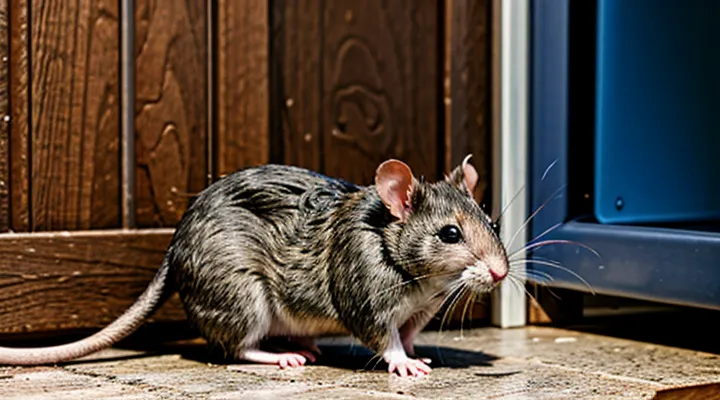
Normal Sneezing in Rats
Physiological Basis
Sneezing in pet rats functions as a rapid protective reflex that expels unwanted particles from the nasal passages. The response originates in the nasal epithelium, where mechanoreceptors and chemoreceptors detect mechanical irritation, chemical irritants, or temperature shifts. Activation of these receptors generates afferent signals carried by the trigeminal nerve to the brainstem’s sneeze‑generating nuclei, primarily located in the lateral parabrachial region. The brainstem integrates the input and issues coordinated motor commands to the diaphragm, intercostal muscles, and laryngeal adductors, producing the characteristic high‑velocity airflow.
Key physiological components include:
- Sensory receptors: nasal mucosal cilia and free nerve endings sensitive to particulate matter, volatile compounds, and abrupt temperature changes.
- Afferent pathway: trigeminal (cranial nerve V) fibers transmitting impulses to the sneeze center.
- Central integration: brainstem nuclei that synchronize respiratory and laryngeal muscle activity.
- Efferent output: phrenic and intercostal nerves driving inspiratory muscles, followed by abrupt closure of the glottis and forceful expulsion of air.
Common triggers for the reflex are:
- Dust or bedding particles.
- Strong odors (e.g., essential oils, cleaning agents).
- Sudden temperature fluctuations.
- Upper‑respiratory infections or allergic responses.
Frequent or prolonged sneezing may indicate underlying pathology such as bacterial pneumonia, parasitic infestation, or chronic allergic inflammation, warranting veterinary assessment. Understanding the neural and muscular cascade behind the sneeze provides a framework for interpreting normal versus abnormal respiratory behavior in domestic rats.
Environmental Factors
Domestic rats often sneeze as a response to specific environmental conditions. Airborne particles that settle on fur and respiratory passages trigger reflexive expulsion. Fine dust generated by dry bedding, shredded paper, or wood shavings can irritate mucous membranes, leading to frequent sneezing episodes.
Allergens present in the surrounding area contribute to nasal irritation. Common sources include mold spores, pollen infiltrating through open windows, and volatile compounds from cleaning products. Exposure to strong fragrances or aerosolized disinfectants may provoke similar reactions.
Temperature fluctuations affect mucosal moisture. Sudden drops in ambient temperature or drafts from ventilation systems dry the nasal lining, reducing its protective barrier and increasing susceptibility to irritation. Maintaining a stable room temperature mitigates this risk.
Relative humidity influences particle suspension and mucosal health. Low humidity allows dust to remain airborne longer, while excessively high humidity promotes mold growth. Optimal humidity levels (40‑60 %) balance particle settling and microbial control.
Ventilation quality determines the concentration of irritants. Poor airflow accumulates contaminants, whereas excessive airflow creates drafts that dry nasal passages. Properly filtered, moderate ventilation provides the most favorable environment.
Key environmental factors can be summarized:
- Dust from bedding, litter, and cage accessories
- Allergens such as mold, pollen, and cleaning‑agent vapors
- Temperature swings and direct drafts
- Inappropriate humidity (below 40 % or above 60 %)
- Inadequate or excessive ventilation
Addressing each element—selecting low‑dust bedding, using unscented cleaning agents, stabilizing temperature, regulating humidity, and ensuring balanced airflow—reduces the incidence of sneezing in pet rats and supports overall respiratory health.
Common Causes of Sneezing in Domestic Rats
Respiratory Irritants
Rats sneeze when the nasal passages encounter substances that irritate the respiratory epithelium. The sneeze reflex expels foreign particles and protects the lower airway from damage.
Common respiratory irritants for domestic rats include:
- Fine dust from bedding, wood shavings, or litter.
- Aromatic oils and strong fragrances in cleaning agents.
- Tobacco smoke or vaping aerosol.
- Perfumes, scented candles, and air fresheners.
- Mold spores or fungal growth in damp environments.
- Chemical fumes from paint, solvents, or pesticides.
- Food particles such as powdered feed or dried treats that become airborne.
Exposure to any of these agents can trigger rapid mucosal stimulation, leading to a sudden, forceful exhalation that clears the nasal cavity. Reducing or eliminating sources of irritants—using low‑dust bedding, maintaining good ventilation, avoiding strong scents, and keeping the enclosure dry—minimizes sneezing episodes and supports overall respiratory health.
Allergies
Pet rats frequently sneeze as a physiological response to allergens in their environment. When inhaled particles trigger the immune system, the nasal mucosa releases histamine, causing rapid expulsion of air to clear irritants.
Common allergens include:
- Wood shavings or straw with high dust content
- Synthetic bedding treated with fragrances
- Mold spores from damp bedding or cages
- Food additives, such as powdered protein supplements
- Pollen or outdoor particulate matter brought in on clothing
Allergic sneezing is often accompanied by watery eyes, nasal discharge, and occasional itching of the snout or forepaws. Persistent sneezing without these signs may indicate respiratory infection rather than allergy.
Veterinary assessment should involve:
- Visual inspection of cage hygiene and bedding type.
- Review of diet and any recent changes in feed.
- Laboratory analysis of nasal swabs to exclude bacterial or viral agents.
Management strategies focus on eliminating exposure and supporting the immune response:
- Replace dusty bedding with low‑dust paper or aspen chips.
- Maintain cage dryness; clean weekly with mild, fragrance‑free soap.
- Transition to grain‑free, additive‑free diets if food sensitivity is suspected.
- Under veterinary supervision, administer antihistamines or corticosteroids for severe cases.
Consistent environmental control reduces the frequency of sneezing episodes and promotes overall respiratory health in domestic rats.
Stress and Behavioral Sneezing
Domestic rats may exhibit sneezing episodes that are not linked to pathogens but arise from psychological stress. Acute or chronic stressors stimulate autonomic pathways that increase nasal mucosal sensitivity, prompting a reflex expulsion of air.
The stress response elevates catecholamine release, causing vasoconstriction and subtle edema in the nasal epithelium. This mechanical irritation activates trigeminal sensory fibers, which generate the sneeze reflex without an infectious trigger.
Common stressors that can induce behavioral sneezing include:
- Sudden environmental changes (new cage, temperature shifts)
- Inconsistent handling or rough restraint
- Presence of predators or unfamiliar animals
- Overcrowding or competition for resources
- Loud noises or vibrations
Mitigation strategies focus on minimizing stressors:
- Provide a stable, enriched habitat with hiding places and nesting material
- Employ gentle, predictable handling techniques
- Maintain consistent lighting, temperature, and feeding schedules
- Limit exposure to loud sounds and abrupt disturbances
- Consult a veterinarian if sneezing persists, to rule out underlying health issues.
Health-Related Causes of Sneezing
Upper Respiratory Infections «URIs»
Upper respiratory infections (URIs) are the most frequent cause of sneezing in pet rats. The condition involves inflammation of the nasal passages, trachea, and sometimes the sinuses, typically triggered by bacterial agents such as Streptococcus spp., Klebsiella spp., or Pseudomonas spp., and viral agents like Sendai virus. Environmental stressors—poor ventilation, high humidity, dust, and abrupt temperature changes—can predispose rats to these infections by compromising mucosal defenses.
Inflammation irritates sensory nerves in the nasal mucosa, generating the sneeze reflex. Accumulated mucus and edema obstruct airflow, prompting the animal to expel the irritant forcefully. The reflex serves to clear pathogens and debris, but persistent sneezing indicates ongoing infection or irritation that requires intervention.
Typical clinical signs accompanying URIs include:
- Nasal discharge (clear, serous, or purulent)
- Audible wheezing or labored breathing
- Reduced activity and appetite
- Ocular discharge or conjunctivitis
- Weight loss over several days
Effective management consists of:
- Veterinary assessment to identify the specific pathogen and determine antimicrobial therapy.
- Isolation of the affected rat to prevent spread.
- Environmental modification: improve cage ventilation, reduce dust, maintain stable temperature and humidity.
- Supportive care: ensure hydration, provide a high‑calorie diet, and monitor weight.
Prompt treatment reduces the duration of sneezing episodes and prevents complications such as secondary pneumonia. Regular health checks and optimal husbandry remain essential for preventing URIs in domestic rats.
Mycoplasma pulmonis
Mycoplasma pulmonis is a cell‑wall‑deficient bacterium that colonizes the respiratory tract of laboratory and pet rodents. The organism adheres to ciliated epithelium, evades immune clearance, and induces chronic inflammation. In domestic rats, infection frequently manifests as episodic sneezing, nasal discharge, and mild dyspnea.
Key pathogenic mechanisms include:
- Attachment to tracheal and nasal epithelial cells via specialized membrane proteins.
- Production of lipoproteins that trigger cytokine release and neutrophil infiltration.
- Disruption of mucociliary clearance, leading to accumulation of secretions that provoke reflex sneezing.
Clinical presentation in pet rats typically consists of:
- Recurrent, forceful sneezes lasting a few seconds.
- Watery or serous nasal exudate, occasionally tinged with blood.
- Occasional cough or audible breathing sounds in advanced cases.
Diagnostic confirmation relies on:
- Culture of respiratory samples on specialized Mycoplasma agar under anaerobic conditions.
- Polymerase chain reaction (PCR) targeting species‑specific 16S rRNA sequences.
- Serologic testing for antibodies when culture facilities are unavailable.
Therapeutic options focus on antimicrobial agents with activity against mycoplasmas, such as:
- Tilmicosin administered orally or via injection.
- Enrofloxacin at doses adjusted for rodent metabolism.
- Supportive care, including humidified environments and nasal saline irrigation to improve clearance.
Preventive measures emphasize biosecurity and colony management:
- Quarantine of new animals for at least four weeks with PCR screening.
- Regular health monitoring of breeding stock.
- Minimizing stressors that compromise mucosal immunity, such as overcrowding and abrupt temperature changes.
Effective control of Mycoplasma pulmonis reduces the incidence of sneezing episodes and improves overall respiratory health in domestic rats.
Bacterial Infections
Bacterial infections are a frequent cause of nasal discharge and sneezing in pet rats. Pathogens that colonize the upper respiratory tract include:
- Streptococcus pneumoniae – induces purulent mucus and occasional wheezing.
- Bordetella bronchiseptica – produces dry, hacking sneezes and can spread rapidly among cages.
- Mycoplasma pulmonis – leads to chronic rhinitis, sneezing bouts, and secondary ear infections.
- Pasteurella multocida – generates intermittent sneezing with occasional fever.
Infection typically follows exposure to contaminated bedding, aerosolized secretions, or stress‑related immunosuppression. Clinical signs progress from occasional sneezes to persistent nasal crusting, ocular discharge, and labored breathing. Rapid identification prevents escalation to pneumonia.
Diagnostic protocol:
- Visual inspection of nasal and ocular secretions for color and consistency.
- Collection of nasal swabs for bacterial culture and sensitivity testing.
- Radiographic evaluation of thoracic cavity when respiratory distress intensifies.
- Blood work to assess leukocyte count and inflammatory markers.
Effective therapy depends on susceptibility results. Common regimens comprise:
- Enrofloxacin or doxycycline administered orally for 7–10 days to target gram‑negative organisms.
- Trimethoprim‑sulfamethoxazole for mixed infections, adjusted for renal function.
- Supportive care: humidified environment, isotonic saline nasal flushes, and nutritional supplementation.
Prevention strategies focus on hygiene and stress reduction. Daily cage cleaning, sterilization of food dishes, and isolation of new arrivals for at least two weeks minimize bacterial load. Adequate ventilation and temperature stability reduce immune compromise, lowering the likelihood of sneezing episodes linked to bacterial disease.
Viral Infections
Sneezing in a pet rat often signals an upper‑respiratory viral infection. Viral agents invade the nasal mucosa, trigger inflammation, and generate the abrupt expulsion of air that characterizes a sneeze.
Common respiratory viruses in laboratory and domestic rats include:
- Rat coronavirus (RCV) – causes serous rhinitis, conjunctivitis, and occasional secondary bacterial pneumonia.
- Sendai virus (murine parainfluenza virus 1) – produces mucosal edema, serous discharge, and frequent sneezing bouts.
- Rat parvovirus (RPV) – primarily associated with gastrointestinal disease but may provoke mild respiratory signs in co‑infected animals.
- Adenoviruses – less frequent, can lead to necrotizing rhinitis and occasional epistaxis.
Pathophysiology follows a typical pattern: viral attachment to ciliated epithelial cells, replication, cell damage, and release of pro‑inflammatory cytokines. The resulting swelling narrows nasal passages, while increased mucus production creates pressure that is relieved by a sneeze.
Diagnostic approach relies on:
- Clinical observation of repetitive sneezing, nasal discharge, and possible ocular signs.
- Sample collection (nasal swab, lung tissue) for PCR or immunohistochemistry to identify viral nucleic acids or antigens.
- Exclusion of bacterial agents through culture, since mixed infections are common.
Treatment focuses on supportive care:
- Maintain ambient temperature and humidity to ease breathing.
- Provide high‑energy, easily digestible food to counteract reduced appetite.
- Use antiviral agents only when specific efficacy is documented; otherwise, monitor and treat secondary bacterial infections with appropriate antibiotics.
Prevention hinges on biosecurity:
- Isolate new arrivals for at least two weeks, testing for viral markers before integration.
- Implement strict sanitation of cages, bedding, and feeding equipment.
- Limit exposure to wild rodents and avoid overcrowding, which accelerates aerosol transmission.
Understanding the viral etiology of sneezing enables targeted management, reduces morbidity, and supports the overall health of domestic rats.
Other Medical Conditions
Sneezing in pet rats often signals underlying health problems beyond simple irritants. Several medical conditions can manifest with frequent or violent nasal discharge.
- Upper respiratory infections caused by bacteria such as Mycoplasma pulmonis or viruses like Sendai. Symptoms include sneezing, nasal discharge, and labored breathing. Diagnosis requires culture or PCR testing; treatment involves appropriate antibiotics and supportive care.
- Dental disease where overgrown incisors press against the nasal passages. Malocclusion produces chronic sneezing, facial swelling, and difficulty eating. Radiographs confirm tooth length; corrective trimming or extraction resolves the issue.
- Allergic reactions to bedding material, dust, or environmental molds. Acute sneezing episodes accompany watery eyes and itching. Eliminate the offending substance and consider antihistamines prescribed by a veterinarian.
- Nasal polyps or tumors that obstruct airflow. Persistent sneezing, occasional bleeding, and weight loss may indicate neoplastic growth. Imaging (CT or endoscopy) identifies masses; surgical removal or oncology referral is required.
- Foreign bodies lodged in the nasal cavity, such as seed hulls or hair. Sudden sneezing bouts, unilateral discharge, and pawing at the face suggest obstruction. Endoscopic retrieval or flushing clears the passage.
Each condition demands prompt veterinary evaluation. Early identification prevents progression to severe respiratory distress and improves the likelihood of full recovery. Regular health monitoring, clean housing, and a balanced diet reduce the risk of these ailments.
Dental Issues
Dental overgrowth in pet rats frequently irritates the nasal passages, leading to sneezing. When incisors grow beyond normal length, they can press against the palate or nasal cavity, creating mechanical stimulation that triggers the sneeze reflex.
Common dental conditions that may cause sneezing include:
- Overgrown incisors that contact the nasal septum
- Malocclusion resulting in uneven chewing forces
- Tooth root abscesses that produce inflammation near the sinuses
- Fractured or chipped teeth exposing pulp tissue and causing pain
Signs accompanying sneezing often involve:
- Visible elongation of the front teeth
- Difficulty handling food or preferential chewing on one side
- Nasal discharge that may be clear or blood‑tinged
- Reduced activity or weight loss due to discomfort while eating
Diagnosis requires a thorough oral examination, preferably under mild sedation, to assess tooth length, alignment, and any lesions. Radiographs may be necessary to detect root infections or sinus involvement.
Treatment typically consists of:
- Trimming overgrown incisors to restore proper length
- Correcting malocclusion by reshaping teeth or providing appropriate chew objects
- Draining or extracting infected teeth and administering antibiotics for bacterial involvement
- Monitoring post‑procedure recovery with regular checks to prevent recurrence
Preventive care involves providing continuous access to safe chewing materials, regular veterinary dental checks, and a diet that promotes natural tooth wear. Maintaining dental health reduces the likelihood of nasal irritation and the associated sneezing episodes in domestic rats.
Tumors
Sneezing in a pet rat often indicates irritation of the upper airway, and neoplastic growths represent a serious source of such irritation. Tumors may develop within the nasal cavity, paranasal sinuses, nasopharynx, or surrounding bone, directly obstructing airflow and stimulating the nasal mucosa.
Typical manifestations associated with nasal or nasopharyngeal neoplasia include:
- Persistent unilateral or bilateral sneezing
- Serous or purulent nasal discharge
- Occasional epistaxis
- Facial asymmetry or swelling
- Weight loss and reduced activity
Diagnosis proceeds through a structured sequence:
- Thorough physical examination, noting discharge characteristics and facial changes.
- Imaging studies—plain radiographs for gross bone involvement, computed tomography for detailed assessment of soft‑tissue masses.
- Cytologic sampling via fine‑needle aspiration or nasal lavage to identify malignant cells.
- Histopathologic evaluation of biopsy specimens to determine tumor type, grade, and margins.
Therapeutic choices depend on tumor classification and extent:
- Surgical excision when the mass is localized and accessible.
- Fractionated radiation therapy for infiltrative or unresectable lesions.
- Chemotherapeutic protocols (e.g., carboplatin, doxorubicin) for systemic disease.
- Palliative measures, including anti‑inflammatory medication and humidified environments, to alleviate discomfort.
Prognosis varies considerably; well‑differentiated, surgically removable tumors may allow extended survival, whereas high‑grade, metastatic neoplasms typically result in rapid decline. Early detection through vigilant observation of sneezing patterns improves the likelihood of successful intervention.
When to Seek Veterinary Attention
Recognizing Warning Signs
Pet rats that sneeze repeatedly may be signaling underlying health problems. Recognizing specific signs allows owners to intervene before conditions worsen.
Key indicators accompanying sneezing include:
- Nasal discharge that is thick, colored, or foul‑smelling
- Labored or noisy breathing
- Reduced appetite or weight loss
- Lethargy, reluctance to move, or diminished grooming
- Persistent eye discharge or redness
When two or more of these symptoms appear together, veterinary evaluation is warranted. Early diagnosis often reveals infections, dental issues, or allergic reactions that are treatable with medication or environmental adjustments.
Regular observation of a rat’s respiratory pattern, activity level, and overall demeanor provides the baseline needed to detect deviations promptly. Maintaining clean bedding, controlling dust, and avoiding strong fragrances reduce irritants that can trigger sneezing episodes.
Diagnostic Procedures
Diagnosing sneezing in a pet rat requires a systematic approach to identify infectious, allergic, or environmental causes. Initial evaluation includes a thorough physical examination, focusing on the nasal passages, oral cavity, and respiratory sounds. Observation of nasal discharge, crusting, or facial swelling provides clues about the underlying condition.
History taking should document recent introductions of new cage mates, changes in bedding, diet modifications, and exposure to aerosolized irritants. Information on vaccination status, previous illnesses, and any recent antibiotic or medication use helps narrow differential diagnoses.
Laboratory and imaging procedures follow the clinical assessment:
- Complete blood count (CBC) with differential – detects leukocytosis, eosinophilia, or anemia indicative of infection or allergic response.
- Nasal swab or lavage – collected with a sterile, fine-tipped applicator; samples are cultured for bacterial, viral, and fungal pathogens, and may be examined by polymerase chain reaction (PCR) for specific agents such as Mycoplasma spp. or Sendai virus.
- Radiography (laterolateral and ventrodorsal views) – reveals sinus opacification, lung infiltrates, or foreign bodies; high‑resolution images are essential for small‑animal patients.
- Computed tomography (CT) scan – provides detailed visualization of nasal turbinates, sinuses, and bronchial tree, facilitating detection of subtle lesions or neoplasia.
- Allergen testing – skin prick or serum IgE assays identify hypersensitivity to common cage materials, food proteins, or environmental allergens.
If initial tests are inconclusive, advanced diagnostics may be warranted:
- Bronchoalveolar lavage (BAL) – performed under anesthesia; fluid analysis includes cytology, culture, and PCR for atypical organisms.
- Histopathology – obtained from biopsy of nasal mucosa or lung tissue when neoplastic or chronic inflammatory processes are suspected.
Interpretation of results should integrate clinical signs, exposure history, and laboratory findings. Positive bacterial cultures guide targeted antimicrobial therapy; viral identification informs supportive care and isolation protocols; allergic markers prompt environmental modification and antihistamine or corticosteroid treatment. Accurate diagnosis enables effective management and reduces the risk of recurrence.
Treatment Options
Sneezing in a pet rat often signals respiratory irritation, infection, or allergic response. Prompt treatment reduces discomfort and prevents progression to more serious conditions.
Effective interventions include:
- Environmental adjustments: eliminate drafts, reduce dust, maintain humidity at 50‑60 %, and filter airborne particles with HEPA filtration.
- Antimicrobial therapy: prescribe appropriate antibiotics (e.g., enrofloxacin, doxycycline) after bacterial culture confirms infection; avoid empirical use to prevent resistance.
- Anti‑inflammatory medication: administer corticosteroids (e.g., prednisolone) or non‑steroidal agents only under veterinary supervision to reduce swelling of nasal passages.
- Supportive care: provide warm, humidified air, ensure adequate hydration, and offer nutrient‑dense foods to sustain immune function.
- Allergen management: identify and remove specific allergens such as cedar bedding or strong fragrances; switch to paper or aspen bedding and fragrance‑free cleaning agents.
- Vaccination and prophylaxis: follow recommended vaccination schedules for common pathogens (e.g., Mycoplasma pulmonis) where available; incorporate regular health checks to detect early signs.
Selection of a specific option depends on diagnostic findings, severity of symptoms, and the rat’s overall health status. Veterinary guidance is essential to tailor therapy and monitor response.
Preventing Sneezing in Domestic Rats
Optimal Cage Environment
A rat’s respiratory system reacts quickly to the quality of its enclosure; improper conditions often trigger sneezing episodes. Maintaining an environment that supports clear airways reduces the frequency of these events and promotes overall health.
Adequate ventilation prevents the buildup of stale air and airborne irritants. Use a cage with multiple air holes or a mesh side panel, and place it away from drafts that could create rapid temperature fluctuations. A small, low‑speed fan can improve circulation without causing chill.
Humidity should remain within a comfortable range (40‑60 %). Excessive dryness dries nasal passages, while high moisture encourages mold growth. A hygrometer helps monitor levels; a humidifier or a shallow water dish can adjust humidity as needed.
Bedding must be low‑dust and non‑allergenic. Paper‑based or aspen shavings generate far fewer particles than pine or cedar, which contain volatile oils that irritate the respiratory tract. Replace bedding regularly to prevent accumulation of waste and dust.
Routine cleaning eliminates allergens and pathogens. Spot‑clean daily, removing droppings and wet food. Perform a full cage overhaul weekly, using a mild, unscented disinfectant and rinsing thoroughly before adding fresh bedding. Avoid strong chemicals that leave residues.
Temperature stability supports mucosal health. Keep the cage between 18‑24 °C (64‑75 °F) and protect it from direct sunlight or heating vents. Consistent lighting cycles (12 hours light, 12 hours dark) help regulate stress levels, which can influence sneezing frequency.
Enrichment items should not compromise air quality. Choose chew toys made from safe, untreated wood and avoid fabric accessories that shed fibers. Provide enough floor space for movement; a crowded cage increases dust circulation and stress.
Key elements for an optimal rat enclosure
- Multi‑point ventilation or mesh sides
- Humidity at 40‑60 %
- Low‑dust, non‑aromatic bedding (paper or aspen)
- Daily spot‑cleaning, weekly full clean with mild disinfectant
- Stable temperature (18‑24 °C) and consistent light cycle
- Safe, low‑shedding enrichment and ample floor area
Implementing these measures creates a stable, clean habitat that minimizes irritants, thereby reducing the incidence of sneezing in pet rats.
Diet and Nutrition
A pet rat’s respiratory health is closely linked to what it eats. Certain ingredients can irritate nasal passages, while nutritional deficiencies may weaken immune defenses and increase susceptibility to sneezing episodes.
- Grain‑based mixes that contain high levels of dust or mold spores can become airborne during feeding, provoking irritation.
- Protein sources such as soy or fish meal may contain allergens that trigger mild hypersensitivity reactions.
- Low levels of vitamin C, vitamin A, and omega‑3 fatty acids impair mucosal integrity, making the nasal lining more vulnerable to inflammation.
- Excessive sugary treats promote growth of opportunistic bacteria in the oral cavity, which can migrate to the upper respiratory tract.
To reduce sneezing, provide a diet that meets the species‑specific nutritional profile:
- Choose a commercially formulated rat pellet with ≤ 5 % moisture and minimal filler content.
- Supplement with fresh, pesticide‑free vegetables (e.g., kale, carrot, broccoli) to supply antioxidants and vitamins.
- Offer occasional protein from lean sources such as cooked chicken or boiled egg white, avoiding processed meats.
- Keep treats low in sugar and limit them to less than 5 % of total caloric intake.
- Store dry food in airtight containers to prevent mold growth and dust accumulation.
Consistent feeding of a balanced, low‑allergen diet supports nasal mucosa health and diminishes the frequency of sneezing in domestic rats.
Regular Health Checks
Regular health examinations are essential for identifying the underlying causes of sneezing in pet rats. Veterinarians assess respiratory health through visual inspection, auscultation, and diagnostic testing, allowing early detection of infections, allergies, or anatomical abnormalities that trigger nasal discharge.
During a routine check, the practitioner evaluates the following elements:
- Nasal cavity condition, including mucus consistency and presence of lesions
- Dental alignment, since overgrown incisors can affect nasal passages
- Environmental factors such as bedding material, humidity, and ventilation
- Immunization status and recent exposure to pathogens
- Blood work to reveal systemic infections or immune deficiencies
Consistent monitoring of weight, appetite, and activity levels provides additional data points. Sudden changes often correlate with respiratory distress, prompting immediate intervention.
If a rat exhibits repeated sneezing, the veterinarian may recommend targeted treatments—antibiotics for bacterial infections, antihistamines for allergic responses, or surgical correction for structural issues. Regular check‑ups ensure that these interventions are applied promptly and adjusted as the animal’s condition evolves.