
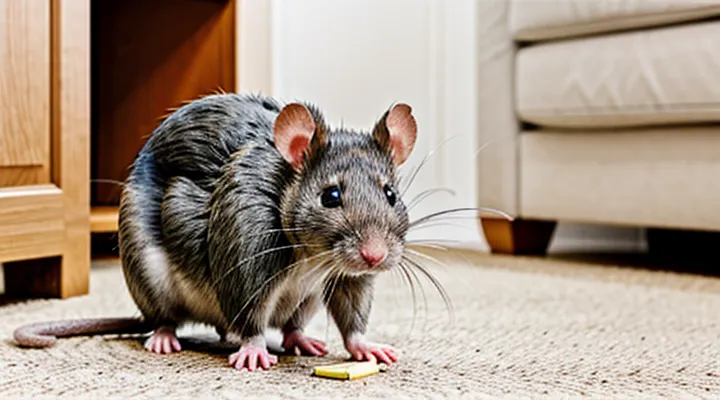
Understanding Rat Sneezing: A Common Occurrence
The Basics of Rat Respiration
Normal Respiratory Sounds
Normal respiratory sounds in pet rats consist of soft, high‑frequency airflow during inspiration and a brief, low‑intensity rustle during expiration. The inspiratory phase typically produces a faint whistling or sigh, while the expiratory phase may generate a subtle click. These acoustic patterns are consistent across healthy individuals and serve as a baseline for clinical assessment.
Veterinarians differentiate normal from abnormal sounds by listening for increased intensity, lower pitch, or prolonged duration. Common pathological indicators include coarse crackles, wheezes, or guttural rattles, which suggest airway obstruction, infection, or inflammation. Absence of such deviations confirms that the respiratory tract functions without obstruction.
Understanding baseline sounds aids in evaluating frequent sneezing episodes. When sneezing occurs without accompanying abnormal respiratory noises, the likely cause is irritation of the nasal mucosa rather than lower airway disease. Conversely, detection of harsh wheezes or crackles alongside sneezing points to potential respiratory infection or allergic response, warranting further diagnostic testing.
Key characteristics of normal rat respiration:
- Soft inspiratory sigh, high frequency
- Brief expiratory rustle, low intensity
- No audible crackles, wheezes, or rattles
- Consistent rhythm at rest, approximately 70–120 breaths per minute
Accurate interpretation of these sounds enables precise identification of the underlying factors driving repeated nasal expulsions in domestic rats.
Recognizing Healthy Breathing
Recognizing healthy breathing in a pet rodent is essential for evaluating the cause of frequent nasal expulsions. Normal respiration in a domestic rat occurs at 70–120 breaths per minute while at rest, with each breath smooth and regular. The chest wall rises symmetrically, and the abdomen expands slightly with diaphragmatic effort. No audible wheeze, crackle, or harsh sound should be detected when listening near the thorax.
Key indicators of proper respiratory function include:
- Stable respiratory rate within the species‑specific range.
- Even, shallow to moderate tidal volume without effortful pulling of the limbs toward the chest.
- Absence of nasal discharge, sneezing episodes limited to occasional reflexes.
- Clear, unobstructed nostrils; no visible swelling or crusting.
- Normal body temperature (37.5–38.5 °C) supporting metabolic stability.
Deviation from these parameters—tachypnea, irregular rhythm, audible stridor, persistent sneezing, or nasal discharge—suggests irritation or infection that may provoke repeated sneezing. Continuous observation of breathing patterns enables early identification of respiratory compromise and informs timely veterinary intervention.
Common Causes of Sneezing in Domestic Rats
Environmental Factors
Dust and Allergens
Domestic rats often sneeze because inhaled particles irritate the nasal mucosa. Fine dust settles in cages, bedding, and surrounding air. When the rat breathes, microscopic particles contact the respiratory epithelium, triggering a reflex that expels air through the nose.
Dust consists of fragmented skin cells, fur, wood shavings, and feed residues. These components can carry allergenic proteins that bind to immunoglobulin E on mast cells, leading to histamine release and sneezing. Additional allergens include:
- Mould spores that proliferate in humid bedding.
- Pollen grains drifting in from open windows.
- Rodent‑derived urine proteins that become airborne when dried.
Environmental control reduces sneezing frequency. Effective measures are:
- Replace wood shavings with low‑dust substrates such as paper‑based bedding.
- Clean cages weekly with a mild, non‑fragrant detergent; rinse thoroughly.
- Maintain relative humidity between 40 % and 60 % to inhibit mould growth.
- Use HEPA filtration in the room to capture airborne particles.
- Store feed in sealed containers to prevent contamination by insects and dust.
Consistent implementation of these practices minimizes irritant exposure, thereby decreasing the incidence of sneezing in pet rats.
Irritants in Bedding Materials
Domestic rats frequently experience nasal irritation that manifests as repeated sneezing. The primary source of this irritation often originates from the material used for bedding, which can release airborne particles and chemical compounds directly into the animal’s respiratory tract.
Common irritants found in typical bedding include:
- Fine dust generated by wood shavings, especially those derived from aromatic or pine species;
- Fibrous fragments from straw or hay that become airborne during movement;
- Paper pulp particles present in recycled paper bedding;
- Ammonia vapors produced when urine is absorbed and broken down by microorganisms;
- Mold spores that proliferate in damp or poorly ventilated bedding.
When these substances are inhaled, they stimulate the nasal mucosa, triggering a reflex that clears the airway through sneezing. Persistent exposure can lead to chronic inflammation, reduced olfactory function, and increased susceptibility to respiratory infections.
Mitigation strategies focus on selecting low‑dust, absorbent bedding and maintaining a clean environment. Effective measures include:
- Using compressed paper or aspen shavings that generate minimal dust;
- Replacing bedding regularly to prevent ammonia buildup and mold growth;
- Ensuring adequate ventilation within the enclosure to disperse airborne particles;
- Monitoring humidity levels to deter fungal development.
Implementing these practices reduces the concentration of airborne irritants, thereby decreasing the frequency of sneezing episodes in pet rats.
Air Quality and Ventilation
Frequent sneezing in pet rats signals irritation of the nasal passages. Irritants in the environment provoke a reflex that expels particles and mucus, which appears as repeated sneezes.
Common airborne contaminants include:
- Dust from bedding, wood shavings, or feed
- Ammonia generated by urine breakdown
- Volatile organic compounds from cleaning agents or scented products
- Mold spores in damp areas
Each of these substances can directly affect the delicate respiratory epithelium of rodents, leading to heightened sensitivity and sneezing episodes.
Adequate ventilation reduces the concentration of irritants. Effective airflow replaces stale indoor air with fresh outdoor air, dilutes ammonia levels, and prevents humidity from reaching thresholds that favor mold growth. Recommended ventilation practices are:
- Maintain a minimum of six air changes per hour in the enclosure area.
- Use low‑noise fans to promote continuous circulation without stressing the animal.
- Install HEPA filters in room ventilation systems to capture fine particles.
- Monitor humidity, keeping it between 40 % and 60 % to inhibit mold while avoiding excess dryness.
Regular cleaning of the cage, prompt removal of soiled bedding, and avoidance of strong fragrances further improve air quality. By controlling pollutant sources and ensuring proper ventilation, the incidence of sneezing in domestic rats can be markedly reduced.
Scented Products and Chemical Fumes
Domestic rats frequently sneeze when exposed to airborne irritants; scented products and chemical fumes represent a primary source of such irritants.
Scented items contain volatile organic compounds (VOCs) that readily evaporate, reaching the respiratory tract. Essential oils, synthetic fragrances, and solvent carriers irritate the nasal epithelium, provoking a reflexive sneeze to expel the offending particles.
Typical products that may trigger sneezing include:
- Air fresheners and plug‑in scent dispensers
- Cleaning agents with added fragrance
- Scented bedding or litter additives
- Perfumed grooming supplies
- Household deodorizers and disinfectants
The mechanism involves activation of the trigeminal nerve endings in the nasal cavity. Inhaled VOCs bind to sensory receptors, generating a rapid, involuntary contraction of the respiratory muscles that results in a sneeze.
Mitigation strategies:
- Replace scented items with unscented equivalents
- Store chemicals in sealed containers away from the cage area
- Maintain adequate ventilation to disperse residual fumes
- Monitor the environment after introducing any new product, observing the rat’s response
Eliminating strong odors reduces nasal irritation and decreases the frequency of sneezing episodes in pet rats.
Health-Related Issues
Respiratory Infections
Domestic rats often exhibit frequent sneezing as a clinical sign of respiratory infection. Pathogens that target the upper airway provoke inflammation of the nasal mucosa, leading to repetitive expulsive breaths.
Common infectious agents include:
- Mycoplasma pulmonis, a bacterial organism that adheres to respiratory epithelium and impairs mucociliary clearance.
- Streptococcus pneumoniae, a Gram‑positive bacterium capable of causing acute pneumonia and sinusitis.
- Sendai virus, a paramyxovirus that induces catarrhal inflammation and secondary bacterial colonization.
- Rat coronavirus, an enveloped virus associated with bronchiolitis and systemic spread.
Typical manifestations accompanying sneezing are:
- Nasal discharge, clear to purulent.
- Labored breathing, audible wheezes or crackles.
- Reduced activity, loss of appetite.
- Ocular discharge, indicating concurrent conjunctivitis.
Diagnostic approach relies on physical examination, radiographic imaging of the thorax, and laboratory analysis of nasal swabs. Culture or PCR testing identifies the specific pathogen, guiding antimicrobial selection.
Therapeutic measures emphasize:
- Administration of appropriate antibiotics for bacterial agents, such as doxycycline for Mycoplasma spp.
- Supportive care, including humidified environments and nutritional supplementation.
- Antiviral agents only when indicated by confirmed viral etiology.
- Isolation of affected individuals to prevent transmission within a colony.
Preventive strategies focus on maintaining optimal husbandry: regular cage cleaning, adequate ventilation, and avoidance of stressors that compromise immune function. Vaccination programs exist for certain viral infections and should be incorporated where available.
Mycoplasma pulmonis: A Persistent Threat
Mycoplasma pulmonis is a chronic respiratory pathogen that colonizes the upper airway of laboratory and pet rats. The organism adheres to ciliated epithelium, evading immune clearance and establishing a persistent infection. Colonization frequently triggers mucosal irritation, resulting in repetitive sneezing episodes.
Typical clinical manifestations include:
- Repetitive sneezing
- Nasal discharge, often serous to muco-purulent
- Conjunctival exudate
- Labored breathing during advanced disease
- Weight loss in prolonged infection
Transmission occurs through direct contact, aerosolized secretions, and contaminated bedding. Diagnosis relies on culture, PCR, or histopathology of respiratory tissue. Therapeutic options consist of macrolide antibiotics such as tylosin or azithromycin, administered for extended periods to suppress bacterial load. Preventive measures emphasize quarantine of new arrivals, regular health screening, and maintenance of low-humidity, well-ventilated housing to limit aerosol spread.
Allergic Reactions and Sensitivities
Frequent sneezing in a pet rat often indicates an allergic or sensitivity response. Allergens provoke inflammation of the nasal passages, leading to repeated expulsions of air.
Common sources of irritation include:
- Dust from wood shavings or straw bedding
- Protein residues in commercial pellets or treats
- Pollen or outdoor plant material carried on fur
- Mold spores in humid environments
- Chemical fragrances from cleaning agents
Accompanying signs may involve clear nasal discharge, watery eyes, skin redness, or labored breathing. Persistent symptoms suggest a systemic response rather than an isolated irritant.
Diagnostic approach consists of systematic observation, removal of suspected allergens, and veterinary evaluation. Laboratory tests such as serum IgE measurement or intradermal skin testing confirm specific sensitivities.
Management strategies focus on environmental control and medical intervention. Replace bedding with low‑dust alternatives, store food in sealed containers, maintain low humidity, and use fragrance‑free cleaners. Veterinary‑prescribed antihistamines or corticosteroids reduce inflammatory reactions when necessary. Regular monitoring ensures early detection of recurring episodes.
Dental Problems Affecting Nasal Passages
Dental overgrowth in domestic rats often impinges on the nasal passages, leading to repeated sneezing. Excessive incisor growth can push the maxillary bone forward, narrowing the nasopharyngeal space. When the airway is constricted, irritant particles stimulate the nasal mucosa, triggering the sneeze reflex.
Common dental conditions that affect the nasal cavity include:
- Malocclusion of the incisors, causing continuous grinding against the palate.
- Root abscesses in the upper incisors, producing inflammatory swelling that encroaches on the nasal turbinates.
- Periodontal disease of the maxillary teeth, resulting in tissue edema and reduced airflow.
These problems often coexist with respiratory infections, amplifying the frequency of sneezing. Early detection through regular oral examinations and prompt correction of dental alignment can restore normal nasal patency and reduce sneeze episodes.
Tumors and Polyps
Tumors and polyps can produce chronic nasal irritation in pet rats, leading to repeated sneezing episodes. Growths within the nasal cavity or adjacent sinuses obstruct airflow, causing turbulence that triggers the sneeze reflex. Inflammatory responses surrounding the mass further increase mucosal sensitivity.
Typical clinical signs associated with such lesions include:
- Persistent, unilateral or bilateral sneezing
- Nasal discharge that may be serous, mucoid, or blood‑tinged
- Facial swelling or asymmetry
- Decreased appetite and weight loss
- Visible masses on oral or nasal examination
Diagnostic evaluation often begins with a thorough physical examination, followed by imaging studies such as radiography or computed tomography to locate the lesion. Fine‑needle aspiration or biopsy provides cytological confirmation, distinguishing neoplastic tissue from inflammatory polyps.
Management strategies depend on tumor type and location. Surgical excision offers the best chance of symptom relief for accessible polyps and benign neoplasms. Malignant tumors may require adjunctive therapies, including chemotherapy or radiation, although prognosis remains guarded. Early detection improves the likelihood of successful intervention and reduces the frequency of sneezing episodes.
Heart Conditions Impacting Respiration
Frequent sneezing in pet rats often signals irritation of the upper airway, yet underlying cardiac pathology can modify respiratory dynamics and provoke the same reflex.
Cardiac disorders that interfere with normal breathing include:
- Congestive heart failure
- Pulmonary edema secondary to left‑sided insufficiency
- Arrhythmias that reduce cardiac output
- Systemic hypertension causing vascular congestion
Reduced myocardial performance lowers blood flow to pulmonary capillaries, permitting fluid transudation into alveolar spaces. Accumulated fluid irritates the nasal mucosa and stimulates mechanoreceptors that trigger the sneeze reflex. Additionally, diminished oxygen delivery prompts compensatory hyperventilation, increasing airflow turbulence within the nasal passages and further encouraging sneezing episodes.
When sneezing persists despite treatment of obvious respiratory infections, evaluation of cardiac function is warranted. Diagnostic measures such as echocardiography, thoracic radiography, and measurement of natriuretic peptide levels provide objective assessment of heart health and guide appropriate therapeutic interventions.
Addressing the cardiac component often reduces nasal irritation, thereby decreasing the frequency of sneezing and improving overall welfare of the animal.
When to Be Concerned: Recognizing Warning Signs
Changes in Sneezing Frequency and Intensity
Domestic rats exhibit notable variability in the rate and vigor of their sneeze episodes. Several physiological and environmental parameters drive these fluctuations.
Key contributors to altered sneezing patterns include:
- Respiratory infections such as viral or bacterial agents, which typically increase both frequency and force of expulsions.
- Exposure to airborne irritants (dust, strong odors, aerosolized chemicals) that provoke rapid, shallow sneezes.
- Seasonal allergens (mold spores, pollen) that heighten sneeze intensity during peak periods.
- Age‑related changes; juveniles often sneeze more often but with lower amplitude, whereas older rats may display fewer but stronger expulsions.
- Hormonal cycles linked to reproductive status, influencing mucosal swelling and reflex sensitivity.
- Psychological stressors (handling, cage changes) that can trigger brief spikes in sneeze count.
Monitoring trends involves regular observation of sneeze count per hour and assessment of expelled air volume. Quantitative scoring systems assign values to mild, moderate, and severe episodes, enabling comparison across time points. Sudden increases in score may indicate emerging infection, while gradual declines often correspond with environmental improvement or aging.
Management strategies focus on minimizing irritant sources, maintaining optimal humidity, and providing routine health checks. Prompt veterinary intervention for persistent high‑intensity sneezing reduces the risk of complications such as secondary infections or chronic respiratory distress.
Accompanying Symptoms
Nasal Discharge
Nasal discharge in pet rats represents fluid expelled from the nasal passages, often visible as clear, serous, mucoid, or purulent material. The presence of discharge correlates with irritation of the respiratory mucosa and frequently precedes or accompanies sneezing episodes.
Common factors producing nasal discharge include:
- Bacterial or viral upper‑respiratory infections.
- Allergic reactions to bedding, dust, or food additives.
- Irritation from ammonia‑rich cage environments.
- Dental malocclusion leading to sinus involvement.
- Parasites such as pinworms or lungworms affecting the nasal mucosa.
Observation of the discharge’s consistency, color, and odor assists in differentiating between inflammatory, infectious, and allergic origins. Microscopic examination and culture of a sample provide definitive identification of bacterial agents, while blood tests may reveal eosinophilia indicative of an allergic response.
Therapeutic measures focus on eliminating the underlying cause. Strategies involve:
- Improving cage ventilation and maintaining low ammonia levels.
- Replacing dusty bedding with low‑allergen alternatives.
- Administering appropriate antibiotics for confirmed bacterial infections.
- Using antihistamines or corticosteroids under veterinary guidance for allergic inflammation.
- Correcting dental alignment through regular veterinary dental checks.
Prompt veterinary assessment reduces the risk of chronic sinusitis and minimizes the frequency of sneezing in domestic rats.
Labored Breathing
Frequent sneezing in pet rats often coincides with labored breathing, indicating respiratory distress. The combination suggests irritation of the nasal passages and lower airway obstruction, frequently caused by infectious agents such as Mycoplasma pulmonis or viral pathogens. Inflammation of the trachea and bronchi reduces airway diameter, forcing the animal to expend additional effort to inhale and exhale, which manifests as audible wheezing or audible effort during respiration.
Key clinical signs include rapid, shallow breaths, visible abdominal movement, and open‑mouth breathing during rest. Nasal discharge may appear serous or purulent, and sneezing episodes can increase the volume of secretions, further compromising airflow. Diagnostic evaluation should involve otoscopic examination of the nasal cavity, radiographic imaging of the thorax, and laboratory testing of nasal swabs to identify specific pathogens.
Therapeutic measures focus on alleviating airway inflammation and eliminating infectious agents. Antibiotics effective against Mycoplasma species, supportive humidified environments, and nebulized bronchodilators can reduce respiratory effort. Monitoring weight, hydration status, and respiratory rate ensures early detection of deterioration, allowing prompt intervention to prevent progression to severe respiratory failure.
Lethargy and Reduced Appetite
Lethargy and reduced appetite often accompany the underlying conditions that cause a pet rat to sneeze repeatedly. When the respiratory tract is inflamed, the animal may conserve energy, resulting in slower movements and a diminished desire to eat. This behavioral change signals discomfort and can exacerbate the sneezing cycle by weakening the immune response.
Typical manifestations include:
- Decreased activity levels, with the rat spending most of the day resting in one spot.
- Small, infrequent meals, sometimes limited to a few bites of food per day.
- Loss of interest in enrichment items such as wheels or tunnels, indicating a general decline in well‑being.
Veterinarians interpret these signs as warnings that an infection, allergic reaction, or environmental irritant is affecting the respiratory system. Prompt assessment of the rat’s environment, bedding material, and diet, followed by appropriate medical treatment, can restore normal energy and feeding patterns, thereby reducing the frequency of sneezing.
Porphyrin Staining Around Eyes and Nose
Porphyrin secretion, a reddish‑brown fluid produced by the Harderian gland, often accumulates around the eyes and nose of pet rats. The pigment contains iron‑binding compounds that can stain fur and skin, creating a visible ring of discoloration. Excessive porphyrin release is frequently associated with ocular irritation, nasal congestion, and inflammation, all of which can trigger repetitive sneezing episodes.
When the nasal passages become inflamed, the Harderian gland responds by increasing fluid output as a protective mechanism. The excess fluid mixes with mucus, altering its consistency and facilitating the expulsion of irritants through frequent sneezes. Chronic irritation may also lead to secondary infections, further amplifying the sneezing reflex.
Key points linking porphyrin staining to sneezing:
- Irritated nasal mucosa stimulates Harderian gland activity.
- Elevated porphyrin output changes mucus viscosity, promoting cough‑like expulsion.
- Persistent staining indicates ongoing stress or infection, correlating with higher sneeze frequency.
Monitoring the intensity and spread of porphyrin stains provides a practical indicator of respiratory health in domestic rats. Prompt veterinary assessment of marked discoloration can identify underlying causes and reduce the occurrence of frequent sneezing.
Weight Loss
Frequent sneezing in a pet rat frequently signals an underlying health disturbance, and noticeable weight loss often accompanies the same disturbance.
Weight reduction can stem from reduced appetite caused by nasal irritation, increased metabolic demand during immune activation, or chronic respiratory infection. Diminished caloric intake lowers body reserves, while inflammation accelerates catabolism, producing a measurable decline in body mass.
Key factors linking reduced body weight and recurrent sneezing include:
- Nasal mucosa inflammation that impairs olfactory function, decreasing food interest.
- Systemic infection that redirects energy toward immune defenses, limiting growth.
- Environmental irritants such as dust or strong scents that provoke sneezing and reduce feeding efficiency.
Owners should regularly record body weight, observe sneezing frequency, and maintain a dust‑free habitat. Immediate veterinary assessment is warranted when weight loss exceeds 5 percent of normal body mass or when sneezing persists despite environmental improvements. Early intervention can prevent progression to severe respiratory disease and restore normal growth trajectories.
Preventive Measures and Home Care
Optimizing Cage Environment
Dust-Free Bedding Options
Frequent sneezing in pet rats often results from airborne irritants within the enclosure. Dust particles generated by standard bedding materials can provoke nasal inflammation, leading to repeated episodes of sneezing and potential secondary infections.
Recommended dust‑free bedding alternatives include:
- Paper‑based products such as shredded newspaper, recycled paper bedding, or compressed paper pulp; low particulate emission, high absorbency, easy to replace.
- Aspen wood shavings; naturally low in aromatic oils, minimal dust generation, provides comfortable substrate.
- Hemp bedding; biodegradable, moisture‑wicking, negligible dust, offers natural scent that rats typically tolerate.
- Coconut fiber (coir) mats; dense structure reduces dust lift, retains humidity, requires periodic sterilization.
Selection criteria focus on low particulate release, absorbency, and ease of cleaning. Avoid cedar or pine shavings, which contain volatile oils that exacerbate respiratory irritation.
Regular enclosure maintenance reduces residual allergens. Replace soiled bedding weekly, vacuum the cage interior with a HEPA‑equipped device, and monitor humidity levels to prevent mold growth. Consistent use of the listed bedding types minimizes airborne irritants, supporting healthier respiratory function in domestic rats.
Regular Cage Cleaning Protocols
Frequent sneezing in pet rats often signals respiratory irritation caused by accumulated dust, mold, and waste. Maintaining a clean environment reduces airborne particles that trigger nasal discharge and coughing.
Key elements of an effective cage‑cleaning routine:
- Remove all bedding and replace with low‑dust substrate.
- Disinfect removable accessories (water bottles, feeders, toys) with a dilute, rodent‑safe solution; rinse thoroughly.
- Vacuum or sweep the cage interior to eliminate residual debris.
- Perform a full cage wipe‑down with a mild, unscented cleaner once weekly; avoid strong fragrances that can irritate the nasal passages.
- Schedule weekly health checks to observe any persistent sneezing despite cleaning efforts.
Each component directly lowers the concentration of allergens and pathogens. Replacing bedding eliminates fine particles that remain suspended in the air. Proper disinfection curtails fungal growth, a common source of respiratory symptoms. Regular removal of waste prevents ammonia buildup, which can inflame the nasal mucosa. Consistent cleaning therefore serves as a primary preventive measure against the sneezing episodes frequently observed in domestic rats.
Air Purification Strategies
Frequent sneezing in a pet rat often signals exposure to airborne particles, microbial spores, or volatile compounds. Reducing these irritants requires a systematic approach to air quality within the animal’s enclosure and the surrounding room.
- Install a high‑efficiency particulate air (HEPA) filter to capture dust, pollen, and fungal spores; replace the filter according to manufacturer guidelines.
- Incorporate activated‑carbon media to adsorb odors and volatile organic compounds emitted by bedding or food.
- Maintain cage hygiene by removing soiled bedding daily and using low‑dust, non‑scented substrates.
- Apply ultraviolet‑C (UV‑C) lighting in the ventilation system to inactivate airborne microorganisms; ensure exposure time complies with safety standards.
- Regulate ambient humidity between 40 % and 60 % to prevent mucosal drying while discouraging mold growth.
- Position a small indoor plant known for air‑purifying properties, such as « Spider Plant », away from direct contact with the animal to enhance natural filtration.
Implementation should begin with a sealed enclosure, followed by integration of a dedicated filtration unit. Monitoring devices that display particulate concentration and humidity provide real‑time feedback, allowing adjustments before respiratory irritation escalates. Consistent application of these measures creates a stable microenvironment, minimizing the triggers that provoke sneezing episodes in domestic rats.
Avoiding Harsh Chemicals and Perfumes
Domestic rats often react to airborne irritants. Strong household cleaners, disinfectants, and scented products release volatile compounds that irritate the nasal mucosa, leading to frequent sneezing. Reducing exposure to these substances lowers the incidence of respiratory irritation.
Key measures to limit irritant exposure:
- Store cleaning agents in sealed containers away from the cage area.
- Choose fragrance‑free or mildly scented products for household use.
- Rinse bedding and toys with plain water before placing them in the enclosure.
- Avoid aerosol sprays, air fresheners, and incense in rooms where rats are kept.
When selecting bedding, opt for unscented, dust‑free materials such as plain paper or aspen shavings. These substrates provide comfort without releasing irritating particles.
Ventilation plays a crucial role. Ensure fresh air circulation without drafts that could carry residual chemicals into the cage. Use a filtered vent or open a window briefly each day, then close it to maintain stable indoor air quality.
Monitoring the environment helps identify hidden sources of irritation. If sneezing persists despite these precautions, consider testing for mold or hidden cleaning residues in nearby closets or cupboards. Eliminating such hidden irritants further protects respiratory health.
Nutritional Support and Hydration
Balanced Diet for Immune Health
Frequent sneezing in pet rats often signals a weakened immune system. Nutritional support directly influences respiratory health, making a balanced diet essential for preventing recurrent nasal discharge.
Key dietary components that strengthen immunity include:
- Protein sources rich in essential amino acids (e.g., lean poultry, eggs, soy) to support antibody production.
- Vitamin C–rich foods (bell peppers, citrus, broccoli) that enhance leukocyte function.
- Vitamin E–dense items (sunflower seeds, almonds) providing antioxidant protection for mucosal membranes.
- Zinc‑containing foods (pumpkin seeds, lentils) that aid in immune cell signaling.
- Probiotic‑laden ingredients (plain yogurt, kefir) that maintain gut flora, a major regulator of systemic immunity.
- Adequate omega‑3 fatty acids (flaxseed oil, fish) to reduce inflammatory responses in the respiratory tract.
Consistent access to clean water and avoidance of excessive sugar or processed treats prevent nutrient dilution and reduce stress on the immune system. Monitoring body condition and adjusting portions according to activity level ensures optimal weight, another factor influencing respiratory resilience.
Implementing these nutritional guidelines creates an environment where the rat’s immune defenses remain robust, decreasing the likelihood of persistent sneezing episodes.
Ensuring Access to Fresh Water
Ensuring a domestic rat has constant access to clean water reduces the likelihood of nasal irritation that can trigger frequent sneezing. Contaminated or stagnant water may contain dust, mold spores, or bacterial by‑products that become airborne when the animal drinks, entering the nasal passages and provoking reflexive sneezes.
Key measures for maintaining water quality:
- Replace water daily; discard any residue before refilling.
- Use a stainless‑steel or ceramic dispenser that resists biofilm formation.
- Clean the water container with mild detergent and rinse thoroughly each week.
- Store drinking water in a cool, shaded area to prevent algal growth.
Adequate hydration also supports mucosal membrane health, strengthening the barrier against irritants that could otherwise provoke repeated sneezing episodes. «Fresh water is a fundamental component of respiratory wellbeing in small mammals».
Veterinary Intervention and Treatment Options
Diagnosis by a Qualified Veterinarian
Physical Examination
A domestic rat that sneezes repeatedly requires a systematic physical examination to identify underlying respiratory pathology. The examination begins with a calm environment to reduce stress‑induced tachypnea, followed by a thorough observation of general demeanor, coat condition, and activity level.
Key components of the assessment include:
- Visual inspection of the nasal region for discharge, crusting, or swelling.
- Palpation of the facial bones and nasal passages to detect tenderness or masses.
- Auscultation of thoracic sounds, noting any wheezes, crackles, or diminished breath sounds.
- Measurement of respiratory rate and rhythm over a full minute, comparing to normal rat values (approximately 70–150 breaths per minute).
- Oral cavity examination for dental overgrowth, which can obstruct nasal airflow.
- Evaluation of lymph nodes (submandibular, cervical) for enlargement indicative of infection.
Findings such as serous or purulent nasal secretions, unilateral nasal obstruction, or abnormal lung sounds suggest infectious, allergic, or structural causes. Dental malocclusion that interferes with nasal passages warrants dental trimming. Enlarged lymph nodes may point to bacterial or viral involvement.
When physical signs indicate pathology, the next step involves targeted diagnostics: nasal swabs for microbiology, radiographs of the skull and thorax, and complete blood count with differential. Early identification through a detailed examination facilitates appropriate therapeutic intervention and improves the animal’s respiratory health.
Diagnostic Tests: X-rays, Swabs, and Blood Work
Frequent sneezing in pet rats often signals underlying respiratory pathology. Accurate diagnosis requires imaging, microbiological sampling, and hematological analysis to identify infectious agents, structural abnormalities, or systemic disease.
Imaging begins with thoracic radiography. Lateral and ventrodorsal views reveal pulmonary infiltrates, nasal cavity opacities, or neoplastic masses. Radiographs also help assess heart size and mediastinal structures that could contribute to airway irritation.
Microbiological sampling includes nasal or oropharyngeal swabs. Swabs are cultured on selective media to isolate common pathogens such as Mycoplasma pulmonis, Streptococcus spp., and Pseudomonas spp. Polymerase chain reaction (PCR) performed on swab material provides rapid detection of viral agents and atypical bacteria.
Hematological evaluation offers insight into systemic involvement. Complete blood count (CBC) detects leukocytosis, neutrophilia, or eosinophilia indicative of infection or allergic response. Serum biochemistry screens for organ dysfunction that may predispose to respiratory compromise.
«X‑rays», «swabs», and «blood work» together create a comprehensive diagnostic profile, enabling targeted therapy and improved outcomes for affected rodents.
Treatment Approaches
Antibiotics for Bacterial Infections
Antibiotic therapy addresses bacterial agents that can trigger nasal discharge and sneezing in pet rodents. When a rat exhibits persistent sneezing, veterinary assessment should include nasal swab culture to identify pathogenic bacteria. Targeted antibiotics reduce bacterial load, diminish inflammation of the upper respiratory tract, and restore normal breathing patterns.
Key considerations for selecting an appropriate antimicrobial:
- Sensitivity profile obtained from culture guides drug choice.
- Spectrum of activity must match identified organisms; broad‑spectrum agents are reserved for cases lacking culture data.
- Dosage calculations rely on body weight; precise measurement prevents under‑dosing and resistance development.
- Treatment duration typically spans 7–10 days, with follow‑up examination to confirm symptom resolution.
Improper use of antibiotics, such as premature cessation or inappropriate spectrum, can foster resistant strains and exacerbate respiratory issues. Monitoring for adverse effects, including gastrointestinal upset and alterations in normal flora, ensures safe management while alleviating the rat’s sneezing episodes.
Anti-inflammatories for Irritation
Domestic rats often exhibit nasal irritation that triggers repeated sneezing. Inflammatory mediators released in the nasal mucosa cause swelling, increased mucus production, and heightened sensitivity of the trigeminal nerve. Anti‑inflammatory agents can mitigate these responses, reducing the frequency of sneezing episodes.
Effective options include:
- Non‑steroidal anti‑inflammatory drugs (NSAIDs) such as meloxicam, administered at a dose of 0.2 mg/kg subcutaneously every 24 hours. NSAIDs inhibit cyclo‑oxygenase enzymes, decreasing prostaglandin synthesis and subsequent mucosal edema.
- Corticosteroids, for example dexamethasone, delivered at 0.05 mg/kg intramuscularly once daily. Corticosteroids suppress a broad range of inflammatory pathways, providing rapid relief of nasal swelling.
- Topical anti‑inflammatories like fluticasone nasal spray, applied in a few micro‑drops to each nostril. Localized delivery minimizes systemic exposure while directly reducing mucosal inflammation.
When selecting a regimen, consider the following principles:
- Verify the absence of underlying infections; anti‑inflammatories alone will not resolve bacterial or viral etiologies.
- Monitor for adverse effects, particularly gastrointestinal ulceration with NSAIDs and immunosuppression with corticosteroids.
- Adjust dosages based on the rat’s weight and health status; pediatric dosing guidelines differ from adult protocols.
Combining anti‑inflammatory therapy with environmental controls—such as maintaining low dust levels, avoiding strong odors, and ensuring adequate humidity—optimizes respiratory health and diminishes the likelihood of persistent sneezing.
Management of Chronic Conditions
Domestic rats often exhibit repeated sneezing due to persistent respiratory issues that qualify as chronic conditions. Effective management requires identification of underlying causes, consistent monitoring, and targeted interventions.
Key factors contributing to chronic sneezing include allergic reactions to bedding material, ongoing exposure to dust or aerosols, persistent bacterial or viral infections, and anatomical predispositions such as narrow nasal passages. Recognizing these elements enables precise treatment plans.
Management strategies:
- Conduct veterinary examination to confirm diagnosis and rule out acute infections.
- Implement environmental controls: replace dusty bedding with low‑dust alternatives, maintain humidity between 40‑60 %, and ensure proper ventilation.
- Apply allergen reduction: eliminate scented products, limit exposure to strong fragrances, and use hypoallergenic nesting materials.
- Administer prescribed medications: antihistamines, nasal decongestants, or antibiotics as indicated by veterinary assessment.
- Schedule regular health checks: monitor sneezing frequency, nasal discharge, and overall activity levels to adjust treatment promptly.
- Provide nutritional support: incorporate foods rich in vitamin C and omega‑3 fatty acids to strengthen immune function.
Consistent application of these measures reduces the frequency of sneezing episodes, improves respiratory health, and enhances the quality of life for pet rats prone to chronic respiratory disturbances.
Supportive Care During Illness
Frequent sneezing in a pet rat often signals respiratory irritation or infection. Immediate supportive care reduces stress and promotes recovery. Provide a warm, draft‑free enclosure; maintain ambient temperature between 20 °C and 24 °C. Ensure humidity stays around 50 % to prevent drying of nasal passages.
Key supportive measures include:
- Hydration: Offer fresh water daily; add electrolyte solution if intake drops.
- Nutrition: Supply easy‑to‑chew, nutrient‑dense foods such as softened pellets or mashed fruit.
- Environmental sanitation: Clean cage bedding weekly; replace soiled material to limit pathogen load.
- Monitoring: Record sneeze frequency, breathing pattern, and activity level; seek veterinary evaluation if symptoms persist beyond 48 hours.
Limit handling to essential tasks; excessive disturbance can aggravate respiratory discomfort. Maintain a quiet environment and avoid strong scents, smoke, or aerosolized chemicals that may exacerbate nasal irritation.