
Understanding Porphyrin
What is Porphyrin?
Porphyrins are a class of organic compounds built from four pyrrole rings linked by methine bridges, forming a planar macrocycle capable of binding metal ions. The macrocycle’s conjugated system gives it strong absorption in the visible spectrum, which accounts for the vivid coloration of many porphyrin‑containing substances.
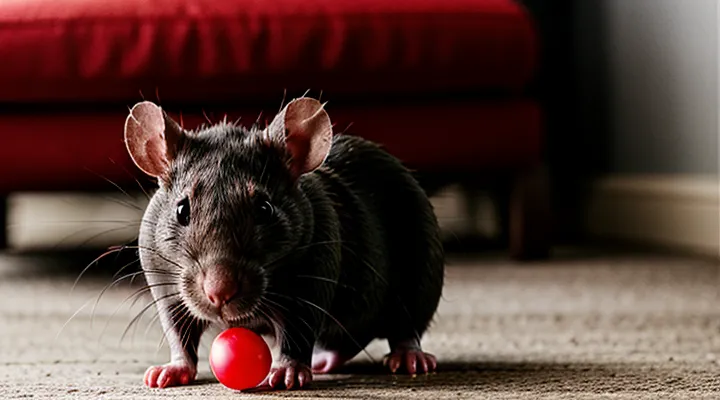
In rodents, porphyrins are secreted by the Harderian gland and excreted onto the nasal skin. The secretion appears reddish because of the pigment’s intrinsic color and its tendency to oxidize upon exposure to air. This pigment accumulation explains the occasional reddening of a rat’s snout.
Key characteristics of porphyrins relevant to this phenomenon:
- Structure: tetrapyrrolic ring with alternating double bonds.
- Metal binding: commonly chelate iron (heme), magnesium (chlorophyll), or other metals.
- Photoreactivity: absorb light, leading to oxidative changes that intensify coloration.
- Biological role: involved in oxygen transport, electron transfer, and visual pigment synthesis.
When a rat’s nasal tissue becomes moist or irritated, increased secretion of porphyrin‑rich fluid can create a visible red stain. The intensity varies with the animal’s health, stress level, and environmental conditions. Monitoring the presence and amount of porphyrin on the nose can serve as a non‑invasive indicator of physiological stress or disease in laboratory and pet rodents.
Glands Responsible for Porphyrin Production
Rats develop a reddish coloration on the nasal skin when the lacrimal and Harderian glands secrete porphyrins, pigments that appear red‑brown when exposed to air. Porphyrins are synthesized as part of the heme biosynthetic pathway; excess production or leakage onto the nose creates the characteristic hue.
The glands that generate porphyrins in rodents include:
- Harderian gland – located behind the eye, this gland produces a tear‑like secretion rich in porphyrins, contributing directly to nasal staining when the fluid drips onto the snout.
- Lacrimal gland – situated in the orbit, it releases a tear fluid that contains smaller amounts of porphyrins; overflow onto the nose adds to the overall coloration.
- Meibomian glands – although primarily lipid‑secreting, they can contain trace porphyrins that may be transferred to the nasal area during grooming.
Porphyrin accumulation on the nose signals physiological stress, infection, or environmental irritation. Elevated secretion from the Harderian or lacrimal glands often correlates with heightened sympathetic activity, leading to increased porphyrin output. Monitoring the intensity of nasal redness provides a non‑invasive indicator of a rat’s health status.
Common Causes of Red Noses
Stress and Environmental Factors
Rats develop a reddened nasal tip when physiological systems respond to internal or external challenges. Elevated cortisol levels during acute stress cause vasodilation in the nasal blood vessels, producing a noticeable pink or red coloration. Chronic stress maintains this vasodilatory state, often accompanied by increased heart rate and respiratory rate, which further accentuates the effect.
Environmental conditions influence the same vascular response. Key factors include:
- Ambient temperature above the thermoneutral zone, which forces peripheral vessels to release heat.
- Low humidity, leading to mucosal drying and compensatory blood flow increase.
- Poor ventilation, resulting in elevated carbon dioxide and irritant exposure.
- Sudden changes in lighting or noise levels, triggering autonomic nervous system activation.
In addition to stress, pathogens such as Streptococcus spp. or allergic reactions can produce similar nasal redness, but these are distinguished by accompanying symptoms like discharge or swelling. Monitoring the animal’s behavior, cage parameters, and health status allows caretakers to differentiate stress‑induced reddening from disease‑related signs.
Illness and Health Conditions
Rats may develop a reddened nasal tip as a symptom of several medical conditions. The most common causes include:
- Bacterial infections such as Pasteurella or Staphylococcus, which produce inflammation and hyperemia of the nasal epithelium.
- Dermatological disorders like allergic dermatitis or fungal infections that irritate the skin and increase blood flow.
- Trauma from fights, cage fixtures, or handling injuries that rupture capillaries, resulting in localized erythema.
- Nasal hemorrhage caused by clotting disorders, vitamin K deficiency, or anticoagulant exposure, leading to persistent redness and occasional crusting.
- Systemic diseases such as hepatic insufficiency or renal failure, which can manifest as peripheral vasodilation and a reddish nose.
Clinical assessment should begin with a physical examination of the nasal tissue, noting the presence of swelling, discharge, or ulceration. Laboratory analysis—complete blood count, culture of nasal swabs, and serum chemistry—helps differentiate infectious from metabolic origins. Imaging (radiography or CT) may be required if underlying sinus involvement is suspected.
Treatment protocols depend on the identified etiology:
- Antibiotic therapy for confirmed bacterial infection, guided by culture sensitivity.
- Antifungal or antiparasitic medication for fungal or mite infestations.
- Topical wound care and analgesics for trauma‑related lesions.
- Vitamin supplementation and correction of coagulopathy for hemorrhagic cases.
- Supportive care including fluid therapy and dietary adjustments for systemic organ dysfunction.
Monitoring includes daily observation of nasal coloration, discharge consistency, and overall behavior. Persistent redness despite intervention warrants reevaluation for chronic disease or neoplasia. Early identification of the underlying health condition reduces the risk of progression and improves the prognosis for affected rodents.
Respiratory Infections
Rats that display a reddened nasal tip often suffer from an active respiratory infection. Inflammation of the nasal mucosa increases blood flow and causes capillary leakage, producing the characteristic pink‑to‑red hue. The discoloration may accompany swelling, discharge, or sneezing, indicating that the upper airway is compromised.
Common infectious agents responsible for this presentation include:
- Mycoplasma pulmonis – chronic respiratory disease, frequent cause of nasal erythema.
- Streptococcus pneumoniae – acute bacterial pneumonia, can spread to nasal passages.
- Sendai virus – paramyxovirus infection, produces mucosal inflammation and hemorrhage.
- Pasteurella multocida – opportunistic pathogen, leads to purulent nasal exudate and redness.
- Bordetella bronchiseptica – causes bronchopneumonia, occasionally manifests as nasal vasodilation.
Diagnosis relies on a systematic examination: visual inspection of the nose, assessment of respiratory rate, collection of nasal swabs for culture or PCR, and thoracic radiography to detect lower‑airway involvement. Laboratory results confirm the etiologic agent and guide therapy.
Effective treatment combines antimicrobial agents targeted to the identified pathogen with supportive measures such as humidified air, fluid supplementation, and isolation to prevent spread. Adjustments to dosage are required for severe cases with systemic involvement.
Prevention focuses on maintaining a clean environment, implementing quarantine for new arrivals, and monitoring colony health to detect early signs of infection. Regular sanitation and adequate ventilation reduce pathogen load, limiting the occurrence of nasal redness linked to respiratory disease.
Eye Problems
Rats that exhibit a reddened nasal region often have underlying ocular issues. Inflammation of the conjunctiva, commonly known as conjunctivitis, produces discharge that can spread to the nose, creating a pink or crimson appearance. Bacterial or fungal infections of the cornea generate ulceration, leading to pain‑induced rubbing of the face and subsequent nasal irritation. Trauma to the eye, whether from cage mates or environmental hazards, may cause swelling of peri‑ocular tissues, which frequently extends to the nasal bridge.
Nutritional deficiencies, particularly a lack of vitamin A, impair tear production and epithelial integrity. The resulting dryness predisposes the eye to irritation and secondary inflammation that may manifest as a red nose. Systemic diseases such as respiratory infections can produce mucosal congestion, making the nasal skin appear flushed while simultaneously affecting the eyes through increased vascular pressure.
Diagnosis relies on direct observation, fluorescein staining to detect corneal lesions, and microbiological cultures of ocular secretions. Treatment protocols include topical antibiotics for bacterial involvement, antifungal agents when indicated, and lubricating drops to restore tear film stability. Severe cases may require systemic therapy, such as oral anti‑inflammatory medication, to reduce edema throughout the facial region.
Prevention focuses on maintaining a clean habitat, providing a balanced diet rich in vitamin A, and minimizing stressors that encourage aggressive interactions. Regular health checks allow early identification of ocular abnormalities before they progress to noticeable nasal redness.
Allergies and Irritants
Rats may develop a reddened nasal area when exposed to allergens or irritants that provoke inflammation of the skin and mucous membranes. Allergic reactions involve the immune system recognizing harmless substances—such as dust, pollen, mold spores, or certain food proteins—as threats, leading to histamine release and vasodilation, which produces visible redness.
Common irritants that can trigger nasal erythema in rats include:
- Household cleaning agents containing ammonia or bleach
- Strong fragrances from scented bedding or litter
- Smoke or aerosolized chemicals from cooking or vaping
- Dust from shredded paper, wood shavings, or fabric
When an irritant contacts the delicate skin of the snout, it can cause direct inflammation without an immune-mediated allergy. The resulting increased blood flow manifests as a red nose, often accompanied by swelling or crusting if the exposure persists.
Diagnosis relies on observing the pattern of redness, ruling out infections, and identifying potential environmental triggers. Management involves removing the offending substance, improving ventilation, and, if necessary, applying veterinarian‑prescribed anti‑inflammatory or antihistamine treatments to reduce the vascular response.
Differentiating Between Normal and Concerning Redness
Normal Grooming Habits
Rats maintain their coat and facial skin through frequent, self‑directed grooming. They use their forepaws to wipe the whiskers, clean the eyes, and rub the nose against the forelimbs. The routine includes:
- Scratching the head and ears with hind limbs
- Licking the dorsal surface to remove debris
- Rubbing the nose on the forepaws to clear mucus and secretions
These actions stimulate blood circulation in the nasal tissue. Short bursts of increased flow can cause temporary redness, especially after vigorous cleaning or when the animal is warm. The coloration is typically mild, fades within minutes, and does not indicate disease.
Persistent or intense redness, swelling, or discharge suggests irritation, infection, or underlying health problems. In such cases, veterinary assessment is required. Normal grooming therefore explains occasional red noses, while sustained changes warrant professional evaluation.
Signs Requiring Veterinary Attention
Rats that develop a red or inflamed nose may be experiencing an underlying health problem that requires professional evaluation. Recognizing the early indicators of serious illness helps prevent complications and ensures timely treatment.
Visible changes in the nasal area are often the most apparent warning signs. Persistent redness, swelling, or ulceration suggests infection, trauma, or allergic reaction. Discharge that is thick, colored, or foul‑smelling indicates bacterial or fungal involvement. Bleeding from the nostrils, especially when it occurs without obvious injury, points to vascular damage or clotting disorders.
Systemic symptoms frequently accompany nasal problems. Sudden lethargy, loss of appetite, or rapid weight loss signal that the condition is affecting the rat’s overall health. Labored breathing, noisy respiration, or frequent sneezing reflect respiratory distress that may be linked to nasal inflammation. Unusual aggression, tremors, or loss of coordination suggest neurological impact.
The following list outlines the primary signs that should prompt immediate veterinary consultation:
- Continuous nasal redness or swelling lasting more than 24 hours
- Persistent or worsening nasal discharge (yellow, green, or bloody)
- Unexplained nosebleeds or bleeding from the nasal passages
- Swelling or lumps around the snout or facial region
- Difficulty breathing, audible wheezing, or frequent sneezing
- Marked lethargy, reduced food intake, or rapid weight loss
- Behavioral changes such as aggression, tremors, or loss of balance
When any of these indicators appear, contact a qualified veterinarian experienced with small mammals. Early diagnosis and targeted treatment improve outcomes and reduce the risk of chronic illness.
Preventing and Addressing Red Noses
Optimizing Cage Environment
Rats may develop a reddened nose when the cage environment fails to meet physiological and hygienic standards. Poor ventilation, high humidity, and excessive dust irritate the nasal mucosa, leading to vasodilation and visible redness. Suboptimal temperature fluctuations stress the animal’s thermoregulatory system, also contributing to vascular changes in the snout.
Optimizing the cage environment reduces the incidence of nasal discoloration and promotes overall health:
- Maintain ambient temperature between 20 °C and 24 °C; avoid drafts and sudden shifts.
- Ensure relative humidity stays within 40 %–60 %; use dehumidifiers or humidifiers as needed.
- Provide continuous airflow with filtered ventilation; replace filters weekly.
- Use low‑dust bedding such as paper or aspen; change bedding every 2–3 days.
- Keep the cage clean; disinfect surfaces with rodent‑safe solutions weekly.
- Supply fresh water and a balanced diet; monitor for nutrient deficiencies that may affect skin integrity.
- Include enrichment items made of non‑porous materials; sterilize them regularly.
Regular health checks should record nose coloration and correlate any changes with environmental parameters. Prompt adjustment of temperature, humidity, or cleaning routines can reverse redness before it progresses to ulceration or infection.
Nutritional Considerations
Rats that develop a reddened nasal surface often exhibit a dietary imbalance. Deficiencies or excesses in specific nutrients alter vascular tone, mucosal integrity, and inflammatory response, producing the characteristic coloration.
Key nutritional factors influencing nasal redness:
- Vitamin A – Insufficient intake compromises epithelial maintenance, leading to irritation and hyperemia.
- B‑complex vitamins – Deficiency, especially of riboflavin and niacin, disrupts skin barrier function; excess B2 can cause vasodilation.
- Essential fatty acids – Low omega‑3 levels promote inflammation; adequate EPA/DHA reduce vascular leakage.
- Zinc – Deficiency impairs wound healing and can trigger erythema.
- Hydration – Chronic dehydration thickens mucus, increasing friction and redness.
Effective dietary management includes:
- Providing a complete, grain‑based laboratory rat chow that meets A, B, and mineral requirements.
- Supplementing with fresh leafy greens (source of beta‑carotene) and small amounts of oily fish or flaxseed for omega‑3 fatty acids.
- Ensuring constant access to clean water to maintain mucosal moisture.
- Avoiding high‑sugar treats that can exacerbate inflammatory pathways.
- Monitoring body condition and adjusting supplements only under veterinary guidance.
A balanced regimen that addresses these nutrients typically restores normal nasal coloration and supports overall health.
When to Seek Professional Help
Red discoloration of a rat’s nose can indicate underlying health problems that require veterinary assessment. Immediate professional help is warranted if any of the following conditions appear:
- Persistent swelling, ulceration, or discharge from the nasal area.
- Sudden loss of appetite, weight loss, or lethargy accompanying the red nose.
- Bleeding, crust formation, or foul odor emanating from the nose.
- Rapid progression of the discoloration within 24‑48 hours.
- Concurrent respiratory distress, such as labored breathing or noisy airflow.
If the rat exhibits only mild redness without additional symptoms, monitor the animal for 24 hours while maintaining a clean, stress‑free environment. Record changes in color intensity, behavior, and feeding patterns. Should the redness persist beyond one day or worsen, schedule a veterinary appointment without delay.
Veterinarians can perform a physical examination, culture swabs, and imaging to identify infections, injuries, or systemic diseases. Early intervention prevents complications, reduces pain, and improves recovery prospects.