
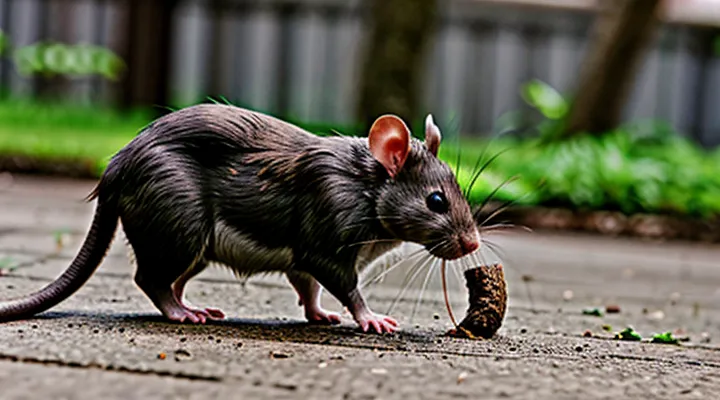
Understanding Coprophagy in Rats
What is Coprophagy?
Coprophagy is the consumption of fecal material by an animal. The behavior occurs in many mammals, birds, and insects, serving as a means to recover nutrients that were not absorbed during the first passage through the digestive tract.
Rats exhibit coprophagy routinely. After ingesting food, the digestive system extracts most macronutrients, but certain vitamins, amino acids, and microbial metabolites remain in the cecal output. The animal re‑ingests these soft, nutrient‑rich pellets to complete absorption.
Key physiological benefits include:
- Restoration of B‑group vitamins synthesized by gut bacteria.
- Recovery of essential amino acids such as lysine and threonine.
- Reinforcement of the intestinal microbiome through repeated exposure to beneficial microbes.
- Enhancement of calcium and phosphorus uptake from mineral‑laden cecal material.
Rats differentiate between two fecal types. Soft cecal pellets are produced quickly, retain high moisture, and contain the majority of recoverable nutrients. Hard, dry feces are expelled later and serve primarily for waste elimination. Coprophagic activity focuses on the former.
Health implications are twofold. Adequate coprophagy supports growth, immune function, and reproductive success. Conversely, disruption of the behavior—through stress, illness, or environmental change—can lead to deficiencies, weight loss, and altered gut flora. Excessive or abnormal coprophagy may signal gastrointestinal disorders or metabolic imbalance.
Understanding coprophagy clarifies why rats consume their own excreta and highlights the behavior’s role in maintaining nutritional equilibrium.
Why Coprophagy is Common in Rodents
Rats, like many rodents, routinely consume their own feces—a behavior known as coprophagy. This practice supplies nutrients that were not fully absorbed during the first passage through the gastrointestinal tract.
The primary reasons for coprophagy in rodents include:
- Microbial enrichment: Soft feces contain high concentrations of beneficial bacteria that aid in the synthesis of vitamins, particularly B‑complex and K. Re‑ingestion inoculates the lower gut with these microbes, enhancing digestive efficiency.
- Nutrient recovery: Digestion of cellulose, protein, and carbohydrates remains incomplete after the initial transit. Consuming cecal pellets allows the animal to extract additional amino acids, fatty acids, and minerals.
- Energy conservation: By recycling partially digested material, rodents reduce the need for frequent foraging, which conserves calories and lowers exposure to predators.
- Gut flora balance: Re‑introduction of cecal contents stabilizes the microbial ecosystem, preventing overgrowth of pathogenic species and supporting immune function.
Physiologically, the cecum of rats is enlarged and specialized for fermentation. The resulting soft feces, often termed “cecotropes,” are produced at night and are deliberately re‑ingested shortly thereafter. This timing maximizes the availability of freshly produced microbial metabolites.
Overall, coprophagy represents an adaptive strategy that optimizes nutrient acquisition, maintains intestinal health, and enhances survival in environments where food quality and availability fluctuate.
The Nutritional Imperative
Recovering Essential Nutrients
B Vitamins Synthesis
Rats practice coprophagy to obtain nutrients that are poorly absorbed in the small intestine. The cecal environment hosts a dense microbial community capable of producing B‑complex vitamins, which the animal recovers by reingesting soft feces.
Microbial synthesis in the cecum generates several essential B vitamins:
- Vitamin B1 (thiamine) – cofactor for carbohydrate metabolism
- Vitamin B2 (riboflavin) – component of flavoproteins involved in redox reactions
- Vitamin B3 (niacin) – precursor for NAD⁺/NADP⁺, vital for energy transfer
- Vitamin B5 (pantothenic acid) – part of CoA, required for fatty‑acid synthesis
- Vitamin B6 (pyridoxine) – assists in amino‑acid transamination and neurotransmitter production
- Vitamin B7 (biotin) – necessary for carboxylation enzymes in gluconeogenesis and fatty‑acid synthesis
- Vitamin B9 (folate) – donor of one‑carbon units for nucleotide synthesis
- Vitamin B12 (cobalamin) – cofactor for methylmalonyl‑CoA mutase and methionine synthase
The rat’s gastrointestinal tract absorbs only a fraction of these vitamins from the primary diet. By consuming cecal pellets, the animal bypasses the colon, where microbial synthesis occurs, and delivers the vitamins directly to the duodenum for rapid absorption. This strategy compensates for dietary deficiencies and supports growth, reproduction, and neurological function.
Experimental removal of coprophagic behavior results in measurable declines in blood concentrations of B vitamins, reduced weight gain, and impaired cognitive performance. The evidence confirms that the reingestion of soft feces serves as a physiological mechanism to recycle microbially produced B vitamins essential for rat health.
Vitamin K Absorption
Rats habitually consume soft feces to recover nutrients that escape intestinal absorption. One of these nutrients is vitamin K, a fat‑soluble cofactor required for γ‑carboxylation of clotting factors and osteocalcin.
Vitamin K exists as phylloquinone (K1) from plant sources and menaquinones (K2) synthesized by gut bacteria. Absorption proceeds in the small intestine:
- Bile salts emulsify dietary lipids, forming micelles that incorporate vitamin K.
- Micelles transport vitamin K to the enterocyte brush border.
- Transport proteins facilitate uptake into enterocytes.
- Inside cells, vitamin K is incorporated into chylomicrons and enters the lymphatic system.
Only a fraction of dietary vitamin K reaches the distal colon, where bacterial synthesis adds further menaquinones. These compounds remain unavailable to the host unless re‑ingested. By eating their cecal pellets, rats deliver colon‑derived vitamin K back to the small intestine, where the absorption steps listed above apply. This recycling compensates for limited dietary intake and maintains adequate coagulation and bone metabolism.
Microbial Protein Digestion
Rats practice coprophagy primarily to recover nutrients synthesized by gut microbes. The cecum hosts a dense bacterial community that ferments indigestible carbohydrates, producing short‑chain fatty acids and microbial biomass rich in protein. When rats reingest soft feces, they retrieve this microbial protein, which would otherwise be lost.
Microbial protein digestion proceeds through several stages:
- Bacterial cells lyse in the acidic environment of the stomach.
- Proteases break down cellular proteins into peptides and amino acids.
- Peptidases in the small intestine hydrolyze peptides to free amino acids.
- Absorptive cells transport amino acids into the bloodstream for tissue synthesis.
The amino acid profile of microbial protein complements that of dietary plant proteins, supplying essential residues such as lysine and methionine. By consuming their own feces, rats obtain a supplemental source of high‑quality protein, supporting rapid growth and reproductive performance.
Without coprophagy, rats would exhibit reduced nitrogen balance, slower weight gain, and diminished immune function. The recycling of microbial protein thus represents an efficient physiological strategy for maximizing nutrient extraction from a diet low in animal protein.
Maximizing Food Utilization
Rats repeatedly ingest soft fecal pellets to retrieve nutrients that escape absorption during the initial intestinal transit. The cecum hosts microbial fermentation that synthesizes B‑vitamins, essential amino acids, and short‑chain fatty acids; these compounds remain in the pellets and become bioavailable only after a second passage through the digestive tract.
Because coprophagy supplies a significant portion of the animal’s nutritional budget, maximizing food utilization requires either providing a diet that already contains the microbial products or ensuring conditions that promote efficient cecal fermentation. In laboratory colonies, diets formulated with adequate levels of B‑vitamins and fermentable fiber reduce the reliance on fecal consumption, thereby improving feed conversion ratios and minimizing waste.
Practical measures to enhance food utilization in rodent husbandry:
- Include pre‑biotic fibers that stimulate cecal microbial activity.
- Supplement feed with synthetic B‑vitamins and essential amino acids.
- Maintain cage humidity and temperature within ranges that preserve pellet softness, facilitating natural coprophagic behavior when dietary supplementation is insufficient.
- Monitor fecal output for nutrient content; adjust formulation based on observed deficiencies.
- Employ bedding materials that do not absorb moisture, preventing hardening of fecal pellets and ensuring consistent ingestion.
Implementing these strategies aligns dietary provision with the rat’s physiological adaptation for nutrient reclamation, thereby optimizing overall feed efficiency while respecting the animal’s natural behavior.
Digestive Process and Efficiency
The Role of the Cecum
Rats practice coprophagy to obtain nutrients that remain unabsorbed after the first passage through the intestine. The cecum, a large blind pouch located at the junction of the small and large intestines, houses a dense microbial community that ferments residual carbohydrates, proteins, and vitamins. Fermentation produces short‑chain fatty acids, B‑vitamins, and amino acids, which are then absorbed when the soft fecal pellets are re‑ingested.
The anatomical design of the cecum maximizes contact between ingested material and microbes. Its thin wall and extensive vasculature permit rapid transfer of fermentation products into the bloodstream. This efficiency reduces the metabolic cost of synthesizing nutrients that the gut flora already provides.
Key functions of the rat cecum in relation to feces consumption include:
- Breakdown of complex polysaccharides that the small intestine cannot digest.
- Synthesis of essential B‑vitamins such as B12, riboflavin, and niacin.
- Generation of short‑chain fatty acids (acetate, propionate, butyrate) that supply up to 30 % of daily energy requirements.
- Provision of nitrogenous compounds for protein synthesis.
By re‑eating the soft cecal pellets, rats recover these microbial products, maintain a balanced gut microbiome, and support rapid growth and reproduction. The cecum therefore serves as a biochemical reservoir that compensates for the limited dietary intake of certain nutrients.
Two Types of Feces
Hard Feces
Rats produce two distinct types of feces: soft, nutrient‑rich cecal pellets and hard, drier droppings formed after water absorption in the colon. Hard feces contain primarily indigestible fiber, bacterial debris, and residual minerals. Their composition reflects the final stage of gastrointestinal processing, providing minimal caloric value but serving as a source of essential trace elements such as calcium and phosphorus.
When rats ingest these solid pellets, they recover nutrients that were not fully absorbed during the initial passage. The behavior also restores beneficial gut bacteria lost through the excretion process, thereby stabilizing the microbial community and supporting digestive efficiency. In environments where dietary protein or minerals are scarce, consumption of hard feces can offset deficiencies and improve growth rates.
Key points regarding hard feces consumption:
- Nutrient reclamation – recaptures minerals and trace elements.
- Microbial restoration – reintroduces beneficial bacteria to the gut.
- Hydration balance – modestly increases water intake when other sources are limited.
- Health indicator – excessive ingestion may signal dietary imbalance or stress.
Laboratory studies show that rats with protein‑deficient diets increase coprophagic activity, specifically targeting the harder pellets. Conversely, provision of a complete, balanced diet reduces the frequency of this behavior, confirming its adaptive function rather than a pathological habit.
Soft Feces (Cecotropes)
Rats produce two distinct types of fecal material: hard, dry pellets expelled directly from the colon and soft, nutrient‑rich cecotropes formed in the cecum. Cecotropes contain high concentrations of vitamins (especially B‑complex), amino acids, short‑chain fatty acids, and microbial proteins that are not fully absorbed during the initial passage through the gastrointestinal tract.
The production cycle follows a predictable pattern. After a meal, undigested carbohydrates reach the cecum, where resident bacteria ferment them, generating volatile fatty acids and synthesizing vitamins. The resulting mass is packaged into a moist, encapsulated packet and moves toward the rectum. Within a few hours, the rat expels the cecotrope, typically during the early dark phase, and immediately consumes it directly from the anus.
Ingesting cecotropes restores nutrients that would otherwise be lost. The soft consistency facilitates rapid re‑ingestion, allowing the rat to absorb the microbial metabolites in the small intestine where digestive enzymes are most effective. This recycling process compensates for the limited ability of the rat’s short digestive tract to extract all essential compounds from a plant‑based diet.
Key aspects of cecotrophy:
- Timing: occurs 2–4 hours after feeding, synchronized with the animal’s circadian activity.
- Composition: enriched in B‑vitamins, vitamin K, microbial protein, and short‑chain fatty acids.
- Mechanism: soft packet protects contents from premature digestion, ensuring delivery to the foregut upon re‑consumption.
- Benefit: enhances growth rates, supports immune function, and reduces dietary deficiencies.
Disruption of cecotrophy—through stress, illness, or environmental constraints—can lead to nutrient deficits, weight loss, and increased susceptibility to disease. Maintaining conditions that allow normal cecotrope production and consumption is essential for the health and vigor of laboratory and pet rats alike.
Behavioral and Environmental Factors
Environmental Enrichment
Rats engage in coprophagy to recover nutrients and microbial flora lost during digestion. In laboratory and captive settings, the behavior often intensifies when animals experience monotony, limited space, or lack of stimulation.
Environmental enrichment provides sensory, cognitive, and physical challenges that can modify feeding patterns. By introducing complexity, enrichment reduces the drive to seek additional nutritional sources through fecal consumption.
Key enrichment strategies include:
- Rotating objects such as tunnels, chewable blocks, and nesting material to maintain novelty.
- Providing foraging opportunities, for example, scattered food pellets or puzzles that require manipulation.
- Allowing vertical movement through platforms or climbing structures to expand usable space.
- Incorporating olfactory stimuli, such as herb or spice fragments, to engage the rat’s scent system.
Research shows that groups receiving regular enrichment exhibit lower rates of coprophagy, improved gut health indicators, and more stable body weight. Implementing a systematic enrichment schedule therefore serves as an effective management tool to mitigate the behavior while enhancing overall welfare.
Stress and Diet
Rats engage in coprophagy—consumption of their own feces—as a physiological response influenced by stress and nutritional status. Elevated corticosterone levels, triggered by overcrowding, predator cues, or abrupt environmental changes, suppress appetite for solid food and increase the drive to re‑ingest soft fecal pellets, which contain readily absorbable nutrients. This behavior compensates for reduced intake and mitigates the metabolic impact of chronic stress.
Diet composition directly modulates the propensity for fecal consumption. Deficiencies in essential amino acids, vitamins (particularly B‑complex), and minerals prompt gastrointestinal feedback loops that signal the need for additional nutrient acquisition. When feed is low in fiber, rats produce softer pellets that pass quickly through the colon, making them more attractive for re‑consumption. Conversely, diets rich in protein and balanced micronutrients diminish the frequency of coprophagy.
Key factors linking stress, diet, and coprophagy:
- Hormonal stress response: Corticosterone spikes reduce conventional feeding, increase gut motility, and favor soft pellet formation.
- Nutrient scarcity: Lack of specific nutrients triggers a physiological drive to recover them from cecal contents.
- Pellet consistency: High‑fiber, low‑protein diets generate firmer feces less likely to be re‑ingested; soft, nutrient‑dense pellets encourage the behavior.
- Environmental stability: Stable housing conditions lower stress hormones, reducing the need for compensatory fecal intake.
Managing laboratory or captive rat populations requires controlling stressors—maintaining consistent lighting, temperature, and social grouping—and providing a diet that meets all essential nutrient requirements. Such measures decrease the incidence of coprophagy, improve overall health, and ensure more reliable experimental outcomes.
Social Learning and Imitation
Rats frequently engage in coprophagy, a behavior that provides essential nutrients and restores gut microbiota balance. Observational studies reveal that individuals learn this practice by watching conspecifics, especially during early developmental stages. When a juvenile observes a mother or cage mate ingesting fecal pellets, neural pathways associated with reward and motor imitation become activated, increasing the likelihood that the observer will replicate the action.
Key mechanisms of social transmission include:
- Mirror‑neuron activation: exposure to a conspecific’s mouth movements triggers corresponding neuronal firing in the observer, facilitating motor replication.
- Olfactory cues: scent marks left on feces convey information about nutritional content, prompting imitation among group members.
- Reinforcement learning: successful ingestion by peers reinforces the behavior through dopamine release, strengthening the observer’s propensity to repeat it.
Experimental manipulations that isolate visual or olfactory signals demonstrate that removal of either cue reduces the frequency of coprophagy in naïve rats, confirming that imitation and social learning are integral to the propagation of this feeding strategy.
Health Implications and Concerns
Benefits for Rat Health
Rats ingest their soft fecal pellets to reclaim nutrients that were not absorbed during the first passage through the intestine. This behavior, known as coprophagy, directly influences their physiological condition.
- Restores B‑vitamins, especially cobalamin and biotin, produced by intestinal microbes.
- Supplies essential amino acids and short‑chain fatty acids that support colonocyte energy metabolism.
- Reintroduces beneficial bacteria, stabilizing the gut microbiome and enhancing resistance to pathogenic invasion.
- Improves mineral balance by reclaiming calcium, phosphorus, and magnesium lost in the initial excretion.
By re‑digesting these pellets, rats maintain higher serum concentrations of vitamins that are otherwise limited in typical rodent diets. The re‑colonization of the large intestine with probiotic strains reduces dysbiosis, lowers inflammation markers, and promotes efficient nutrient uptake.
For laboratory and pet environments, providing access to fresh soft feces or designing housing that permits natural coprophagic activity prevents deficiencies and contributes to overall health stability.
Potential Risks
Parasite Transmission
Rats frequently practice coprophagy, the consumption of their own feces, which creates a direct route for intestinal parasites to complete their life cycles. When a rat ingests contaminated fecal material, dormant parasite stages such as eggs, cysts, or oocysts are re‑introduced into the gastrointestinal tract, allowing them to mature, reproduce, and be shed again. This recycling amplifies parasite burden within a single host and accelerates spread through the population.
Key mechanisms linking coprophagy to parasite transmission include:
- Re‑ingestion of viable eggs or cysts that survived passage through the digestive system.
- Preservation of fragile stages protected by the fecal matrix, which shields them from environmental desiccation and UV exposure.
- Increased density of infectious units in the gut, raising the probability of successful colonization.
- Facilitation of horizontal transfer when rats share nesting sites, as fecal deposits become communal reservoirs.
Laboratory observations demonstrate that rats prevented from practicing coprophagy exhibit markedly lower parasite loads, confirming the behavior’s pivotal role in maintaining infection cycles. Field studies report higher prevalence of helminths and protozoa in dense rat colonies where fecal consumption is common, indicating that coprophagy contributes significantly to the epidemiology of rodent‑borne parasites.
Bacterial Infections
Rats practice coprophagy, a habit that directly influences their exposure to bacterial pathogens. Ingested feces contain gut microbiota, including opportunistic bacteria that can become infectious when transferred to new sites within the animal.
The primary bacterial agents associated with this behavior are:
- Salmonella spp.: survive in fecal matter, colonize the small intestine after ingestion, and may cause systemic infection.
- Clostridium difficile: spores persist in the environment, germinate in the colon, and produce toxins that damage intestinal epithelium.
- Escherichia coli pathogenic strains: multiply in the gut, acquire virulence factors, and can lead to septicemia if they breach mucosal barriers.
- Yersinia enterocolitica: thrives in the cecum, spreads through fecal consumption, and may result in mesenteric lymphadenitis.
These organisms exploit the nutrient-rich environment of rat feces, using coprophagy as a transmission route. The act also facilitates reinoculation of beneficial microbes that compete with pathogens, yet it simultaneously provides a pathway for harmful bacteria to persist in the colony.
Research indicates that high-density housing and inadequate sanitation amplify bacterial load in feces, increasing infection risk. Preventive measures—regular cage cleaning, provision of sterile bedding, and dietary supplementation that reduces fecal bacterial counts—lower the probability of disease outbreaks linked to this behavior.