
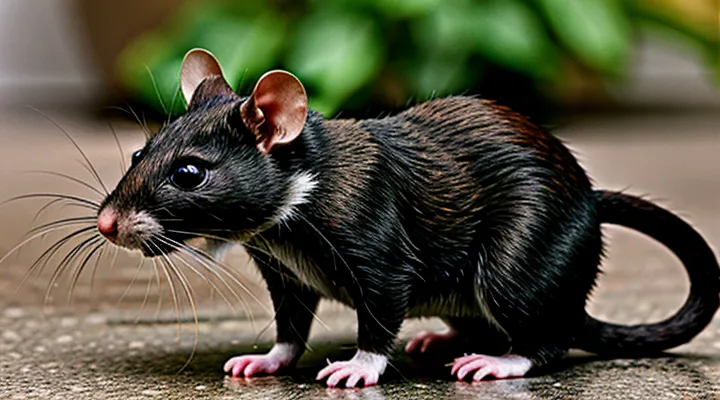
Understanding Rat Behavior
Natural Instincts and Communication
Fear and Defense Mechanisms
Decorative rats often bite when they perceive a threat. Their response is rooted in innate fear and a suite of defense mechanisms that have evolved to protect them from harm.
When a rat feels unsafe, it activates its sympathetic nervous system, releasing adrenaline that heightens alertness and prepares the muscles for rapid action. This physiological surge triggers a cascade of behaviors:
- Rapid assessment of the stimulus; ambiguous cues are interpreted as potential danger.
- Escape attempt; the animal seeks the nearest exit or hides.
- Aggressive defense; if retreat is impossible, the rat resorts to biting to deter the source of fear.
Bite intensity correlates with the perceived level of threat. A mild startle may provoke a quick nip, while sustained pressure, loud noises, or direct handling can elicit a stronger, more prolonged bite. The animal’s previous experiences also shape its response; individuals that have endured painful interactions are more likely to react defensively.
Understanding these mechanisms clarifies why decorative rats may bite: the act is a protective reaction to fear, not a random behavior. Proper handling, gradual habituation, and minimizing stressful stimuli reduce the activation of these defense pathways and lower the likelihood of biting.
Territoriality
Territorial behavior is a primary driver of aggression in ornamental rats. When a rat perceives an intrusion into its established space, it activates neural circuits linked to defense, prompting a rapid escalation to biting. The boundaries a rat defends may include a cage, a specific nest corner, or a preferred feeding spot; any disruption—such as a new companion, a reshaped enclosure, or sudden handling—can trigger a territorial response.
Key aspects of territorial aggression:
- Space recognition: Rats map their environment using scent marks and visual cues; alteration of these cues signals a potential threat.
- Resource protection: Food, water, and nesting material are guarded resources; competition for these items intensifies bite likelihood.
- Social hierarchy: Dominant individuals enforce their rank by establishing exclusive zones; subordinate rats may be bitten when they encroach.
Mitigation strategies focus on respecting established territories. Gradual introduction of new rats, consistent cage layout, and limiting sudden changes to the environment reduce the probability of bite incidents. Monitoring for signs of territorial stress—raised fur, stiff posture, rapid tail flick—allows timely intervention before aggression escalates.
Pain and Discomfort
Decorative rats may bite when they experience pain or discomfort. The bite serves as a defensive response to protect vulnerable areas of the animal’s body. When a rat feels physical irritation—such as a tight harness, an ill‑fitting cage accessory, or an abrupt handling motion—it interprets the stimulus as a threat and reacts with a quick, sharp nip.
Pain sources frequently include:
- Excessive pressure from decorative collars or ornaments that restrict movement.
- Rough surfaces or sharp edges on ornamental items that scrape the skin.
- Sudden temperature changes that cause muscle stiffness or joint soreness.
- Inadequate grooming of decorative fur extensions, leading to matting and skin irritation.
Discomfort can also arise from psychological stressors that manifest physically. Overstimulation from bright lighting, loud noises, or frequent handling can elevate cortisol levels, decreasing the rat’s tolerance for touch and increasing the likelihood of a bite.
Mitigation strategies focus on eliminating the identified irritants:
- Ensure all decorative accessories are lightweight, smooth, and sized to allow free limb motion.
- Regularly inspect and trim any artificial fur or embellishments to prevent matting.
- Gradually acclimate the rat to handling, using calm movements and consistent routines.
- Maintain a stable environment with moderate temperature and minimal noise.
By addressing the specific pain and discomfort factors, owners can reduce the incidence of biting behavior in ornamental rats, promoting a safer interaction for both animal and handler.
Common Reasons for Biting in Pet Rats
Improper Handling
Improper handling is the primary trigger for bites in decorative rats. When a caretaker applies sudden pressure, grabs the animal by the tail, or restrains it without support, the rat perceives a direct threat. The immediate response is a defensive bite to protect vulnerable areas.
Typical mishandling practices include:
- Grasping the tail or limbs instead of supporting the body.
- Applying forceful squeezes during cage cleaning or health checks.
- Sudden, jerky movements while attempting to pick up the rat.
- Ignoring signs of stress, such as rapid breathing or vocalizations, and persisting with the interaction.
- Using inappropriate tools (e.g., metal tweezers) that cause discomfort.
Each of these actions elevates cortisol levels, reduces trust, and conditions the rat to associate human contact with pain. Consistent, gentle handling—supporting the chest and hindquarters, allowing the animal to climb onto the hand voluntarily, and responding to stress cues—eliminates the defensive response and prevents biting incidents.
Stress and Environmental Factors
Stressful conditions trigger defensive aggression in ornamental rats, leading to biting incidents. Elevated cortisol levels alter neural pathways that regulate fear and pain responses, making the animal more likely to react with a bite when perceiving threat.
Environmental variables amplify this tendency. Common contributors include:
- Inadequate cage space that restricts movement and prevents natural behaviors.
- Excessive noise or sudden vibrations that create chronic alarm signals.
- Inconsistent lighting cycles disrupting circadian rhythms.
- Poor ventilation resulting in respiratory discomfort and irritability.
- Suboptimal temperature extremes that cause physiological strain.
Nutritional deficiencies also affect temperament. Diets lacking essential fatty acids, vitamins, and minerals impair brain function, reducing impulse control and increasing irritability.
Mitigation requires a systematic approach: provide ample enclosure space, maintain stable acoustic and lighting environments, ensure proper ventilation, regulate temperature within the species‑specific comfort range, and supply a balanced, nutrient‑rich diet. Consistent handling practices that avoid sudden movements further lower stress, decreasing the probability of biting behavior.
Illness or Injury
Decorative rats may bite when they are experiencing pain or discomfort caused by health problems. Recognizing the medical triggers helps owners prevent aggression and provide appropriate care.
Common medical conditions that provoke biting include:
- Dental disease: overgrown incisors or infected gums create constant soreness, prompting the animal to defend its mouth.
- Skin wounds: cuts, abrasions, or burns make the rat hypersensitive to touch, leading to defensive bites when handled.
- Respiratory infections: congestion and throat irritation increase irritability, causing sudden snapping during close contact.
- Joint or musculoskeletal injuries: sprains, fractures, or arthritis limit movement and cause the rat to react aggressively when pressure is applied to the affected area.
- Neurological disorders: seizures or nerve damage can produce unpredictable aggression, often manifested as biting.
When a bite occurs, assess the rat for signs of illness or injury: swelling, discharge, limping, nasal discharge, or changes in appetite. Prompt veterinary examination and treatment of the underlying condition typically reduce aggressive behavior and restore normal interaction.
Play Biting vs. Aggressive Biting
Decorative rats may bite for reasons that are easily confused, yet the motivation behind each bite determines the appropriate response.
Play biting occurs when a rat treats the bite as part of a social game. The bite is light, brief, and often followed by licking, grooming, or a playful chase. The animal’s body remains relaxed, ears are forward, and the tail is upright or gently swaying.
Aggressive biting signals a defensive or territorial stance. The bite is firm, prolonged, and directed toward sensitive regions such as the hands or fingers. The rat’s posture stiffens, fur may stand on end, and the tail is flattened against the body. Vocalizations, growls, or a rapid retreat may accompany the bite.
Key distinctions:
- Pressure: light (play) vs. strong (aggressive)
- Duration: seconds (play) vs. extended (aggressive)
- Body language: relaxed, tail up (play) vs. rigid, tail down (aggressive)
- Context: during handling, enrichment, or group interaction (play) vs. after intrusion into a nest, sudden movements, or resource competition (aggressive)
When a light bite appears, cease the interaction briefly, then resume with calm handling to reinforce the playful nature. In the case of a forceful bite, withdraw the hand, avoid eye contact, and give the rat space to de‑escalate. Consistent gentle handling and providing ample enrichment reduce the likelihood of aggressive bites while encouraging playful engagement.
Hormonal Changes
Hormonal fluctuations are a primary driver of biting incidents in ornamental rats. Elevated testosterone during the breeding season heightens territorial aggression, prompting individuals to defend resources with bites. Similarly, rapid changes in estrogen levels can cause irritability and reduced tolerance for handling.
Key hormonal factors influencing aggressive bites include:
- Testosterone spikes: increase dominance behaviors and physical assertiveness.
- Estrogen fluctuations: trigger mood instability, leading to defensive biting.
- Cortisol surges: indicate stress, amplify fight‑or‑flight responses, and reduce patience with stimuli.
- Thyroid hormone imbalances: affect metabolism and nervous system excitability, contributing to impulsive attacks.
These hormones affect neural pathways that regulate aggression. Testosterone and estrogen modulate serotonin and dopamine transmission, altering impulse control. Cortisol interacts with the amygdala, intensifying threat perception. Thyroid hormones influence neuronal firing rates, making rapid reactions more likely.
Managing biting risk involves controlling hormonal drivers. Spaying or neutering reduces sex‑hormone peaks, stabilizing behavior. Regular health checks detect cortisol or thyroid abnormalities, allowing timely intervention. Providing a low‑stress environment minimizes cortisol release, further decreasing aggressive responses.
Preventing Bites and Building Trust
Safe Handling Techniques
Approaching Your Rat
Approaching a decorative rat safely requires calm movements, predictable signals, and respect for the animal’s personal space. Sudden gestures or loud noises trigger defensive bites; steady, low‑key behavior signals that the encounter poses no threat.
Before touching the rat, follow these steps:
- Lower yourself to the animal’s height; crouching reduces the perception of a predator.
- Extend a hand slowly, palm down, allowing the rat to sniff the scent.
- Keep fingers together and avoid exposing nails or sharp objects.
- Wait for the rat to make contact; do not initiate a grab until the animal steps onto the hand voluntarily.
When the rat accepts contact, support its body with both hands. One hand should cradle the chest and hindquarters, the other should guide the head gently. Avoid squeezing or restraining the neck, as this creates stress and provokes biting. Maintain eye contact at the side of the head rather than a direct stare, which can be interpreted as aggression.
After handling, observe the rat’s posture and vocalizations. A relaxed stance, soft whisker movements, and occasional grooming indicate comfort. Tensed muscles, rapid tail flicks, or chattering teeth signal anxiety; in such cases, release the animal promptly and allow it to retreat to its enclosure. Consistent, respectful interactions build trust and reduce the likelihood of defensive bites.
Proper Holding Methods
Decorative rats often bite when they feel insecure, and mishandling is the primary trigger. A calm, secure grip eliminates the perception of threat and reduces the likelihood of a defensive bite.
A stable hold requires the following steps:
- Position the rat on a flat surface, allowing it to stand on all four paws.
- Gently slide one hand under the chest, supporting the torso with the palm.
- Place the other hand around the hindquarters, avoiding pressure on the spine.
- Keep the fingers close to the body, forming a natural cradle that limits movement.
- Maintain eye contact at the animal’s level to convey confidence.
When lifting, move smoothly and keep the rat’s body aligned with the direction of motion. Sudden accelerations or vertical swings generate stress, prompting a bite response.
Additional precautions include:
- Handling only after the rat has settled from feeding or activity.
- Using a soft cloth or towel for initial contact with unfamiliar individuals.
- Observing the animal’s ears and whiskers; flattened ears or rapid whisker movement indicate rising tension.
Consistent application of these techniques trains the rat to associate human contact with safety, markedly decreasing bite incidents.
Reading Body Language
Decorative rats may bite when they feel threatened, stressed, or overstimulated. Their body language reveals these states before an attack occurs, allowing caretakers to intervene.
- Rigid posture, back arches, and tail held high indicate heightened arousal.
- Ears flattened against the head signal fear or aggression.
- Rapid, shallow breathing and whisker twitching show irritation.
- Direct, unblinking stare paired with teeth clenched suggests imminent bite.
When any of these cues appear, reduce stimuli: lower volume, limit handling, and provide a secure retreat. Offer a calm environment, maintain consistent routine, and avoid sudden movements that could trigger defensive reactions.
Monitoring posture, ear position, tail angle, and facial expression provides reliable prediction of biting. Prompt adjustment of interaction based on these signals minimizes risk and promotes a harmonious relationship with ornamental rats.
Creating a Positive Environment
Adequate Cage Size and Enrichment
Insufficient space and monotony are primary triggers for aggressive bites in ornamental rats. When a rat cannot move freely or lacks mental stimulation, stress levels rise, and defensive biting becomes a common response.
- Minimum floor area: 2 sq ft per adult rat.
- Height: at least 12 in to allow vertical exploration.
- Length: 24 in or more to accommodate nesting zones and activity zones.
Enrichment items reduce frustration and redirect natural chewing instincts. Effective options include:
- Wooden tunnels and multi‑level platforms for climbing.
- Untreated chew blocks, cardboard tubes, and natural fibers for dental wear.
- Hideouts such as small houses or fabric pouches for privacy.
- Foraging puzzles that disperse food throughout the cage.
Providing a cage that meets size specifications and incorporates diverse enrichment dramatically lowers the incidence of bite incidents. Rats with ample room and engaging environments exhibit calmer behavior, maintain healthier teeth, and develop stronger bonds with their handlers.
Socialization with Humans and Other Rats
Decorative rats bite primarily when they perceive a threat or experience stress. Proper socialization reduces these triggers by establishing trust and predictable interactions.
Human interaction shapes a rat’s response to touch. Early, daily handling with calm movements teaches the animal that contact is safe. Consistent exposure to different voices, clothing textures, and gentle restraint trains the rat to accept varied human presence without alarm. Rewarding calm behavior with treats reinforces a positive association.
Interaction with conspecifics also influences bite propensity. Group housing allows rats to learn social cues, establish a stable hierarchy, and practice grooming. Regular opportunities for play and shared nesting promote confidence and reduce anxiety that might otherwise manifest as aggression toward humans.
Key practices for minimizing biting:
- Begin handling within the first week of life; limit sessions to a few minutes, gradually extending duration.
- Use a soft, steady grip; avoid sudden squeezes or lifts that can startle.
- Provide a varied environment with tunnels, chew toys, and climbing structures to satisfy natural exploratory behavior.
- Maintain a stable group composition; avoid frequent introductions or removals that disrupt social order.
- Observe body language—flattened ears, raised fur, or rapid tail flicks signal rising tension; pause interaction before escalation.
When rats receive consistent, low‑stress exposure to both humans and fellow rats, the incidence of defensive biting declines sharply, reflecting a well‑socialized pet.
Routine and Predictability
Decorative rats often bite when their daily environment lacks routine and predictability. Consistent feeding times, regular handling sessions, and stable cage placement create a sense of security that reduces defensive aggression. When these patterns are disrupted, the animals experience heightened alertness, interpreting unpredictable stimuli as threats.
- Fixed feeding schedule stabilizes metabolic rhythms, preventing frantic searching behavior that can lead to bite attempts.
- Regular handling establishes a predictable human presence, allowing the rat to anticipate gentle contact rather than sudden grabs.
- Stable cage orientation minimizes visual disturbances; frequent relocation can cause stress‑induced defensive bites.
Predictable lighting cycles further support calm behavior. Sudden changes in light intensity or duration trigger hormonal responses associated with anxiety, which manifest as increased bite frequency. Maintaining a 12‑hour light/dark rhythm aligns with the rat’s natural circadian rhythm and diminishes irritability.
Environmental consistency also extends to enrichment items. Rotating toys or rearranging tunnels introduces novelty that, while stimulating, can be perceived as a threat if performed too often. A balanced approach—introducing new objects gradually while preserving core layout—preserves predictability and lowers the likelihood of biting.
In summary, establishing and preserving routine across feeding, handling, lighting, and cage organization directly mitigates aggressive bites in ornamental rats. Consistency provides the psychological stability necessary for these animals to view human interaction as non‑threatening.
Addressing Aggressive Behavior
Identifying Triggers
Decorative rats may bite when specific stimuli provoke a defensive or territorial response. Recognizing these stimuli is essential for preventing unwanted aggression and maintaining safe interaction.
- Sudden movements or looming shadows that mimic predator behavior.
- Loud, high‑frequency noises that exceed the animal’s auditory comfort zone.
- Direct eye contact perceived as a challenge, especially from unfamiliar individuals.
- Handling that restricts mobility, such as grasping the torso or tail.
- Environmental stressors, including temperature extremes, overcrowding, or abrupt changes in lighting.
Observation of the rat’s body language—flattened ears, raised fur, stiff posture—provides immediate clues about an approaching bite. Consistent monitoring of these cues, combined with gradual desensitization to identified triggers, reduces the likelihood of aggression. Adjusting handling techniques, minimizing abrupt stimuli, and stabilizing the habitat create conditions under which decorative rats are less inclined to bite.
Seeking Veterinary Advice
Decorative rats may exhibit biting behavior that signals underlying health or behavioral issues. When a pet rat bites, owners should obtain professional veterinary assessment rather than relying on anecdotal remedies.
Indicators that justify a veterinary appointment include sudden aggression, unexplained pain when handling, visible injuries, changes in appetite, weight loss, or abnormal grooming. Persistent biting despite environmental enrichment also warrants expert evaluation.
Steps for contacting a veterinarian
- Record the rat’s recent diet, housing conditions, and any stressors.
- Note the frequency, intensity, and circumstances of each bite.
- Prepare a list of observed symptoms such as nasal discharge, diarrhea, or lethargy.
- Contact a clinic that specializes in small exotic mammals; request an appointment for a bite‑related examination.
- Bring the rat’s health records, including vaccination and deworming history.
During the consultation, the veterinarian will conduct a physical examination, assess dental health, screen for infectious agents, and evaluate the animal’s environment. Diagnostic tools may include blood work, radiographs, or oral swabs. Treatment options range from pain management and antimicrobial therapy to behavioral modification plans.
Following veterinary guidance, owners should implement recommended changes: maintain a balanced diet, provide chew‑safe toys, ensure adequate space, and establish consistent handling routines. Regular health checks reinforce early detection of issues that could provoke biting.
Behavioral Modification Strategies
Decorative rats may bite when they perceive a threat, experience stress, or lack proper socialization. Biting often signals discomfort with handling techniques, insufficient environmental stimulation, or underlying health issues. Addressing these factors requires deliberate behavioral modification strategies.
Effective strategies include:
- Positive reinforcement: Reward calm behavior with treats or gentle petting immediately after the rat displays a relaxed posture. Consistency reinforces the association between handling and positive outcomes.
- Gradual desensitization: Introduce handling in short, low‑intensity sessions, extending duration only as the rat remains relaxed. Progression should follow observable signs of comfort, such as reduced ear twitching and steady breathing.
- Environmental enrichment: Provide climbing structures, chew toys, and varied textures to reduce boredom and stress. Enrichment lowers the likelihood of defensive aggression.
- Health monitoring: Conduct regular veterinary checks to identify pain, dental problems, or infections that can provoke biting. Treat identified conditions promptly.
- Handling protocol: Approach the rat from the side, support the hindquarters, and avoid sudden movements. Maintain a calm voice and steady hands to minimize perceived threat.
Implementing these measures systematically reduces the incidence of biting, promotes trust between caretaker and rat, and enhances overall welfare. Continuous observation and adjustment ensure the strategies remain effective as the rat’s behavior evolves.
When to Consider Rehoming
Pet rats may bite for several reasons, including fear, territorial stress, pain, or improper handling. When a bite becomes a persistent pattern, owners should evaluate whether the animal’s environment and care are adequate or if a new home would better meet its needs.
Rehoming becomes a responsible option under the following conditions:
- The rat exhibits aggressive behavior that does not improve after a structured desensitization program.
- The bite is linked to chronic health issues that cause discomfort, and veterinary treatment does not resolve the problem.
- The household cannot provide a safe, quiet space free from sudden movements or loud noises that trigger defensive biting.
- Multiple rats in the same enclosure display hierarchy‑related aggression, and separation does not restore harmony.
- The owner’s schedule or lifestyle prevents consistent, gentle interaction, leading to heightened stress for the animal.
Before initiating a rehoming process, confirm that the rat’s nutritional, medical, and enrichment requirements have been met. Document the animal’s health records, temperament observations, and any interventions attempted. Present this information to prospective caretakers to ensure they understand the rat’s specific triggers and can provide a stable environment.
Choosing a new home should prioritize the rat’s welfare above convenience. Select a caretaker with experience in small‑rodent husbandry, the ability to maintain a low‑stress setting, and a commitment to ongoing monitoring of behavior. This approach minimizes the risk of recurring biting and promotes a healthier quality of life for the rat.
First Aid and Safety Precautions
What to Do if You Are Bitten
Immediate Care
Decorative rats sometimes bite, producing puncture wounds that can become infected if not addressed promptly. Immediate response reduces tissue damage, limits bacterial entry, and eases pain.
- Wash the area with mild soap and running water for at least 30 seconds.
- Apply gentle pressure with a clean cloth to stop bleeding.
- Disinfect the wound using a 0.5 % hydrogen peroxide solution or an iodine-based antiseptic.
- Cover the injury with a sterile non‑adhesive dressing.
- Seek professional medical evaluation if the bite penetrates deeper than the skin surface, if swelling or redness spreads, or if the rat’s vaccination status is unknown.
After initial care, monitor the site twice daily for signs of infection: increasing pain, warmth, pus, or fever. Replace dressings every 24 hours or sooner if they become wet. If prescribed, complete the full course of antibiotics. Maintain the rat’s enclosure hygiene to prevent future incidents and reduce stress factors that often trigger biting behavior.
When to Seek Medical Attention
Decorative rats can bite, and certain bite characteristics demand professional medical evaluation.
- Deep puncture that penetrates beyond the superficial skin layer.
- Continuous bleeding that does not stop after applying pressure for several minutes.
- Swelling, redness, or warmth that expands rapidly, indicating possible infection.
- Fever, chills, or malaise developing within 24 hours of the bite.
- Numbness, tingling, or loss of sensation around the wound, suggesting nerve involvement.
- Signs of an allergic reaction, such as hives, swelling of the face or throat, difficulty breathing, or rapid pulse.
Additional factors influencing the decision to seek care include:
- Uncertain tetanus immunization status, especially if the last booster was administered more than ten years ago.
- Exposure to a rat that was wild, escaped, or exhibited abnormal behavior, raising concerns about zoonotic pathogens.
- Presence of underlying health conditions—diabetes, immunosuppression, or vascular disease—that impair wound healing.
When any of these criteria are present, immediate consultation with a healthcare professional is warranted. Early intervention reduces the risk of complications, ensures appropriate wound management, and provides necessary prophylactic treatments such as antibiotics, tetanus booster, or antihistamines.
Hygiene and Disease Prevention
Decorative rats kept as companions can bite, creating direct exposure to saliva that may carry pathogens. Bite incidents often arise when an animal perceives a threat, experiences discomfort, or encounters inadequate environmental conditions. Poor cage sanitation, lingering odors, and contaminated bedding increase stress levels, prompting defensive behavior and raising the likelihood of oral injury.
Maintaining rigorous hygiene reduces bite frequency and limits disease transmission. Key practices include:
- Daily removal of waste and uneaten food to prevent bacterial growth.
- Weekly deep cleaning of cages with a mild, non‑toxic disinfectant, followed by thorough rinsing.
- Regular grooming of the rats’ fur and paws to eliminate debris that could irritate the skin.
- Handwashing with soap before and after handling, using gloves when the animal shows signs of agitation.
Disease prevention relies on prompt wound care and monitoring. Clean any bite wound with antiseptic solution, apply a sterile dressing, and seek medical evaluation if redness, swelling, or fever develop. Routine veterinary checks for parasites, respiratory infections, and skin conditions help identify health issues before they provoke aggressive responses.
By integrating consistent sanitation, careful handling, and immediate medical response, owners minimize both the occurrence of bites and the associated health risks.