
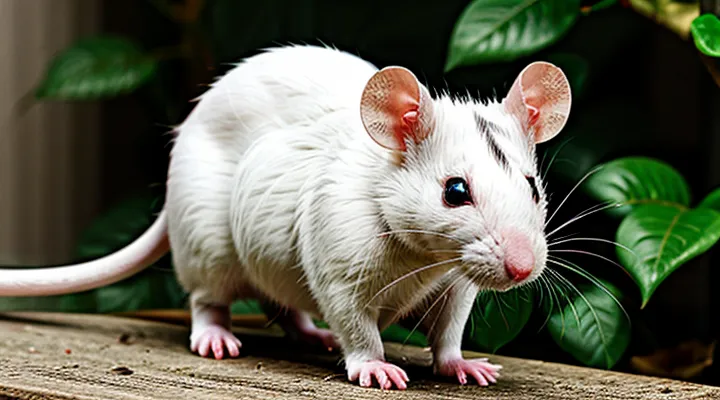
Understanding Red-Eyed White Rats
Genetics and Appearance
Albinism in Rats
Albinism in rats results from mutations that inhibit melanin production, leaving fur, skin, and ocular tissues unpigmented. The absence of pigment in the iris allows blood vessels to show through, creating the characteristic pink‑red eye appearance. Lack of melanin reduces protection against ultraviolet radiation and may impair visual acuity.
Care for an albino rat requires adjustments that address these physiological differences. Key considerations include:
- Light exposure: Limit direct sunlight and bright artificial lighting; provide shaded areas to prevent skin burns and eye irritation.
- Vision support: Arrange cages with high‑contrast objects and stable layouts; avoid frequent rearrangement that could disorient the animal.
- Temperature regulation: Maintain ambient temperature within the species’ comfort range (20‑24 °C) because reduced pigmentation can affect heat absorption.
- Dietary supplementation: Offer foods rich in vitamin A and antioxidants to support ocular health; monitor for signs of deficiency.
- Health monitoring: Conduct regular examinations of the eyes for cataracts, corneal ulcers, or excessive tearing; schedule veterinary check‑ups at least twice yearly.
These measures mitigate the vulnerabilities associated with albinism and promote the well‑being of a white rat with pink‑red eyes.
Distinctive Features
White rats with a completely white coat and vivid red eyes display several unmistakable characteristics that influence their husbandry.
The pure white fur lacks pigment, making it more susceptible to sunburn and skin irritation. Their red eyes, devoid of melanin, are highly sensitive to bright light and may require dimmer housing conditions. The lack of pigment also reduces natural camouflage, causing the animals to be more easily startled by sudden movements.
Physiologically, these rats often exhibit:
- Higher susceptibility to temperature fluctuations; they retain heat poorly and benefit from stable ambient temperatures.
- Increased risk of ocular infections due to reduced tear production; regular eye inspections and gentle cleaning are essential.
- A tendency toward lighter skin that can reveal parasites or skin lesions more clearly, facilitating early detection of health issues.
Behaviorally, the striking appearance does not correlate with temperament; however, owners frequently report heightened curiosity and activity levels, necessitating enrichment that prevents boredom.
Overall, the combination of a pigment‑free coat and red irises demands careful environmental control, vigilant health monitoring, and appropriate enrichment to maintain optimal well‑being.
Essential Care for Red-Eyed White Rats
Housing Considerations
Cage Size and Enrichment
A white pet rat with red eyes requires a spacious enclosure to support natural activity levels and prevent stress. Minimum floor area should be 2 sq ft (≈0.19 m²) per adult; larger cages improve comfort and allow multiple enrichment items. Height of at least 12 in (30 cm) accommodates climbing structures and vertical exploration.
Materials must be sturdy, non‑toxic, and provide good ventilation. Wire mesh with a ½‑inch (1.3 cm) opening prevents escape while allowing airflow. Solid base panels simplify cleaning and reduce the risk of injury from exposed wires.
Enrichment elements promote physical exercise, mental stimulation, and dental health:
- Climbing apparatus: wooden branches, plastic ladders, or PVC tubes positioned vertically.
- Burrowing zones: deep bedding (paper or aspen shavings) at one end of the cage, at least 3 in (7.5 cm) deep.
- Chew toys: untreated wood blocks, mineral chews, or cardboard rolls to wear down continuously growing incisors.
- Tunnels and hideouts: PVC or acrylic tubes, small houses, and fabric hammocks to encourage exploration and provide refuge.
- Foraging opportunities: scattering of pellets or small treats among bedding, encouraging natural search behavior.
Regular rotation of toys and rearrangement of the cage layout prevents habituation. Cleaning schedule should include weekly removal of soiled bedding, disinfection of the cage interior, and replacement of enrichment items that show wear.
Adhering to these size and enrichment guidelines supports the health, behavior, and longevity of a white rat with distinctive red eyes.
Substrate Choices
Choosing the right bedding directly affects a white rat with red eyes’ comfort, respiratory health, and waste management. The substrate must absorb moisture, resist mold, and be safe if ingested.
-
Paper‑based bedding (e.g., shredded paper, kiln‑dried pulp)
- High absorbency, low dust, biodegradable.
- Requires frequent full‑change to prevent ammonia buildup.
-
Aspen shavings
- Low aromatic oils, moderate absorbency.
- Produces minimal dust; replace weekly or when soiled.
-
Coconut fiber (coir)
- Natural moisture‑wicking, soft texture.
- May retain humidity; monitor for mold, replace bi‑weekly.
-
Corncob pellets
- Excellent absorbency, long‑lasting.
- Hard surface can cause foot injuries; avoid for young or delicate rats.
-
Hemp bedding
- Strong absorbency, low dust, renewable.
- Slightly pricier; change every 5‑7 days.
Avoid pine or cedar shavings because volatile compounds irritate the respiratory tract and can exacerbate eye sensitivity.
Maintain substrate hygiene by removing droppings daily, spot‑cleaning wet areas, and performing a complete bedding change at least once a week. Pair the chosen substrate with a sealed cage liner to prevent leakage and control odor. Consistent cleaning, combined with a suitable bedding type, supports optimal health for a white rat with red eyes.
Dietary Needs
Balanced Nutrition
A white rat with red eyes requires a diet that supplies all essential nutrients in appropriate proportions to support rapid growth, high metabolic rate, and sensitive skin. Imbalanced feeding can lead to dental problems, coat deterioration, and weakened immunity.
Protein should constitute 18‑22 % of the total caloric intake, sourced from high‑quality rodent pellets, cooked lean meat, or boiled eggs. Fat content must remain between 5‑8 % to provide energy without promoting obesity; suitable fats include small amounts of sunflower oil or unsalted nuts. Carbohydrates, primarily from whole grains and vegetables, should supply the remaining calories, emphasizing fiber to aid digestion.
Vitamins and minerals are critical for ocular health and skeletal development. Include vitamin C‑rich foods such as bell peppers and kale, as rats cannot synthesize this nutrient. Calcium‑phosphorus ratio should approximate 2:1; offer calcium sources like plain yogurt or crushed eggshells, and ensure adequate phosphorus through whole‑grain cereals. Trace elements—zinc, selenium, and iron—are present in commercial pellets; supplement only if a deficiency is diagnosed.
Feeding schedule should consist of two measured meals per day, with fresh water always available. Portion size depends on the rat’s weight; a 200‑gram adult typically consumes 20‑25 grams of dry pellets daily, supplemented by 10‑15 grams of fresh produce. Treats must not exceed 5 % of total calories; suitable options include small pieces of apple, carrot, or plain popcorn.
Recommended food items
- Commercial rodent pellets formulated for albinotic strains
- Cooked chicken breast, skinless, unseasoned
- Hard‑boiled egg, mashed
- Fresh leafy greens: romaine lettuce, spinach, kale
- Vegetables: carrot, broccoli, bell pepper
- Small fruits: apple (seedless), blueberry (limited)
- Calcium supplement: crushed eggshells, unsalted almond slivers
Monitor body condition weekly; adjust portions if weight fluctuates beyond a 5 % range. Regular veterinary checks will confirm that nutrient levels remain optimal for the rat’s distinctive phenotype.
Fresh Water Provision
Fresh water is essential for the health of a white pet rat with red eyes. The animal’s small size and rapid metabolism require constant access to clean, safe water to prevent dehydration and support kidney function.
- Provide a stainless‑steel or heavy‑glass water bottle with a secure sipper tube; plastic containers can harbor bacteria and are easily tipped over.
- Replace water daily. Even in a clean environment, bacterial growth can occur within 24 hours.
- Clean the bottle and sipper tube with mild, unscented detergent, then rinse thoroughly before refilling.
- Position the bottle at a height that allows the rat to drink comfortably without stretching or bending its neck excessively.
- Monitor consumption. A healthy adult rat drinks approximately 5–10 ml of water per day; significant deviation may indicate illness.
Water temperature should match ambient room temperature; cold water can cause stress, while overly warm water encourages bacterial proliferation. In multi‑rat cages, ensure each individual has unobstructed access to the water source to avoid competition and ensure adequate intake for every animal.
Health and Well-being
Common Health Issues
Albino rats with red irises are prone to several health conditions that require vigilant observation and prompt intervention. Respiratory disease frequently appears as nasal discharge, sneezing, or labored breathing and often stems from Mycoplasma pulmonis infection. Prompt veterinary assessment and appropriate antibiotics reduce morbidity.
Skin problems manifest as hair loss, redness, or crusting, commonly caused by mites, fungal infections, or allergic reactions. Regular grooming and environmental sanitation help prevent infestations; topical treatments or systemic medication may be necessary under veterinary guidance.
Eye abnormalities are a notable concern. Red‑eye rats may develop conjunctivitis, corneal ulcers, or cataracts. Signs include swelling, discharge, or cloudiness. Immediate ophthalmic care and antimicrobial drops can preserve vision and comfort.
Dental overgrowth occurs when incisors fail to wear down, leading to malocclusion, difficulty eating, and weight loss. Daily provision of chewable materials and periodic dental inspection are essential preventive measures.
Gastrointestinal disturbances, such as diarrhea or constipation, often result from dietary imbalances, stress, or parasitic infection. Monitoring food quality, ensuring adequate fiber, and administering deworming agents when indicated support digestive health.
Tumors, particularly in the mammary glands and skin, appear with increased frequency in older albino rats. Palpable masses, rapid weight change, or abnormal behavior warrant diagnostic imaging and possible surgical intervention.
Key preventive actions
- Maintain clean bedding and cage accessories; replace soiled material weekly.
- Provide a balanced diet rich in fiber, low in excessive fats, and supplemented with fresh water.
- Offer safe chew toys to promote dental wear and mental stimulation.
- Conduct regular health checks: observe respiratory rate, eye clarity, coat condition, and behavior.
- Schedule veterinary examinations at least twice yearly, or sooner if symptoms emerge.
Early detection and targeted treatment of these common ailments markedly improve longevity and quality of life for white rats with red eyes.
Eye Care Specifics
A white albino rat with crimson irises requires targeted ocular maintenance to prevent infection, irritation, and vision loss. Regular observation of eye clarity, discharge, and pupil symmetry provides the first line of defense.
- Clean the periorbital area daily with a sterile saline‑soaked cotton swab; avoid harsh chemicals.
- Keep the cage humidity between 40‑50 % to reduce drying of the ocular surface.
- Provide a diet rich in vitamin A (e.g., carrots, leafy greens, fortified pellets) to support retinal health.
- Ensure unobstructed airflow while protecting the rat from drafts that can cause corneal drying.
- Schedule veterinary examinations every three months, focusing on slit‑lamp assessment and fluorescein staining.
Watch for excessive tearing, crusted buildup, redness, or a change in pupil size; these signs indicate conjunctivitis, keratitis, or underlying systemic disease and warrant immediate professional evaluation. Prompt treatment with appropriate ophthalmic antibiotics or anti‑inflammatory agents can preserve visual function and overall wellbeing.
Regular Vet Check-ups
Regular veterinary examinations are a non‑negotiable element of responsible ownership for a white rat with distinctive red eyes. The breed’s pigmentation can mask early signs of disease, making professional assessment indispensable.
A typical schedule includes an initial health evaluation at eight weeks, followed by quarterly examinations during the first year and semi‑annual visits thereafter. Adjustments are required if the animal shows signs of distress, rapid weight change, or ocular abnormalities.
During each appointment the veterinarian conducts a systematic review:
- General condition: coat quality, body condition score, activity level.
- Ocular health: clarity of the cornea, discharge, pupil symmetry, signs of inflammation.
- Dental inspection: incisor length, wear pattern, presence of overgrowth or malocclusion.
- Dermatological check: skin lesions, alopecia, fungal or bacterial infections.
- Weight measurement and growth chart comparison.
- Behavioral observation: signs of pain, aggression, or lethargy.
Preventive actions linked to these visits include:
- Administration of core rodent vaccines where available.
- Parasite prophylaxis for mites and intestinal worms.
- Dental trimming or corrective procedures if overgrowth is detected.
- Blood work to monitor organ function and detect subclinical conditions.
Owners should maintain a detailed health log, recording vaccination dates, deworming intervals, and any observed changes between visits. Prompt communication with the veterinarian after any deviation from normal behavior ensures timely intervention and preserves the animal’s wellbeing.
Handling and Socialization
Building Trust
Establishing trust with a white pet rat that has red eyes requires predictable interactions, gentle handling, and respect for the animal’s natural instincts.
Consistent routines reinforce safety. Approach the cage at the same time each day, speak in a calm voice, and offer treats before any physical contact. This pattern signals that the environment is stable and that the caretaker’s presence is not a threat.
Gentle handling minimizes stress. Support the rat’s body with both hands, avoid sudden movements, and keep the grip light enough to allow the animal to move freely if it wishes. Allow the rat to explore the hand before lifting it, which encourages voluntary cooperation.
Environmental enrichment contributes to confidence. Provide nesting material, tunnels, and climbing structures that mimic natural habitats. Regularly rotate toys to maintain interest without overwhelming the rat with unfamiliar objects.
A concise checklist for building trust:
- Schedule daily interaction sessions lasting 5–10 minutes.
- Use a soft, neutral tone when speaking to the rat.
- Offer a small piece of fresh fruit or vegetable as a reward before handling.
- Support the rat’s torso and hindquarters simultaneously; avoid gripping the tail.
- Observe body language: flattened ears, relaxed whiskers, and slow movements indicate comfort.
- Introduce new items gradually, allowing the rat to investigate at its own pace.
Monitoring the rat’s responses provides feedback. Signs such as approaching the hand, relaxed posture, and willingness to be lifted confirm that trust is strengthening. Adjust the frequency and duration of sessions based on these observations to maintain progress without causing fatigue.
Social Interaction with Other Rats
White albino rats with red eyes thrive when housed with conspecifics; solitary living increases stress hormones and may precipitate chronic illness. Pairing or grouping provides thermoregulation, grooming assistance, and opportunities for natural hierarchy formation, which stabilizes behavior.
When introducing a new companion, follow a staged protocol:
- Place cages side‑by‑side for 48 hours, allowing scent exchange through shared ventilation.
- Swap bedding material to familiarize each rat with the other's odor.
- Conduct a supervised neutral‑ground meeting (e.g., a clean plastic tub) for 10–15 minutes, observing body language.
- If aggression appears (raised fur, lunging, teeth snapping), separate immediately and repeat the process after 24 hours.
- Once calm interactions occur, transfer both rats to a larger enclosure with multiple hideouts, climbing structures, and chew toys.
Key social cues to monitor:
- Dominant rats display upright posture, controlled sniffing, and occasional gentle nudges.
- Submissive individuals exhibit crouched stance, rapid grooming, and retreat to corners.
- Persistent vocalizations, excessive biting, or refusal to eat indicate incompatibility and require re‑evaluation.
Enrichment items that promote interaction without provoking competition include:
- Multi‑level platforms spaced 5 cm apart, preventing one rat from monopolizing a perch.
- Separate feeding stations to avoid resource guarding.
- Rotating puzzle feeders that encourage cooperative problem‑solving.
Health considerations specific to red‑eyed albinos:
- Reduced melanin makes eyes more sensitive to bright light; provide dim lighting and avoid direct glare during group play.
- Monitor for signs of ocular discharge, which can spread quickly in close quarters.
- Ensure regular veterinary examinations, focusing on respiratory health, as crowded environments increase pathogen transmission.
Consistent observation, gradual introductions, and a well‑structured habitat collectively support healthy social dynamics for white rats with red eyes.
Environmental Factors
Temperature and Lighting
A white laboratory‑type rat with red eyes requires a stable ambient temperature to maintain metabolic efficiency and immune function. The optimal range lies between 68 °F and 75 °F (20 °C–24 °C). Temperatures below 65 °F (18 °C) increase the risk of hypothermia, while exposure to 80 °F (27 °C) or higher accelerates dehydration and respiratory stress. Use a calibrated thermostat and place the cage away from drafts, direct sunlight, and heating vents to prevent localized spikes.
Consistent lighting supports circadian rhythms and visual health. Provide a photoperiod of 12 hours light and 12 hours darkness, mimicking natural day‑night cycles. Light intensity should not exceed 500 lux at cage level; excessive brightness can cause ocular strain, especially in albino individuals lacking pigment protection. Employ a dimmable LED source with a timer to ensure precise on/off intervals. Avoid ultraviolet lamps unless a specific veterinary protocol mandates their use, as UV exposure may damage the unpigmented retina.
Key environmental parameters
- Temperature: 68 °F–75 °F (20 °C–24 °C)
- Minimum humidity: 40 %–60 % relative humidity (prevents respiratory irritation)
- Light cycle: 12 h on / 12 h off, ≤500 lux
- Light source: LED with timer, no UV output
Regularly verify thermostat and light timer accuracy with a handheld probe. Adjust settings promptly if readings deviate from the specified limits. Maintaining these conditions reduces stress, promotes normal growth, and safeguards ocular health in the red‑eyed white rat.
Noise Levels
A white laboratory‑bred rat with red irises reacts sensitively to ambient sound. Excessive noise triggers the animal’s stress response, elevating heart rate and cortisol levels, which can impair immune function and hinder growth.
Maintain a quiet environment by limiting sudden loud noises such as doors slamming, vacuum cleaners, or loud conversations near the enclosure. Background sounds should remain below 50 dB, comparable to a quiet office. Use sound‑absorbing materials—soft bedding, rubber mats, and padded cage covers—to dampen vibrations transmitted through the floor or walls.
When handling the rat, approach calmly and speak softly. Avoid abrupt movements that generate startling sounds. If the facility houses multiple rodents, separate cages with acoustic dividers to prevent cross‑cage noise.
Regularly monitor the rat’s behavior for signs of auditory stress: frequent grooming, reduced activity, or startled reactions to minor sounds. Adjust the acoustic setup promptly if such indicators appear.
Consistent control of noise levels supports the overall well‑being of a white rat with red eyes, promoting stable health and reliable experimental outcomes.