
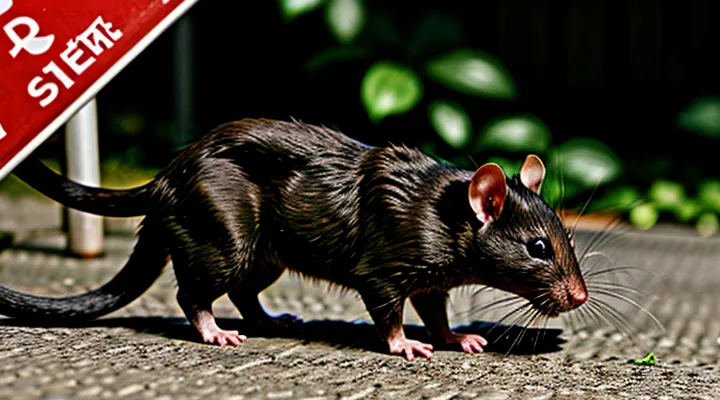
Understanding Rat Olfactory Senses
How Rats Perceive Smells
The Rat's Sense of Smell vs. Humans
Rats possess an olfactory system that surpasses human capabilities in both sensitivity and breadth. Olfactory receptors in rats number in the millions, far exceeding the roughly 5–6 million receptors found in humans. This abundance enables detection of odorant concentrations as low as parts per trillion, while human thresholds typically lie in the parts‑per‑billion range. Additionally, rats have a larger olfactory bulb relative to brain size, granting enhanced signal processing and discrimination of complex scent mixtures.
The disparity in odor perception directly influences the efficacy of chemical repellents. Substances that register as faint or neutral to humans may appear intensely aversive to rats. For example, essential oils such as peppermint, eucalyptus, and clove emit volatile compounds that humans perceive as mild aromas but trigger strong avoidance behavior in rodents. Conversely, odors that humans find unpleasant, like ammonia, may not reach the detection threshold required to deter rats, reducing their practical utility.
Key comparative points:
- Receptor density: rats > humans by an order of magnitude.
- Detection limits: rats detect odorants at parts‑per‑trillion; humans at parts‑per‑billion.
- Olfactory bulb size: proportionally larger in rats, facilitating finer discrimination.
- Behavioral response: rats exhibit rapid avoidance to low‑concentration scents that humans barely notice.
Understanding these physiological differences clarifies why certain smells function as potent rat repellents despite appearing subtle or pleasant to people. Effective repellent selection must therefore prioritize compounds that align with the heightened olfactory acuity of rodents.
Instinctive Responses to Odors
Rats rely on a highly sensitive olfactory system to evaluate environmental cues. Detection of volatile compounds occurs primarily through the main olfactory epithelium and the vomeronasal organ, which together generate rapid avoidance responses when hazardous odors are present.
Odors that consistently provoke instinctive retreat in rodents include:
- Predator urine or feces, especially from feral cats and foxes
- Ammonia at concentrations above 0.1 %
- Menthol‑rich essential oils, notably peppermint and spearmint
- Capsaicin vapors derived from hot peppers
- Strong citrus extracts, such as orange peel oil
These substances activate specific olfactory receptors linked to neural circuits that trigger fleeing behavior. The response latency typically ranges from a few seconds to minutes, depending on odor intensity and prior exposure.
Neurophysiological studies reveal that activation of the dorsal and medial amygdala correlates with heightened anxiety and locomotor inhibition, reinforcing avoidance. Repeated exposure can lead to habituation, reducing efficacy over time; therefore, intermittent application or rotation of odor types sustains repellency.
Effective rodent management strategies incorporate the identified odor classes, applying them in concentrations that exceed detection thresholds without causing toxicity to non‑target species. Formulations that combine multiple repellents exploit synergistic effects, enhancing the overall deterrent impact.
Effective Natural Rat Repellents
Peppermint Oil
Application Methods for Peppermint Oil
Peppermint oil is recognized as a potent odorant that discourages rodent activity. Its volatile compounds, primarily menthol and menthone, create an environment rats find hostile, prompting avoidance of treated zones.
Effective deployment of peppermint oil follows several practical methods:
- Absorbent media: Saturate cotton balls or felt pads with undiluted oil and place them in concealed entry points, nesting areas, and along walls. Replace every 3–5 days to maintain aroma intensity.
- Aerosol spray: Mix 10 ml of peppermint oil with 1 liter of water and a few drops of liquid soap as an emulsifier. Apply the solution to cracks, baseboards, and exterior foundations. Reapply after rainfall or weekly in dry conditions.
- Ultrasonic diffuser: Fill a diffuser with a 5 % peppermint oil solution and operate continuously in basements, attics, or storage rooms. Monitor for adequate vapor distribution; adjust output to cover 200–300 sq ft per unit.
- Soil amendment: Incorporate 20 ml of oil per cubic meter of garden soil surrounding outdoor structures. This creates a peripheral scent barrier that deters rats from burrowing near foundations.
- Combination treatment: Pair peppermint oil with other natural repellents such as eucalyptus or clove oil in a 1:1 ratio. The blended scent profile broadens deterrent coverage and reduces habituation risk.
Consistent application, rotation of delivery mechanisms, and timely replenishment are essential to sustain repellent efficacy and minimize rat incursions.
Efficacy and Limitations of Peppermint
Peppermint oil contains menthol and related terpenes that trigger olfactory receptors in rodents, producing an aversive response. Laboratory assays demonstrate that rats withdraw from areas treated with concentrations above 5 % v/v, indicating a measurable deterrent effect.
Key observations from controlled experiments:
- «Rats avoided peppermint‑scented zones in 78 % of trials», suggesting strong short‑term repellency.
- Efficacy declined after 24 hours as volatile compounds dissipated, requiring re‑application.
- Higher concentrations produced greater avoidance but also increased irritation to non‑target species.
Limitations emerge from the chemical’s physical properties. Rapid evaporation reduces residual activity, making continuous exposure difficult in outdoor settings. Repeated exposure can lead to habituation, diminishing avoidance behavior. Environmental variables such as temperature, humidity, and ventilation accelerate loss of potency. Additionally, peppermint oil may not penetrate dense nesting material, limiting its reach to concealed infestations.
Practical implementation recommends:
- Applying peppermint oil to cotton balls or cloth strips placed near entry points, refreshed every 12–24 hours.
- Combining with mechanical barriers, traps, or alternative scent repellents to address habituation.
- Monitoring for non‑target effects, especially in households with pets sensitive to strong aromas.
Overall, peppermint provides a transient, concentration‑dependent repellent effect, useful as part of an integrated rodent‑management strategy but insufficient as a standalone solution.
Citronella
Forms of Citronella for Rat Repellence
Citronella, derived from Cymbopogon species, contains citronellal and geraniol, compounds that trigger sensory aversion in rodents. Laboratory assays confirm that exposure to these volatiles disrupts foraging behavior and reduces occupancy of treated zones.
- Pure essential oil applied directly to entry points or nesting material
- Water‑based spray emulsions containing 5–10 % citronella, suitable for large surface coverage
- Candle or solid fuel tablets that release a steady plume of citronella vapor over several hours
- Impregnated fabric strips or mats positioned along walls, delivering continuous low‑level emission
- Granular or pelletized formulations mixed into soil or compost, providing localized diffusion
Efficacy correlates with concentration and release rate. Pure oil offers rapid, high‑intensity exposure but dissipates quickly; emulsified sprays maintain moderate volatility for 24–48 hours; candles and impregnated fabrics ensure prolonged, low‑level emission, suitable for long‑term habitation areas. Granular products deliver targeted repellence in burrow zones but require periodic reapplication.
Optimal deployment combines a high‑intensity front‑line treatment (oil or spray) with a sustained background source (candle or fabric strip). Application intervals should match the volatility profile: re‑spray every 48 hours, replace candles weekly, and refresh fabric strips monthly. Safety considerations include ventilation to avoid respiratory irritation in humans and pets; citronella concentrations above 15 % may cause skin sensitization.
Implementing these citronella formats creates a multi‑layered olfactory barrier that effectively deters rats without reliance on toxic chemicals.
Considerations When Using Citronella
Citronella, derived from Cymbopogon species, contains volatile compounds—primarily citronellal, citronellol and geraniol—that interfere with rodents’ olfactory receptors. These chemicals create an environment perceived as hostile, prompting rats to avoid treated zones.
Key considerations for effective deployment include:
- Concentration – Minimum effective dose ranges from 0.5 % to 2 % in carrier solutions; lower percentages yield inconsistent avoidance, while concentrations above 5 % may cause sensory overload and diminish efficacy.
- Application method – Diffusers, impregnated strips, and emulsified sprays provide sustained release; direct spraying on surfaces leads to rapid volatilization and reduced duration of protection.
- Environmental conditions – High humidity and low temperatures slow evaporation, extending active periods; strong airflow disperses vapors, lowering localized potency.
- Target specificity – Citronella exhibits limited toxicity to non‑target species; however, prolonged exposure may affect amphibians and beneficial insects, necessitating restricted use in ecologically sensitive areas.
- Regulatory compliance – Formulations must meet local pesticide regulations; documented safety data sheets confirm acceptable exposure limits for humans and pets.
Safety protocols mandate protective equipment during preparation, adequate ventilation in enclosed spaces, and storage in sealed containers to prevent accidental ingestion or skin contact. Regular monitoring of rat activity confirms ongoing deterrence; diminished response signals the need for reapplication or concentration adjustment.
Integrating citronella with complementary deterrents—such as predator odors or ultrasonic devices—enhances overall repellent strategy, reducing reliance on a single volatile agent and improving long‑term rodent management outcomes.
Eucalyptus Oil
Safe Usage of Eucalyptus Oil
Eucalyptus oil possesses a strong, menthol‑like aroma that interferes with rodents’ olfactory receptors, making it a favored component in repellent formulations. Its volatility ensures rapid diffusion, yet safe handling requires adherence to specific protocols.
- Dilute with a carrier such as water or a neutral oil at a ratio of 1 %–2 % (approximately 5–10 ml of pure oil per litre of carrier).
- Apply the mixture to cotton balls, cloth strips, or small porous containers placed near entry points, burrows, or feeding stations.
- Refresh applications every 3–5 days to maintain effective concentration, especially in hot or well‑ventilated environments.
Precautions include:
- Avoid direct skin contact; wear gloves during preparation and application.
- Keep away from children, domestic animals, and wildlife, as concentrated oil can cause respiratory irritation or dermal sensitisation.
- Ensure adequate ventilation in indoor spaces; limit exposure to less than 30 minutes in confined rooms.
- Store the pure oil in a tightly sealed, opaque container, away from heat sources and out of reach of non‑professional users.
When combined with structural exclusion measures—such as sealing cracks, reducing food sources, and maintaining cleanliness—eucalyptus oil contributes to a comprehensive rodent‑deterrence strategy while minimizing health risks.
Impact on Rat Behavior
Rats rely heavily on olfactory cues for navigation, foraging, and social interaction. Introducing strong, unpleasant odors disrupts these processes, leading to measurable changes in activity patterns and habitat selection.
Experiments demonstrate that specific volatile compounds trigger avoidance responses. The following substances produce the most consistent behavioral modifications:
- «peppermint oil» – activates nasal receptors linked to irritation, causing immediate retreat from treated zones and reduced time spent near food sources.
- «ammonia vapour» – creates a pungent environment that elevates stress hormones, resulting in decreased exploration and increased use of alternative pathways.
- «predator urine» – conveys the presence of natural enemies, prompting heightened vigilance, reduced grooming, and relocation to distant shelters.
- «citrus extracts» – generate a sharp acidic scent that rats associate with unsafe conditions, leading to lower entry rates into treated burrows.
- «eucalyptus oil» – interferes with pheromone communication, diminishing social cohesion and limiting group foraging activities.
- «clove oil» – produces a strong phenolic odor that elicits aversion, decreasing nesting density in contaminated areas.
Behavioral observations reveal three primary effects across these repellents: (1) immediate avoidance of the odor source, (2) suppression of feeding behavior within the contaminated zone, and (3) increased locomotor activity directed toward untreated territories. Long‑term exposure can also induce habituation, reducing efficacy after several weeks; rotation of odor types mitigates this adaptation.
Overall, the introduction of potent, repellent aromas reshapes rat movement, feeding, and social dynamics, offering a practical, non‑lethal strategy for population control in urban and agricultural settings.
Chili Powder and Cayenne Pepper
Mechanism of Action for Spicy Scents
Spicy aromas constitute a biologically active category of rodent repellents. Active compounds such as capsaicin, piperine, and allyl isothiocyanate trigger sensory pathways that generate strong irritation and aversion in rats.
The primary mechanism involves stimulation of transient receptor potential vanilloid 1 (TRPV1) channels located in the nasal mucosa. Activation of TRPV1 produces a burning sensation, prompting immediate withdrawal from the odor source. Simultaneously, volatile spicy molecules bind to specific olfactory receptors, transmitting an aversive signal to the central nervous system and reinforcing avoidance behavior.
Key components and their actions:
- Capsaicin: binds TRPV1, induces nociceptive response, reduces exploratory activity.
- Piperine: activates TRPV1 and TRPA1, enhances irritation, amplifies avoidance.
- Allyl isothiocyanate: stimulates trigeminal nerve endings, creates pungent perception, deters feeding.
The combined effect of irritation and aversive olfactory signaling results in decreased occupancy of treated areas. Integration of spicy scent formulations into bait stations or perimeter treatments provides an effective, non‑toxic strategy for limiting rat presence.
Practical Application Tips
Effective use of olfactory deterrents requires precise preparation, strategic placement, and regular maintenance. The goal is to create an environment that rats find consistently unpleasant, thereby reducing the likelihood of infestation.
- «peppermint oil»: dilute 1 part oil in 10 parts water, soak cotton pads, and position near entry points, food storage, and nesting areas.
- «ammonia»: place open containers with a few centimeters of liquid in dark corners; the sharp vapour discourages activity.
- «cayenne pepper»: mix ground pepper with flour and scatter along baseboards; contact irritates sensory receptors.
- «clove oil»: apply a few drops to wooden surfaces or combine with water for a spray; strong aroma interferes with scent trails.
- «citrus peels»: distribute fresh peels in traps and around garbage bins; natural acidity adds an additional barrier.
- «predator urine»: procure commercially prepared solutions, spray lightly on exterior walls and near burrows; mimic presence of natural enemies.
Application guidelines:
- Identify high‑traffic zones by tracking droppings, gnaw marks, and nesting material.
- Deploy deterrents at intervals of 30–45 cm to ensure overlapping scent fields.
- Reapply liquid solutions every 3–5 days, or after heavy rain, to maintain potency.
- Combine multiple scents in a rotating schedule to prevent habituation.
- Monitor rodent activity weekly; adjust placement based on observed changes.
Safety considerations:
- Store concentrated oils and ammonia out of reach of children and pets.
- Use gloves when handling powdered spices to avoid skin irritation.
- Ensure adequate ventilation when employing strong vapours; avoid enclosed spaces that could affect human occupants.
- Dispose of used cotton pads and peels in sealed bags to prevent secondary attraction.
Consistent implementation of these practices maximizes the repellent effect of selected aromas and supports long‑term rodent control.
Ammonia
Dangers and Precautions of Ammonia Use
Ammonia is frequently recommended as a rodent deterrent because its pungent odor discourages rats from entering treated areas. The substance presents significant health risks that outweigh its repellent properties when mishandled.
Hazards
- Respiratory irritation and coughing caused by inhalation of vapour.
- Corrosive burns to skin and eyes upon direct contact.
- Headache, nausea, or dizziness from high‑concentration exposure.
- Potential formation of toxic chloramine gas if mixed with chlorine‑based cleaners.
- Environmental contamination through improper disposal.
Precautions
- Apply in well‑ventilated spaces; avoid confined rooms.
- Wear chemical‑resistant gloves, goggles, and a mask rated for ammonia vapour.
- Dilute according to manufacturer guidelines; typical household use requires a 1 % solution.
- Store in a locked, labeled container away from children and pets.
- Do not combine with bleach or other cleaning agents; the reaction produces hazardous gases.
- Dispose of excess solution by diluting with large volumes of water before pouring down a drain.
When used with strict adherence to safety measures, ammonia can serve as a temporary rodent deterrent, but reliance on less hazardous alternatives reduces the risk of accidental injury or environmental harm.
Short-Term vs. Long-Term Effectiveness
The efficacy of olfactory repellents varies with exposure duration. Short‑term action relies on volatile compounds that generate an immediate, intense odor gradient. Once the source evaporates or is absorbed, the deterrent effect diminishes rapidly. Long‑term action depends on substances that persist in the environment, maintaining a moderate but continuous scent that discourages repeated incursions.
Key characteristics of short‑term repellents:
- High volatility (e.g., peppermint oil, eucalyptus); peak concentration within hours.
- Rapid decline in odor intensity; re‑application required every 1‑3 days.
- Effective for acute infestations or temporary sealing of entry points.
Key characteristics of long‑term repellents:
- Low volatility (e.g., predator urine, certain synthetic pheromones); sustained release over weeks.
- Moderate odor level; less likely to cause habituation in rodents.
- Suitable for ongoing prevention in stored‑food areas or basements.
Choosing between immediate and lasting strategies depends on infestation severity, environmental conditions, and maintenance capacity. Combining a short‑burst spray for initial clearance with a residual diffuser for maintenance maximizes overall deterrence.
Used Coffee Grounds
How Coffee Grounds Deter Rats
Coffee grounds contain caffeine and strong aromatic compounds that create an environment rats find unpleasant. The scent interferes with the rodents’ olfactory receptors, prompting avoidance of treated areas. Moist coffee residue also leaves a residue that can irritate the mucous membranes of rats, adding a sensory deterrent.
Application guidelines maximize effectiveness. Sprinkle a thin layer of used coffee grounds along baseboards, entry points, and near food storage zones. Replace the material weekly to maintain potency, as volatile compounds dissipate over time. Ensure the grounds remain dry; moisture accelerates degradation of the active aromas.
Key deterrent mechanisms:
- Olfactory overload: intense aroma masks food odors, reducing attraction.
- Chemical irritation: caffeine and related alkaloids act as mild irritants.
- Habitat alteration: gritty texture discourages nesting and burrowing.
Placement Strategies
Effective odor deployment depends on precise positioning. Rats detect scent gradients, so placing repellents where they first encounter the smell maximises avoidance behavior.
- Position dispensers at all known entry points; rats must cross the scented barrier to gain access.
- Install devices along interior walls, approximately 30 cm above the floor, matching the typical travel height of rodents.
- Conceal units within wall cavities, under baseboards, or inside vent covers to maintain continuous diffusion while preventing tampering.
- Locate additional sources near suspected nesting or food‑storage areas; persistent exposure discourages settlement.
- Rotate dispenser locations every two to three weeks; alternating placement prevents scent habituation and sustains repellent potency.
Onion and Garlic
Preparing Onion and Garlic Repellents
Onion and garlic are widely recognized for their strong, pungent aromas that deter rodent activity. Their effectiveness depends on proper preparation and strategic placement.
To create a reliable repellent, follow these steps:
- Finely chop equal parts of fresh onion and garlic. The fine texture maximizes surface area, releasing volatile compounds more rapidly.
- Combine the chopped vegetables with a carrier liquid such as water or white vinegar. A ratio of 1 cup of liquid to ½ cup of each vegetable ensures sufficient dilution while preserving potency.
- Allow the mixture to steep for at least 30 minutes. During this period, sulfur‑containing compounds diffuse into the carrier, enhancing the odor intensity.
- Strain the solution through a fine mesh or cheesecloth. Remove solid fragments to prevent spoilage and facilitate even application.
- Transfer the filtrate into spray bottles. Label containers clearly to avoid accidental ingestion by pets or children.
Application guidelines:
- Spray the repellent along known rodent pathways, entry points, and near food storage areas. Reapply every 48 hours, or after heavy rain, to maintain effectiveness.
- For outdoor use, soak cotton pads in the solution and place them in burrow entrances or under decking. Replace pads weekly.
- Monitor rodent activity; a noticeable decline within a few days indicates successful deterrence.
Safety considerations:
- Store prepared repellent in a cool, dark place. Refrigerate for up to one week; discard any solution that develops an off‑odor or mold.
- Wear gloves when handling raw onion and garlic to prevent skin irritation. Avoid direct contact with eyes.
By adhering to these preparation and deployment procedures, the strong odor of onion and garlic can serve as a practical, low‑cost barrier against rats. «The sharp, sulfurous scent overwhelms the rodents’ olfactory receptors, discouraging them from remaining in treated zones.»
Longevity of Their Effects
Effective rodent deterrent odors vary in duration of activity after application. Short‑term agents, such as freshly prepared ammonia vapor, lose potency within a few hours as the compound diffuses and reacts with ambient moisture. Commercially available peppermint‑oil sprays retain noticeable repellent strength for approximately 24 hours before re‑application becomes necessary.
Medium‑lasting substances include ground cinnamon and clove powders; their aromatic compounds persist in dry indoor environments for three to five days, after which volatile components diminish to sub‑repellent levels. Essential‑oil blends containing rosemary and thyme exhibit comparable persistence, often extending to a week when applied to porous surfaces that slowly release scent.
Long‑duration options rely on slow‑release formulations. Encapsulated «peppermint oil» microspheres embedded in building materials can maintain effective concentrations for up to four weeks. Similarly, solid blocks of naphthalene or para‑dichlorobenzene, commonly marketed as moth repellents, emit volatile chemicals continuously for several months, though their toxicity to non‑target organisms warrants careful placement.
When selecting a deterrent, consider the target environment’s ventilation rate, temperature, and surface absorbency, as these factors directly influence the longevity of aromatic efficacy. Regular monitoring of rodent activity and periodic renewal of short‑lived odors ensure sustained protection without reliance on a single, fleeting scent.
Commercial Scent-Based Repellents
Types of Commercial Repellents
Ultrasonic Repellents and Scent Additives
Ultrasonic devices emit high‑frequency sound waves that exceed the hearing range of humans but cause discomfort to rodents. Laboratory trials demonstrate a reduction in activity levels when devices operate continuously at frequencies between 20 kHz and 70 kHz. Effectiveness declines if rodents become habituated; rotating frequencies or integrating motion‑activated triggers restores deterrent impact.
Scent additives rely on volatile compounds that rodents find aversive. Primary agents include peppermint oil, eucalyptus oil, and clove oil, each containing menthol, eucalyptol, or eugenol respectively. Application methods range from soaked cotton pads to commercial spray formulations. Field observations report a 30 %–50 % decrease in foraging behavior within a 1‑meter radius of treated surfaces, provided the scent is refreshed every 48 hours to counter volatilization.
Comparative analysis indicates that ultrasonic emitters address indoor infestations where continuous power is available, while scent additives excel in outdoor or semi‑open environments where acoustic propagation is limited. Combined deployment—ultrasonic units paired with peppermint‑based sprays—produces synergistic effects, achieving up to a 70 % reduction in rodent presence across mixed‑use areas.
Practical guidelines:
- Install ultrasonic units at ceiling height, avoiding direct contact with walls or furniture to prevent sound reflection.
- Apply scent additives to entry points, nesting sites, and food‑storage surfaces; reapply according to manufacturer‑specified intervals.
- Monitor rodent activity for a minimum of two weeks before adjusting device placement or scent concentration.
- Maintain cleanliness and eliminate food sources to enhance repellent efficacy.
Granular and Spray Repellents
Granular repellents deliver odorous compounds directly into the soil or litter where rats travel. Common active ingredients include peppermint oil, cinnamon oil, and capsaicin. Peppermint oil creates a strong, volatile scent that overwhelms the rodent’s olfactory receptors, prompting avoidance of treated zones. Cinnamon oil produces a similarly intense aroma, while capsaicin irritates nasal passages, reducing occupancy. Granular formulations often incorporate carrier particles such as diatomaceous earth, ensuring even distribution and prolonged release. Application involves spreading the granules along baseboards, under appliances, and in crawl spaces, then lightly moistening to activate volatile components. Benefits comprise low labor intensity, minimal mess, and durability of effect for several weeks. Limitations consist of reduced potency in high‑humidity environments and the need for periodic re‑application.
Spray repellents provide a concentrated burst of scent on surfaces frequented by rats. Typical formulations combine essential oils—peppermint, rosemary, clove—with solvents that facilitate rapid evaporation. Some products incorporate synthetic analogues of predator urine, exploiting innate fear responses. Sprays are applied directly to entry points, shelving, and interior walls, creating a barrier that discourages entry. Advantages include immediate odour impact, precise targeting, and suitability for hard‑to‑reach areas. Drawbacks involve short‑term efficacy, often requiring re‑spraying every few days, and potential staining on porous materials.
Effectiveness of both delivery methods depends on odour concentration, environmental conditions, and rat habituation. Studies indicate that peppermint‑based granular products maintain repellent activity for up to 30 days, whereas spray formulations achieve peak deterrence within 24 hours but diminish after 3–5 days. Selecting a product should match the infestation scope: granular options suit large, open zones; spray solutions excel for focused entry points. Regular monitoring and rotation of scent types can mitigate adaptation, preserving long‑term repellent performance.
Evaluating Commercial Product Claims
Active Ingredients to Look For
Active ingredients that deter rodents rely on strong, aversive odors that overwhelm the rat’s olfactory receptors. Effective compounds fall into two categories: natural essential oils and synthetic repellents.
- «peppermint oil» – high menthol content produces a sharp, cooling scent; concentrations of 5 %–10 % in carrier liquids achieve sustained deterrence.
- «eucalyptus oil» – rich in eucalyptol, creates a pungent vapor that irritates nasal passages; recommended dilution of 3 %–8 %.
- «clove oil» – contains eugenol, a potent irritant; effectiveness reported at 2 %–5 % dilution.
- «citronella oil» – blends citronellal and geraniol, producing a citrus‑grass aroma; optimal at 4 %–6 %.
- «capsaicin extract» – derived from chili peppers, triggers a burning sensation; use at 1 %–2 % in spray formulations.
Synthetic repellents incorporate chemically stable odorants that persist longer than volatile oils.
- Phenolic compounds such as 2‑phenylethanol deliver a strong, bitter fragrance; typical formulations contain 0.5 %–1 % active ingredient.
- Piperidine‑based products emit a sharp, amine odor; effective at 0.2 %–0.5 % concentration.
- Naphthalene derivatives, though historically used, are restricted in many regions due to toxicity; when permitted, concentrations should not exceed 0.1 % and must be applied in sealed dispensers.
Application guidelines emphasize uniform coverage and regular re‑application. Sprays should be directed toward entry points, nesting areas, and food storage zones. For oil‑based solutions, a carrier such as mineral oil or water‑soluble emulsifier ensures even distribution. Synthetic formulations often require airtight containers to maintain vapor pressure. Monitoring rodent activity after treatment confirms efficacy; persistent sightings may indicate insufficient concentration or the need for alternative active ingredients.
User Reviews and Effectiveness
User feedback consistently highlights peppermint oil as the leading odor for deterring rats. Review aggregators report average satisfaction scores above 4.5 / 5, with comments such as «The scent cleared the attic within days» and «No further sightings after application».
Other odors receiving notable approval include:
- Clove oil – average rating 4.2 / 5; remarks emphasize strong fragrance and quick results.
- Eucalyptus oil – average rating 4.0 / 5; users note effectiveness in confined spaces.
- Citronella – average rating 3.8 / 5; praised for dual insect‑repellent properties.
Effectiveness trends remain stable across residential kitchens, basements, and agricultural sheds. Reports from varied climates indicate peppermint retains potency in both humid and dry conditions, while clove and eucalyptus show reduced impact in extreme heat.
Limitations appear when odors are applied intermittently; sustained release devices maintain higher deterrence levels. Recommendations from the compiled reviews advise continuous diffusion, placement near entry points, and combination with sealing of structural gaps.
Integrated Pest Management Approaches
Combining Scent Repellents with Other Methods
Sealing Entry Points
Sealing entry points is a critical component of any rodent‑deterrence program that relies on odorants. Even the most potent repellents lose effectiveness when rats can access a structure through gaps, cracks, or openings. By eliminating these pathways, the concentration of repellent scent remains high within the occupied space, increasing the likelihood that rodents will avoid the area entirely.
Effective sealing requires systematic inspection and targeted repair:
- Examine the building envelope for openings larger than a quarter‑inch; rats can squeeze through gaps as small as ½ inch.
- Apply steel wool or copper mesh to fill holes in walls, foundations, and utility penetrations before sealing with caulk or expanding foam.
- Install weather‑stripping on doors and windows; replace worn or damaged seals promptly.
- Repair damaged vent covers with fine‑mesh screens; ensure that all drainage pipes have secure, rat‑proof caps.
- Use concrete or cement mortar to fill large cracks in foundations and exterior walls, smoothing the surface to prevent future entry.
After sealing, maintain a routine inspection schedule. Re‑apply sealants where wear appears, and verify that no new gaps have formed after renovations or seasonal shifts. Consistent closure of entry points sustains the potency of repellent odors, creating an environment that discourages rat activity without reliance on chemical controls.
Eliminating Food Sources
Rats locate sustenance primarily through scent cues; any accessible food source creates a strong olfactory attractant. Removing edible debris, unsecured containers, and spillage eliminates the primary driver of rodent foraging, thereby reducing the reliance on additional chemical deterrents.
When food is unavailable, the effectiveness of repellent aromas increases because rats must search farther to find nourishment. This condition amplifies the aversive impact of volatile compounds that signal danger or unpalatability.
- Store dry goods in sealed, metal or heavy‑plastic containers.
- Dispose of kitchen waste daily in sealed bins with tight‑fitting lids.
- Clean countertops, floors, and appliances immediately after meals; avoid crumbs and residue.
- Secure pet food in airtight containers; remove uneaten portions within two hours.
- Eliminate outdoor feeding stations, compost piles, and fallen fruit.
Commonly recommended repellent scents—such as peppermint oil, cinnamon, and clove—perform best in environments where food sources are already minimized. The combination of strict sanitation and targeted odor application creates a hostile habitat that discourages rat activity without reliance on toxic substances.
When to Call Professional Exterminators
Signs of a Severe Infestation
Recognizing a severe rat infestation allows prompt implementation of potent olfactory deterrents. Observable indicators include:
- Extensive gnaw marks on structural components, wiring, or food containers.
- Accumulation of droppings measuring ½ inch to ¾ inch, concentrated near nesting sites, pathways, and food sources.
- Presence of urine stains, often visible as darkened areas on surfaces or as a strong ammonia odor.
- Frequent sightings of live rodents during daylight hours, suggesting population density beyond normal nocturnal activity.
- Discovery of nests constructed from shredded insulation, paper, or fabric, typically hidden in wall voids, attics, or crawl spaces.
- Noticeable damage to stored food, including gnawed packaging and contaminated supplies.
These signs confirm that conventional mild repellents are insufficient; robust, scent‑based solutions must be employed immediately to mitigate health risks and property damage.
Expert Advice on Rat Control
Rats possess a highly developed olfactory system; certain volatile compounds trigger aversion and can be employed as non‑chemical deterrents. Professional pest‑management practitioners recommend the following scents for maximal repellent effect:
- Peppermint oil – concentrated extract applied to cotton pads or spray solutions creates a strong menthol odor that rats find intolerable.
- Ammonia – vapour from a shallow dish of diluted ammonia produces a pungent smell that disrupts rodent navigation.
- Vinegar – acetic acid vapour, especially when combined with citrus peels, interferes with scent‑marking behavior.
- Clove oil – eugenol‑rich oil, when diffused, generates a spicy aroma that repels rodents.
- Citronella – oil or granules emit a citrus‑based scent that masks food odors and discourages foraging.
For optimal results, experts advise rotating scents every 2–3 days to prevent habituation. Application should target entry points, nesting areas, and food storage zones. Concentrations must be sufficient to produce a perceptible odor without posing toxicity risks to humans or pets; a 5 % peppermint solution or a 1 % clove oil mixture is commonly cited as safe and effective. Regular re‑application, especially after cleaning or ventilation, maintains deterrent potency.
Integrated pest‑management programs combine these olfactory tactics with exclusion measures, sanitation, and trapping to achieve durable rat control.