
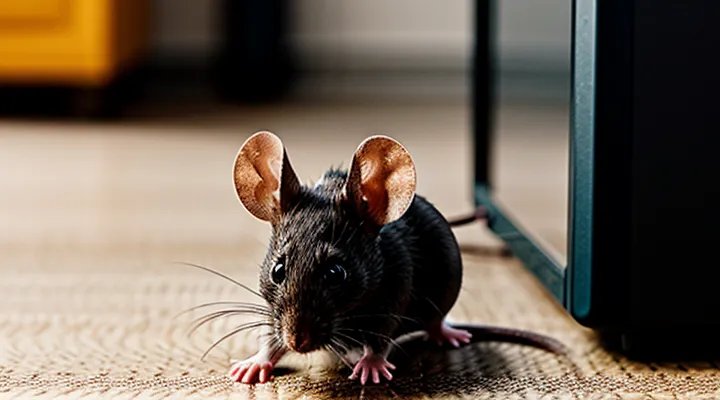
The Allure of Rodent Acoustics
Understanding the Sounds of Mice and Rats
Why Listen to Rodent Sounds?
Listening to the vocalizations of mice and rats provides concrete data for scientific, clinical, and creative pursuits. Researchers capture ultrasonic squeaks to decode communication patterns, assess stress levels, and monitor disease models. Veterinarians compare recorded calls with baseline frequencies to diagnose respiratory or neurological disorders in laboratory colonies. Educators integrate authentic audio into curricula, illustrating animal behavior without live specimens. Sound designers harvest these recordings to enrich multimedia projects, adding realistic ambient textures to films, games, and virtual environments. Conservationists archive regional rodent acoustics, preserving biodiversity indicators for future analysis.
Key benefits include:
- Precise measurement of physiological responses in controlled experiments.
- Early detection of pathology through deviations from normal call structures.
- Enhanced learning experiences that illustrate acoustic signaling concepts.
- Expansion of high‑quality sound libraries for commercial and research use.
- Documentation of ecological changes reflected in rodent communication.
Accessing curated collections through reputable platforms ensures reliable audio quality, proper metadata, and legal clearance for reuse.
Common Types of Rodent Vocalizations
Rodent vocalizations fall into several distinct categories, each serving specific biological functions and recognizable by their acoustic signatures. Researchers and hobbyists can access recordings of these sounds through scientific archives, wildlife sound libraries, and curated streaming channels.
- Ultrasonic squeaks (30–100 kHz) – emitted during locomotion, exploration, and mild stress; detectable only with specialized microphones and often featured in high‑resolution datasets hosted by academic institutions.
- Low‑frequency chirps (5–15 kHz) – used in social bonding and courtship; common in breeding colony recordings available on open‑access repositories.
- Distress squeals (10–30 kHz) – produced when individuals encounter predators or confinement; featured in behavioral studies and shared on educational sound platforms.
- Purr‑like vibrations (20–40 kHz) – observed during contented grooming or maternal care; included in veterinary research collections.
- Teeth‑chatter bursts (15–25 kHz) – associated with aggression or territorial disputes; captured in field recordings of wild populations and uploaded to public audio archives.
- Maternal pup calls (30–70 kHz) – high‑pitched, repetitive notes facilitating mother‑infant communication; frequently presented in developmental biology databases.
Each type appears in multiple digital sources, such as university‑maintained sound banks, biodiversity portals, and specialized YouTube channels that provide lossless downloads. Users seeking comprehensive audio samples should query these platforms with species names and vocalization descriptors to retrieve relevant files.
Premier Online Destinations for Rodent Sounds
Dedicated Sound Libraries and Archives
Freesound.org: A Community-Driven Repository
Freesound.org operates as a user‑maintained archive of audio clips, offering a reliable source for rodent recordings. Contributors upload files under Creative Commons licences, allowing unrestricted download and reuse for research, education, or multimedia projects. The platform’s search engine accepts tag combinations, enabling precise queries such as “mouse squeak” or “rat grooming”. Results can be filtered by duration, sample rate, and licence type, ensuring that users obtain files that match technical and legal requirements.
Key characteristics of Freesound.org include:
- Community moderation through comments and rating, which highlights high‑quality recordings.
- Detailed metadata supplied by uploaders, covering species, recording equipment, and environment.
- Bulk download and API access for automated retrieval of large sound libraries.
- Open‑source tools for visualizing waveforms and spectrograms directly in the browser.
Because the repository is continually expanded by a global network of sound designers and researchers, it remains a primary destination for anyone seeking authentic mouse or rat audio without subscription barriers.
Soundbible.com: Royalty-Free Options
Soundbible.com offers a dedicated library of royalty‑free mouse and rat recordings, accessible without registration. The site categorizes sounds under “Animals” and provides separate entries for small rodents, each with a brief description and a preview button.
Key attributes of the mouse and rat files:
- WAV and MP3 formats, 44.1 kHz, 16‑bit quality.
- Duration ranging from 1 second to 10 seconds, suitable for short‑form media.
- Clear labeling of content (e.g., “mouse squeak”, “rat scurrying”).
- License that permits commercial and non‑commercial use without mandatory attribution, though credit is welcomed.
Downloading requires a single click on the “Download” link; the file saves directly to the user’s device. Users may incorporate the audio into video projects, podcasts, or interactive applications, provided they adhere to the site’s terms of use, which prohibit resale of the raw files. Soundbible.com also supplies a “bundle” option, allowing bulk retrieval of all rodent sounds in a compressed archive, streamlining workflow for productions that need multiple variations.
Zapsplat.com: Professional Sound Effects
Zapsplat.com offers a comprehensive library of professional sound effects, including a sizable selection of mouse and rat recordings suitable for online use. The site organizes rodent sounds into clearly labeled categories such as “Small Mammal – Mouse,” “Small Mammal – Rat,” and “Animal Interaction,” allowing rapid location of specific vocalizations, squeaks, and movement noises. Advanced search filters support keyword, duration, and file‑type parameters, which streamline the retrieval process for precise audio needs.
The platform provides two licensing models. The free tier grants access to all rodent clips under a Creative Commons Attribution 4.0 license, requiring credit to Zapsplat in any public distribution. The premium subscription removes attribution obligations, offers higher‑resolution files (48 kHz/24‑bit), and unlocks unlimited downloads per month, making it appropriate for commercial projects and extensive sound design work.
All mouse and rat files are delivered in standard WAV and MP3 formats, ensuring compatibility with major digital audio workstations and video editing software. Metadata tags include source description, recording environment, and recommended usage, facilitating integration into multi‑track sessions without additional documentation.
Access options include a web‑based portal, direct download links, and a RESTful API that supports automated retrieval for developers building sound‑search functionalities into their applications. The API returns JSON‑formatted results with URLs to the chosen files, enabling seamless incorporation into custom workflows.
Key benefits of Zapsplat for rodent audio:
- Extensive, curated collection of mouse and rat sounds.
- Precise search tools and metadata for efficient selection.
- Free and premium licensing paths to match budget and attribution requirements.
- High‑quality WAV files alongside compressed MP3 alternatives.
- API access for programmatic integration and bulk acquisition.
YouTube Channels and Playlists
Channels Focused on Nature Sounds
Online platforms host numerous nature‑sound channels that regularly feature recordings of mice, rats, and other small mammals. These sources integrate rodent vocalizations into broader wildlife soundscapes, making them convenient for researchers, educators, and hobbyists.
YouTube provides extensive video libraries where audio tracks accompany visual footage of habitats. SoundCloud and Bandcamp host independent creators who upload high‑resolution field recordings. Streaming services such as Spotify and Apple Music include curated playlists dedicated to ambient wildlife sounds. Specialized archives like the Macaulay Library and Xeno‑Canto store verified, peer‑reviewed recordings accessible through web portals and mobile apps.
- Nature Soundscapes (YouTube): weekly uploads of nocturnal rodent calls combined with forest ambience; 1080p video, 48 kHz audio.
- Rodent Whisperer (SoundCloud): single‑track releases of laboratory‑grade mouse squeaks and rat chatter; downloadable WAV files.
- Wildlife Audio Lab (Spotify playlist): mixed‑species collection, includes high‑definition mouse nesting sounds; updated bi‑monthly.
- Macaulay Library – Small Mammals (online archive): searchable database, metadata includes species, location, recording equipment; free streaming for registered users.
- Xeno‑Canto – Muridae (website): community‑validated recordings, each file accompanied by spectrogram and field notes.
When selecting a channel, prioritize clear audio specifications (minimum 44.1 kHz, 16‑bit depth), regular content updates, and transparent licensing that permits personal or educational use. Verified contributors and institutional affiliations increase confidence in the authenticity of the recordings.
These resources collectively enable reliable access to mouse and rat sounds without requiring specialized field equipment, supporting a range of applications from acoustic research to relaxation audio.
Educational Content Featuring Rodent Audio
Educational platforms that provide rodent audio recordings serve as valuable resources for teachers, researchers, and students interested in animal behavior, bioacoustics, and comparative biology. These sites host curated collections of mouse and rat sounds, accompanied by contextual information such as species, recording conditions, and typical vocalization functions.
Key online sources include:
- University‑affiliated sound libraries – Many academic institutions maintain databases of laboratory‑recorded rodent vocalizations, often accessible through public portals. Examples are the Cornell Lab of Ornithology’s BioAcoustics Archive (which also stores mammalian recordings) and the University of California, Berkeley’s Animal Sound Repository.
- Specialized bioacoustic repositories – Platforms like Xeno‑Canto and the Macaulay Library have expanded their scopes to incorporate small‑mammal audio, providing searchable metadata and high‑quality wav files.
- Open‑access research portals – The National Center for Biotechnology Information (NCBI) hosts supplementary audio files linked to peer‑reviewed publications, enabling direct download of experimental recordings.
- Educational video channels – Channels on YouTube and Vimeo dedicated to zoology frequently embed rodent sound clips within lecture‑style videos, offering visual context and explanatory narration.
When integrating these audio assets into curricula, consider the following guidelines:
- Verify licensing terms; most academic collections permit non‑commercial educational use, while some require attribution.
- Pair recordings with spectrogram visualizations to illustrate frequency patterns and temporal structure.
- Align sound examples with lesson objectives, such as demonstrating ultrasonic communication in laboratory mice or differentiating distress calls from social chirps.
- Provide supplemental reading that explains the physiological mechanisms behind rodent vocal production.
By selecting reputable sources and applying structured instructional strategies, educators can effectively employ rodent audio to enhance student comprehension of auditory communication, experimental methodology, and species‑specific behavior.
Academic and Research Resources
University Sound Collections
University sound collections host extensive recordings of laboratory and wild rodents, providing reliable access for researchers, educators, and enthusiasts. These repositories maintain high‑quality audio files, metadata, and citation guidelines, ensuring consistency across studies.
- Cornell University Bioacoustics Lab – searchable database includes mouse ultrasonic vocalizations and rat squeaks.
- University of Michigan Animal Sound Archive – offers downloadable wav files of adult and juvenile rodent calls, indexed by species and context.
- University of California, Davis Animal Sound Database – contains field recordings of wild mice and laboratory rat interactions, with spectrogram visualizations.
- Texas A&M Rodent Acoustic Archive – provides curated series of rat grooming and distress sounds, accompanied by behavioral annotations.
- University of Oxford Bioacoustics Research Programme – features experimental mouse communication recordings, accessible via API for bulk retrieval.
These collections support comparative analysis, machine‑learning model training, and classroom demonstrations. Access typically requires free registration; most files are released under Creative Commons licenses, allowing reuse with appropriate attribution.
Bioacoustics Databases
Bioacoustics databases compile, curate, and distribute recordings of animal vocalizations, including those of laboratory rodents. Researchers, educators, and hobbyists can retrieve high‑quality mouse and rat audio files without navigating individual streaming sites.
Key repositories offering rodent sound collections:
- Macaulay Library (Cornell Lab of Ornithology) – hosts a searchable archive of mammalian vocalizations; recordings are downloadable in WAV format under Creative Commons licenses.
- Xeno‑Canto (expanded to mammals) – provides user‑submitted recordings with metadata on species, context, and recording equipment; files are available for free use with attribution.
- Animal Sound Archive (University of Helsinki) – contains a dedicated rodent section; each entry includes spectrograms, sampling rates, and experimental conditions.
- BioAcoustica (Open University) – offers a curated dataset of laboratory mouse ultrasonic calls; data are accessible via an API for automated retrieval.
- Dryad Digital Repository – stores supplemental audio files from peer‑reviewed studies; each dataset includes DOI references and usage terms.
Typical access features across these platforms:
- Metadata completeness – species name, age, sex, recording environment, and equipment specifications.
- Standardized formats – lossless WAV or FLAC files with sampling rates of 192 kHz or higher to capture ultrasonic components.
- Search filters – ability to query by taxonomy, call type (e.g., ultrasonic squeak, pup distress call), or experimental paradigm.
- Licensing clarity – explicit statements on commercial use, modification rights, and citation requirements.
- Programmatic interfaces – RESTful APIs or bulk download scripts facilitating integration into analysis pipelines.
For immediate listening, most databases provide embedded audio players that stream recordings directly in web browsers. Users can also export files for offline analysis with software such as Raven Pro or Avisoft‑SASLab Pro. Selecting a repository depends on the desired balance between open access, data richness, and integration capabilities.
Practical Applications and Considerations
For Pet Owners and Enthusiasts
Identifying Rodent Communication
Rodent vocalizations provide insight into social hierarchy, predator alerts, and reproductive status. Accurate identification requires awareness of distinct acoustic patterns produced by mice and rats.
Mice emit ultrasonic pulses ranging from 30 kHz to 100 kHz, typically composed of brief, frequency‑modulated sweeps. Adult males generate dominant “song” sequences during courtship, while pups produce distress calls near 50 kHz when separated from the dam. Rats produce broadband squeaks (5 kHz–30 kHz) associated with aggression or pain, and long, low‑frequency “trill” calls (10 kHz–20 kHz) during social play.
Identification techniques:
- Spectrogram visualization in software such as Raven, Avisoft SASLab, or Praat.
- Frequency analysis to match calls with known species‑specific ranges.
- Temporal pattern examination (duration, pulse repetition rate) to differentiate behavioral contexts.
- Comparison with reference libraries to confirm call type.
Online repositories offering high‑quality mouse and rat recordings:
- Mouse Ultrasonic Vocalization Archive (MUVa) – curated collection of laboratory‑recorded ultrasonic calls, downloadable in WAV format.
- Rat Sound Database (RSD) – extensive catalog of broadband and low‑frequency squeaks, accompanied by behavioral annotations.
- Xeno‑Canto (Rodent Section) – community‑submitted field recordings, searchable by species and call type.
- BioAcoustics Data Portal – open‑access repository containing raw audio files and spectrogram images for research use.
Effective use of these resources:
- Verify file format compatibility with analysis tools before download.
- Review accompanying metadata (species, age, context) to ensure relevance.
- Respect licensing terms; most datasets permit non‑commercial research with attribution.
- Combine multiple recordings to build a comprehensive reference set for comparative studies.
Enrichment for Other Pets
Auditory enrichment using recorded mouse and rat vocalizations offers a practical way to stimulate the natural hunting instincts of cats, the foraging curiosity of birds, and the environmental awareness of reptiles and small mammals. High‑frequency squeaks and rustling noises trigger predatory and exploratory behaviors without introducing live prey, reducing risk and simplifying care routines.
Reliable sources for these recordings include:
- Dedicated wildlife sound libraries that provide lossless audio files and detailed species metadata.
- Established video platforms hosting curated playlists of rodent sounds, often accompanied by visual cues for additional stimulation.
- Subscription‑based streaming services featuring searchable collections of animal vocalizations, with options for continuous playback or scheduled loops.
Effective implementation follows a few guidelines. Set playback volume low enough to avoid stress; begin with brief sessions of 2–3 minutes and extend gradually based on observed interest. Position speakers at the pet’s typical activity zone, ensuring the sound source does not obscure visual cues the animal uses. Monitor behavior for signs of engagement—pouncing, head‑turning, or increased alertness—and discontinue if agitation or avoidance occurs.
When applied consistently, rodent audio enrichment promotes mental sharpness, supports natural exercise patterns, and can reduce boredom‑related behaviors. Careful selection of high‑quality recordings and controlled exposure ensure the approach remains safe and beneficial across diverse companion species.
Pest Control and Identification
Recognizing Infestation Signs
Rodent activity often leaves distinct clues that can be identified before damage escalates. Audible evidence, such as high‑pitched squeaks or scurrying noises, may be heard through walls, ceilings, or floorboards. Listening to recorded mouse and rat sounds online helps distinguish these frequencies from household background noise, enabling early detection.
Key visual and physical indicators include:
- Small droppings, typically 1‑2 mm for mice and 3‑5 mm for rats, found near food sources, along baseboards, or in concealed areas.
- Gnaw marks on wood, plastic, or wiring, characterized by clean, parallel cuts.
- Grease or urine stains that appear darkened and have a strong, musky odor.
- Nests constructed from shredded paper, fabric, or insulation, often located in hidden corners or attics.
- Unusual pathways, such as well‑worn routes along walls, indicating regular movement.
When evaluating sound recordings, focus on the pattern and timing of vocalizations. Mice emit rapid, high‑frequency chirps during exploration, while rats produce lower, more resonant squeals when threatened. Consistent detection of these sounds in a specific area correlates with the presence of the corresponding visual signs.
Combining auditory analysis with systematic inspection of the listed signs provides a reliable method for confirming an infestation and initiating appropriate control measures.
Using Sounds for Deterrence
Rodent vocalizations can trigger avoidance behavior when presented at appropriate intensity and frequency. Studies indicate that playback of mouse and rat distress calls interrupts foraging and nesting activities, leading to reduced occupancy in targeted zones.
Reliable sources for high‑quality recordings
- Academic archives such as the Cornell Lab of Ornithology’s Macaulay Library, which includes verified mouse and rat audio files.
- Specialized wildlife sound repositories like Xeno‑Canto (rodent section) and the British Library’s wildlife collection.
- Commercial platforms offering royalty‑free clips, for example, Pond5 and AudioJungle, where filters allow selection by species and call type.
Technical considerations
- Use lossless formats (WAV, FLAC) to preserve frequency detail crucial for deterrent efficacy.
- Calibrate playback devices to emit sounds at 70–80 dB SPL at the source, ensuring the signal reaches the target area without causing auditory damage to non‑target species.
- Deploy weather‑proof speakers with directional output to focus the sound field and minimize spillover.
Implementation protocol
- Conduct a site survey to locate entry points and high‑traffic zones.
- Install speakers at a height of 0.5–1 m, oriented toward interior spaces.
- Program a schedule that alternates between short (10‑second) bursts of distress calls and silent intervals, mimicking natural acoustic patterns.
- Monitor rodent activity with motion sensors or trail cameras for at least two weeks, adjusting volume or timing based on observed responses.
Best practices
- Rotate recordings weekly to prevent habituation.
- Combine acoustic deterrence with physical barriers for synergistic effect.
- Document outcomes systematically to refine parameters and support evidence‑based adjustments.
Creative and Educational Uses
Sound Design for Media Projects
Access to high‑quality rodent sound effects is essential for realistic sound design in film, animation, games, and podcasts. Professional projects require clear recordings, consistent sample rates, and clear licensing terms that permit commercial use.
Several online repositories specialize in animal audio and include extensive collections of mouse and rat recordings. The most reliable sources offer searchable databases, preview functions, and downloadable files in WAV or AIFF format at 24‑bit/48 kHz or higher.
- Freesound.org – community‑driven library; filters allow selection of CC‑0 or CC‑BY licenses; quality varies, so verify sample rate before download.
- SoundDogs – commercial catalog; per‑track pricing; royalty‑free license covers broadcast, streaming, and interactive media.
- BBC Sound Effects Archive – public‑domain collection; includes laboratory‑recorded rodent sounds; files available in lossless format.
- Pond5 – marketplace with curated animal sound packs; bulk discounts for multiple tracks; clear usage rights.
When integrating rodent sounds, follow these technical practices:
- Normalize levels to match the project’s overall loudness target.
- Apply high‑pass filtering to remove low‑frequency rumble that may be present in field recordings.
- Use layered playback to create depth; combine subtle squeaks with ambient rustling for a richer texture.
- Align timing with visual cues; mouse footfalls often require precise synchronization to convey realism.
Metadata should be retained for each file, noting source, license, and recording conditions. Maintaining an organized asset library reduces search time and ensures compliance with contractual obligations.
Choosing reputable platforms, verifying technical specifications, and applying disciplined editing techniques guarantee that rodent audio enhances the narrative impact of any media production.
Classroom Learning Tools
Audio recordings of mice and rats provide authentic data for biology, ecology, and acoustics lessons. Incorporating these sounds helps students develop observational skills, understand animal communication, and practice data analysis.
Effective classroom tools include:
- Streaming platforms that host curated rodent sound libraries, offering searchable categories and downloadable files.
- Interactive audio players with waveform visualization, allowing pause, loop, and speed adjustment.
- Annotation software that lets learners label call types, mark timestamps, and export notes to spreadsheets.
- Integrated learning management system (LMS) modules that embed audio clips directly into lesson pages and track student interaction.
When deploying these resources, teachers should align recordings with specific learning objectives, assign tasks such as species identification or frequency measurement, and use assessment rubrics that evaluate accuracy and analytical reasoning. Regularly updating the audio collection ensures relevance and maintains student engagement.
For reliable sources, consider university research repositories, government wildlife agencies, and dedicated bioacoustic databases. Verify licensing terms before downloading to guarantee legal classroom use.