
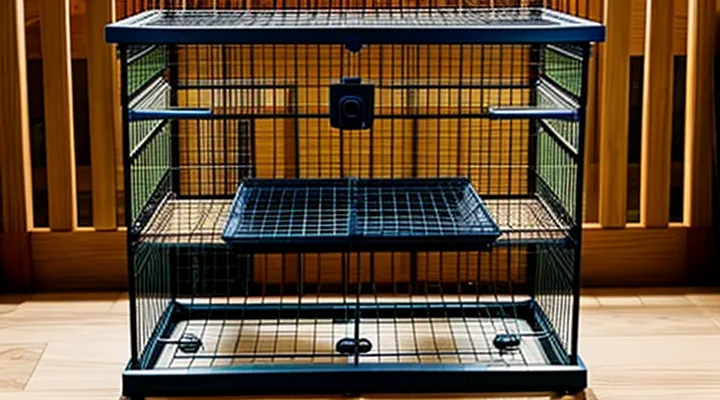
Understanding Rat Needs for Optimal Cage Placement
Environmental Factors for Rat Well-being
Temperature and Humidity Considerations
Rats thrive when the environment stays within a narrow thermal and moisture range. Temperatures below 65 °F (18 °C) can suppress activity and weaken immune function; temperatures above 80 °F (27 °C) increase stress and the risk of overheating. Aim for a stable zone of 68–78 °F (20–26 °C). Sudden fluctuations, such as drafts from doors, windows, or HVAC vents, should be eliminated because rapid changes can cause respiratory distress.
Humidity influences skin health and respiratory comfort. Levels that fall under 30 % dry the nasal passages and can lead to crusting, while humidity above 55 % encourages mold growth and bacterial proliferation. Maintain relative humidity between 40 and 50 %.
Practical placement guidelines:
- Locate the cage away from direct sunlight, which raises temperature and creates uneven heating.
- Keep the cage at least three feet from heating or cooling vents to prevent drafts and temperature spikes.
- Position the cage on a solid, insulated surface; avoid metal racks that conduct heat.
- Use a digital thermometer and hygrometer to monitor conditions continuously; adjust room settings or add a humidifier/dehumidifier as needed.
- Ensure adequate ventilation without exposing the cage to strong airflow; a low‑speed fan placed nearby can circulate air evenly without creating drafts.
By controlling these parameters, the cage environment remains stable, supporting the rats’ physiological needs and reducing the likelihood of disease.
Light Exposure and Circadian Rhythms
Light exposure directly influences the circadian system of laboratory rats. Consistent dark‑light cycles synchronize physiological processes such as hormone release, metabolism, and activity patterns. Disruption of these cycles can lead to stress, altered feeding behavior, and unreliable experimental outcomes.
For a rat cage, position it where the ambient lighting mimics a natural 12‑hour light/12‑hour dark schedule:
- Place the cage away from windows that receive direct sunlight; excessive brightness can shift the internal clock.
- Ensure the cage is not under ceiling fixtures that emit flickering or overly intense illumination.
- Use a stable overhead light source that can be programmed to turn off and on at the same times each day.
- If the room lacks sufficient ambient light, add a low‑intensity, broad‑spectrum lamp calibrated to provide approximately 300–500 lux during the light phase.
Maintain a quiet, temperature‑controlled environment adjacent to the cage to avoid additional stressors that may interfere with circadian regulation. Regularly verify the timing of light cycles with a calibrated timer to guarantee repeatability across studies.
Air Quality and Ventilation
Optimal placement of a rat cage depends on maintaining clean air and steady airflow. Choose a location away from direct drafts, heating vents, and strong odors. Ensure the cage is not positioned near windows that open frequently, as sudden temperature changes can stress the animals.
Key ventilation considerations:
- Use a cage with a mesh cover or side panels that allow passive exchange of fresh air.
- Position the enclosure at least 12 inches from any source of smoke, strong fragrances, or chemical cleaners.
- Avoid placing the cage in enclosed closets or under furniture where air stagnates.
- If the room lacks natural ventilation, install a low‑speed fan set to circulate air without creating a breeze directly on the cage.
Regular monitoring of indoor carbon dioxide levels and humidity helps prevent respiratory problems. Replace filters in any attached ventilation system according to manufacturer guidelines, and clean cage bars weekly to remove dust buildup. By following these practices, the rat cage will reside in an environment that supports healthy respiration and overall well‑being.
Key Considerations for Cage Location
Safety and Security from Predators and Pests
Protection from Other Pets
Place the rat cage where other animals cannot reach it. Elevate the enclosure on a sturdy surface at least 3 feet off the floor; cats and most dogs cannot jump that high. Keep the cage away from doors and windows that pets frequently use, reducing the chance of accidental encounters.
Secure the cage with a lockable latch or metal clips that resist prying. Use a cage made of solid plastic or metal rather than wire mesh, preventing teeth from damaging the structure. If the cage must be on the floor, surround it with a heavy, non‑slip mat to deter dogs from dragging it.
Key protective measures:
- Install a clear acrylic or polycarbonate cover that locks in place.
- Position the cage behind a solid barrier such as a bookshelf or cabinet door.
- Ensure the cage’s ventilation openings are covered with fine mesh that cannot be chewed through.
- Place the enclosure in a room where other pets are not permitted, using pet gates or doors with child‑proof locks.
Regularly inspect the cage for signs of wear, loose fittings, or damage caused by other animals. Replace compromised components immediately to maintain a secure environment for the rats.
Avoiding Wild Rodent Contamination
Place the cage away from any structural openings that allow wild rodents to enter the building. Secure distances of at least three meters from doors, windows, and utility penetrations reduce the likelihood of accidental contact.
Select a location that offers solid, non‑porous flooring. Use a sealed tray beneath the cage to catch spills and prevent rodents from accessing food remnants. Elevate the cage on a sturdy table or stand; height discourages ground‑dwelling pests and facilitates cleaning.
- Seal all cracks and gaps in walls, foundation, and roof vents.
- Install door sweeps and mesh screens on all external openings.
- Keep surrounding areas free of debris, vegetation, and stored garbage.
- Position the cage in a room with controlled temperature and minimal airflow that could carry scents to outdoor rodents.
- Conduct weekly inspections of the cage exterior for gnaw marks, droppings, or signs of intrusion.
Maintain a strict cleaning schedule. Remove uneaten food daily, replace bedding weekly, and disinfect surfaces with a rodent‑safe sanitizer. By adhering to these practices, the risk of wild rodent contamination remains minimal, ensuring a safe environment for the pet rats.
Noise and Activity Levels in the Home
Minimizing Stress from Loud Noises
Place the cage in a quiet area away from televisions, radios, and kitchen appliances that generate sudden or continuous sound bursts. Choose a room with solid walls and a closed door to block external noise. If a quiet room is unavailable, position the cage behind a heavy piece of furniture, such as a bookcase, to add acoustic insulation.
- Keep the cage at least 2 feet from windows that face busy streets.
- Use a solid‑surface mouse pad or rubber mat under the cage to dampen vibrations.
- Install a white‑noise machine at low volume on the opposite side of the cage to mask intermittent sounds.
- Cover the cage with a breathable fabric when daytime activity peaks, ensuring adequate airflow.
Regularly monitor the rats for signs of stress, such as excessive grooming or reduced activity, and adjust the cage location or noise‑reduction measures accordingly.
Integrating Rats into Family Life
Integrating pet rats into a household requires a cage that supports both the animal’s wellbeing and the family’s routine. Position the enclosure where temperature remains stable, away from direct sunlight, drafts, and heating vents. A quiet corner of a living area, such as behind a sofa or under a sturdy coffee table, provides visual privacy while keeping the rats within sight for interaction.
Key factors for selecting the cage’s location:
- Consistent ambient temperature (18‑24 °C) to prevent stress.
- Minimal exposure to loud appliances, televisions, or heavy foot traffic.
- Easy access for daily cleaning, feeding, and health checks.
- Proximity to family members to encourage bonding without compromising safety.
Secure the cage on a flat, non‑slippery surface; a low‑profile bookshelf or a dedicated pet stand prevents tipping. Ensure the floor beneath can be protected with a waterproof mat to contain bedding and waste, simplifying maintenance.
Educate all household participants about handling protocols, cage etiquette, and hygiene. Establish a routine for supervised playtime outside the enclosure, reinforcing the rat’s role as a social companion while preserving the cage’s integrity as a safe retreat.
Accessibility for Care and Interaction
Ease of Cleaning and Maintenance
Choosing a location that simplifies cleaning and maintenance reduces daily workload and minimizes health risks for both rats and owners. An accessible spot eliminates the need to maneuver heavy equipment or climb ladders when removing waste or replacing bedding.
- Place the cage on a smooth, non‑porous surface such as sealed tile, laminate, or a dedicated plastic mat; these materials resist absorption and allow quick wiping.
- Ensure the cage sits at a height that permits easy hand access to the front door and any side panels; a height of 30–45 cm from the floor is ideal for most adults.
- Locate the cage near a water source and a drain if possible; this permits direct disposal of liquid waste and simplifies rinsing of accessories.
- Keep the area free of clutter and away from high‑traffic zones to prevent accidental spills and to maintain a clear workspace for cleaning tools.
Regular maintenance benefits from modular cage components. Select a cage with removable trays, slide‑out water bottles, and detachable food dishes. Use bedding that clumps minimally, allowing straightforward scooping without dispersing debris. Schedule weekly deep cleaning: empty all accessories, scrub the interior with a mild, pet‑safe detergent, rinse thoroughly, and dry before reassembly. Consistent routine combined with a strategically chosen placement keeps the enclosure hygienic and reduces long‑term effort.
Opportunities for Socialization and Play
Placing a rat cage where the animals can regularly encounter household activity encourages natural social behaviors and provides ample opportunities for play. Visibility of human movement, consistent sounds, and occasional direct interaction stimulate curiosity and reinforce bonding, while also preventing isolation that can lead to stress‑induced aggression.
An optimal location balances safety, environmental enrichment, and accessibility. A spot on a stable surface near a low‑traffic area—such as a corner of the living room away from direct sunlight and drafts—allows the rats to observe daily routines without exposure to temperature extremes. Positioning the cage within arm’s reach of a regular seating area enables gentle hand‑off sessions, which promote tactile play and habituation to handling. Placing the enclosure adjacent to a secure window (with filtered light) adds visual variety, encouraging exploratory behavior during daylight hours.
Practical considerations for maximizing socialization and play:
- Keep the cage on a sturdy, level platform to prevent wobbling during interaction.
- Ensure at least one side of the cage faces a human‑occupied zone for easy hand‑off and observation.
- Provide a clear line of sight to a natural light source while avoiding direct sun to maintain stable temperature.
- Maintain a quiet corner free from sudden loud noises or vibrations that could startle the rats.
- Arrange enrichment items (tunnels, wheels, climbing structures) within easy reach of the cage’s opening to facilitate supervised play sessions.
Specific Locations to Consider and Avoid
Ideal Room Choices
Dedicated Pet Rooms
A dedicated pet room provides a controlled environment that meets the specific needs of a rat enclosure. The room isolates the cage from household traffic, reducing stress for the animals and limiting the spread of odors. It also simplifies maintenance by containing debris, bedding, and potential contamination within a single space.
Key factors for designing such a room include ventilation, temperature control, lighting, and accessibility. Adequate airflow prevents the buildup of ammonia and maintains air quality; a vent or exhaust fan rated for small‑animal facilities is advisable. Temperature should remain within the 65‑75 °F (18‑24 °C) range, achievable with a thermostat‑controlled heater or air conditioner. Lighting must be bright enough for cleaning tasks while allowing a natural day‑night cycle; a programmable LED system can provide consistent illumination without excessive heat. Easy access is ensured by a wide door and removable panels that allow quick cage cleaning and inspection.
Materials and finishes affect durability and hygiene. Smooth, non‑porous walls such as sealed drywall or high‑gloss paint resist moisture and simplify disinfection. Flooring should be sealed concrete, epoxy, or interlocking tiles that can be wiped down and do not retain odors. A sealed ceiling prevents droppings from falling, and a low‑profile baseboard facilitates cleaning around the cage.
Safety considerations extend to the building’s structure. The room must be free of gaps that allow escape, and any electrical outlets should be covered or placed out of reach. A secondary containment system—such as a small, lockable cabinet for food and supplies—reduces the risk of accidental ingestion of hazardous items.
Implementing a dedicated pet room centralizes all rat‑related activities, enhances animal welfare, and streamlines caretaker responsibilities. The result is a reliable, sanitary setting that supports healthy, active rodents while minimizing disruption to the rest of the household.
Living Areas with Moderate Activity
When selecting a location for a rat cage within a household that experiences moderate activity, prioritize areas that balance visibility with tranquility. The environment should allow regular observation without exposing the animals to constant foot traffic, loud conversations, or sudden movements that can cause stress.
Key considerations include:
- Distance from high‑traffic zones – Position the cage at least two meters away from entryways, kitchens, and living‑room pathways where people frequently pass.
- Stable temperature – Choose a spot away from direct sunlight, drafts, heating vents, or air‑conditioning outlets to maintain a consistent ambient temperature of 18‑24 °C (64‑75 °F).
- Ventilation – Ensure the area has good airflow but is not subject to strong breezes that could disturb the cage’s humidity levels.
- Noise level – Opt for a room or corner where background noise remains low, such as a study or a spare bedroom, rather than a television‑filled lounge.
- Safety – Keep the cage out of reach of children, pets, and sharp objects; a sturdy table or dedicated rack on a low‑height surface provides easy access for cleaning while preventing accidental tipping.
Implementing these guidelines creates a living space that supports the rats’ health and behavior while fitting naturally into a moderately active household.
Areas to Avoid at All Costs
Direct Sunlight or Drafty Windows
Direct sunlight creates rapid temperature spikes that can exceed a rat’s thermoregulatory capacity. Exposure to intense light raises cage temperature by several degrees, accelerates dehydration, and increases the risk of heat‑stroke. UV radiation also degrades plastic bedding and plastic components, shortening their lifespan. For these reasons, cages should never be positioned in unshaded, sun‑lit windows.
Drafty windows introduce fluctuating airflow, temperature drops, and sudden changes in humidity. Constant drafts stress the respiratory system, promote nasal irritation, and can trigger colds or pneumonia in susceptible rodents. Moreover, drafts may carry dust and pollen into the cage, aggravating allergies. If a window is the only available location, install a draft‑excluder and a barrier (e.g., a solid piece of acrylic) to shield the cage from direct airflow.
When choosing a placement that avoids both conditions, consider the following criteria:
- Stable ambient temperature (18‑24 °C, 50‑60 % RH)
- No direct sunlight throughout the day
- Protection from drafts and sudden temperature fluctuations
- Quiet environment away from loud appliances or traffic noise
- Easy access for cleaning and observation without disturbing the animal
If a window must be used, orient the cage perpendicular to the glass, place a thick curtain or blinds to block sunlight, and attach a wind‑break panel to eliminate drafts. Regularly monitor cage temperature with a digital thermometer to ensure conditions remain within the optimal range.
Kitchens and Bathrooms
Choosing between a kitchen and a bathroom for a rat enclosure requires weighing temperature stability, humidity, sanitation, and safety. Both rooms provide easy access to water and cleaning supplies, yet each presents distinct challenges that affect rodent health and owner convenience.
In a kitchen, ambient temperature remains relatively constant, reducing stress from thermal swings. Countertops and cabinets allow placement away from direct food preparation surfaces, limiting accidental contamination. Adequate ventilation is achievable with window openings or exhaust fans, preventing stale air buildup. Electrical outlets nearby enable the use of heating pads or lights without excessive cord length. However, proximity to human food increases the risk of rats accessing crumbs, which can lead to dietary imbalances and attract pests.
A bathroom offers tiled floors that simplify spill cleanup and prevent substrate absorption. Constant moisture from showers can help maintain humidity levels favorable for rats, especially during dry seasons. The room’s isolation from primary living spaces reduces the chance of rats escaping during handling. Conversely, high humidity may promote fungal growth in bedding, and temperature can fluctuate dramatically with hot showers or cold drafts. Water sources pose a drowning hazard if the cage lacks a secure lid.
Key considerations for each location:
- Temperature control – Kitchen: stable; Bathroom: variable.
- Humidity management – Kitchen: easier to regulate; Bathroom: naturally higher.
- Sanitation – Kitchen: easy to wipe surfaces; Bathroom: tile prevents absorption.
- Safety from water – Kitchen: lower risk; Bathroom: requires secure cage cover.
- Food contamination – Kitchen: higher risk; Bathroom: lower risk.
Overall, a kitchen generally provides a more controlled environment for temperature and ventilation, while a bathroom excels in ease of cleaning and isolation. Selecting the optimal room depends on the specific layout, ability to regulate humidity, and the owner’s capacity to mitigate identified risks.
Garages and Unheated Spaces
Garages and unheated areas are common choices when selecting a location for a rat enclosure. Both environments provide separate space from living quarters, reducing noise and odor transmission, but each presents distinct conditions that affect animal welfare and cage maintenance.
Garages typically offer stable temperature, especially when insulated, and protect the cage from direct sunlight. Concrete floors simplify cleaning, while the enclosed structure limits accidental escape. However, garages may experience temperature spikes in summer or cold drafts in winter if not climate‑controlled, and they can accumulate dust or chemicals from stored items that pose health risks.
Unheated spaces, such as sheds or utility rooms, often lack heating altogether, exposing rats to lower ambient temperatures. This can slow metabolism and increase susceptibility to respiratory issues. On the other hand, these areas usually provide better natural ventilation, reducing humidity buildup and mold growth. They may also be more accessible for routine checks if positioned near a doorway.
Key considerations for each option:
- Temperature stability – garage with insulation vs. unheated space with seasonal variation.
- Ventilation – natural airflow in unheated areas vs. limited exchange in sealed garages.
- Cleaning ease – smooth concrete floor in garage vs. potentially uneven flooring in sheds.
- Safety – locked garage door prevents escape; unheated space may lack secure barriers.
- Exposure to contaminants – stored chemicals in garage vs. dust accumulation in sheds.
Select the environment that aligns with the specific climate, available infrastructure, and the ability to monitor and adjust conditions regularly. Consistent temperature, adequate ventilation, and secure containment remain essential regardless of the chosen location.
Maximizing the Rat Habitat with Proper Placement
Enhancing Enrichment within the Chosen Location
Choosing a location that minimizes drafts, direct sunlight, and loud noises creates a stable environment for a rat cage. Within that space, enrichment can be maximized without compromising safety or cleanliness.
Structural enrichment includes climbing ladders, tunnels, and multi‑level platforms. Sensory enrichment adds textured fabrics, chewable wood blocks, and safe scent sources such as fresh herbs. Cognitive enrichment involves puzzle feeders, foraging trays, and rotating toys that require problem‑solving. Social enrichment is provided by housing compatible pairs or small groups and offering opportunities for gentle interaction.
- Install platforms at varying heights to encourage vertical exploration.
- Attach hideouts and tunnels to the cage exterior, allowing easy access while keeping the interior uncluttered.
- Place chew items near the cage base where rats naturally gnaw, reducing the risk of debris falling onto the floor.
- Rotate puzzle feeders every few days to sustain interest and prevent habituation.
Maintain enrichment items by cleaning them weekly and inspecting for wear. Replace damaged components promptly to avoid injury. Observe the rats’ behavior; increased activity, grooming, and exploration indicate effective enrichment, while signs of stress or boredom suggest a need for adjustment.
Regularly evaluate the placement of enrichment tools relative to the cage’s orientation. Shifting items to different corners or heights prevents pattern formation and promotes continual mental stimulation.
Monitoring and Adjusting for Rat Comfort
Selecting a location for a rat cage demands continuous observation of environmental conditions that affect the animal’s wellbeing. Comfort directly influences health, activity levels, and stress responses, making systematic monitoring essential.
- Temperature: maintain 68‑75 °F (20‑24 °C); use a thermometer placed at cage height.
- Humidity: keep relative humidity between 40‑60 %; a hygrometer provides real‑time data.
- Ventilation: ensure fresh‑air exchange without drafts; observe airflow patterns.
- Noise: measure decibel levels; avoid placement near loud appliances or traffic.
- Lighting: provide a consistent 12‑hour light/dark cycle; monitor light intensity with a lux meter.
- Visibility to predators: assess line of sight from windows or doors; reduce exposure with barriers.
When measurements fall outside optimal ranges, implement corrective actions promptly. Relocate the cage to a quieter, more temperature‑stable area if needed. Add insulated covers or heat pads for cold spots, and employ a humidifier or dehumidifier to regulate moisture. Install sound‑absorbing panels or move the cage away from vibration sources to lower noise. Apply blackout curtains or dim lighting to achieve proper darkness during the rest period. Shield the cage with screens or furniture to limit visual contact with humans and external animals.
Document readings daily and note any adjustments. Regular records reveal trends, allowing preemptive modifications before discomfort manifests. Consistent monitoring and timely correction sustain a stable environment, ensuring rats remain healthy and active in their chosen habitat.