
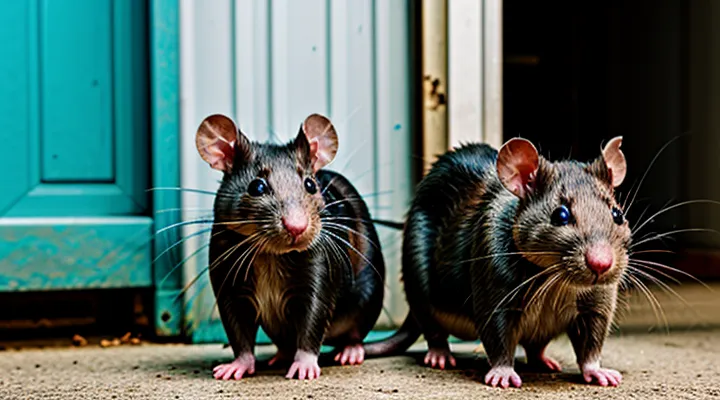
«Understanding the Estrous Cycle in Female Rats»
«What is Estrous?»
Estrous refers to the recurring reproductive cycle in female rats during which the animal becomes sexually receptive. The cycle is regulated by hormonal fluctuations that prepare the body for potential mating and pregnancy.
The cycle consists of four stages. Proestrus marks the rise of estrogen, leading to physiological changes that culminate in estrus, the brief period of maximal receptivity. Metestrus follows estrus, characterized by declining estrogen and increasing progesterone, and ends with diestrus, a phase of hormonal stability that prepares the animal for the next cycle. In laboratory rats, the entire sequence lasts approximately four to five days, with estrus lasting 12‑24 hours.
Observable indicators of estrus in rats include:
- Swollen vulva and reddened genital area
- Lordosis posture when approached by a male
- Increased locomotor activity, especially during the dark phase
- Frequent ultrasonic vocalizations associated with mating behavior
- Elevated urine marking with a distinct odor
Effective management during this period requires vigilance and appropriate adjustments. Separate females displaying estrus from males if breeding is not intended to prevent unwanted pregnancies. Provide nesting material and a calm environment to reduce stress, which can disrupt hormonal balance. Ensure a diet rich in protein and calcium to support reproductive physiology. Monitor for excessive aggression or signs of distress; consult a veterinarian if abnormal behavior or health issues arise.
«Key Phases of the Estrous Cycle»
«Proestrus»
Proestrus marks the transition from estrus to the fertile phase of the rat’s reproductive cycle. Hormonal fluctuations, primarily rising estrogen, trigger physiological and behavioral changes that signal the imminent ovulation period.
Typical manifestations of proestrus include:
- Swelling of the vulvar area and increased glandular secretions.
- Heightened activity and frequent pacing within the cage.
- Increased vocalizations, especially during the night.
- Slight weight gain due to fluid retention in the reproductive tract.
- Elevated grooming of the genital region.
Management considerations during this stage focus on minimizing stress and supporting health:
- Provide a quiet, stable environment; avoid sudden noises, handling, or cage rearrangements.
- Ensure constant access to fresh water and a balanced diet rich in protein and essential fatty acids.
- Monitor temperature and humidity; maintain levels conducive to comfortable respiration and skin integrity.
- Keep bedding dry and clean to prevent infections associated with increased secretions.
- Observe for signs of distress or abnormal swelling; consult a veterinarian promptly if lesions or excessive discharge appear.
Understanding proestrus enables caretakers to anticipate the onset of estrus, adjust husbandry practices accordingly, and reduce the risk of reproductive complications.
«Estrus (Heat)»
Estrus, commonly called heat, is the period during which a female rat becomes sexually receptive and capable of conceiving. Hormonal fluctuations trigger physiological changes that manifest as observable behaviors and physical signs.
Typical indicators of estrus include:
- Increased vocalization, especially high‑pitched squeaks.
- Frequent mounting attempts toward other rats or objects.
- Persistent sniffing and investigation of the genital area.
- Swelling and reddening of the vulva.
- Elevated activity levels and restlessness.
The estrous cycle in rats lasts about four to five days, with the estrus phase occupying roughly 12‑24 hours. Hormone levels, particularly estrogen, peak during this window, influencing both behavior and reproductive readiness.
Care considerations for rats in heat:
- Provide additional enrichment to channel heightened activity, such as tunnels, chew toys, and climbing structures.
- Maintain a clean cage environment to reduce stress from increased urine marking.
- Monitor food and water intake; slight reductions may occur, so ensure constant availability.
- Separate males from females if breeding is not intended, to prevent unwanted litters and aggressive encounters.
- Observe for signs of distress or injury, especially if multiple rats are housed together, and intervene promptly if conflicts arise.
«Metestrus»
Metestrus follows the estrus phase in female rats and marks the transition from ovulation to the luteal stage. Progesterone rises as the corpus luteum forms, while estrogen levels decline. The uterus prepares for possible implantation, and the animal’s reproductive tract undergoes structural changes.
Observable indicators during metestrus include:
- Reduced sexual receptivity; females no longer solicit males.
- Slight swelling of the vulvar area that subsides after estrus.
- Decreased activity of the vaginal opening, observable during routine checks.
- Mild weight gain attributable to fluid retention in the reproductive organs.
Effective management of rats in metestrus requires:
- Maintaining stable temperature and humidity to avoid stress‑induced hormonal disruption.
- Providing a balanced diet enriched with calcium and vitamin E to support luteal function.
- Monitoring body condition daily; intervene if excessive weight gain or edema appears.
- Limiting exposure to male rats to prevent premature mating attempts.
- Ensuring clean bedding to reduce infection risk, as the uterine lining becomes more susceptible during this phase.
«Diestrus»
Diestrus is the luteal phase of the rat estrous cycle, occurring after ovulation and lasting approximately 12–14 days. Hormone levels shift markedly: progesterone rises, while estradiol and luteinizing hormone fall. The uterine lining thickens, preparing for potential implantation, and the animal’s reproductive behavior changes.
During diestrus, observable signs differ from the proestrus and estrus stages. Rats typically exhibit reduced sexual receptivity, decreased vocalizations, and a calmer demeanor. Vaginal cytology shows a predominance of leukocytes and occasional cornified cells, indicating the transition away from fertile readiness.
Care considerations for rats in diestrus focus on maintaining health and minimizing stress:
- Provide a stable environment with consistent temperature and lighting to support hormonal balance.
- Ensure a diet rich in protein, calcium, and essential fatty acids to sustain luteal function.
- Monitor weight and appetite; loss of appetite may signal underlying pathology.
- Avoid handling that provokes aggression or anxiety, as heightened stress can disrupt the luteal phase.
- Observe vaginal smears regularly if breeding management is required, confirming the diestrus status before introducing a male.
Understanding diestrus allows caretakers to recognize the normal cessation of heat signs and to apply appropriate husbandry practices that promote reproductive well‑being.
«Typical Duration and Frequency»
Rats experience a regular estrous cycle that lasts approximately four to five days. Each cycle progresses through proestrus, estrus, metestrus, and diestrus, with the estrus stage—when the animal is receptive to mating—occupying roughly 12 to 24 hours.
Given the cycle length, a healthy adult female rat will enter heat about six to eight times per month. The intervals between estrus periods are consistent, allowing predictable timing for observation or intervention.
Individual variation can shift these figures by one day shorter or longer, depending on age, strain, nutrition, and environmental stressors. Younger rats may show slightly abbreviated cycles, while older individuals often present extended diestrus phases, reducing overall frequency.
For caretakers, recognizing the brief window of estrus is essential. Monitoring should focus on the 12‑hour peak, during which behavioral signs such as increased vocalization, restlessness, and mounting behavior are most evident. Outside this period, hormonal fluctuations are minimal, and typical care routines remain unchanged.
«Identifying Signs of Estrus in Your Pet Rat»
«Behavioral Changes»
«Increased Activity and Restlessness»
Rats experiencing the reproductive cycle often display a marked rise in activity and restlessness. The surge in locomotion reflects hormonal changes that heighten alertness and drive exploratory behavior.
Typical manifestations include frequent running on wheels, rapid pacing along cage walls, constant grooming, and repeated attempts to escape the enclosure. Males may become more aggressive, while females exhibit heightened vocalizations and frequent mounting of objects.
Effective management focuses on minimizing stress and providing appropriate outlets for energy:
- Increase enrichment with tunnels, chew toys, and climbing structures.
- Extend wheel size to accommodate faster running without injury.
- Maintain a stable temperature and reduce loud noises to prevent agitation.
- Separate aggressive individuals to prevent injuries.
- Offer regular, balanced meals and fresh water to support metabolic demands.
Monitoring behavior allows early detection of complications such as injuries or dehydration, enabling timely veterinary intervention.
«Lordosis Reflex»
The lordosis reflex is a stereotyped arching of the back that female rats display when they are sexually receptive. The response is triggered by hormonal changes that peak during estrus, specifically elevated estradiol levels that sensitize neural pathways in the spinal cord. When a male or a simulated stimulus contacts the flank, the female lifts her hindquarters, widens the pelvis, and maintains the posture for several seconds.
Observable indicators accompanying the reflex include:
- Frequent lordosis arches during handling or when a male is present.
- Increased vocalizations and scent‑marking behavior.
- Swollen vulva and a slightly reddened genital area.
- Restlessness and heightened activity in the cage.
Care considerations for rats exhibiting the lordosis reflex focus on minimizing stress and supporting healthy reproduction:
- Provide a quiet, temperature‑controlled environment; avoid sudden noises and temperature fluctuations that can suppress the reflex.
- Limit handling to gentle, brief interactions; excessive manipulation may interrupt the hormonal cycle.
- Ensure access to high‑quality nutrition rich in protein and essential fatty acids to sustain estrous hormone production.
- Separate females from aggressive males if aggression is observed; monitor pairings closely to prevent injury during mating attempts.
- Maintain clean bedding to reduce odor buildup, which can interfere with pheromonal communication essential for the reflex.
Recognizing the lordosis reflex allows caretakers to identify the optimal breeding window, adjust husbandry practices, and prevent unnecessary stress that could compromise reproductive success.
«Ear Wiggling»
Ear wiggling is a reliable indicator that a female rat is entering estrus. The movement is deliberate, rhythmic, and often accompanied by a slight tilt of the head. This behavior signals hormonal changes that prepare the animal for potential breeding.
Key observations related to ear wiggling:
- Frequency increases to several wiggles per minute.
- Occurs alongside other estrus signs such as swelling of the vulva and heightened vocalizations.
- Persists for a short window, typically 12–24 hours, before declining.
Care considerations when ear wiggling is detected:
- Provide a quiet, stress‑free environment to prevent disruption of the reproductive cycle.
- Ensure ample nesting material; females may construct nests in anticipation of offspring.
- Monitor food and water intake, as appetite can fluctuate during this period.
- If breeding is intended, introduce a compatible male after confirming the peak of ear wiggling to maximize conception chances.
- Keep the cage clean but avoid excessive handling, which can cause hormonal stress.
Recognizing ear wiggling allows owners and caretakers to respond promptly, supporting the rat’s health and any planned breeding program.
«Tail Flagging»
Tail flagging refers to the rhythmic elevation and lateral movement of a rat’s tail that frequently appears when a female enters estrus. The behavior signals hormonal shifts, heightened sexual receptivity, and readiness to mate. Neurological pathways linking the hypothalamic release of gonadotropin‑releasing hormone to spinal motor neurons generate the characteristic tail motion.
During the estrous phase, the tail becomes more flexible, and the flagging pattern intensifies in response to male presence, olfactory cues, and visual stimulation. The motion is usually synchronized with vocalizations and increased locomotor activity. Observers can distinguish flagging from normal grooming by its repetitive, outward swing and the absence of self‑directed cleaning.
Recognizing tail flagging helps caretakers differentiate normal reproductive behavior from stress‑related posturing. Persistent flagging without accompanying signs of heat, such as lordosis or increased scent marking, may indicate discomfort, pain, or neurological disturbance. Regular observation allows early detection of abnormal patterns that warrant veterinary assessment.
Practical measures for managing tail flagging include:
- Providing a quiet, low‑stress environment to reduce unnecessary stimulation.
- Ensuring ample nesting material and hiding places to allow the rat to retreat if needed.
- Limiting direct male exposure when breeding is not intended, thereby preventing unwanted pregnancies.
- Monitoring for injuries to the tail or hindquarters; any swelling, discoloration, or loss of mobility requires immediate veterinary attention.
- Scheduling routine health checks during the estrous cycle to confirm that flagging remains a normal reproductive sign.
By maintaining appropriate housing conditions, limiting unintended breeding interactions, and conducting systematic health evaluations, caretakers can support the well‑being of rats displaying tail flagging while preventing complications associated with the reproductive cycle.
«Increased Affection or Irritability»
Rats experiencing estrus often display a marked change in social behavior. The shift can appear as heightened affection toward cage mates or owners, or as sudden irritability and aggression. Recognizing these patterns helps prevent injuries and supports the animal’s well‑being.
Signs of increased affection include frequent grooming of humans or other rats, persistent climbing onto hands, and vocalizations that sound softer than usual. Irritable rats may bite more readily, chase cage mates aggressively, or emit sharp, repetitive squeaks. Both responses may alternate within the same day as hormone levels fluctuate.
Effective care strategies:
- Keep the enclosure clean and well‑ventilated to reduce stress triggers.
- Provide additional enrichment items such as tunnels, chew toys, and climbing structures to channel excess energy.
- Separate particularly aggressive individuals temporarily, using a neutral cage to prevent wounds.
- Monitor food and water intake; hormonal changes can alter appetite, so ensure constant access to fresh supplies.
- Limit handling sessions when irritability peaks; resume gentle interaction when the rat shows calm or affectionate behavior.
Observing these behavioral cues and adjusting the environment accordingly minimizes conflict and promotes a smoother transition through the reproductive cycle.
«Physical Indicators»
«Changes in Vaginal Secretions»
Vaginal secretions provide a reliable external indicator of estrus in female rats. During the fertile phase, the epithelium of the vaginal canal produces mucus that differs markedly from the baseline state.
Observable changes include:
- Color: transition from clear or pink to a milky white or slightly yellow hue;
- Consistency: shift from scant, watery fluid to a copious, creamy, and viscous discharge;
- Quantity: noticeable increase in volume, often visible on the perineal area or bedding;
- Odor: emergence of a faint, musky scent detectable by close observation.
These alterations result from the surge of estrogen that stimulates cervical glands to secrete mucus optimized for sperm transport. Progesterone levels rise subsequently, reducing secretion volume and altering texture as the cycle progresses toward diestrus.
Effective monitoring requires daily visual inspection of the perineal region and bedding. Record the onset, peak, and regression of the described characteristics to pinpoint the most fertile window. Maintain clean housing conditions; replace soiled bedding promptly to prevent irritation or infection. If discharge appears discolored, unusually thick, or accompanied by swelling, consult a veterinarian, as these signs may indicate pathology rather than normal estrus.
«Subtle Genital Swelling»
Subtle genital swelling appears as a slight enlargement of the vulva or preputial area, often only a few millimeters beyond the animal’s normal size. The change is most noticeable when the rat is observed from a side angle, where the tissue may look slightly puffed but retains its usual coloration and texture. Swelling typically emerges early in the estrus cycle and may persist for several days before gradually receding.
The swelling differs from inflammatory or infectious swelling in several ways. It lacks redness, heat, or discharge, and the surrounding skin remains smooth. The size increase is modest, usually less than 2 mm in diameter, and does not interfere with the rat’s normal movement or grooming behavior. If the tissue becomes reddened, oozes, or the rat shows signs of discomfort, a veterinary assessment is warranted to rule out infection or trauma.
Care for rats exhibiting this sign focuses on observation and environmental management:
- Monitor the swelling daily; record size and any changes in appearance.
- Maintain a clean cage to prevent secondary irritation.
- Provide a balanced diet rich in protein and essential fatty acids to support hormonal health.
- Limit stressors such as loud noises, abrupt temperature shifts, and overcrowding.
- Contact a veterinarian if swelling enlarges rapidly, becomes painful, or is accompanied by abnormal behavior.
Prompt, consistent monitoring ensures the swelling is recognized as a normal reproductive indicator rather than a pathological condition, allowing appropriate care without unnecessary intervention.
«Caring for a Rat During Heat»
«Maintaining a Stress-Free Environment»
«Providing Enrichment»
Providing enrichment for rats experiencing estrus helps manage heightened activity and stress. Enrichment should address both physical and mental stimulation while respecting the animal’s physiological changes.
Introduce varied textures such as untreated wood blocks, sisal rope, and shredded paper. These materials encourage chewing, a natural behavior that intensifies during hormonal cycles. Rotate items weekly to maintain novelty and prevent habituation.
Offer puzzle feeders that require manipulation to release food. The increased effort satisfies the rat’s urge to explore and reduces the likelihood of repetitive grooming or aggression toward cage mates.
Implement vertical space with climbing ladders, hammocks, and multi‑level platforms. Elevated surfaces allow rats to observe their environment from different perspectives, a behavior that becomes more pronounced when hormonal levels rise.
Schedule short, interactive sessions outside the cage using safe, supervised handling. Gentle play with a fingertip or a small wand provides tactile contact, which can soothe nervousness without interfering with the breeding cycle.
Maintain a consistent cleaning routine, but avoid overly strong scents or sudden changes in bedding. Use absorbent, low‑dust substrates and replace them gradually to prevent disruption of the rat’s olfactory cues, which are especially sensitive during this period.
By combining tactile, cognitive, and spatial enrichment, caretakers can create an environment that supports the rat’s natural instincts while mitigating the challenges associated with the heat phase.
«Minimizing Unwanted Attention from Male Rats»
Male rats are drawn to females in estrus by scent and visual cues. Reducing this attraction prevents stress, injury, and breeding accidents.
- Keep females in separate cages with solid barriers that block scent transmission; use airtight lids and replace bedding frequently.
- Apply unscented, rodent‑safe cleaning agents to eliminate residual pheromones from the enclosure.
- Limit exposure time by housing females in a dedicated room away from male colonies; restrict door openings to essential maintenance only.
- Use odor‑absorbing materials such as activated charcoal or zeolite packets inside the female cage to neutralize volatile compounds.
- Maintain consistent lighting cycles; abrupt changes can enhance hormonal signals that attract males.
- Monitor female behavior for signs of heightened receptivity (e.g., increased vocalizations, mounting posture) and relocate her immediately if male presence is unavoidable.
Implementing these measures curtails unsolicited male attention, supporting the health and welfare of both sexes during the reproductive phase.
«Health Considerations»
«Hydration and Nutrition»
Rats experiencing estrus display heightened metabolic demand, which can quickly lead to dehydration if water access is insufficient. Provide multiple water sources, such as ceramic bowls and sipper tubes, and refresh them several times daily to encourage consistent intake. Adding a few drops of unsweetened electrolyte solution to drinking water can offset increased loss of salts through urination.
Nutritional adjustments support the physiological changes of heat. Offer a diet richer in high‑quality protein to sustain hormone production, and include calcium‑rich foods—hard‑boiled egg, low‑fat cheese, or fortified kibble—to aid reproductive tissue development. Incorporate fresh vegetables with high moisture content, such as cucumber and lettuce, to augment fluid consumption while supplying essential vitamins.
Monitor consumption patterns closely. A sudden decline in water or food intake, dry feces, or concentrated urine indicates emerging dehydration. In such cases, introduce softened pellets soaked in water and consider temporary feeding of high‑energy supplements, like pasteurized whey or commercial rodent recovery formulas, until normal intake resumes.
Key care points:
- Provide at least two clean water stations per cage; replace water every 12 hours.
- Add a pinch of unflavored electrolyte powder to one water source, not exceeding 0.5 % concentration.
- Upgrade protein content to 20–25 % of the diet; ensure calcium‑phosphorus ratio remains near 1.2:1.
- Offer daily servings of moisture‑rich greens (30–40 g per 100 g body weight).
- Observe urine color; pale yellow indicates adequate hydration, dark amber signals deficit.
Consistent application of these hydration and nutrition strategies reduces stress, maintains body weight, and promotes healthy reproductive cycles in female rats undergoing heat.
«Monitoring for Complications»
During the estrus period, rats are prone to health disturbances that may progress rapidly if unnoticed. Continuous observation protects both the animal and the breeding program.
Common complications include:
- Excessive nasal or ocular discharge indicating respiratory infection.
- Persistent lethargy or refusal to eat, suggesting gastrointestinal upset or metabolic imbalance.
- Swelling or redness of the mammary glands, a sign of mastitis.
- Unusual bleeding or clotting from the genital tract, pointing to reproductive tract injury.
- Sudden weight loss exceeding 10 % of body mass, often linked to systemic disease.
Effective monitoring relies on regular, timed assessments:
- Record body weight and food intake each morning.
- Inspect fur, skin, and genital area for edema, discoloration, or lesions.
- Listen for abnormal respiratory sounds during brief handling.
- Observe behavior for signs of pain, such as hunching or reduced mobility.
- Collect and examine any discharge using sterile swabs and a microscope.
When a complication is identified, immediate steps are mandatory:
- Isolate the affected rat to prevent transmission.
- Initiate supportive care—fluid therapy for dehydration, analgesics for pain, and antibiotics for confirmed infection.
- Notify a veterinarian with detailed observations and test results.
- Adjust environmental conditions, including temperature, humidity, and bedding, to reduce stress.
Consistent documentation of findings creates a reference for future cycles and facilitates early detection of recurring issues.
«Decisions Regarding Breeding»
«Ethical Considerations»
Handling rats that are experiencing estrus demands strict adherence to animal‑welfare standards. Care providers must prioritize the animals’ physical comfort and psychological stability while observing the physiological changes associated with the reproductive cycle.
- Provide cage enrichment that reduces agitation without introducing stimuli that could exacerbate hormonal stress.
- Limit handling to essential procedures; use gentle restraint techniques to avoid injury.
- Prevent unintended breeding by separating males and females or by implementing controlled mating protocols under veterinary supervision.
- Ensure all interventions, including hormone‑related treatments, are prescribed by a qualified veterinarian and recorded in a health log.
- Obtain explicit consent from pet owners before initiating any diagnostic or therapeutic actions.
- Follow institutional animal‑care guidelines and local legislation governing the use of laboratory or companion rodents.
- Apply humane euthanasia methods only when severe distress or unmanageable health complications arise, in accordance with accepted veterinary practice.
Regular audits of housing conditions, health records, and procedural compliance reinforce ethical accountability. Continuous training for staff on species‑specific behavior and stress indicators supports responsible stewardship throughout the estrus period.
«Finding a Suitable Mate»
During the estrus phase, female rats actively seek partners that will maximize reproductive success. Successful mate selection depends on observable male characteristics, behavioral cues, and environmental conditions.
Key factors for identifying an appropriate mate include:
- Physical vigor: Muscular tone, bright fur, and absence of injuries indicate health.
- Dominance displays: Consistent territorial marking, upright posture, and controlled aggression signal genetic fitness.
- Scent profile: Strong, species‑specific pheromone output, detectable by the female’s olfactory receptors, guides attraction.
- Activity level: Regular exploration and prompt response to stimuli reflect neurological vitality.
- Compatibility with habitat: Males accustomed to the same cage setup or enrichment items reduce stress during copulation.
Providing a stable environment—adequate space, nesting material, and consistent temperature—enhances the likelihood that females will encounter and accept males meeting these criteria. Monitoring interactions and intervening only when aggression escalates prevents injury and supports successful breeding outcomes.
«Preparing for Pregnancy»
Rats enter estrus when hormonal changes trigger receptivity to mating. Visible indicators include swollen vulva, frequent lordosis, and increased activity around male scents. Observing these signs enables timely pairing for breeding programs.
Before initiating mating, conduct a health evaluation. Confirm absence of respiratory infections, parasites, and dental problems. Verify that the female’s weight falls within the optimal range for reproduction (typically 150‑250 g for common laboratory strains). Record baseline body condition to detect pregnancy‑related changes.
Provide a diet enriched with protein, calcium, and essential fatty acids. Offer fresh water, high‑quality pellets, and occasional leafy greens. Supplement with a prenatal vitamin formulated for rodents, following manufacturer dosage guidelines. Maintain a temperature of 20‑24 °C and a light cycle of 12 hours light/12 hours dark to support hormonal stability.
Monitor the female after pairing:
- Check for a steady increase in abdominal girth beginning around day 10 post‑mating.
- Weigh daily; a gain of 1‑2 g per day signals normal development.
- Observe nesting behavior; construction of a nest indicates impending parturition.
If abnormalities arise—such as sudden weight loss, lethargy, or discharge—consult a veterinarian experienced with rodents. Early intervention reduces the risk of miscarriage and improves litter viability.
«Common Misconceptions About Rat Heat»
«Myth vs. Fact: Aggression During Heat»
Myths claim that rats become violently aggressive when they enter estrus, attacking cage mates and humans with heightened ferocity. This belief stems from observations of increased vocalizations and restlessness, which many interpret as hostility.
Facts show that hormonal changes during the reproductive cycle can lead to heightened territorial behavior, but true aggression is uncommon. Female rats may display brief chases or dominance displays to establish hierarchy, yet they rarely inflict serious injury. Males may become more assertive, especially if a receptive female is present, but their actions are typically limited to mounting attempts rather than outright aggression.
Key points distinguishing myth from reality:
- Vocalization: Increased squeaking reflects discomfort, not hostility.
- Chasing: Short, non‑lethal pursuits establish rank; they do not indicate murderous intent.
- Bite risk: Bites are rare and usually result from mishandling, not hormonal aggression.
- Human interaction: Proper handling reduces stress; rats remain docile when approached calmly.
Understanding these distinctions helps caretakers provide appropriate environment—adequate space, enrichment, and gentle handling—thereby preventing misinterpretation of normal estrus behavior as dangerous aggression.
«Impact on Spayed Female Rats»
Spayed female rats do not undergo estrus, yet they remain sensitive to the hormonal cues emitted by intact males and females in heat. Exposure to these cues can trigger several physiological and behavioral responses.
- Elevated stress hormones may appear, reflected in increased cortisol levels and restless activity.
- Pheromonal signals can cause temporary changes in appetite, with some individuals eating less while others show heightened curiosity toward the source.
- Social dynamics shift; spayed females may become more submissive or, conversely, display defensive aggression when confronted with mating displays from unaltered counterparts.
- Immune function may experience mild suppression, making the animal more vulnerable to opportunistic infections during periods of heightened ambient pheromone concentration.
Care strategies focus on minimizing exposure and supporting stability.
- Keep spayed females in separate cages or provide visual barriers when heat cycles are observed in the colony.
- Maintain consistent temperature, humidity, and lighting to reduce additional stressors.
- Offer enrichment items that encourage distraction, such as chew toys and tunnels, to mitigate anxiety.
- Monitor food and water intake closely; supplement with high‑quality protein sources if appetite declines.
- Conduct regular health checks, paying particular attention to signs of respiratory irritation or skin changes that can arise from pheromone overload.
By implementing these measures, caretakers can preserve the well‑being of spayed females while other rats experience reproductive activity.
«When to Consult a Veterinarian»
«Unusual or Prolonged Heat Cycles»
Rats experiencing heat cycles that last longer than the typical 4‑6 day period may display atypical behavior and physiological changes. Recognize these patterns promptly to prevent health complications.
Common indicators of an extended estrus include:
- Persistent vocalizations, especially high‑pitched squeaks, lasting beyond the usual duration.
- Continuous lordosis posture without the normal decline after several days.
- Increased aggression toward cage mates or humans that does not subside.
- Excessive swelling of the vulva or persistent discharge.
- Weight loss or reduced food intake despite ongoing sexual activity.
Potential causes for such abnormalities are:
- Hormonal imbalances triggered by stress, poor nutrition, or environmental factors.
- Underlying medical conditions such as ovarian cysts, uterine infections, or endocrine disorders.
- Exposure to external hormones or substances that interfere with the reproductive axis.
Management strategies focus on alleviating discomfort and addressing the root cause:
- Isolate the affected rat to reduce stress and prevent injury to others.
- Provide a quiet, temperature‑controlled environment with ample bedding.
- Offer high‑calorie, easily digestible foods to counteract weight loss.
- Schedule a veterinary examination to identify infections, cysts, or hormonal disorders.
- Follow the veterinarian’s treatment plan, which may include antibiotics, anti‑inflammatory medication, or hormonal therapy.
- After recovery, monitor subsequent cycles for normal length and behavior before re‑introducing the rat to its group.
Early detection and targeted care reduce the risk of reproductive complications and improve overall welfare.
«Signs of Infection or Discomfort»
Rats experiencing estrus may exhibit symptoms that indicate infection or discomfort. Recognizing these signs early prevents complications and supports welfare.
Common indicators include:
- Persistent sneezing, nasal discharge, or coughing
- Redness, swelling, or ulceration around the genital area
- Excessive licking or biting of the perineal region
- Unexplained lethargy or reduced activity levels
- Loss of appetite or sudden weight loss
- Fever, detectable by a rectal temperature above 101 °F (38.3 °C)
- Discharge from wounds, pus formation, or foul odor
When any of these manifestations appear, immediate intervention is required. Recommended actions:
- Isolate the affected rat to limit stress and prevent spread of pathogens.
- Conduct a thorough physical examination, noting the location and severity of lesions.
- Obtain a veterinary assessment; diagnostic tests may include cultures, blood work, or imaging.
- Initiate appropriate antimicrobial therapy based on veterinary prescription, adjusting dosage for the animal’s weight.
- Provide supportive care: maintain a warm, quiet environment, ensure easy access to fresh water, and offer highly palatable food.
- Monitor temperature and behavior twice daily; document changes to inform treatment adjustments.
Prompt detection and targeted treatment reduce the risk of chronic infection and improve the rat’s recovery during the reproductive cycle.