
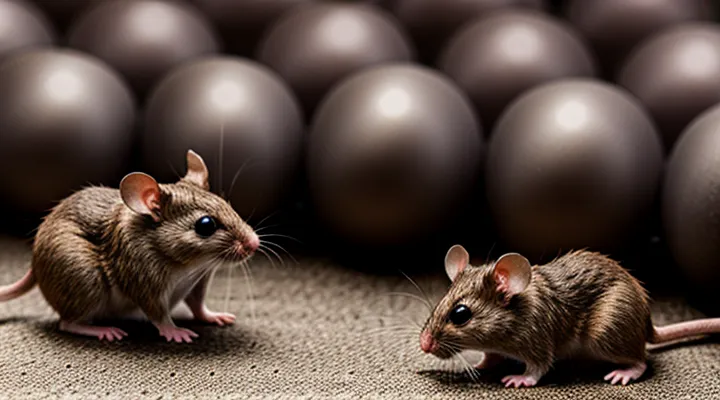
The Estrous Cycle in Female Mice
Proestrus: The Preparatory Stage
Proestrus marks the transition from a dormant ovarian state to active follicular development in female mice. Hormonal activity rises sharply, driven primarily by increasing estradi ‑ 1 (E1) and estradi ‑ 2 (E2) concentrations. These estrogens stimulate the growth of antral follicles and prepare the uterine lining for potential implantation.
Key physiological events during this stage include:
- Enlargement of ovarian follicles to a diameter of 2–3 mm.
- Up‑regulation of estrogen receptors in the hypothalamus, enhancing luteinizing hormone (LH) surge readiness.
- Thickening of the endometrium, with elevated expression of progesterone receptors.
- Initiation of behavioral changes, such as increased locomotor activity and scent marking, reflecting heightened sexual receptivity.
The proestrus interval typically lasts 12–16 hours in laboratory strains, though variability exists among wild populations. Serum LH and follicle‑stimulating hormone (FSH) levels begin to rise toward the end of this phase, setting the stage for the subsequent estrus period when ovulation occurs.
Estrus: The Mating Stage
Estrus marks the brief window when female mice are receptive to mating. Hormonal surge of luteinizing hormone triggers ovulation, and vaginal cytology shows a predominance of cornified cells. The phase lasts 12–16 hours and repeats every four to five days in a regular cycle.
During estrus, females display distinct behaviors: increased locomotion, scent‑marking, and lordosis posture in response to male advances. Males detect estrus through pheromonal cues on the female’s urine and vaginal secretions, leading to rapid courtship and copulation.
Key physiological and behavioral indicators of estrus include:
- Cornified cell dominance in vaginal smears
- Elevated estrogen levels peaking shortly before ovulation
- Heightened female activity and receptivity to male mounting
- Male aggression reduction and focused courtship behavior
Accurate identification of estrus enables precise timing of breeding pairs, ensuring optimal conception rates within the mouse reproductive timeline.
Metestrus: Post-Ovulation
Metestrus marks the interval immediately following ovulation in the female mouse reproductive cycle. It begins roughly 12–18 hours after the estrus peak and lasts 1–2 days, bridging the transition to diestrus.
During metestrus, circulating estrogen concentrations fall sharply while progesterone rises, reflecting luteal activity. Luteinizing hormone (LH) spikes have already subsided, and prolactin levels increase to support corpus luteum maintenance. The hormonal shift prepares the uterine environment for potential implantation.
Cytological examination of vaginal smears reveals a mixed cell population: residual cornified epithelial cells from estrus coexist with increasing numbers of leukocytes and nucleated epithelial cells. The uterus enlarges modestly, the endometrium thickens, and the newly formed corpus luteum becomes histologically evident in the ovary.
For breeding programs, metestrus defines the end of the fertile window. Mating attempts should be concluded by the onset of metestrus to ensure sperm encounter ovulated oocytes. Detection of a copulatory plug after this stage indicates that fertilization likely occurred during the preceding estrus.
Key characteristics of metestrus in mice:
- Onset: 12–18 hours post‑estrus
- Duration: 1–2 days
- Hormone profile: declining estradiol, rising progesterone, stable LH decline
- Vaginal cytology: mixed cornified cells and leukocytes
- Uterine state: endometrial preparation, mild enlargement
- Breeding implication: closure of optimal mating period
Understanding metestrus enables precise timing of pairings, accurate interpretation of plug data, and improved prediction of subsequent diestrus outcomes.
Diestrus: Resting Phase
Diestrus marks the quiescent interval of the mouse reproductive cycle, occurring after ovulation and preceding the next estrus. Hormone concentrations shift markedly: progesterone rises to maintain uterine quiescence, while luteinizing hormone (LH) and follicle‑stimulating hormone (FSH) decline to basal levels. The corpus luteum remains functional, producing the progesterone required for potential embryo implantation.
Typical features of the diestrus phase include:
- Duration of 2–3 days in laboratory strains under standard lighting and nutrition.
- Elevated plasma progesterone (approximately 10–20 ng mL⁻¹) compared with estrus levels.
- Reduced vaginal cytology activity; exfoliated cells are predominantly cornified and leukocyte‑free.
- Suppressed uterine epithelial proliferation, reflecting a non‑receptive endometrium.
Physiological consequences are confined to maintaining a receptive environment for a fertilized ovum, should conception have occurred. In the absence of implantation, luteal regression initiates, progesterone declines, and the cycle re‑enters proestrus. Understanding diestrus timing aids in scheduling breeding experiments, synchronizing estrous induction, and interpreting hormonal assays.
Male Reproductive Physiology
Testicular Function
Testicular activity in male rodents accelerates as the breeding season progresses, ensuring a steady supply of sperm and hormones required for successful fertilization. Leydig cells synthesize testosterone, which drives the development of secondary sexual characteristics and sustains the progression of spermatogenesis. Sertoli cells provide structural support, nutrients, and regulatory signals to germ cells, coordinating their differentiation from spermatogonia to mature spermatozoa.
Spermatogenesis in mice follows a rapid cycle of approximately 35 days, with each seminiferous tubule segment completing a full wave of germ cell development every 4.5 days. This schedule yields a daily output of roughly 5 × 10⁶ sperm per testis, a quantity sufficient to meet the high mating frequency observed during the reproductive period.
Accessory structures contribute to sperm maturation and delivery. The epididymis stores and equips sperm with motility and fertilization capacity, while the vas deferens transports them to the ejaculatory ducts. Accessory glands add seminal fluid components that enhance sperm viability and facilitate copulation.
Key aspects of testicular function during the breeding phase:
- Testosterone production by Leydig cells
- Nutrient and signaling support from Sertoli cells
- Continuous spermatogenic cycle (~35 days)
- High daily sperm yield (≈5 × 10⁶ per testis)
- Integration with epididymal maturation and seminal fluid secretion
Sperm Production and Maturation
Sperm production in male mice begins in the seminiferous tubules of the testes, where germ cells undergo a defined sequence of divisions. Spermatogonia divide mitotically, producing primary spermatocytes that enter meiosis I to form secondary spermatocytes. These cells complete meiosis II, yielding haploid spermatids that differentiate into mature spermatozoa. The entire process, from spermatogonia to fully formed sperm, requires approximately 35 days.
Supportive cells regulate this progression. Sertoli cells provide structural scaffolding, secrete factors that guide spermatid maturation, and phagocytose residual cytoplasm. Leydig cells, situated in the interstitial tissue, synthesize testosterone, a hormone that sustains spermatogenesis and influences the blood‑testis barrier.
After release from the tubules, spermatozoa enter the epididymis, a highly convoluted duct where functional maturation occurs. In the caput region, sperm acquire basic motility; in the corpus, membrane composition is remodeled; in the cauda, sperm gain full motility and fertilization capacity. The epididymal transit lasts 2–3 days, after which sperm are stored in the cauda until ejaculation.
Key characteristics of mature mouse sperm include:
- Flagellar motility driven by ATP generated from mitochondrial activity.
- Acrosomal enzymes positioned for zona pellucida penetration.
- Plasma membrane proteins that mediate sperm‑egg interaction.
The coordinated output of spermatogenesis, hormonal support, and epididymal maturation ensures a continuous supply of fertilizable sperm during the breeding period of laboratory mice.
Mating Behavior and Fertilization
Courtship Rituals
Mice initiate pair bonding shortly after the female enters estrus, a narrow window that dictates the timing of successful fertilization. During this phase, both sexes display a suite of coordinated actions that ensure mate recognition and synchronization of reproductive readiness.
Male mice employ chemical and acoustic cues to attract a partner. Typical behaviors include:
- Deposition of urine‑borne pheromones on familiar surfaces, creating a scent trail that signals dominance and genetic fitness.
- Emission of ultrasonic vocalizations (USVs) that vary in frequency and duration, conveying the male’s physiological state.
- Rapid, low‑amplitude whisker taps and dorsal grooming that maintain proximity to the female while reducing aggression.
Female mice respond to these signals when they are receptive. Observable actions consist of:
- Increased locomotion toward the scent source, often accompanied by a raised tail that exposes the genital region.
- Release of estrus‑specific pheromones that modify male USV patterns, confirming receptivity.
- Acceptance of mounting attempts by allowing the male to grasp the neck region with his forepaws, a prerequisite for copulation.
The courtship sequence culminates in a brief mounting episode lasting 10–30 seconds, after which intromission occurs. Successful intromission aligns with the peak of the female’s luteal phase, ensuring that sperm encounter an optimally prepared oocyte. Failure to complete any step—such as inadequate pheromone signaling or mismatched USV timing—often results in aborted attempts and postpones breeding to the next estrous cycle.
Copulatory Plug Formation
The copulatory plug is a gelatinous mass that solidifies in the female reproductive tract immediately after successful mating. Its formation begins when seminal vesicle secretions mix with the coagulating gland protein, prostatic kallikrein, and sperm‑associated proteins. Within seconds, the mixture polymerizes, creating a viscous barrier that adheres to the vaginal epithelium.
Key aspects of plug development include:
- Composition: Primarily mucin‑type glycoproteins, fibrinogen‑like peptides, and enzymes that promote cross‑linking.
- Timing: Initiation occurs at ejaculation; full solidification is achieved within 5–10 minutes.
- Persistence: The plug remains intact for 24–48 hours, gradually degrading under the influence of uterine proteases.
Functionally, the plug serves several purposes:
- Sperm retention: By sealing the cervical opening, it reduces backflow of sperm, increasing the likelihood of fertilization.
- Mate guarding: It impedes subsequent copulations from rival males, thereby enhancing the first male’s paternity assurance.
- Immune modulation: The barrier limits exposure of sperm to the female immune system, decreasing phagocytic activity.
Removal of the plug is mediated by endogenous proteases such as matrix metalloproteinase‑9, which become active as the uterine environment prepares for implantation. In experimental settings, disruption of plug formation—through genetic knockout of coagulating gland proteins or pharmacological inhibition—leads to reduced fertilization rates and increased incidence of multiple paternity.
Understanding the biochemical pathways governing copulatory plug formation provides valuable insight into reproductive success and offers a target for manipulating breeding outcomes in laboratory mouse colonies.
Conception and Early Embryonic Development
Mating in laboratory mice occurs during the estrus phase, lasting 4–6 hours. The male deposits sperm in the vaginal canal; sperm travel through the cervix, uterus, and oviducts to meet the ovulated oocyte within 4–6 hours after copulation.
Fertilization takes place in the ampulla of the oviduct. The sperm head penetrates the zona pellucida, and the male and female pronuclei fuse to form a diploid zygote. The zygote initiates the first mitotic division approximately 20 hours post‑fertilization.
Early embryonic development proceeds through a series of cleavage divisions:
- 2‑cell stage: 24 hours after fertilization; blastomeres remain totipotent.
- 4‑cell stage: 36 hours; cells continue synchronous division.
- 8‑cell stage: 48 hours; transcription of embryonic genome begins.
- Morula: 60–72 hours; compacted ball of cells prepares for cavitation.
- Blastocyst: 84–96 hours; inner cell mass and trophectoderm differentiate, cavity forms.
At the blastocyst stage, the embryo hatches from the zona pellucida and implants into the uterine epithelium. Implantation initiates around day 4.5 post‑coitus, establishing trophoblast attachment and initiating placental development. Early embryonic signals, including cytokines and growth factors, regulate uterine receptivity and stromal decidualization, securing embryonic survival and progression to organogenesis.
Gestation and Parturition
Pregnancy Duration
Pregnancy in laboratory and house mice lasts approximately 19 – 21 days from conception to parturition. Most strains reach parturition on day 20, with a narrow variation of one to two days.
Factors that can modify the gestation period include:
- Genetic background: some inbred lines exhibit slightly shorter or longer cycles.
- Ambient temperature: cooler environments tend to extend gestation by up to 24 hours.
- Parity: first‑time mothers often deliver a day later than experienced females.
- Nutritional status: severe caloric restriction can delay delivery by one to two days.
The predictable length of gestation allows precise scheduling of breeding programs. Researchers calculate the expected birth date by adding 20 days to the detection of a copulatory plug, then plan cage changes, pup handling, and weaning accordingly. Accurate timing minimizes stress on the dam and maximizes pup survival rates.
Fetal Development
Fetal development in laboratory mice proceeds rapidly after fertilization, following a predictable timetable that aligns with the species’ reproductive cycle. Gestation lasts approximately 19–21 days, during which the embryo undergoes distinct morphological and physiological transitions.
- Days 0‑3 (Pre‑implantation): Zygote undergoes cleavage, forming a morula that develops into a blastocyst. Blastocyst hatches from the zona pellucida and prepares for uterine implantation.
- Days 4‑5 (Implantation): Blastocyst attaches to the uterine epithelium, establishing trophoblast‑derived placenta. Inner cell mass differentiates into the epiblast and primitive endoderm.
- Days 6‑8 (Early Organogenesis): Gastrulation creates the three germ layers. Neural plate forms, and the primitive heart tube begins to contract.
- Days 9‑12 (Mid‑organogenesis): Limb buds appear; somite segmentation defines vertebral column. Major organs, including liver, lungs, and kidneys, begin structural differentiation.
- Days 13‑15 (Late Organogenesis): Eyes develop optic vesicles; external genitalia become distinguishable. Respiratory system forms alveolar precursors.
- Days 16‑18 (Maturation): Hair follicles generate; skeletal ossification accelerates. Fetal movements become detectable.
- Days 19‑21 (Pre‑birth): Lungs produce surfactant; gastrointestinal tract prepares for suckling. Pup gains body weight, reaching approximately 1 g at birth.
Critical physiological milestones include the establishment of a functional placenta for nutrient exchange, the onset of fetal circulation, and the production of surfactant proteins essential for postnatal lung expansion. Deviations from the standard timeline often indicate embryonic loss or developmental disorders, underscoring the importance of precise staging in experimental studies of mouse reproduction.
Labor and Delivery
Mice enter labor after a gestation period of approximately 19‑21 days. The process begins with a surge of prostaglandins and a decline in circulating progesterone, triggering uterine contractions. Cervical dilation follows, allowing the passage of pups through the birth canal.
During parturition, each litter is expelled in a series of coordinated contractions lasting 30‑60 minutes. The average litter size ranges from 5 to 8 pups, though numbers can vary with strain and environmental conditions. Neonates are altricial: hairless, blind, and dependent on maternal care for thermoregulation and nutrition.
Key physiological events in the delivery phase include:
- Oxytocin release – amplifies uterine contractility and promotes milk let‑down.
- Maternal nesting behavior – females construct a secure nest prior to birth, providing insulation and protection.
- Pup positioning – the majority are delivered head‑first; occasional breech presentations may require maternal adjustment.
- Post‑delivery grooming – the dam cleans each pup, stimulating respiration and establishing scent cues for future recognition.
After birth, the mother initiates a nursing cycle, alternating between brief nursing bouts and periods of pup retrieval. Successful lactation depends on sustained prolactin levels and adequate maternal nutrition. Failure in any of these components—improper hormonal balance, inadequate nesting, or compromised maternal health—can increase pup mortality and affect subsequent reproductive performance.
Postpartum Care and Lactation
Nursing and Pup Rearing
Nursing begins immediately after parturition and lasts until the pups are weaned at approximately three weeks of age. The dam initiates lactation within hours, producing milk rich in protein, fat, and immunoglobulins that sustains rapid pup growth.
Pup‑dam interactions are frequent; litters typically nurse every 1–2 hours during the first week, with intervals extending to 3–4 hours as the pups mature. Milk composition shifts toward higher fat content after day 7, supporting increased energy demands.
Maternal care extends beyond milk provision. The dam maintains nest temperature, adjusts bedding, and performs vigorous grooming to stimulate pup circulation and prevent hypothermia. She also exhibits aggressive defense of the nest against intruders, ensuring a secure environment for the developing offspring.
Key developmental milestones during the nursing period:
- Day 1–3: Pup weight doubles; eyes remain closed; auditory canal unopened.
- Day 4–7: Ear pinna opens; whiskers emerge; locomotor activity begins.
- Day 8–14: Fur development; thermoregulation improves; solid food intake initiates.
- Day 15–21: Weaning completes; pups transition to independent feeding; social interactions increase.
Successful rearing depends on dam health, litter size, and environmental stability. Adequate protein intake for the dam, minimal stressors, and consistent ambient temperature (22–24 °C) correlate with higher pup survival rates and optimal growth trajectories.
Postpartum Estrous
Post‑parturient females of the house mouse enter an estrous phase within a short interval after delivering a litter. The onset typically occurs 12–24 hours postpartum, lasting 4–6 hours before returning to diestrus. Elevated prolactin and a rapid decline in progesterone trigger the resumption of the hypothalamic‑pituitary‑gonadal axis, permitting follicular development and luteinizing hormone surge. Vaginal cytology shows a predominance of cornified epithelial cells, confirming the estrus state.
Behaviorally, females display increased activity, mounting attempts, and receptivity to male advances. Males detect the estrus through pheromonal cues in urine and vaginal secretions, prompting copulatory behavior. Successful mating during this window can result in a second litter while the first remains in the nest, a phenomenon known as “overlapping litters.”
Key practical considerations for colony management:
- Monitor vaginal smears 12 hours after birth to identify estrus onset.
- Separate breeding pairs immediately after detection to prevent uncontrolled multiple paternity.
- Provide supplemental nesting material to reduce stress, which can suppress the postpartum estrus.
- Record the interval between parturition and estrus to assess strain‑specific reproductive efficiency.
Understanding the timing and hormonal profile of the postpartum estrus enables precise scheduling of breeding programs, improves litter output, and reduces the risk of cannibalism associated with unscheduled mating.
Factors Influencing Reproduction
Environmental Conditions
Environmental factors exert a decisive influence on the timing and efficiency of mouse breeding cycles. Precise control of these variables enables predictable estrous onset, optimal litter size, and reduced inter‑litter intervals.
Temperature regulates hypothalamic signaling that triggers ovulation. Laboratory strains achieve peak fertility at 20‑26 °C; deviations of ±3 °C suppress estrus frequency and prolong gestation. Maintaining a stable thermal environment eliminates seasonal fluctuations observed in wild populations.
Photoperiod modulates melatonin secretion, which in turn alters gonadotropin release. A 12‑hour light/12‑hour dark schedule supports regular estrous cycles, whereas extended darkness delays ovulation and reduces conception rates. Light intensity of 150–300 lux provides sufficient stimulus without inducing stress.
Humidity and ventilation affect respiratory comfort and pheromone dispersion. Relative humidity between 40 % and 60 % prevents dehydration of reproductive tissues, while adequate airflow removes excess ammonia that can impair mating behavior.
Nutrition supplies the substrates required for gametogenesis and embryonic development. Diets containing 18 %–20 % protein, balanced fatty acids, and unrestricted access to clean water correlate with higher conception percentages and larger litters.
Social environment, including cage density and male‑female ratio, shapes mating opportunities. Pairing one male with two to three females in a cage of at least 0.05 m³ per animal maximizes successful copulations while minimizing aggression.
Key environmental parameters
- Ambient temperature: 20‑26 °C, ±3 °C stability
- Light cycle: 12 h light/12 h dark, 150‑300 lux
- Relative humidity: 40 %‑60 %
- Air exchange: ≥15 changes hour⁻¹, ammonia <25 ppm
- Diet: 18 %‑20 % protein, balanced micronutrients, ad libitum water
- Cage space: ≥0.05 m³ per mouse, male‑to‑female ratio 1:2‑3
Adhering to these conditions produces a reproducible breeding pattern, reduces variability in experimental outcomes, and supports animal welfare standards.
Nutritional Status
Nutritional condition directly determines the timing of estrus onset, litter size, and offspring viability in breeding mice. Adequate protein intake (≥20 % of diet) accelerates follicular development, shortens the interval between mating and conception, and increases the number of viable embryos. Deficiency in essential amino acids delays the first estrus after weaning and reduces ovulation rate.
Energy balance modulates gonadotropin secretion. Positive energy balance, reflected by body weight gain of 5–10 % above baseline, elevates luteinizing hormone pulses, thereby advancing the fertile window. Negative energy balance, indicated by a 10 % weight loss, suppresses gonadotropin release, lengthens the inter‑estrus interval, and can halt ovulation entirely.
Micronutrients influence reproductive hormones and embryonic development.
- Calcium and vitamin D maintain calcium homeostasis essential for oocyte maturation.
- Selenium and zinc support antioxidant defenses, protecting gametes from oxidative damage.
- Folate ensures proper DNA synthesis, reducing early embryonic loss.
Dietary fat composition alters steroidogenesis. Diets rich in polyunsaturated fatty acids (≥5 % of total calories) increase progesterone production, supporting implantation and gestation maintenance. Saturated‑fat‑dominant diets correlate with reduced progesterone levels and higher incidence of resorption.
In summary, optimal protein, energy, micronutrient, and fatty‑acid profiles are required for efficient reproductive performance in laboratory mice. Deviations from these nutritional standards produce measurable delays in estrus, lower litter output, and increased embryonic mortality.
Genetic Predisposition
Genetic predisposition shapes the timing and efficiency of mouse reproduction through specific alleles that affect hormonal regulation, gonadal development, and behavior. Variants in genes such as Fshb, Lhb, and Esr1 modify follicle‑stimulating hormone release, luteinizing hormone surge, and estrogen receptor sensitivity, resulting in measurable differences in estrous cycle length and ovulation onset. Mutations in the Gnrh1 promoter alter GnRH pulse frequency, which directly impacts the timing of mating readiness.
Key genetic influences include:
- Hormone synthesis genes – determine baseline levels of reproductive hormones, influencing the interval between cycles.
- Receptor genes – modify tissue responsiveness, affecting the intensity of physiological responses to hormonal cues.
- Circadian rhythm genes – synchronize reproductive events with environmental light cycles, linking genetic clocks to breeding periods.
- Behavioral genes – regulate courtship and aggression, thereby affecting mate selection and successful copulation.
Selective breeding experiments demonstrate that lines homozygous for high‑efficiency alleles exhibit shorter inter‑estrous intervals and higher litter sizes, while lines carrying loss‑of‑function mutations display prolonged anestrus phases and reduced fecundity. These observations confirm that genetic background is a decisive factor in the reproductive schedule of laboratory mice and must be accounted for in experimental design and colony management.
Social Dynamics
During the reproductive phase of laboratory and wild mice, individuals organize into defined social groups that directly influence breeding outcomes. Group composition fluctuates as females enter estrus, prompting males to adjust their positions within the hierarchy.
Males occupy a dominance rank that predicts access to receptive females. The top-ranking male typically monopolizes the majority of mating opportunities, while subordinate males employ alternative tactics such as satellite mating or opportunistic copulations when the dominant male is distracted.
Key mating strategies include:
- Direct confrontation by dominant males to deter rivals.
- Sneaker behavior by lower-ranking males, involving brief, covert copulations.
- Delayed breeding by subordinates, waiting for the dominant male’s fatigue or removal.
Female mice exhibit communal nesting, whereby multiple mothers share a nest and jointly care for offspring. This cooperation enhances pup survival by distributing thermoregulatory duties and reducing individual predation risk. However, communal nesting also generates competition for resources, prompting females to establish micro‑territories within the shared space.
Chemical communication underpins the social structure. Pheromones released from the ventral gland and urine mark territories, signal reproductive status, and convey dominance cues. Males detect estrus‑related scent signatures, triggering aggressive or courtship responses depending on their rank.
Collectively, these social dynamics—hierarchical dominance, alternative mating tactics, cooperative nesting, and pheromonal signaling—shape the efficiency and variability of mouse breeding cycles.