
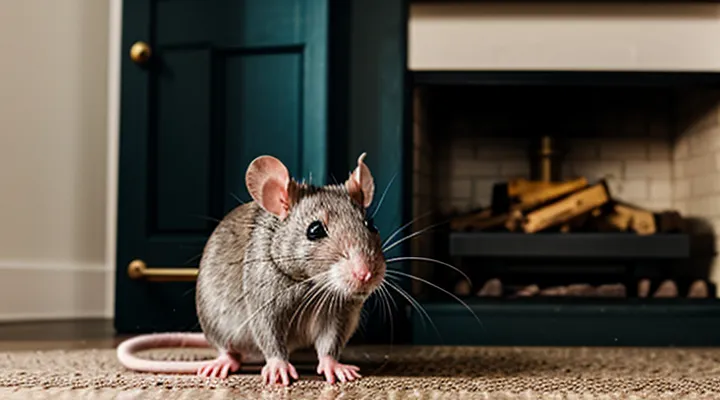
The Essential Rat Habitat: Basic Needs
Housing: The Foundation
Cage Size and Material
A rat’s enclosure must accommodate natural behaviors, including climbing, nesting, and foraging. Minimum floor space should be at least 2 sq ft (≈0.19 m²) per animal; larger groups require proportionally more area. A recommended baseline is 24 in × 36 in × 12 in (≈61 cm × 91 cm × 30 cm) for a single rat, with an additional 12 in × 12 in × 12 in (≈30 cm ³) per extra rat.
Material selection influences durability, hygiene, and safety:
- Wire cages: Use stainless steel or coated steel with a bar spacing of ≤½ in (≈1.3 cm) to prevent escape. Ensure the coating is non‑toxic and rust‑free; powder‑coat finishes are acceptable.
- Acrylic or polycarbonate enclosures: Provide clear visibility and ease of cleaning. Choose panels at least 4 mm thick to resist chewing and cracking.
- Flooring: Solid bottom preferred over wire mesh to avoid foot injuries. If wire flooring is necessary, cover with a thick, chew‑proof platform or a layer of aspen shavings.
- Lids and doors: Secure latch mechanisms must be lockable and free of gaps larger than ¼ in (≈0.6 cm). Transparent lids aid monitoring without disturbance.
Ventilation is critical; ensure at least one unobstructed air inlet and outlet per side of the cage. Position the enclosure away from direct sunlight, drafts, and temperature extremes, maintaining ambient temperature between 65–75 °F (18–24 °C). Regular cleaning cycles—full disassembly weekly and spot cleaning daily—preserve health and prevent odor buildup.
Location and Environment
A rat’s cage should occupy a quiet, stable area away from direct sunlight, drafts, and sudden temperature changes. The space must allow for uninterrupted ventilation while protecting the animal from household hazards such as cords, chemicals, and predators.
- Choose a room with consistent ambient temperature (18‑24 °C) and humidity (40‑60 %). Use a thermometer and hygrometer to monitor conditions.
- Position the cage on a solid, level surface; avoid placing it on top of heating vents, air conditioners, or near kitchen appliances that generate heat.
- Ensure at least 12 hours of natural or artificial light each day, with a gradual dimming period to mimic dusk. Provide a low‑intensity night light if the room is completely dark.
- Keep the enclosure away from loud appliances, televisions, and heavy foot traffic to reduce stress.
- Install a secure, escape‑proof lid and verify that all bars are spaced no wider than ½ inch to prevent accidental exits.
- Provide a secondary, insulated enclosure for quarantine or medical treatment, located in the same environmental zone to avoid acclimation issues.
Maintaining these parameters creates a stable habitat that supports the rat’s physical health, behavioral wellbeing, and longevity.
Food and Water: Sustenance
Diet Essentials
A rat’s diet must supply balanced nutrition to support rapid growth, high activity, and reproductive health.
- High‑quality laboratory‑grade pellets form the staple; provide ¼ cup per adult rat daily, divided into two feedings.
- Fresh vegetables deliver essential vitamins and fiber; offer ½ cup of mixed greens such as kale, romaine, and carrot tops each day.
- Fruit serves as occasional enrichment; limit to 1‑2 tablespoons of low‑sugar options like apple or berries, no more than twice weekly.
- Protein sources include cooked egg white, plain boiled chicken, or commercial rat treats; supply 1 teaspoon per day, ensuring low fat and no added salts.
- Clean water must be available at all times; use a stainless‑steel bottle with a fresh supply changed daily.
Avoid foods toxic to rodents: chocolate, caffeine, citrus peels, raw potatoes, and processed snacks containing salt or artificial additives.
Store pellets in an airtight container to preserve freshness and prevent mold. Rotate fresh produce to maintain variety and monitor for spoilage.
Observe weight, coat condition, and fecal consistency; adjust portions or ingredient mix promptly if signs of under‑ or over‑nutrition appear.
Water Source
Rats require constant access to clean, fresh water to maintain hydration, support digestion, and prevent urinary problems. A reliable water source eliminates the risk of dehydration and reduces stress.
Use a bottle designed specifically for small rodents. Features to verify:
- Stainless‑steel or BPA‑free plastic construction.
- Squeeze‑proof tubing with a secure, chew‑resistant cap.
- Capacity of at least 100 ml to minimize refilling frequency.
- Easy‑to‑clean interior and detachable nozzle.
Position the bottle at a height that allows the rat to reach the spout without stretching. Secure the bottle to the cage wall with a metal or plastic holder to prevent tipping and accidental spills.
Replace water daily. Clean the bottle and nozzle with warm, unscented soap, then rinse thoroughly. Disinfect weekly with a dilute vinegar solution (1 part vinegar to 4 parts water) to inhibit bacterial growth.
Monitor the water level visually or with a transparent bottle. Any reduction in flow, leaks, or signs of contamination require immediate replacement of the bottle or tubing.
Enrichment and Welfare: Beyond Basics
Bedding and Substrate: Comfort and Hygiene
Safe Bedding Options
Rats require bedding that is absorbent, dust‑free, and free of harmful oils. Choose materials that support respiratory health and allow natural burrowing behavior.
- Paper‑based bedding – shredded or pelletized; low dust, easy to replace, inexpensive.
- Aspen shavings – untreated hardwood; minimal aromatic oils, suitable for nesting.
- Coconut fiber (coir) – biodegradable, good moisture absorption, soft for paws.
- Fleece liners – washable fabric; provides warmth, eliminates waste tracking, reusable for months.
- Hemp bedding – natural fibers, low allergen potential, moderate cost.
Avoid pine, cedar, or scented litters, as volatile compounds can irritate the rat’s respiratory system. Replace paper, aspen, and coir bedding weekly or when soiled; wash fleece liners after each full change. Maintain a dry layer at the bottom of the cage to control humidity and prevent mold growth.
Cleaning and Maintenance
Proper cleaning and maintenance keep a rat healthy and prevent odor buildup.
Daily responsibilities include removing uneaten food, wiping spills, and checking water bottles for leaks. Replace fresh water each morning and sanitize the bottle with mild soap before refilling.
Weekly duties require a thorough cage purge. Dispose of all bedding, wash the cage interior with a diluted bleach solution (1 % concentration), rinse thoroughly, and dry before adding fresh, absorbent substrate. Scrub food dishes, chew toys, and hideouts with warm, soapy water; rinse and dry before returning them to the enclosure.
Monthly inspections focus on structural integrity and equipment performance. Examine wire mesh for rust or sharp edges, tighten loose bolts, and replace worn wheels or tunnels. Rotate or replace bedding to maintain optimal absorbency and reduce bacterial growth.
Checklist for cleaning and maintenance
- Remove debris and leftover food daily.
- Refresh water and sanitize the bottle each day.
- Perform a full cage clean weekly: discard bedding, disinfect surfaces, and reinstall fresh substrate.
- Wash all accessories (dishes, toys, hides) weekly with warm, soapy water.
- Inspect cage hardware monthly; replace damaged parts promptly.
- Rotate bedding monthly to prevent compaction and odor.
Adhering to this schedule ensures a hygienic environment, supports the rat’s well‑being, and reduces the need for veterinary intervention.
Toys and Stimulation: Mental Health
Chewing Opportunities
Rats require constant access to safe, chewable materials to maintain dental health and satisfy natural gnawing instincts. Their incisors grow continuously; without regular wear, overgrowth can lead to malocclusion, pain, and difficulty eating.
- Untreated wood blocks – hardwood such as maple, beech, or birch, free of chemicals and paints. Provide one block per rat, refreshed when worn.
- Natural branches – fresh, pesticide‑free twigs from fruit trees (apple, pear) or hardwoods. Offer a short length to prevent entanglement.
- Compressed cardboard – plain, unprinted corrugated sheets or tubes. Replace when softened or soiled.
- Nylon chew toys – vet‑approved, non‑toxic, durable designs. Inspect regularly for fraying; discard damaged pieces.
- Mineral chews – calcium‑rich, low‑sugar blocks formulated for small rodents. Use as supplemental source of nutrients.
Materials must be inspected before each use. Remove splinters, sharp edges, and any signs of mold or infestation. Rotate items weekly to sustain interest and prevent bacterial buildup. Clean reusable toys with warm, mild soap; rinse thoroughly and dry before returning to the cage.
Providing a varied selection of chewable objects supports dental wear, mental stimulation, and overall well‑being, fulfilling essential care requirements for a domesticated rat.
Climbing and Exploring
Rats thrive when they can move vertically and investigate confined spaces. Providing sturdy climbing structures encourages natural behavior, strengthens muscles, and reduces stress. Choose items that support weight, resist chewing, and allow easy cleaning.
- Multi‑level platforms made of untreated wood or solid plastic
- Ropes or climbing nets with a diameter of 1–1.5 cm, securely anchored
- Tubular tunnels of varying diameters; acrylic or PVC for durability
- Ladder rungs or stair steps with non‑slip surfaces
- Hammocks or suspended pads for rest after exploration
- Securely attached climbing walls with textured surfaces for grip
Each element should be positioned to create a clear route from the cage floor to the highest point, enabling continuous ascent and descent. Inspect connections daily for wear, replace frayed ropes, and sterilize surfaces weekly to prevent disease. Arrange items to avoid dead ends; ensure every climb leads to a safe landing area or a hideout for retreat. This configuration satisfies the rat’s instinct to scale, explore, and navigate its environment.
Hiding Places
Rats require secure retreats where they can rest, explore, and feel safe. Providing appropriate hiding spots reduces stress, encourages natural behaviors, and supports overall health.
- Wooden cabin – solid construction, easy to clean, fits comfortably in cages of various sizes.
- Ceramic igloo – non‑porous surface resists odors, offers a dark interior for nocturnal rest.
- PVC tunnel – lightweight, versatile, can be arranged into complex mazes for enrichment.
- Cardboard box – inexpensive, disposable, allows for frequent rotation to maintain novelty.
- Fabric pouch – soft texture, suitable for nesting, should be washed regularly to prevent mold.
Place each hideaway away from direct drafts and bright lights. Ensure openings are large enough for adult rats but small enough to prevent escape. Rotate or replace hides periodically to sustain interest and hygiene.
Socialization: Companionship
Importance of Multiple Rats
Rats thrive on companionship; solitary individuals exhibit heightened stress, reduced activity, and increased incidence of abnormal behaviors. Providing a pair or a small group satisfies their innate social structure and promotes stable emotional states.
- Mutual grooming reduces parasite load and reinforces social bonds.
- Shared exploration of the environment encourages natural foraging patterns, preventing stereotypic pacing.
- Co‑habitation facilitates thermoregulation, allowing rats to maintain optimal body temperature with less energy expenditure.
- Interaction with peers stimulates cognitive development, resulting in quicker problem‑solving and richer play behavior.
- Group living extends lifespan by mitigating chronic stress hormones and supporting immune function.
When assembling a multi‑rat enclosure, adhere to the following checklist items:
- Minimum of two rats of the same sex to avoid unwanted breeding.
- Age compatibility, preferably within a six‑month range, to ensure balanced social dynamics.
- Cage dimensions of at least 2 sq ft per rat, providing sufficient space for nesting, climbing, and separate zones.
- Multiple enrichment stations—tunnels, wheels, chew toys—distributed throughout the habitat to reduce competition.
- Separate feeding stations to prevent dominance hierarchies from limiting access to nutrition.
- Regular health monitoring of each individual, noting changes in weight, coat condition, and behavior.
Implementing these measures guarantees that the rats’ social requirements are met, leading to healthier, more active pets and a more manageable caregiving routine.
Interaction with Humans
Humans interact with pet rats through consistent handling, environmental enrichment, and health monitoring. Proper interaction reduces stress, promotes bonding, and supports the animal’s physical development.
- Approach the cage calmly; avoid sudden movements that may startle the rat.
- Offer treats with fingertips, allowing the rat to grasp the hand before lifting.
- Hold the rat gently behind the shoulders, supporting the torso and hindquarters.
- Limit handling sessions to five minutes for young rats and ten minutes for adults.
- Observe behavior for signs of discomfort, such as excessive squeaking or attempts to escape.
Daily interaction includes brief play periods outside the cage, during which the rat can explore a safe, enclosed area. Provide tunnels, chew toys, and climbing structures to encourage natural foraging and climbing behaviors. Rotate these items weekly to maintain novelty.
Health checks should accompany each handling session. Examine ears, eyes, and fur for abnormalities; monitor weight and appetite. Record observations in a log to identify trends over time.
Consistent, respectful handling establishes trust, enabling the rat to accept routine veterinary care and grooming without resistance.
Health and Safety: Prevention and Care
First Aid Kit Essentials
A well‑stocked first‑aid kit is a non‑negotiable component of responsible rat ownership. Immediate access to appropriate supplies reduces the risk of complications from injuries, illnesses, or accidental exposures.
- Sterile gauze pads and non‑adhesive bandages for wound control.
- Antiseptic solution (e.g., dilute chlorhexidine) to clean cuts and abrasions.
- Small‑diameter hemostatic gauze or cotton swabs for stopping bleeding.
- Veterinary‑approved analgesic (such as meloxicam) for pain relief, stored with dosage instructions.
- Electrolyte solution or oral rehydration salts for dehydration emergencies.
- Thermometer (digital, ≤ 105 °F range) to monitor body temperature accurately.
- Tweezers and blunt‑ended scissors for foreign‑object removal and precise trimming.
- Disposable gloves to maintain hygiene and protect both handler and animal.
- Emergency contact card with the veterinarian’s phone number, address, and after‑hours clinic details.
- Small container of sterile saline for eye or nasal irrigation.
Periodic inspection of the kit ensures that supplies remain sterile, unexpired, and ready for use. Replace depleted or out‑of‑date items promptly and keep the kit in a secure, easily reachable location within the rat’s habitat area.
Signs of Illness
Monitoring a rat’s health is a non‑negotiable component of any comprehensive home‑care plan. Early detection of disease relies on vigilant observation of behavior, appearance, and physiological functions.
- Reduced activity or reluctance to explore
- Hunched posture, difficulty moving, or limp
- Noticeable weight loss despite normal feeding
- Fluffed, ragged, or uneven fur; bald patches
- Discharge from eyes, nose, or ears; crusty eyes
- Labored breathing, wheezing, or nasal sounds
- Unusual drooling, excessive salivation, or foul breath
- Diarrhea, blood in stool, or sudden changes in fecal consistency
- Abnormal urination patterns, including frequent attempts without output
- Aggressive or unusually subdued temperament
Additional cues include a lack of appetite for several hours, a sudden decline in grooming, and visible swelling in limbs or abdomen. Any combination of these signs warrants immediate veterinary consultation.
If illness is suspected, isolate the rat to prevent stress, provide a quiet environment, and maintain hydration with fresh water. Record the onset, duration, and progression of symptoms before contacting a professional. Prompt treatment increases recovery chances and minimizes complications.
Veterinary Care
Veterinary care is a non‑negotiable element of responsible rat ownership. Routine examinations allow early detection of common health issues such as respiratory infections, skin lesions, and dental overgrowth. A qualified small‑animal practitioner should perform a full physical assessment at least twice a year, with additional visits when abnormal behavior, weight loss, or nasal discharge appear.
Key components of professional care include:
- Physical inspection: evaluation of eyes, ears, teeth, and coat condition.
- Dental management: monitoring incisor length; trimming may be required to prevent malocclusion.
- Parasite control: screening for mites, fleas, and internal worms; appropriate treatments administered as needed.
- Vaccination and preventive medicine: although rats rarely receive vaccines, prophylactic measures against specific pathogens are discussed with the veterinarian.
- Diagnostic testing: fecal analysis, blood work, or radiography performed when clinical signs suggest systemic disease.
- Emergency protocol: clear plan for rapid access to veterinary services in case of acute distress, such as severe bleeding or respiratory collapse.
Owners should maintain a health log documenting weight, diet, grooming, and any veterinary interventions. Prompt communication with the veterinarian regarding changes in condition ensures timely treatment and reduces the risk of complications.