
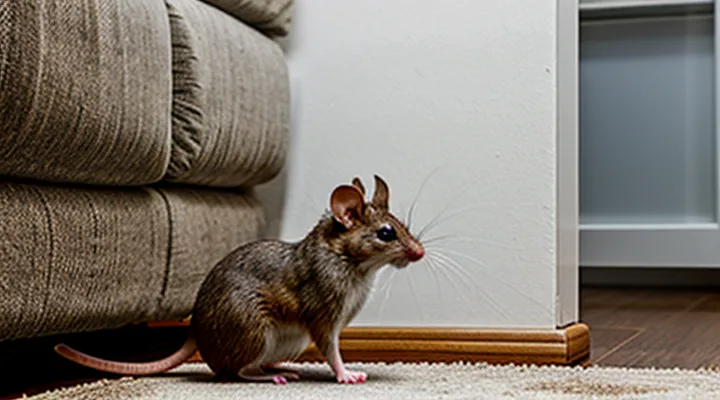
Recognizing the Signs of Infestation
Droppings and Urine Smells
Mouse droppings appear as small, dark, rice‑shaped pellets, typically 3–6 mm long. Locate them in kitchens, pantries, cabinets, behind appliances, and along walls where mice travel. Fresh droppings are glossy; older ones become dry and crumbly. Urine stains are invisible but leave a distinct, pungent odor that intensifies in confined spaces such as closets or utility rooms.
Health risks stem from pathogens carried in feces and urine, including hantavirus, salmonella, and leptospirosis. Inhalation of dried droppings or aerosolized particles during cleaning can cause respiratory illness. Direct contact may lead to skin irritation or infection.
Effective removal requires:
- Ventilate the area by opening windows and using fans.
- Wear disposable gloves, a fit‑tested N95 respirator, and eye protection.
- Wet droppings with a disinfectant solution (e.g., 10 % bleach) to prevent dust release.
- Scrape softened material into a sealed bag, then discard in a hard‑top trash container.
- Clean the surface with the same disinfectant, allowing a minimum of ten minutes of contact time before wiping dry.
- Launder any contaminated fabrics at 60 °C or higher.
To eliminate urine odor, apply an enzymatic cleaner specifically designed for rodent waste. Enzymes break down organic compounds, neutralizing the smell rather than masking it. After treatment, repeat the process if the odor persists.
Prevention measures focus on eliminating attractants and sealing entry points. Store food in airtight containers, promptly clean crumbs and spills, and repair cracks or gaps larger than ¼ inch in walls, floors, and utility openings. Regular inspections of suspected mouse pathways help detect new droppings before they accumulate.
Prompt identification, safe disposal, and thorough disinfection of droppings and urine residues are essential steps in controlling a rodent intrusion within an apartment complex.
Gnaw Marks and Damage
Mice leave distinctive bite marks on wood, plastic, wiring and insulation. The cuts are clean, shallow gouges roughly 2‑3 mm wide, often found near entry points, food storage areas and electrical panels.
These marks indicate several risks. Frayed insulation can expose live wires, increasing fire hazard. Damaged structural components weaken walls and flooring. Chewed cables may cause power outages or short circuits. Contaminated surfaces spread disease through urine and droppings.
Identify and record gnaw evidence promptly. Photograph each mark, note its location, and compare with previous inspections to track spread. Use a flashlight to reveal shallow scratches on dark surfaces.
Take corrective measures without delay:
- Seal gaps larger than ¼ inch with steel wool or caulk; mice cannot gnaw through metal.
- Replace compromised wiring and insulation according to local electrical codes.
- Repair or replace damaged wood, cabinetry or plastic fittings.
- Notify property management or the building’s maintenance team; provide documented evidence.
- Schedule a professional pest‑control service to set traps and assess the infestation’s extent.
After repairs, monitor for new gnaw activity weekly for at least one month. Persistent marks require additional sealing or a reassessment of the pest‑control strategy.
Scratching Noises
Scratching noises in the walls, ceilings, or floors often signal the presence of rodents. The sound usually occurs at night when mice are active, and it may be heard as intermittent, light scratches or continuous scurrying.
First, identify the location. Pause in a quiet room, listen for the direction of the noise, and note the time it begins and ends. Mark the area on a floor plan to focus inspection efforts.
Next, conduct a visual inspection. Look for droppings, gnaw marks, shredded material, or entry holes near the suspected site. Use a flashlight and a mirror to examine hidden spaces such as behind appliances, under cabinets, and within utility chases.
If evidence confirms activity, take immediate steps:
- Seal all openings larger than a quarter‑inch with steel wool, copper mesh, or caulk.
- Remove food sources by storing pantry items in airtight containers and cleaning crumbs promptly.
- Deploy snap traps or electronic traps along walls, behind baseboards, and near identified pathways.
- Place bait stations in concealed locations, ensuring they are out of reach of children and pets.
- Report the situation to building management or a licensed pest‑control professional for comprehensive treatment and follow‑up monitoring.
Finally, maintain vigilance. Perform monthly inspections of vulnerable areas, keep the apartment free of clutter, and schedule regular pest‑control assessments to prevent re‑infestation.
Immediate Steps for Residents
Reporting to Building Management
When mice are discovered in a residential block, the first formal step is to inform the property’s management office. Accurate communication speeds remediation and protects tenants from liability.
Begin by documenting the evidence. Take clear photographs of droppings, gnaw marks, or live rodents. Note the exact location, date, and time of each sighting. If possible, record any damage to food containers, wiring, or structural elements.
Contact the management team promptly. Use the designated reporting channel—typically a maintenance request portal, email address, or telephone line. In the message, include:
- A concise description of the infestation signs.
- The photographic evidence attached.
- The units affected and any neighboring apartments that may be involved.
- A request for an inspection and pest‑control intervention within a specified timeframe (e.g., 48 hours).
Request written confirmation of the report and a schedule for the inspection. Keep a copy of the communication for personal records. If the management does not respond within the agreed period, follow up with a second written notice, referencing the initial report and the lack of action.
Should the management fail to act, consult the lease agreement for clauses related to habitability and pest control. Escalate the issue to the landlord or property owner, and, if necessary, file a formal complaint with local housing or health authorities, providing the same documented evidence.
By maintaining clear, documented communication with the building’s administration, tenants ensure that the infestation is addressed efficiently and that responsibility is properly assigned.
Sealing Entry Points Within Your Unit
Mice gain access through gaps that connect the interior of an apartment with the building’s structure, utilities, and exterior. Closing these openings eliminates the primary route for infestation and reduces the likelihood of future sightings.
Begin by inspecting the unit’s perimeter. Examine baseboards, window frames, door thresholds, and the space behind appliances. Look for cracks wider than a quarter‑inch, holes around pipe penetrations, and gaps around vent covers. Use a flashlight and a mirror to reveal hidden seams.
Select durable, rodent‑proof materials. Steel wool tightly packed into small holes resists chewing. Apply silicone or acrylic caulk over the wool to seal the surface. For larger openings, use expandable foam that expands to fill voids, then trim excess and cover with metal flashing or plywood. Ensure all sealants are rated for indoor use and compatible with the building’s fire‑safety standards.
Application steps
- Clean the area to remove dust and debris.
- Insert steel wool or foam into the gap, filling it completely.
- Apply a bead of caulk over the filler, smoothing it with a putty knife.
- Allow the sealant to cure according to the manufacturer’s instructions.
- Install a protective cover (metal flashing, mesh, or trim) where necessary.
After sealing, monitor the sealed areas for signs of new activity. If mice reappear, re‑inspect for missed openings. Coordinate with property management to address structural cracks beyond the tenant’s control, ensuring comprehensive protection throughout the building.
Removing Food Sources
Removing food sources eliminates the primary attraction that draws rodents into a shared dwelling. Secure all pantry items in airtight containers made of metal or heavy‑wall plastic; replace flimsy zip‑top bags with resealable options that lock out pests. Dispose of expired or open food promptly, placing waste in bins equipped with tight‑fitting lids and emptying them daily.
Clean surfaces after each meal. Wipe counters, tables, and floorboards with a disinfectant solution to eradicate crumbs and residue. Avoid leaving dishes in the sink overnight; load them into the dishwasher or wash them immediately.
Manage communal areas where food may accumulate. Install trash cans with foot‑operated lids in hallways and near laundry rooms. Schedule regular collection by building management and ensure that dumpsters are sealed and positioned away from entry points.
Control pet feeding practices. Keep bowls on elevated platforms or store them in cabinets when not in use. Remove leftovers after pets finish eating, and clean the feeding area thoroughly.
Implement these measures consistently throughout the building. Consistency reduces the likelihood that mice will locate viable food supplies, thereby decreasing population growth and limiting damage.
Building Management Responsibilities
Professional Pest Control Services
When rodents are discovered in a multi‑unit residence, the most reliable solution is to engage a licensed pest‑control provider. Professional technicians begin with a thorough inspection of common entry points, interior walls, utility shafts, and waste areas. They identify species, population size, and activity patterns to select the most effective treatment plan.
The service typically includes:
- Sealing gaps, cracks, and openings that allow access from the exterior or adjacent units.
- Applying baits, traps, or rodenticides in accordance with local regulations and safety standards.
- Monitoring devices placed in strategic locations to track ongoing activity.
- Providing a written report that outlines actions taken, findings, and recommendations for long‑term prevention.
Building managers benefit from documented compliance with health‑code requirements and reduced liability. Regular follow‑up visits, usually scheduled quarterly, ensure that any new infestations are detected early and addressed before they spread.
Choosing a certified contractor guarantees that chemicals are applied by trained personnel, minimizing risk to residents, pets, and the environment. Transparent pricing, warranty terms, and a clear escalation protocol are essential components of a professional pest‑control agreement.
Inspecting Common Areas
When rodents are reported in a residential block, the first practical step is a thorough examination of shared spaces. These areas often host the pathways and resources that allow mice to travel between units, making them critical points for detection and control.
- Walk through hallways, stairwells, and utility rooms; look for droppings, urine stains, or shredded insulation.
- Inspect ceilings, walls, and floor joists for gnaw marks, nesting material, or grease smears.
- Examine entry points such as gaps around pipes, vents, and door frames; measure openings and note any signs of chewing.
- Check trash collection zones and recycling areas for improperly sealed containers or food residue.
- Verify that building maintenance equipment (elevator shafts, HVAC ducts) is free of debris and rodent activity.
Record each finding with date, location, and description. Photographs or sketches improve clarity and assist contractors in planning interventions. Submit the compiled report to property management promptly, requesting confirmation of receipt.
Coordination with licensed pest‑control professionals should follow the inspection. Provide them with the documented evidence so they can target treatments precisely, seal identified entryways, and schedule follow‑up checks. Regular re‑inspections of common areas ensure that any new activity is caught early, reducing the likelihood of infestation spreading to individual apartments.
Communication with Residents
Effective communication with tenants is essential when a rodent problem emerges in a multi‑unit building. Property managers must convey clear, actionable information promptly to prevent escalation and maintain confidence.
Key elements of the message include:
- Identification of the issue: specify that mice have been detected in common areas or individual units.
- Immediate actions taken: describe inspections, sealing of entry points, and initiation of pest‑control measures.
- Expected timeline: provide realistic dates for treatment cycles and follow‑up inspections.
- Resident responsibilities: outline steps tenants should follow, such as storing food in sealed containers, disposing of waste properly, and reporting sightings.
- Contact information: list phone numbers or email addresses for the maintenance team and pest‑control contractor.
Distribute the communication through multiple channels—email, posted notices in lobby areas, and unit‑specific letters—to ensure all occupants receive the information. Follow up with a brief reminder after each treatment phase, confirming completion and inviting feedback on any remaining concerns.
Maintain a log of resident reports and management responses. This record supports transparent decision‑making, demonstrates compliance with health regulations, and facilitates rapid adjustments if the situation does not improve.
Prevention Strategies for All
Maintaining Cleanliness
Keeping the living area free of food debris and clutter reduces the attraction for rodents. Store pantry items in sealed containers; avoid leaving open packages on countertops or floors. Clean up spills immediately, and wipe down surfaces after each meal. Dispose of garbage in bins with tight‑fitting lids and remove bags from the building’s trash area regularly.
Maintain the kitchen and dining spaces by:
- Sweeping or vacuuming daily to eliminate crumbs.
- Mopping floors weekly with a disinfectant solution.
- Washing dishes promptly; do not let dishes sit in the sink overnight.
- Inspecting and cleaning behind appliances, such as refrigerators and stoves, where food particles can accumulate.
In common areas, enforce similar standards. Encourage residents to:
- Keep hallways clear of boxes, bags, or personal items that could serve as nesting material.
- Report any food waste or spills in shared laundry rooms, lounges, or mailrooms.
- Use designated recycling containers and ensure they are sealed.
Regular deep cleaning of storage closets, basements, and utility rooms removes hidden food sources. Schedule periodic inspections for signs of droppings or gnaw marks; immediate sanitation of affected spots prevents further infestation. Consistent cleanliness throughout the building creates an environment that discourages mice from establishing a foothold.
Proper Waste Disposal
Proper waste disposal is essential for preventing mouse activity in multi‑unit dwellings. Food residues and improperly sealed trash provide a reliable food source, encouraging rodents to enter apartments and common areas. By eliminating these attractants, residents reduce the likelihood of infestations and help maintain a sanitary environment.
To manage waste effectively, follow these procedures:
- Store all garbage in containers with tight‑fitting lids. Verify that lids seal completely after each use.
- Separate organic waste from dry waste. Compostable material should be placed in sealed compost bins approved by the building management.
- Empty personal trash bins daily, especially in kitchens and bathrooms. Do not allow waste to accumulate for more than 24 hours.
- Place building‑wide disposal containers in well‑ventilated, rodent‑proof locations. Ensure doors close automatically and gaps around the containers are sealed.
- Report any damaged or compromised bins to the property manager immediately for repair or replacement.
Residents should also adopt routine habits that support these measures. Clean countertops, sweep floors, and wipe spills promptly to avoid residual crumbs. When disposing of pet food, store it in airtight containers and dispose of leftovers in sealed bags before placing them in the trash.
Consistent application of these practices limits food availability for mice, discourages entry, and contributes to a healthier living space for all occupants.
Landscape Management Around the Building
Effective landscape management is essential for preventing rodent incursions in multi‑unit residential structures. Properly maintained grounds eliminate shelter, food sources, and access routes that attract mice.
- Trim tree branches and shrubs so they do not overhang windows, balconies, or exterior walls. Contact between vegetation and the building provides a bridge for rodents.
- Remove dense ground cover, leaf litter, and compost piles located within ten feet of the foundation. These materials create nesting sites and conceal food debris.
- Install hard‑scaping elements such as gravel or concrete pathways that discourage burrowing. Ensure that surfaces are level and free of cracks where mice could hide.
- Grade the terrain away from the building’s perimeter. A slope of at least two percent directs rainwater away, reducing moisture that attracts insects and, consequently, rodents.
- Maintain clean, well‑drained drainage systems. Clear gutters and downspouts of debris weekly; stagnant water encourages insect populations that support mouse diets.
- Store firewood, pet food, and recycling containers in sealed, elevated units. Keep them at a minimum distance of three meters from the building envelope.
Regular inspections should be scheduled monthly. During each visit, verify that vegetation is trimmed, drainage is functional, and hard‑scaping remains intact. Promptly address any gaps, overgrown plants, or accumulation of organic waste. Consistent landscape upkeep reduces the likelihood of mouse activity and complements interior pest‑control measures.
Long-Term Solutions and Monitoring
Regular Building Inspections
Regular inspections of the building structure and common areas are essential for preventing rodent infestations. Inspectors must examine exterior walls, roof, utility penetrations, and waste disposal zones for gaps, cracks, or damaged screens that could admit mice. All findings should be recorded in a standardized log, noting location, severity, and recommended repair.
A practical inspection schedule includes:
- Quarterly visual surveys of exterior and interior perimeters.
- Semi‑annual checks of plumbing and electrical conduit entries.
- Annual comprehensive assessment of ventilation shafts, crawl spaces, and attic insulation.
During each visit, the inspector should verify that:
- Sealants and weatherstripping are intact.
- Trash chutes and dumpsters have secure lids.
- Moisture sources, such as leaking pipes, are repaired promptly.
- Food‑storage areas in communal kitchens are free of spillage.
When a breach is identified, the maintenance team must address it within a defined timeframe—typically 48 hours for high‑risk openings and 7 days for minor defects. Follow‑up verification confirms that the repair eliminates the entry point.
Documentation of inspection results, corrective actions, and completion dates creates a traceable record that supports accountability and informs future preventative measures. Consistent adherence to this inspection protocol reduces the likelihood of mouse activity and protects resident health and property integrity.
Educating Residents on Prevention
Educating residents is essential for preventing mouse activity in multi‑unit housing. Clear communication establishes expectations, reduces food sources, and encourages prompt reporting of sightings.
- Distribute concise fact sheets that explain mouse habits, entry points, and the impact of unsecured food storage. Include visual cues such as diagrams of typical gaps around pipes and vents.
- Conduct quarterly briefings in common areas. Limit presentations to five minutes, focusing on practical actions: sealing cracks, disposing of waste in sealed containers, and keeping personal storage units tidy.
- Install permanent signage in laundry rooms, garbage chutes, and hallways. Use bold, legible text that lists three immediate steps when a mouse is observed: notify management, avoid direct contact, and keep the area clear.
- Provide an online portal for incident reports. Require residents to submit the location, date, and any evidence (photos or notes). Automate acknowledgment and outline the response timeline.
- Assign a point of contact in each building block. This liaison coordinates with maintenance staff, verifies that preventive measures are applied, and follows up with residents after each intervention.
Management should reinforce education through regular reminders in rent notices and community newsletters. By maintaining a consistent flow of targeted information, residents become active participants in eliminating attractants and sealing access routes, ultimately reducing the likelihood of mouse incursions.
Addressing Structural Issues
Mice infiltrate apartments primarily through gaps, cracks, and openings that compromise the building envelope. Inspect exterior walls, foundation, and roof for any fissures larger than a quarter‑inch; seal them with steel wool, caulk, or cement, depending on material. Verify that utility penetrations—pipes, vents, electrical conduits—are wrapped with metal mesh or sealed with expanding foam. Replace damaged weather‑stripping around doors and windows, and ensure that screens are intact.
Check interior pathways that connect units. Confirm that stairwells, closets, and utility rooms have solid doors that close tightly. Install door sweeps on service doors and keep crawl‑space vents covered with fine mesh. Verify that garbage chutes and laundry rooms are equipped with sealed lids; any uncovered openings provide direct access for rodents.
Common structural fixes:
- Fill foundation cracks with hydraulic cement.
- Apply stainless‑steel mesh to vent openings.
- Replace broken or missing plaster around baseboards.
- Install lintels or metal flashing over window sills.
- Reinforce attic insulation to eliminate gaps behind it.
Promptly addressing these deficiencies eliminates the primary routes mice use to enter, reducing infestation risk and protecting the integrity of the entire building.