
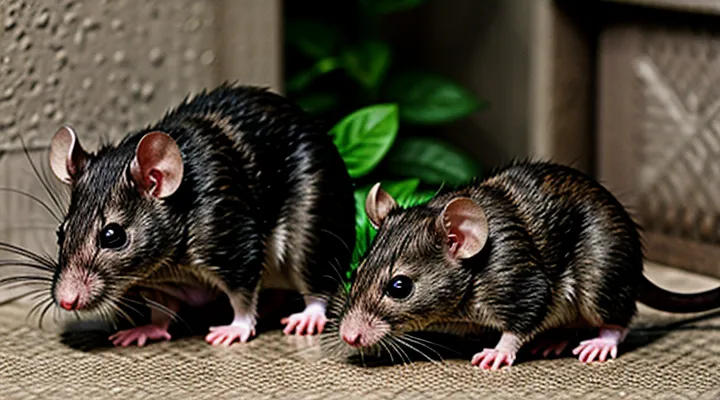
Immediate Steps After Birth
Assessing the Situation
Checking the Mother Rat
After a litter, the dam requires immediate and thorough assessment. Observe posture and movement; a healthy mother will sit upright, move freely, and groom both herself and the newborns. Check the skin for signs of excessive shedding, lesions, or parasites, as these conditions can affect milk production and pup health.
Inspect the nipples for swelling, redness, or discharge. Clear, pink nipples indicate normal lactation, while any discoloration or fluid may signal infection. Gently palpate the abdomen to ensure it is soft and not distended, which could suggest retained placental material or gastrointestinal blockage.
Monitor feeding behavior. The dam should consume a substantial amount of food and water within the first few hours. A sudden loss of appetite may precede complications such as mastitis or metabolic imbalance.
Record body temperature using a rectal thermometer; normal range for adult rats is 37‑38 °C. Fever above this range warrants veterinary evaluation.
Maintain a clean environment. Remove soiled bedding daily, replace with fresh material, and ensure adequate ventilation without drafts. Cleanliness reduces the risk of bacterial contamination that can jeopardize both mother and offspring.
A concise checklist for the initial 24 hours:
- Posture: upright, active, grooming
- Skin: intact, free of parasites
- Nipples: pink, non‑inflamed, no discharge
- Abdomen: soft, non‑distended
- Food and water intake: regular, substantial
- Body temperature: 37‑38 °C
- Habitat: clean, dry, well‑ventilated
«The mother’s condition determines pup survival». Prompt detection of abnormalities and swift intervention support the health of the entire litter.
Checking the Pups
After a litter is delivered, immediate assessment of the newborns determines their chances of survival.
- Observe each infant for spontaneous movement; lack of motion often signals respiratory failure.
- Verify that every pup is attached to a nipple and actively nursing; unattached individuals require prompt stimulation.
- Count the total number of offspring; any discrepancy indicates a missing or stillborn pup that must be located.
- Measure weight using a precision scale; a deviation of more than 10 % from the average litter weight suggests underdevelopment or dehydration.
Signs of distress include pale or bluish skin, absence of audible breaths, and failure to gain weight over 24 hours. Immediate intervention—gentle warming, clearing nasal passages, or supplemental feeding—may be necessary.
Handling should be performed with clean gloves, limiting contact to brief, firm grips that support the body without compressing the spine. The nest environment must remain at a stable temperature of 28‑30 °C, with bedding kept dry and free of debris.
Routine checks performed twice daily for the first week, followed by daily monitoring until weaning, provide early detection of health issues and support optimal growth.
Providing a Safe Environment
Nesting Material
Nesting material provides a secure environment for a rat during gestation and the first hours after the pups are born. It insulates the nest, retains heat, and offers a surface for the mother to arrange the litter.
Recommended options include:
- Untreated shredded paper, such as tissue or toilet‑paper rolls, cut into small strips.
- Soft wood shavings that are dust‑free and free of aromatic oils.
- Commercially available nesting pads made from compressed cellulose.
- Fleece strips washed without fabric softener, providing warmth without shedding.
Preparation steps:
- Verify that all material is free of chemicals, fragrances, or excessive dust.
- Sterilize paper or wood shavings by baking at low temperature (approximately 90 °C) for 30 minutes, then allow to cool completely.
- Cut fleece into 1‑2 cm wide strips to prevent entanglement.
Placement guidelines:
- Position a layer 5‑7 cm deep in the corner of the cage where the female naturally builds her nest.
- Distribute material evenly, allowing the rat to shape the nest without obstruction.
- Avoid covering ventilation openings or water bottles.
Maintenance after delivery:
- Inspect the nest daily for soiled or damp material.
- Replace contaminated portions with fresh, sterile material to maintain hygiene.
- Preserve a portion of the original nest for the mother to retain scent cues, which support pup recognition.
Temperature and Humidity
Maintaining optimal temperature and humidity is essential for the survival of newborn rat pups. The nest should be kept at a steady temperature of 28 °C ± 2 °C. Temperatures below this range increase the risk of hypothermia, while higher temperatures can cause overheating and dehydration.
Relative humidity must remain between 50 % and 60 %. Lower humidity accelerates fluid loss from the pups’ skin, whereas excessive humidity encourages mold growth and respiratory problems.
- Use a calibrated digital thermometer to check temperature at the nest level every two hours.
- Employ a hygrometer to monitor relative humidity; adjust with a humidifier or dehumidifier as needed.
- Place the nest in a location shielded from drafts and direct sunlight to prevent rapid fluctuations.
- If temperature drops below 26 °C, add a low‑wattage heating pad beneath the bedding, ensuring the surface does not exceed 30 °C.
- When humidity falls under 45 %, introduce a small water dish with a sponge to raise moisture without creating standing water.
Regular observation of the pups’ behavior provides immediate feedback: active, pink‑colored pups indicate adequate environmental conditions, while lethargy or discoloration signals the need for corrective measures.
Limiting Disturbances
When a female rat is in labor, external stimuli that could cause stress must be minimized. Any sudden movement, loud sound, or bright light can interrupt the birthing process and increase the risk of complications for both the dam and the newborns.
Key practices for limiting disturbances include:
- Placing the nest in a quiet, low‑traffic area of the facility.
- Covering the cage with a light, breathable fabric to reduce visual intrusion while maintaining adequate ventilation.
- Turning off nearby equipment that generates noise or vibration; if unavoidable, use sound‑dampening barriers.
- Scheduling routine cage cleaning and feeding for times outside the expected delivery window, typically 0–24 hours after the onset of nesting behavior.
- Restricting the number of personnel entering the room; when entry is necessary, move slowly and speak in low tones.
Observation should continue without direct contact. Use a clear, unobstructed view of the nest and record any signs of distress from a distance. If intervention becomes essential—such as a prolonged stall or visible maternal neglect—apply sterile gloves and a calm hand, limiting handling to the minimum required to assist.
After the litter is complete, maintain the low‑disturbance environment for at least 48 hours. Continue to provide soft bedding, stable temperature, and minimal human interaction while the pups develop the ability to thermoregulate and the dam establishes nursing routines.
Care for Mother and Pups
Nutritional Needs
Diet for Nursing Mother
A lactating rat requires a diet that maximizes protein, calcium, and energy to sustain milk production and maintain her health.
Protein sources such as high‑quality rodent pellets, boiled egg whites, and cooked lean meat should constitute the bulk of daily intake. Each gram of protein contributes directly to milk synthesis, so the diet must contain at least 20 % protein by weight.
Calcium is essential for milk formation. Provide calcium‑rich foods like plain yogurt, low‑fat cheese, and finely ground bone meal. Aim for a minimum of 0.5 % calcium in the overall diet.
Energy demands increase markedly during nursing. Supplement the base diet with modest amounts of fresh vegetables (e.g., carrots, spinach) and a small quantity of fruit (e.g., apple slices) to supply carbohydrates without excess fat.
Water intake must be unrestricted; a clean, fresh water source should be available at all times. Dehydration impairs milk volume and pup growth.
Vitamins and minerals support both mother and offspring. A balanced rodent multivitamin can fill gaps, particularly for vitamin D and B‑complex nutrients.
Feeding schedule
- Offer fresh food twice daily, morning and evening.
- Remove uneaten portions after 12 hours to prevent spoilage.
- Monitor body condition; adjust portions if the mother loses weight or becomes overly fat.
Proper nutrition directly influences pup survival and growth, making precise dietary management a critical component of successful rat breeding. «High‑protein diet supports milk production».
Water Availability
After a rat gives birth, the mother’s fluid requirements increase dramatically. Adequate water intake supports milk production, maintains body temperature, and prevents dehydration that could jeopardize both mother and offspring.
Provide a clean water source at all times. Use a stainless‑steel or heavy‑glass bottle with a sipper that cannot be tipped over by the litter. Position the bottle at a height reachable for the dam without forcing her to stretch. Verify that the sipper delivers a steady stream; stagnant droplets encourage bacterial growth.
Maintain water quality through daily actions:
- Replace the entire water volume each morning.
- Rinse the bottle and sipper with warm water; avoid harsh detergents that leave residues.
- Inspect for cloudiness, foul odor, or foreign particles; discard contaminated water immediately.
Monitor consumption closely. A lactating rat typically drinks 30‑50 ml per day, depending on litter size. Reduced intake, dry skin, or sunken eyes indicate dehydration and require prompt intervention, such as offering water‑soaked food or a shallow dish of fresh water.
If the environment is warm, consider providing slightly cool water (around 20 °C) to encourage drinking. Avoid adding flavorings or electrolytes unless directed by a veterinarian, as these can alter the natural electrolyte balance of the dam’s milk.
Health Monitoring
Signs of Distress in Mother
During the birthing process, a mother rat may exhibit specific behaviors that indicate physiological or psychological strain. Recognizing these indicators enables timely intervention and improves survival rates for both dam and offspring.
Typical manifestations of distress include:
- Persistent vocalizations that differ from normal communication sounds.
- Excessive grooming of the genital area, suggesting irritation or pain.
- Refusal to nurse or care for the newborns, accompanied by prolonged immobility.
- Abnormal posture, such as arching the back or hunching, which reflects discomfort.
- Rapid, shallow breathing or irregular respiratory patterns.
- Loss of appetite and decreased water intake despite the increased nutritional demand of lactation.
- Visible signs of bleeding or discharge beyond the expected postpartum period.
If any of these symptoms appear, isolate the affected animal, provide a quiet environment, and consult a veterinarian experienced with small rodents. Prompt medical assessment can prevent escalation to severe complications.
Signs of Distress in Pups
When a rat completes parturition, immediate attention to the newborns determines survival rates. The caretaker must observe the litter for any indication that a pup is experiencing distress.
- Lack of movement within the first hour after birth. Immobility suggests weakness or hypoxia.
- Failure to attach to a nipple or to suckle. Inadequate nursing leads to rapid dehydration and hypoglycemia.
- Pale, mottled, or bluish skin coloration. Such tones indicate insufficient oxygenation or circulatory collapse.
- Excessive or high‑pitched vocalizations. Persistent crying beyond normal whimpering signals pain or respiratory difficulty.
- Drop in body temperature below 95 °F (35 °C). Hypothermia compromises metabolic function and may progress to shock.
- Presence of abnormal secretions from the eyes, nose, or mouth. Discharge often accompanies infection or neurological impairment.
Each sign warrants prompt intervention: gently warm the pup, stimulate nursing by guiding it to a nipple, and, if necessary, consult a veterinarian experienced in rodent neonatology. Early detection and corrective action reduce mortality and support healthy development of the litter.
When to Seek Veterinary Help
After a litter, continuous observation of the dam and newborns is required. Certain conditions indicate that professional veterinary intervention is necessary.
- Persistent hemorrhage exceeding a few drops per minute
- Inability or unwillingness of the mother to nurse
- Marked lethargy or loss of coordination in the dam
- Abnormal discharge (foul odor, pus, or excessive fluid)
- Signs of infection such as swelling, redness, or heat around the abdomen
- Prolonged or incomplete delivery, including retained placental material
- Neonates that remain motionless or fail to gain weight
- Sudden drop in ambient temperature accompanied by hypothermia in pups
- Swelling or distension of the abdomen that does not resolve within a few hours
Immediate veterinary assessment prevents complications such as septicemia, dystocia, or maternal rejection. Prompt treatment may involve fluid therapy, antibiotics, or surgical intervention, depending on the identified issue.
Handling and Socialization
Minimal Handling of Pups
Minimal handling of newborn rats protects their health and promotes successful development. Excessive disturbance can cause stress, elevate body temperature, and increase the risk of injury or mortality. Keeping human contact to a strict minimum allows the mother to maintain optimal care for the litter.
Key practices for low‑intervention handling:
- Limit entry into the nest to essential checks, such as confirming the presence of pups and assessing the mother’s condition.
- Perform observations from a distance; use a flashlight with a red filter to reduce visual disturbance.
- If handling is unavoidable (for health assessment or relocation), use clean gloves, support the pup gently by the torso, and return it to the nest within seconds.
- Avoid removing pups from the nest unless absolutely necessary; premature separation can trigger abandonment.
- Maintain a stable environment: constant temperature, low noise, and minimal vibrations reduce the need for human interference.
Monitoring should focus on the mother’s behavior, nest cleanliness, and signs of distress. Intervening only when clear problems arise ensures the litter receives the natural care it requires.
Introducing Other Rats (If Applicable)
Introducing additional rats after a litter is born requires careful timing, health verification, and environmental control. New rats should be examined for parasites, respiratory infections, and overall vigor before contact with the mother and pups. Quarantine the newcomers for at least two weeks, observing for signs of illness and confirming compatibility with the existing colony.
Key steps for a successful introduction:
- Verify that the mother is no longer aggressively protective; this typically occurs after the first week of nursing.
- Relocate the mother and pups to a separate, secure enclosure while the new rats acclimate to the same room.
- Conduct a neutral‑area introduction: place all rats in a clean, spacious cage without familiar bedding or hiding spots, allowing visual and scent exchange.
- Monitor behavior for at least 30 minutes; aggressive lunging, biting, or prolonged avoidance indicates incompatibility.
- If interaction remains calm, gradually increase shared time, extending sessions by 10‑15 minutes each day.
- Return the mother and pups to the original nest only after the new rats demonstrate consistent, non‑aggressive behavior.
Should aggression arise, separate the animals immediately, extend the quarantine period, and repeat the introduction process. Maintaining stable temperature, low stress, and consistent feeding schedules supports harmonious integration and reduces the risk of maternal neglect.
Long-Term Considerations
Rehoming Pups
Age for Separation
After a litter is born, the dam provides nutrition, warmth, and protection until the young are capable of independent feeding. The point at which the offspring should be removed from the mother is defined by physiological readiness rather than arbitrary timing.
Weaning marks the transition to solid food and the development of digestive enzymes. At this stage, the pups no longer depend on the mother’s milk and are less vulnerable to stress caused by separation. Early removal can result in stunted growth, immune deficiencies, and increased mortality.
Recommended ages for separation:
- Day 21 – 23: Initiate gradual weaning by offering soft foods alongside the dam’s nest material. Observe that each pup consumes solid food independently.
- Day 24 – 26: Complete weaning; ensure all individuals eat exclusively from solid sources. Transfer pups to individual cages equipped with nesting material and fresh water.
- Day 27 +: Confirm full independence; monitor weight gain and behavior for at least 48 hours before final relocation.
Delaying separation beyond Day 30 may lead to prolonged dependence, aggression toward the mother, and reduced breeding efficiency. Conversely, separating before Day 21 often compromises nutritional intake and immune development.
In practice, assess each litter individually. Verify that the youngest pup meets the weaning criteria before moving the entire group. This approach maximizes health outcomes and supports responsible breeding management.
Finding Suitable Homes
When a rat has delivered a litter, the immediate priority is to secure a habitat that supports the neonates’ survival and growth.
Suitable habitats must meet several non‑negotiable conditions. The enclosure should maintain a constant temperature of 27‑30 °C, provide adequate ventilation without drafts, and be constructed from materials that resist gnawing and escape. Lighting must be dim to reduce stress, and the space must be free of predators, including household pets and wild rodents. Accessibility for caretakers is essential; openings large enough for gentle handling of both dam and pups allow routine health checks and feeding.
Common solutions include:
- Dedicated breeding cages equipped with a nesting box lined with soft, absorbent material.
- Temporary nursery containers such as plastic bins with secure lids and ventilation holes, placed inside the main cage.
- Specialized incubators for emergencies, calibrated to maintain required temperature and humidity.
Preparation steps are straightforward:
- Clean and disinfect the chosen enclosure before introducing the dam.
- Install a nest pad, preferably untreated cotton or paper, and position it centrally.
- Verify temperature stability with a calibrated thermometer; adjust heating elements as needed.
- Place the dam and litter gently into the nest, ensuring the pups are in direct contact with the mother.
- Monitor the environment twice daily for temperature fluctuations, moisture buildup, and signs of distress.
By adhering to these criteria and procedures, caretakers provide newborn rats with a secure, climate‑controlled environment that maximizes survival rates and promotes healthy development.
Preventing Future Pregnancies
Separation of Sexes
When a rat delivers a litter, separating males from females prevents premature mating and reduces the risk of inbreeding. Early segregation also simplifies health monitoring and future breeding plans.
- Identify each pup’s sex by examining the genital region; this can be done safely at three to five days of age.
- Perform the separation in a quiet, well‑ventilated area to minimize stress.
- Place male and female pups in distinct cages equipped with appropriate bedding, nesting material, and enrichment items.
- Label cages clearly to avoid accidental mixing.
After the separation, observe the pups for signs of illness or injury. Maintain records of cage assignments, dates of separation, and any health observations. Consistent documentation supports effective colony management and facilitates future breeding decisions.
Spaying/Neutering Options
When a female rat is about to give birth, preventing future litters becomes a priority. Sterilization eliminates the risk of unintended pregnancies and reduces stress on the animal during subsequent reproductive cycles.
Surgical sterilization provides permanent results. The two main procedures are:
- «Spaying»: removal of the ovaries and uterus through an abdominal incision; performed under general anesthesia; recovery typically requires 7‑10 days of monitoring.
- «Neutering»: excision of the testes in male rats; also performed under anesthesia; postoperative care mirrors that of females.
Chemical sterilization offers a non‑surgical alternative. Hormonal implants or injectable contraceptives suppress estrus cycles temporarily. These methods require repeated dosing and veterinary supervision to avoid hormonal imbalance.
Timing influences outcomes. Performing sterilization before the first estrus minimizes surgical complications and shortens recovery. If the rat has already delivered, a minimum of two weeks after parturition allows uterine involution and reduces anesthesia risk.
Potential drawbacks include anesthesia reactions, postoperative infection, and loss of reproductive behavior. Veterinary assessment of health status, weight, and age determines suitability for each option.
Choosing the appropriate method depends on the rat’s condition, owner’s resources, and long‑term breeding plans. Consultation with a qualified veterinarian ensures an evidence‑based decision.