
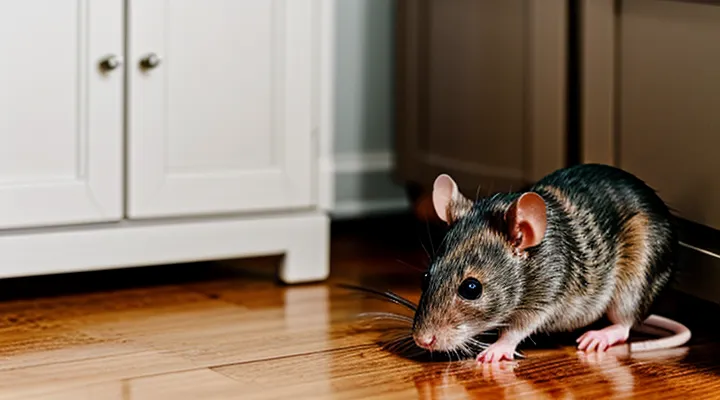
Immediate Actions and Assessment
Initial Observation and Safety «First, Do No Harm»
Ensuring a Safe Environment «For You and Your Rat»
When a rat appears motionless yet continues to breathe, the surrounding environment must prevent further stress or injury. Secure the area by eliminating immediate hazards: remove loose wires, sharp objects, and toxic substances. Ensure the surface is flat and non‑slippery to avoid accidental falls. Maintain ambient temperature within the species‑appropriate range (18‑24 °C) to prevent hypothermia or overheating; use a thermometer and adjust heating pads or fans accordingly.
Provide unobstructed access to fresh water and a clean, soft bedding material that does not restrict respiration. If the rat is on a wire cage, transfer it gently to a shallow, padded container lined with paper towels to support the body without constriction. Keep the container in a quiet, low‑light area to reduce stress.
Monitor the rat’s breathing pattern continuously. Record rate, depth, and any irregularities. If breathing becomes labored or stops, prepare to administer emergency veterinary care without delay.
Key actions for a safe environment:
- Clear the vicinity of potential threats.
- Stabilize temperature and humidity.
- Offer clean, breathable bedding and easy water access.
- Relocate to a secure, padded holding area.
- Observe respiratory signs and note changes.
- Contact a veterinarian promptly if condition worsens.
Gentle Handling Techniques «Minimizing Stress»
When a rat appears motionless yet continues to breathe, immediate, low‑stress intervention is essential to preserve life and prevent further trauma. Gentle handling reduces the likelihood of shock, respiratory compromise, and escalation of anxiety in the animal.
Maintain a calm environment, limit sudden movements, and support the rat’s body without applying pressure to the torso or limbs. Use a soft, non‑slipping surface and keep the temperature stable to avoid hypothermia or overheating.
- Approach from the side, keeping the hand flat and open.
- Place one hand beneath the chest, allowing the ribcage to expand freely.
- Use the other hand to gently cradle the hindquarters, avoiding any grasp of the tail or tail base.
- Support the head lightly, preventing the jaw from clenching.
- Monitor respiration rate and depth continuously; note any changes in color or muscle tone.
- If the rat remains unresponsive after two minutes, consider professional veterinary assistance while maintaining the same handling protocol.
Limit external stimuli such as loud noises, bright lights, and abrupt vibrations. Ensure all equipment—tweezers, syringes, or warming pads—is clean and pre‑warmed to eliminate additional stressors. Record observations for future reference and for communication with veterinary staff.
Assessing the Rat's Condition «Beyond Motionless»
Checking for Obvious Injuries «Visual Inspection»
When a rat appears still yet continues to breathe, the first response should be a systematic visual examination for any obvious injuries. This inspection determines whether immediate medical intervention is required or if the animal can be stabilized through supportive care.
- Observe the body’s overall posture; a twisted or contorted position often indicates trauma to the spine or limbs.
- Scan the fur and skin for punctures, lacerations, abrasions, or bleeding. Fresh blood or open wounds demand prompt cleaning and dressing.
- Check the extremities for swelling, discoloration, or misalignment, which may signal fractures or dislocations.
- Examine the tail and whiskers for signs of breakage or severe bruising, as these structures are sensitive indicators of blunt force.
- Look at the eyes and nasal passages; blood or discharge can reveal facial injuries or internal bleeding.
- Assess the mouth and teeth for broken or missing teeth, which can cause difficulty breathing or feeding.
If any of these signs are present, isolate the rat in a quiet, warm environment, apply gentle pressure to stop bleeding, and seek veterinary assistance without delay. In the absence of visible damage, continue to monitor breathing rate, temperature, and responsiveness while preparing for further diagnostic steps.
Evaluating Breathing Patterns «Rate and Effort»
When a rodent appears still yet continues to breathe, the first objective is to determine whether respiration is adequate. Assessing the breathing pattern focuses on two measurable factors: the rate of breaths per minute and the visible effort required to move air.
Observe the thorax or abdomen for rhythmic expansion and contraction. Count each complete cycle for 30 seconds, then double the number to obtain breaths per minute. Healthy adult rats typically exhibit 70‑150 breaths per minute at rest; a significantly lower or higher count may indicate hypoventilation or distress.
Evaluate effort by noting the depth and symmetry of movements. Normal effort shows gentle, regular rises of the chest and belly without pronounced muscle tension. Excessive effort appears as rapid, shallow breaths, flaring nostrils, or visible use of intercostal and abdominal muscles. Minimal effort, with barely perceptible chest motion, suggests a weakened respiratory drive.
Document the findings:
- Breath rate (breaths per minute)
- Depth of each breath (shallow, normal, deep)
- Muscle activity (none, mild, pronounced)
Compare observed values with species‑specific norms. If the rate falls outside the typical range or effort is abnormal, initiate supportive measures such as warming the animal, providing supplemental oxygen, or contacting a veterinarian. Continuous monitoring is essential until breathing stabilizes or professional assistance is obtained.
Palpating for Lumps or Swellings «Gentle Examination»
When a rodent remains still yet continues to breathe, a careful external assessment is essential before any further intervention. One of the first actions is a gentle hand examination aimed at locating abnormal masses or swelling that could indicate trauma, infection, or internal blockage.
Begin the palpation with clean, warm hands to avoid shocking the animal. Apply light pressure, moving slowly from the head toward the tail, and note any irregularities in texture, size, or temperature. Pay particular attention to the following regions:
- Neck and jawline – detect enlarged lymph nodes or bite wounds.
- Thoracic wall – feel for asymmetry, fluid accumulation, or rib displacement.
- Abdominal cavity – identify firm nodules, distension, or localized tenderness.
- Limbs and paws – check for swelling, joint effusion, or subcutaneous lumps.
If a lump is discovered, record its exact location, dimensions, and consistency. Observe whether the area changes in response to slight pressure; a hard, immobile mass may suggest a tumor, while a soft, fluctuating one could indicate an abscess. Document findings and communicate them promptly to a qualified veterinarian for diagnostic imaging or treatment planning.
Conclude the examination by monitoring the rat’s breathing pattern and heart rate for any signs of distress. Maintain a calm environment, limit handling time, and keep the animal warm until professional care is obtained.
Potential Causes and Next Steps
Common Reasons for Lethargy «Why Is My Rat Like This?»
Respiratory Issues «Difficulty Breathing»
When a rat is motionless but still breathing, difficulty breathing signals a potentially life‑threatening condition that requires immediate attention. Rapid assessment of the respiratory pattern is the first priority. Observe the chest for rhythmic expansion, count breaths per minute, and note any audible wheezing or gasping.
Identify and eliminate common airway obstructions. Check the oral cavity for food, bedding, or mucus that could block airflow. Use a soft, damp cotton swab to gently clear visible debris; avoid deep insertion that could damage delicate tissues. If the nostrils appear clogged, a brief exposure to a humid environment—such as a sealed container with a warm, moist towel—can loosen secretions.
Maintain body temperature. Hypothermia reduces respiratory drive, so keep the animal on a warm surface (e.g., a heating pad set to low) while monitoring for overheating. Ensure the surrounding air is free of strong odors, smoke, or drafts that may exacerbate respiratory distress.
If breathing remains shallow, irregular, or labored after the above measures, administer supplemental oxygen if available. Place the rat in a small, transparent chamber with a gentle flow of oxygen (1–2 L/min). Observe for improvement within five minutes.
Document the following observations:
- Respiratory rate (breaths per minute)
- Depth of thoracic movement (shallow, normal, deep)
- Presence of audible sounds (wheezing, rattling)
- Any visible obstruction or discharge
Promptly contact a veterinarian with the recorded data. Professional intervention may involve bronchodilators, antibiotics, or advanced airway management. Delay increases the risk of respiratory failure and irreversible damage.
Pain or Discomfort «Hidden Ailments»
When a rat is motionless yet breathing, pain or discomfort may be concealed beneath the stillness. Hidden ailments often manifest as subtle physiological changes rather than overt movement.
- Assess respiration: count breaths per minute; irregular or shallow breaths suggest distress.
- Check body temperature: a drop below normal indicates hypothermia, a common source of hidden discomfort.
- Palpate gently along the spine and abdomen: resistance, flinching, or vocalization reveals internal injury or inflammation.
- Observe eyes and ears: sunken eyes or reddened ear canals point to dehydration or infection.
- Monitor posture: a curled or rigid stance can signal abdominal pain or spinal trauma.
If any of these indicators appear, implement immediate supportive measures. Provide a warm, quiet environment to reduce stress. Offer a small amount of electrolyte solution if dehydration is suspected, but avoid forcing food or water. Administer a low‑dose analgesic only under veterinary guidance; inappropriate dosing can exacerbate respiratory depression.
Contact a qualified veterinarian promptly. Supply the professional with detailed observations: breathing rate, temperature, response to palpation, and any abnormal sounds. Early intervention based on these objective signs increases the likelihood of identifying and alleviating the underlying hidden ailment.
Neurological Problems «Brain and Nerves»
When a rodent is still but shows signs of breathing, the lack of movement often points to a neurological disturbance affecting the brain or peripheral nerves. Damage to the central nervous system can suppress motor output while leaving autonomic functions, such as respiration, intact. Common causes include hypoxic injury, traumatic brain injury, spinal cord compression, or toxic exposure that interferes with neuronal signaling.
First, confirm that the animal is alive by observing chest rise, listening for breath sounds, and checking for a pulse at the femoral artery. If respiration is present, proceed with a rapid neurological assessment:
- Test reflexes: pinch the tail base, apply a mild toe stimulus, and note any withdrawal or twitch response.
- Examine pupillary size and reaction to light.
- Observe facial muscles for spontaneous movements or grimace.
- Feel the spinal column for rigidity or abnormal curvature.
If reflexes are absent or severely diminished, the condition likely stems from acute brainstem or spinal cord dysfunction. Immediate actions should include:
- Maintain a warm, humid environment to prevent hypothermia.
- Provide supplemental oxygen via a small mask or chamber to improve tissue oxygenation.
- Administer a reversible anesthetic or analgesic agent (e.g., low‑dose ketamine) to reduce potential seizure activity and facilitate a more accurate assessment.
- Contact a veterinary neurologist or a laboratory animal specialist for advanced diagnostics such as MRI or electrophysiological testing.
Stabilization of breathing and careful monitoring of neurological signs are essential while arranging professional evaluation. Early intervention can limit permanent neural damage and improve the likelihood of recovery.
Poisoning or Toxins «Accidental Ingestion»
When a rat appears still yet continues to breathe, the most urgent concern is the possibility of toxin exposure through accidental ingestion. Immediate isolation prevents further contamination and protects handlers from secondary exposure.
Identify the substance by examining the environment: look for bait stations, contaminated food, or chemicals within reach. If the toxin is known, reference its safety data sheet for specific signs and recommended antidotes.
Contact a qualified veterinarian without delay. Provide details about the suspected poison, the rat’s weight, and any observed symptoms such as salivation, tremors, or respiratory distress. Follow the professional’s instructions precisely, which may include administering an antidote, inducing vomiting, or delivering supportive fluids.
While awaiting veterinary care, maintain the rat’s airway and keep it warm. Place the animal on a soft, non‑slippery surface, and monitor breathing rate and pulse. Do not attempt home remedies or unapproved medicines, as these may exacerbate toxicity.
Key actions:
- Remove the rat from any contaminated source.
- Secure the area to prevent other animals from exposure.
- Gather information on the ingested material.
- Call a veterinarian immediately; do not delay for observation.
- Follow prescribed treatment protocols; provide supportive care as instructed.
After treatment, review storage practices for hazardous substances. Use sealed containers, keep bait out of reach, and label all chemicals clearly to reduce future accidental ingestion incidents.
Old Age or Chronic Illness «Natural Decline»
When a rat becomes immobile yet maintains respiration, the condition often reflects advanced age or a progressive disease. The animal’s muscles may no longer respond, but the cardiovascular and respiratory systems can continue functioning for a short period.
Observe the breathing pattern. Regular, shallow breaths indicate that the rat is still alive. Measure the temperature of the body; a drop below normal suggests impending death. Keep the environment warm and quiet to reduce stress. Avoid handling that could cause injury or distress.
Key actions include:
- Verify that the airway is clear and that the nostrils are not obstructed.
- Gently place the rat on a soft, insulated surface to maintain body heat.
- Provide fresh water within reach, but do not force intake.
- Monitor for signs of pain, such as vocalization or rapid breathing.
- If pain is evident and the animal shows no chance of recovery, consider humane euthanasia performed by a veterinarian.
When chronic illness is the cause, expect additional symptoms: weight loss, fur changes, reduced activity, and labored breathing. These indicators help differentiate natural decline from acute trauma. In such cases, veterinary consultation is essential to confirm diagnosis and to discuss palliative options.
Overall, minimal interference, environmental comfort, and vigilant monitoring constitute the appropriate response while the rat undergoes the final stages of life.
When to Seek Veterinary Care «Don't Delay»
Emergency Situations «Urgent Medical Attention»
When a rodent is motionless while still showing signs of respiration, the condition requires rapid medical intervention. The animal’s lack of movement indicates possible severe distress, shock, or neurological compromise, and any delay can worsen outcomes.
First, confirm that breathing is present. Observe chest rise, listen for airflow, or feel for subtle vibrations. If breathing is faint or irregular, note the rate and depth. Simultaneously, assess the rat’s pulse by gently pressing over the femoral artery; a weak or absent pulse signals imminent cardiovascular failure.
If breathing persists but the rat remains immobile, proceed with urgent care:
- Place the animal on a warm, soft surface to prevent hypothermia.
- Keep the head slightly elevated to ease airway patency.
- Administer oxygen through a small mask or a syringe‑connected tube if available.
- Initiate gentle stimulation: tap the hind limbs, apply light pressure to the back, or use a soft brush to provoke movement.
- If no response occurs, perform a brief, controlled chest compressions cycle (approximately 100 compressions per minute) while monitoring breathing.
- Contact a qualified veterinarian or emergency animal clinic immediately; provide details of the observed symptoms and actions taken.
While awaiting professional assistance, avoid administering drugs, fluids, or invasive procedures without guidance, as improper treatment can exacerbate the condition. Maintain a quiet environment to reduce stress, and keep the rat’s temperature stable until expert help arrives.
Preparing for the Vet Visit «What to Bring»
When a rat is immobile but still breathing, the veterinary appointment becomes urgent. Bringing the right items reduces stress for both animal and owner and streamlines the examination.
First, secure a well‑ventilated carrier that fits the rat comfortably. Place a soft towel inside to prevent slipping. The carrier should be easy to close quickly and sturdy enough for transport.
Second, gather all relevant records. Include the rat’s purchase receipt, any previous veterinary notes, vaccination history, and a list of current medications or supplements. A printed copy of the rat’s weight and age helps the clinician assess dosage.
Third, prepare a sample of the rat’s recent diet. A small amount of food or a favorite treat can aid the vet in evaluating appetite and gastrointestinal function. Bring a sealed container with a few pieces of the standard pellet or fresh produce.
Fourth, compile contact information for the breeder or previous caretaker. If the rat was part of a research colony, include the facility’s emergency protocol number.
Fifth, carry a basic first‑aid kit. Include sterile gauze, a small syringe for administering fluids if instructed, and a pair of disposable gloves. Do not attempt treatment without veterinary guidance, but having supplies ready prevents delays.
A concise checklist:
- Carrier with towel
- Medical records (receipt, vaccination card, medication list)
- Sample of recent diet
- Breeder or caretaker contact details
- First‑aid supplies (gauze, syringe, gloves)
Arriving with these items ensures the veterinarian can focus on diagnosing the underlying issue and delivering appropriate care without unnecessary interruptions.
Providing Comfort During Transport «Minimizing Stress»
When a rat appears immobile yet continues to breathe, careful handling during transport can prevent additional stress and support recovery.
Use a soft, breathable container that fits the animal snugly without restricting airflow. Place a clean, warm towel at the bottom to maintain body temperature and reduce shock. Secure the rat gently with a cotton cloth, avoiding tight wraps that could impede breathing.
- Keep the container level; sudden tilts may disorient the animal.
- Limit movement to short, deliberate steps; avoid jostling or abrupt stops.
- Maintain a quiet environment; eliminate loud noises and bright lights.
- Monitor the rat’s breathing pattern continuously; pause if respiration slows or becomes irregular.
- Carry the container close to your body to provide a steady temperature gradient and a sense of security.
After reaching a safe location, transfer the rat to a quiet recovery area with soft bedding, low lighting, and fresh air. Observe for signs of improvement before proceeding with further care.
Supportive Care at Home «While Awaiting Professional Help»
Maintaining a Warm Environment «Regulating Body Temperature»
When a rat is immobile yet still breathing, preserving core temperature becomes critical. Hypothermia can quickly deteriorate physiological function, reducing the chance of recovery.
Provide a heat source that delivers steady, moderate warmth. Use a low‑wattage heating pad set to 30–32 °C, or a warm water bottle wrapped in a towel. Place the device beneath, not directly on, the animal to avoid burns. Monitor the surface temperature with a digital probe; maintain it within the target range for the entire observation period.
Control ambient conditions. Keep the room temperature above 25 °C, eliminate drafts, and limit exposure to cold surfaces. If the environment cannot be raised, construct an insulated enclosure using foam boards or blankets, ensuring ventilation remains adequate.
Maintain humidity at 50–60 % to reduce evaporative heat loss. A humidifier set to low output can help stabilize skin temperature without causing respiratory irritation.
Check the rat’s temperature regularly. Insert a lubricated rectal thermometer or use a non‑invasive infrared device every 10–15 minutes. If the reading falls below 35 °C, increase heat intensity incrementally; if it exceeds 38 °C, reduce exposure immediately.
Key actions:
- Position a gentle heat source beneath the animal.
- Keep room temperature ≥ 25 °C, no drafts.
- Insulate the area while preserving airflow.
- Maintain moderate humidity.
- Record core temperature at short intervals and adjust heat accordingly.
Offering Hydration «Water and Electrolytes»
When a rat appears still but continues to breathe, dehydration often contributes to the condition. Providing immediate access to fluids can prevent further decline and support recovery.
Offer plain water in a shallow dish that the animal can reach without exertion. Ensure the surface is smooth to avoid injury. Observe the rat for signs of drinking; if it does not sip voluntarily within a few minutes, consider supplemental methods.
Supplemental hydration with electrolytes can restore fluid balance more effectively than water alone. Prepare a solution using a commercial rodent electrolyte mix or a homemade formula (1 ml of 0.9 % saline combined with 0.5 ml of 5 % dextrose per 100 ml of water). Administer the solution with a calibrated syringe, applying gentle pressure to the corner of the mouth or the oral cavity. Use the following steps:
- Warm the solution to body temperature (around 38 °C).
- Load a 1‑ml syringe without a needle.
- Place the tip at the side of the mouth, avoiding the throat.
- Deliver 0.1‑0.2 ml every 2‑3 minutes, monitoring for swallowing.
Limit the total volume to no more than 5 % of the rat’s body weight per hour to reduce the risk of aspiration. After each dose, hold the rat upright for a brief period to aid swallowing. Continue monitoring respiration, skin turgor, and activity level. If the rat remains unresponsive or shows worsening signs, seek veterinary assistance promptly.
Providing Soft, Palatable Food «Easy to Digest»
When a rat appears immobile but continues to breathe, supplying soft, palatable nourishment that the animal can digest without effort is essential for sustaining life and encouraging recovery. Food must be moist, easily broken down, and presented in a manner that the rat can access without exerting strength.
- Cooked rice or oatmeal, thinned with warm water to a porridge consistency.
- Mashed boiled sweet potato, blended until smooth, with a small amount of unsalted broth.
- Soft scrambled egg, lightly cooked, without added oil or seasoning.
- Commercial rodent formula reconstituted according to manufacturer instructions, resulting in a creamy texture.
- Plain, low‑fat yogurt (unsweetened) offered in a shallow dish.
Prepare each item at body temperature (approximately 37 °C) to avoid shock. Use a shallow spoon or syringe without a needle to place small quantities directly onto the rat’s mouth or near the whiskers, allowing the animal to lick or swallow voluntarily. Monitor breathing and responsiveness after each feeding; discontinue if the rat exhibits signs of distress. Consistent provision of these gentle foods supports hydration, energy intake, and the chance of regaining mobility.