
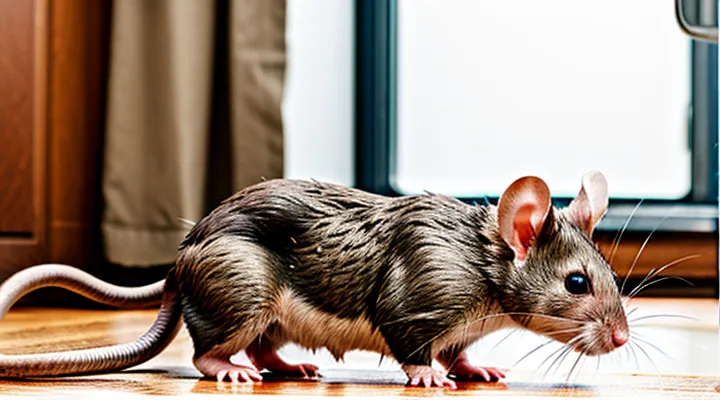
Recognizing Heatstroke in Rats
Symptoms of Overheating
Behavioral Changes
When a rat’s body temperature rises, its behavior shifts noticeably. The animal may become unusually lethargic, staying motionless in a corner or refusing to explore. Conversely, some rats display frantic activity, running erratically or climbing repeatedly in an attempt to find cooler air. Both extremes signal distress and require immediate attention.
Other observable changes include:
- Reduced grooming; a rat that normally cleans its fur may stop altogether, indicating weakness.
- Altered eating and drinking patterns; loss of appetite or excessive water intake can accompany heat stress.
- Vocalizations such as high‑pitched squeaks or whines, which become more frequent under thermal discomfort.
- Changes in posture; a flattened body, tucked tail, or spread limbs suggest attempts to dissipate heat.
Identifying these signs enables prompt intervention. Once behavioral abnormalities are detected, move the rat to a shaded area, provide a shallow dish of cool (not icy) water, and monitor respiration. If the animal remains unresponsive or symptoms worsen, seek veterinary care without delay.
Physical Signs
Rats suffering from heat stress display a distinct set of physical indicators. Rapid, shallow breathing often accompanies an open mouth, while the animal may pant noticeably. The ears become reddened and warm to the touch, and the fur may appear glossy from increased salivation. Gums turn bright red or pink, and the tongue may be visibly moist and enlarged. Lethargy manifests as reduced movement, a tendency to lie flat, or an inability to maintain balance. Tremors or shaking can occur, especially in the hind limbs. A collapsed or hunched posture, together with an unsteady gait, signals that the rat’s core temperature is rising dangerously.
Key physical signs to monitor:
- Panting with open mouth
- Rapid, shallow respiration
- Red, warm ears and flushed skin
- Brightly colored gums or tongue
- Excessive drooling or wet fur
- Lethargic behavior or inability to stand
- Tremors or shaking
- Unsteady or uncoordinated movement
- Collapsed, hunched posture
Recognizing these symptoms promptly enables immediate cooling measures to prevent severe heat injury.
Immediate Actions to Cool Your Rat
Moving Your Rat to a Cooler Area
When a rat shows signs of overheating, immediate relocation to a cooler environment can prevent serious health complications. Choose a spot where ambient temperature stays below 24 °C (75 °F) and airflow is gentle but steady. Avoid direct drafts that could cause chill after the heat stress.
Prepare the area before moving the animal. Place a clean towel or low‑pile bedding on a flat surface, and keep a shallow bowl of cool (not cold) water within reach. If possible, use a small fan set on low speed to improve circulation without creating a strong breeze.
Transfer the rat carefully:
- Gently scoop the rat using both hands, supporting its body to reduce stress.
- Place it directly onto the prepared surface, allowing it to stand and explore.
- Observe breathing rate, skin color, and activity level for the first few minutes.
Continue monitoring for at least 30 minutes. If the rat remains lethargic, panting, or exhibits rapid heart rate, seek veterinary assistance promptly.
Offering Water and Electrolytes
When a rat exhibits signs of heat stress, immediate rehydration is essential. Provide fresh, cool (not ice‑cold) water in a shallow dish that the animal can easily access. Offer small sips every few minutes rather than a large gulp to prevent choking and stomach upset.
Supplement the water with a balanced electrolyte solution to replace salts lost through perspiration and rapid breathing. Suitable options include:
- Commercial rodent electrolyte mixes diluted according to the manufacturer’s instructions.
- A homemade solution of 1 liter of clean water, 1 teaspoon of light salt (NaCl), and ½ teaspoon of potassium chloride, mixed until fully dissolved.
Administer the electrolyte fluid using a syringe without a needle, placing a few drops at the corner of the rat’s mouth. Limit each dose to 0.2–0.3 ml, repeating every 5–10 minutes until the animal drinks voluntarily.
Monitor the rat for improvement: reduced panting, steadier gait, and normal eye appearance indicate effective rehydration. If the animal remains lethargic, continues to pant, or shows signs of dehydration (dry nose, tacky skin), seek veterinary assistance promptly.
Gentle Cooling Methods
Using a Damp Cloth
When a rat shows signs of overheating, a damp cloth offers rapid surface cooling without invasive measures. The cloth draws heat away through evaporation, lowering skin temperature and easing respiratory strain.
Prepare the cloth by soaking a clean, soft fabric in cool water, then wringing it until it is moist but not dripping. Excess water can saturate the bedding and increase humidity, which may worsen heat stress.
Apply the cloth gently to the rat’s back, sides, and neck—areas with thin fur and good blood flow. Hold each spot for 10‑15 seconds, allowing the moisture to evaporate before moving to the next area. Repeat the sequence until the rat’s breathing normalizes and body temperature declines.
Key points for safe use:
- Use only plain, fragrance‑free fabric to avoid irritation.
- Keep the water temperature between 15‑20 °C (59‑68 °F); colder water can cause shock.
- Monitor the rat continuously; if lethargy persists, seek veterinary assistance.
- Replace the cloth with fresh, damp material every 5‑10 minutes to maintain effective cooling.
After the rat appears stable, provide a cool, well‑ventilated environment and fresh water. Continue observation for at least an hour to ensure the temperature remains within normal limits.
Providing a Cool Surface
Providing a cool surface is a direct method for reducing a rat’s body temperature when it shows signs of overheating. A surface that remains below the animal’s normal body temperature draws heat away through contact, helping to prevent heat‑related injury.
Ideal surfaces are made of non‑porous, thermally conductive materials such as ceramic tiles, stainless‑steel sheets, or chilled glass. The surface should be large enough for the rat to lie flat without crowding and should stay between 15 °C and 20 °C (59 °F‑68 °F). Avoid materials that retain heat, such as plastic or wood, and ensure the surface is clean to prevent infection.
Steps to provide a cool surface
- Prepare the material in a size appropriate for the cage or a temporary holding area.
- Chill the surface in a refrigerator or with a cold pack wrapped in a towel for at least 30 minutes.
- Place the cooled surface on a stable, level part of the cage floor, away from bedding that could insulate heat.
- Encourage the rat to rest on the surface by gently guiding it or placing a familiar scent on the material.
- Monitor the rat’s behavior and body temperature every 5–10 minutes; replace the surface if it warms above the target range.
Additional considerations include rotating multiple surfaces to maintain consistent coolness, keeping the surface free of moisture that could cause slipping, and cleaning it with a mild disinfectant after each use. Regular observation ensures the rat benefits from the cooling effect without additional stress.
Advanced Cooling Techniques (When Basic Methods Aren't Enough)
Utilizing a Fan
A rat suffering from heat stress requires immediate temperature reduction; a fan provides rapid airflow that dissipates body heat without direct contact.
When employing a fan, follow these precise actions:
- Position the fan at a low to moderate speed, directing air toward the cage but avoiding direct gusts that could cause stress.
- Maintain a distance of at least 12 inches between the fan and the cage to ensure gentle circulation.
- Monitor the rat’s behavior for signs of comfort, such as reduced panting and calmer activity.
- Adjust the fan’s speed or angle if the animal appears agitated or if the cage temperature does not drop within a few minutes.
Supplement fan use with adequate ventilation, fresh water, and a shaded resting area. Ensure the cage remains free of drafts that could chill the rat once its core temperature normalizes. Regularly inspect the fan for dust buildup to prevent airflow obstruction.
Creating a Cooling Bath (with caution)
Water Temperature Considerations
When a rat shows signs of overheating, the temperature of any water used for cooling must be carefully controlled. Water that is too cold can cause vasoconstriction, reducing blood flow to vital organs and potentially leading to shock. Conversely, water that is only slightly cooler than ambient temperature may fail to lower body heat effectively. Aim for a temperature range of 20‑24 °C (68‑75 °F), which provides a gentle cooling effect without triggering a rapid physiological response.
Before applying water, verify its temperature with a reliable thermometer. Test the water on the back of your hand; it should feel cool but not icy. Apply the water in small, steady streams or use a damp cloth soaked in the prepared solution, focusing on the paws, ears, and ventral area. Avoid submerging the rat or directing water onto the face, as these actions can increase stress and impair breathing.
Key considerations for water temperature management:
- Use a calibrated digital or mercury thermometer to ensure accuracy.
- Maintain the target range of 20‑24 °C; adjust as ambient conditions change.
- Monitor the rat’s reaction continuously; stop cooling if shivering or lethargy intensifies.
- Replace water frequently to prevent temperature drift caused by ambient heat.
- Store water in a clean, insulated container to preserve the desired temperature throughout the cooling session.
Supervising Your Rat
When a rat shows signs of overheating, constant observation is essential. Immediate supervision allows you to recognize distress early and intervene before the condition worsens.
Monitor temperature‑sensitive behaviors such as rapid breathing, panting, lethargy, or discolored ears. Keep the enclosure within the recommended range (70‑75 °F) and verify that ventilation is adequate. If ambient heat spikes, relocate the rat to a cooler area without delay.
Implement the following actions under direct supervision:
- Place the rat in a shallow container of cool (not cold) water for 5‑10 minutes, ensuring the animal can easily exit.
- Offer fresh, chilled water in a bottle; encourage drinking by positioning the bottle at a low angle.
- Apply a damp, cloth‑covered surface (e.g., a tile or ceramic plate) for the rat to rest on, replacing the cloth every few minutes to maintain moisture.
- Reduce activity by limiting handling and eliminating toys that generate heat.
- Use a fan set on low speed to circulate air without creating drafts directly on the rat.
Continue close observation for at least an hour after cooling measures. If symptoms persist—persistent panting, unsteady gait, or refusal to drink—contact a veterinarian promptly. Consistent supervision, combined with rapid cooling techniques, minimizes the risk of heat‑related complications.
Preventing Future Overheating
Maintaining a Suitable Environment
Optimal Room Temperature
Maintaining a stable ambient temperature is critical when a rat shows signs of overheating. The environment should stay within a range that prevents heat stress while allowing normal physiological functions. For most laboratory and pet rats, the ideal room temperature falls between 68 °F and 74 °F (20 °C‑23 °C). Temperatures above this band increase metabolic demand and can exacerbate hyperthermia; temperatures below may trigger chill responses that compromise recovery.
- Set thermostats to 70 °F (21 °C) as a baseline.
- Use fans or air conditioners to keep temperature below 74 °F (23 °C) during hot weather.
- Monitor room humidity; keep it between 40 % and 60 % to avoid additional heat load.
- Verify temperature with calibrated thermometers placed at cage level, not near heat sources.
- Adjust settings gradually; sudden drops can stress the animal.
Proper Ventilation
Proper ventilation prevents heat buildup and helps a rat recover from excessive temperature. Fresh air replaces stale, warm air, reducing internal body temperature without direct contact with cold surfaces.
- Place the cage near a window that can be opened slightly, allowing a steady stream of ambient air.
- Use a low‑speed fan positioned at a safe distance; airflow should be gentle to avoid stress.
- Ensure cage bars or mesh are not blocked; remove any debris that restricts movement of air.
- If the room lacks natural ventilation, install a small exhaust vent or use a portable air purifier with a built‑in fan to circulate air.
Monitor the rat’s behavior while ventilation is active. Signs of improvement include reduced panting, calmer movements, and a return to normal posture. If symptoms persist, seek veterinary assistance promptly.
Providing Hydration Options
Multiple Water Sources
Providing several water sources is essential when a rat shows signs of heat stress. Multiple points of access encourage frequent drinking, reduce competition, and ensure the animal can hydrate even if one source becomes contaminated or depleted.
- Separate containers: Place a shallow bowl and a hanging water bottle in different corners of the cage. The bowl offers easy sipping, while the bottle supplies a constant flow of fresh water.
- Cool temperature: Keep water at room temperature or slightly chilled (not ice‑cold). Cooler water lowers body temperature more effectively than warm water.
- Frequent replacement: Change water at least twice daily. Fresh water prevents bacterial growth and maintains palatability.
- Leak‑proof designs: Use containers with secure lids or spouts to avoid spills that raise humidity and create a damp environment.
- Strategic placement: Locate sources away from direct sunlight, heating pads, or food dishes. This prevents heat from warming the water and reduces the risk of contamination from food debris.
By distributing clean, cool water across the enclosure, a rat can regulate its body temperature through regular ingestion, supporting rapid recovery from overheating.
Foods with High Water Content
When a rat shows signs of overheating, immediate hydration is essential. Incorporating foods that are naturally rich in moisture supplies fluids while providing nutrition, aiding temperature regulation without relying solely on water bowls.
- Cucumber (≈95 % water) – finely diced, served chilled.
- Watermelon (≈92 % water) – seedless pieces, moderate portion to avoid sugar excess.
- Celery stalks (≈95 % water) – thin strips, low‑calorie source.
- Lettuce varieties, especially iceberg and romaine (≈95 % water) – shredded leaves.
- Zucchini (≈94 % water) – raw, sliced into bite‑size pieces.
- Bell peppers, red or yellow (≈92 % water) – small cubes, vitamin‑rich.
- Strawberries (≈91 % water) – halved, gentle on the palate.
- Tomatoes (≈94 % water) – quartered, skin left intact for fiber.
Offer these items in small, frequent servings to prevent digestive overload. Ensure each piece is cool but not frozen, as extreme cold can cause stomach upset. Monitor the rat’s behavior; if lethargy persists, seek veterinary assistance.
Avoiding Stress and Overexertion
When a rat exhibits signs of overheating, stress and excessive activity can worsen the condition. Reducing these factors helps the animal’s body regulate temperature more efficiently.
- Keep the environment quiet; avoid loud noises and sudden movements.
- Limit handling to essential checks; each interaction should be brief and gentle.
- Provide a stable, shaded resting area away from direct heat sources.
- Remove obstacles that might force the rat to climb or exert itself.
- Offer fresh water in a low‑profile dish to prevent the rat from climbing to drink.
- Monitor the rat’s behavior; stop any activity that causes rapid breathing or frantic movement.
By maintaining a calm setting and preventing unnecessary exertion, the rat’s physiological response to heat remains manageable, supporting a quicker return to normal body temperature.
When to Seek Veterinary Care
Signs Indicating a Vet Visit is Necessary
When a pet rat shows signs of heat stress, immediate cooling measures are essential, but certain symptoms indicate that home care is insufficient and professional evaluation is required.
Key indicators that a veterinarian should be consulted include:
- Persistent rapid breathing or open‑mouth panting after initial cooling attempts.
- Sudden collapse, loss of coordination, or inability to stand.
- Dark, discolored, or clotted urine, suggesting possible kidney involvement.
- Persistent vomiting, diarrhea, or refusal to eat and drink for more than a few hours.
- Visible swelling, especially around the ears, tail, or abdomen, which may signal fluid retention or infection.
- Unusual lethargy that does not improve within 30 minutes of temperature reduction.
- Signs of seizures, tremors, or muscle rigidity.
- Fever measured above the normal rat body temperature (approximately 101–103 °F or 38.3–39.4 °C) despite cooling efforts.
If any of these conditions appear, contact a qualified animal health professional without delay. Early intervention can prevent complications such as organ failure, dehydration, or irreversible tissue damage.
What to Expect at the Vet
Diagnostic Procedures
When a rat shows signs of heat stress, accurate diagnosis guides effective cooling. Begin by confirming elevated body temperature. Use a digital rectal thermometer designed for small mammals; a reading above 104 °F (40 °C) indicates hyperthermia. Record the value to monitor trends during treatment.
Observe physical indicators. Rapid breathing, bright pink or reddened ears, and a dry, warm coat suggest overheating. Check the heart rate by gently feeling the femoral pulse; a rate exceeding 500 beats per minute may accompany severe cases. Note any lethargy, stumbling, or loss of coordination, as these reflect neurological impact.
Assess hydration status. Gently press the skin on the dorsal neck; a slow return of the pinch indicates dehydration, which can exacerbate heat injury. Examine the eyes for excessive tearing or cloudiness, which may signal systemic stress.
Compile findings in a concise diagnostic checklist:
- Rectal temperature measurement (>104 °F / 40 °C)
- Respiratory rate and depth
- Ear coloration and temperature
- Coat dryness and warmth
- Femoral pulse rate
- Neurological signs (coordination, alertness)
- Skin pinch test for dehydration
- Ocular assessment
Document each parameter before initiating cooling measures. Accurate data enable targeted intervention and help evaluate recovery progress.
Treatment Options
When a rodent shows signs of overheating, immediate intervention can prevent organ damage and death. First, assess body temperature with a digital thermometer; values above 104 °F (40 °C) indicate hyperthermia and require swift action.
- Transfer the animal to a cool, well‑ventilated area away from direct sunlight or heating elements.
- Apply a damp, room‑temperature cloth to the paws, ears, and abdomen; avoid ice packs, which can cause peripheral vasoconstriction.
- Offer fresh, lukewarm water in a shallow dish; do not force drinking.
- Monitor respiration and heart rate; if they become irregular, prepare for emergency veterinary care.
If the rat does not improve within five minutes, or if neurological symptoms such as tremors or seizures appear, contact a veterinarian. Professional treatment may include intravenous fluid therapy, controlled ambient temperature reduction, and administration of antipyretic medication under veterinary supervision. Prompt, systematic cooling combined with professional oversight maximizes survival chances.