
Immediate Actions After a Mouse Bite
Assessing the Situation
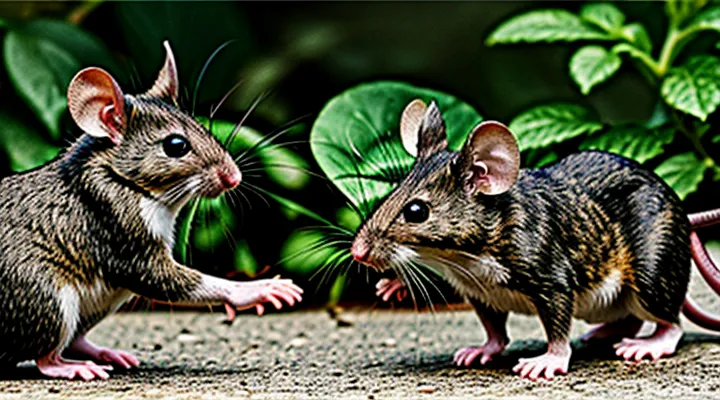
Identifying the Type of Mouse
When a bite occurs, the species of the rodent influences infection risk, recommended treatment, and the need for professional medical evaluation. Accurate identification helps determine whether the bite may transmit diseases such as hantavirus, leptospirosis, or rabies, and whether tetanus prophylaxis is required.
Key characteristics for distinguishing common mouse types include:
- Size and weight: House mice (Mus musculus) are typically 2–4 inches long and weigh 0.5–1 oz; field mice (Apodemus spp.) are larger, up to 5 inches, and heavier.
- Fur coloration: Domesticated house mice display gray or brown fur with a lighter belly; deer mice (Peromyscus maniculatus) have a distinct white underbelly and a bi‑colored tail.
- Tail length and texture: House mouse tails are long, hairless, and tapering; field mice have bushier, shorter tails.
- Ear size and shape: House mice have proportionally large, thin ears; deer mice possess relatively larger, rounded ears.
- Habitat clues: Presence of nesting material, droppings, or gnaw marks near the bite site can indicate an indoor house mouse, while outdoor exposure suggests a field or deer mouse.
Identifying the rodent type guides the following steps:
- Clean the wound thoroughly with soap and water.
- Apply an antiseptic solution.
- Cover with a sterile dressing.
- Assess tetanus status; administer booster if outdated.
- Seek medical attention if the bite originates from a wild species or if signs of infection (redness, swelling, fever) develop.
By promptly recognizing the mouse species, responders can tailor first‑aid measures, reduce complications, and ensure appropriate follow‑up care.
Understanding the Risks
Mouse bites introduce oral bacteria directly into skin, creating an immediate infection risk. Common pathogens include Staphylococcus aureus and Streptococcus species, which can cause cellulitis, abscess formation, or systemic infection if untreated. Prompt cleaning reduces bacterial load and limits tissue damage.
Rodents may carry zoonotic viruses such as hantavirus and leptospirosis. Although transmission through a bite is less common than inhalation or contact with urine, the possibility exists. Symptoms of viral infection often appear days to weeks after exposure and may include fever, muscle aches, and respiratory distress. Early medical evaluation is essential for any signs of systemic illness.
Allergic reactions range from mild local swelling to severe anaphylaxis. Individuals with known rodent allergies or a history of hypersensitivity should monitor the bite site for rapid expansion, urticaria, or difficulty breathing. Immediate administration of epinephrine and emergency medical care are required for anaphylactic responses.
Secondary infection can develop when the wound is left open or contaminated. Indicators include increasing redness, warmth, pus, or escalating pain. Antibiotic therapy, guided by culture when available, prevents progression to deeper tissue involvement.
Key risk factors to assess:
- Depth and location of the puncture (e.g., near joints or vascular structures)
- Presence of underlying health conditions (diabetes, immunosuppression)
- Time elapsed before wound cleaning
- Visible contamination (soil, debris, rodent feces)
Understanding these hazards directs appropriate first‑aid measures and informs the decision to seek professional medical treatment.
First-Aid Steps
Cleaning the Wound
When a mouse bite punctures the skin, immediate wound cleaning reduces infection risk. Act quickly; delay increases bacterial growth.
- Wash hands with soap and water before touching the wound.
- Rinse the bite under running warm water for at least 30 seconds to flush out debris.
- Apply mild soap around the edges; avoid scrubbing directly on the wound to prevent tissue damage.
- Disinfect with an antiseptic solution such as povidone‑iodine or chlorhexidine; saturate the area for 10–15 seconds.
- Pat dry with a sterile gauze pad; do not rub.
- Cover with a clean, non‑adhesive dressing to protect against further contamination.
If the bite is deep, bleeding heavily, or contains visible foreign material, seek professional medical care promptly. Monitor the site for redness, swelling, or pus; report any signs of infection to a healthcare provider.
Applying Pressure to Stop Bleeding
A mouse bite may produce a puncture wound that bleeds. Promptly halting the flow of blood reduces tissue damage and lowers infection risk.
- Place a clean gauze pad or cloth directly over the wound.
- Press firmly with the palm or fingertips, maintaining steady pressure for at least three minutes.
- Do not lift the dressing to check the wound before the time elapses; this can disrupt clot formation.
- If bleeding persists, add another layer of gauze and continue applying pressure without interruption.
After bleeding stops, keep the pressure applied for a short additional period, then secure the dressing with a bandage. Monitor the site for continued oozing; replace the dressing and repeat pressure if needed. Seek professional medical evaluation promptly, especially if the bite is deep, the victim shows signs of infection, or tetanus immunization is outdated.
Bandaging the Bite
When a mouse bite breaks the skin, immediate bandaging limits infection and controls bleeding. Begin by washing hands, then cleanse the wound with mild soap and running water. Pat the area dry with a clean gauze pad.
- Apply gentle pressure with sterile gauze to stop any bleeding; maintain pressure for 1–2 minutes.
- Place an antiseptic-impregnated dressing (e.g., povidone‑iodine or chlorhexidine pad) over the wound.
- Secure the dressing with a breathable adhesive bandage or sterile roll, ensuring it is snug but not constrictive.
- Record the time of bandaging and note any swelling, redness, or increased pain.
After bandaging, inspect the site every 2–3 hours for signs of infection such as warmth, pus, or expanding erythema. Replace the dressing if it becomes wet, dirty, or loosens. Seek professional medical care if symptoms worsen or if the bite was deep, occurred near a joint, or the individual has known allergies or compromised immunity.
Seeking Professional Medical Attention
When to See a Doctor
Symptoms Requiring Immediate Care
A mouse bite can appear minor, but specific signs demand prompt medical attention. Delay increases the risk of serious infection, allergic reaction, or systemic complications.
- Uncontrolled bleeding or a wound that does not clot within a few minutes.
- Rapid swelling, intense pain, or a large area of redness extending beyond the bite site.
- Pus, foul odor, or a hot, tender wound indicating infection.
- Fever above 38 °C (100.4 °F), chills, or feeling generally unwell.
- Nausea, vomiting, or abdominal pain suggesting toxin exposure.
- Sudden rash, hives, swelling of the face or throat, or difficulty breathing, which are hallmarks of an allergic or anaphylactic response.
- Muscle rigidity, difficulty swallowing, or excessive drooling, symptoms that could signal a rare rabies exposure.
- Any indication of tetanus risk, such as a puncture wound in an unvaccinated individual or a lapse in tetanus booster beyond ten years.
When any of these symptoms appear, seek emergency care without delay.
High-Risk Individuals
Individuals with compromised immune systems, chronic illnesses, pregnancy, young children, or advanced age face a heightened risk of severe complications after a rodent bite. Their bodies may respond poorly to bacterial invasion, increasing the likelihood of infection, systemic spread, or delayed wound healing.
When a bite occurs, these persons should:
- Clean the wound with sterile saline or running water for at least one minute, applying gentle pressure to remove debris.
- Apply an antiseptic solution (e.g., povidone‑iodine) without delay.
- Cover the site with a sterile, non‑adhesive dressing.
- Contact a healthcare professional within two hours; if immediate access is unavailable, travel to the nearest emergency department promptly.
Medical professionals typically prescribe:
- A full course of broad‑spectrum antibiotics covering Streptococcus and Pasteurella species, often amoxicillin‑clavulanate.
- Tetanus prophylaxis if immunization status is uncertain or the last booster was over five years ago.
- Rabies post‑exposure prophylaxis only after verification that the mouse could be infected, which is rare but not impossible.
After initial treatment, monitor the wound daily for signs of worsening redness, swelling, increasing pain, pus, or fever. Schedule a follow‑up visit within 48‑72 hours to assess healing and adjust therapy if necessary. Maintain proper nutrition, hydrate adequately, and avoid smoking to support tissue repair.
What to Expect at the Doctor's Office
Wound Examination and Cleaning
When a mouse bite occurs, the first step is to assess the wound. Look for puncture marks, the number of entry points, and any visible tissue damage. Note bleeding intensity, presence of swelling, redness, or discharge, which may indicate infection. Determine whether the bite is superficial or deep enough to expose muscle or tendon. If a foreign object, such as hair or dirt, is visible, record its location.
After examination, clean the wound promptly. Follow these actions:
- Rinse the area under running clean water for at least 30 seconds to flush out debris.
- Apply mild liquid soap around the bite, avoiding direct contact with the wound itself, then rinse thoroughly.
- Disinfect with an antiseptic solution (e.g., 0.5 % povidone‑iodine or chlorhexidine) using a sterile gauze pad; cover the entire wound surface.
- Pat the site dry with a clean, disposable towel.
- Place a sterile, non‑adherent dressing over the bite to protect it from further contamination.
Re‑examine the site after cleaning. Confirm that bleeding has ceased and that no new signs of infection have appeared. Document the size, depth, and any notable characteristics for future medical reference. If the bite is deep, heavily contaminated, or the victim shows signs of systemic reaction (fever, chills, rapid pulse), seek professional medical care without delay.
Tetanus Shot Assessment
A mouse bite can introduce Clostridium tetani spores, making tetanus risk assessment essential. First, verify the victim’s immunization record. If the last tetanus toxoid dose was administered within the past five years, a booster is generally unnecessary unless the wound is heavily contaminated. If more than five years have passed, or if the immunization history is unknown, administer a tetanus‑containing vaccine promptly.
Consider wound characteristics. Deep puncture, extensive tissue damage, or exposure to soil or animal saliva increase the likelihood of tetanus infection. In such cases, a tetanus booster is indicated even when the last dose was given within five years.
Evaluate patient factors. Immunocompromised individuals, the elderly, and those with chronic skin conditions have heightened susceptibility and should receive a booster regardless of prior immunization timing.
Assessment checklist
- Confirm date of last tetanus toxoid injection.
- Determine if the bite is superficial or deep, and assess contamination level.
- Identify any high‑risk patient conditions.
- Decide on tetanus‑containing vaccine administration based on the above criteria.
If a booster is given, document the vaccine type (Td or Tdap) and the administration site. Provide the patient with information on possible side effects and advise observation for signs of infection, such as increasing redness, swelling, or muscle stiffness.
Rabies Risk Evaluation
When a mouse bite occurs, assessing the possibility of rabies transmission is a critical step before proceeding with treatment. Rabies is rare in rodents, but a thorough evaluation eliminates uncertainty and guides appropriate medical action.
Key factors in the risk assessment:
- Species identification – Confirm that the animal is a common house mouse (Mus musculus) or a related rodent. Wild or exotic rodents have a higher, though still low, incidence of rabies.
- Geographic location – Determine whether the bite happened in an area where rabies is endemic among wildlife. Regions with documented rabies in raccoons, foxes, or bats increase the overall risk.
- Vaccination status of the animal – Domestic mice kept as pets are unlikely to be vaccinated; however, a vaccinated laboratory mouse eliminates concern. Absence of vaccination does not automatically imply risk but warrants closer scrutiny.
- Health condition of the mouse – Observe for signs of neurological disease (agitation, paralysis, excessive salivation). Symptomatic rodents suggest possible infection.
- Nature of exposure – Deep puncture wounds that breach the skin and involve saliva pose a greater theoretical risk than superficial scratches.
- Recent contact with rabid wildlife – If the mouse was captured near known rabid animals or had access to carcasses, the probability of exposure rises.
Interpretation of these factors follows a simple logic: if the mouse is a typical domestic or laboratory specimen, the bite occurred in a non‑endemic area, and the animal shows no illness, the rabies risk is negligible. In such cases, standard wound care and tetanus prophylaxis suffice. If any element points toward heightened risk—wild origin, abnormal behavior, or location with active rabies—initiate post‑exposure prophylaxis according to local public‑health guidelines and consult a physician promptly.
Potential Complications and Long-Term Care
Infection Symptoms
After a mouse bite, monitor the wound for signs that an infection is developing. Early detection allows prompt medical intervention and reduces the risk of complications.
Typical local symptoms include:
- Redness spreading from the bite site
- Swelling or firmness of surrounding tissue
- Increased warmth around the area
- Pain that intensifies rather than fades
- Presence of pus or foul odor
- Small blisters or ulceration
Systemic indicators suggest a more serious infection:
- Fever above 38 °C (100.4 °F)
- Chills or shaking
- Generalized fatigue or malaise
- Headache or muscle aches
- Swollen lymph nodes, especially in the neck, armpit, or groin
- Nausea or vomiting
Rare but critical concerns involve tetanus or rabies exposure. Tetanus may present with muscle stiffness, jaw lock, or involuntary spasms. Rabies, though uncommon in rodents, can begin with fever, headache, and unusual behavior, progressing to agitation and hydrophobia.
If any of these symptoms appear, seek professional medical care immediately. Early antibiotic therapy, tetanus prophylaxis, or rabies post‑exposure treatment may be required based on clinical assessment. Continuous observation for at least 48 hours after the bite is advisable, even if the wound initially seems minor.
Disease Transmission
A mouse bite can introduce pathogens directly into the skin, making infection a primary concern. The most common agents transmitted by rodents include Streptobacillus moniliformis (causing rat‑bite fever), Leptospira spp. (leptospirosis), Hantavirus (hantavirus pulmonary syndrome), Salmonella spp., and Clostridium tetani (tetanus). Each organism requires specific clinical awareness because symptoms may appear days to weeks after exposure.
Immediate actions reduce the likelihood of disease development:
- Wash the wound thoroughly with running water and mild soap for at least one minute.
- Apply a sterile antiseptic (e.g., povidone‑iodine or chlorhexidine) after cleaning.
- Cover the bite with a clean, non‑adhesive dressing to protect from external contaminants.
- Seek medical evaluation promptly; professionals will assess the need for antibiotics, tetanus booster, or rabies prophylaxis based on local epidemiology and the animal’s condition.
- Document the incident, including date, time, location, and any observable features of the mouse (e.g., signs of illness).
Healthcare providers may prescribe a course of broad‑spectrum antibiotics such as amoxicillin‑clavulanate to cover typical rodent‑borne bacteria. If tetanus immunization status is uncertain or outdated, a tetanus toxoid booster is indicated. In regions where hantavirus is endemic, clinicians monitor for fever, respiratory distress, and renal impairment, initiating supportive care if symptoms emerge.
Preventive measures limit future exposure: maintain clean storage areas, seal food containers, control rodent populations with traps or professional pest management, and avoid direct handling of wild mice without protective gloves. Regular inspection of living and work environments identifies infestation early, reducing bite incidents and associated disease risk.
Follow-Up Care and Monitoring
After the bite is cleaned and any immediate bleeding is controlled, continue caring for the wound to prevent infection and detect complications. Keep the area covered with a sterile dressing that is changed at least once daily or whenever it becomes wet or dirty. Observe the site for redness, swelling, warmth, pus, or increasing pain; these signs may indicate bacterial infection and require prompt medical evaluation.
Monitor systemic symptoms such as fever, chills, headache, or unexplained fatigue. If any of these develop, contact a healthcare professional without delay. Verify that tetanus immunization is up to date; if the last booster was more than ten years ago—or five years for a dirty wound—administer a tetanus toxoid dose as recommended.
Because rodents can carry pathogens, arrange a follow‑up appointment with a clinician within 24–48 hours. The clinician will assess wound healing, consider prophylactic antibiotics, and evaluate the need for rabies post‑exposure prophylaxis based on the animal’s health status and local epidemiology.
Maintain a written record of the incident, including date and time of the bite, description of the mouse, location of the wound, first‑aid measures performed, and any medications administered. Retain this documentation for future reference and for discussion with medical providers.
If the bite was from a pet mouse, observe the animal for signs of illness for at least two weeks. Any abnormal behavior or illness in the animal should be reported to a veterinarian, as it may influence the risk assessment and subsequent treatment.