
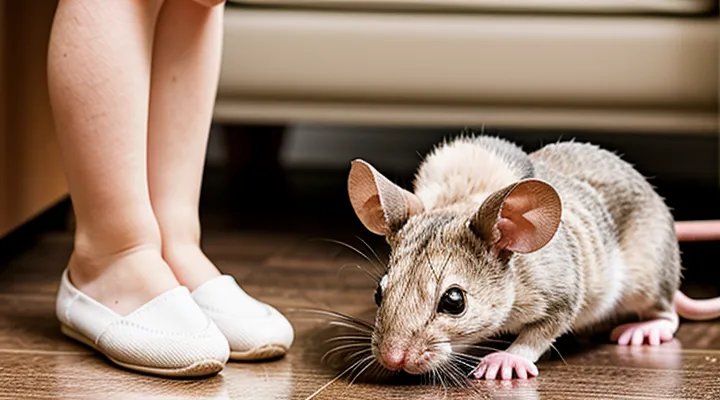
Understanding the Risks of Mouse Bites
Potential Health Concerns
Rabies Risk Assessment
A mouse bite does not automatically imply rabies exposure, but a systematic risk assessment is essential before deciding on post‑exposure treatment.
First, verify the animal’s species. Laboratory or pet mice are rarely carriers; wild rodents have a low documented incidence of rabies, yet isolated cases exist in some regions. Identify whether the mouse was captured from the immediate environment or introduced from another area.
Second, consider geographic prevalence. Consult local public‑health data to determine if rabies has been reported in wild rodent populations nearby. In regions with no recent cases, the probability is negligible; in areas with documented infections, the risk rises.
Third, evaluate the bite circumstances. Deep punctures, prolonged contact, or exposure to saliva on broken skin increase the likelihood of viral transmission. Superficial scratches with minimal tissue damage present a lower threat.
Fourth, assess the child’s health status. Immunocompromised individuals may require more aggressive intervention even with minimal exposure.
Based on these factors, follow the decision pathway:
- No rabies activity in the area, mouse identified as a domestic or laboratory strain, and superficial wound → clean the site, observe the child, no prophylaxis needed.
- Rabies reported in local wild rodents, mouse captured from the wild, deep or multiple bites → wash the wound thoroughly, seek immediate medical evaluation, consider rabies post‑exposure prophylaxis (PEP) according to clinician guidance.
- Uncertain animal origin or incomplete information → treat as potential exposure, initiate wound care, contact health authorities for risk clarification, and discuss PEP options with a physician.
Document the assessment, including animal source, local rabies data, wound description, and any medical advice received. This record supports future review and ensures consistent management if similar incidents occur.
Hantavirus and Other Rodent-Borne Diseases
When a child is bitten by a mouse, the immediate concern is the risk of rodent‑borne infections. Hantavirus, transmitted primarily through inhalation of aerosolized rodent excreta, can also enter the body through a bite wound. Infection may progress to hantavirus pulmonary syndrome, characterized by fever, muscle aches, and rapid respiratory failure. Early recognition and prompt medical evaluation are essential because antiviral therapy is limited and supportive care determines outcome.
Key actions after a mouse bite:
- Wash the wound thoroughly with soap and running water for at least one minute.
- Apply an antiseptic solution (e.g., povidone‑iodine) to reduce bacterial load.
- Cover the area with a sterile dressing.
- Seek medical attention without delay; inform the provider of the mouse exposure to enable appropriate testing for hantavirus, rat‑bite fever, leptospirosis, and other pathogens.
- Follow prescribed antibiotic regimens if bacterial infection is confirmed.
Prevention strategies focus on minimizing contact with rodents and their habitats:
- Seal entry points in homes, garages, and play areas to block mouse access.
- Store food in airtight containers and remove crumbs or spills promptly.
- Keep indoor spaces free of clutter where mice can nest.
- Educate children about not handling wild rodents and the importance of reporting bites immediately.
- Maintain regular pest‑control measures, using traps or professional services when infestations are identified.
Other notable rodent‑borne diseases include:
- Leptospirosis: spread through contact with urine‑contaminated water; symptoms range from mild flu‑like illness to severe kidney or liver failure.
- Salmonellosis: caused by ingestion of contaminated food or water; presents with gastrointestinal distress.
- Rat‑bite fever (spirillary fever): results from bacteria transmitted via bites or scratches; produces fever, rash, and joint pain.
Understanding these risks, applying rigorous first‑aid protocols, and implementing comprehensive prevention measures reduce the likelihood of severe illness after a mouse bite. Immediate medical evaluation remains the cornerstone of effective management.
Tetanus Considerations
When a child suffers a mouse bite, assess tetanus risk promptly. Mouse mouths harbor Clostridium tetani spores, and puncture wounds provide a portal for infection. Immediate cleaning with soap and running water reduces bacterial load; follow with antiseptic application. Evaluate the child’s immunization record: if the tetanus series is incomplete or the last booster was administered more than five years ago, administer tetanus toxoid-containing vaccine (Tdap or Td) as soon as feasible. For children whose vaccination status is unknown, provide tetanus immunoglobulin in addition to the vaccine to ensure passive protection.
Key actions for tetanus prevention after a mouse bite:
- Wash wound thoroughly for at least 5 minutes.
- Apply an approved antiseptic (e.g., povidone‑iodine).
- Cover with a sterile dressing.
- Verify tetanus immunization history.
- Give tetanus booster if >5 years since last dose, or complete series if incomplete.
- Provide tetanus immune globulin when immunization status is uncertain or the wound is deep/contaminated.
- Arrange follow‑up with a healthcare professional within 24–48 hours to monitor wound healing and confirm appropriate immunization.
Identifying a Mouse Bite
Visual Characteristics
A mouse bite typically leaves one or two minute puncture marks, each about 1–2 mm in diameter. The entry points are often surrounded by a thin ring of redness that may expand within minutes. Swelling can develop rapidly, especially around the bite site, and the skin may appear slightly raised or indurated.
The surrounding tissue may show bruising or a purplish hue if blood vessels are damaged. In some cases, a small amount of clear or slightly pink fluid exudes from the punctures, indicating the presence of saliva. The bite edges are usually clean, without ragged tearing, reflecting the sharp, continuously growing incisors of the rodent.
Signs of an adverse reaction include hives, widespread redness, or swelling that spreads beyond the immediate area, particularly on the face, lips, or throat. Respiratory distress, such as wheezing or difficulty breathing, signals a possible anaphylactic response and requires immediate emergency care.
Key visual cues to assess after a mouse bite:
- One or two pinpoint punctures, 1–2 mm across
- Redness (erythema) extending 2–5 mm from the wound
- Rapid swelling or raised tissue around the bite
- Bruising or discoloration of adjacent skin
- Clear or pink exudate from the puncture sites
- Emerging hives, spreading redness, or facial swelling
- Respiratory changes (wheezing, labored breathing)
Monitoring these characteristics guides prompt first‑aid actions and informs the decision to seek medical evaluation.
Differentiating from Other Insect Bites
When a child arrives with a puncture wound, confirming whether a mouse caused the injury rather than an insect bite guides treatment decisions. Mouse bites present distinct visual and clinical clues that separate them from mosquito, flea, tick, spider, or ant encounters.
Mouse bite characteristics include:
- Two‑to‑four small puncture marks spaced roughly 2–4 mm apart, reflecting the animal’s incisors.
- A shallow, often pink wound with minimal surrounding redness.
- Possible presence of a tiny blood clot or dark crust where the teeth broke the skin.
- Absence of a central raised bump; instead, a flat or slightly indented area.
- Rarely accompanied by a distinct buzzing or stinging sensation; pain is usually dull and localized.
Common insect bites differ in several ways:
- Mosquito bites produce a raised, itchy welts with a central puncture, surrounded by a halo of redness that expands over minutes.
- Flea bites appear as clusters of tiny, red papules, often on the ankles or legs, with intense itching.
- Tick bites may leave a small, painless puncture that can develop a bull’s‑eye rash if Lyme disease is transmitted.
- Spider bites can cause a single puncture point with surrounding swelling, sometimes a necrotic center depending on the species.
- Ant bites typically result in a sharp, burning sensation and a localized swelling that may develop a pustule.
To differentiate effectively, follow these steps:
- Inspect the wound for the pattern of punctures; count and measure spacing.
- Note the location: mouse bites commonly occur on exposed skin such as hands, forearms, or face during play.
- Assess associated symptoms: lack of severe itching or spreading redness points away from mosquitoes and fleas.
- Search the environment for evidence of rodents—droppings, gnaw marks, or nesting material.
- If uncertainty remains, consider a brief medical evaluation to rule out infection or allergic reaction.
Accurate identification of a mouse bite ensures that first‑aid measures—cleaning, antiseptic application, and monitoring for infection—are applied promptly, while unnecessary anti‑itch treatments for insect bites are avoided.
Immediate First Aid Steps
Wound Cleaning and Disinfection
Washing the Area Thoroughly
When a child sustains a mouse bite, the first step is to cleanse the wound completely. Begin by placing the injured area under a steady stream of lukewarm water for a minimum of five minutes. This flushes out saliva, debris, and potential contaminants.
Follow the rinse with gentle scrubbing using a mild, fragrance‑free soap. Apply a thin layer of the soap, move it in circular motions for 15–20 seconds, then rinse again until all suds disappear. Do not scrub aggressively; excessive pressure can damage surrounding tissue.
After cleaning, pat the site dry with a sterile gauze pad. Avoid rubbing, which may reopen the wound. If an antiseptic solution (e.g., 0.5 % povidone‑iodine or chlorhexidine) is available, apply a thin coating and allow it to air‑dry before covering.
Key points for effective washing:
- Use running water, not a bath or tub, to ensure continuous flow.
- Maintain water temperature between 35 °C and 38 °C to prevent vasoconstriction.
- Limit soap contact to the wound margin; avoid inserting soap into deep punctures.
- Perform the entire process within the first ten minutes after the bite.
Proper cleansing reduces bacterial load, lowers infection risk, and prepares the area for any subsequent medical evaluation.
Applying Antiseptic
After a mouse bite, clean the wound with mild soap and running water for at least 30 seconds. Rinse thoroughly to remove debris and reduce bacterial load.
Choose an antiseptic suitable for pediatric skin, such as a 0.5 % povidone‑iodine solution, chlorhexidine gluconate (2 % for children), or a hydrogen peroxide solution diluted to 3 %. Do not apply undiluted hydrogen peroxide, as it can damage tissue.
Apply the antiseptic as follows:
- Pat the area dry with a sterile gauze pad.
- Dispense a small amount of the chosen antiseptic onto a clean cotton swab or gauze.
- Gently spread the solution over the entire bite site, covering the edges and surrounding skin.
- Allow the antiseptic to air‑dry; do not rub or massage the area.
If the antiseptic is a liquid that may cause irritation, cover the bite with a non‑adhesive sterile dressing after the solution dries. Change the dressing and reapply antiseptic every 4–6 hours, or sooner if the dressing becomes wet or soiled.
Observe the wound for signs of infection—redness extending beyond the bite, increasing swelling, pus, or fever. Seek medical attention promptly if any of these symptoms appear.
Controlling Bleeding
Direct Pressure Application
Apply firm, continuous pressure to a mouse‑induced wound to stop bleeding. Use a sterile gauze pad or a clean cloth; place it directly over the puncture site and press with the palm or fingers. Maintain pressure without interruption until bleeding subsides, typically no longer than 10 minutes. If blood seeps through, add another sterile layer and continue pressing.
When pressure controls hemorrhage, elevate the affected limb above heart level to reduce blood flow. Avoid removing the initial dressing; instead, add layers if needed. Monitor the child for signs of increased pain, swelling, or persistent bleeding. Should bleeding persist beyond the allotted time, or if the wound is deep, seek professional medical evaluation promptly.
Key points for effective pressure application:
- Use sterile or clean material; do not reuse contaminated pads.
- Press firmly, not so hard as to cause additional tissue damage.
- Keep pressure steady; intermittent release can restart bleeding.
- Record the time pressure began; convey this information to healthcare providers.
Pain Management
Over-the-Counter Options
When a mouse bite occurs, immediate care focuses on cleaning the wound and managing pain and potential infection with readily available medications.
First, rinse the area with clean water and mild soap for at least 30 seconds. Pat dry with a sterile gauze pad. Apply an over‑the‑counter antiseptic such as povidone‑iodine or chlorhexidine to reduce bacterial load.
The following OTC products support effective first aid:
- Pain relievers: Acetaminophen (500 mg for children aged 12 months and older) or ibuprofen (200 mg for children 6 months and older) taken according to weight‑based dosing guidelines.
- Antihistamines: Diphenhydramine (12.5 mg for children 2–5 years, 25 mg for 6–11 years) to alleviate itching and minor swelling.
- Topical antibiotics: Bacitracin ointment or a triple‑antibiotic ointment applied thinly to the bite after cleaning.
- Wound dressings: Sterile adhesive bandages or non‑adhesive gauze pads secured with medical tape to protect the site from further contamination.
Monitor the bite for signs of infection—redness expanding beyond the wound, increasing warmth, pus, or fever. If any of these symptoms develop, or if the child shows signs of an allergic reaction such as hives, swelling of the face, or difficulty breathing, seek medical attention promptly. Additionally, verify that the child's tetanus immunization is current; a booster may be required if the last dose was administered more than five years ago.
When to Seek Medical Attention
Signs of Infection
Redness and Swelling
Redness and swelling appear quickly after a mouse bite, indicating the body’s inflammatory response. The area may feel warm, become tender, and enlarge within minutes. These signs signal that tissue is reacting to bacteria introduced by the puncture.
- Wash the wound with mild soap and running water for at least 30 seconds.
- Pat dry with a clean cloth; avoid rubbing.
- Apply a cold compress or a clean, damp cloth for 10–15 minutes to reduce swelling.
- Cover with a sterile non‑adhesive dressing; change it daily or if it becomes wet.
- Observe the site for increasing redness, expanding swelling, or pus formation.
Seek professional medical assessment if any of the following occur: swelling spreads beyond the bite area, redness forms a streak toward the heart, fever exceeds 38 °C (100.4 °F), or the child experiences intense pain unrelieved by over‑the‑counter analgesics. These symptoms may indicate infection that requires antibiotics or tetanus prophylaxis.
Preventive measures reduce the likelihood of bites and subsequent inflammation. Secure food storage, eliminate clutter where rodents can hide, and repair gaps in walls or foundations. Teach children not to handle wild or unfamiliar animals and supervise play in areas where mice may be present. Regular pest‑control inspections and prompt removal of droppings further diminish exposure risk.
Pus or Discharge
Pus or discharge from a mouse bite wound signals infection and requires immediate attention. Look for thick, yellow‑white fluid, foul odor, or swelling that expands around the bite site. The presence of any of these signs indicates bacterial activity and the need for prompt cleaning.
First, wash the area with mild soap and running water for at least 30 seconds. Rinse thoroughly, then apply an antiseptic solution such as povidone‑iodine or hydrogen peroxide. Gently pat the skin dry with a clean cloth. If pus is visible, use a sterile gauze pad to press lightly, encouraging drainage without squeezing the wound.
After cleaning, cover the bite with a sterile, non‑adhesive dressing. Change the dressing at least twice daily, monitoring for increased redness, warmth, or additional discharge. If any of these symptoms develop, or if the child develops fever, chills, or malaise, seek medical evaluation without delay.
Medical professionals may prescribe oral antibiotics targeting common rodent‑borne pathogens, such as Staphylococcus aureus and Streptococcus species. They may also recommend a tetanus booster if the child's immunization status is uncertain. In severe cases, incision and drainage performed under sterile conditions may be necessary.
Prevent future infections by keeping mouse habitats clean, sealing entry points, and supervising children in areas where rodents are present. Regularly inspect pets for signs of mouse bites, as secondary transmission can occur. Prompt wound care and vigilant observation remain the most effective measures against complications from pus‑producing mouse bites.
Fever and Chills
Fever and chills often appear within 24‑48 hours after a mouse bite, signaling the body’s response to bacterial invasion. Common pathogens include Streptococcus species and Pasteurella multocida, which can trigger systemic symptoms such as elevated temperature, shaking, and malaise. Persistent or high fever (above 38.5 °C) combined with chills warrants prompt medical evaluation to rule out cellulitis, septicemia, or rabies exposure.
- Measure the child’s temperature at least twice daily.
- Record the exact time the fever began and any accompanying symptoms (redness, swelling, pain).
- Contact a healthcare professional if the temperature exceeds 38.5 °C, if chills are severe, or if the wound shows signs of spreading infection.
- Follow the prescribed antibiotic regimen without delay; complete the full course even if symptoms improve.
- Keep the wound clean, covered, and dry; change dressings according to medical advice.
Preventing fever and chills starts with reducing the risk of mouse bites. Secure food storage, eliminate rodent entry points, and maintain a clean environment to discourage infestations. Regular pest‑control inspections and humane trapping lower the likelihood of encounters. Educating caregivers about proper handling of rodents and immediate wound care further diminishes the chance of infection‑related fever and chills.
Deep or Punctured Wounds
A mouse bite that penetrates the skin creates a deep or punctured wound, exposing underlying tissue to bacteria and increasing the risk of infection, tetanus, or rabies. Prompt, precise care reduces complications and supports healing.
- Wash hands thoroughly before touching the wound.
- Flush the wound with clean running water for at least one minute, using mild soap around the area but not inside the wound.
- Apply gentle pressure with a sterile gauze pad to stop bleeding.
- Cover the wound with a sterile dressing that does not adhere to the tissue.
- Administer a tetanus booster if the child’s immunization is not up‑to‑date.
- Seek professional medical evaluation immediately; a clinician will assess need for antibiotics, wound closure, or rabies prophylaxis.
Preventing deep puncture injuries from rodents requires eliminating exposure and reducing attractive conditions. Secure food storage, repair gaps in walls, doors, and screens, and keep basements and attics dry. Educate children about not handling wild rodents and supervise play in areas where mice may be present. Regular pest‑control inspections maintain a mouse‑free environment and protect children from severe bites.
Unvaccinated Child or Unknown Vaccination Status
A mouse bite in a child whose vaccination record is missing or indicates no prior immunizations demands immediate, decisive action.
First, stop any bleeding by applying firm pressure with a clean cloth. Rinse the wound thoroughly with running water and mild soap; avoid scrubbing. After cleaning, cover the area with a sterile dressing and transport the child to a medical facility without delay.
At the health‑care center, clinicians must assess rabies exposure based on the mouse’s environment and behavior. If the animal cannot be observed or is suspected of carrying rabies, administer rabies immune globulin and initiate the rabies vaccine series according to local protocols. Verify tetanus immunization status; provide tetanus toxoid or tetanus‑diphtheria‑pertussis booster if the child is not up to date. Document the bite, photograph the wound if possible, and record the time of exposure.
Post‑treatment, schedule follow‑up visits to monitor for infection, inflammation, or delayed rabies symptoms. Instruct caregivers to observe the wound daily for redness, swelling, or discharge and to report any changes immediately. Notify public‑health authorities to aid in surveillance and to assess the need for community‑wide rodent control measures.
Prevent future incidents by ensuring the child completes the recommended vaccination schedule, especially rabies and tetanus boosters. Implement rodent‑proofing strategies: seal entry points, store food in airtight containers, and maintain clean, clutter‑free play areas. Educate parents and caregivers about supervising children in environments where rodents may be present and about promptly reporting any rodent sightings to pest‑management services.
Mouse Specimen for Identification
Collecting the mouse that caused a bite provides essential data for medical assessment and future prevention. Accurate species identification can determine the likelihood of pathogen transmission, guide antibiotic selection, and clarify whether rabies prophylaxis is necessary.
To obtain a specimen safely, follow these steps:
- Wear disposable gloves and, if available, a face mask.
- Secure the mouse in a sturdy container with a tight‑fitting lid; include a small piece of bedding to reduce stress.
- Label the container with the date, time, and exact location of the bite.
- Transport the sealed container to a veterinary clinic, public health laboratory, or pest‑control professional promptly.
Record additional details that aid identification:
- Physical characteristics: size, fur color, tail length, ear shape.
- Environmental context: indoor versus outdoor, type of building, presence of food sources.
- Observed behavior: nocturnal activity, nesting sites, aggression level.
Medical professionals use this information to evaluate infection risk. Certain rodent species carry hantavirus, leptospirosis, or bacterial pathogens such as Streptobacillus moniliformis. Identification may warrant specific antimicrobial therapy or serologic testing. If the mouse belongs to a species known to be a rabies reservoir, post‑exposure vaccination becomes a priority.
Preventive actions stem from the identified species’ habits. Seal gaps larger than ¼ inch, eliminate standing water, store food in airtight containers, and install snap or live traps in areas where the mouse was captured. Regular inspection of basements, attics, and crawl spaces reduces the chance of future bites.
Long-Term Care and Follow-Up
Monitoring the Wound
After a mouse bite, continuous observation of the wound is essential to detect complications early. Record the injury’s appearance immediately and note any changes at regular intervals.
- Inspect the site every two to three hours for the first 24 hours. Look for increased redness, swelling, warmth, or pus formation.
- Measure the diameter of any swelling; a rapid increase may indicate infection.
- Monitor the child’s temperature twice daily. Fever above 38 °C (100.4 °F) warrants medical evaluation.
- Ask the child about pain intensity. A sudden rise in discomfort suggests deeper tissue involvement.
- Observe for systemic symptoms such as fatigue, headache, or joint pain, which could signal disease transmission.
If any of the following occurs, seek professional care promptly: expanding redness beyond the wound margins, foul odor, excessive bleeding, or the emergence of a rash elsewhere on the body. Document the time and nature of each observation to provide accurate information to healthcare providers. Continuous monitoring, combined with proper wound care, reduces the risk of infection and supports swift intervention when needed.
Doctor's Recommendations
Antibiotics if Necessary
When a child is bitten by a mouse, the wound should be cleaned promptly and assessed for signs of infection. If the bite is deep, contaminated, or shows early inflammation—redness, swelling, warmth, or pus—antibiotic therapy may be required to prevent bacterial spread.
Typical indications for prescribing antibiotics include:
- Penetrating puncture or laceration larger than 0.5 cm.
- Presence of foreign material (e.g., mouse hair or saliva) in the wound.
- Immunocompromised status of the child or chronic health conditions.
- Delayed presentation (more than 12 hours after the bite).
- Clinical signs of cellulitis or systemic symptoms such as fever.
First‑line oral agents commonly used are amoxicillin‑clavulanate or a macrolide (e.g., azithromycin) if the child has a penicillin allergy. Dosage follows pediatric guidelines based on weight, typically 20–40 mg/kg per day divided into two or three doses for amoxicillin‑clavulanate. Treatment duration ranges from 5 to 10 days, adjusted according to clinical response.
If the bite involves a high‑risk area (face, hand, or near joints) or the child exhibits worsening infection despite oral therapy, an escalation to intravenous antibiotics such as ceftriaxone or vancomycin may be indicated. Consultation with a pediatrician or infectious disease specialist ensures appropriate selection, dosing, and monitoring for adverse effects.
Tetanus Booster Review
When a child suffers a mouse bite, immediate care focuses on wound cleaning, infection monitoring, and evaluating the need for tetanus protection. The tetanus booster, also known as Td or Tdap, restores immunity that wanes after the primary series. A single dose administered within 48 hours of the injury can prevent tetanus toxin from establishing a foothold in the damaged tissue.
Key points for the booster assessment:
- Verify the child’s vaccination record; if the last tetanus-containing vaccine was given more than five years ago, a booster is indicated.
- Administer the appropriate formulation: Tdap for children under seven, Td for older children and adolescents.
- Observe for local reactions such as redness, swelling, or pain at the injection site; systemic symptoms are rare but may include mild fever or headache.
- Contraindications include severe allergic reaction to previous tetanus vaccine components or a history of Guillain‑Barré syndrome within six weeks of a prior dose.
- Document the administration date, vaccine lot number, and any adverse events in the medical record.
If the child’s immunization status is up to date and the last booster was within the recommended interval, additional tetanus immunization is unnecessary. In all cases, continue wound care, monitor for signs of infection, and seek medical evaluation if redness expands, drainage appears, or fever develops.
Preventing Future Mouse Bites
Rodent Control in and Around the Home
Sealing Entry Points
Sealing entry points is a critical step in reducing the risk of mouse encounters that could lead to bites. Begin by inspecting the interior and exterior of the home for openings larger than a quarter‑inch. Pay particular attention to gaps around pipes, vents, utility lines, and the foundation.
- Fill cracks with expandable polyurethane foam or cement‑based sealant.
- Pack steel wool into holes before applying caulk to prevent rodents from chewing through.
- Install hardware cloth or metal flashing over larger openings such as vent covers and crawl‑space entrances.
- Replace damaged weatherstripping on doors and windows with new, tightly fitting material.
- Secure basement and attic access doors with self‑closing mechanisms and ensure they latch properly.
After repairs, conduct a follow‑up inspection to verify that all potential pathways are closed. Maintaining a sealed environment limits mouse intrusion and thereby protects children from possible bites.
Eliminating Food Sources
Eliminating food sources removes the primary attraction that draws rodents into homes and reduces the risk of a child encountering a mouse. When food is readily available, mice proliferate, increasing the likelihood of bites and the spread of disease.
- Store dry goods in airtight containers; avoid leaving cereal, crackers, or pet food open.
- Clean up crumbs and spills immediately; wipe countertops and sweep floors after meals.
- Dispose of garbage daily in sealed bins; keep outdoor trash cans closed and away from the house.
- Refrigerate perishable items promptly; do not leave fruit or leftovers on counters.
- Restrict access to birdseed, pet feed, and compost by placing them in mouse‑proof containers.
Consistently applying these measures creates an environment where mice cannot find sustenance, thereby lowering the chance of a bite incident and supporting overall safety for children.
Proper Waste Management
Proper waste management reduces the likelihood that children encounter mice. Eliminating food residues, standing water, and clutter removes attractants and nesting sites, thereby decreasing bite risk.
Effective waste disposal includes:
- Securely seal all trash in rigid containers with tight-fitting lids.
- Place containers away from play areas and at least 3 feet from building foundations.
- Empty bins regularly; avoid overflow that can harbor rodents.
- Use pest‑resistant bags that resist tearing and puncture.
- Dispose of organic waste in compost bins that are rodent‑proof and located outside the home perimeter.
When a bite occurs, waste handling remains critical. Clean the wound with mild soap and water, then apply a sterile dressing. Dispose of contaminated gauze, gloves, and any food scraps in a sealed bag before placing it in a waste container with a lid. This prevents secondary contamination and limits exposure for other household members.
Consistent implementation of these waste practices creates an environment where mouse activity is minimal, supporting both prevention and safe response to any incident involving a child.
Educating Children on Rodent Safety
Avoiding Contact with Wild Animals
Avoiding contact with wild animals reduces the risk of mouse bites and other injuries. Children should not be allowed to handle rodents found outdoors, in barns, or in abandoned structures. Supervision is essential whenever a child explores areas where wildlife may be present.
Preventive measures include:
- Securing food waste in sealed containers to deter rodents from gathering near homes.
- Maintaining a clean yard by removing debris, tall grass, and brush where mice can hide.
- Installing screens on windows and doors to block entry into living spaces.
- Using child‑safe traps or professional pest‑control services to reduce rodent populations safely.
- Teaching children to report sightings of mice or other wildlife to an adult instead of approaching them.
When outdoor play is planned, choose well‑maintained parks or playgrounds with regular pest‑control inspections. Inspect play equipment for signs of infestation before use. If a child encounters a mouse, instruct them to step back, avoid touching the animal, and inform an adult immediately.
By eliminating attractants, controlling access, and educating children on safe behavior, families can prevent accidental bites and maintain a healthier environment.
Reporting Sightings
When a mouse bite occurs, notifying the appropriate authorities is a critical component of the response. Prompt reporting provides health officials with data needed to assess rabies risk, identify potential disease outbreaks, and implement control measures that protect other children and families.
- Contact the local public health department within 24 hours of the incident. Provide the child's age, the date and time of the bite, and a description of the mouse (size, color, behavior).
- Inform the pediatrician or family physician. Supply the same details and request documentation for the medical record.
- Notify the property manager, landlord, or building maintenance team. Request an inspection of the premises to locate entry points, nests, and signs of infestation.
- If the bite occurs in a school, day‑care, or other supervised setting, report it to the facility’s administrator and to the school nurse. Ensure the incident is recorded in the institution’s safety log.
- Report the sighting to a wildlife or pest‑control agency when the mouse is observed alive or its presence is evident. Include location coordinates, recent sightings, and any evidence of droppings or gnaw marks.
Accurate, timely reports enable coordinated actions such as targeted rodent control, vaccination recommendations, and community alerts. Maintaining clear records also supports follow‑up care for the child and helps prevent future incidents.
Pet Safety Considerations
Pet safety considerations are essential when a child has been bitten by a mouse. First, ensure that all rodents are housed in secure enclosures that cannot be opened by a child or a pet. Use locks or latch mechanisms that require adult supervision to access. Regularly inspect cages for damage, gaps, or loose bars that could allow escape.
Maintain strict separation between pet areas and spaces where children play. Keep cats, dogs, and other animals away from mouse habitats to prevent predatory attacks that could result in bites or aggressive behavior toward children. If pets share the same room, supervise interactions continuously and train animals to avoid approaching small rodents.
Implement rigorous hygiene practices. Wash hands after handling any animal, cleaning cages, or disposing of bedding. Disinfect surfaces that have been in contact with rodents to reduce the risk of bacterial contamination from bite wounds. Store food and treats in sealed containers to prevent rodents from being attracted to pet feeding areas.
Establish a prevention checklist:
- Secure all rodent cages with child‑proof locks.
- Inspect cages weekly for structural integrity.
- Keep pets out of rooms with active rodent habitats.
- Supervise any contact between children, pets, and rodents.
- Wash hands and sanitize surfaces after handling rodents.
- Store pet food in airtight containers.
- Educate children about not touching or provoking rodents.
By integrating these measures, the likelihood of future mouse bites and secondary complications can be minimized, protecting both children and household pets.