
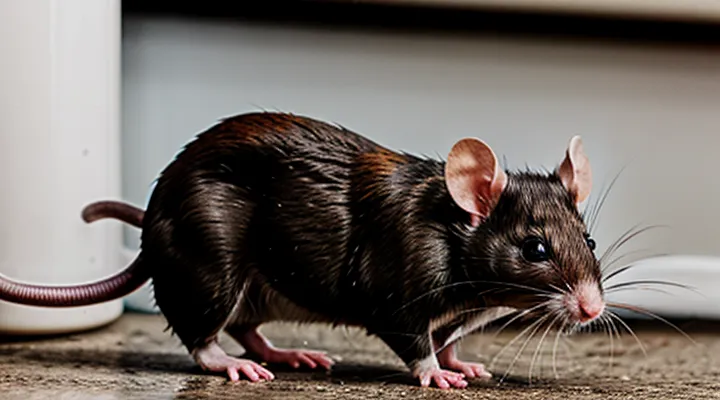
Recognizing the Symptoms of a Cold in Your Rat
Common Signs of Respiratory Distress
Nasal Discharge
Nasal discharge is a common indicator of an upper‑respiratory infection in pet rats. It typically appears as a thin, clear fluid that may become thicker and yellow‑white as the condition progresses. The presence of crusted material around the nostrils often accompanies the symptom.
Observation of discharge includes evaluating color, consistency, and frequency. Clear, watery fluid suggests early infection; thicker, discolored secretions point to bacterial involvement. Increased frequency indicates worsening inflammation.
Immediate care focuses on hygiene and environmental support:
- Gently wipe each nostril with a damp cotton swab to remove crusts.
- Provide a humidified enclosure, maintaining humidity at 50‑60 % to ease breathing.
- Ensure fresh water is readily available to prevent dehydration.
- Offer soft, nutrient‑dense foods that require minimal chewing.
Medical intervention may be necessary when discharge persists for more than 48 hours or changes to pus‑like consistency. A veterinarian can prescribe appropriate antibiotics and recommend supportive treatments such as respiratory stimulants. Monitoring temperature and appetite helps gauge response to therapy.
Long‑term prevention relies on stable housing conditions. Regular cleaning eliminates residual pathogens, while adequate ventilation reduces airborne irritants. Balanced nutrition fortified with vitamin C supports immune function and reduces susceptibility to respiratory ailments.
Sneezing and Congestion
Sneezing in a rat often signals irritation of the nasal passages, while congestion indicates accumulation of mucus that can impede breathing. Typical signs include frequent nose twitches, audible snorts, and a damp nose tip. Rapid breathing or open‑mouth respiration may accompany severe blockage.
Immediate measures focus on reducing irritation and supporting airway clearance:
- Relocate the animal to a quiet, draft‑free enclosure.
- Increase ambient humidity with a safe, low‑level misting device or a shallow water dish.
- Provide soft, easily chewable food to encourage fluid intake.
- Clean bedding daily to eliminate dust and potential allergens.
Environmental management further aids recovery. Use dust‑free, absorbent substrate such as paper‑based bedding. Ensure the cage is well‑ventilated but free of strong airflow that could dry nasal membranes. Maintain a stable temperature between 20 °C and 24 °C to prevent additional stress on the respiratory system.
Hydration and nutrition are critical. Offer fresh water at all times, supplemented with unflavored electrolyte solution if the rat shows reduced drinking. Include moist foods like fresh fruits or vegetables, and consider a small portion of warmed, low‑fat broth to increase fluid consumption.
Professional veterinary assessment becomes necessary if any of the following occur: persistent sneezing beyond three days, worsening congestion, loss of appetite, lethargy, or signs of secondary infection such as discharge turning yellow or green. Early intervention with appropriate antimicrobial therapy can prevent complications and promote a swift return to health.
Labored Breathing
Labored breathing indicates increased effort to move air through the lungs and signals a potentially serious respiratory problem in a rat suffering from a cold. The condition manifests as rapid, shallow breaths, flaring nostrils, audible wheezing, or visible abdominal movement that appears strained.
Recognizable signs include:
- Audible wheeze or crackle during inhalation or exhalation
- Nasal discharge accompanied by frequent sneezing
- Elevated respiratory rate exceeding 120 breaths per minute
- Visible retractions of the chest wall or neck muscles
Immediate actions focus on reducing airway obstruction and supporting oxygen intake. Place the animal in a warm, quiet area free of drafts. Provide a humidified environment by positioning a shallow dish of warm water near the cage, ensuring the water does not become a source of contamination. Offer easily digestible, high‑calorie foods to maintain energy reserves while the immune system combats infection.
Environmental adjustments further aid recovery:
- Maintain ambient temperature between 70 °F and 75 °F (21 °C–24 °C)
- Keep humidity levels around 50 % to ease mucosal dryness
- Eliminate strong odors, aerosols, and excessive bedding dust
Medical intervention becomes necessary when labored breathing persists for more than 24 hours, worsens despite supportive care, or is accompanied by cyanosis, lethargy, or loss of appetite. A veterinarian may prescribe bronchodilators, antibiotics targeting secondary bacterial infections, or supplemental oxygen. Early veterinary assessment improves prognosis and reduces the risk of complications such as pneumonia.
Lethargy and Reduced Appetite
Lethargy and reduced appetite are common indicators that a pet rat is struggling with a respiratory infection. The animal may move slowly, spend most of the day resting, and show little interest in food or water. These symptoms signal that the immune system is under stress and that metabolic demands are not being met.
Immediate measures focus on supporting comfort and nutrition.
- Provide a warm, draft‑free enclosure; temperature around 22–25 °C helps maintain body heat.
- Offer fresh water in a low‑profile bottle to encourage drinking; consider adding a few drops of electrolyte solution if dehydration is suspected.
- Present high‑calorie, easily digestible foods such as soft pellets, boiled sweet potato, or a small amount of plain yogurt.
- Place food close to the animal’s nest to reduce the effort required to reach it.
- Limit handling to essential checks; excessive disturbance can increase stress.
If lethargy persists for more than 24 hours, appetite does not improve, or additional signs appear—such as nasal discharge, coughing, or rapid weight loss—prompt veterinary evaluation is required. Professional assessment may include respiratory examination, imaging, and prescription of antibiotics or supportive therapy. Early intervention reduces the risk of complications and promotes recovery.
Initial Steps and Home Care
Providing a Warm and Humid Environment
Humidifiers and Steamy Bathrooms
Providing adequate moisture helps alleviate congestion in a rat suffering from a respiratory infection. Increased ambient humidity eases nasal passage swelling and promotes easier breathing.
A cool‑mist humidifier placed near the cage creates a steady level of moisture without overheating the environment. Set the device to maintain relative humidity between 50 % and 60 %. Position the humidifier at least twelve inches from the cage to prevent water droplets from reaching bedding. Clean the unit weekly to avoid bacterial growth.
A steamy bathroom offers a short, intensive boost of humidity. Fill the tub with hot water, close the door, and allow steam to fill the room for five to ten minutes. During this period, keep the rat’s cage inside the bathroom, ensuring the enclosure remains stable and the rat cannot escape. After the session, return the cage to its normal location and allow the environment to dry gradually.
Additional measures:
- Use a hygrometer to verify target humidity levels.
- Keep cage bedding dry and replace it if it becomes damp.
- Observe the rat for signs of improvement, such as reduced wheezing or restored appetite.
- Consult a veterinarian if symptoms persist beyond a few days.
Avoiding Drafts and Cold Spaces
Rats suffering from respiratory illness are highly sensitive to cold air and drafts, which can aggravate congestion and delay recovery.
Cold currents lower the ambient temperature inside the enclosure, increase stress levels, and promote the proliferation of pathogens. Maintaining a stable, warm environment reduces these risks and supports the immune response.
Practical steps to eliminate drafts and cold spaces:
- Position the cage away from windows, doors, and air‑conditioning vents.
- Cover any ventilation openings with a fine mesh that allows airflow but blocks direct breezes.
- Use thick, absorbent bedding to create an insulating layer on the cage floor.
- Add a small, low‑wattage heat source (e.g., a ceramic heat emitter) calibrated to keep the temperature between 20 °C and 22 °C.
- Seal gaps around the cage base with non‑toxic silicone or foam strips.
Regularly check the cage temperature with a digital thermometer; adjust heating or relocation as needed to prevent sudden temperature fluctuations. Maintaining a draft‑free, warm habitat constitutes a core component of effective care for a rat battling a cold.
Ensuring Proper Hydration and Nutrition
Offering Palatable Foods
Providing appealing foods supports recovery in a rat suffering from a cold. Nutrient‑dense, easy‑to‑eat options encourage regular intake, maintain body temperature, and aid immune function.
- Soft fruits such as ripe banana, peeled apple, or pear, cut into bite‑size pieces. Moisture content helps prevent dehydration.
- Cooked vegetables like carrots, sweet potato, or pumpkin, lightly mashed. Warm temperature eases nasal congestion.
- Protein sources: boiled egg yolk, plain cooked chicken, or low‑fat cottage cheese, offered in small amounts to sustain muscle mass.
- Commercially formulated recovery treats, high in calories and vitamins, can supplement the diet when appetite is reduced.
When introducing new foods, observe the rat for any signs of aversion or digestive upset. Fresh water should be available at all times; a shallow dish or water bottle reduces spillage and encourages drinking. If appetite remains low for more than 24 hours, consult a veterinarian for possible supplemental feeding methods.
Supplementing with Hydrating Options
Providing adequate fluids is essential for a rat experiencing nasal congestion and mild fever. Dehydration can develop quickly because a cold often reduces appetite and water intake. Offering easy‑to‑drink, nutrient‑rich liquids supports mucosal moisture and aids immune function.
Effective hydrating options include:
- Fresh, filtered water presented in a shallow dish to facilitate sipping.
- Low‑sodium chicken broth, warmed to body temperature, delivering electrolytes without excess salt.
- Diluted unsweetened fruit juice (e.g., apple or pear) at a 1:4 ratio, supplying natural sugars for energy.
- Commercial rodent electrolyte solutions formulated for small mammals, administered according to product guidelines.
Supplementation with moisture‑rich foods further enhances fluid intake. Soft fruits such as cucumber, watermelon, and peeled tomato can be offered in small, bite‑size pieces. Wet pet foods designed for rodents also contribute to overall hydration.
Monitoring fluid consumption several times daily ensures the rat remains adequately hydrated. If water intake declines despite these measures, veterinary evaluation is recommended to address potential complications.
Maintaining Hygiene
Cleaning the Cage Regularly
Regular cage cleaning reduces respiratory irritants that can worsen a rat’s nasal congestion. Removing dust, droppings, and mold eliminates sources of airborne pathogens, allowing the animal’s weakened immune system to focus on recovery.
Key actions for maintaining a hygienic environment:
- Remove all bedding and replace with fresh, low‑dust material each 2‑3 days.
- Wash the cage, food dishes, water bottles, and accessories with warm, mild soap; rinse thoroughly to avoid residue.
- Disinfect surfaces with a diluted, rodent‑safe solution (e.g., 1 % hydrogen peroxide) and allow complete drying before reassembly.
- Spot‑clean daily: discard soiled food, wipe spills, and remove visible waste.
Cleaning should occur at least twice weekly during illness, with daily spot‑cleaning to limit bacterial growth. Observe the rat’s behavior after each cleaning; reduced sneezing and clearer breathing indicate effective environmental control. Adjust frequency if symptoms persist, ensuring the habitat remains dry, well‑ventilated, and free of contaminants.
Wiping Down Your Rat
When a pet rat exhibits signs of a cold, nasal discharge and excess mucus can accumulate on the fur, especially around the face and whiskers. Residual secretions attract bacteria and may impede breathing, making regular cleaning a critical component of supportive care.
Removing debris and moisture reduces the risk of secondary infections and improves the animal’s ability to thermoregulate. The process must be gentle to avoid stressing an already vulnerable pet.
- Prepare a shallow dish of lukewarm water (approximately 30 °C).
- Dampen a soft, lint‑free cloth or a small piece of gauze.
- Gently press the cloth against the affected areas, allowing moisture to lift the discharge without rubbing.
- For stubborn buildup, apply a thin layer of a pet‑safe saline solution, then wipe with the damp cloth.
- Dry the fur immediately with a clean, dry towel to prevent chilling.
- Inspect the skin for irritation or sores; report any abnormalities to a veterinarian.
After each cleaning session, monitor the rat’s behavior and respiratory rate. Maintain a dry, warm environment and limit handling to essential care tasks until the cold resolves. Regular grooming combined with appropriate medical treatment accelerates recovery and safeguards overall health.
When to Seek Veterinary Attention
Red Flags Indicating Worsening Condition
Persistent Symptoms
When a pet rat continues to exhibit signs of an upper‑respiratory infection beyond the initial few days, the condition shifts from a transient illness to a concern that requires immediate attention. Persistent symptoms may include:
- Ongoing nasal discharge or sneezing that does not subside
- Repeated wheezing or noisy breathing
- Lethargy or reduced activity levels lasting more than 48 hours
- Diminished food and water intake, leading to weight loss
- Conjunctival discharge or crusted eyes
- Persistent fever, detectable by a warm tail or rapid breathing
These indicators suggest that the infection may have progressed or become secondary to bacterial involvement. Prompt veterinary evaluation is essential; a professional can perform a physical exam, obtain nasal swabs, and prescribe appropriate antimicrobial therapy if bacterial pathogens are identified.
Supportive care should accompany any medical treatment. Maintain ambient temperature between 20–24 °C, provide a humidified environment to ease airway irritation, and ensure constant access to fresh water. Offer nutrient‑dense foods such as soft pellets, boiled egg whites, or commercial rodent recovery formulas to encourage intake. Monitor weight daily; a loss exceeding 5 % of body weight warrants urgent reassessment.
If symptoms persist despite initial treatment, consider the following actions:
- Re‑examine the rat for secondary complications, such as sinusitis or pneumonia.
- Adjust medication dosage or switch to a different antibiotic based on culture results.
- Evaluate cage hygiene, bedding material, and ventilation to eliminate environmental stressors that may impede recovery.
Early recognition of «persistent symptoms» and swift, targeted intervention significantly improve the likelihood of full recovery and reduce the risk of chronic respiratory disease.
Difficulty Breathing
Difficulty breathing signals a potentially serious complication of a respiratory infection in a pet rat. Rapid, shallow breaths, audible wheezing, or visible effort to inhale indicate that the airway is obstructed or inflamed. Immediate steps focus on reducing stress, ensuring adequate oxygen intake, and supporting the immune response.
- Place the rat in a warm, quiet area free of drafts. Temperature between 20 °C and 24 °C prevents additional respiratory strain.
- Provide easy access to fresh water and a high‑quality diet rich in protein and vitamin C to bolster immunity.
- Keep the enclosure clean; remove bedding that may harbor dust or mold, and replace it with low‑dust material such as paper‑based products.
- Use a humidifier or a shallow dish of warm water to increase ambient humidity, easing mucosal swelling.
- Monitor respiratory rate every hour; normal adult rats breathe 80–150 breaths per minute at rest. Persistent rates above this range warrant veterinary evaluation.
- If the rat shows signs of cyanosis, inability to stay upright, or sudden collapse, seek emergency veterinary care without delay.
Veterinary intervention may include antimicrobial therapy, bronchodilators, or supplemental oxygen. Early identification and supportive care reduce the risk of progression to pneumonia or respiratory failure.
Blue-Tinged Extremities
Blue‑tinged extremities in a pet rodent often signal reduced peripheral circulation, a common complication of respiratory infections. The discoloration ranges from a subtle lavender hue to a pronounced cyanosis, indicating that oxygen delivery to the paws, tail, and ears is compromised.
When a rat exhibits this symptom, immediate actions focus on supporting thermoregulation and enhancing oxygen intake.
- Increase ambient temperature to 22‑24 °C; use a low‑wattage heat lamp or a heated pad placed beneath bedding, avoiding direct contact that could cause burns.
- Ensure the enclosure remains free of drafts; seal gaps and position the cage away from windows or ventilation fans.
- Provide a humidified environment; a small ultrasonic humidifier or a shallow water dish with a damp cloth can raise local humidity, easing nasal passage congestion.
- Offer easily digestible, high‑calorie foods such as softened pellets or plain cooked egg; hydration is maintained with fresh, lukewarm water or an electrolyte solution formulated for small mammals.
- Monitor respiratory rate; rapid, shallow breathing combined with blue‑tinged limbs warrants veterinary assessment without delay.
Veterinary intervention may include supplemental oxygen, bronchodilators, or antibiotics if bacterial infection is suspected. Early recognition of peripheral cyanosis, coupled with prompt environmental and nutritional support, reduces the risk of progression to systemic hypoxia.
Preparing for the Vet Visit
Describing Symptoms Accurately
Accurate observation of clinical signs is the foundation for effective intervention in a rat experiencing a respiratory infection.
Visible signs include:
- Frequent sneezing or audible nasal discharge.
- Clear, watery eyes or occasional crusting around the eyelids.
- Nasal or oral secretions; color ranging from clear to yellowish indicates possible bacterial involvement.
- Audible wheezing or labored breathing, especially during exhalation.
Temperature assessment provides objective data. Normal rat body temperature lies between 37 °C and 39 °C; a drop below 36 °C suggests systemic compromise, while an elevation above 40 °C may indicate fever.
Behavioral changes warrant immediate attention:
- Marked reduction in activity levels, reluctance to explore, or prolonged periods of stillness.
- Decreased food and water intake, leading to weight loss within 24–48 hours.
- Grooming neglect, resulting in a ragged coat appearance.
Documenting the frequency, duration, and progression of each symptom enables veterinary professionals to differentiate a simple viral cold from secondary bacterial pneumonia, guiding appropriate therapeutic choices.
Discussing Treatment Options
A rat suffering from a cold requires prompt supportive measures to alleviate discomfort and prevent complications.
Key treatment options include:
- Maintain ambient temperature between 20 °C and 24 °C; avoid drafts and sudden temperature changes.
- Provide fresh water at all times; add a few drops of electrolyte solution if intake declines.
- Offer soft, easily digestible foods such as warmed rice cereal or soaked pellets to encourage nutrition.
- Use a humidifier or place a shallow dish of warm water near the cage to increase humidity and ease nasal congestion.
- Apply a veterinarian‑approved nasal decongestant spray sparingly, following dosage instructions precisely.
- Administer antibiotics only when a bacterial infection is confirmed by a veterinarian; select broad‑spectrum agents appropriate for rodents.
Monitoring parameters are essential: respiratory rate, nasal discharge, activity level, and appetite. If symptoms persist beyond 48 hours, worsen, or if the rat exhibits lethargy, labored breathing, or loss of weight, immediate veterinary assessment is required.
Overall, combining environmental control, hydration, nutrition, and targeted medication addresses the majority of cold‑related issues in pet rats.