
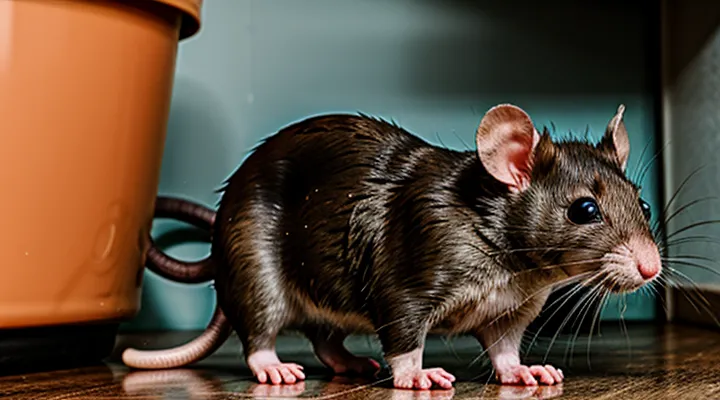
What Is a Veterinarian?
General Practitioners vs. Specialists
General veterinary practitioners provide routine care for common companion animals such as dogs, cats, and frequently, pet rats. Their training covers basic diagnostics, vaccinations, and minor surgical procedures, allowing them to address most everyday health concerns.
Specialists focus on exotic or small mammals, often holding additional credentials such as a board certification in exotic animal medicine. These veterinarians are referred to as exotic animal specialists or rodent veterinarians. Their expertise includes advanced diagnostics, complex surgeries, and disease management specific to rats.
Key distinctions include:
- Education: Generalists complete a standard veterinary degree; specialists add residency training and board exams in exotic animal medicine.
- Procedures: Specialists perform high‑resolution imaging, endoscopic surgeries, and detailed necropsies that exceed the routine capabilities of generalists.
- Availability: General practitioners are widely accessible; specialists operate in referral centers or clinics dedicated to exotic pets.
Owners should seek a specialist when a rat presents with persistent respiratory issues, severe gastrointestinal disorders, or requires sophisticated surgical intervention. Routine wellness checks, basic wound care, and vaccination schedules can be managed effectively by a general practitioner.
The Role of a General Veterinarian
A general veterinarian provides primary medical care to a wide range of domestic animals, including small rodents such as rats. The practitioner conducts physical examinations, administers vaccinations, and monitors growth and behavior to detect health issues early.
Routine responsibilities for rat patients encompass:
- Conducting full-body assessments to identify signs of illness or injury.
- Collecting and analyzing blood, urine, or fecal samples for diagnostic purposes.
- Prescribing medications, adjusting dosages, and managing pain or infection.
- Advising owners on nutrition, cage hygiene, and environmental enrichment to prevent disease.
- Performing minor surgical procedures, such as tumor excision or wound closure.
When a case exceeds the scope of standard practice—e.g., complex internal disorders, advanced imaging, or specialized surgeries—the general veterinarian refers the rat to a board‑certified exotic animal specialist. This referral ensures access to advanced expertise while maintaining continuity of care through shared medical records and collaborative treatment plans.
The Specialist for Rats: An Exotic Animal Veterinarian
What Is an Exotic Animal Veterinarian?
An exotic animal veterinarian is a licensed doctor who treats species outside the traditional companion‑animal group, including rats, guinea pigs, reptiles, birds and exotic mammals. The practitioner holds a Doctor of Veterinary Medicine (DVM) degree, completes a rotating internship or a residency focused on non‑food‑animal species, and may obtain board certification from the American College of Zoological Medicine or the American Veterinary Medical Association’s exotic animal practice track.
Typical responsibilities include:
- Preventive health exams and vaccination planning tailored to small‑mammal physiology.
- Diagnostic work‑up using imaging, laboratory testing, and parasite screening specific to rodents.
- Surgical interventions such as tumor removal, fracture repair, and dental correction.
- Management of chronic conditions, nutritional disorders, and infectious diseases common to rats and similar species.
Owners seeking care for a pet rat should consult veterinary directories, contact university‑affiliated teaching hospitals, or request referrals from general‑practice veterinarians. Verifying that the clinician lists “exotic animal” or “small mammal” practice on their profile ensures appropriate expertise.
Why Rats Need Specialized Care
Rats possess physiological traits that differ markedly from common household pets. Their dental structure grows continuously, requiring regular monitoring to prevent over‑growth and malocclusion. Respiratory systems are highly sensitive; even minor dust particles can trigger severe infections. Metabolic rates are fast, so drug dosages must be calculated with precision to avoid toxicity. Behavioral patterns include nocturnal activity and social hierarchies, influencing stress levels and susceptibility to disease. Consequently, a veterinarian trained in exotic rodent medicine—often referred to as a rat specialist—must apply species‑specific knowledge.
Key reasons for specialized care:
- Continuous incisor growth demands routine dental exams.
- Prone to respiratory pathogens such as Mycoplasma pulmonis.
- High basal metabolism alters pharmacokinetics.
- Social stress can precipitate gastrointestinal ulcers.
- Limited research on rat‑specific vaccines and parasite control.
A practitioner with certification in exotic animal practice can diagnose, treat, and prevent conditions that general small‑animal veterinarians might overlook. Accurate dosing, targeted diagnostics, and environment‑based recommendations reduce morbidity and extend the lifespan of pet rats.
Unique Anatomy and Physiology of Rats
Rats possess a skeletal framework that combines lightweight bones with a high degree of flexibility. The skull houses continuously growing incisors, which require constant gnawing to prevent overgrowth. The mandible is reinforced by a powerful masseter muscle, enabling strong bite forces essential for processing hard seeds and nuts.
The respiratory system features a high tidal volume relative to body size, allowing efficient oxygen uptake during rapid bursts of activity. Nasal turbinates are densely packed, providing a large surface area for scent detection; olfactory epithelium accounts for a significant portion of the nasal cavity, supporting the species’ reliance on chemical cues.
Digestive anatomy includes a large cecum that ferments plant material, producing volatile fatty acids used as an energy source. The pancreas secretes a balanced mix of amylase and lipase, reflecting the omnivorous diet. Stomach acidity remains comparatively low, reducing the risk of ulcer formation despite frequent ingestion of acidic foods.
Reproductive physiology is characterized by a short estrous cycle (approximately four days) and induced ovulation. Females can become pregnant within 24 hours of mating, and gestation lasts about 21 days, resulting in litters of 6–12 pups. Lactation demands a high metabolic rate, supported by enlarged mammary glands and increased prolactin secretion.
Sensory systems exhibit specialized adaptations. Vision is dichromatic, optimized for detecting movement rather than fine detail. Whisker follicles are richly innervated, providing tactile feedback for navigation in confined spaces. Auditory range extends into ultrasonic frequencies, facilitating communication through high‑pitched vocalizations.
Metabolic regulation relies on a rapid basal metabolic rate, which sustains body temperature despite the rodent’s small size. Brown adipose tissue located near the interscapular region contributes to thermogenesis during cold exposure. Glucose homeostasis is maintained by a pancreas that releases insulin in response to frequent, small meals.
These anatomical and physiological traits dictate the expertise required of the veterinary professional who treats rats. Knowledge of continuously erupting teeth, cecal fermentation, and rapid reproductive cycles informs diagnostic approaches, surgical techniques, and therapeutic dosing specific to this species.
Common Health Issues in Rats
Rats receive medical care from veterinarians who specialize in exotic small mammals, often referred to as rat veterinarians or exotic animal veterinarians. These professionals diagnose and treat the conditions most frequently observed in pet rats.
Common health issues include:
- Respiratory infections – bacterial or viral agents cause sneezing, nasal discharge, and labored breathing; prompt antimicrobial therapy is essential.
- Dental problems – overgrown incisors or malocclusion lead to difficulty eating, weight loss, and facial swelling; regular tooth trimming prevents progression.
- Gastrointestinal stasis – reduced motility results in abdominal distension, lethargy, and dehydration; treatment combines fluid therapy, motility agents, and supportive nutrition.
- Tumors – especially in the mammary glands and skin; surgical removal combined with histopathology determines prognosis.
- Skin parasites – mites or fleas cause itching, hair loss, and secondary infections; topical or systemic acaricides provide relief.
- Metabolic bone disease – calcium deficiency produces weak limbs, fractures, and abnormal gait; dietary correction and supplemental calcium address the deficit.
- Urinary tract infections – present with frequent urination, blood in urine, and straining; culture‑guided antibiotics are required.
Early recognition of these signs and consultation with a qualified rat veterinarian improve outcomes and enhance the longevity of pet rats.
Specific Medications and Dosages for Rats
Rats receive care from veterinarians who specialize in exotic or small‑mammal medicine; these professionals are commonly referred to as rodent specialists or small‑mammal veterinarians.
Medication for rats falls into several categories: antibiotics, analgesics, antiparasitics, antiparasitic agents, and supportive supplements. Each drug requires precise dosing based on the animal’s weight, usually expressed in milligrams per kilogram (mg/kg).
- Enrofloxacin – 10 mg/kg orally once daily for bacterial infections.
- Meloxicam – 0.2 mg/kg orally once daily for inflammatory pain.
- Buprenorphine – 0.01–0.05 mg/kg subcutaneously every 12 hours for moderate pain.
- Ivermectin – 0.2 mg/kg subcutaneously as a single dose for external parasites.
- Praziquantel – 50 mg/kg orally as a single dose for tapeworms.
- Trimethoprim‑sulfamethoxazole – 30 mg/kg orally every 12 hours for mixed bacterial infections.
- Vitamin B complex – 1 ml per 100 g body weight orally once daily for supportive care in stressed or ill rats.
Dosages must be calculated on the exact gram weight of the individual. Over‑ or under‑dosing can cause toxicity or therapeutic failure. Administration routes (oral, subcutaneous, intraperitoneal) should follow the veterinarian’s instructions to ensure absorption and minimize stress.
All treatments require confirmation by a qualified rodent specialist. Regular monitoring of clinical signs, weight, and behavior determines whether adjustments are necessary. Laboratory testing may be recommended for chronic conditions or when using drugs with narrow safety margins.
Finding a Qualified Exotic Animal Veterinarian
Key Qualities to Look For
When seeking a professional who treats pet rats, prioritize the following attributes.
- Formal training in exotic animal medicine, typically a DVM with additional certification or coursework focused on small mammals.
- Demonstrated experience handling rats, evident through case histories, client testimonials, or a dedicated rodent practice.
- Knowledge of rat-specific health issues such as respiratory infections, tumors, and nutritional disorders, reflected in diagnostic and treatment protocols.
- Ability to perform delicate procedures—blood draws, imaging, surgeries—while minimizing stress for the animal.
- Clear communication about preventive care, medication administration, and signs of illness, ensuring owners can act promptly.
- Commitment to continuing education, evidenced by attendance at conferences or publication in rodent‑health literature.
Choosing a practitioner who meets these criteria increases the likelihood of accurate diagnosis, effective treatment, and long‑term wellbeing for pet rats.
Resources for Locating a Specialist
A veterinarian who focuses on rodents and other exotic pets is commonly identified as a small‑animal or exotic‑pet specialist. Locating such a professional requires consulting reliable sources.
- The American Veterinary Medical Association (AVMA) maintains an online directory where practitioners can be filtered by specialty and geographic area.
- Professional groups such as the American College of Veterinary Internal Medicine (ACVIM) and the Association of Exotic Mammal Veterinarians list certified members.
- University veterinary schools often operate teaching hospitals that accept small‑mammal patients; their websites provide contact information and appointment procedures.
- State or regional veterinary licensing boards publish lists of licensed veterinarians, which can be cross‑checked for exotic‑pet credentials.
- Pet‑owner forums and reputable rodent‑care websites frequently share recommendations and personal experiences with local specialists.
When contacting a clinic, request verification of the veterinarian’s experience with rats, inquire about the range of services offered, and confirm that the practice follows current standards for exotic‑pet care.
Online Directories and Databases
Online directories and specialized databases provide the most reliable means of locating a veterinarian who treats rats. These platforms aggregate verified practitioner profiles, licensing information, and areas of expertise, allowing pet owners to identify professionals qualified in rodent medicine.
Key resources include:
- Veterinary specialty association listings – such as the American Veterinary Medical Association’s “Find a Vet” tool, which filters by species expertise and geographic location.
- Exotic animal veterinary networks – websites like ExoticPetVet.com and RodentVetDirectory.org compile contacts for clinicians experienced with small mammals, including rats.
- State veterinary board registries – searchable databases maintained by licensing authorities confirm a practitioner’s legal standing and any additional certifications in exotic or small‑animal practice.
- Professional review platforms – sites such as Healthgrades and VETSuccess aggregate client feedback, enabling assessment of a veterinarian’s reputation among rat owners.
When consulting these sources, verify the following details:
- Certification in exotic or small‑animal veterinary medicine.
- Experience treating rats, indicated by case studies or client testimonials.
- Current licensure status and any disciplinary records.
By systematically reviewing the information presented in these online tools, rat owners can confidently select a qualified specialist for routine care, disease treatment, and preventive health management.
Recommendations from Other Rat Owners
Rat owners consistently advise that the most reliable professional for rodent health is a small‑animal veterinarian who lists exotic or rodent medicine among their specialties. The consensus emphasizes verification of credentials before scheduling a visit.
- Confirm the practitioner holds a veterinary license and additional certification in exotic animal care (e.g., ACVS or ECVM).
- Request evidence of experience with rats, such as case studies, client testimonials, or a dedicated rodent practice.
- Choose a clinic that offers a quiet, low‑stress environment; rats are sensitive to loud noises and strong scents.
- Verify that the office provides appropriate equipment, including a small‑animal scale and a safe carrier for transport.
- Check online reviews and ask local rat‑keeping groups for personal referrals.
When preparing for the appointment, owners recommend bringing a detailed health record: date of birth, diet, recent weight changes, and any observed symptoms. A carrier that allows the rat to remain upright and concealed reduces stress during transport. Some owners also suggest carrying a small sample of the rat’s bedding or food in case the veterinarian needs to assess environmental factors.
Community resources prove valuable for locating qualified professionals. Dedicated rat‑keeping forums, regional pet‑owner clubs, and social‑media groups frequently share updated lists of veterinarians who accept rats. Engaging with these networks can provide timely alerts about new specialists, clinic closures, or changes in service offerings.
Consulting with Local Veterinary Clinics
When seeking care for pet rats, contact veterinary practices that list exotic, small‑mammal, or rodent expertise. Begin by identifying clinics within reasonable distance that advertise experience with non‑traditional pets. Verify credentials by asking whether a veterinarian on staff holds certification in exotic animal medicine or has documented cases involving rats.
- Call the clinic’s reception, state the species and specific concerns, and request to speak with the appropriate veterinarian.
- Inquire about the practitioner’s training, such as board certification in exotic animal practice or continuing‑education courses focused on rodents.
- Ask whether the clinic possesses equipment suitable for small‑mammal examinations, including appropriate anesthesia masks and diagnostic tools.
- Request information on the typical cost of a wellness exam, parasite screening, and any recommended vaccinations or preventative care for rats.
- Arrange a preliminary consultation to assess the veterinarian’s familiarity with rat anatomy, common diseases, and handling techniques.
Document the clinic’s response, confirm appointment details, and prepare the rat for transport by using a secure carrier and minimizing stress. Selecting a practice with verified expertise ensures accurate diagnosis, appropriate treatment, and ongoing health monitoring for the animal.
Preparing for Your Rat's Vet Visit
Essential Information to Gather
A veterinarian who focuses on rats is typically an exotic‑animal practitioner with additional training in small‑mammal medicine. This specialist applies diagnostic and therapeutic techniques tailored to the unique physiology and behavior of rats, addressing common conditions such as respiratory infections, dental disease, and gastrointestinal issues.
When selecting a professional for rat care, gather the following data:
- Licensure: Verify active veterinary license in the appropriate jurisdiction.
- Board certification or postgraduate training: Look for credentials in exotic animal or small‑mammal medicine.
- Clinical experience: Confirm years of practice specifically with rats or other rodents.
- Facility capabilities: Ensure the clinic has appropriate equipment for anesthesia, imaging, and surgery on small mammals.
- Emergency coverage: Determine availability of after‑hours or on‑call services.
- Client testimonials or references: Seek feedback from owners of pet rats or laboratory animal facilities.
Additional factors to assess include geographic proximity, fee structure, and the practitioner’s willingness to discuss preventive care plans. Collecting these details enables informed decisions and promotes optimal health outcomes for pet rats.
Transporting Your Rat Safely
A veterinarian who treats rats is an exotic small‑mammal specialist. Proper transport reduces stress and prevents injury, allowing the clinician to assess the animal accurately.
Use a secure, well‑ventilated carrier that fits the rat comfortably. Line the bottom with absorbent bedding, but keep the amount minimal to avoid shifting during movement. Maintain ambient temperature between 65 °F and 75 °F; avoid drafts and direct sunlight. Place the carrier on a stable surface, securing it with a strap if necessary.
- Choose a carrier with a lockable door and smooth interior walls.
- Include a small water dish with a few drops of water for longer trips.
- Cover the carrier with a breathable cloth to limit visual stimulation.
- Keep the carrier level; do not tilt or jostle it.
- Carry the carrier close to your body to provide warmth and reduce motion.
If the rat shows signs of distress or illness, contact the exotic‑mammal veterinarian before departure. Provide the clinic with the estimated arrival time and a brief description of symptoms. During emergencies, use a calibrated transport box designed for small mammals and keep the animal in a quiet, temperature‑controlled vehicle.
By following these steps, the rat arrives at the clinic calm, stable, and ready for professional evaluation.
Questions to Ask Your Exotic Animal Vet
Pet rats require a veterinarian who has completed additional training in rodent medicine; such practitioners are commonly referred to as exotic‑animal or small‑animal specialists with a focus on rodents. Selecting a clinician with this expertise ensures accurate diagnosis, appropriate treatment plans, and preventive health strategies specific to rats.
Before the first consultation, compile a list of targeted questions. Clear, concise inquiries enable the veterinarian to assess the animal’s condition efficiently and to educate the owner on best‑practice care.
- What qualifications and experience do you have with rat patients?
- Which preventive measures (vaccinations, parasite control, dental checks) are recommended for pet rats?
- How often should a healthy rat be examined, and what signs indicate a need for urgent care?
- What dietary guidelines do you advise for optimal nutrition and gastrointestinal health?
- Which common illnesses or behavioral issues should I monitor, and what are the typical treatment options?
- How do you approach pain management and anesthesia in rats?
- What emergency contact procedures are in place for after‑hours situations?
- Can you provide guidance on breeding, genetics, and litter health if applicable?
The responses to these questions form the basis for a comprehensive health plan, allowing owners to maintain optimal welfare for their rats and to intervene promptly when problems arise.
The Importance of Regular Check-ups
Preventive Care for Rats
Rats benefit from routine health management provided by veterinarians who specialize in small mammals. These professionals focus on disease avoidance, early detection, and lifestyle optimization to sustain long‑term vitality.
Key components of preventive care include:
- Vaccination assessment – evaluate need for immunizations against common pathogens such as Mycoplasma pulmonis.
- Parasite control – schedule regular fecal examinations and administer appropriate ectoparasite preventatives.
- Nutrition planning – formulate diets rich in fiber, low in fat, and supplemented with essential vitamins and minerals.
- Environmental sanitation – maintain clean cages, provide adequate ventilation, and replace bedding frequently to reduce bacterial load.
- Dental monitoring – inspect incisors for overgrowth and arrange periodic trimming to prevent malocclusion.
- Weight tracking – record body condition scores quarterly to identify obesity or underweight trends early.
- Behavioral observation – note changes in activity, grooming, or social interaction as potential indicators of health issues.
Regular wellness examinations, typically every six months, enable the specialist to update preventive protocols, perform physical assessments, and collect baseline data for future comparison. Owners should schedule visits promptly when subtle signs—such as altered eating patterns, respiratory sounds, or coat deterioration—appear, as early intervention markedly improves outcomes.
Engaging a qualified small‑animal veterinarian ensures that preventive measures align with the species‑specific physiology of rats, thereby reducing morbidity and extending lifespan.
Early Detection of Illnesses
A veterinary professional who concentrates on exotic small mammals, especially rats, is commonly identified as a rat specialist or exotic rodent veterinarian. This practitioner possesses training in the anatomy, physiology, and disease patterns unique to rats, enabling precise health assessments.
Early identification of disease in rats relies on vigilant observation of subtle behavioral and physical changes. Prompt recognition shortens the interval between onset and treatment, increasing the likelihood of full recovery.
Typical early indicators include:
- Reduced activity or reluctance to explore
- Decreased food or water intake
- Nasal or ocular discharge
- Abnormal fur condition, such as loss of sheen or patches of baldness
- Changes in stool consistency or frequency
- Audible breathing difficulties or wheezing
The rat specialist employs diagnostic techniques suited to the species’ size and sensitivity. Common methods comprise:
- Physical examination with gentle palpation to detect organ enlargement
- Radiography for skeletal or pulmonary assessment
- Blood sampling via tail vein for hematology and biochemistry panels
- Fecal analysis to identify parasites or bacterial overgrowth
- Urinalysis for metabolic irregularities
Owners should report any observed deviations immediately, schedule a veterinary appointment without delay, and follow the specialist’s recommendations for preventive care, including regular health checks, proper nutrition, and environmental enrichment. Early detection, combined with expert intervention, maximizes therapeutic success and extends the rat’s lifespan.
Maintaining Optimal Health and Well-being
The professional who treats pet rats is a veterinary practitioner specializing in small‑exotic animals, often referred to as a rodent or exotic‑pet veterinarian. Their training includes the anatomy, physiology, and disease patterns unique to rodents, enabling precise diagnosis and targeted therapy.
Optimal health for rats depends on three core elements: nutrition, environment, and preventive care.
- Provide a balanced diet of high‑quality laboratory rat chow supplemented with fresh vegetables and occasional protein sources.
- Maintain a clean cage with appropriate bedding, regular spot cleaning, and complete substrate changes weekly to prevent respiratory and skin infections.
- Schedule routine examinations at least twice yearly to assess weight, dental wear, and organ function; laboratory tests may be recommended for early detection of metabolic disorders.
Common health concerns include respiratory infections, dental overgrowth, and gastrointestinal problems. Early signs—nasal discharge, weight loss, or abnormal feces—warrant immediate consultation with the rodent‑focused veterinarian. Prompt intervention reduces morbidity and supports long‑term well‑being.