
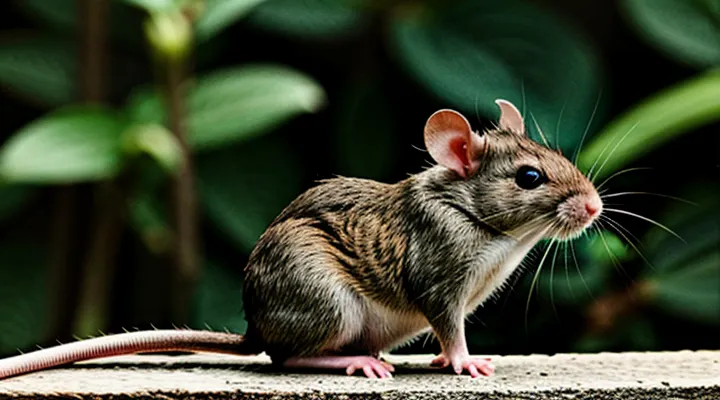
The Vital Role of a Rat’s Tail
Anatomical Significance
Structure and Composition
A rat tail consists of a series of tiny vertebrae surrounded by a sheath of skin, connective tissue, and a thin layer of muscle. The vertebrae are composed of compact bone and cartilage, providing structural support while allowing flexibility. The outer skin is heavily keratinized, forming a protective barrier that resists abrasion. Beneath the skin, a network of blood vessels—arteries, veins, and capillaries—delivers oxygen and nutrients to the tail tissues. Sensory nerves run parallel to the vertebrae, supplying tactile feedback and temperature perception. Fat deposits are interspersed within the connective tissue, serving as an energy reserve and contributing to thermoregulation.
When the tail is severed, several immediate physiological changes occur:
- Disruption of the vascular system leads to rapid blood loss; arterial pressure can cause hemorrhage within seconds.
- Transection of sensory nerves results in loss of tactile sensation and impaired temperature detection in the distal segment.
- Removal of the vertebral column eliminates the tail’s role in balance, affecting the animal’s ability to navigate narrow spaces.
- Exposure of the keratinized epidermis creates a pathway for bacterial invasion, increasing infection risk.
- The loss of adipose tissue reduces the rat’s capacity for heat dissipation, potentially altering core temperature regulation.
Regeneration of a rat tail is limited. Bone fragments cannot re‑form, and the spinal cord does not regenerate, preventing functional restoration of the distal portion. Healing primarily involves scar tissue formation at the wound site, which may contract and alter tail shape. Proper wound care—sterile closure, pressure bandaging, and antimicrobial treatment—mitigates complications and promotes tissue repair.
Functions Beyond Balance
Tail loss in rats eliminates more than a stabilizing lever. The caudal appendage participates in temperature regulation, social signaling, fat storage, and sensory perception. Removing it therefore alters physiological and behavioral processes that extend far beyond equilibrium maintenance.
- Thermoregulation: Blood vessels within the tail dilate or constrict to release or conserve heat; amputation reduces the animal’s capacity to dissipate excess body temperature.
- Communication: Tail movements convey aggression, submission, and reproductive readiness; loss impairs visual cues essential for hierarchical interactions.
- Energy reserves: Subcutaneous adipose tissue accumulates in the tail; its removal decreases available metabolic stores during periods of scarcity.
- Sensory input: Mechanoreceptors and nociceptors located in the tail provide tactile feedback and pain awareness; amputation eliminates these pathways, affecting environmental exploration.
Experimental data indicate that rats with severed tails exhibit elevated core temperatures under heat stress, altered dominance hierarchies, reduced weight gain when food is limited, and diminished response to tail‑based stimuli. These outcomes underscore the necessity of considering all tail‑related functions when evaluating the effects of caudal injury or when designing surgical protocols for laboratory rodents.
Immediate Consequences of Tail Loss
Physiological Impacts
Blood Loss and Shock
When a rat’s tail is severed, arterial and venous vessels are exposed, leading to rapid hemorrhage. The tail contains a substantial proportion of the animal’s total blood volume relative to its size; loss of even 10 % of circulating blood can precipitate hypovolemic shock.
Blood loss reduces venous return, decreasing cardiac preload and stroke volume. The resulting drop in arterial pressure triggers compensatory mechanisms: sympathetic discharge increases heart rate, peripheral vasoconstriction attempts to preserve central perfusion, and the renin‑angiotensin system conserves sodium and water. If hemorrhage continues unchecked, these responses become insufficient, leading to:
- Tachycardia
- Pale, cool extremities
- Weak or absent pulse
- Rapid, shallow breathing
- Loss of consciousness
Shock progresses through stages—compensated, decompensated, irreversible—each marked by worsening tissue hypoxia and metabolic acidosis. Immediate intervention must halt bleeding and restore circulating volume. Effective measures include:
- Direct pressure on the wound or application of a hemostatic agent.
- Temporary ligation of the severed vessels with fine suture or surgical clip.
- Intravenous infusion of isotonic crystalloid solution (e.g., lactated Ringer’s) at 20 ml/kg over 10–15 minutes.
- Monitoring of heart rate, respiratory rate, mucous membrane color, and capillary refill time to assess recovery.
Failure to control hemorrhage within minutes can result in irreversible organ failure and death. Prompt, decisive hemostasis combined with fluid resuscitation is therefore critical to prevent shock after tail amputation in rats.
Increased Vulnerability to Infection
The tail of a rat contains a dense network of arteries, veins, and lymphatic vessels that terminate in a thin, keratinized skin layer. When the tail is severed, the cut surface is exposed to the environment, creating an immediate portal for microbial entry. The loss of this protective barrier eliminates the first line of defense against opportunistic bacteria and fungi present on bedding, food, and the animal’s own fur.
Blood loss from the severed vessels reduces local circulation, impairing the delivery of immune cells to the wound site. Reduced perfusion also hampers the removal of metabolic waste, fostering conditions that favor bacterial growth. The exposed tissue rapidly desiccates, leading to necrosis; necrotic tissue serves as a nutrient-rich substrate for pathogens.
Stress induced by tail amputation triggers the release of glucocorticoids, which suppress systemic immune function. Consequently, the rat’s ability to mount an effective inflammatory response declines, increasing the probability that a localized infection will progress to systemic sepsis.
Typical microbial invaders include:
- Staphylococcus aureus – colonizes skin and can produce toxins that damage tissue.
- Pseudomonas aeruginosa – thrives in moist environments and resists many antibiotics.
- Streptococcus spp. – capable of rapid proliferation in compromised wounds.
- Candida albicans – opportunistic yeast that may colonize necrotic tissue.
If the wound is not promptly cleaned, disinfected, and protected with a sterile dressing, bacterial colonization can spread to surrounding musculature and enter the bloodstream. Clinical signs of infection appear as swelling, erythema, heat, and purulent discharge. Systemic involvement may manifest as fever, lethargy, loss of appetite, and rapid weight loss.
Effective management requires immediate hemostasis, thorough irrigation with sterile saline, application of an appropriate antiseptic, and monitoring for signs of infection. Antibiotic therapy, guided by culture and sensitivity testing, reduces the risk of septic complications. Without such interventions, the severed tail significantly heightens the rat’s susceptibility to infection, potentially compromising overall health and survival.
Behavioral and Survival Challenges
Impaired Locomotion and Agility
Tail amputation removes a critical stabilizing organ. The vertebral extension functions as a counterweight, allowing precise adjustments during rapid movements. Without it, rats exhibit a measurable decline in gait symmetry; hindlimb stride length shortens while stance duration lengthens. Ground‑contact patterns become irregular, leading to frequent slips on smooth surfaces.
Key locomotor consequences include:
- Reduced maximal running speed, typically 20‑30 % lower than intact counterparts.
- Decreased ability to climb vertical or inclined structures; grip strength on forelimbs compensates but does not restore former performance.
- Impaired swimming efficiency; tail‑driven propulsion diminishes, causing slower, less coordinated strokes.
- Altered hindlimb joint angles; hip and knee flexion increase to offset loss of tail‑mediated balance.
Neurological feedback also suffers. Cutaneous receptors along the tail convey proprioceptive information that integrates with spinal circuits. Their absence forces the central nervous system to rely on forelimb and trunk cues, a process that delays corrective responses during sudden perturbations.
Compensatory adaptations develop over weeks. Musculature of the lumbar region hypertrophies, and forelimb loading rises, raising the risk of joint stress. Nevertheless, the overall agility of the animal remains inferior to that of a non‑amputated specimen, limiting exploration of complex environments and increasing vulnerability to predators.
Thermoregulation Difficulties
Rats rely on their tails as a primary avenue for heat loss. The tail contains a dense network of blood vessels that can dilate to release excess body heat and constrict to retain warmth. When the tail is removed, this vascular surface disappears, forcing the animal to depend on less efficient mechanisms such as skin evaporation and respiratory cooling. Consequently, core temperature rises more quickly in warm environments and drops more readily in cold settings.
The loss of tail‑mediated thermoregulation imposes several physiological challenges:
- Elevated basal metabolic rate to generate sufficient heat during cold exposure.
- Increased susceptibility to hypothermia when ambient temperature falls below the animal’s thermoneutral zone.
- Higher risk of hyperthermia in high‑temperature or high‑humidity conditions because heat cannot be dissipated effectively.
- Greater reliance on behavioral strategies, such as huddling or seeking warmer microhabitats, which may conflict with other survival priorities.
Long‑term effects include altered hormone secretion patterns, particularly reduced thyroid hormone activity, and impaired stress response due to chronic temperature instability. These changes can diminish growth rates, suppress immune function, and lower overall fitness.
Social Implications Within Colonies
The removal of a rat’s tail creates immediate changes in the social fabric of its group. Tail amputation eliminates a primary visual cue used for individual identification, forcing colony members to rely more heavily on scent markers and vocalizations. This shift can increase aggression, as rats struggle to recognize familiar partners, leading to more frequent territorial disputes.
- Reduced hierarchy stability: dominant individuals lose a tactile signal that reinforces status, prompting challenges from subordinates.
- Altered grooming patterns: caretaking behaviors intensify, with peers spending additional time cleaning the wound, which may strengthen short‑term bonds but also divert resources from other activities.
- Elevated stress hormones: cortisol levels rise in both the injured rat and its neighbors, potentially suppressing reproductive output across the colony.
Social isolation may develop when the tailless rat is excluded from communal nesting sites, reflecting an instinctive avoidance of perceived weakness. The group’s overall cohesion declines, and the colony’s foraging efficiency can drop as energy is redirected toward monitoring the injured individual. Long‑term, colonies that experience repeated tail loss events exhibit slower population growth and heightened susceptibility to disease due to compromised social immunity mechanisms.
Long-Term Effects and Adaptation
Scarring and Regeneration Potential
Limited Regenerative Capabilities
Rats survive tail amputation because the wound closes rapidly. Hemostasis occurs within minutes, followed by inflammation that clears debris and prevents infection. Skin edges retract and re‑epithelialize, forming a scar that restores the protective barrier.
Regeneration of complex structures is limited. The following elements demonstrate the extent of recovery:
- Epidermis and dermis: regenerate as scar tissue; original hair follicles and glands do not reappear.
- Blood vessels: re‑anastomose to supply the scar, but the vascular network remains simplified.
- Nerves: axons sprout from proximal stumps, re‑innervating the scar region; functional recovery is partial, with reduced sensitivity.
- Cartilage and bone: absent in the distal segment; no new vertebral elements form.
Complications include chronic ulceration, infection, and impaired thermoregulation due to loss of tail surface area. The limited regenerative capacity prevents restoration of the original tail length or its specialized functions, leaving a permanent scar that compromises balance and communication cues.
Formation of Scar Tissue
When a rat’s tail is severed, the wound undergoes a predictable sequence of cellular events that culminate in scar formation. Hemostasis occurs within seconds; platelets aggregate at the cut surface, releasing fibrin and growth factors that create a provisional matrix. This matrix stabilizes the wound and provides a scaffold for incoming immune cells.
The inflammatory phase follows, lasting roughly 24–72 hours. Neutrophils infiltrate the site, phagocytosing debris and bacteria. Monocytes differentiate into macrophages, which secrete cytokines (e.g., IL‑1β, TNF‑α) that amplify the response and attract fibroblasts. The presence of these signaling molecules also initiates the transition to the proliferative stage.
During proliferation (days 3–10), fibroblasts migrate into the fibrin clot, proliferate, and synthesize extracellular matrix components, primarily type III collagen. Concurrently, endothelial cells form new capillaries (angiogenesis) to supply nutrients. Myofibroblasts develop contractile activity, drawing wound edges together and reducing the defect size. Keratinocytes at the epidermal margin re‑epithelialize the surface, restoring barrier function.
Remodeling extends from week 2 to several months. Type III collagen is gradually replaced by stronger type I collagen, fibers align along tension lines, and the scar contracts further. Tensile strength increases to approximately 70 % of original tissue after 6 weeks. In rats, the scar remains pliable due to the tail’s low‑load environment, but excessive contraction can produce a fibrous band that may impair tail mobility.
Key characteristics of the scar tissue:
- Dense collagenous matrix, predominantly type I
- Reduced vascularity compared with surrounding tissue
- Presence of residual myofibroblasts for several weeks
- Limited innervation; neuroma formation is possible if nerve endings are not properly re‑aligned
Overall, the formation of scar tissue restores structural continuity after tail amputation, but the repaired segment differs mechanically and histologically from the original tail, influencing long‑term function and susceptibility to secondary injury.
Changes in Lifestyle and Environment
Enhanced Predation Risk
Tail amputation in rats removes a primary sensory organ, severely limiting their ability to detect vibrations and airflow changes. This loss reduces early warning of approaching predators, making rats more vulnerable during foraging and escape.
The absence of the tail also impairs balance and agility. Rats rely on tail movements to execute rapid, coordinated turns; without this support, locomotor efficiency declines, slowing pursuit evasion and increasing capture probability.
Additional consequences amplify predation risk:
- Diminished tactile feedback from the tail’s mechanoreceptors.
- Reduced proprioceptive input, leading to poorer coordination.
- Lowered ability to perform vertical climbs and tight-space maneuvers.
- Increased exposure time while searching for food due to compromised navigation.
Collectively, these deficits elevate the likelihood of predator encounters and decrease survival odds for tail‑less rats.
Challenges in Navigation and Exploration
The removal of a rat’s tail eliminates a key sensory organ that supplies continuous feedback about body position. The loss disrupts the integration of somatosensory signals with vestibular input, directly impairing the animal’s internal map of its surroundings.
- Decreased proprioceptive accuracy limits the ability to gauge limb placement during rapid movement.
- Impaired balance leads to frequent missteps on uneven or vertical surfaces.
- Reduced tactile sampling at the posterior end compromises detection of obstacles behind the animal.
Exploratory behavior suffers as the rat compensates for missing cues. Reliance on whisker and auditory inputs increases, but these modalities cannot fully substitute for tail-derived information. Consequently, the animal exhibits slower route selection, heightened hesitation at junctions, and a higher incidence of aborted forays into novel environments.
Experimental designs that involve tailless subjects must control for these locomotor and exploratory deficits. Baseline measurements of navigation efficiency, obstacle negotiation, and exploratory latency are essential to differentiate physiological effects of tail loss from other variables under investigation.
Ethical and Welfare Considerations
Pain and Suffering
A rat’s tail is densely innervated; severing it activates nociceptors that generate rapid pain signals transmitted through the spinal cord to the brain. The signal intensity correlates with the number of sensory fibers cut, producing an acute, sharp sensation.
The injury triggers a systemic stress response. Catecholamine levels rise within seconds, causing tachycardia and elevated arterial pressure. Simultaneously, cortisol secretion increases, preparing the organism for a fight‑or‑flight state.
Local tissue damage initiates inflammation. Cytokines such as IL‑1β and TNF‑α are released, leading to edema, redness, and heat. The open wound provides an entry point for pathogens; without prompt antiseptic care, bacterial infection can develop, compounding discomfort.
Behavioral observations show immediate agitation. Rats often scratch, bite, or lick the stump, and may display altered gait to compensate for the loss of tail balance. Prolonged distress can manifest as reduced exploration, diminished food intake, and social withdrawal.
Long‑term consequences include neuropathic pain. Damaged nerve endings may develop ectopic firing, producing chronic sensations that persist after the wound heals. Some studies report phantom tail phenomena, where the animal perceives pain in the absent structure.
Key effects of tail amputation
- Acute nociceptive activation
- Rapid catecholamine and cortisol surge
- Inflammatory cytokine release and edema
- High infection risk without wound management
- Immediate behavioral agitation and locomotor changes
- Potential chronic neuropathic pain and phantom sensations
These physiological and behavioral responses constitute the primary sources of pain and suffering following tail loss in rats.
Human Impact on Wild and Domestic Rats
Human activities shape the biology, behavior, and survival of both wild and domesticated rats in several direct and indirect ways. Habitat alteration, waste management practices, and intentional or accidental injuries are the primary mechanisms through which humans influence rat populations.
When a rat’s tail is severed, the animal experiences immediate physiological stress. Blood loss triggers rapid clotting; loss of the tail’s thermoregulatory surface impairs temperature control; and the removal of sensory receptors reduces balance and spatial awareness. In domestic settings, tail amputation often results from veterinary procedures or mishandling, while in urban environments it frequently follows traps, predator control, or accidental crushing.
Human‑driven environmental changes further affect rats:
- Urban waste accumulation provides abundant food, encouraging higher densities and reducing natural predation pressure.
- Pesticide application introduces neurotoxic compounds that can damage nervous tissue, including the spinal cord segments associated with tail function.
- Construction and demolition destroy burrows, forcing rats to relocate, which elevates stress hormones and can exacerbate injuries such as tail loss.
- Selective breeding in laboratory or pet rats may prioritize traits that diminish tail robustness, making the appendage more susceptible to damage.
The consequences of tail loss extend beyond the individual. Impaired locomotion limits foraging efficiency, reducing reproductive output and potentially altering population dynamics. In wild colonies, injured rats may become more vulnerable to predators, shifting predator‑prey interactions. In domestic colonies, tail amputation can affect social hierarchy, leading to increased aggression or dominance disputes.
Mitigation measures focus on reducing human‑induced injuries and supporting recovery:
- Implementing sealed waste containers limits food access and discourages high‑density infestations.
- Replacing lethal traps with humane capture devices decreases accidental tail severance.
- Providing environmental enrichment for laboratory rats reduces stress‑induced self‑injury.
- Monitoring pesticide residues in rodent habitats helps prevent neurotoxic damage that could compromise tail integrity.
Overall, human influence determines the frequency, severity, and ecological impact of tail loss in rats, shaping both individual welfare and broader population trends.