
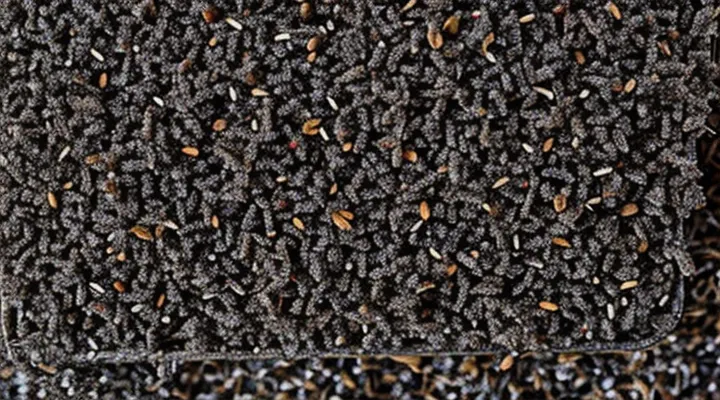
Recognizing Rat Droppings
Distinctive Features of Rat Droppings
Size and Shape Variations
Rat feces vary widely in dimensions and form, offering direct clues about the animal’s physiological condition.
Typical measurements fall between 5 mm and 20 mm in length, with diameters ranging from 2 mm to 5 mm. Small, uniformly cylindrical pellets—approximately 5–8 mm long and 2–3 mm thick—generally indicate a healthy, well‑fed adult.
Larger specimens, exceeding 15 mm in length or 4 mm in diameter, often signal over‑eating, a high‑fat diet, or the presence of a gravid female.
Shape anomalies provide additional insight:
- Tapered ends – pointed or slightly narrowed tips suggest dehydration or reduced water intake.
- Rounded, bulbous bodies – swollen segments may accompany gastrointestinal blockage or inflammation.
- Irregular or fragmented pieces – breakage into uneven fragments can result from diarrhea, parasite infection, or exposure to toxins.
Species differences affect size ranges; for example, Norway rats produce slightly larger pellets than roof rats. Seasonal shifts in diet, such as increased grain consumption in autumn, can enlarge droppings temporarily.
Consistent monitoring of length, width, and contour enables early detection of nutritional imbalances, disease states, and environmental stressors affecting rodent populations.
Color and Texture Clues
Rat feces provide immediate visual cues about the animal’s condition. Dark brown to black pellets indicate normal digestion, while reddish or orange hues suggest the presence of blood or a diet rich in pigments. Yellow or pale droppings often signal liver dysfunction or a high-fat intake, and white or chalky specimens may result from dehydration or a calcium‑rich diet.
Texture differentiates health status as well. Firm, cylindrical pellets with smooth edges reflect adequate hydration and healthy gut motility. Soft, mushy excretions point to gastrointestinal upset, infection, or excessive moisture in the environment. Watery, fragmented droppings usually accompany diarrhea, which can be caused by bacterial, viral, or parasitic challenges.
Key observations:
-
Color spectrum:
- Dark brown/black – normal
- Red/orange – possible bleeding or pigment‑rich food
- Yellow/pale – liver issues or high fat
- White/chalky – dehydration or calcium excess
-
Texture range:
- Firm, smooth – healthy hydration and motility
- Soft, pliable – gastrointestinal irritation or infection
- Watery, crumbly – active diarrhea, likely infectious
Regular monitoring of these visual and tactile characteristics enables early detection of health problems and informs timely veterinary intervention.
Distinguishing Rat Droppings from Other Pests
Mouse Droppings vs. Rat Droppings
Mouse droppings differ from rat droppings in several measurable characteristics that aid pest identification and health risk assessment.
- Size: mouse feces measure ¼‑½ inch (6‑12 mm) in length, while rat feces range from ½‑¾ inch (12‑20 mm).
- Shape: mouse droppings are slender, spindle‑shaped, and taper to pointed ends; rat droppings are broader, more cylindrical, and often display rounded tips.
- Color: fresh mouse droppings appear dark brown to black; rat droppings range from dark brown to reddish‑brown, sometimes lighter at the ends.
- Texture: mouse feces are dry, brittle, and break easily; rat feces retain moisture longer, feel slightly moist and may clump when fresh.
- Odor: mouse droppings emit a faint, musty scent; rat droppings produce a stronger, ammonia‑like odor, especially in large accumulations.
Quantity and placement provide additional clues. Mice leave scattered deposits, often 2‑4 per site, near food sources and along walls. Rats deposit larger piles, sometimes dozens of droppings, in hidden corners, basements, or near burrows.
Health implications follow the same pattern. Smaller, dry mouse droppings pose a lower aerosolization risk, yet still carry hantavirus and bacterial pathogens. Larger, moist rat droppings generate higher concentrations of airborne particles when disturbed, increasing exposure to leptospirosis, salmonella, and other zoonoses.
Accurate visual discrimination enables targeted control measures and appropriate protective protocols for occupants and cleaning personnel.
Insect Frass vs. Rodent Droppings
Rodent feces and insect excrement often coexist in residential and agricultural settings, yet accurate identification is essential for evaluating sanitary risk.
Rat droppings are typically ¾ to ½ inch long, cylindrical, and taper to a point at one end. Fresh specimens appear dark brown to black, become lighter as they dry, and retain a firm, moist texture that hardens over time. The surface is smooth, lacking visible segmentation or frayed edges.
Insect frass varies widely among species but generally measures less than a quarter inch, forms irregular pellets or fine powder, and displays a uniform coloration ranging from light tan to gray. The material is brittle, easily crumbles, and often contains visible fragments of plant tissue or chitin.
Key distinguishing features:
- Length: rat droppings ≥ 0.5 in; insect frass ≤ 0.25 in
- Shape: cylindrical, pointed; irregular pellets or powder
- Color transition: dark to light with drying; consistent hue throughout
- Texture: initially moist, later hard; brittle, crumbles readily
Confusing the two can mask rodent presence, delaying interventions that prevent disease transmission. Rodent droppings may carry pathogens such as hantavirus, leptospirosis, and salmonella; identifying them promptly guides sanitation measures, pest control, and medical evaluation. In contrast, insect frass rarely poses direct health threats, though large accumulations can indicate infestation and trigger secondary concerns, such as allergen exposure.
Recognizing these physical markers enables reliable assessment of environmental health and supports targeted response strategies.
Health Risks Associated with Rat Droppings
Diseases Transmitted by Rat Droppings
Hantavirus Pulmonary Syndrome
Rat feces provide a practical clue for assessing hantavirus exposure risk. Fresh droppings are dark brown, about the size of a grain of rice, and often appear in clusters near nesting sites. The presence of large quantities, especially in enclosed spaces such as basements or attics, signals a heightened likelihood of aerosolized virus particles.
Hantavirus Pulmonary Syndrome (HPS) emerges when inhaled particles from contaminated droppings, urine, or saliva enter the respiratory tract. The disease progresses rapidly:
- Fever, chills, and muscle aches within 1‑2 weeks after exposure
- Shortness of breath and coughing as pulmonary edema develops
- Low blood pressure and cardiac complications in severe cases
Diagnosis relies on serologic testing for hantavirus antibodies and polymerase‑chain‑reaction detection of viral RNA. Early intensive care, including supplemental oxygen and, when indicated, extracorporeal membrane oxygenation, improves survival; no specific antiviral therapy exists.
Preventive measures focus on limiting contact with rodent waste:
- Seal entry points to eliminate indoor infestations
- Use wet cleaning methods rather than dry sweeping to avoid aerosolization
- Wear protective gloves and respirators when handling droppings or cleaning contaminated areas
Recognizing droppings’ appearance and applying these controls reduce the probability of HPS onset.
Leptospirosis
Rat droppings provide a practical clue for leptospirosis risk. Fresh pellets are moist, dark brown to black, measuring 0.5–1 cm in length and 0.2–0.3 cm in width. As they age, they become dry, crumbly, and lighter in color, often forming a powdery residue. The presence of large numbers of droppings in damp environments—sewers, basements, or outdoor storage areas—correlates with higher bacterial load, because Leptospira thrive in moist conditions.
Leptospirosis manifests through several health indicators that can be linked to exposure from contaminated feces:
- Fever, chills, and muscle aches appearing 5–14 days after contact.
- Headache, conjunctival redness, and abdominal pain.
- Jaundice, renal dysfunction, or pulmonary hemorrhage in severe cases.
The bacteria are shed in the urine of infected rodents, not directly in the feces, but droppings often coexist with urine deposits. When droppings are moist, they signal recent rodent activity, increasing the likelihood that urine has contaminated the same surface. Contact with such surfaces—through skin abrasions or mucous membranes—facilitates bacterial entry.
Prevention focuses on eliminating the environmental conditions that support both droppings and urine accumulation:
- Seal cracks, vents, and utility openings to exclude rodents.
- Maintain low humidity in storage areas; use dehumidifiers where necessary.
- Conduct regular cleaning with disinfectants effective against spirochetes, such as bleach solutions (1 % sodium hypochlorite).
- Wear gloves and protective clothing when handling material suspected of rodent contamination.
Diagnostic confirmation relies on serologic testing (MAT) or polymerase chain reaction (PCR) of blood or urine samples. Early identification, combined with prompt antibiotic therapy (doxycycline or penicillin), reduces morbidity and mortality.
In summary, the physical state of rat droppings—moist, dark, and abundant—serves as an indirect marker for leptospirosis exposure. Recognizing these visual cues, coupled with vigilant sanitation and protective measures, limits the health impact of this zoonotic disease.
Salmonellosis
Rat feces are small, dark brown to black, cylindrical pellets roughly 0.5 cm long and 0.2 cm wide, with a tapered end. The presence of fresh, moist pellets indicates recent activity, while dried, crumbly droppings suggest an older infestation. Health assessments focus on pathogens that can be transmitted through these excretions, notably Salmonella bacteria.
Salmonellosis acquired from rodent feces presents with gastrointestinal disturbance. Typical clinical manifestations include:
- Fever ranging from 38 °C to 40 °C
- Diarrhea, often watery and occasionally bloody
- Abdominal cramps and nausea
- Headache and muscle aches
Incubation periods span 12 hours to 3 days after exposure. In severe cases, dehydration and electrolyte imbalance may develop, requiring medical intervention.
Transmission occurs when contaminated droppings contact food, water, surfaces, or hands. Key routes are:
- Direct ingestion of food tainted by rat feces
- Cross‑contamination of kitchen utensils and countertops
- Aerosolization of dried particles during cleaning activities
Diagnostic confirmation relies on stool culture or polymerase chain reaction detecting Salmonella spp. Treatment comprises rehydration therapy and, when indicated, antimicrobial agents such as ciprofloxacin or ceftriaxone.
Preventive measures target the source and exposure pathways:
- Seal entry points to eliminate rodent access
- Store food in sealed containers and discard waste promptly
- Conduct regular inspections for droppings, especially in hidden areas like attics and crawl spaces
- Use disinfectants effective against Salmonella on surfaces contaminated by feces
Monitoring rat droppings for freshness and quantity provides an early warning system for potential Salmonella exposure, allowing timely sanitation and medical response.
Allergenic Properties of Rat Droppings
Respiratory Irritation
Rat feces are typically small, dark brown to black pellets, 0.2–0.3 inches long, with a tapered shape and a smooth, glossy surface. Their presence in homes, kitchens, or storage areas indicates an active infestation and a source of airborne contaminants.
When these droppings become disturbed, particles disperse into the air and can be inhaled. The resulting respiratory irritation manifests as:
- Persistent cough
- Shortness of breath
- Wheezing or tightness in the chest
- Nasal congestion and sneezing
- Throat irritation or scratchy feeling
The irritation stems from proteins, enzymes, and microbial agents carried on the droplet surfaces. Repeated exposure heightens the risk of allergic reactions and may exacerbate asthma or chronic bronchitis. Protective measures include sealing entry points, using HEPA filtration, and employing proper personal protective equipment during cleanup. Immediate medical evaluation is advised if symptoms develop after contact with rat feces.
Allergic Reactions
Rat droppings contain proteins that can trigger IgE‑mediated responses in sensitive individuals. Exposure to these particles, especially when droppings become airborne during cleaning or disturbance, may lead to allergic reactions that serve as early health warnings.
Typical allergic manifestations include:
- Sneezing, nasal congestion, and itchy eyes
- Coughing, wheezing, or shortness of breath
- Skin redness, hives, or itching after direct contact
- Asthmatic flare‑ups in people with pre‑existing respiratory conditions
Diagnosis relies on correlating symptom onset with known rat activity and confirming sensitization through skin‑prick or specific IgE testing. Treatment follows standard allergy protocols: antihistamines for mild symptoms, inhaled bronchodilators or corticosteroids for respiratory involvement, and epinephrine for severe anaphylaxis.
Prevention strategies focus on minimizing aerosolization of droppings. Measures include:
- Wetting droppings before removal to reduce dust
- Wearing disposable gloves, masks, and eye protection during cleanup
- Ensuring proper ventilation in affected areas
- Conducting regular pest control to eliminate source populations
Recognizing allergic responses promptly reduces the risk of escalation to more serious respiratory conditions and supports overall health monitoring related to rodent exposure.
Safe Handling and Remediation
Personal Protective Equipment
Gloves and Masks
When inspecting rodent excrement for signs of disease, personal protective equipment prevents exposure to pathogens that may be present on the droppings.
Gloves act as a barrier between contaminated material and the skin. Nitrile gloves resist puncture and chemical penetration better than latex, making them suitable for handling moist or dried feces. Proper use requires selecting a size that fits snugly, changing gloves after each contaminated sample, and discarding them in a sealed biohazard bag.
Masks protect the respiratory tract from aerosolized particles released when droppings are disturbed. An N95 respirator filters at least 95 % of airborne particles larger than 0.3 µm; a surgical mask offers limited protection against larger droplets but does not seal against inhalation of fine aerosols. Fit testing ensures the mask adheres to the face without gaps; replacement is necessary when the seal degrades or after prolonged exposure.
Key considerations for protective gear:
- Choose nitrile over latex for superior puncture resistance.
- Verify glove integrity before and after handling specimens.
- Use N95 respirators for tasks that may generate dust or spray.
- Perform fit checks on masks each time they are donned.
- Store used gloves and masks in sealed containers for proper disposal.
Adhering to these practices minimizes the risk of infection while examining rat droppings for health indicators.
Eye Protection
Eye protection is essential when handling environments contaminated with rodent feces. Rat droppings can become aerosolized during cleaning, posing a risk of ocular exposure to pathogens such as hantavirus, leptospirosis, and salmonella. Direct contact with contaminated particles may cause conjunctivitis, keratitis, or more severe systemic infections if the ocular surface absorbs the agents.
Proper eye safety measures include:
- Wearing sealed safety goggles that cover the entire eye area and prevent side entry of particles.
- Selecting goggles with anti‑fog coating to maintain clear vision during prolonged work.
- Ensuring goggles are made of impact‑resistant polycarbonate to withstand accidental splashes.
- Using disposable face shields in addition to goggles when large quantities of droppings are disturbed.
Additional precautions:
- Decontaminate goggles after each use with an EPA‑approved disinfectant.
- Inspect lenses for scratches or cracks before each session; replace damaged equipment immediately.
- Combine eye protection with gloves, masks, and protective clothing to create a comprehensive barrier against droplet and aerosol transmission.
Implementing these practices reduces the likelihood of eye‑related health incidents in settings where rat droppings serve as indicators of sanitation problems.
Proper Cleaning Techniques
Disinfection Protocols
Rat droppings can harbor pathogens that survive on surfaces for days. Effective disinfection eliminates these hazards and prevents disease transmission.
Before any cleaning, personnel must wear disposable gloves, a fitted N‑95 respirator, eye protection, and a disposable gown. Contaminated areas should be ventilated for at least 15 minutes, then all visible debris must be removed with a wet‑wipe method to avoid aerosolization.
Select a disinfectant with proven efficacy against Leptospira, Hantavirus, and Salmonella. EPA‑registered products containing 0.1 % sodium hypochlorite, 0.5 % hydrogen peroxide, or quaternary ammonium compounds meet this requirement. Apply the solution to the affected surface, ensuring full coverage; the contact time must be observed as specified on the label, typically 5–10 minutes.
After the dwell period, wipe the area with a clean, disposable cloth. Dispose of all used materials in a sealed biohazard bag and seal it for removal according to local regulations. Finally, wash hands thoroughly with soap and water for at least 20 seconds, even when gloves were worn.
Key steps in the protocol:
- Don appropriate personal protective equipment.
- Ventilate and damp‑wipe to suppress aerosol formation.
- Use an EPA‑approved disinfectant at the recommended concentration.
- Maintain the manufacturer‑specified contact time.
- Remove and seal all contaminated waste.
- Perform hand hygiene after completion.
Ventilation During Cleanup
Ventilation is a critical component of any rat‑dropping remediation effort because airborne particles can carry pathogens such as hantavirus, leptospirosis bacteria, and salmonella. Proper airflow reduces inhalation risk and helps disperse odor that may linger after removal.
Effective ventilation strategies include:
- Opening windows and exterior doors to create cross‑drafts, ensuring fresh air replaces contaminated indoor air.
- Deploying portable exhaust fans positioned near the work zone, directing contaminated air outward through a window or dedicated vent.
- Using air‑purifying units equipped with HEPA filters to capture particles as small as 0.3 µm, thereby lowering the concentration of viable microorganisms.
- Maintaining a minimum of 6 air changes per hour (ACH) in the affected area; calculate required fan capacity based on room volume.
When mechanical systems are unavailable, natural ventilation should be sustained for at least 30 minutes after cleaning, allowing settled dust to settle and diluted. Seal off adjacent rooms with plastic sheeting and tape to prevent spread of contaminated air.
Combine ventilation with personal protective equipment—N‑95 respirators or higher, goggles, and disposable coveralls—to create a layered defense against inhalation hazards. Monitor air quality with a portable particle counter if possible; cease work if particle counts remain elevated after the ventilation period.
Finally, document ventilation setup, fan placement, and ACH achieved. Record this information in the remediation log to verify compliance with health‑safety protocols and to guide future clean‑up operations.
Preventing Future Infestations
Sealing Entry Points
Sealing entry points prevents rats from accessing indoor spaces where droppings accumulate, thereby reducing exposure to the visual and health cues associated with rodent feces. Unsealed gaps in walls, foundations, and utility penetrations serve as pathways for rodents; once blocked, the frequency of fresh droppings declines, limiting the presence of pathogens such as hantavirus and leptospirosis that are identified by the appearance of new, moist, dark pellets.
Effective sealing requires systematic inspection and targeted repair:
- Identify openings larger than ¼ inch, including cracks around doors, windows, vents, and pipe sleeves.
- Apply steel wool or copper mesh to fill gaps, then cover with a durable sealant such as silicone, polyurethane, or cement.
- Install door sweeps and weatherstripping on exterior doors to eliminate peripheral gaps.
- Repair damaged siding, roofing, and foundation joints with appropriate flashing or mortar.
- Maintain exterior vegetation at least two feet from the building to discourage rodent climbing.
Consistent implementation of these measures limits the deposition of fresh droppings, making the remaining fecal evidence older, drier, and easier to detect and remediate, ultimately protecting occupants from associated health risks.
Food Storage Best Practices
Rat droppings are typically small, dark, and segmented, resembling grain kernels. Their presence in food storage areas signals possible contamination and disease risk. Immediate action reduces exposure to pathogens carried by rodents.
- Store food in airtight, rodent‑proof containers made of metal or heavy‑wall plastic.
- Position containers off the floor, at least six inches above ground, to deter gnawing access.
- Keep storage spaces clean; remove debris, spilled grain, and waste daily.
- Seal cracks, gaps, and openings in walls, doors, and ventilation systems with steel wool or caulking.
- Install traps or electronic monitoring devices near entry points; inspect and replace them regularly.
- Rotate inventory using a first‑in, first‑out system; discard items showing signs of droppings, gnaw marks, or unusual odors.
- Maintain proper temperature and humidity levels; low moisture inhibits rodent activity and fungal growth.
Regular inspection for droppings, urine stains, or gnaw marks enables early detection. Prompt removal of contaminated products and reinforcement of storage barriers protect food quality and public health.