
Understanding Rat Dietary Needs
Essential Nutrients for Rats
Macronutrients
Watermelon provides primarily carbohydrates, with a modest amount of protein and virtually no fat. In a typical serving, the fruit contains about 7 g of sugars per 100 g, delivering roughly 30 kcal of energy. The carbohydrate profile is dominated by fructose and glucose, which are rapidly absorbed and can raise blood glucose levels if offered in excess.
Protein contribution is minimal; 100 g of watermelon supplies less than 0.6 g of protein, insufficient to meet the amino‑acid requirements of laboratory rats. Fat content is negligible, averaging below 0.2 g per 100 g, and therefore does not affect the overall lipid balance of the diet.
Because rats require a diet balanced in protein (≈15–20 % of total calories) and essential fatty acids, watermelon should be treated as an occasional supplement rather than a staple. Excessive inclusion may displace nutritionally dense feed, leading to deficiencies.
Practical guidance:
- Limit watermelon to no more than 5 % of total daily food weight.
- Offer fresh, seed‑free pieces in small quantities (1–2 g per 100 g of regular feed).
- Monitor body weight and blood glucose; adjust portion size if rapid weight gain or hyperglycemia occurs.
- Combine with a protein‑rich base diet to maintain required amino‑acid intake.
When applied within these parameters, watermelon contributes a source of simple sugars without compromising the macronutrient balance essential for rat health.
Micronutrients
Watermelon provides a distinct set of micronutrients that can complement a laboratory rat’s standard chow when offered in moderation.
-
Vitamins
• β‑carotene (pro‑vitamin A) – contributes to retinal health and immune function.
• Vitamin C – acts as an antioxidant, supports adrenal activity.
• B‑complex (B1, B2, B3, B6) – involved in carbohydrate metabolism and neural signaling. -
Minerals
• Potassium – regulates cellular osmolarity and nerve excitability.
• Magnesium – co‑factor for enzymatic reactions, muscle relaxation.
• Calcium – required for bone formation and neurotransmitter release.
• Iron – essential for hemoglobin synthesis.
• Zinc – supports protein synthesis and immune response.
The high water content (≈90 %) dilutes caloric density, reducing the risk of excess energy intake, yet the natural sugars present can elevate blood glucose if consumption exceeds 5 % of total diet weight. Rats efficiently absorb the listed micronutrients from watermelon pulp, but bioavailability may vary with ripeness and processing.
Practical guidance: incorporate watermelon flesh at a maximum of 2–3 % of daily feed mass, monitor body weight and glycemic markers, and ensure that the overall diet meets established nutrient requirements for the specific strain and life stage. Adjust supplemental vitamin and mineral mixes accordingly to avoid redundancy.
Foods to Avoid for Rats
Toxic Foods
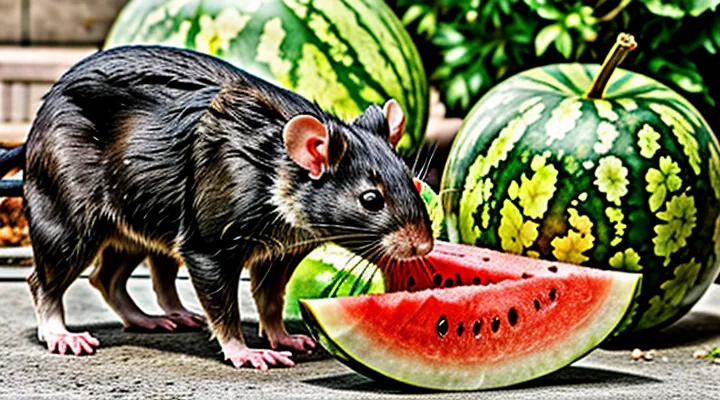
Rats can consume watermelon, but the fruit must be offered with strict attention to its non‑toxic parts. Watermelon provides water and simple sugars, which are safe in modest amounts, while its seeds and rind may pose health risks.
Rats are vulnerable to several foods that cause acute or chronic toxicity. Common hazardous items include:
- Chocolate and cocoa products (theobromine, caffeine)
- Citrus peels and seeds (essential oils, cyanogenic compounds)
- Raw beans, especially kidney beans (phytohaemagglutinin)
- Avocado flesh and pit (persin)
- Alcoholic beverages (ethanol)
- High‑salt or high‑fat processed snacks (electrolyte imbalance, obesity)
When watermelon is presented, follow these guidelines:
- Remove all seeds; they contain trace amounts of cyanogenic glycosides that can accumulate.
- Trim the rind; the outer skin contains higher concentrations of citrulline and may be difficult to digest.
- Serve only the fleshy, red portion in small cubes, limiting intake to no more than 10 % of the daily caloric intake.
- Observe the rat for signs of gastrointestinal upset, such as diarrhea or reduced activity, after the first feedings.
Providing watermelon within these parameters avoids introducing toxic components and contributes hydration and variety to a balanced rodent diet.
High-Sugar/High-Fat Foods
Watermelon is a fruit with high sugar content and low fat. In laboratory rodents, diets rich in simple carbohydrates can disrupt glucose regulation, promote obesity, and alter gut microbiota. Consequently, inclusion of sugary items must be limited.
Key physiological effects of high‑sugar, high‑fat components:
- Rapid elevation of blood glucose, leading to insulin spikes.
- Increased adipose tissue deposition, especially in visceral regions.
- Reduced sensitivity to leptin, impairing appetite control.
- Modulation of microbial populations that influence metabolic pathways.
When evaluating watermelon as a supplement, consider the following points:
- Serve only as occasional treat, not a staple.
- Limit portion to ≤5 % of total caloric intake.
- Monitor body weight and blood glucose after introduction.
- Pair with fiber‑rich foods to mitigate glycemic impact.
Overall, sugary fruits like watermelon are permissible in small, controlled amounts, provided that total dietary composition remains balanced and does not exceed recommended thresholds for simple sugars and fats. Regular health assessments are essential to detect adverse metabolic responses.
Watermelon and Rats: A Detailed Look
Nutritional Profile of Watermelon
Water Content
Watermelon consists of approximately 90 % water, a proportion that exceeds most fruits and vegetables commonly offered to laboratory rodents. This high moisture level provides a readily available source of fluid, reducing the need for additional water bottles when the fruit is consumed in moderate amounts.
The water present in watermelon is isotonic with the rat’s plasma, meaning it does not impose an osmotic burden on the gastrointestinal tract. Consequently, short‑term feeding of fresh watermelon slices does not disrupt electrolyte balance, provided the overall diet remains nutritionally balanced.
When incorporating watermelon into a rat’s menu, consider the following practical points:
- Offer no more than 10 % of the total daily caloric intake as watermelon to avoid excessive caloric contribution from sugars.
- Ensure the fruit is fresh, free of mold, and cut into bite‑size pieces to prevent choking.
- Monitor water consumption; if rats consume large quantities of watermelon, reduce supplemental water provision to avoid overhydration.
The water content also aids in softening fecal material, which can be beneficial for preventing constipation in aging or gastrointestinal‑sensitive individuals. However, prolonged reliance on watermelon for hydration is unsuitable, as the fruit lacks essential minerals such as sodium and potassium in sufficient quantities. A balanced diet should therefore include standard water sources alongside occasional watermelon treats.
Vitamins and Minerals
Watermelon provides a range of micronutrients that can complement a laboratory rat’s standard feed, but the quantities must align with species‑specific nutritional guidelines.
- Vitamin C: present at approximately 8 mg per 100 g; rats synthesize this vitamin endogenously, so dietary inclusion is not required and excess may lead to urinary acidification.
- Vitamin A (β‑carotene): about 3 µg RAE per 100 g; conversion efficiency in rodents is limited, making watermelon a modest source that should not replace formulated vitamin A supplements.
- Vitamin B6 and folate: each under 0.1 mg per 100 g; contributions are minor relative to the recommended daily intake for rats.
- Potassium: roughly 120 mg per 100 g; supports electrolyte balance but, combined with high water content, can dilute sodium levels if offered in large portions.
- Magnesium and calcium: each below 10 mg per 100 g; insufficient to meet the mineral requirements of growing or breeding rats.
In practice, watermelon should be offered as an occasional treat, not exceeding 5 % of total caloric intake. This limit prevents overconsumption of sugars and limits the risk of gastrointestinal upset while allowing rats to benefit from the modest vitamin and mineral content.
Sugar Content
Watermelon contains a considerable amount of simple sugars, primarily fructose and glucose. Fresh fruit provides roughly 6 g of total sugars per 100 g of edible flesh, with the proportion of fructose slightly higher than glucose. The sugar concentration rises as the fruit ripens, reaching up to 8 g per 100 g in fully mature specimens.
Rats metabolize dietary sugars efficiently, yet excessive intake can overwhelm hepatic glycolysis and promote hyperglycemia. Laboratory data indicate that a diet comprising more than 10 % of calories from simple sugars may induce insulin resistance in adult rodents. Consequently, the high sugar density of watermelon warrants careful portion control.
Practical recommendations for incorporating watermelon into a rat feeding program:
- Limit fresh watermelon to no more than 5 g per 100 g of total daily feed (approximately 1 % of the diet by weight).
- Offer the fruit no more than three times per week to prevent chronic sugar overload.
- Monitor body weight and blood glucose levels when introducing watermelon, adjusting portions if elevations are observed.
- Prefer small, seed‑free cubes to reduce the risk of choking and to facilitate precise measurement.
Adhering to these guidelines allows the nutritional benefits of watermelon—hydration and micronutrients—to be accessed without compromising metabolic health in rats.
Potential Benefits of Watermelon for Rats
Hydration
Watermelon is frequently considered as an alternative fluid source for rats because the fruit contains roughly 90 % water by weight. The high moisture level can supplement daily water consumption, especially when standard water bottles are unavailable or when enrichment is desired.
Rats normally ingest 5–10 ml of water per 100 g of body weight. A 100‑g serving of watermelon provides about 90 ml of water, accompanied by natural sugars (approximately 6 g per 100 g) and modest amounts of potassium and magnesium. These nutrients can influence electrolyte balance, but the sugar load may affect caloric intake and glycemic response.
Potential effects of watermelon‑derived hydration
- Increases total fluid intake without requiring additional water bottles.
- Supplies electrolytes that help maintain plasma osmolality.
- Introduces fructose, which can raise blood glucose if offered in large quantities.
- May reduce consumption of plain water, leading to lower overall sodium intake.
- Risk of spoilage and bacterial growth if fresh pieces are left unattended.
Guidelines for practical use:
- Offer fresh, seed‑free watermelon in small cubes (≤10 g) to avoid excessive caloric contribution.
- Limit provision to 1–2 times per week; monitor body weight and blood glucose to detect adverse effects.
- Replace any uneaten fruit within 2 hours to prevent contamination.
- Record water bottle consumption concurrently to assess whether the fruit supplements or replaces regular intake.
When applied with controlled portion size and regular monitoring, watermelon can serve as an effective supplemental hydration source for rats, provided that its sugar content and potential spoilage are managed.
Antioxidants
Watermelon provides a range of antioxidant compounds that can affect rat physiology when included in a laboratory diet. Lycopene, beta‑carotene, and vitamin C are the primary phytochemicals responsible for oxidative‑stress mitigation. Their molecular structures enable free‑radical scavenging, reducing lipid peroxidation in cellular membranes.
Research indicates that moderate inclusion (5–10 % of fresh weight) does not produce adverse effects in adult rats. At this level, plasma lycopene concentrations rise without compromising hepatic function. Excessive amounts (>15 % of diet) may lead to gastrointestinal upset and altered nutrient absorption due to high water and sugar content.
Key considerations for implementation:
- Dosage range: 5–10 % fresh watermelon, adjusted for moisture loss in processed feed.
- Monitoring parameters: plasma lycopene, serum vitamin C, liver enzyme panel, body weight.
- Potential interactions: high vitamin C can enhance iron absorption; monitor iron status to avoid overload.
- Stability: lycopene degrades under prolonged heat; incorporate fresh or minimally processed fruit to preserve activity.
When these guidelines are followed, antioxidants from watermelon contribute to improved oxidative balance without jeopardizing overall diet integrity.
Potential Risks and Concerns
High Sugar Content and Diabetes
Watermelon contains approximately 6–9 g of sugars per 100 g of fresh fruit, primarily fructose and glucose. In rodents, such concentrations can elevate post‑prandial blood glucose levels, especially when the fruit constitutes a significant portion of the diet. Experimental protocols that introduce watermelon must therefore quantify the added carbohydrate load and adjust basal feed formulations to maintain a consistent energy density.
High dietary sugar challenges glucose homeostasis by increasing insulin demand. In rats predisposed to metabolic disorders, excessive fructose intake accelerates hepatic lipogenesis and impairs insulin signaling, mirroring early stages of type 2 diabetes. Researchers should monitor the following parameters when watermelon is included:
- Fasting blood glucose and insulin concentrations
- Glucose tolerance test results
- Hepatic triglyceride accumulation
- Body weight and adiposity indices
If the study’s aim is to evaluate normal nutrition or disease prevention, limiting watermelon to ≤10 % of total caloric intake preserves a balanced macronutrient profile while allowing assessment of its phytochemical benefits. Conversely, for models investigating sugar‑induced diabetes, watermelon can serve as a controlled source of simple sugars to provoke hyperglycemia, provided that control groups receive an equivalent carbohydrate amount from a defined source.
Digestive Upset
Watermelon can be offered to laboratory or pet rats in limited quantities, but its high water and sugar content may provoke gastrointestinal disturbances. Rats that ingest excessive flesh or rind often exhibit loose stools, abdominal cramping, and reduced feed intake. These signs indicate that the fruit’s osmotic load overwhelms the small intestine’s absorptive capacity, leading to rapid transit and moisture imbalance.
Key factors influencing the risk of digestive upset include:
- Portion size: no more than a teaspoon of flesh per 100 g of body weight.
- Frequency: occasional treats, not daily inclusion.
- Rind removal: fibrous skin increases bulk and can cause obstruction.
- Individual sensitivity: some strains display heightened lactose-like intolerance to fructose.
Monitoring stool consistency and behavior after exposure allows caretakers to adjust or discontinue watermelon, thereby preventing chronic irritation and maintaining optimal gut health.
Pesticide Residue Concerns
Watermelon is occasionally offered to laboratory rats as a source of moisture and natural sugars, but the presence of pesticide residues on the fruit raises significant safety concerns. Residues can originate from conventional agricultural practices and persist despite washing, potentially introducing toxic compounds into experimental diets.
Key issues associated with pesticide contamination include:
- Chemical interference with physiological studies – Residual insecticides or herbicides may alter metabolic pathways, skewing data on drug efficacy or nutritional effects.
- Health risks to test subjects – Chronic exposure to low‑level organophosphates or pyrethroids can cause neurobehavioral changes, liver enzyme induction, and immunotoxicity in rodents.
- Regulatory non‑compliance – Institutional animal care guidelines often require feed to be free of detectable pesticide levels; failure to meet these standards can invalidate study outcomes and jeopardize funding.
- Variability in residue levels – Seasonal and regional differences in pesticide application result in inconsistent contaminant loads, compromising reproducibility across experiments.
To mitigate these risks, researchers should source watermelon from certified organic producers, verify residue absence through analytical testing (e.g., GC‑MS or LC‑MS/MS), and document all quality‑control measures in study protocols.
How to Safely Offer Watermelon to Rats
Preparation Guidelines
Washing and Removing Seeds
When offering watermelon to rats, the fruit must be free of surface contaminants and hard seeds that could cause choking or intestinal blockage. Thorough rinsing under cool running water eliminates dust, pesticides, and microbial residues. A brief soak in a diluted vinegar solution (one part white vinegar to three parts water) followed by a second rinse adds an extra safety layer without leaving a detectable taste.
- Place sliced or cubed pieces in a colander.
- Rinse for 30 seconds, stirring gently.
- Optionally, submerge in the vinegar mixture for 1–2 minutes.
- Drain and rinse again for 20 seconds.
After washing, remove all seeds. Whole seeds are large enough to be swallowed whole, posing a risk of obstruction. The most reliable method is manual extraction: use tweezers or a small spoon to lift each seed from the flesh. For larger batches, a fine mesh sieve can separate seeds after crushing the fruit gently; the seeds remain trapped while the pulp passes through. Discard seeds entirely; do not feed them to rats.
Providing only seed‑free, washed watermelon ensures that the fruit contributes hydration and modest sugars without compromising the animal’s health.
Portion Sizes
Watermelon can be included in a rodent diet, but the quantity must be limited to prevent metabolic disturbances.
Rats weighing approximately 200 g can safely receive 0.5–1 g of fresh watermelon flesh per day. Larger individuals (300–350 g) may be offered up to 2 g, while juveniles under 150 g should not exceed 0.3 g. The fruit should be presented in small, bite‑size cubes to avoid choking hazards.
- Frequency: no more than three servings per week.
- Preparation: remove seeds and rind; use only the red pulp.
- Monitoring: observe body weight and blood glucose; reduce or discontinue if values rise.
Adjustments are necessary for pregnant or diabetic rats, which require stricter limits or complete exclusion. Consistency in portion size supports reproducible experimental results and maintains animal welfare.
Feeding Frequency
Occasional Treat
Watermelon can be offered to rats as an occasional treat, provided that specific nutritional and safety considerations are observed.
The fruit supplies moisture, vitamin C, and small amounts of potassium and magnesium. However, its sugar concentration is high relative to a rat’s typical diet, which is formulated to be low in simple carbohydrates. Excessive sugar may disrupt gut flora, promote obesity, and increase the risk of dental disease.
Guidelines for occasional watermelon feeding:
- Portion size: 1 – 2 mm cubes, not exceeding 5 % of the daily caloric intake.
- Frequency: No more than two servings per week.
- Preparation: Remove seeds and rind; rinse to eliminate pesticide residues.
- Monitoring: Observe for signs of gastrointestinal upset, such as loose stools or reduced appetite, and discontinue if symptoms appear.
When these parameters are respected, watermelon serves as a hydrating, vitamin‑rich supplement without compromising the overall nutritional balance of a rat’s diet.
Monitoring for Adverse Reactions
Including watermelon in rat feed requires systematic observation for negative health effects. Researchers must establish baseline data before introduction, then compare physiological and behavioral parameters throughout the trial.
- Body weight changes ± 5 % of baseline
- Food and water intake fluctuations > 20 %
- Stool consistency and frequency
- Respiratory rate and effort
- Skin and fur condition, especially signs of irritation or discoloration
- Activity level, including grooming and locomotion patterns
- Blood glucose, electrolytes, and renal markers (creatinine, BUN) measured at days 0, 7, 14, and 28
Observations should be recorded at least twice daily. Each entry must note the specific parameter, time, and any deviation from expected ranges. Data sheets should be signed by the observer and stored for review.
If any parameter exceeds predefined thresholds, the protocol mandates immediate cessation of watermelon provision, veterinary assessment, and supportive care. Documentation of the adverse event, corrective actions, and outcome is required for final analysis and future dietary recommendations.
Alternative Safe Treats for Rats
Fruits and Vegetables
Watermelon provides rats with high water content, natural sugars, and modest amounts of vitamins A and C. The fruit’s low fiber and soft texture make it suitable for occasional feeding, but excessive intake can cause digestive upset due to rapid sugar absorption.
Considerations for fruit and vegetable inclusion
- Limit portions to 1–2 grams per 100 g body weight; larger amounts increase the risk of diarrhea.
- Offer fresh, seed‑free pieces; seeds may present choking hazards.
- Rotate with other produce such as carrots, broccoli, and apple to ensure a balanced micronutrient profile.
- Monitor individual response; signs of loose stools or reduced activity indicate the need to reduce or discontinue the item.
Potential benefits include hydration support and antioxidant intake, while risks involve sugar‑related weight gain and gastrointestinal disturbance. A balanced diet for laboratory or pet rats should consist primarily of a formulated pellet base, supplemented with small, varied servings of fruits and vegetables. Watermelon fits within this supplemental framework when administered judiciously.
Commercial Rat Treats
Commercial rat treats are formulated to supplement a pet rat’s diet with nutrients, textures, and flavors that encourage natural foraging behavior. Manufacturers typically blend protein sources (such as soy, whey, or insect meal), grains, vitamins, and minerals. The inclusion of fruit extracts, including watermelon, varies by brand and product line.
When evaluating a treat that contains watermelon or watermelon flavor, consider the following criteria:
- Ingredient transparency – the label should specify the type and proportion of fruit content; vague terms like “natural flavor” provide limited information.
- Sugar level – watermelon contributes natural sugars; excessive amounts can disrupt glucose regulation in rats, especially those prone to obesity or metabolic disorders.
- Fiber contribution – fruit adds soluble fiber, supporting digestive health, but it should not replace the primary fiber sources (e.g., cellulose) found in standard rodent chow.
- Preservatives and additives – avoid treats that rely on artificial sweeteners, high levels of salt, or synthetic colorants, as these can cause renal strain or gastrointestinal irritation.
Regulatory guidelines for pet foods require that treats constitute no more than 10 % of a rat’s total caloric intake. Exceeding this limit may lead to nutrient imbalances, reduced consumption of essential protein and calcium from the main diet, and potential weight gain. Therefore, watermelon‑flavored treats should be offered sparingly, as occasional enrichment rather than a daily staple.
Vendors that market “fruit‑infused” rat treats often highlight the palatability benefits of watermelon, noting increased chewing activity and positive reinforcement during training. However, empirical data on the long‑term health impact of regular fruit‑based treats remain limited. Veterinary professionals recommend monitoring body condition, stool consistency, and overall activity after introducing any new treat.
In summary, commercial rat treats that feature watermelon can be incorporated into a balanced feeding regimen if they meet strict ingredient disclosure, maintain low sugar content, and are limited to a minor portion of daily calories. Regular assessment of the rat’s health metrics ensures that the occasional fruit flavor enhances welfare without compromising nutritional adequacy.