
Beyond the Stereotype: Rats as Affectionate Beings
Rethinking Perceptions of Rats
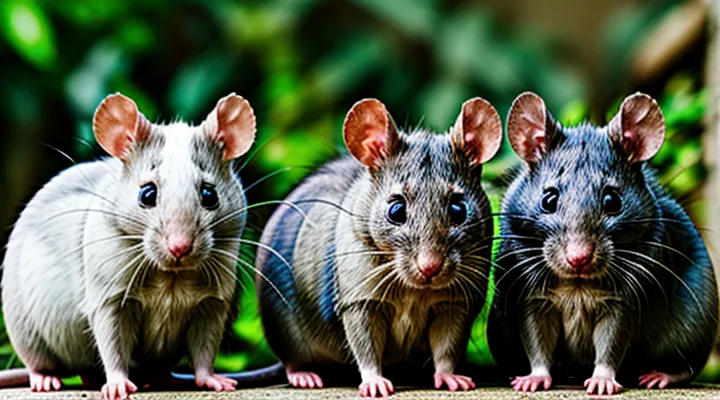
The photograph of three amicable rodents challenges long‑standing stereotypes that portray rats solely as pests. Visible curiosity and calm interaction suggest a capacity for companionship that contradicts common fear‑based narratives.
Key factors supporting a revised view include:
- Advanced problem‑solving abilities documented in laboratory studies.
- Social hierarchies resembling those of other mammals, with grooming and cooperative behaviors.
- Ecological contributions such as seed dispersal and waste reduction.
- Evidence of positive human‑rat relationships in urban pet settings.
Research highlights this shift: «Rats exhibit complex social structures comparable to primates». Recognizing these traits encourages policies that emphasize humane management, educational outreach, and responsible pet ownership, thereby reducing stigma and fostering coexistence.
The Misunderstood Nature of Rattus
The photograph shows three individuals of the genus Rattus positioned side by side, their bodies relaxed and ears alert. Their proximity illustrates the species’ propensity for forming stable social groups rather than solitary wanderers.
Rattus comprises several widely distributed species, most notably the brown rat (R. norvegicus) and the black rat (R. rattus). Both exhibit nocturnal activity patterns, high reproductive rates, and an omnivorous diet that includes seeds, insects, and organic detritus. Morphologically, the species possess sharp incisors, a highly developed sense of smell, and a flexible skeletal structure that facilitates climbing and burrowing.
Within a group, individuals engage in mutual grooming, vocal exchanges, and scent marking. Hierarchical relationships emerge through subtle postural cues and limited aggression, ensuring resource allocation without constant conflict. Cooperative behaviors, such as shared nest construction, enhance thermoregulation and predator avoidance.
Ecological contributions include:
- Seed dispersal across urban and rural landscapes, promoting plant regeneration.
- Decomposition of organic waste, accelerating nutrient cycling.
- Prey provision for a range of predators, from raptors to small carnivores.
Misconceptions often portray rats solely as disease carriers or pests. While certain pathogens can be transmitted, the majority of Rattus populations coexist with humans without health impact. Aggressive encounters are typically defensive responses to perceived threats, not inherent hostility.
Conservation assessments list many Rattus species as least concern, yet localized pressures—habitat loss, poisoning, and persecution—affect population dynamics. Accurate knowledge of their behavior and ecological roles supports balanced management strategies and mitigates unwarranted eradication efforts.
«Rats are among the most adaptable mammals on the planet», notes a leading mammalogist, highlighting the importance of recognizing their nuanced biology beyond popular stereotypes.
Interpreting the Image: A Study in Rat Dynamics
Visual Cues of Affection and Bonding
The photograph captures three rodent companions positioned closely, offering a clear illustration of affection and social bonding.
Key visual cues include:
- Body posture: relaxed, slightly reclined frames suggest comfort.
- Ear orientation: ears angled inward toward one another indicate attentiveness.
- Whisker direction: whiskers aimed toward adjacent rats convey interest.
- Grooming activity: one rat cleaning another’s fur demonstrates caretaking.
- Physical proximity: minimal space between bodies reflects trust.
- Eye contact: soft, sustained gazes denote mutual recognition.
- Tail interaction: intertwined or gently touching tails signal connection.
Each cue conveys a specific aspect of the relationship. Relaxed posture and reduced distance reduce perceived threat, allowing intimate behaviors such as grooming. Inward‑facing ears and whiskers enhance sensory exchange, reinforcing group cohesion. Direct eye contact and tail contact function as non‑verbal affirmations of affiliation.
Collectively, these visual elements form a coherent language of camaraderie, enabling observers to assess the depth of the bond among the three subjects.
Body Language and Interaction
The photograph captures three rodents positioned close together, each displaying distinct postural cues that convey a cooperative relationship. The central animal adopts a relaxed stance, ears slightly back and whiskers forward, indicating attentiveness without aggression. The flanking individuals mirror this posture, with bodies angled toward the middle rat, suggesting mutual focus and shared interest.
Key indicators of interaction include:
- Tail positioning: tails lie low and loosely curled, a sign of comfort and reduced tension.
- Eye contact: pupils dilated moderately, eyes directed toward one another, demonstrating engagement.
- Body orientation: shoulders aligned parallel, minimizing distance and facilitating easy movement as a group.
Overall, the composition demonstrates harmonious body language: synchronized movements, shared gaze, and relaxed musculature collectively signal friendly companionship among the three subjects.
Grooming and Cuddling Behaviors
The photograph captures three rats in close proximity, each engaged in self‑maintenance and mutual affection. Their bodies form a compact cluster, indicating a high level of social cohesion.
Key grooming actions observed:
- One rat uses its forepaws to clean the fur of a neighbor, removing debris and parasites.
- Another rat performs self‑grooming, licking its own whiskers and paws to maintain tactile sensitivity.
- All three rats alternate between cleaning each other’s ears and nose, reinforcing group hygiene.
Cuddling behaviors evident in the image:
- The rats huddle with bodies intertwined, reducing heat loss and creating a shared microenvironment.
- Each individual rests its head against another, establishing contact points that promote calmness.
- The group adopts a synchronized posture, legs folded and tails curled, reflecting coordinated rest patterns.
Proximity and Shared Space
The photograph captures three rats situated within a compact area, each body oriented toward the others. Their closeness illustrates a deliberate spatial arrangement that conveys mutual tolerance and coordinated movement.
Physical proximity is evident through overlapping silhouettes and shared edges of fur. The minimal distance between individuals reduces visual gaps, allowing observers to perceive a unified group rather than isolated subjects. This arrangement also facilitates direct eye contact, reinforcing a sense of social cohesion.
Shared space is defined by common elements of the background, lighting, and texture. The uniform illumination casts consistent shadows, eliminating visual separation. The floor surface provides a continuous plane on which all three subjects stand, reinforcing the notion of a collective environment.
Key aspects of proximity and shared space in the image include:
- Overlapping bodies that eliminate visual isolation.
- Uniform lighting that binds the subjects within the same visual field.
- A single, uninterrupted surface that serves as a common platform.
Together, these factors construct a coherent representation of companionship among the three rodents, highlighting how spatial closeness and a unified environment contribute to the perception of friendly interaction.
The Social Lives of Domestic Rats
The Importance of Companionship
The photograph of three rats together illustrates how companionship influences behavior, health, and social learning. When animals engage in mutual interaction, stress hormones decline, and exploratory activity increases. This pattern extends to other species, including humans, where reliable peers provide emotional regulation and motivation.
Key effects of companionship:
- Reduction of cortisol levels, leading to improved immune response.
- Enhancement of problem‑solving abilities through shared observation.
- Promotion of consistent feeding patterns and weight maintenance.
- Facilitation of play, which reinforces neural pathways associated with curiosity.
In the image, the rodents display synchronized grooming and coordinated movement, demonstrating that even small mammals benefit from stable social bonds. Scientific observations confirm that groups of comparable size experience lower mortality rates than solitary individuals. Consequently, fostering reliable relationships contributes directly to longevity and resilience across taxa.
Impact on Well-being
The photograph depicting three rats as amicable companions introduces a visual stimulus that interacts directly with human emotional systems. Observers report immediate feelings of warmth and curiosity, which trigger neurochemical pathways associated with relaxation and social bonding.
Research on visual animal representation demonstrates measurable physiological changes. Studies show that exposure to friendly rodent imagery lowers cortisol concentrations, elevates oxytocin release, and enhances heart‑rate variability. These biomarkers correlate with reduced anxiety and improved mood stability.
Key effects on well‑being include:
- Decreased stress indicators within minutes of viewing.
- Heightened sense of empathy toward non‑human beings.
- Strengthened perception of social support, even in solitary environments.
- Promotion of positive affect that sustains attention and motivation.
Practical applications arise in therapeutic contexts, digital platforms, and educational resources. Incorporating such images into stress‑reduction programs can augment conventional techniques, while social media campaigns may leverage the soothing impact to foster community engagement.
Mitigating Stress and Loneliness
The photograph of three rats together serves as a visual representation of companionship that can counteract feelings of isolation. Observing the interaction among the animals activates neural pathways associated with social connection, which reduces cortisol levels and promotes a sense of calm.
Research indicates that animal imagery triggers the release of oxytocin, a hormone linked to bonding and stress reduction. The presence of multiple friendly figures in a single frame enhances this effect by reinforcing the perception of a supportive network.
Practical measures for incorporating such imagery into stress‑mitigation strategies include:
- Displaying the picture in communal areas where individuals spend extended periods, such as offices or waiting rooms.
- Integrating the image into digital wellness platforms as a background or reminder during breaks.
- Using the visual as a prompt for brief mindfulness exercises that focus on the animals’ relaxed posture.
Implementing these steps can lower perceived loneliness and improve overall emotional resilience.
Capturing the Moment: Photography and Pet Rats
Tips for Photographing Small Animals
Photographing small animals demands precise control of lighting, composition, and timing. Successful images capture texture and expression while minimizing stress on the subject.
Key considerations include:
- Use a shallow depth of field to isolate the animal from background distractions. A wide‑aperture lens (f/2.8–f/4) emphasizes fur details and eye sparkle.
- Provide ample, diffused light. Softboxes or natural window light reduce harsh shadows and prevent squinting. When using flash, apply a diffuser or bounce to soften intensity.
- Position the camera at the animal’s eye level. Low angles create engagement and avoid unflattering perspectives.
- Employ a fast shutter speed (1/500 s or faster) to freeze rapid movements. Increase ISO only as needed to maintain exposure without introducing excessive noise.
- Keep the environment quiet and stable. Sudden noises or vibrations can cause the animal to flee, resulting in blurred frames.
Additional practices enhance consistency:
- Prepare the scene in advance. Arrange a simple, non‑reflective backdrop that complements the animal’s coloration.
- Use treats or gentle coaxing to guide the animal into the desired pose. Limit interaction time to prevent fatigue.
- Capture multiple frames in burst mode. Continuous shooting increases the likelihood of obtaining a sharp, expressive shot.
- Review images on‑site. Immediate assessment allows adjustments to focus, exposure, and composition before the session ends.
By adhering to these guidelines, photographers produce clear, compelling portraits of diminutive creatures, showcasing their personality and detail without compromising welfare.
Highlighting Their Unique Personalities
The photograph captures three rats positioned side by side, each displaying distinct behavioral cues that set them apart.
The first rat exhibits a poised stance, ears upright and eyes focused forward. This posture suggests confidence and a readiness to explore. Its fur shows a subtle sheen, indicating meticulous grooming habits.
The second rat leans slightly toward the camera, whiskers splayed and tail curled around its body. This relaxed posture conveys curiosity and a sociable nature. The slight tilt of its head hints at attentiveness to surrounding stimuli.
The third rat rests its forepaws on a small object, tail draped loosely. The relaxed grip and gentle expression reveal a calm temperament. Its coat appears slightly darker, hinting at a genetic variation within the group.
Key personality markers:
- Alertness: forward‑facing gaze and upright ears.
- Sociability: head tilt and whisker spread.
- Calmness: relaxed tail and gentle posture.
Together, these characteristics illustrate a spectrum of individuality within a single visual composition, allowing observers to distinguish each rat’s unique disposition without reliance on external description.
The Joy of Pet Ownership: Three Rats, Three Personalities
Individual Traits Within a Group
A photograph captures three rats positioned side by side, each displaying distinct physical and behavioral attributes that contribute to the overall impression of companionship. The analysis concentrates on the singular traits that define each member of the trio.
The central rat exhibits a sleek coat, amber eyes, and a forward‑leaning posture that suggests confidence. Its movements are deliberate, and it frequently initiates interaction by approaching the other two. The leftmost rat possesses a darker fur pattern, a slightly smaller stature, and a more cautious demeanor. It tends to linger near the edge of the frame, observing the central rat before engaging. The rightmost rat displays a lighter, mottled coat and a relaxed posture, often mirroring the actions of the central rat while maintaining a calm presence.
Key observations:
- Confidence: demonstrated by forward posture and initiatory behavior.
- Caution: indicated by peripheral positioning and delayed engagement.
- Calmness: reflected in mirroring actions and steady demeanor.
These individual characteristics shape the group’s dynamic. Confidence drives the initial contact, caution provides a regulatory balance that prevents overstimulation, and calmness sustains cohesion by reinforcing established patterns. The interplay of distinct traits results in a harmonious visual narrative that underscores the value of diversity within a small social unit.
Understanding the specific contributions of each member clarifies how varied personalities can coexist, support one another, and collectively convey a unified message of amicability.
Building Bonds with Your Rodent Companions
Rats establish trust through consistent, gentle interaction. Regular hand‑feeding sessions encourage anticipation of positive contact, reinforcing the animal’s sense of safety. Providing a stable routine reduces stress, allowing the rodents to recognize caretaker cues and respond with relaxed behavior.
Environmental enrichment supports bonding. Introducing tunnels, chewable items, and climbing structures creates opportunities for shared exploration. When a rat voluntarily enters a hand‑held space, the interaction signals mutual confidence.
Key practices for strengthening relationships:
- Offer treats directly from the palm, allowing the rat to approach voluntarily.
- Speak softly while maintaining eye contact at the animal’s level; tone conveys reassurance.
- Rotate toys and rearrange the cage layout weekly to stimulate curiosity without overwhelming the creature.
- Schedule short, daily handling periods; brief sessions prevent fatigue and maintain enthusiasm.
Observing body language provides feedback. A relaxed posture, whisker forward movement, and gentle nibbling indicate a growing bond. Adjust handling techniques accordingly to preserve the positive dynamic.