
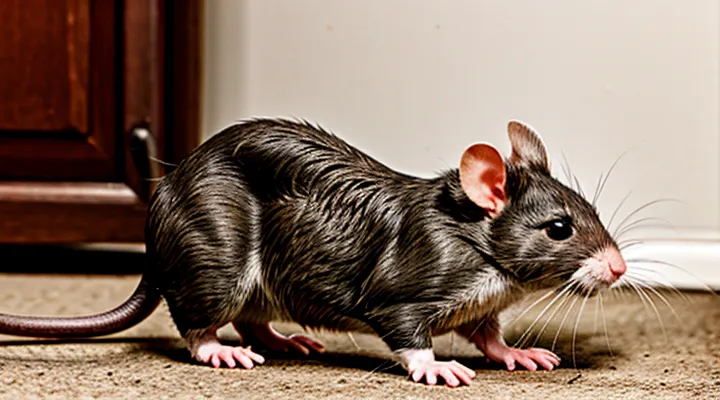
«Understanding Rat Behavior»
«Why Affection Matters to Rats»
«Social Nature of Rats»
Rats thrive in groups, forming hierarchies that rely on constant communication through scent, vocalizations, and tactile contact. Their social structure encourages cooperation, grooming, and shared nesting, which reduce stress and improve health. These innate behaviors provide a framework for interpreting affectionate interactions with human caretakers.
Observable indicators that a rat displays fondness toward a person include:
- Frequent approaching and positioning close to the hand or arm, often accompanied by a relaxed posture.
- Gentle nibbling or soft biting, interpreted as playful rather than aggressive.
- Initiating grooming of the caretaker’s fingers or clothing, a behavior normally reserved for conspecifics.
- Vocalizations such as low‑pitched chirps or trills during petting sessions, signaling contentment.
- Sustained eye contact paired with slow blinking, a sign of trust in rodent communication.
- Preference for sharing the same sleeping spot or nest material with the caretaker’s presence.
These behaviors reflect the species’ inherent need for social bonds and can be reliably used to assess the depth of a rat’s attachment to its human companion.
«Impact of Positive Interactions»
Positive engagement with a rat strengthens the bond between owner and animal, leading to measurable changes in behavior and physiology. Consistent gentle handling, vocal reassurance, and shared activities increase the release of oxytocin and dopamine, hormones linked to social attachment. Elevated hormone levels correspond with reduced stress markers, such as cortisol, indicating a calmer, more trusting pet.
Observable outcomes of frequent affectionate contact include:
- Increased grooming of the owner’s hands or clothing, reflecting reciprocal care.
- Frequent approach behavior, such as darting toward the caretaker when called.
- Extended periods of relaxed posture, including stretched limbs and relaxed whiskers.
- Enhanced playfulness, demonstrated by spontaneous chasing or tunnel exploration in the presence of the human.
These behavioral shifts reinforce a positive feedback loop: the rat perceives the interaction as safe, exhibits more affiliative actions, and the caretaker responds with further kindness, deepening the relationship. Over time, the animal’s willingness to explore new environments and tolerate handling improves, facilitating health monitoring and enrichment activities without triggering fear responses.
«Key Indicators of a Rat's Affection for You»
«Physical Cues»
«Purring and Bruxing»
Rats express fondness through subtle vocal and oral cues. Two of the most reliable indicators are purring and bruxing.
Purring emerges as a low‑frequency rumble produced while the animal is relaxed and in close proximity to a caregiver. The sound differs from squeaking; it is continuous, soft, and often accompanied by a relaxed posture. When a rat emits this vibration while being handled, it signals contentment and a desire for continued contact.
Bruxing appears as gentle tooth grinding, typically audible as a faint clicking. This behavior occurs when the rat feels secure and is being stroked or held. Unlike aggressive gnashing, affectionate bruxing is rhythmic, low‑intensity, and ceases when the rat is removed from the comforting environment.
Key points to recognize these signs:
- Continuous, low‑volume rumble while being petted → purring.
- Soft, rhythmic tooth grinding during handling → affectionate bruxing.
- Both behaviors stop abruptly if the rat becomes stressed or threatened.
- Presence of relaxed body language (e.g., stretched limbs, calm eyes) reinforces the interpretation.
Observing purring and bruxing together provides strong evidence that a rat enjoys and seeks human affection.
«Grooming You»
Rats demonstrate affection by grooming the person they trust. This behavior signals a strong bond and indicates that the animal feels safe enough to share its personal hygiene routine.
Observable indicators of rat‑initiated grooming include:
- The rat approaches the hand or arm and repeatedly nibbles or licks the skin.
- Grooming sessions occur spontaneously, without prompting, and may last several seconds to a minute.
- The animal pauses its own self‑grooming to focus on the human, often sitting close while performing the action.
- The rat’s body language remains relaxed: ears are forward, whiskers are steady, and the tail is relaxed rather than stiff.
- After grooming, the rat seeks additional contact, such as nuzzling or climbing onto the person’s lap.
These patterns differentiate affectionate grooming from routine cleaning or exploratory nibbling. Consistent display of these actions confirms that the rat perceives the human as a companion worthy of care.
«Rubbing and Nudging»
Rubbing and nudging are reliable indicators that a rat seeks and enjoys physical closeness. When a rat presses its body against a human hand, cage mate, or favorite object, it releases scent glands located on its cheeks and flanks, marking the target with its own odor. This behavior demonstrates a desire to share personal scent and to reinforce social bonds.
A gentle nudge with the nose or head signals attention and invitation. Rats use this gesture to encourage interaction, request petting, or guide a caregiver toward a treat. The motion is typically soft, repetitive, and directed toward the same spot, showing that the animal is comfortable and engaged.
Key characteristics of affectionate rubbing and nudging include:
- Consistent contact with the same area (hand, arm, or object) over multiple sessions.
- Absence of defensive postures such as stiffening, fleeing, or vocalizing alarm calls.
- Accompanying signs such as relaxed posture, slow blinking, and a calm, rhythmic breathing pattern.
In practice, observing these actions alongside other affiliative behaviors—like grooming, licking, or following—confirms that the rat perceives the human or companion as a trusted partner. Recognizing and responding to rubbing and nudging strengthens the relationship and promotes the rat’s well‑being.
«Climbing and Cuddling»
Rats demonstrate affection through physical interaction, and two of the most reliable indicators are climbing and cuddling.
- When a rat repeatedly ascends onto a person’s arm, shoulder, or lap, it signals trust and a desire for contact.
- The animal may use its paws to grip clothing or skin, maintaining balance without hesitation.
- Frequent vertical movement toward the owner, especially after a period of separation, reflects eagerness to re‑establish proximity.
Cuddling behavior reinforces the same sentiment. A rat that seeks out warm bodies, settles on a lap, or drapes itself across a chest is actively pursuing comfort and security. The creature often remains still, allowing the human to stroke its back or head, and may emit soft vocalizations while nestled. Prolonged periods of such close contact, especially when the rat chooses the human over other environmental options, confirm a strong emotional bond.
«Behavioral Cues»
«Following You Around»
Rats that repeatedly trail their owners demonstrate a clear preference for proximity, which is a strong indicator of attachment. The behavior reflects the animal’s desire to stay within the owner’s sensory field and to monitor movements closely.
- The rat appears at the owner’s feet or legs as soon as they stand up, resuming the same position after short intervals.
- It adjusts its path to match the owner’s direction, even when the route changes abruptly.
- It pauses near the owner’s hands or clothing, waiting for a touch or a vocal cue before moving on.
- It shows heightened alertness when the owner moves away, often pausing at doorways or returning shortly after the owner departs.
These patterns reveal that the rat perceives the owner as a source of security and social interaction. Consistent following, combined with other affectionate signals such as grooming, gentle nibbling, and relaxed body posture, confirms a deep bond between the rat and its caregiver.
«Responding to Their Name»
Rats that recognize and react to the sound of their name demonstrate a clear sign of attachment. When a name is spoken, an affectionate rat typically exhibits one or more of the following behaviors:
- Immediate head turn toward the caller, accompanied by focused eye contact.
- Movement toward the source of the voice, often crossing the cage or room to close the distance.
- Soft vocalizations such as chirps or gentle squeaks that accompany the approach.
- Body language indicating relaxation, including lowered ears, relaxed whiskers, and a calm posture.
- Repeated attempts to re‑establish contact after the initial response, such as nudging the hand or climbing onto a perch near the owner.
These responses reflect a rat’s willingness to engage socially and indicate that the animal associates the spoken name with positive interaction.
«Coming When Called»
Rats that approach their owners on command demonstrate a clear preference for interaction. The behavior indicates that the animal associates the owner’s voice with positive experiences, such as food, gentle handling, or social contact.
When a rat reliably comes when called, several observable patterns emerge:
- The animal pauses its current activity and moves toward the source of the voice promptly.
- It maintains eye contact or focuses on the caller’s hand, showing attentiveness.
- The approach is consistent across different times of day and locations within the enclosure.
These actions reflect a learned trust rather than a random reaction. Training sessions that reinforce the response with treats or brief affection reinforce the bond, making the call a reliable cue for the rat’s presence.
Owners can gauge the depth of the connection by noting the speed of the response and the rat’s demeanor upon arrival. A swift, calm approach suggests comfort, whereas hesitation or rapid retreat may signal lingering fear or insufficient reinforcement.
Consistent, gentle calling paired with immediate positive feedback cultivates a predictable pattern. Over time, the rat’s willingness to respond becomes a measurable indicator of its affection toward the caretaker.
«Relaxed Body Language Around You»
Rats demonstrate affection through calm, unguarded posture when they feel safe around a human. Their bodies become loose, movements slow, and tension disappears, signalling trust and a desire for contact.
- Body flattened against the floor or cage floor, without rigid muscles.
- Ears laid back or slightly forward, indicating relaxation rather than alertness.
- Tail relaxed, often curled loosely around the body or gently draped over a surface.
- Whiskers positioned forward, showing interest without defensive tension.
- Slow, deliberate grooming of the fur while remaining near the person, a sign of comfort in proximity.
When a rat exhibits these behaviors, it is inviting interaction. Approaching with gentle hands, offering treats, or providing a soft hand for the rat to climb reinforces the bond. Observing and matching the animal’s relaxed state encourages continued affectionate exchanges.
«Playing with You»
Rats demonstrate affection by actively engaging in play with their human companions. The behavior reflects trust, curiosity, and a desire for social interaction.
Typical indicators that a rat enjoys playing with you include:
- Initiating contact by nudging, pawing, or climbing onto your hand or lap.
- Responding to gentle tugging or tossing of a small toy with rapid, enthusiastic chasing.
- Performing rapid, short bursts of movement—often called “zoomies”—while staying within arm’s reach.
- Repeating the same playful gestures after brief pauses, showing persistence.
- Emitting soft, high‑pitched vocalizations during interaction, which differ from alarm calls.
These actions collectively signal that the rat values the shared activity and views the human as a preferred play partner.
«Building a Stronger Bond with Your Rat»
«Gentle Handling and Interaction»
Gentle handling reflects a rat’s willingness to engage closely with a caregiver and serves as a reliable indicator of affection. When a rat approaches a hand without hesitation, allows the fingers to graze its back, and remains relaxed during the interaction, it demonstrates trust and emotional attachment.
Observable behaviors include:
- Leaning into the palm: the rat presses its body against the hand, seeking contact.
- Relaxed posture: ears flattened, eyes soft, and whiskers calm while being held.
- Seeking repeated touch: the animal initiates contact multiple times during a session.
- Reciprocal grooming: the rat licks or nuzzles the caretaker’s fingers, mirroring social grooming.
- Following movement: after gentle handling, the rat trails the hand around the enclosure, maintaining proximity.
Consistent display of these actions confirms that the rat perceives gentle interaction as positive, reinforcing the bond between animal and owner.
«Positive Reinforcement Training»
Positive reinforcement training provides a reliable framework for identifying affection in pet rats. By rewarding desired actions with treats, gentle strokes, or verbal praise, owners can observe which behaviors the animal repeats voluntarily, revealing its emotional connection.
Typical indicators that a rat enjoys affection appear during training sessions:
- Approaches the hand or training area without hesitation.
- Maintains close physical contact while being petted, such as leaning into the palm or curling around a finger.
- Exhibits relaxed posture, including lowered ears, half‑closed eyes, and a calm breathing pattern.
- Repeats the same interaction after a short interval, suggesting a preference for the contact.
- Responds promptly to a cue (e.g., a click or word) associated with positive interaction, demonstrating anticipation of the reward.
Applying positive reinforcement involves presenting a small, high‑value treat immediately after the rat displays one of these behaviors. Consistency reinforces the association between the affectionate act and the reward, increasing the frequency of the behavior. Gradual reduction of treat size, while maintaining praise, sustains the behavior without creating dependency on food.
Through systematic reinforcement, owners can both strengthen the bond and accurately assess the rat’s affection, using observable responses as objective evidence of emotional attachment.
«Providing a Stimulating Environment»
Rats that display affection often seek out varied stimulation. When a rat repeatedly explores new objects, manipulates puzzle feeders, or chooses different routes through a complex cage, it signals trust and a desire for interaction. Providing such an environment reinforces the bond and encourages affectionate behavior.
Key elements of an enriching habitat include:
- Multi‑level platforms and climbing structures that promote vertical movement.
- Secure tunnels and hideaways that allow the rat to retreat and re‑emerge on its own terms.
- Exercise wheels with solid surfaces to prevent injury while supporting vigorous activity.
- Foraging toys that require problem‑solving to access treats, stimulating mental acuity.
- Rotating objects such as chew blocks, rope ladders, and textured mats to maintain novelty.
Consistent rotation of these items prevents habituation. When a rat initiates play with newly introduced accessories, it demonstrates confidence in its caretaker and a willingness to share positive experiences. Observing frequent engagement with enrichment tools therefore serves as a reliable indicator of the rat’s affectionate disposition.
«Regular Playtime»
Regular playtime functions as a reliable indicator that a rat feels affectionate toward its caretaker. When a rat consistently seeks interactive moments, it demonstrates trust and a desire for social connection.
- Initiates games by approaching the owner, nudging toys, or presenting objects for shared activity.
- Engages actively, chasing, wrestling, or climbing in response to the caretaker’s gestures.
- Returns to the play area after brief separations, indicating sustained interest rather than fleeting curiosity.
- Shows heightened anticipation before scheduled sessions, such as heightened movement or vocalizations.
- Adjusts its behavior to match the caretaker’s pace, pausing when the human stops and resuming when interaction continues.
These behaviors collectively confirm that regular playtime reflects a strong, affectionate bond between rat and owner.