
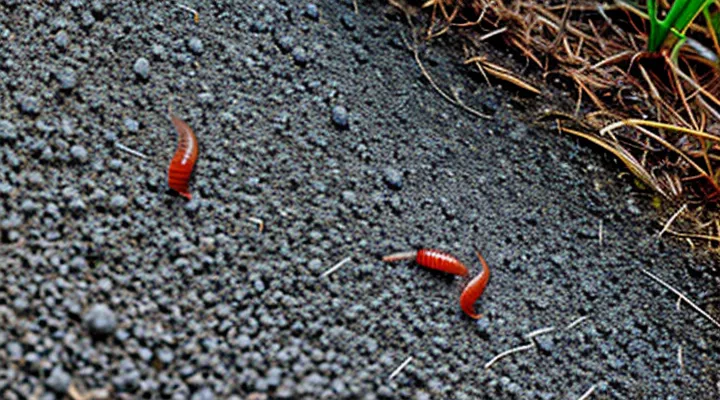
Understanding Rat Worms
Types of Worms Affecting Rats
Common Internal Parasites
Rats frequently harbor internal helminths that compromise health and experimental reliability. Recognizing the most prevalent species enables timely intervention.
- Hymenolepis nana (dwarf tapeworm) – adult worms in the small intestine, eggs shed in feces.
- Syphacia muris (mouse pinworm) – slender white worms around the anus, eggs deposited on perianal skin.
- Rodentolepis ratti (rat tapeworm) – segments released in feces, intermediate hosts include insects.
- Trichuris muris (whipworm) – burrows in the colon, eggs identified by characteristic bipolar plugs.
- Capillaria hepatica (liver capillaria) – larvae migrate to hepatic tissue, eggs appear in liver lesions.
Typical manifestations of gastrointestinal nematodes and cestodes include progressive weight loss, soft or watery stools, occasional blood in feces, a rough or unkempt coat, abdominal enlargement, reduced activity, and pale mucous membranes indicating anemia. In severe cases, mortality may occur without observable external signs.
Detection relies on microscopic examination of fresh fecal samples using flotation or sedimentation techniques. Concentrated egg counts provide quantitative assessment. Polymer‑chain‑reaction assays identify species with high specificity when egg morphology is ambiguous. Post‑mortem inspection of the gastrointestinal tract confirms infection intensity and adult worm burden.
Effective control combines broad‑spectrum anthelmintics administered according to species‑specific dosing schedules with strict cage hygiene, regular bedding changes, and elimination of intermediate hosts. Routine screening every 4–6 weeks maintains colony health and prevents outbreak escalation.
Less Common Parasites
Rats may harbor helminths that appear infrequently in laboratory or pet colonies but produce distinct clinical cues. Recognizing these cues enables timely intervention and prevents secondary health issues.
- Trichuris muris – intermittent diarrhea, weight loss, occasional rectal bleeding; detection by microscopic examination of fresh feces using a Baermann funnel or flotation technique.
- Nippostrongylus brasiliensis – labored breathing, occasional cough, mild anemia; identification through lung tissue impression smears at necropsy or PCR on lung homogenates.
- Angiostrongylus cantonensis – neurological tremors, ataxia, reduced activity; confirmation by sedimentation of brain tissue followed by molecular assay or antigen ELISA on serum.
- Trichinella spiralis – muscular rigidity, reduced mobility, palpable nodules; detection via digestion of muscle samples and subsequent microscopic inspection for encysted larvae.
- Capillaria hepatica – jaundice, hepatomegaly, lethargy; diagnosis through histopathological analysis of liver sections or PCR on liver tissue extracts.
Fecal flotation remains the primary screening tool for most intestinal stages, while serological tests and polymerase chain reaction provide specificity for tissue‑dwelling species. Combining visual assessment of behavior, physical examination, and targeted laboratory methods yields reliable identification of these uncommon parasitic infections in rats.
How Rats Contract Worms
Environmental Factors
Environmental conditions shape the prevalence of intestinal parasites in rodent populations. Poor sanitation, excess moisture, and moderate temperatures create habitats where worm eggs and larvae survive long enough to infect rats.
- Unsanitary surroundings: accumulation of feces and food debris provides a reservoir for infective stages.
- High humidity: maintains egg viability and facilitates larval movement.
- Warm temperatures (20‑30 °C): accelerate development cycles of common nematodes.
- Dense rodent colonies: increase contact rates, enhancing transmission.
- Presence of intermediate hosts (e.g., insects, mollusks): offers additional pathways for infection.
- Contaminated soil or litter: serves as a persistent source of infective stages.
These factors generate observable signs. Elevated fecal output, presence of worm segments in droppings, and increased scratching or grooming behavior often correlate with the listed conditions. Monitoring environmental parameters—cleanliness, moisture levels, temperature, and rodent density—allows early identification of infestation risk before clinical signs become severe.
Routine inspection of habitats, regular removal of waste, control of humidity, and reduction of crowding constitute practical measures to detect and prevent worm infections in rat populations.
Contaminated Food and Water
Contaminated food and water serve as primary routes for intestinal parasites to enter rat populations. Improperly stored grain, fresh produce, or standing water can harbor infective eggs, larvae, or cysts released by other rodents, wildlife, or contaminated environments.
Common sources of infection include:
- Uncooked or partially cooked feed that has contacted feces containing parasite stages.
- Water containers that are not regularly cleaned, allowing larvae to develop in stagnant liquid.
- Spoiled produce with visible mold or rot, which often attracts intermediate hosts such as insects that carry worm larvae.
When rats ingest these contaminated items, parasites establish in the gastrointestinal tract, producing a range of clinical indicators. Early detection relies on recognizing behavioral and physiological changes that correspond to worm burden.
Observable signs in rats:
- Diarrhea or soft stools, sometimes containing visible segments of worms.
- Weight loss despite normal food intake.
- Abdominal swelling or palpable masses.
- Reduced activity, lethargy, or altered grooming habits.
- Anemia indicated by pale mucous membranes, especially with blood‑feeding species.
Detection methods focus on direct and indirect evidence. Fecal flotation techniques reveal eggs or larvae under a microscope. Post‑mortem examination of the intestinal tract confirms adult worm presence. Serological assays, though less common for rodents, can identify specific parasite antigens in blood samples.
Regular monitoring of feed storage conditions, water hygiene, and routine health checks minimize the risk of worm infestations and facilitate timely intervention.
Transmission from Other Animals
Rats acquire intestinal worms primarily through contact with infected wildlife, domestic pets, and livestock that share the same habitat. Predation on small mammals, ingestion of contaminated carrion, and competition for food sources introduce parasite eggs or larvae directly into the rat’s gastrointestinal tract. Shared water troughs, feed bins, and bedding become reservoirs when other animals defecate, allowing eggs to persist in moist environments until a rat consumes them. External parasites such as fleas or mites can transport larval stages from one host to another, completing the life cycle without direct ingestion.
Key transmission pathways include:
- Consumption of carcasses or live prey harboring larval stages.
- Ingestion of eggs deposited in soil, grain, or water contaminated by feces of infected animals.
- Contact with contaminated surfaces in multi‑species housing facilities.
- Mechanical transfer by ectoparasites that move between species.
Understanding these routes clarifies why worm infestations often appear in rat colonies situated near farms, pet shelters, or wildlife corridors, and informs control measures that target cross‑species contamination.
Recognizing the Signs of Worms
Behavioral Changes
Lethargy and Weakness
Lethargy and weakness are common clinical indicators of parasitic worm infection in laboratory and pet rats. Affected rodents display reduced activity, spend most of the day resting, and show a diminished response to handling or environmental stimuli. Muscle tone may be noticeably lower, and the animals often fail to maintain normal body weight despite adequate food availability.
Observation of these symptoms should be combined with a systematic health assessment. Record the frequency and duration of inactivity, note any difficulty in climbing or moving through tunnels, and compare the rat’s weight to species‑specific growth curves. Persistent decline in these parameters typically warrants further diagnostic procedures, such as fecal flotation or necropsy, to confirm the presence of gastrointestinal nematodes.
Key points for detecting lethargy and weakness linked to worm infestation:
- Decreased locomotion and reluctance to explore the cage environment.
- Loss of muscular strength, evident when the rat cannot lift its body or climb vertical surfaces.
- Gradual weight loss or failure to gain expected weight despite normal feeding.
- Reduced grooming behavior and a dull coat appearance.
Early recognition of these signs enables timely parasitological testing and appropriate anthelmintic treatment, minimizing health deterioration and preventing spread within a rat colony.
Changes in Appetite and Thirst
Rats infected with intestinal parasites often exhibit noticeable alterations in feeding and drinking behavior. A reduction in food intake may appear abruptly, with the animal refusing familiar foods and showing weight loss despite unchanged environmental conditions. Conversely, some infestations trigger hyperphagia, where the rat consumes larger quantities in an attempt to compensate for nutrient loss caused by the parasites. Thirst patterns follow a similar dichotomy: dehydration can develop due to malabsorption, leading to increased water consumption, while severe intestinal damage may suppress the urge to drink, resulting in dry mucous membranes and lethargy.
Key observations for detection:
- Sudden decrease or increase in daily food consumption
- Unexplained weight fluctuation within a short period
- Elevated water intake paired with signs of dehydration (dry skin, sunken eyes)
- Reduced drinking despite normal activity levels
- Presence of droppings that are softer, more frequent, or contain visible worm segments
Monitoring these appetite and thirst changes, alongside other clinical signs, provides reliable early evidence of worm infestation in laboratory or pet rats. Prompt identification enables timely therapeutic intervention and prevents further health deterioration.
Irritability or Unusual Aggression
Irritability and atypical aggression often signal an internal parasitic burden in laboratory or pet rats. Sudden changes in temperament, such as snapping at handlers or increased territorial disputes, differ from the animal’s baseline behavior and merit immediate attention.
Parasitic worms irritate the gastrointestinal lining, disrupt nutrient absorption, and trigger inflammatory mediators that influence central nervous pathways. The resulting discomfort and metabolic stress can manifest as heightened defensive responses and reduced tolerance for normal stimuli.
Observable manifestations include:
- Unprovoked biting of cage mates or humans
- Frequent lunging or charging when approached
- Persistent vocalizations during routine handling
- Rapid escalation of minor conflicts into fights
Detection relies on systematic observation and veterinary assessment. Record behavioral episodes over several days, noting frequency, triggers, and intensity. A veterinarian should perform fecal flotation or PCR testing to confirm helminth presence, followed by a complete physical exam to rule out alternative causes such as pain from injury or environmental stressors.
Management protocols require targeted anthelmintic treatment, strict sanitation of bedding and food supplies, and quarantine of affected individuals until parasite clearance is verified. Post‑treatment monitoring should continue for at least two weeks to ensure behavioral normalization and prevent reinfestation.
Physical Symptoms
Weight Loss and Poor Coat Condition
Weight loss and poor coat condition frequently appear together in rats suffering from intestinal parasites. The parasites consume nutrients intended for the host and damage the lining of the gastrointestinal tract, reducing the animal’s ability to absorb food. Consequently, the rat’s body mass declines despite unchanged or increased food intake.
- Nutrient diversion to parasites
- Mucosal erosion causing malabsorption
- Increased metabolic demand from immune response
A compromised coat reflects the same nutritional deficit. Hair becomes brittle, loses its natural sheen, and may fall out in patches. Irritation from parasite activity can also provoke scratching, further damaging the fur.
Assessment relies on direct observation and measurement. Record the rat’s body weight regularly; a drop of more than 10 % over a short period signals concern. Examine the fur for dullness, thinning, or bald spots, especially along the back and hindquarters. Compare findings with the animal’s baseline condition to distinguish normal variation from pathological change.
If both weight loss and coat deterioration are present, confirm parasitic infection with a fecal flotation test or a direct smear. Positive results warrant an appropriate anthelmintic regimen, followed by repeat monitoring of weight and coat quality to verify recovery.
Diarrhea or Constipation
Diarrhea and constipation are primary gastrointestinal disturbances that frequently signal helminth infection in laboratory and pet rats. Parasites such as nematodes, cestodes, and trematodes disrupt normal intestinal motility, leading to either increased fluid secretion and rapid transit (diarrhea) or impaired peristalsis and stasis (constipation). Observation of these conditions should prompt immediate diagnostic evaluation.
- Watery, mucus‑laden feces indicate possible intestinal worm activity.
- Hard, dry pellets or reduced fecal output suggest obstruction or impaired motility.
- Accompanying signs may include weight loss, abdominal distension, and reduced activity.
Rapid fecal examination, flotation techniques, and PCR assays confirm the presence of worm eggs or larvae. Early detection based on bowel pattern changes enables timely anthelmintic treatment, minimizing morbidity and preserving colony health.
Visible Worms or Eggs in Feces
Visible worm segments or egg packets in rodent droppings provide the most direct evidence of intestinal parasitism. Fresh feces often reveal slender, translucent strands that move when disturbed, indicating adult nematodes. Egg clusters appear as speckled, pale ovals measuring 30‑80 µm, sometimes grouped within a gelatinous matrix.
Key visual indicators include:
- Actively motile, white or off‑white threads up to several centimeters long
- Microscopic, oval or spherical structures with smooth shells, typically arranged in rows or clusters
- Discoloration of feces from normal brown to lighter, watery consistency due to parasite activity
To confirm presence, collect a fresh sample in a sealed container, avoid contamination with bedding, and examine under a low‑power microscope (10‑40×). Document size, shape, and movement; compare findings with reference images of common rodent helminths such as Nippostrongylus spp., Syphacia spp., and Hymenolepis spp. Positive identification guides subsequent treatment and control measures.
Swollen Abdomen
A swollen abdomen in a rat frequently indicates an internal parasitic burden. The distension results from the accumulation of adult worms, larval cysts, or inflammatory fluid within the gastrointestinal tract and peritoneal cavity. Progressive enlargement may occur over days to weeks, depending on worm species and infestation intensity.
Key aspects to assess when a rat presents with abdominal swelling:
- Visible protrusion of the ventral region, often symmetrical.
- Taut skin over the abdomen, sometimes with a glossy appearance.
- Reduced mobility or reluctance to move, reflecting discomfort.
- Palpable masses or fluid pockets upon gentle examination.
- Concurrent signs such as weight loss, hair loss, or watery feces.
Diagnostic confirmation involves a combination of physical examination and laboratory tests. Perform a fecal flotation or sedimentation analysis to identify ova or larvae. In severe cases, abdominal radiography or ultrasound can reveal intestinal blockage, fluid accumulation, or enlarged mesenteric lymph nodes. Post‑mortem necropsy remains the definitive method for species identification and burden quantification, guiding targeted anthelmintic therapy.
Advanced Clinical Signs
Anemia
Anemia frequently accompanies intestinal worm infestations in laboratory and wild rats. Blood loss results from adult parasites feeding on the host’s intestinal mucosa, while chronic inflammation impairs red blood cell production. The condition reduces oxygen delivery to tissues, accelerating the decline in overall health and influencing experimental outcomes.
Typical manifestations of anemia in rats include:
- Pale mucous membranes, especially on the gums and eyelids
- Decreased activity and reduced exploratory behavior
- Weight loss despite adequate food intake
- Lowered hematocrit and hemoglobin values on blood analysis
- Tachycardia detectable by auscultation or pulse monitoring
When evaluating rats for parasitic infection, anemia serves as a reliable indirect indicator. A systematic approach should involve:
- Visual inspection of mucous membranes for pallor.
- Recording body weight trends and food consumption.
- Performing a complete blood count to assess red cell indices.
- Correlating hematologic findings with fecal egg counts or necropsy results.
Recognizing anemia early enables timely antiparasitic treatment, minimizes experimental variability, and improves animal welfare.
Respiratory Distress
Rats infected with parasitic worms often exhibit respiratory distress, a reliable indicator of internal infestation. The condition manifests as rapid, shallow breathing, audible wheezing, or audible gasping sounds during rest. Laboratory observation may reveal increased respiratory rate exceeding 120 breaths per minute, accompanied by thoracic muscle contractions that appear visibly exaggerated.
Key physiological changes associated with worm‑induced respiratory compromise include:
- Reduced arterial oxygen saturation, measurable by pulse oximetry.
- Elevated carbon dioxide levels detectable in blood gas analysis.
- Presence of mucus or blood‑tinged secretions in nasal passages or trachea.
- Abnormal chest wall movement patterns, such as intercostal retractions.
Prompt identification of these signs enables early intervention, limiting tissue damage and preventing secondary infections. Veterinary assessment should incorporate respiratory monitoring alongside fecal examinations and imaging to confirm parasitic etiology.
Neurological Symptoms
Neurological disturbances often signal parasitic worm infection in laboratory or pet rats. The following signs are commonly observed:
- Tremors or involuntary shaking of limbs, especially when the animal is at rest.
- Ataxia, manifested as uncoordinated gait, frequent stumbling, or inability to maintain balance on narrow surfaces.
- Abnormal head positioning, including tilting, circling, or persistent head bobbing.
- Seizure activity, ranging from brief facial twitching to full-body convulsions.
- Decreased responsiveness to tactile or auditory stimuli, indicating impaired sensory processing.
- Hyperexcitability or, conversely, lethargic behavior, reflecting altered central nervous system function.
These manifestations result from larvae migrating through neural tissue, causing inflammation, mechanical damage, and disruption of neurotransmission. Early detection relies on systematic observation of movement patterns, reflexes, and reaction to environmental cues. Confirmation requires laboratory analysis, such as cerebrospinal fluid examination or necropsy, but consistent neurological signs provide a practical first indicator of worm infestation in rats.
Diagnosing Worms in Rats
Veterinary Examination
Fecal Analysis
Fecal analysis provides a reliable laboratory method for confirming intestinal helminths in laboratory and wild rats. The procedure begins with fresh droppings collected directly from the animal’s cage or trapping device. Samples should be placed in airtight containers, kept at 4 °C, and processed within 24 hours to prevent egg degradation.
The analytical workflow consists of three core stages:
- Preparation: Weigh 2–5 g of feces, homogenize in a measured volume of saline or distilled water, and filter through gauze to remove large particles.
- Egg recovery: Apply either a flotation solution (e.g., saturated sodium nitrate, specific gravity ≈ 1.20) or a sedimentation technique, depending on the target species. After mixing, centrifuge at 1500 g for 5 minutes; the supernatant is examined under a light microscope at 100–400× magnification.
- Identification and quantification: Record the morphology of observed ova or larvae, noting size, shape, and shell characteristics. Calculate eggs per gram (EPG) using the formula EPG = (egg count × dilution factor) / sample weight. Results are expressed as light, moderate, or heavy infection based on established thresholds for each worm species.
Advanced laboratories may supplement microscopy with polymerase chain reaction (PCR) assays targeting species‑specific DNA, increasing sensitivity for low‑intensity infections. However, PCR requires additional reagents, specialized equipment, and strict contamination controls.
Interpretation guidelines:
- Presence of any helminth ova confirms infection; multiple species may coexist in a single sample.
- High EPG values correlate with increased morbidity, including weight loss, anemia, and reduced reproductive performance.
- Negative microscopy does not exclude infection; intermittent egg shedding or prepatent periods can yield false‑negative results, warranting repeat sampling or molecular testing.
By adhering to standardized collection, processing, and reporting protocols, fecal analysis serves as an essential diagnostic tool for detecting worm infestations in rat populations.
Blood Tests
Blood diagnostics provide objective evidence of helminth infection in laboratory and pet rats. A complete blood count (CBC) reveals hematologic changes that correlate with parasitic burden. Elevated eosinophil percentages, often exceeding 10 % of total leukocytes, are the most reliable indicator of a current worm infestation. Anemia, reflected by reduced hemoglobin and hematocrit values, may develop in advanced infections where blood‑feeding parasites cause chronic blood loss. Leukocytosis, particularly neutrophilia, can accompany secondary bacterial complications.
Serological assays detect parasite‑specific antibodies. Enzyme‑linked immunosorbent tests (ELISA) for common rodent helminths (e.g., Syphacia muris, Hymenolepis nana) produce quantitative IgG titres. High titres suggest recent exposure, while rising titres over sequential samples indicate active infection. Polymerase chain reaction (PCR) performed on whole‑blood DNA extracts identifies parasite genomic material, offering species‑level confirmation when serology is ambiguous.
Practical considerations for blood sampling:
- Use a 27‑30 G needle to collect 0.2–0.5 ml from the lateral tail vein or saphenous vein.
- Anticoagulate with EDTA for CBC; allow clotting for serum in serology.
- Process samples within two hours; refrigerate at 4 °C if delayed.
- Record animal weight, age, and clinical signs to contextualize laboratory values.
Interpretation guidelines:
| Parameter | Typical worm‑related change | Diagnostic relevance |
|---|---|---|
| Eosinophils | ↑ (>10 % of leukocytes) | Strong evidence of helminths |
| Hemoglobin/Hematocrit | ↓ (mild to moderate) | Indicates chronic blood loss |
| Total leukocytes | ↑ (neutrophilia) | Suggests secondary infection |
| Specific IgG titre (ELISA) | High (≥1:200) | Confirms exposure/infection |
| PCR result | Positive for parasite DNA | Definitive species identification |
Combining CBC data with serological or molecular results improves diagnostic accuracy, allowing early intervention and targeted anthelmintic therapy. Regular monitoring of these blood parameters supports effective control of worm infestations in rat colonies.
Home Observation and Record Keeping
Monitoring Food and Water Intake
Monitoring the quantity of food and water consumed by laboratory or pet rats provides a reliable early indicator of intestinal parasite infection. Declines in daily intake often precede observable clinical signs, while excessive water consumption may reflect gastrointestinal irritation caused by nematodes or cestodes.
- Record the weight of food offered and leftovers each day; a consistent 10‑15 % reduction suggests anorexia associated with worm burden.
- Measure water volume at the start and end of a 24‑hour period; an increase of more than 20 % may signal polydipsia linked to parasitic inflammation.
- Track body weight alongside intake data; concurrent weight loss reinforces suspicion of infection.
- Note any spillage or irregular feeding patterns; parasites can cause abdominal discomfort that disrupts normal eating behavior.
Veterinary protocols advise establishing baseline consumption values for each cohort before exposure to potential infestations. Deviations from these baselines trigger diagnostic steps such as fecal flotation or PCR testing. Consistent intake monitoring thus serves as a cost‑effective, non‑invasive surveillance tool for detecting worm infestations in rats.
Observing Stool Consistency and Appearance
Observing the consistency and appearance of rat feces provides a practical indicator of parasitic infection. Normal stool is firm, dark brown, and retains shape when pressed. Deviations from this baseline often correspond to worm activity within the gastrointestinal tract.
- Watery or loose pellets suggest malabsorption caused by adult worms interfering with nutrient uptake.
- Presence of visible segments, such as small white or tan pieces, indicates tapeworm proglottids shedding.
- Unusual coloration, including pale, yellowish, or reddish hues, may result from blood loss or bile alteration associated with hookworm or whipworm infestations.
- Excessive mucus coating the stool reflects inflammatory response to larval migration.
- Irregular shape, crumbling, or a sticky texture points to intestinal irritation and possible nematode burden.
Regularly collecting fresh droppings and comparing them against these criteria enables early detection of worm infestations, allowing timely therapeutic intervention.
Prevention and Treatment
Prophylactic Measures
Maintaining Hygiene
Maintaining a clean environment is essential for early identification of parasitic infections in laboratory or pet rats. Regular removal of droppings, urine, and food residue reduces the likelihood that worm eggs will accumulate in bedding. Discard soiled bedding at least twice weekly and replace it with fresh, low‑dust material to prevent egg adhesion to surfaces.
Sanitation of cages and accessories must include:
- Daily wiping of cage walls and accessories with a mild detergent followed by a rinse with water.
- Weekly immersion of water bottles, food bowls, and tunnels in a solution of 1% bleach for ten minutes, then thorough rinsing.
- Use of disposable gloves when handling animals or cleaning equipment; change gloves between cages to avoid cross‑contamination.
Personal hygiene practices protect both the handler and the rodents. Wash hands with soap and water for at least 20 seconds after each interaction. Disinfect footwear and lab coats before leaving the animal facility.
Waste management contributes to detection efforts. Collect all fecal samples in sealed containers for microscopic examination. Store samples at 4 °C if analysis will be delayed beyond 24 hours to preserve egg viability.
Monitoring protocols rely on a hygienic routine. Consistent cleaning schedules create predictable background conditions, allowing any increase in fecal moisture, abnormal odor, or visible segments to stand out as potential indicators of worm presence. By enforcing strict hygiene standards, the probability of missing early signs of infestation diminishes dramatically.
Diet and Nutrition
Rats infected with intestinal parasites often show measurable changes in their dietary habits. Decreased voluntary food intake, sudden preference for softer or more palatable foods, and irregular feeding patterns frequently accompany worm burdens.
Weight loss progresses despite unchanged or increased caloric provision, indicating that parasites divert nutrients away from the host. Protein deficiency becomes evident through muscle wasting and reduced growth rates in juveniles. Deficiencies in vitamin A, E, and B‑complex compounds manifest as impaired coat condition, diminished immune responsiveness, and altered activity levels.
Fecal analysis provides direct evidence of nutritional disruption. Presence of blood, mucus, or increased fat content reflects malabsorption caused by intestinal damage. Consistently soft or watery stools, sometimes interspersed with visible worm segments, signal active infestation.
Effective monitoring relies on systematic observation:
- Record daily feed consumption for each cage.
- Weigh rats weekly; calculate body condition scores.
- Inspect feces for color changes, consistency, and foreign material.
- Conduct periodic laboratory examinations (e.g., flotation or PCR) to confirm parasite species.
Adjusting diet can mitigate secondary effects. High‑quality protein sources, balanced essential fatty acids, and supplemented vitamins support recovery while reducing the host’s susceptibility to further infection. Regular nutritional assessment, combined with targeted parasitological testing, enables early detection and timely intervention.
Regular Health Checks
Routine examinations are essential for early identification of parasitic infestations in laboratory or pet rats. Consistent monitoring reduces the risk of severe health decline and supports timely therapeutic intervention.
Key elements of a comprehensive health check include:
- Visual inspection of coat, eyes, and perianal region for irritation, hair loss, or abnormal discharge.
- Observation of behavior such as reduced activity, excessive grooming, or altered feeding patterns.
- Measurement of body weight and comparison with baseline growth curves.
- Palpation of the abdomen to detect swelling, discomfort, or abnormal masses.
- Collection of fresh fecal samples for microscopic examination and coproantigen testing.
A schedule of bi‑weekly examinations for breeding colonies and monthly assessments for individual pets provides sufficient resolution to capture early worm‑related changes. Increased frequency is warranted after introduction of new animals, changes in diet, or observed clinical signs.
Fecal analysis should employ flotation techniques to isolate ova and larvae, followed by identification under magnification. Molecular assays, when available, increase diagnostic specificity for common gastrointestinal nematodes.
All findings must be recorded in a standardized log, noting date, observed signs, test results, and any treatment administered. Follow‑up checks within seven to ten days of therapy confirm efficacy and guide further management decisions.
Treatment Options
Anthelmintics and Deworming Protocols
Effective control of helminth infections in laboratory and pet rats requires a clear protocol that combines accurate diagnosis with appropriate anthelmintic therapy. Once gastrointestinal parasites are suspected—through signs such as weight loss, abdominal distension, or the presence of fecal eggs—treatment should begin promptly to prevent morbidity and experimental confounding.
Selection of anthelmintics depends on the parasite species, animal age, and regulatory constraints. Commonly used agents include:
- Pyrantel pamoate – broad‑spectrum nematicide; oral dose 5 mg/kg once daily for three consecutive days.
- Fenbendazole – effective against nematodes and some cestodes; 50 mg/kg orally for five days.
- Ivermectin – potent against strongyles; subcutaneous injection 0.2 mg/kg, repeat after 14 days if needed.
- Mebendazole – alternative for resistant strains; 25 mg/kg orally for three days.
Dosage calculations must consider the rat’s body weight, and medications should be administered with food or a suitable vehicle to enhance absorption. Record keeping of treatment dates, doses, and observed outcomes supports reproducibility in research settings.
A deworming protocol typically follows a structured schedule:
- Initial assessment – collect fresh feces, perform flotation or PCR to identify parasite genus.
- First treatment round – apply the selected anthelmintic according to the dosage table.
- Post‑treatment evaluation – repeat fecal analysis after 7–10 days; confirm egg reduction.
- Follow‑up treatment – administer a second dose if eggs persist, or switch to an alternative drug class.
- Preventive maintenance – implement quarterly deworming for colonies at risk, combined with strict sanitation and rodent‑proof housing.
Compliance with institutional animal care guidelines mandates documentation of all interventions and verification that drug residues do not interfere with ongoing studies. Proper execution of these steps minimizes worm burden, protects animal welfare, and preserves data integrity.
Supportive Care
Supportive care is essential after confirming a parasitic infection in laboratory or pet rats. Immediate priorities include maintaining fluid balance, providing easily digestible nutrition, and minimizing stress to promote recovery.
- Offer fresh, dechlorinated water ad libitum; supplement with electrolyte solution if dehydration is evident.
- Supply a bland diet such as boiled chicken, soft kibble, or commercially formulated recovery feed; reduce fiber to lessen gastrointestinal irritation.
- Keep cage temperature stable between 20 °C and 24 °C; avoid drafts and sudden temperature shifts.
- Reduce handling frequency and provide nesting material to lower cortisol levels.
Continuous assessment guides adjustments in care. Record body weight daily; a loss of more than 5 % signals inadequate intake or disease progression. Perform serial fecal examinations to verify parasite clearance and detect secondary infections. Observe for drug‑related adverse effects, including loss of appetite, lethargy, or abnormal stool consistency, and modify dosage accordingly.
Environmental hygiene prevents reinfestation. Clean cages thoroughly, replace bedding, and disinfect feeders and water bottles with a mild bleach solution. Rotate and quarantine new rodents before introduction to the colony to limit exposure to infective stages.
Implementing these measures alongside anthelmintic therapy maximizes therapeutic success and supports overall health in affected rats.