
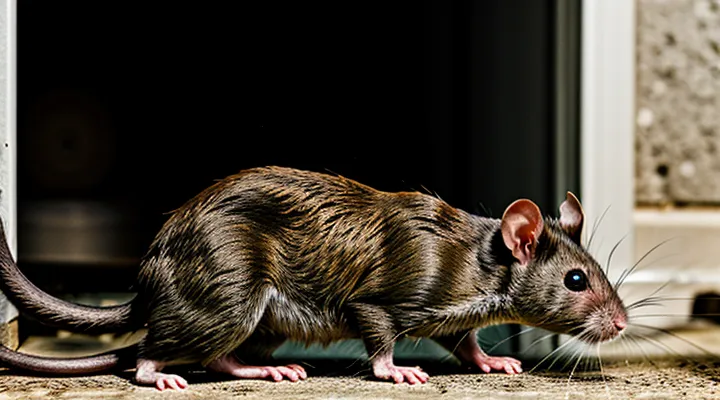
Recognizing the Inevitable: Geriatric Changes in Rats
Physiological Manifestations of Aging
Weight and Body Composition Changes
Weight trajectories in laboratory rodents provide a direct metric of physiological decline associated with advanced age and impending mortality. Progressive loss of total body mass emerges early in the senescent phase, often preceding overt clinical signs. The reduction is not uniform; specific alterations in tissue compartments clarify underlying mechanisms.
- Fat stores diminish markedly, with visceral adipose tissue showing the greatest depletion. Subcutaneous fat contracts at a slower rate, preserving a minimal reserve that supports thermoregulation.
- Skeletal muscle mass declines in parallel, reflecting sarcopenic processes. The loss of lean tissue correlates with reduced locomotor activity and impaired metabolic homeostasis.
- Bone mineral density decreases, contributing to fragility and increasing the risk of fractures that can precipitate fatal outcomes.
Body composition shifts are quantifiable through dual‑energy X‑ray absorptiometry, quantitative magnetic resonance, and carcass analysis. Data consistently reveal a steeper slope of lean‑mass loss compared with adipose‑tissue reduction in the final weeks of life. The ratio of fat‑to‑lean mass serves as a prognostic indicator; a declining ratio signals accelerated deterioration.
Metabolic adaptations accompany these changes. Reduced insulin sensitivity, altered leptin signaling, and heightened catabolic hormone levels drive the catabolism of both adipose and muscle stores. Monitoring weight trends alongside compositional metrics enables precise staging of senescence and identification of individuals approaching terminal decline.
Fur and Skin Deterioration
Fur condition provides a reliable indicator of physiological decline in laboratory rodents. Progressive loss of hair density, emergence of gray or white patches, and increased brittleness reflect alterations in keratin synthesis and melanocyte activity. Alopecia frequently appears in the dorsal region, often accompanied by uneven coat texture and reduced sheen. These changes correlate with diminished grooming efficiency and heightened susceptibility to ectoparasite infestation.
Skin integrity deteriorates concurrently with integumentary aging. Common manifestations include thinning of the epidermal layer, reduced dermal collagen, and loss of elasticity, resulting in wrinkling and laxity. Areas of erythema, ulceration, and spontaneous lesions become more prevalent, particularly on the ventral abdomen and paws. Accumulation of subcutaneous fat deposits may obscure underlying muscle mass, while hyperkeratotic plaques indicate abnormal keratinocyte turnover.
Typical observations can be organized as follows:
- Decreased hair coverage and localized alopecia
- Graying or depigmentation of the coat
- Brittleness and loss of luster in fur fibers
- Epidermal thinning with visible vascular patterns
- Reduced skin elasticity and formation of wrinkles
- Development of erythematous patches and ulcerative lesions
- Presence of hyperkeratotic plaques and scaling
These external signs serve as practical criteria for assessing senescence progression and imminent mortality risk in rat populations.
Musculoskeletal System Decline
Musculoskeletal deterioration is a prominent indicator of senescence and impending mortality in laboratory rats. With advancing age, bone density declines, leading to osteopenia and heightened fracture risk. Simultaneously, cartilage degeneration reduces joint resilience, manifesting as reduced mobility and altered gait patterns. Muscle tissue undergoes atrophy, characterized by loss of fiber cross‑sectional area and decreased contractile strength, which compromises the ability to perform routine tasks such as climbing or burrowing.
Key manifestations include:
- Reduced bone mineral content measurable by dual‑energy X‑ray absorptiometry.
- Presence of subchondral bone lesions observable in radiographic imaging.
- Decreased grip strength quantified with a calibrated dynamometer.
- Altered locomotor activity recorded by automated monitoring systems.
Histological analysis reveals accumulation of collagen cross‑links and infiltration of adipocytes within muscle fibers, indicative of sarcopenic changes. Biochemical markers, such as elevated serum alkaline phosphatase and reduced circulating osteocalcin, reflect ongoing bone remodeling imbalance. These physiological alterations correlate strongly with decreased lifespan, serving as reliable metrics for evaluating the health status of aging rat populations.
Sensory Organ Impairment
Sensory organ impairment emerges as a reliable indicator of senescence and mortality in laboratory rats. Age‑related degeneration affects auditory, visual, olfactory, and gustatory systems, each contributing to reduced environmental interaction and increased vulnerability.
Auditory decline manifests as reduced startle reflexes and diminished response to high‑frequency tones. Histological examinations reveal loss of outer hair cells, degeneration of the stria vascularis, and reduced synaptic ribbons in inner hair cells. Functional assessments, such as auditory brainstem responses, show elevated thresholds and prolonged latencies.
Visual deterioration includes cataract formation, retinal thinning, and decreased photoreceptor density. Electroretinogram recordings demonstrate lowered a‑wave amplitudes, indicating compromised phototransduction. Behavioral tests, for example the optokinetic tracking assay, record slower tracking speeds and reduced visual acuity.
Olfactory deficits become apparent through attenuated detection of pheromonal and food odors. Morphometric analyses show atrophy of the olfactory epithelium and reduced expression of odorant receptors. The buried food test quantifies increased latency to locate hidden food items.
Gustatory impairment is reflected in altered lick patterns and diminished preference for sweet solutions. Taste bud counts decline with age, and nerve conduction studies reveal slowed gustatory nerve potentials.
Key mechanisms underlying sensory decline include oxidative stress, accumulation of advanced glycation end products, and chronic inflammation. These processes accelerate cellular apoptosis and impair tissue regeneration across sensory modalities.
Monitoring sensory function provides a non‑invasive means to track physiological aging and predict imminent mortality. Early detection of sensory decline allows researchers to adjust experimental timelines and improve animal welfare protocols.
Vision Loss
Vision loss constitutes a reliable physiological marker of senescence in laboratory rodents. Progressive deterioration of ocular structures aligns with systemic aging processes and precedes overt mortality.
- Lens opacity develops through protein aggregation, reducing light transmission and impairing visual clarity.
- Retinal pigment epithelium exhibits thinning and loss of photoreceptor density, diminishing signal transduction.
- Optic nerve fibers undergo demyelination and axonal loss, leading to decreased conduction velocity.
Functional consequences manifest as lower spatial resolution, delayed reaction to light stimuli, and impaired performance in tasks requiring visual discrimination. Quantitative evaluation employs optokinetic tracking to measure reflexive head movements, electroretinography to assess retinal response amplitudes, and pupillary light reflex testing to gauge autonomic control.
Epidemiological data reveal a steep increase in the prevalence of ocular degeneration in advanced age cohorts, with a statistically significant association between early onset of visual impairment and shortened survival. Consequently, monitoring vision loss provides a non‑invasive indicator for predicting health trajectory and mortality risk in aging rodent populations.
Hearing Impairment
Hearing impairment constitutes a reliable physiological marker of senescence and mortality risk in laboratory rats. Progressive loss of auditory sensitivity reflects degeneration of the cochlear sensory epithelium, reduction of outer hair cell numbers, and alterations in the auditory nerve and brainstem nuclei. These structural changes diminish signal transduction efficiency and elevate auditory thresholds.
Assessment of auditory decline relies on objective measurements that quantify neural response to acoustic stimulation. Common techniques include:
- Auditory brainstem response (ABR) recordings, providing threshold estimates and waveform latency analysis.
- Startle reflex magnitude, indicating functional hearing capacity through motor response to sudden sounds.
- Conditioned avoidance or operant discrimination tasks, measuring behavioral detection of frequency‑specific tones.
Correlative studies demonstrate that rats exhibiting early‑onset hearing loss also display accelerated decline in other organ systems, such as reduced locomotor activity, impaired glucose regulation, and diminished immune competence. Statistical models link elevated auditory thresholds with shortened survival, suggesting that auditory dysfunction can serve as a prognostic indicator for overall lifespan.
Organ System Dysfunction
Organ system dysfunction emerges as a prominent indicator of physiological decline and impending mortality in laboratory rats. Progressive deterioration affects multiple organ networks, each contributing to reduced homeostatic capacity.
- Cardiovascular system: diminished myocardial contractility, arterial stiffening, and arrhythmic susceptibility precede fatal outcomes.
- Renal system: glomerular filtration rate declines, tubular atrophy intensifies, and proteinuria becomes persistent.
- Hepatic system: loss of regenerative potential, accumulation of lipofuscin, and impaired detoxification characterize advanced age.
- Respiratory system: reduced alveolar elasticity, decreased tidal volume, and heightened susceptibility to hypoxia are observed.
- Nervous system: neuronal loss, synaptic degeneration, and impaired reflex arcs correlate with reduced survival.
- Endocrine system: dysregulated insulin signaling, attenuated growth hormone release, and altered cortisol rhythms accompany systemic failure.
- Immune system: diminished lymphocyte proliferation, reduced phagocytic activity, and chronic low‑grade inflammation compromise defense mechanisms.
These alterations reflect a loss of integrative regulation, leading to cumulative stress on organismal viability. Monitoring functional parameters across these systems provides reliable metrics for assessing senescence progression and estimating lifespan limits in rat models.
Renal Function Decline
Renal function decline represents a prominent indicator of geriatric changes in laboratory rats. Progressive loss of glomerular filtration capacity, tubular atrophy, and interstitial fibrosis accompany advancing age and correlate with reduced survival prospects.
Key physiological alterations include:
- Decreased glomerular filtration rate measurable by inulin clearance or creatinine‑based estimations.
- Elevated serum creatinine and blood urea nitrogen reflecting impaired excretory ability.
- Histological evidence of glomerulosclerosis and tubular dilation.
- Increased urinary volume and osmolarity fluctuations indicating compromised concentrating mechanisms.
Observable clinical manifestations arise from these renal impairments. Polyuria and polydipsia frequently precede overt weight loss, while reduced activity and altered grooming behavior may accompany declining kidney function. Laboratory assessments often reveal electrolyte imbalances, particularly hyperphosphatemia and hypocalcemia, which exacerbate systemic deterioration.
Epidemiological data demonstrate a strong association between renal dysfunction metrics and mortality risk. Rats exhibiting a ≥30 % reduction in glomerular filtration rate relative to young controls display a median lifespan shortening of approximately 20 %. Consequently, renal biomarkers serve as reliable predictors for the terminal phase of age‑related decline, guiding experimental design and therapeutic evaluation.
Cardiovascular Changes
Cardiovascular alterations constitute prominent physiological markers of senescence and mortality in laboratory rats.
Structural remodeling includes arterial wall thickening, loss of elastic lamellae, and ventricular hypertrophy accompanied by interstitial fibrosis. These changes reduce compliance of large vessels and increase myocardial workload.
Functional deterioration manifests as diminished stroke volume, lowered cardiac output, and heightened incidence of arrhythmic episodes. Blood pressure regulation becomes erratic, with a trend toward systolic hypertension in older individuals.
Molecular signatures feature elevated collagen type I deposition, up‑regulation of oxidative stress enzymes such as NADPH oxidase, and increased concentrations of pro‑inflammatory cytokines (e.g., IL‑6, TNF‑α). Endothelial dysfunction is reflected by reduced nitric oxide bioavailability and impaired vasodilatory response.
The presence and severity of these cardiovascular modifications correlate strongly with reduced lifespan and serve as predictive indicators for impending death in aging rat cohorts. Monitoring these parameters enhances the reliability of gerontological studies and supports the development of interventions targeting age‑related cardiovascular decline.
Respiratory System Changes
Respiratory alterations constitute a prominent component of age‑related decline in laboratory rodents. Structural modifications include thickening of alveolar septa, loss of elastic fibers, and reduced alveolar surface area, which collectively diminish gas‑exchange efficiency. Airway epithelium exhibits decreased ciliary beat frequency and impaired mucociliary clearance, predisposing older animals to bacterial colonization and chronic inflammation.
Functional impairments manifest as lower lung compliance, heightened airway resistance, and weakened diaphragmatic contractility. Arterial blood analyses reveal reduced oxygen partial pressure and elevated carbon dioxide levels, reflecting compromised ventilation–perfusion matching. These physiological changes correlate with increased mortality risk in senescent rats.
Key respiratory changes:
- Alveolar wall fibrosis and reduced elasticity
- Diminished ciliary activity and mucus transport
- Elevated airway inflammation and cytokine production
- Decline in diaphragmatic strength and endurance
- Impaired oxygen uptake and carbon dioxide elimination
Collectively, these modifications reduce respiratory reserve, accelerate hypoxic episodes, and contribute to the overall mortality profile observed in aging rodent populations.
Behavioral Indicators of Senescence
Activity Level Reduction
Activity level reduction constitutes a reliable indicator of senescence and impending mortality in laboratory rats. Progressive decline in locomotor engagement appears early in the aging trajectory and intensifies as physiological systems deteriorate.
Quantitative assessment methods include:
- Spontaneous wheel‑running distance measured over a 24‑hour period.
- Open‑field total distance traveled recorded by video tracking.
- Frequency of rearing episodes observed during a fixed observation window.
Reduced activity correlates with neurochemical alterations such as diminished dopamine turnover and with musculoskeletal deficits that limit endurance. Longitudinal studies demonstrate that rats exhibiting a ≥30 % drop in baseline locomotion relative to young adult values possess a markedly higher probability of death within the subsequent weeks.
Interpretation of activity decline must consider confounding variables. Environmental enrichment can mask underlying frailty, whereas acute illness may produce transient suppression indistinguishable from age‑related decline without comprehensive health monitoring.
Overall, systematic monitoring of locomotor activity provides a non‑invasive, objective metric for evaluating the progression of age‑related decline and estimating survival prospects in rodent models.
Changes in Social Interaction
Aging in laboratory rodents is accompanied by measurable alterations in social behavior that serve as reliable indicators of physiological decline. As rats progress through late adulthood, the frequency and quality of interactions with conspecifics shift markedly, reflecting underlying neurobiological changes.
Typical manifestations include:
- Decreased initiation of affiliative contacts such as grooming and huddling.
- Shortened duration of social investigations and reduced sniffing intensity.
- Heightened aggression toward unfamiliar individuals, often expressed as rapid lunges or bites.
- Disruption of established dominance hierarchies, leading to frequent rank reversals.
- Attenuated production of ultrasonic vocalizations that normally facilitate group cohesion.
These behavioral trends correlate with age‑related modifications in neurotransmitter systems (e.g., dopaminergic and serotonergic pathways), diminished sensory acuity, and hormonal fluctuations, particularly in corticosterone and oxytocin levels. Neuroinflammatory processes further impair synaptic plasticity, contributing to the observed social deficits.
Consequences extend beyond the laboratory environment. Reduced social engagement increases vulnerability to stressors, accelerates physiological deterioration, and predicts higher mortality rates. Recognizing and quantifying these interactional changes enhances the validity of experimental models that aim to investigate senescence and related pathologies.
Cognitive Decline
Cognitive decline represents a prominent age‑related indicator in laboratory rodents. Progressive impairment of learning, memory, and executive functions emerges as neuronal circuits deteriorate, synaptic density decreases, and neuroinflammatory processes intensify. These changes correlate with reduced performance on maze navigation, object recognition, and conditioned avoidance tasks, providing measurable evidence of deteriorating mental capacity.
Neurochemical alterations accompany functional losses. Declines in acetylcholine turnover, glutamate receptor expression, and dopamine signaling have been documented alongside elevated levels of pro‑inflammatory cytokines such as IL‑1β and TNF‑α. Histopathological examinations reveal amyloid‑like deposits, tau hyperphosphorylation, and loss of hippocampal pyramidal neurons, mirroring pathologies associated with senescence.
Key manifestations of cognitive deterioration in aging rats include:
- Increased latency to locate escape platforms in water‑maze tests
- Reduced discrimination index in novel‑object recognition assays
- Lower accuracy in delayed‑match‑to‑sample tasks
- Diminished performance on operant conditioning schedules
- Heightened susceptibility to distractor interference during attentional tasks
Altered Sleep Patterns
Altered sleep patterns constitute a reliable indicator of physiological decline in laboratory rodents. With advancing age, rats exhibit reduced total sleep time, increased wakefulness during the dark phase, and a shift toward fragmented sleep bouts. These modifications reflect disruptions in the circadian system and deterioration of sleep‑regulating brain regions.
Key characteristics of age‑related sleep alterations include:
- Decrease in rapid eye movement (REM) sleep proportion, often accompanied by shortened REM episodes.
- Extension of non‑REM (NREM) sleep latency, indicating delayed onset of restorative sleep.
- Elevated frequency of micro‑arousals, leading to a more interrupted sleep architecture.
- Phase advance of activity rhythms, causing earlier onset of locomotor activity relative to younger cohorts.
Underlying mechanisms involve neurodegenerative changes in the suprachiasmatic nucleus, diminished melatonin secretion, and altered expression of clock genes. Hormonal fluctuations, such as reduced growth hormone and increased corticosterone, further exacerbate sleep fragmentation. Chronic inflammation associated with senescence contributes to impaired synaptic plasticity, which compromises the stability of sleep‑wake cycles.
Monitoring sleep disturbances provides a non‑invasive method to assess the progression toward mortality in aging rat populations. Quantitative polysomnographic data enable early detection of physiological deterioration, facilitating timely intervention in experimental protocols.
«Age‑related sleep disruption parallels the onset of systemic decline and serves as a prognostic marker for reduced lifespan in rodents».
Identifying Imminent Demise
Acute Signs of Distress
Acute distress in laboratory rodents manifests through observable physiological and behavioral changes that signal imminent morbidity. Rapid weight loss exceeding 10 % of baseline body mass, pronounced hunched posture, and extensive piloerection indicate severe systemic compromise. Labored respiration, often accompanied by audible wheezing or open‑mouth breathing, reflects pulmonary or cardiovascular failure. Visible cyanosis of the extremities or mucous membranes marks hypoxemia. Uncontrolled tremors, convulsive episodes, or sudden loss of coordination denote neurologic crisis. Body temperature falling below 35 °C identifies hypothermia, while marked lethargy and failure to respond to tactile stimulation reveal loss of consciousness. Absence of the righting reflex, measured by inability to self‑correct when placed on the back, confirms critical deterioration.
Monitoring these indicators enables timely intervention or humane euthanasia, thereby reducing experimental variability and adhering to ethical standards. Continuous observation, combined with quantitative scoring systems, ensures objective assessment of acute suffering in aging rodent populations.
Persistent Lack of Appetite and Thirst
Persistent anorexia and polydipsia deficiency represent a critical clinical indicator of deteriorating physiological status in laboratory rodents. The condition reflects a breakdown in hypothalamic regulation of feeding and drinking drives, often accompanied by metabolic acidosis, electrolyte imbalance, and weight loss exceeding 15 % of baseline body mass. In aging cohorts, the prevalence of sustained appetite suppression rises sharply after the median lifespan, correlating with diminished gastric motility, reduced expression of orexigenic peptides (e.g., neuropeptide Y) and heightened sensitivity to satiety signals such as leptin.
Key diagnostic implications include:
- Rapid decline in body condition score, measurable by caliper‑based morphometry.
- Decreased water intake documented through volumetric monitoring, frequently falling below 25 % of average daily consumption.
- Elevated plasma cortisol and inflammatory cytokines, indicating systemic stress response.
- Concurrent emergence of locomotor deficits, grooming neglect, and altered circadian activity patterns.
The progression typically follows a predictable timeline: initial mild reduction in food intake, subsequent decline in fluid consumption, and eventual cessation of both behaviors within 48–72 hours. This sequence often precedes fatal outcomes, particularly when compounded by comorbidities such as renal insufficiency or neoplasia.
Management strategies focus on early detection and supportive intervention:
- Implement continuous automated feeding stations to record minute‑by‑minute intake.
- Provide palatable nutrient‑dense supplements (e.g., gelatin‑based gels) to encourage voluntary consumption.
- Administer subcutaneous isotonic fluids to correct dehydration while monitoring electrolyte balance.
- Evaluate hormonal profiles to identify treatable endocrine disturbances.
Recognition of sustained anorexia and thirst deficiency enables timely humane endpoints, reducing unnecessary suffering and improving the reliability of experimental data concerning senescence‑related pathology.«Early identification of these signs markedly improves outcome assessment in geriatric rodent studies.»
Extreme Lethargy and Weakness
Extreme lethargy and weakness represent a terminal stage of physiological decline in laboratory rats. The condition is characterized by profound reduction in voluntary movement, inability to maintain normal posture, and marked decrease in response to external stimuli.
Underlying mechanisms include:
- Diminished skeletal muscle contractility caused by age‑related loss of motor neurons.
- Impaired mitochondrial function leading to reduced ATP production.
- Hormonal dysregulation, particularly decreased circulating catecholamines and cortisol alterations.
- Accumulation of inflammatory cytokines that depress central nervous system activity.
Diagnostic criteria rely on observable and measurable parameters:
- Locomotor activity falling below 10 % of baseline values recorded during young adulthood.
- Inability to right the body within 30 seconds when placed on the dorsal surface.
- Failure to obtain food or water voluntarily for a period exceeding 12 hours.
- Body temperature reduction of more than 2 °C relative to normal thermoregulatory range.
Recognition of this sign provides a reliable indicator of imminent mortality, guiding the implementation of humane endpoints in experimental protocols. Early identification prevents unnecessary suffering and ensures compliance with ethical standards governing animal research.
Respiratory Distress
Respiratory distress in laboratory rats emerges as a prominent indicator of physiological decline associated with advanced age and imminent mortality. The condition reflects compromised pulmonary function, often precipitated by cumulative tissue degeneration, chronic inflammation, or neoplastic growth within the respiratory tract.
Observable manifestations include:
- Accelerated breathing rate (tachypnea) exceeding normal basal values.
- Evident effort during inspiration, marked by thoracic retractions.
- Nasal or oral flaring of airways.
- Mucosal pallor or cyanotic discoloration of extremities.
- Audible wheezing or crackles during auscultation.
Underlying mechanisms typically involve:
- Loss of alveolar elasticity, reducing compliance and increasing work of breathing.
- Accumulation of fibrotic tissue, obstructing gas exchange.
- Age‑related decline in ciliary clearance, fostering infection and airway obstruction.
- Development of primary or metastatic lung tumors, impairing ventilation.
Diagnostic evaluation relies on:
- Measurement of respiratory rate and pattern using plethysmography.
- Blood gas analysis to detect hypoxemia and hypercapnia.
- Radiographic imaging for structural abnormalities.
- Histopathological examination post‑mortem to confirm tissue changes.
Presence of respiratory distress correlates with a heightened probability of death in geriatric rats, often preceding systemic failure. Early detection enables timely humane intervention and informs experimental design by identifying subjects at the terminal stage of aging.
Hypothermia
Hypothermia constitutes a reliable physiological indicator of advanced senescence and impending mortality in laboratory rats. Core temperature decline often precedes other systemic failures, reflecting diminished thermoregulatory capacity and impaired metabolic heat production. The condition manifests through observable changes in behavior, physiology, and tissue integrity.
Key manifestations include:
- Persistent body‑core temperature below 35 °C, measured via rectal probe or telemetry.
- Reduced locomotor activity and lethargy, accompanied by decreased response to external stimuli.
- Shivering cessation, indicating exhausted muscular thermogenesis.
- Vasoconstriction of peripheral vessels, observable as pallor of extremities.
- Histological evidence of cellular edema and mitochondrial dysfunction in thermogenic brown adipose tissue.
These signs, when documented alongside other age‑related alterations, provide a comprehensive assessment of the terminal phase in rodent models of aging.
Understanding the Lifespan and End-of-Life Care
Average Lifespan and Contributing Factors
Genetic Predisposition
Genetic predisposition determines the trajectory of age‑related phenotypes and mortality risk in laboratory rats. Specific alleles modulate cellular senescence, oxidative stress response, and metabolic regulation, thereby shaping observable signs of physiological decline.
Key genetic determinants include:
- Mutations in the tumour‑suppressor gene p53, which accelerate DNA‑damage accumulation and reduce lifespan.
- Variants affecting telomerase activity, influencing telomere attrition rates and onset of frailty.
- Polymorphisms in the insulin‑like growth factor‑1 (IGF‑1) pathway, altering growth signalling and age‑associated tissue remodeling.
Strain‑specific studies reveal that inbred lines such as Fischer 344 and Sprague‑Dawley display distinct survival curves, reflecting inherited differences in the above pathways. Cross‑breeding experiments consistently demonstrate heritable patterns of early‑onset cataracts, reduced locomotor activity, and shortened median survival.
Understanding hereditary contributions enables precise selection of animal models for gerontological research. It also guides the development of interventions targeting genetically vulnerable populations, improving the translational relevance of findings to human ageing studies.
Environmental Influences
Temperature fluctuations affect metabolic rate, thereby influencing the onset of age‑related physiological changes in rats. Chronic exposure to high ambient temperatures accelerates cellular senescence, while prolonged cold stress reduces immune competence, both contributing to earlier manifestation of mortality markers.
Nutrient composition of the diet determines the progression of degenerative processes. Diets high in saturated fats increase oxidative stress, leading to accelerated tissue deterioration. Conversely, diets enriched with antioxidants mitigate oxidative damage, delaying the appearance of age‑associated lesions.
Housing density modulates stress levels and social hierarchy dynamics. Overcrowding elevates corticosterone concentrations, which suppresses regenerative capacity and shortens lifespan. Adequate space per animal correlates with reduced stress biomarkers and slower progression of senescent signs.
Exposure to environmental toxins directly accelerates cellular aging. Persistent organic pollutants, heavy metals, and airborne particulates induce DNA damage and impair mitochondrial function, resulting in premature expression of mortality indicators.
Key environmental factors can be summarized:
- Ambient temperature extremes
- Dietary macronutrient balance
- Antioxidant availability
- Housing density and social stress
- Chemical pollutant exposure
Implementation of controlled environmental conditions in experimental settings standardizes the presentation of age‑related phenotypes, enabling reliable assessment of senescence and mortality outcomes in rodent models.
Nutritional Impact
Nutritional status exerts measurable effects on physiological markers that indicate senescence and mortality risk in laboratory rodents. Caloric limitation consistently reduces the incidence of age‑associated pathologies, extending median survival by up to 30 % in standard strains. Conversely, diets rich in saturated fats accelerate the appearance of hepatic steatosis, cardiac hypertrophy, and impaired glucose tolerance, all of which correlate with earlier onset of functional decline.
Key dietary components influencing age‑related outcomes include:
- Protein quantity: Moderate reduction (≈15 % of total calories) delays frailty without compromising lean mass.
- Essential amino acids: Restriction of methionine lowers oxidative stress markers and prolongs lifespan.
- Antioxidant vitamins (A, C, E): Supplementation attenuates lipid peroxidation in brain tissue, reducing neurodegenerative signs.
- Polyunsaturated fatty acids: Inclusion of omega‑3 sources improves vascular elasticity and mitigates inflammatory cytokine elevation.
- Micronutrients (zinc, selenium): Adequate levels support DNA repair mechanisms, decreasing accumulation of somatic mutations.
Metabolic profiling reveals that rats consuming high‑glycemic diets exhibit elevated insulin resistance, which precedes the development of cataracts, renal dysfunction, and reduced locomotor activity. In contrast, intermittent fasting protocols produce periodic spikes in growth‑factor signaling that promote cellular autophagy, thereby preserving tissue integrity during advanced age.
Overall, manipulation of macronutrient balance and caloric intake offers a robust experimental avenue for modulating the trajectory of age‑related deterioration and enhancing survival prospects in rodent models.
Palliative Care for Aging Rats
Environmental Enrichment Modifications
Environmental enrichment alters the expression of age‑related markers and mortality in laboratory rats by modifying physical, social, and cognitive conditions. Enriched cages provide complex structures such as tunnels, nesting material, and climbing apparatus, which stimulate natural behaviors and reduce stress‑induced physiological decline.
Key modifications include:
- Installation of multi‑level platforms to encourage vertical exploration and improve musculoskeletal health.
- Rotation of novel objects every few days to maintain sensory novelty and prevent habituation.
- Group housing with compatible individuals to enhance social interaction while monitoring aggression levels.
- Provision of foraging opportunities that require problem‑solving, thereby supporting cognitive resilience.
These interventions have been shown to attenuate typical age‑associated phenotypes such as reduced locomotor activity, diminished grip strength, and increased frailty scores. Moreover, enriched environments correlate with extended lifespan metrics, reflected in delayed onset of spontaneous tumor development and reduced incidence of age‑related organ pathology.
Implementation of systematic enrichment protocols requires regular assessment of animal welfare parameters, adjustment of enrichment schedules, and documentation of behavioral outcomes. Consistent application ensures reproducibility across studies investigating senescence and mortality in rodent models.
Nutritional Adjustments
Nutritional strategies can influence the progression of physiological decline and mortality risk in laboratory rodents. Adjusting macronutrient ratios, supplementing specific micronutrients, and modifying caloric density are common interventions that target age‑related alterations in metabolism, immune function, and organ integrity.
Key adjustments include:
- Elevating high‑quality protein sources to support muscle maintenance and hepatic function.
- Incorporating long‑chain polyunsaturated fatty acids, particularly eicosapentaenoic and docosahexaenoic acids, to modulate inflammatory pathways.
- Adding antioxidant compounds such as vitamin E, vitamin C, and polyphenols to reduce oxidative damage in cellular membranes and DNA.
- Implementing moderate caloric restriction (10–30 % reduction) while preserving essential nutrient intake, a protocol linked to delayed onset of senescence markers.
- Ensuring adequate levels of trace elements (zinc, selenium, copper) that participate in enzymatic defenses against oxidative stress.
- Providing prebiotic fibers to promote gut microbiota composition associated with improved metabolic health.
These modifications aim to stabilize body weight, preserve organ morphology, and extend functional lifespan, thereby attenuating observable signs of physiological aging and reducing premature mortality in the animal model.
Pain Management Strategies
Effective analgesia is essential when evaluating age‑related physiological decline and mortality in laboratory rats. Pain not only compromises welfare but also confounds experimental measurements of senescence, organ failure, and survival rates.
Analgesic protocols must consider altered pharmacokinetics in older animals, reduced hepatic metabolism, and increased sensitivity to central nervous system depressants. Selection of agents should balance potency, duration, and side‑effect profile while minimizing interference with study endpoints.
Key strategies include:
- Non‑steroidal anti‑inflammatory drugs (NSAIDs) at reduced doses, administered with gastric protectants to mitigate ulcer risk.
- Opioid analgesics such as buprenorphine, using low‑dose continuous infusion to avoid respiratory depression.
- Multimodal regimens combining low‑dose NSAIDs with gabapentinoids, providing synergistic relief and reducing individual drug load.
- Local anesthetic blocks for surgical procedures, employing long‑acting formulations to extend postoperative comfort.
- Regular assessment using validated pain scales tailored for aged rodents, ensuring timely dose adjustments.
Monitoring protocols should record body weight, food intake, and activity levels daily, as these parameters reflect both analgesic efficacy and the progression of age‑associated decline. Adjustments to dosing intervals are recommended when renal function deteriorates, a common occurrence in geriatric rats.
Documentation of analgesic regimens, including drug name, dosage, route, and frequency, must accompany all experimental records. This practice supports reproducibility and ethical compliance while preserving the integrity of data on senescence and mortality.
Humane Euthanasia Considerations
Rats exhibiting advanced age‑related decline often reach a point where humane euthanasia becomes the ethically responsible option. Ethical obligations, institutional policies, and legal regulations mandate that end‑of‑life decisions prioritize the minimization of suffering and the preservation of scientific integrity.
Key considerations for humane euthanasia include:
- Objective assessment of pain and distress using validated scoring systems; intervention required when scores exceed predefined thresholds.
- Selection of an approved method that ensures rapid loss of consciousness followed by irreversible cardiac arrest; injectable agents such as sodium pentobarbital are widely endorsed.
- Confirmation of death through the absence of heartbeat, respiration, and reflexes; secondary verification by a trained observer is mandatory.
- Detailed documentation of the decision‑making process, drug dosages, and verification results; records must be retained in accordance with regulatory requirements.
- Ongoing training of personnel in technique execution, animal handling, and emergency procedures; competency assessments should be conducted regularly.
Compliance with recognized guidelines—such as those issued by the American Veterinary Medical Association and national animal welfare agencies—ensures that the chosen protocol aligns with the highest standards of humane practice. Continuous evaluation of emerging methods and refinement of existing procedures contribute to the reduction of unnecessary discomfort in aging rodents.