
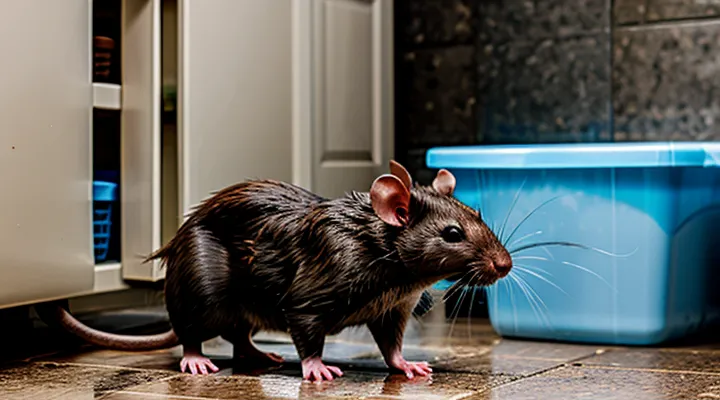
The Nature of Rat Hygiene
How Rats Maintain Cleanliness Naturally
Grooming Habits in Colonies
Rats maintain colony cleanliness primarily through self‑grooming and reciprocal grooming. Each individual spends a substantial portion of its active period licking fur, paws, and facial whiskers, removing debris and parasites. The process also distributes natural oils that preserve skin integrity and thermoregulation.
Allogrooming—mutual cleaning between conspecifics—strengthens social bonds and reinforces hierarchy. Dominant individuals receive more grooming, while subordinates increase their own grooming frequency to signal submission. This exchange reduces aggression and supports group cohesion.
Key aspects of colony grooming:
- Frequency: Rats groom 10–15 minutes per hour during the dark phase.
- Sequence: Grooming follows a predictable pattern—nose, forepaws, head, body, tail—mirroring a standardized hygiene protocol.
- Health impact: Effective grooming limits ectoparasite loads, lowers skin infection risk, and facilitates wound detection.
- Environmental influence: Dense nesting material and low humidity accelerate grooming activity, while excessive dust impedes it.
Myths suggesting that external washing is necessary overlook the efficiency of these innate behaviors. Controlled studies show that forced bathing can disrupt the natural oil balance, increase stress markers, and temporarily elevate parasite susceptibility. The colony’s self‑maintenance mechanisms render routine washing redundant for healthy rats.
The Role of Scent Glands
Rats possess several scent glands that produce secretions used for communication, territorial marking, and physiological regulation. The primary glands include the anal gland, flank glands, and, in males, the preputial gland. Each releases a mixture of fatty acids, proteins, and pheromones that convey individual identity, reproductive status, and stress levels to conspecifics.
When a rat is bathed, water and soap dissolve or wash away these secretions. The immediate consequences are:
- Loss of personal odor profile, which hinders recognition by cage mates.
- Disruption of established dominance hierarchies, potentially leading to aggression.
- Increased cortisol release, indicating heightened stress.
- Temporary reduction in antimicrobial compounds naturally present in the secretions.
Myths suggesting that washing eliminates disease overlook the protective function of the glandular secretions. Studies show that rats retain a layer of antimicrobial peptides in their skin that is compromised by thorough cleaning, making them more susceptible to opportunistic infections.
Practical recommendations derived from research:
- Limit washing to cases of severe contamination or veterinary necessity.
- Use lukewarm water and mild, unscented detergents if cleaning is required.
- Re‑introduce the rat to its social group gradually to allow scent re‑establishment.
- Monitor behavior for signs of stress or altered social interactions after a wash.
Understanding the role of scent glands clarifies why routine bathing is unnecessary and often detrimental, aligning animal care practices with the biological realities of rat communication and health.
When Intervention is Considered
Common Misconceptions About Rat Odor
«Dirty» vs. «Healthy» Smell
Rats emit a characteristic musky odor that originates from sebaceous secretions and pheromonal compounds. This scent persists even in well‑kept animals and does not indicate poor hygiene.
When a rat’s environment is neglected, waste accumulates on fur and skin. Urine and feces contribute ammonia and sulfide notes, producing a sharp, unpleasant smell commonly described as “dirty.” The intensity of this odor correlates with the amount of unremoved waste rather than the animal’s health status.
Healthy rats maintain a clean coat through frequent self‑grooming. Grooming spreads natural oils, removes debris, and limits bacterial overgrowth. As a result, the odor remains faint and stable.
Excessive washing interferes with the protective lipid layer and resident microbiota. Consequences include skin irritation, dermatitis, and increased susceptibility to infections.
Effective odor management relies on:
- Daily removal of soiled bedding
- Regular spot cleaning of fur with a damp cloth
- Providing nesting material that encourages self‑grooming
- Monitoring diet for high‑protein foods that can intensify urine odor
- Reserving full‑body baths for medical necessity only
In summary, the “dirty” smell reflects environmental neglect and waste buildup, while the “healthy” smell represents the natural, low‑level scent of a well‑groomed rat. Proper cage hygiene and limited bathing preserve both odor balance and skin health.
Impact of Environment on Rat Cleanliness
Rats maintain a natural grooming routine that removes debris and distributes skin oils. The surrounding environment determines whether this routine suffices for hygienic health.
- Cage material: non‑porous surfaces prevent bacterial colonies; porous wood absorbs waste and harbors pathogens.
- Substrate type: fine, dust‑free bedding reduces skin irritation; coarse or moist bedding promotes fungal growth.
- Humidity level: moderate humidity (40‑60 %) supports skin integrity; excessive moisture encourages parasites, while overly dry air causes dermal cracking.
- Temperature: stable ambient temperature (20‑24 °C) sustains metabolic rate and grooming efficiency; extreme heat or cold impairs coat condition.
- Diet quality: protein‑rich feed supplies essential fatty acids for a glossy coat; nutrient deficiencies manifest as dull fur and skin lesions.
- Human contact: regular handling acclimates rats to external cleaning, reducing stress‑induced neglect of self‑grooming.
- Cleaning schedule: weekly removal of soiled bedding combined with spot cleaning of waste zones maintains low microbial load without disrupting natural grooming.
Research shows that rats housed in enriched, well‑ventilated enclosures with appropriate bedding exhibit cleaner coats than those in cramped, poorly maintained environments. Adjusting these variables eliminates the need for external washing, aligning husbandry practices with rats’ innate self‑maintenance.
Situations That Might Warrant a Bath
Medical Necessity
Washing rats is medically justified only under specific conditions. Routine bathing for cleanliness lacks therapeutic benefit and may disrupt the animal’s natural skin microbiome, increasing susceptibility to irritation or infection. Veterinary protocols prescribe washing in the following situations:
- Pre‑operative preparation: thorough rinsing removes debris and reduces surface bacterial load, minimizing postoperative infection risk.
- Dermatological treatment: topical therapies for conditions such as mange, ulcerative dermatitis, or fungal infections require cleansing to ensure medication contact and absorption.
- Contagion control: when rats are part of a colony exposed to zoonotic pathogens, decontamination of individuals helps prevent spread to humans and other animals.
- Toxic exposure: ingestion or contact with hazardous substances necessitates immediate washing to remove residues and limit systemic absorption.
Outside these contexts, water exposure can cause hypothermia, stress‑induced immunosuppression, and loss of protective fur oils. Ethical guidelines advise against unnecessary bathing, emphasizing environmental enrichment, proper cage hygiene, and regular health monitoring as more effective means of maintaining welfare.
Accidental Contamination
Accidental contamination frequently occurs when rats are rinsed without strict procedural controls. Water droplets can carry pathogens from the animal’s fur to surfaces, equipment, or personnel, creating a vector for unintended microbial spread.
Primary sources of contamination during washing include:
- Residual urine or feces that mix with rinse water.
- Biofilm formation on wash containers that harbors bacteria.
- Aerosolization of droplets when water is splashed or agitated.
Mitigation measures demand immediate removal of waste, use of disposable containers, and application of disinfectants after each wash cycle. Personnel must wear protective gloves and eye protection, and change gloves between animals to prevent cross‑transfer.
When washing is omitted, the alternative—dry cleaning—reduces liquid‑borne risk but may leave debris that also harbors microbes. Selecting an approach requires weighing the likelihood of accidental contamination against the need for hygiene in the specific experimental or husbandry context.
Severe Pest Infestation on the Rat Itself
Rats suffering from heavy ectoparasite loads experience rapid blood loss, skin irritation, and secondary bacterial infections. The parasites—fleas, ticks, mites, and lice—feed continuously, weakening the host’s immune response and accelerating mortality.
Key physiological impacts include:
- Anemia from blood‑sucking insects, measurable by reduced hemoglobin levels.
- Dermatitis caused by bite wounds, leading to ulceration and potential necrosis.
- Transmission of zoonotic pathogens such as Bartonella spp., Rickettsia spp., and Leptospira through parasite saliva or feces.
- Stress‑induced hormonal changes that suppress appetite and reproductive capacity.
Effective mitigation requires immediate removal of parasites. Methods proven in laboratory settings involve:
- Topical insecticidal preparations applied to the fur and skin.
- Systemic antiparasitic agents administered orally or via injection.
- Environmental decontamination to eliminate off‑host stages of the pests.
Failure to address severe infestation compromises experimental data integrity, as physiological variables become confounded by disease processes. Consistent parasite control ensures reliable observations and humane treatment standards.
The Risks of Washing a Rat
Stress and Health Implications
Hypothermia Risk
Washing a rat can lower its core temperature rapidly because the animal’s body mass is small and its fur provides limited insulation when wet. Heat loss occurs through convection and evaporation; a damp coat accelerates both processes, especially in environments below the animal’s thermoneutral zone (approximately 28–30 °C).
Key factors influencing hypothermia risk:
- Ambient temperature below 20 °C while the rat is wet.
- Prolonged exposure to drafts or air‑conditioned rooms.
- Inadequate drying time before returning the animal to its cage.
- Stress‑induced vasoconstriction, which reduces peripheral blood flow and hampers heat redistribution.
Signs of hypothermia appear within minutes of exposure: lethargy, shivering, reduced respiration rate, and cold extremities. If left unchecked, the condition can progress to decreased cardiac output and, ultimately, fatality.
Preventive measures:
- Perform washing only in a warm room (≥25 °C).
- Limit the duration of water contact to the minimal time required for cleaning.
- Immediately blot the fur with absorbent paper towels, then apply a low‑heat hair dryer set to a safe distance (no more than 15 cm) for a brief period.
- Return the rat to a pre‑warmed enclosure with bedding that retains heat.
Monitoring body temperature with a rectal probe or infrared thermometer after washing confirms recovery. A post‑procedure temperature above 35 °C indicates successful re‑warming; values below this threshold require supplemental heating.
The physiological vulnerability of rats to rapid cooling makes hypothermia the primary health concern associated with bathing. Proper environmental control and swift drying are essential to mitigate this risk.
Respiratory Issues
Washing a rat can directly affect its respiratory system. Moist fur reduces insulation, causing rapid body‑temperature loss; the resulting cold stress compromises airway defenses and may trigger bronchial inflammation. Water entering the nasal passages or trachea introduces pathogens and irritants, increasing the likelihood of pneumonia. Stress from handling elevates cortisol levels, which suppress immune function and further predispose the animal to respiratory infection.
Common misconceptions claim that regular bathing prevents respiratory disease by removing dirt and parasites. In reality, rats groom themselves efficiently; excessive washing removes protective oils and disrupts the natural microbiome, creating conditions favorable for bacterial overgrowth in the upper airway.
Practical guidelines to minimize respiratory risk:
- Use lukewarm water (30‑32 °C) and limit exposure to under two minutes.
- Apply a mild, rodent‑safe shampoo sparingly; rinse thoroughly to avoid residue.
- Dry the animal immediately with a low‑heat source or a soft towel; keep the environment warm (22‑24 °C) until fur is completely dry.
- Monitor for signs of nasal discharge, coughing, or labored breathing after the procedure; seek veterinary care if symptoms persist.
When washing is performed correctly, the incidence of respiratory complications remains low. Improper techniques—prolonged soaking, cold water, inadequate drying—are the primary drivers of airway problems in pet rats.
Psychological Trauma
Washing rats without prior acclimation triggers acute stress, measurable by elevated corticosterone, increased heart rate, and escape behaviors. The sudden exposure to water and unfamiliar handling activates the animal’s defensive circuitry, producing a physiological cascade comparable to trauma in other mammals.
Key effects of this stress include:
- Heightened vigilance and hyper‑reactivity to subsequent stimuli.
- Development of avoidance patterns toward personnel, cages, or experimental apparatus.
- Impaired learning performance in tasks that rely on spatial memory or reward conditioning.
- Increased aggression toward conspecifics, potentially altering social hierarchy.
Repeated exposure without desensitization can embed these responses, leading to chronic anxiety‑like states. Persistent anxiety reduces reproductive success, compromises immune function, and skews experimental data by introducing uncontrolled variables.
Mitigation strategies focus on gradual habituation: introduce brief, low‑temperature water exposure, pair handling with positive reinforcement, and limit washing frequency. When cleaning is essential, employ dry‑wipe techniques or automated cage‑wash systems that minimize direct contact. These practices lower the likelihood of trauma, preserve animal welfare, and enhance data reliability.
Impact on Natural Oils and Skin
Dry Skin and Irritation
Rats maintain skin moisture through sebaceous secretions that coat fur and protect epidermis. Removing these lipids with water and soap disrupts the barrier, leading to rapid transepidermal water loss. The result is dry, flaky patches that can progress to erythema, pruritus, and secondary bacterial infection.
Typical indicators of compromised skin include:
- Rough or dull coat lacking normal sheen
- Visible scaling or flaking on the back, tail, or limbs
- Redness or swelling around ears, face, and ventral area
- Excessive scratching or grooming, sometimes resulting in hair loss
Factors that exacerbate dryness:
- Frequent bathing with harsh detergents
- Use of hot water, which accelerates lipid removal
- Ambient humidity below 30 % in the enclosure
- Inadequate nutrition lacking essential fatty acids
Mitigation strategies focus on preserving the natural oil layer:
- Limit baths to emergencies (e.g., severe contamination) and employ only a mild, rodent‑specific cleanser.
- Apply a few drops of a veterinary‑approved, hypoallergenic moisturizer after an unavoidable wash.
- Maintain enclosure humidity between 40 % and 60 % using a water dish or humidifier.
- Provide a diet enriched with omega‑3 and omega‑6 fatty acids to support skin integrity.
When dry skin persists despite these measures, veterinary assessment is required to rule out underlying dermatological conditions such as allergic dermatitis or parasitic infestations. Early intervention prevents escalation to painful ulcerative lesions and preserves the animal’s overall health.
Loss of Protective Barriers
Washing a rat removes the natural lipid layer that coats the skin and fur. This layer repels moisture, regulates temperature, and prevents microbial invasion. Once stripped, the skin becomes more permeable to water and chemicals, leading to rapid dehydration and irritation.
The fur’s outer cuticle protects against abrasion and traps beneficial bacteria. Bathing dislodges these microbes, disrupting the resident microbiome. A disturbed microbiome allows opportunistic pathogens to colonize, increasing the likelihood of dermatitis and respiratory infections.
Loss of barrier function also impairs thermoregulation. Rats rely on fur insulation to maintain body temperature; wet fur conducts heat away from the body, causing hypothermia in as little as fifteen minutes. The combination of wet skin and reduced insulation can trigger systemic stress responses, manifested by elevated cortisol levels and suppressed immune activity.
Typical consequences of barrier disruption include:
- Increased skin pH, favoring pathogenic growth
- Accelerated fur matting, reducing airflow to the skin
- Heightened sensitivity to environmental allergens
- Prolonged recovery time after minor injuries
Veterinary guidelines recommend limiting baths to cases of severe contamination, using only low‑pH, hypoallergenic shampoos, and restoring barrier integrity with topical emollients within 24 hours. Frequent washing without these precautions compromises the rat’s natural defenses and elevates health risks.
Safe Alternatives to Full Baths
Spot Cleaning Techniques
Using Damp Cloths
Using a lightly dampened cloth offers a practical alternative to full immersion when cleaning pet rats. The method reduces stress, preserves natural skin oils, and minimizes the risk of hypothermia that can occur with water baths.
The technique relies on gentle, targeted wiping. Apply a soft, lint‑free cloth moistened with warm (not hot) water and a mild, veterinary‑approved cleanser if needed. Avoid soaking the fur; the cloth should be merely moist to the touch.
Key points for effective use:
- Select a cloth made of cotton or microfiber to prevent snagging.
- Warm the water to approximately 37 °C (98.6 °F) and ensure the cloth is evenly damp, not dripping.
- Hold the rat securely but gently, supporting the body with one hand while the other hand wipes from head to tail.
- Focus on areas prone to dirt accumulation: the face, paws, and tail base.
- Dry the animal with a separate dry cloth immediately after wiping to prevent moisture buildup.
Research indicates that rats groom themselves regularly; supplemental wiping is only necessary when visible contaminants or odor appear. Over‑cleaning can disrupt the animal’s self‑maintenance behaviors and lead to skin irritation. Therefore, a damp cloth should be employed sparingly, as a corrective measure rather than a routine practice.
Pet Wipes for Small Areas
The belief that rats must be bathed with water persists despite evidence that routine soaking can stress the animal and disrupt skin microbiota. For routine hygiene, targeted cleaning of paws, tail base, and facial area offers a safer alternative.
Pet wipes designed for small surface treatment provide a controlled method to remove dirt and odor without full immersion. Their advantages include rapid application, reduced stress, and minimal moisture retention, which lowers the risk of hypothermia.
Key criteria when choosing wipes for rodents:
- Alcohol‑free formulation to avoid skin irritation.
- pH‑balanced solution matching the animal’s natural skin environment.
- Non‑toxic, fragrance‑free ingredients to prevent respiratory reactions.
- Soft, lint‑free material that does not snag fur.
Effective use follows a simple protocol:
- Test a small patch of skin for adverse reaction before full application.
- Gently wipe the targeted area, avoiding excessive pressure.
- Allow the surface to air‑dry for a few seconds; do not rub with a towel.
- Limit sessions to once or twice weekly unless a specific issue arises.
Applying pet wipes to confined zones satisfies cleanliness requirements while respecting the rat’s physiological needs, offering a practical compromise to the myth that full baths are essential.
Environmental Control for Odor
Regular Cage Cleaning
Regular cage cleaning directly influences rat health, making external washing largely unnecessary. Accumulated waste creates ammonia spikes, irritates respiratory passages, and fosters bacterial growth. Maintaining a pristine environment eliminates these stressors, supporting coat condition and overall well‑being.
Key practices for effective cage maintenance:
- Remove all food, bedding, and debris daily; discard spoiled items promptly.
- Scrub surfaces with a mild, non‑detergent cleanser once a week; rinse thoroughly to avoid residue.
- Replace bedding material every 2–3 days, depending on activity level and humidity.
- Disinfect accessories (water bottles, hideouts, chew toys) weekly using a veterinary‑approved solution.
- Conduct a full cage overhaul monthly: empty the enclosure, wash all components, dry completely, and replenish with fresh bedding.
Consistent cleaning reduces odor, prevents skin infections, and minimizes the temptation to bathe rats for hygiene purposes. Veterinary guidelines endorse this regimen as the primary method for preserving rodent health, rendering frequent washing unnecessary and potentially harmful.
Appropriate Bedding Choices
Choosing the right substrate directly affects a rat’s comfort, health, and odor control, which are central concerns when evaluating the practice of washing rats. Absorbent, dust‑free materials reduce the need for frequent bathing and prevent skin irritation.
- Paper‑based bedding (e.g., shredded paper, kiln‑finished pulp). Provides high absorbency, low dust, and easy replacement. Ideal for colonies where humidity must stay low.
- Aspen shavings. Soft, low‑resin wood that minimizes respiratory issues. Absorbs moisture moderately; requires regular spot cleaning.
- Coconut fiber (coir). Natural, biodegradable, and offers good nesting texture. Retains moisture longer than paper, so weekly full‑change is advisable.
- Hemp bedding. Strong fibers, low dust, and natural antimicrobial properties. Supports burrowing behavior; replace every 5–7 days.
- Recycled cotton or linen strips. Soft, washable, and reusable after sterilization. Suitable for small setups where waste reduction is a priority; must be dried thoroughly between cycles.
Avoid cedar or pine products. Aromatic oils in these woods cause respiratory inflammation and can exacerbate skin conditions, increasing the frequency of washing attempts.
Maintain a bedding depth of 2–3 inches to allow rats to build nests while ensuring waste is buried. Replace the entire substrate weekly, or perform spot cleaning daily to remove soiled sections. Supplement with a thin layer of nesting material—such as untreated tissue or nestlet—to encourage natural behavior without adding excess moisture.
Proper bedding selection eliminates the primary driver for washing rats: excessive odor and skin problems. By providing a clean, dry environment, the myth that regular baths are necessary becomes unsupported by evidence.
Professional Veterinary Guidance
When to Seek Expert Advice
Professional guidance becomes essential whenever a rat’s grooming routine raises health or behavioral concerns. Instances that merit consultation include persistent skin irritation, abnormal fur loss, or signs of infection such as redness, swelling, or discharge. If a rat exhibits excessive drooling, respiratory distress, or sudden changes in activity after a wash, a veterinarian should be contacted immediately. Uncertainty about the appropriate cleaning agents, frequency of bathing, or techniques for handling a stressed animal also warrants expert advice.
Typical scenarios requiring specialist input:
- Recurrent dermatitis despite regular cleaning
- Persistent odor that does not improve with standard hygiene
- Allergic reactions to soaps or shampoos
- Unexplained weight loss or appetite decline following a wash
- Behavioral aggression triggered by bathing procedures
When evaluating a rat’s need for a wash, owners should first verify that the animal’s environment remains clean, that bedding is changed regularly, and that dietary factors support coat health. If these baseline measures are in place and problems persist, the next step is to seek veterinary assessment. Professionals can prescribe medicated shampoos, recommend alternative grooming methods such as spot cleaning, and provide training on safe handling to reduce stress. Their expertise also helps differentiate myths—such as the belief that frequent baths are universally beneficial—from evidence‑based practices that protect the animal’s welfare.
Specialized Cleaning Products for Pets
Specialized cleaning products for small mammals address the misconception that routine bathing benefits rats. Formulations designed for rodents differ from those for dogs or cats in pH balance, fragrance load, and surfactant strength. Products that maintain a neutral pH protect the delicate skin barrier and avoid irritation common with human shampoos.
Key categories include:
- Water‑based wipes – pre‑moistened pads containing mild surfactants and antiseptic agents; suitable for spot cleaning of paws and fur without full immersion.
- Dry‑spray powders – talc‑like substances infused with enzyme cleaners; absorb excess oils and reduce odor while minimizing moisture exposure.
- Low‑foam shampoos – concentrated liquids diluted to a thin solution; formulated with hypoallergenic ingredients and a short rinse time to limit stress.
When selecting a product, verify that it is labeled for rodents or specifically mentions suitability for rats. Ingredients such as sodium lauryl sulfate, strong fragrances, or alcohol should be absent. Certifications from veterinary boards or pet‑industry regulatory bodies provide additional assurance of safety.
Application guidelines:
- Prepare a shallow container with lukewarm water, add the recommended amount of low‑foam shampoo, and gently submerge the rat for no longer than 30 seconds.
- Use a soft, damp cloth to apply water‑based wipes, moving in the direction of hair growth to prevent matting.
- Distribute dry‑spray powder evenly, allowing a brief period for absorption before brushing excess.
Repeated bathing with inappropriate products can disrupt the natural lipid layer, increase susceptibility to skin infections, and elevate stress levels. Properly formulated cleaning solutions enable targeted hygiene while preserving the animal’s physiological balance.