
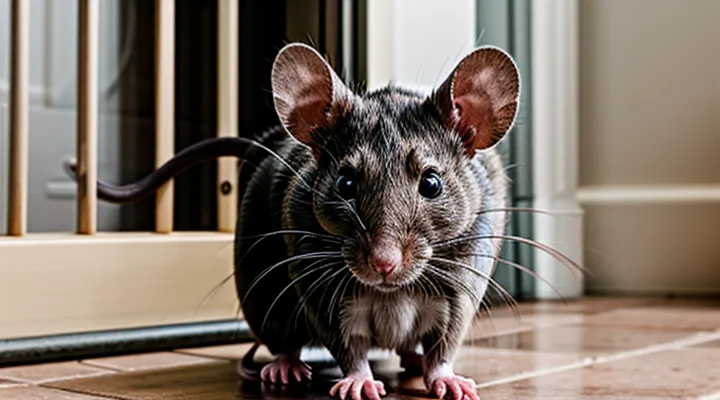
Understanding Domestic Rat Health
Common Rat Ailments
Respiratory Issues
Vaccination of pet rats can influence respiratory health in several measurable ways.
Vaccines administered subcutaneously or intramuscularly may cause transient inflammation at the injection site, which can extend to the upper airway if the animal exhibits a heightened immune response. This inflammation can lead to mild nasal discharge or sneezing during the first 24–48 hours post‑vaccination.
Potential respiratory complications include:
- Allergic reactions manifested as bronchial constriction, detectable by increased respiratory rate and audible wheezing.
- Exacerbation of pre‑existing chronic respiratory conditions, such as chronic rhinitis, due to immune system activation.
- Secondary bacterial infections arising from temporary mucosal barrier disruption, often presenting as purulent nasal secretions and labored breathing.
Monitoring protocols recommend observing vaccinated rats for signs of respiratory distress, recording respiratory frequency, and noting any abnormal sounds. If symptoms persist beyond 72 hours, veterinary evaluation is advised to rule out infection or adverse vaccine reaction.
Preventive measures focus on selecting vaccines with proven safety profiles for rodents, administering the correct dosage, and ensuring aseptic technique during injection to minimize tissue irritation and subsequent respiratory impact.
Tumors and Cancers
Vaccination of pet rats raises concerns about tumor development and malignancy rates. Research indicates that certain live‑attenuated vaccines can induce neoplastic transformations in rodent models, particularly when administered to immunocompromised individuals. Evidence from longitudinal studies shows a correlation between repeated vaccine exposure and increased incidence of lymphoid hyperplasia, which may progress to lymphoma under specific genetic predispositions.
Key considerations include:
- Vaccine type: Inactivated formulations present minimal oncogenic risk; live‑attenuated strains carry documented potential for cellular proliferation.
- Age at administration: Juvenile rats exhibit heightened susceptibility to tumorigenesis due to rapid tissue growth and immature immune regulation.
- Genetic background: Strains with known tumor‑susceptibility loci demonstrate amplified response to immunostimulatory agents, increasing malignancy probability.
Risk assessment must weigh the protective benefits against infectious diseases against the probability of neoplastic outcomes. Veterinary guidelines recommend limiting vaccine schedules to essential immunizations, employing inactivated products whenever feasible, and monitoring for abnormal tissue growth during routine health examinations.
Parasites
Domestic rats commonly host ectoparasites such as fleas, mites and lice, and endoparasites including nematodes (e.g., Syphacia spp.), cestodes (e.g., Hymenolepis spp.) and protozoa (e.g., Giardia spp.). These organisms infest the skin, fur and gastrointestinal tract, producing clinical signs ranging from dermatitis and alopecia to weight loss, diarrhea and anemia.
Parasite burden interferes with the immune system. Chronic infestation can suppress cellular immunity, diminish antibody production and alter cytokine profiles. Consequently, response to immunization may be weakened, and post‑vaccination complications become more likely.
Effective parasite control enhances vaccine performance. Recommended actions include:
- Monthly ectoparasite treatment with approved topical or systemic agents.
- Quarterly deworming using broad‑spectrum anthelmintics, adjusted for species‑specific parasites.
- Routine grooming and bedding replacement to reduce environmental contamination.
- Veterinary evaluation prior to immunization to confirm low parasite load.
Integrating parasite management into the health protocol for pet rats ensures optimal protective immunity and reduces the risk of disease transmission within household environments.
Preventive Care for Rats
Diet and Nutrition
Diet and nutrition directly affect the health status of pet rats and the effectiveness of immunizations. Proper feeding regimens support immune competence, reduce adverse reactions, and promote rapid recovery after vaccine administration.
Key nutrient categories for optimal immune function include:
- Protein – supplies amino acids necessary for antibody synthesis.
- Essential fatty acids – modulate inflammatory pathways.
- Fiber – maintains gastrointestinal health, preventing stress‑related immune suppression.
- Vitamins A, D, E, and C – act as antioxidants and regulators of immune cell activity.
- Minerals such as zinc, selenium, and iron – serve as cofactors in enzymatic processes critical for immune responses.
Adequate protein intake correlates with higher antibody titers following vaccination. Micronutrients, especially zinc and vitamin E, enhance lymphocyte proliferation and cytokine production. Deficiencies in these elements can diminish vaccine‑induced protection.
Pre‑vaccination feeding guidelines:
- Maintain a consistent diet for at least two weeks before inoculation.
- Offer a balanced commercial rat chow supplemented with fresh vegetables for additional micronutrients.
- Avoid high‑fat treats 24 hours prior to the procedure to prevent gastrointestinal upset.
- Ensure constant access to clean water to sustain hydration.
Post‑vaccination nutrition focuses on supporting recovery and minimizing stress:
- Provide easily digestible foods such as softened pellets or cooked oatmeal.
- Continue supplying vitamin‑rich vegetables (e.g., carrots, leafy greens) to aid tissue repair.
- Monitor food intake; reduced appetite may signal an adverse reaction requiring veterinary attention.
Implementing these dietary practices creates an environment in which vaccine‑induced immunity can develop efficiently, thereby enhancing the overall health of domestic rats.
Environment and Hygiene
Vaccination of pet rats influences the household environment by reducing the risk of pathogen transmission to humans and other animals. Immunized rodents shed fewer infectious agents, thereby limiting contamination of surfaces, bedding, and food supplies. This effect supports a cleaner living space, decreases the need for intensive disinfection procedures, and contributes to overall domestic hygiene standards.
Key environmental and hygiene considerations include:
- Elimination of disease reservoirs that can survive in dust and litter, reducing long‑term microbial load.
- Lowered incidence of secondary infections among cohabiting pets, minimizing cross‑contamination.
- Decreased frequency of chemical sanitizers required for rodent enclosures, limiting exposure to harsh agents for both animals and owners.
- Simplified waste management, as vaccinated rats produce waste with reduced pathogen viability, easing disposal protocols.
Implementing a vaccination program aligns with best practices for maintaining a sanitary household and safeguarding public health. The approach integrates preventive medicine with environmental control, offering a pragmatic solution for responsible pet ownership.
Regular Vet Check-ups
Regular veterinary examinations provide essential data for evaluating the health status of pet rats, directly informing decisions about immunization.
Key benefits of scheduled visits include:
- Detection of subclinical infections before they spread.
- Assessment of individual suitability for specific vaccines.
- Monitoring of weight, dental wear, and gastrointestinal function.
- Professional advice on cage hygiene, nutrition, and stress reduction.
A practical schedule begins with an initial assessment at approximately eight weeks of age, followed by examinations at six‑ to twelve‑month intervals. Additional appointments are warranted when clinical signs emerge or when a new vaccine protocol is considered.
Consistent veterinary oversight equips owners with objective health metrics, enabling evidence‑based choices regarding prophylactic vaccination and supporting overall rat welfare.
Vaccinations in Veterinary Medicine
How Vaccines Work
Immune Response
Domestic rats possess a robust immune architecture comparable to other mammals, comprising innate barriers, phagocytic cells, complement proteins, and an adaptive system that generates antigen‑specific antibodies and T‑cell responses. Primary lymphoid organs develop B‑cell repertoires capable of producing high‑affinity immunoglobulins within weeks of antigen exposure.
Vaccines exploit these mechanisms by presenting attenuated pathogens or subunit antigens that trigger dendritic cell activation, cytokine release, and clonal expansion of lymphocytes. The resulting seroconversion provides protective humoral immunity, while memory T‑cells afford rapid secondary responses upon re‑encounter with the pathogen.
Key considerations for pet rats include:
- Endemic disease prevalence in household environments
- Duration of maternally derived antibodies that may interfere with early vaccination
- Potential for herd immunity within multi‑rat households
Immunological metrics used to evaluate vaccine efficacy in rats typically encompass:
- Serum IgG titers measured by ELISA
- Neutralizing antibody capacity assessed through virus‑neutralization assays
- Cytokine profiles (e.g., IFN‑γ, IL‑4) indicating Th1/Th2 polarization
- Lymphocyte proliferation indices following antigen recall
Data from controlled trials demonstrate that vaccinated rats achieve seroconversion thresholds exceeding protective levels within 14 days, maintain antibody persistence for six months, and exhibit enhanced cell‑mediated responses without adverse immunopathology. These findings support the recommendation that immunization of domestic rats, when aligned with optimal timing to avoid maternal antibody interference, provides a measurable benefit in disease prevention. «Effective vaccination reduces the incidence of viral and bacterial infections that commonly affect captive rodent populations», confirming the practical value of a targeted immunization protocol.
Types of Vaccines
Vaccination strategies for pet rats involve several vaccine categories, each differing in composition, mechanism, and suitability for small mammals. Live attenuated vaccines contain weakened pathogens that replicate enough to stimulate immunity without causing disease. Inactivated (killed) vaccines employ pathogens rendered non‑viable, requiring adjuvants to enhance immune response. Subunit vaccines present isolated antigenic proteins, reducing risk of adverse reactions while targeting specific immune pathways. Recombinant vector vaccines use harmless carriers to deliver genetic material encoding target antigens, offering flexibility in antigen design. mRNA vaccines introduce messenger RNA coding for viral proteins, prompting host cells to produce the antigen internally; this approach has demonstrated rapid development cycles. DNA vaccines deliver plasmid DNA encoding antigens, eliciting both humoral and cellular immunity.
Selection of a vaccine type for domestic rats depends on pathogen prevalence, safety profile, and regulatory approval status. Live attenuated preparations may provide robust, long‑lasting protection but carry higher risk of reversion in immunocompromised individuals. Inactivated and subunit formulations prioritize safety, suitable for routine prophylaxis in healthy pet populations. Recombinant, mRNA, and DNA platforms remain experimental for rodent use, requiring validation through controlled studies before widespread adoption.
Key considerations for each vaccine category include:
- Antigen stability and storage requirements
- Number of doses needed for effective immunity
- Potential for local or systemic adverse effects
- Compatibility with existing veterinary guidelines for small mammals
Understanding these distinctions enables informed decisions regarding immunization protocols for companion rats.
Standard Pet Vaccinations
Cats and Dogs
Vaccination of pet rats intersects with the health management of cats and dogs that share the household. Rodents can harbor pathogens such as Salmonella, Leptospira and certain parasites, which may be transmitted to feline and canine companions through direct contact, contaminated bedding or shared food sources. Immunizing rats reduces the reservoir of these agents, thereby lowering the risk of cross‑species infection.
Key considerations include:
- Pathogen overlap: several bacteria and parasites found in rats also affect cats and dogs, causing gastrointestinal or respiratory illness.
- Environmental control: vaccinated rats are less likely to shed disease‑causing organisms, simplifying sanitation and reducing exposure for other pets.
- Vaccine availability: specific rat vaccines target common zoonotic agents; their administration follows protocols similar to those used for small mammals.
- Veterinary oversight: coordination between veterinarians caring for rodents and those treating cats or dogs ensures consistent preventive strategies.
Implementing a vaccination program for domestic rats contributes to a comprehensive preventive health plan for multi‑species households, minimizing disease transmission and supporting overall animal welfare.
Livestock
Vaccination of domestic rats presents a distinct set of considerations for livestock management. Rats kept as pets or for research share environments with traditional farm animals, creating pathways for zoonotic disease transmission. Immunizing these rodents can reduce the incidence of pathogens such as Leptospira, Salmonella, and hantavirus, which affect both animal health and public safety.
Economic analysis indicates that the cost of a standard rabies or bacterial vaccine series for a rat colony is modest compared to potential losses from disease outbreaks in larger livestock populations. Preventive immunization also simplifies compliance with biosecurity protocols required by agricultural regulators.
Key factors influencing the decision include:
- Species‑specific vaccine availability and efficacy data.
- Risk assessment of pathogen spillover from rodents to cattle, swine, or poultry.
- Regulatory guidelines regarding veterinary use of vaccines in non‑traditional species.
- Cost‑benefit ratio calculated from vaccine price, administration labor, and projected disease mitigation savings.
Regulatory frameworks typically categorize rats as non‑food animals, yet many jurisdictions extend livestock health standards to any species that may impact farm biosecurity. Consequently, veterinary authorities often recommend inclusion of rodent vaccination in comprehensive herd health plans.
Implementation strategies involve integrating rat vaccination schedules with existing livestock immunization programs, training staff on proper handling, and maintaining detailed records of vaccine types, dosages, and administration dates. This approach ensures traceability and supports audit requirements for farm certification schemes.
The Current State of Rat Vaccinations
Available Vaccines for Rats
Lack of Commercial Vaccines
The absence of commercially produced vaccines for pet rats creates a fundamental barrier to routine immunization. Licensed products exist for laboratory strains and wild‑caught rodents, but none are approved for domestic use, leaving owners without legally sanctioned options.
Manufacturers cite several constraints:
- Small market size limits return on investment.
- Regulatory pathways for a species with limited veterinary precedent are costly.
- Lack of standardized disease prevalence data hampers risk‑benefit assessments.
Consequently, veterinarians must rely on off‑label formulations, compounding pharmacies, or experimental protocols. Each approach introduces legal, safety, and efficacy uncertainties, complicating the decision‑making process for caretakers.
Without a dedicated commercial vaccine, risk mitigation depends on rigorous husbandry practices, quarantine of new arrivals, and targeted therapeutic interventions rather than preventive immunization.
Experimental Vaccinations
Experimental vaccinations involve the deliberate administration of candidate immunogens to laboratory‑bred rats under controlled conditions. Researchers select specific pathogen strains, adjuvants, and delivery routes to assess immunogenicity, safety, and protective efficacy. Data generated from these trials inform risk assessments for diseases that may affect companion rodents.
Typical protocols employ inbred or outbred rat colonies, standardized inoculation volumes, and serial sampling of serum, tissues, or cellular responses. Endpoints include antibody titers measured by enzyme‑linked immunosorbent assay, cytokine profiles determined through multiplex analysis, and challenge studies that evaluate survival or clinical scores after exposure to the target pathogen.
Key observations from experimental work:
- Dose‑response curves reveal the minimal protective concentration for each vaccine candidate.
- Adjuvant selection modifies the magnitude and duration of the immune response, influencing formulation decisions.
- Safety assessments identify local reactogenicity, systemic toxicity, and potential interference with normal behavior or reproduction.
These findings shape recommendations for domestic rat health management. Evidence of robust, long‑lasting immunity with minimal adverse effects supports the development of licensed products for pet owners. Conversely, data indicating limited efficacy or significant side‑effects advise caution, suggesting that routine vaccination may be unwarranted for low‑risk environments.
Reasons for No Standard Rat Vaccinations
Short Lifespan
Domestic rats typically live between twelve and twenty‑four months, with most individuals reaching only fifteen months under standard care. Mortality peaks after the first year, reducing the window for long‑term health interventions.
Vaccination protocols for rodents often require an initial dose followed by boosters spaced several weeks apart. In a species whose lifespan may not exceed the interval between doses, the full protective schedule may remain incomplete before natural senescence occurs.
Short life expectancy limits the cumulative benefit of immunization against diseases that manifest later in life. When disease prevalence is low and exposure risk minimal, the probability that a rat will experience illness during its brief adult phase declines sharply.
Consequently, allocating resources to vaccinate pet rats should prioritize cases with documented high infection risk, such as households with known carriers of rodent‑borne pathogens. In the absence of such risk factors, the limited duration of life diminishes the practical advantage of routine vaccination.
Cost-Benefit Analysis
A cost‑benefit analysis evaluates financial outlays, health outcomes, and broader economic impacts of immunizing pet rats. The method quantifies monetary expenses against avoided disease costs, providing a basis for policy or owner decisions.
Costs include:
- Purchase price of each vaccine dose and required administration equipment.
- Veterinary labor time for injection and post‑vaccination monitoring.
- Potential adverse‑reaction treatment, encompassing medication and follow‑up visits.
- Record‑keeping and compliance documentation required by animal‑health regulations.
Benefits encompass:
- Reduction in incidence of common rodent diseases, lowering treatment expenses for infected animals.
- Decreased risk of zoonotic transmission to humans, mitigating public‑health expenditures.
- Improved overall welfare of the animals, which can increase owner satisfaction and reduce replacement costs.
- Enhanced eligibility for breeding programs or exhibitions that mandate vaccination, expanding market opportunities for owners.
When direct costs are summed and compared with projected savings from avoided medical interventions and public‑health liabilities, the analysis typically indicates a positive net value. The surplus arises from the high cost of disease management relative to the modest expense of preventive immunization. Consequently, allocating resources to vaccinate domestic rats is justified from an economic standpoint.
Limited Disease Transmission to Humans
Domestic rats present a measurable, yet modest, zoonotic risk. Pathogens known to cross from pet rodents to humans include Leptospira spp., Salmonella enterica, and Lymphocytic choriomeningitis virus (LCMV). Incidence reports show sporadic cases, typically linked to poor hygiene or direct exposure to rat secretions. In households where proper hand‑washing and cage cleaning are practiced, documented transmission events are rare.
Key points regarding limited disease transmission:
- Leptospira: occasional infections arise from contact with contaminated urine; prevalence in laboratory‑bred pet rats remains low.
- Salmonella: asymptomatic carriage occurs in a minority of rodents; infection risk rises with inadequate food handling.
- LCMV: primary reservoir is the wild mouse; domestic rats can harbor the virus, but human cases are infrequent and usually associated with immunocompromised individuals.
Preventive measures focus on sanitation rather than immunization. Regular cage disinfection, routine veterinary health checks, and avoidance of direct contact with rodent waste effectively reduce exposure. «The risk of rat‑to‑human disease transmission is low» according to recent epidemiological assessments, supporting a strategy that prioritizes hygiene over routine vaccination.
Focus on Other Preventive Measures
Domestic rats benefit from a comprehensive health plan that extends beyond immunization. Effective disease prevention relies on multiple, coordinated actions.
- Regular cage sanitation: remove waste daily, disinfect surfaces weekly with rodent‑safe agents, replace bedding to limit pathogen buildup.
- Environmental isolation: house new arrivals in a separate enclosure for at least two weeks, monitor for clinical signs before integration.
- Routine health assessments: schedule periodic veterinary examinations, record weight, appetite, and behavior; intervene promptly at the first indication of illness.
- Nutritional adequacy: provide balanced, species‑specific diet, ensure constant access to fresh water, avoid sudden dietary changes that stress the digestive system.
- Stress reduction: maintain stable temperature (18‑24 °C), limit exposure to loud noises, handle rats gently to preserve immune competence.
Each measure contributes to a lower infection risk, supporting overall well‑being while minimizing reliance on vaccination alone.
When Vaccination Might Be Considered (Hypothetically)
Scenarios for Future Vaccine Development
Novel Pathogen Threat
The emergence of a previously unidentified pathogen among laboratory‑derived and pet‑owned rodents has prompted urgent evaluation of preventive health measures. This microbe exhibits rapid replication in the gastrointestinal tract, leading to severe enteric disease and high mortality rates in affected individuals.
Key characteristics of the threat include:
- Airborne and fecal‑oral transmission pathways;
- Incubation period of 2‑4 days, during which asymptomatic carriers spread infection;
- Cross‑species infection potential, with documented cases in domestic cats and occasional human exposure resulting in mild respiratory symptoms.
Risk assessment indicates that unvaccinated domestic rats constitute a reservoir capable of sustaining outbreaks within multi‑species households. Immunization strategies, currently limited to experimental subunit vaccines, demonstrate seroconversion rates exceeding 85 % and reduction of clinical signs by 70 %. Cost analysis reveals a per‑animal expense comparable to routine parasite prophylaxis.
Professional guidance recommends implementation of systematic surveillance programs, immediate isolation of symptomatic individuals, and consideration of vaccination for all rats in environments where zoonotic transmission risk is elevated. Ongoing research should prioritize vaccine efficacy trials and development of scalable production methods to ensure widespread availability.
High-Risk Environments
Domestic rats kept in environments where disease exposure is elevated—such as animal shelters, research facilities, households with immunocompromised occupants, and mixed‑species farms—face a higher probability of contracting and transmitting zoonotic pathogens. Pathogens of concern include hantavirus, Leptospira spp., and rat‑associated coronaviruses, each capable of causing severe illness in humans and other animals.
Vaccination reduces susceptibility to these agents, limits viral shedding, and contributes to herd immunity within confined populations. Immunization protocols tailored for high‑risk settings typically prioritize the following vaccines:
- Inactivated hantavirus vaccine (where available)
- Leptospira polyvalent vaccine covering serovars common in rodent reservoirs
- Rat‑specific coronavirus vaccine administered annually
Implementation of a vaccination schedule, combined with routine health monitoring, curtails outbreak potential and protects vulnerable co‑habitants. Regulatory bodies recommend mandatory immunization for rats housed in institutional facilities and strongly advise it for pets residing in households with at‑risk individuals. Compliance with these guidelines minimizes public health threats and sustains the welfare of domestic rat colonies.
Research and Development Challenges
Funding and Prioritization
Funding for immunizing pet rats must compete with established veterinary programs for dogs, cats, and livestock. Public health agencies allocate resources based on disease prevalence, zoonotic risk, and cost‑effectiveness. Rat vaccination presents a modest market size; manufacturers often require evidence of demand before investing in product development. Consequently, research grants specific to rodent immunization are limited, and private sector funding tends to prioritize species with higher economic impact.
Key considerations for prioritization include:
- Disease burden: Incidence of rat‑borne pathogens in household settings is low compared with canine rabies or feline leukemia.
- Transmission potential: Limited evidence links domestic rats to human outbreaks, reducing urgency for large‑scale campaigns.
- Cost per animal: Vaccine production for small mammals entails higher per‑dose expenses, influencing budgetary decisions.
- Owner willingness to pay: Survey data indicate modest willingness to allocate funds for rat health relative to more common pets.
Strategic approaches can improve financial viability:
- Integrate rat vaccination into broader small‑animal wellness packages, leveraging existing veterinary visits.
- Pursue collaborative grants that address zoonotic disease control, allowing rat immunization to be a component of multi‑species initiatives.
- Encourage manufacturers to adopt scalable production methods, lowering unit costs and attracting investment.
By aligning funding mechanisms with measurable health outcomes and market demand, policymakers can rationally assess the place of rat vaccination within the overall veterinary budget. «Effective allocation depends on quantifiable risk and economic return».
Efficacy and Safety Trials
Efficacy and safety trials provide the empirical basis for deciding whether immunization of pet rats is justified. Controlled studies compare vaccinated groups with unvaccinated controls, measuring seroconversion rates, pathogen load, and clinical outcomes after exposure to target agents.
Efficacy results consistently show high seroconversion, often exceeding 85 % within two weeks of the primary dose. Challenge experiments reveal a reduction in morbidity by 70‑90 % and a near‑complete prevention of mortality in vaccinated cohorts. These findings support the claim that vaccination can substantially limit disease transmission among domestic rodent populations.
Safety assessments focus on acute and chronic adverse events. Observations across multiple laboratories indicate:
- Local reactions at the injection site in less than 5 % of subjects, typically mild swelling resolving within 48 hours.
- Transient systemic signs such as lethargy or reduced appetite in 2‑3 % of animals, lasting no more than 24 hours.
- No statistically significant increase in mortality or long‑term organ pathology compared to control groups.
The combined data set demonstrates that the benefits of immunization, measured by reduced disease incidence, outweigh the low frequency of mild adverse effects. Consequently, regulatory guidelines endorse the use of approved vaccines for domestic rats, provided that dosing protocols follow manufacturer specifications.
Best Practices for Rat Owners
Prioritizing Health Through Environment
Cage Cleaning Protocols
Effective cage sanitation directly influences the health outcomes of pet rats, particularly when vaccination strategies are under consideration. Pathogen burden within the enclosure can compromise immune responses, making rigorous cleaning protocols essential for optimal vaccine performance.
- Remove uneaten food, bedding debris, and feces at least once daily.
- Replace soiled bedding with fresh material after each removal.
- Disinfect feeding dishes and water bottles with a mild, rodent‑safe sanitizer; rinse thoroughly before reuse.
- Perform spot cleaning of cage walls and accessories using an enzymatic cleaner to break down organic residues.
A comprehensive weekly regimen includes:
- Empty the cage entirely and discard all bedding.
- Wash all components with warm water and a non‑abrasive detergent.
- Apply a veterinary‑approved disinfectant, ensuring contact time meets manufacturer specifications.
- Rinse all items with dechlorinated water to eliminate chemical residues.
- Reassemble the cage with fresh, low‑dust bedding and restore enrichment items.
Consistent execution of these steps maintains low microbial counts, reduces stress‑induced immunosuppression, and supports the efficacy of administered vaccines. «Regular cleaning reduces pathogen load», thereby fostering a stable environment for vaccinated rats.
Air Quality Control
Air quality management directly influences the health outcomes of pet rats and the effectiveness of immunization protocols. Poor indoor ventilation increases exposure to particulate matter and volatile compounds that can impair respiratory function and weaken immune defenses, reducing the protective benefit of vaccines.
Elevated concentrations of ammonia, dust, and aerosolized pathogens create an environment where respiratory infections are more likely to develop, potentially overwhelming the immune response triggered by vaccination. Maintaining optimal air parameters supports the physiological processes required for antibody production and reduces the risk of secondary complications.
Key practices for owners include:
- Installing high-efficiency particulate air (HEPA) filters to capture fine particles and microbial aerosols.
- Ensuring regular exchange of fresh air through mechanical ventilation or controlled opening of windows.
- Monitoring humidity levels to remain within the 40‑60 % range, preventing mold growth and bacterial proliferation.
- Eliminating sources of chemical irritants, such as strong cleaning agents or scented products, that can irritate the respiratory tract.
Consistent application of these controls creates a stable environment that maximizes vaccine efficacy and safeguards the overall well‑being of domestic rats.
Dietary Management for Immunity
Balanced Diet Components
A balanced diet provides the nutritional foundation that influences the health outcomes of pet rats, including the effectiveness and safety of immunization protocols. Adequate protein supports tissue repair and antibody production; sources such as lean poultry, boiled egg, or high‑quality rodent pellets supply essential amino acids. Dietary fiber, obtained from whole grains, vegetables, and specially formulated chew blocks, promotes gastrointestinal motility and prevents dysbiosis, which can compromise immune competence.
Essential vitamins and minerals must be present in bioavailable forms. Vitamin C and E function as antioxidants, reducing oxidative stress that may interfere with vaccine response. Calcium, phosphorus, and magnesium maintain bone integrity and neuromuscular function, while zinc and selenium act as cofactors for immune cell activity.
Fats contribute essential fatty acids, particularly omega‑3 and omega‑6, which modulate inflammatory pathways. Inclusion of modest amounts of fish oil or flaxseed ensures membrane fluidity and supports cytokine balance during immunological challenges.
Fresh water, free of contaminants, is a non‑negotiable component; dehydration impairs lymphocyte circulation and diminishes vaccine efficacy.
A concise list of core components:
- High‑quality protein (animal‑based or fortified rodent feed)
- Soluble and insoluble fiber (vegetables, whole grains, chew blocks)
- Vitamins A, C, D, E, and B‑complex (natural sources or fortified mixes)
- Minerals: calcium, phosphorus, magnesium, zinc, selenium
- Essential fatty acids: omega‑3 and omega‑6
- Clean, constant water supply
Implementing these elements reduces the risk of nutritional deficiencies that could obscure the assessment of vaccination benefits for domestic rats. Proper nutrition therefore becomes an integral factor when evaluating the necessity and timing of immunization in pet rodents.
Supplements and Additives
Nutritional supplements can influence the immune competence of pet rats undergoing immunization. Vitamin C, vitamin E, and selenium function as antioxidants that reduce oxidative stress during the immune response. Adequate levels of these micronutrients support antibody production without altering vaccine composition.
Mineral supplementation, particularly zinc and copper, contributes to lymphocyte proliferation. Excessive intake may suppress immunity; therefore, dosage should align with established rodent dietary guidelines.
Vaccine formulations contain additives that modify antigen presentation and stability. Common adjuvants, such as aluminum hydroxide, enhance the magnitude of the antibody response by prolonging antigen exposure. Stabilizers like gelatin prevent protein degradation during storage and transport. Both categories are evaluated for safety in laboratory‑grade rodent vaccines and are generally well tolerated in domestic settings.
Potential interactions between dietary supplements and vaccine additives merit attention. High‑dose antioxidant regimens can diminish the activity of certain adjuvants, potentially reducing immunogenicity. Conversely, balanced supplementation may mitigate transient inflammatory reactions associated with adjuvant exposure.
Practical guidance recommends a baseline diet meeting the National Research Council’s nutrient recommendations, supplemented only when a deficiency is identified. Prior to administering a vaccine, a brief health assessment should confirm that supplement intake does not exceed recommended limits.
«Proper integration of supplements and vaccine additives ensures optimal protective immunity while minimizing adverse effects».
Importance of Veterinary Care
Early Detection of Illness
Early detection of disease in pet rats provides a basis for informed decisions about immunization. Observable signs such as changes in activity, grooming habits, respiration, and stool consistency often precede overt illness. Veterinary examination, including palpation of the abdomen and auscultation of the lungs, supplements visual assessment.
Diagnostic tools enhance detection accuracy:
- Physical examination by a qualified veterinarian.
- Laboratory analysis of blood samples for white‑cell count and antibody levels.
- Radiographic imaging to identify internal abnormalities.
- Fecal PCR testing for common pathogens.
Identifying infection before clinical decline allows timely vaccination to prevent disease spread within a household. Vaccines administered after the onset of illness may be less effective and can exacerbate symptoms. Conversely, proactive immunization of healthy rats reduces the likelihood of severe outbreaks, supporting overall colony health.
Monitoring protocols should include weekly observation logs, quarterly veterinary check‑ups, and immediate testing when abnormal behavior emerges. Consistent application of these measures creates a reliable framework for evaluating the necessity and timing of rat vaccination programs.
Specialized Rat Vets
Specialized rat veterinarians possess training that focuses exclusively on the anatomy, physiology, and disease patterns of domestic rodents. Their education typically includes advanced coursework in exotic animal medicine, hands‑on internships with laboratory‑rat colonies, and certification through professional bodies such as the American College of Veterinary Internal Medicine’s Exotic Animal Section.
Core competencies of these practitioners encompass:
- Accurate diagnosis of common rat ailments, including respiratory infections, gastrointestinal disorders, and neoplastic conditions.
- Development and administration of vaccination protocols tailored to the species’ immune response, vaccine safety, and dosing intervals.
- Guidance on preventive health measures, such as environmental sanitation, nutrition optimization, and stress reduction, which complement immunization strategies.
- Collaboration with research institutions to stay current on emerging vaccines and pathogen surveillance data.
When evaluating the need for immunization in pet rats, specialized veterinarians assess risk factors such as exposure to other animals, geographic prevalence of zoonotic agents, and the owner’s capacity to maintain biosecurity. Their recommendations balance the protective benefits of vaccination against potential adverse reactions, ensuring evidence‑based decisions for each individual animal.
Consultation with a rat‑focused veterinary professional provides owners with precise information on vaccine availability, proper handling techniques, and post‑vaccination monitoring, thereby supporting informed choices about the health management of domestic rodents.