
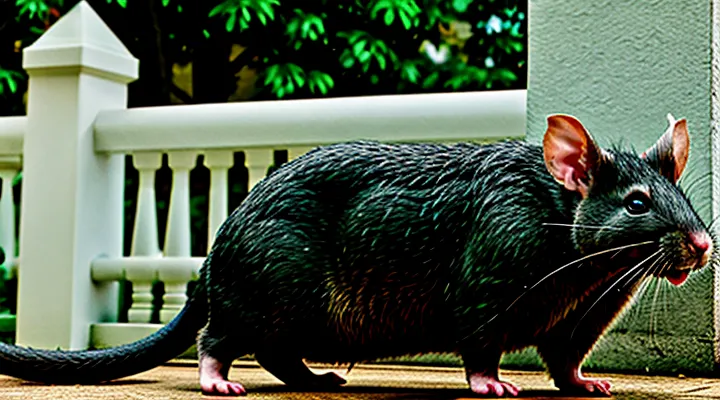
General Interpretations of Rodents
Rodents appear frequently in dream narratives, serving as compact symbols of survival, resourcefulness, and hidden concerns. Their small size and rapid movement draw attention to aspects of life that operate beneath the surface, prompting the dreamer to examine unnoticed details.
Interpretations commonly associated with rodents include:
- Instinctual vigilance – a reminder to stay alert to subtle threats or opportunities.
- Resource management – an indication of concerns about scarcity, budgeting, or efficient use of limited assets.
- Adaptability – encouragement to adjust quickly to changing circumstances, mirroring the animal’s ability to thrive in diverse environments.
- Unresolved anxiety – a manifestation of lingering stress, especially when the creature is observed in a vivid, unsettling context.
- Social dynamics – a cue to evaluate relationships that feel parasitic or exploitative, reflecting the rodent’s reputation for opportunistic behavior.
Cultural traditions reinforce these meanings. In many Eastern philosophies, rats symbolize cleverness and prosperity, while Western folklore often frames them as omens of decay or deceit. Psychological frameworks, particularly those derived from Jungian analysis, treat rodents as archetypal messengers of the unconscious, urging integration of repressed impulses.
When a large, living rat dominates a dream scene, the intensity amplifies the underlying message. The size suggests that the issue at hand is not trivial; the creature’s vitality signals an active, unresolved element within the psyche. Recognizing the specific context—such as the setting, the dreamer’s reaction, and accompanying details—allows the symbolic content to be translated into concrete actions, whether that means tightening financial controls, confronting a demanding relationship, or cultivating greater situational awareness.
The Size of the Rat: Significance
Large Size and its Implications
Dreams featuring an unusually large rat convey a heightened version of the animal’s usual symbolism. The excess size magnifies the emotional charge attached to the creature, prompting the sleeper to confront issues that feel outsized in waking life.
A larger rat intensifies the following psychological signals:
- Overwhelming anxiety or fear that surpasses ordinary stress levels.
- Perception of a problem as dominant, intrusive, or difficult to ignore.
- Feelings of powerlessness when confronting a threat that appears too big to manage.
Cultural narratives often associate rats with disease, theft, and hidden danger. When the animal appears at an abnormal scale, those associations expand: the dream may warn of a pervasive threat, such as a widespread health concern, financial loss, or a clandestine conflict that affects many aspects of the dreamer’s environment.
On a personal level, the dream’s scale reflects the dreamer’s assessment of the issue’s magnitude. A small rat might suggest a minor nuisance; a giant rat signals that the individual perceives the problem as a major obstacle requiring decisive action or a shift in perspective.
To translate the dream’s message into practical steps, consider the following approach:
- Record the dream details immediately after waking, noting the rat’s size, behavior, and surrounding context.
- Identify current life domains where stress feels disproportionate—work, relationships, health, or finances.
- Evaluate whether avoidance or denial is amplifying the perceived size of the problem.
- Develop a concrete plan to address the identified issue, breaking it into manageable tasks to reduce the sense of enormity.
By treating the dream’s exaggerated rat as a diagnostic cue, the sleeper can uncover concealed pressures and implement targeted strategies to restore balance.
The Rat’s Condition: Live versus Dead
Meaning of a Live Rat
Dreaming of a live rat that is large and active signals subconscious concerns about survival, resource management, and hidden threats. The animal’s vitality emphasizes issues that require immediate attention rather than dormant anxieties.
Interpretations commonly associated with a live rat in a dream include:
- Resource scarcity: The rat’s presence reflects fear of insufficient supplies or competition for limited assets.
- Deception detection: The creature’s alertness points to undisclosed motives in personal or professional relationships.
- Adaptability reminder: Rats survive in harsh conditions; the dream urges flexible strategies to navigate current challenges.
- Health warning: A vivid, moving rat may indicate underlying stress that could affect physical well‑being.
Cultural symbolism adds layers to the analysis. In Western folklore, rats often represent betrayal, whereas Eastern traditions may view them as symbols of intelligence and prosperity. The dreamer’s cultural background influences which aspect dominates the interpretation.
Psychological frameworks treat the rat as an archetype of the “shadow” self—elements of personality that are concealed or rejected. Encountering a live, sizable rat forces confrontation with these aspects, prompting integration rather than avoidance.
Practical response: identify areas of life where resources feel threatened, examine relationships for hidden agendas, and adopt adaptable habits to mitigate stress. Addressing these dimensions aligns the dream’s message with conscious action.
Common Dream Scenarios Involving Rats
Rats frequently appear in dreams as symbols of hidden concerns, survival instincts, or social dynamics. Their presence can be interpreted through recurring narrative patterns that many dreamers recognize.
-
Pursuit or Escape: The dreamer runs from a rat or is chased by one. This scenario points to avoidance of a problem that feels invasive or threatening. The rat’s speed and persistence highlight the urgency of confronting the underlying issue.
-
Discovery in a Hidden Space: A rat emerges from a wall, floorboard, or storage area. This image suggests that something concealed—such as repressed emotions, secrets, or neglected responsibilities—has surfaced. The setting emphasizes the need for inspection and possible cleanup.
-
Interaction with a Domestic Rat: The dreamer holds, feeds, or observes a tame rat in a home environment. This reflects an attempt to integrate or negotiate with a previously unsettling aspect of the self. The domestic context indicates a shift from fear to familiarity.
-
Infestation or Swarm: Numerous rats overrun a room, building, or landscape. This portrays a feeling of being overwhelmed by minor irritations or systemic problems. The scale of the infestation underscores the magnitude of the perceived threat.
-
Dead or Dying Rat: The rat lies lifeless or is wounded. This scenario can signal the end of a troubling phase, the loss of a harmful habit, or the resolution of an anxiety that once dominated the psyche.
-
Rat as a Messenger: The rat delivers an object, such as a key, letter, or piece of food. This suggests that an unexpected source will provide crucial information or resources needed to address a current challenge.
Each pattern conveys a distinct psychological message. Recognizing the specific scenario enables the dreamer to pinpoint the area of life that requires attention, whether it involves confronting avoidance, uncovering hidden issues, or managing overwhelming pressures. The consistent presence of rats underscores the importance of vigilance, adaptation, and controlled response to subtle yet persistent influences.
Psychological Perspectives on Rat Dreams
Dreams that present a large, moving rat often attract analysis from several psychological traditions. Each tradition offers a distinct mechanism for decoding the image, emphasizing either unconscious content, archetypal symbolism, or cognitive processes that occur during sleep.
Freudian interpretation treats the rat as a displaced representation of repressed urges, frequently linked to sexuality or aggression. The animal’s size amplifies the intensity of the underlying drive, suggesting the dreamer is confronting a potent, unacknowledged impulse.
Jungian theory regards the rat as an archetype of the shadow, embodying aspects of the self that the conscious mind rejects. A vivid, live rat signals an invitation to integrate these hidden traits, thereby promoting psychological wholeness.
Contemporary cognitive‑neuroscientific models attribute the presence of a rat to threat‑simulation functions of REM sleep. The brain rehearses potential dangers; a sizable rat may mirror real‑world anxieties about contamination, disease, or loss of control.
Practical implications derived from these perspectives include:
- Exploration of personal associations with rodents to uncover individualized meanings.
- Reflection on current stressors that could manifest as fear of infestation or loss of autonomy.
- Consideration of emotional responses within the dream—fear, curiosity, disgust—as clues to the underlying issue.
Collectively, the psychological lenses converge on the idea that a prominent, alive rat in a nocturnal narrative signals an unresolved emotional charge requiring conscious attention.
Cultural and Historical Views on Rats in Dreams
Eastern Interpretations
In Eastern dream literature, a massive living rat appears as a potent symbol of material and psychological forces.
Chinese tradition links the rat with wealth and resourcefulness, yet an unusually large specimen signals unchecked ambition, potential financial instability, or concealed rivals seeking advantage.
Japanese folklore interprets the rat as a creature of cleverness and survival; a gigantic rat denotes overwhelming challenges that require careful planning, strategic withdrawal, or the adoption of unconventional tactics.
In Vedic thought, the rat serves as the vehicle of Ganesha, the remover of obstacles; a colossal rat reflects a surge of transformative energy, warning against hasty decisions and urging disciplined action.
Buddhist commentary views the dream as a mirror of attachment to sensory cravings; the presence of an oversized rodent encourages mindfulness practice to loosen clinging to material desire.
Key points across traditions
- Indicator of excess or imbalance in financial or personal realms.
- Symbol of hidden adversaries or competitive pressures.
- Prompt for strategic adaptation and disciplined response.
- Call to examine attachment and cultivate detachment through meditation.
Western Interpretations
Dreams featuring a sizeable living rat often trigger strong emotional reactions. Western analysis draws on several theoretical frameworks to assign meaning to this symbol.
Psychoanalytic tradition interprets the rat as a manifestation of repressed material. The animal’s association with disease and filth translates into anxieties about contamination, betrayal, or hidden threats. A large rat amplifies the intensity of these concerns, suggesting that the unconscious mind is signaling a pressing issue that requires acknowledgment.
Jungian perspective treats the rat as an archetype of the shadow. The creature embodies aspects of the self that the dreamer denies or undervalues. Encountering a massive rat indicates that the shadow content is particularly prominent, urging integration of neglected traits such as cunning, survival instinct, or primal urges.
Contemporary dream‑dictionary sources list practical associations:
- Financial loss or unexpected expenses.
- Conflict with a deceitful colleague or partner.
- Health worries, especially related to infections or gastrointestinal problems.
- A need to confront a situation that feels “dirty” or morally compromising.
Cultural references in Western literature reinforce these readings. In medieval allegory, rats symbolize pestilence and societal decay; modern horror fiction uses them to evoke fear of the uncontrollable. These narratives shape collective expectations, influencing how individuals decode the image.
Therapeutic application recommends examining recent life events for parallels: identify relationships marked by distrust, analyze financial statements for looming deficits, and assess health habits for signs of neglect. Addressing the underlying issue reduces the recurrence of the vivid rat imagery.
Personal Context and Dream Analysis
Reflecting on Personal Fears
A vivid dream in which a sizable, living rat appears often serves as a direct indicator of personal anxieties. The animal’s size amplifies the emotional impact, forcing the dreamer to confront the underlying tension rather than dismiss it as a trivial image.
Typical fears reflected by such a dream include:
- Concern about contamination or disease
- Perception of loss of control in a situation
- Fear of social exclusion or judgment
- Awareness of hidden threats within familiar environments
Psychological research links these symbols to the brain’s threat‑detection system. When the subconscious encounters a threatening figure, it translates real‑world insecurities into concrete imagery, allowing the mind to process them during sleep. The rat’s presence signals that the individual’s fear circuitry is actively monitoring a specific domain of vulnerability.
Effective reflection involves:
- Recording the dream’s details immediately after waking.
- Identifying current life circumstances that align with the listed fears.
- Evaluating whether avoidance, denial, or confrontation best addresses the identified anxiety.
- Implementing targeted actions—such as exposure exercises or professional counseling—to reduce the emotional charge associated with the symbol.
By treating the dream as a diagnostic cue rather than a random fantasy, the individual can transform a distressing nocturnal scene into actionable insight about personal fear structures.
Recognizing Hidden Problems
Encountering a massive, living rat during sleep often signals issues that remain unnoticed in waking life. The animal’s size amplifies the urgency of the message, while its vitality suggests that the problem is active and may affect daily functioning.
The dream serves as a diagnostic tool, highlighting areas where denial or avoidance prevails. When the subconscious presents such a vivid image, it urges the dreamer to:
- Examine relationships for hidden manipulation or betrayal.
- Review financial records for unnoticed leaks or fraud.
- Assess health habits for underlying conditions that lack obvious symptoms.
- Scrutinize work environments for covert conflicts or unethical practices.
Interpretation hinges on the rat’s behavior. A calm, scurrying creature points to problems that can be addressed through systematic analysis. A frantic, aggressive rat indicates escalating threats that require immediate intervention.
Action steps derived from the dream include documenting concerns, consulting relevant experts, and implementing monitoring systems to prevent recurrence. The nocturnal symbol functions as an early warning, prompting proactive resolution before hidden issues become overt crises.
Practical Steps After Such a Dream
Encountering a big live rat while asleep can leave a lingering sense of unease. Acting promptly transforms that discomfort into useful self‑knowledge.
Write down every detail as soon as you awake. Include the rat’s size, color, behavior, and the emotions it evoked. A precise record prevents distortion and creates material for later analysis.
Identify current stressors that might have triggered the image. List recent conflicts, health concerns, or financial pressures. Matching dream content to waking life clarifies whether the rat symbolizes a hidden threat, a feeling of contamination, or a need for vigilance.
Consider symbolic associations that resonate with you personally. If rats represent disease, examine hygiene habits; if they suggest cunning, evaluate recent decisions that required strategic thinking. Tailor the interpretation to your own cultural and experiential background rather than relying on generic meanings.
Adopt sleep‑supporting practices to reduce vivid, unsettling dreams. Keep a regular bedtime, limit caffeine after noon, and avoid intense media before sleep. A stable routine lowers the brain’s propensity for chaotic imagery.
If the dream recurs or provokes persistent anxiety, consult a mental‑health professional. A therapist can guide deeper exploration of subconscious material and suggest coping techniques such as imagery rescripting or guided relaxation.
By documenting the experience, linking it to present pressures, interpreting personal symbolism, improving sleep hygiene, and seeking expert help when needed, you convert a disturbing nocturnal vision into actionable insight.