
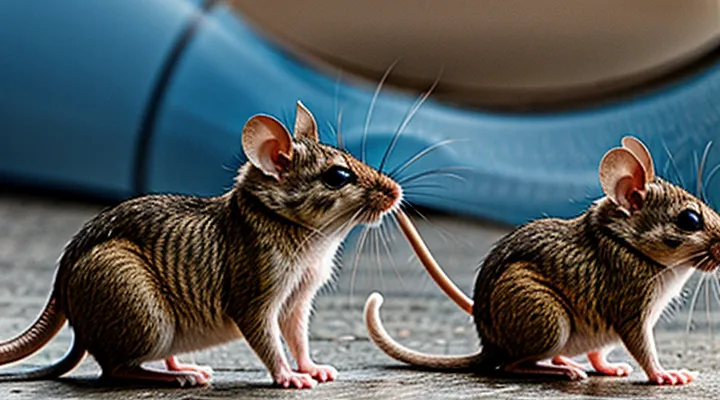
Reproductive Biology of Mice
Anatomy of the Male Reproductive System
Testes and Epididymis
The testes are the primary male gonads in mice, producing haploid sperm cells through spermatogenesis and secreting testosterone. Spermatogenesis proceeds in discrete stages within the seminiferous tubules, beginning with spermatogonia proliferation, followed by meiosis and spermiogenesis, culminating in mature spermatozoa that are released into the tubule lumen. Testosterone synthesis occurs in Leydig cells interspersed among the tubules, supporting both sperm development and secondary sexual characteristics.
After release, sperm enter the rete testis and travel to the epididymis, a highly coiled duct that extends from the head (caput) to the tail (cauda). The epididymis performs three critical functions:
- Maturation: Sperm acquire motility and fertilization competence through exposure to epididymal secretions that modify membrane proteins and ion channels.
- Storage: The cauda region maintains a stable environment, allowing prolonged sperm viability at low metabolic rates.
- Transport: Peristaltic contractions propel sperm into the vas deferens during ejaculation.
Hormonal regulation of both organs involves the hypothalamic‑pituitary‑gonadal axis. Gonadotropin‑releasing hormone stimulates pituitary release of luteinizing hormone (LH) and follicle‑stimulating hormone (FSH); LH directly activates Leydig cells for testosterone production, while FSH, together with testosterone, promotes Sertoli cell function and spermatogenic progression. Feedback inhibition by circulating testosterone modulates LH and FSH secretion, ensuring homeostasis throughout the reproductive cycle.
In experimental breeding programs, assessment of testes weight, histology, and epididymal sperm count provides quantitative metrics of male fertility. Isolation of epididymal sperm allows in vitro fertilization or sperm analysis, while testicular tissue can be used for germ cell transplantation or gene editing studies. Proper handling of both organs preserves sperm integrity, facilitating successful conception from mating to birth.
Accessory Glands
Accessory glands constitute the majority of the male mouse reproductive tract beyond the testes and epididymis. They generate the bulk of the ejaculate, supplying fluid, nutrients, and bioactive molecules that modify sperm motility, viability, and the uterine environment after copulation.
- Seminal vesicles – large paired structures that secrete a protein‑rich fluid containing enzymes, fructose, and prostaglandins.
- Coagulating gland (also called the coagulum gland) – produces a gelatinous secretion that solidifies the ejaculate, forming a copulatory plug that limits sperm loss.
- Prostate – releases a milky fluid rich in zinc, citric acid, and antimicrobial peptides; these components stabilize the sperm membrane and regulate pH.
- Bulbourethral glands – small glands that secrete a clear, lubricating fluid containing mucins and lysozyme, facilitating urethral passage and reducing bacterial contamination.
The combined secretions create a medium that sustains sperm metabolism, buffers the acidic vaginal milieu, and delivers signaling molecules that trigger capacitation. Prostaglandins from the seminal vesicles stimulate uterine smooth‑muscle contractions, aiding sperm transport toward the oviducts. Zinc and citric acid from the prostate protect DNA integrity during the interval between mating and fertilization.
During the period from copulation to parturition, accessory gland products influence several critical steps: they maintain sperm viability during storage in the female reproductive tract, modulate the immune response to prevent premature sperm clearance, and contribute to the formation of the copulatory plug that reduces the likelihood of subsequent mating. The plug persists for several hours, ensuring that the initial sperm cohort has priority access to the ova.
Overall, accessory glands provide the biochemical framework that supports successful fertilization and influences early embryonic development by shaping the post‑mating environment in the female mouse.
Anatomy of the Female Reproductive System
Ovaries and Oviducts
The ovaries are paired structures situated in the pelvic cavity, each containing thousands of follicles at various developmental stages. Folliculogenesis proceeds from primordial to pre‑ovulatory follicles under the regulation of gonadotropins. Mature follicles release oocytes in response to the luteinizing hormone surge and simultaneously secrete estrogen, which drives the estrous cycle and prepares the reproductive tract for implantation.
The oviducts, also known as the fallopian tubes, extend from the uterine cornua to the ovarian fimbriae. Their morphology is divided into the infundibulum, ampulla, and isthmus. The infundibulum captures the ovulated oocyte; the ampulla provides the environment where fertilization most frequently occurs; the isthmus transports the resulting zygote toward the uterine cavity. Ciliary activity and smooth‑muscle contractions generate directional flow that advances the gamete and early embryo.
Key functional relationships between the ovaries and oviducts include:
- Ovulation timing synchronized with oviductal readiness to receive the oocyte.
- Estrogen secretion from the ovaries enhancing ciliary beat frequency and muscular tone in the oviduct.
- Progesterone production after ovulation promoting oviductal secretions that support embryo survival.
These coordinated processes ensure that each mating event can progress efficiently from gamete release to embryo transport, culminating in successful parturition.
Uterus and Vagina
The mouse vagina forms the external conduit for sperm delivery and serves as the barrier to pathogens. Its stratified squamous epithelium expands during estrus, allowing copulatory plugs to be expelled. Muscular layers generate peristaltic contractions that aid sperm transport toward the cervical os.
The cervix connects the vagina to the uterine body. It secretes mucus whose viscosity changes with the estrous cycle, facilitating or hindering sperm passage. During mating, cervical dilation permits retrograde movement of sperm into the uterine horns.
The uterus consists of a central lumen flanked by two horns, each ending in a uterotubal junction. Its endometrium undergoes rapid proliferation after fertilization, forming decidual tissue that supports embryo implantation. Key physiological events include:
- Hormone‑driven angiogenesis increasing blood flow to the implantation sites.
- Myometrial relaxation mediated by progesterone to prevent premature contractions.
- Sequential secretion of nutrients and growth factors that sustain embryonic development until parturition.
At term, coordinated myometrial contractions expel the fetuses and placenta through the vaginal canal. The integrity of the vaginal epithelium and cervical closure post‑birth restore the reproductive tract’s barrier function.
The Mating Process
Estrous Cycle in Female Mice
Stages of the Cycle
The reproductive cycle of laboratory mice proceeds through a series of well‑defined phases that lead from copulation to the delivery of viable offspring.
- Estrus (proestrus and estrus): Hormonal surge of estrogen induces sexual receptivity; females exhibit lordosis and are ready to mate. This period lasts 12–24 hours.
- Mating (coitus): Male mounts the receptive female, delivering sperm via a brief intromission that typically occurs within a few minutes.
- Fertilization: Sperm travel through the oviduct, encountering the ovulated oocyte; fusion creates a zygote within 4–6 hours post‑coitus.
- Pre‑implantation development: The zygote undergoes cleavage to form a morula and then a blastocyst; this stage occupies the first 3 days.
- Implantation: The blastocyst adheres to the uterine epithelium around day 4, establishing placental attachment and initiating maternal‑fetal exchange.
- Gestation: Embryonic growth proceeds through organogenesis and fetal maturation; the mouse gestational period averages 19–21 days.
- Parturition: Hormonal shifts trigger uterine contractions, leading to the expulsion of pups; litter size typically ranges from 5 to 12.
Each phase follows a precise temporal schedule governed by cyclic fluctuations of gonadotropins, progesterone, and prolactin. Monitoring estrous signs, timing mating pairs, and confirming implantation via palpation or imaging optimize breeding efficiency and ensure reproducible outcomes in research settings.
Hormonal Regulation
Hormonal regulation orchestrates each phase of the mouse reproductive cycle, from the onset of estrus through parturition. Gonadotropin‑releasing hormone (GnRH) from the hypothalamus triggers the anterior pituitary to secrete luteinizing hormone (LH) and follicle‑stimulating hormone (FSH). LH surge induces ovulation, while FSH supports follicular development and estradiol synthesis. Elevated estradiol feeds back to the hypothalamus, modulating GnRH pulse frequency and preparing the uterine environment for implantation.
During mating, the surge of prolactin and oxytocin facilitates uterine contractility and cervical relaxation, enhancing sperm transport. After fertilization, the corpus luteum produces progesterone, which suppresses further ovulation, stabilizes the uterine lining, and promotes decidualization. Progesterone levels remain high throughout gestation, while placental lactogens emerge in mid‑gestation to sustain maternal metabolic adaptations.
Approaching birth, a coordinated decline in progesterone and a rapid increase in estrogen trigger a secondary LH/FSH surge, stimulating the production of prostaglandins and oxytocin. Oxytocin release induces uterine contractions that expel the fetuses and initiate lactogenesis.
Key hormonal events can be summarized:
- GnRH → LH/FSH release → follicle maturation and ovulation
- Estradiol → uterine preparation, feedback regulation of GnRH
- Prolactin & oxytocin → sperm passage, uterine tone during copulation
- Progesterone (corpus luteum) → maintenance of pregnancy, suppression of estrus
- Placental lactogens → maternal metabolic support in mid‑gestation
- Estrogen surge & progesterone withdrawal → parturition cascade
- Oxytocin → uterine contractions, milk let‑down
Understanding these endocrine dynamics provides a precise framework for manipulating breeding protocols, diagnosing reproductive disorders, and improving outcomes in laboratory mouse colonies.
Mate Selection and Courtship
Mate selection in laboratory mice relies on olfactory and auditory signals that convey genetic compatibility and reproductive status. Female mice emit estrus‑specific urine pheromones that attract males; the concentration of major urinary proteins fluctuates with the estrous phase, providing a reliable indicator of receptivity. Male mice detect these cues through the vomeronasal organ, triggering increased courtship activity.
Courtship proceeds through a sequence of stereotyped behaviors. Upon approaching a receptive female, a male typically:
- Performs ultrasonic vocalizations that facilitate female orientation;
- Engages in whisker‑to‑whisker contact, assessing tactile cues;
- Executes a series of anogenital sniffing bouts to confirm estrus;
- Initiates mounting attempts, which may culminate in intromission if the female remains receptive.
Successful intromission leads to copulatory lock, during which the male’s penile bone (baculum) maintains genital contact for several minutes. This period ensures sperm deposition and stimulates neuroendocrine responses that promote implantation. Females that reject mounting attempts display lordosis inhibition and may emit distress vocalizations, prompting the male to cease advances.
Genetic factors influence mate choice. Studies demonstrate that mice preferentially select partners with dissimilar major histocompatibility complex (MHC) alleles, enhancing offspring heterozygosity. Dominance hierarchies also affect access to females; higher‑ranking males achieve greater mating frequencies, while subordinate individuals may adopt alternative strategies such as sneaking copulations.
Environmental conditions modulate courtship intensity. Ambient temperature, lighting cycles, and cage enrichment alter pheromone dispersal and ultrasonic transmission, thereby affecting the likelihood of successful pair formation. Researchers control these variables to standardize breeding outcomes and reduce variability in subsequent developmental studies.
Copulation and Fertilization
Sperm Transport
Sperm transport in mice begins with the release of semen into the female reproductive tract during copulation. The ejaculate contains motile spermatozoa suspended in seminal plasma, which supplies energy substrates and buffers the pH. Immediately after deposition, uterine smooth‑muscle contractions propel the fluid toward the uterotubal junction, creating a directional flow that assists sperm migration.
Within the uterus, sperm encounter a gradient of chemoattractants derived from the oviductal epithelium. This gradient, together with the hyperactivated motility pattern that emerges after capacitation, guides the cells toward the ampulla where fertilization occurs. The timing of capacitation aligns with the arrival of ovulated oocytes, ensuring maximal fertilization efficiency.
Key stages of the transport pathway can be summarized as follows:
- Ejection of semen into the vaginal canal.
- Rapid movement through the uterine lumen driven by peristaltic activity.
- Navigation of the uterotubal junction guided by chemotactic cues.
- Passage along the oviductal epithelium, aided by hyperactivated flagellar beating.
Successful transport depends on coordinated physiological processes: seminal plasma composition, uterine contractility, chemotactic signaling, and sperm motility modulation. Disruption of any component—such as altered pH, impaired muscular contractions, or defective capacitation—reduces the likelihood of sperm reaching the fertilization site and compromises overall reproductive efficiency.
Oocyte Fertilization
In laboratory mice, fertilization occurs within a narrow window after copulation, when the ovulated oocyte resides in the ampulla of the oviduct. The oocyte has completed meiosis I and presents a mature metaphase‑II spindle, ready for sperm entry. Successful union of gametes initiates the cascade that leads to a viable zygote and ultimately to parturition.
Key events of murine oocyte fertilization include:
- Sperm capacitation in the female tract, enabling hyperactivation and preparation for zona penetration.
- Binding of capacitated sperm to the zona pellucida via ZP3 receptors, triggering the acrosome reaction.
- Release of acrosomal enzymes that digest the zona matrix, allowing sperm to reach the oolemma.
- Fusion of sperm and oocyte plasma membranes, followed by cortical granule exocytosis that modifies the zona to prevent polyspermy.
- Formation of male and female pronuclei, their migration, and syngamy to generate a diploid zygote.
The resulting zygote undergoes rapid cleavage divisions while remaining within the oviduct, establishing the embryonic line that will implant in the uterus. Precise coordination of these fertilization steps determines the efficiency of the entire reproductive sequence in mice.
Pregnancy and Embryonic Development
Implantation
Implantation marks the transition from a free‑floating blastocyst to a permanently attached embryo within the uterine wall of the mouse. After fertilization, the zygote undergoes cleavage to form a morula, which then develops into a blastocyst by day 3.5 of gestation. The blastocyst expands, forming a fluid‑filled cavity and differentiating into an inner cell mass and a trophoblast layer.
At approximately day 4.0, the uterus enters a receptive phase characterized by elevated estrogen and progesterone levels, remodeling of the endometrial epithelium, and secretion of extracellular matrix proteins. The trophoblast adheres to the luminal epithelium, initiates signaling cascades, and induces stromal cells to undergo decidualization. Decidual cells enlarge, secrete cytokines, and provide metabolic support for the implanting embryo.
Key molecular events include:
- Up‑regulation of integrin αvβ3 on the trophoblast surface, facilitating adhesion to laminin and fibronectin.
- Release of leukemia inhibitory factor (LIF) from the uterine glands, promoting blastocyst activation.
- Activation of the Janus kinase‑signal transducer and activator of transcription (JAK‑STAT) pathway in both trophoblast and uterine cells.
- Expression of matrix metalloproteinases (MMP‑2, MMP‑9) that remodel the basement membrane, allowing trophoblast invasion.
Successful implantation results in the formation of the primary decidual zone, anchoring the embryo and establishing the maternal‑fetal interface. Failure of any step—hormonal imbalance, inadequate uterine receptivity, or disrupted signaling—leads to implantation loss and early embryonic resorption.
Gestation Period
The gestation period in laboratory mice averages 19‑21 days, with most strains delivering on day 20. Variation of ±1‑2 days occurs among genetic lines and under different housing conditions.
Key developmental milestones during this interval are:
- Days 0‑3: fertilization and cleavage; morula formation.
- Days 4‑5: blastocyst implantation in the uterine wall.
- Days 6‑9: organogenesis begins; limb buds appear.
- Days 10‑14: rapid fetal growth; formation of major organ systems.
- Days 15‑19: maturation of lungs, brain, and skeletal structures; preparation for parturition.
Factors that modify gestation length include:
- Strain genetics (e.g., C57BL/6 versus BALB/c).
- Litter size, with larger litters often shortening gestation.
- Maternal age and parity, influencing hormonal cycles.
- Environmental variables such as temperature, photoperiod, and nutrition.
Accurate prediction of delivery dates enables scheduling of prenatal interventions, optimal cage turnover, and precise timing for experimental procedures that require embryos or neonatal pups. Monitoring body weight gain and abdominal palpation provides reliable indicators of gestational progress, supporting efficient colony management.
Fetal Development Stages
Organogenesis
Organogenesis in the mouse embryo begins shortly after gastrulation, roughly embryonic day (E) 7.5, and continues through E 15.5. During this interval the three primary germ layers differentiate into recognizable organs and body systems, establishing the foundation for a viable neonate.
At E 7.5‑8.0 the primitive streak regresses, and the ectoderm, mesoderm, and endoderm are positioned for organ primordia formation. The neural plate folds into the neural tube, giving rise to the central nervous system. Concurrently, the mesoderm segregates into paraxial, intermediate, and lateral plate regions that will generate somites, the urogenital system, and the cardiovascular apparatus, respectively.
From E 8.5 to E 10.5 the first organ buds appear:
- Heart: linear tube undergoes looping, establishing chambers.
- Lung primordia: appear as ventral outpouchings of the foregut.
- Limb buds: emerge from the lateral plate mesoderm, initiating digit patterning.
- Kidney: metanephric mesenchyme condenses around the ureteric bud.
E 10.5‑12.5 marks extensive morphogenesis:
- Somite segmentation produces vertebrae and skeletal muscle.
- Craniofacial structures form from neural crest migration.
- Gastrointestinal tract elongates and differentiates into stomach, intestine, and pancreas.
- Hematopoiesis shifts from yolk sac to fetal liver.
By E 13.5‑15.5 most organ systems acquire functional architecture. The brain exhibits cortical layering; the retina differentiates into photoreceptor and ganglion cell layers; the lung develops bronchial branching; the kidneys form glomeruli and tubules; and the immune system populates the thymus and spleen.
Critical molecular cues regulate each phase. Signaling pathways such as Wnt, BMP, Shh, and FGF orchestrate tissue patterning, while transcription factors (e.g., Pax6 for eye development, Nkx2‑5 for cardiac formation) enforce lineage commitment. Disruption of these signals during the organogenic window leads to embryonic lethality or congenital anomalies, underscoring the precision required for successful gestation.
Experimental studies of mouse organogenesis rely on timed matings, embryonic staging by somite count, and in vivo imaging or histological analysis. Genetic manipulation (knockout, conditional alleles) enables identification of gene function within specific organ systems, providing insight into developmental mechanisms that translate to mammalian reproductive outcomes.
Growth and Maturation
Growth and maturation of laboratory mice proceed through a tightly regulated sequence that spans roughly 19–21 days of gestation. After fertilization, the zygote undergoes cleavage, forming a morula by day 1.5 and a blastocyst that implants in the uterine lining around day 3.5. Implantation initiates the establishment of the placenta, which supplies nutrients and removes waste throughout fetal development.
Organogenesis begins in the third gestational day and is largely complete by day 12. During this period, the neural tube closes, the heart starts beating, and primary limb buds appear. By mid‑gestation (days 10–12), the embryo distinguishes into distinct cranial, thoracic, and abdominal regions, and the respiratory, gastrointestinal, and circulatory systems become functional. Growth thereafter follows an exponential pattern; fetal weight doubles approximately every 2 days between days 12 and 16, reaching an average of 1.2–1.5 g at birth.
Key developmental milestones can be summarized as follows:
- Day 0–1: Fertilization and first cleavage divisions.
- Day 3.5: Blastocyst implantation and onset of placental formation.
- Day 5–7: Formation of the primitive streak and early germ layers.
- Day 9–10: Closure of the neural tube and initiation of cardiac activity.
- Day 12: Completion of major organ differentiation; visible limb development.
- Day 14–18: Rapid somatic growth, hair follicle emergence, and lung maturation.
- Day 19–21: Final weight gain, preparation for parturition, and onset of surfactant production in lungs.
Maternal physiology influences fetal maturation through hormonal regulation, nutrient transfer, and uterine environment stability. Disruptions in maternal diet, stress, or endocrine balance can alter growth trajectories, leading to deviations in birth weight and postnatal viability. Consequently, precise control of breeding conditions remains essential for reproducible outcomes in mouse reproductive studies.
Parturition and Postnatal Care
Signs of Approaching Birth
Mice nearing parturition exhibit distinct physiological and behavioral changes that reliably indicate imminent delivery. Observers can recognize these signs to optimize timing of interventions and ensure neonatal survival.
- Enlargement of the abdomen, accompanied by a visible bulge of the uterus, becomes pronounced as fetal growth reaches its peak.
- The dam’s nesting activity intensifies; she gathers bedding material, constructs a compact nest, and frequently rearranges it.
- Hormonal shifts lead to a marked decrease in body temperature, typically 0.5–1 °C lower than baseline, detectable with a rectal probe.
- Vaginal discharge changes from clear to a thick, milky fluid, often containing a small amount of blood, signaling the onset of labor.
- Restlessness and frequent postural adjustments increase, with the mouse alternating between standing, crouching, and brief periods of immobility.
- The frequency of abdominal contractions rises, observable as rhythmic tightening of the abdominal wall every few minutes.
In addition to these external indicators, internal monitoring can confirm approaching birth. Serum progesterone levels decline sharply, while estradiol rises, reflecting the hormonal cascade that triggers labor. Ultrasonographic imaging reveals reduced fetal movement and a shortening of the gestational sac.
Recognizing the combination of abdominal distension, nest building, temperature drop, discharge characteristics, behavioral agitation, and uterine contractions provides a comprehensive assessment of the delivery timeline. Timely identification enables precise management of the birthing process and supports optimal outcomes for both dam and offspring.
The Birthing Process
Stages of Labor
In murine parturition, labor advances through a sequence of well‑characterized phases that culminate in the delivery of live offspring.
- Preparatory phase – Hormonal surge of estrogen and progesterone withdrawal triggers uterine contractility; cervical remodeling begins.
- Dilation phase – Cervical opening reaches 2–3 mm; myometrial contractions become regular, establishing a rhythmic pattern that advances the fetus toward the birth canal.
- Expulsion phase – Strong, coordinated contractions expel each pup; the average interval between deliveries is 2–5 minutes. The amniotic sac ruptures shortly before emergence.
- Placental phase – After pup expulsion, the placenta separates from the uterine wall and is expelled within 5–10 minutes. Residual placental tissue is cleared by uterine involution.
- Postpartum phase – Uterine tone restores, lactation initiates, and maternal behaviors such as nest building and pup grooming commence.
Each stage depends on precise neuroendocrine signaling and mechanical feedback, ensuring a streamlined transition from gestation to neonatal care.
Assistance and Complications
Assistance in mouse breeding focuses on optimizing each stage from pairing to delivery. Artificial insemination introduces sperm into the female reproductive tract under controlled conditions, increasing conception rates when natural mating is unreliable. Hormonal synchronization, typically with gonadotropin-releasing hormone analogs, aligns estrous cycles of multiple females, allowing simultaneous breeding schedules. Embryo transfer relocates fertilized embryos into surrogate mothers, facilitating genetic manipulation and preserving valuable lines. Pseudopregnancy induction in foster females provides a nurturing environment for litters born to compromised dams, improving neonatal survival.
Complications arise despite meticulous management. Mating failure occurs when males lack vigor or females reject copulation, reducing litter numbers. Early embryonic loss manifests as resorption of embryos, often linked to uterine infection or hormonal imbalance. Dystocia, the difficulty of parturition, may result from oversized pups, abnormal fetal positioning, or maternal pelvic abnormalities, requiring manual assistance or cesarean section. Neonatal mortality spikes when pups experience hypothermia, inadequate nursing, or maternal neglect. Maternal stress, induced by handling or environmental disturbances, suppresses progesterone secretion, leading to implantation failure or premature birth.
Common assistance techniques
- Artificial insemination
- Estrous synchronization with hormonal agents
- Embryo transfer to surrogate dams
- Induction of pseudopregnancy for foster care
Typical complications
- Mating refusal or infertility
- Embryonic resorption
- Dystocia and obstructed delivery
- Neonatal hypothermia and death
- Maternal stress‑related reproductive failure
Maternal Behavior
Nest Building
Nest building is a critical component of the reproductive cycle in laboratory mice, occurring shortly after copulation and preceding parturition. Females initiate construction within 12‑24 hours post‑mating, driven by rising progesterone and prolactin levels. The structure consists of shredded bedding, paper, and cotton fibers arranged into a compact cup that provides thermal insulation and protection from external disturbances.
Key characteristics of an effective nest include:
- Depth of at least 2 cm to retain body heat.
- Uniform layering of material to prevent gaps.
- Placement in a low‑traffic corner of the cage to reduce stress.
Material selection influences nest integrity. Aspen shavings and soft paper strips promote dense construction, whereas coarse wood chips result in loosely formed nests. Providing a dedicated nesting pad accelerates assembly and improves pup survival rates.
Behavioral observations reveal that females spend 30‑45 minutes per session on nest construction, with total time decreasing as parturition approaches. After birth, the mother continuously reshapes the nest to accommodate growing litters, maintaining optimal microclimate conditions (approximately 30 °C and high humidity).
In experimental settings, standardized nest quality scores correlate with litter weight gain and reduced mortality. Researchers enhance reproducibility by supplying identical nesting materials, limiting cage enrichment to avoid competing structures, and recording nest-building onset relative to the detection of vaginal plugs.
Overall, precise control of nest-building parameters supports successful gestation, minimizes neonatal stress, and contributes to consistent experimental outcomes.
Nursing and Weaning
Nursing begins shortly after parturition, when the dam positions herself over the litter and initiates milk let‑down. Pups attach to the nipples, receive colostrum rich in immunoglobulins, and transition to mature milk within 24 hours. Milk composition changes progressively, providing increasing levels of protein, fat, and lactose to support rapid growth.
Key aspects of maternal care include:
- Frequent grooming of offspring to stimulate circulation and eliminate waste.
- Protection of the nest from temperature fluctuations and external disturbances.
- Periodic removal of soiled bedding to maintain hygiene.
Weaning typically occurs between post‑natal day 21 and 28. The process involves gradual reduction of nursing frequency and introduction of solid food. Standard practice for laboratory colonies follows these steps:
- Provide pelleted chow and water ad libitum at least 48 hours before expected weaning.
- Decrease dam‑pup contact by separating the dam from the nest for short intervals, extending the duration daily.
- Monitor pup weight and coat condition; maintain growth rates above 1 g per day.
- Fully separate pups from the dam once they consistently consume solid food and display independent thermoregulation.
Successful transition to solid diet correlates with maturation of the digestive tract, including increased activity of pancreatic enzymes and intestinal brush‑border enzymes. Early weaning can compromise immune development, whereas delayed weaning may affect social behavior and experimental reproducibility. Proper timing and management of nursing and weaning are therefore integral to the overall reproductive efficiency of mouse colonies.
Development of Offspring
Neonatal Period
The neonatal period in mice begins immediately after parturition and extends to the weaning age, typically 21 days. During this interval, pups undergo rapid physiological and behavioral transformations that are essential for survival and for the validity of experimental outcomes.
Key characteristics of the neonatal stage include:
- Thermoregulation: Newborns lack fully developed brown adipose tissue; they depend on nest insulation and maternal warmth to maintain core temperature. Ambient temperature should be kept between 28 °C and 30 °C for the first week, then gradually reduced to standard housing levels (22 °C–24 °C) by day 14.
- Nutritional support: Pups acquire nutrients exclusively through maternal milk. Litter size influences milk availability; optimal litter size ranges from 6 to 8 to balance growth rates and maternal burden. Milk composition changes over time, with increasing protein and fat concentrations that support muscle and brain development.
- Sensory maturation: The auditory system becomes functional around postnatal day 10, while the visual system reaches basic functionality by day 14. These milestones correspond with the emergence of vocalizations and exploratory behavior.
- Motor development: Righting reflex appears at 2–3 days, followed by coordinated locomotion by day 7. By day 15, pups can navigate the cage environment and exhibit social play.
- Weaning transition: Initiated around day 21, weaning involves a shift to solid food and reduced maternal contact. Successful weaning requires gradual exposure to chow and monitoring of body weight to prevent growth retardation.
Health monitoring during the neonatal period focuses on weight gain, coat condition, and activity level. Standard growth curves indicate a gain of approximately 0.5 g per day for the first two weeks, followed by a slower increase as weaning approaches. Deviations from expected patterns may signal infection, maternal neglect, or environmental stress.
Experimental protocols that involve the neonatal stage must control for variables such as litter size, cage temperature, and timing of maternal separation. Precise documentation of these parameters ensures reproducibility and minimizes confounding effects on downstream phenotypic assessments.
Weaning and Independence
Weaning marks the transition from maternal milk to solid food and signals the onset of functional independence in laboratory mice. Pups begin to explore the nest and gnaw at the dam’s fur within the first 48 hours, but milk remains the sole nutrient source until approximately post‑natal day 10. At day 10 the pups exhibit increased consumption of the standard chow placed in the cage, and the dam’s nursing frequency declines sharply. By day 14 the majority of the litter can sustain growth on solid food alone, although occasional nursing may persist for a few individuals.
Key physiological and behavioral milestones during weaning:
- Day 0‑3: Pup body temperature regulation develops; ultrasonic vocalizations peak when separated from the dam.
- Day 4‑7: Initiation of solid‑food intake; emergence of exploratory locomotion; reduction in suckling bouts.
- Day 8‑14: Dominant reliance on chow; rapid weight gain independent of milk; onset of self‑grooming.
- Day 15‑21: Complete cessation of nursing for most pups; establishment of social hierarchies within the litter; increased play behavior.
- Day 21 onward: Full independence; ability to reproduce upon reaching sexual maturity (approximately 6‑8 weeks).
Maternal behavior adapts concurrently. The dam gradually decreases nest attendance and grooming, reallocating energy toward future reproductive cycles. Hormonal shifts, notably declining prolactin and rising oxytocin, accompany this behavioral change and facilitate the dam’s readiness for subsequent breeding.
In experimental settings, precise timing of weaning is critical for standardizing developmental stage across cohorts. Researchers typically separate pups from the dam at post‑natal day 21 to minimize variability in growth rates and stress responses. Monitoring body weight, food consumption, and social interactions provides objective criteria for confirming successful weaning and functional independence.