
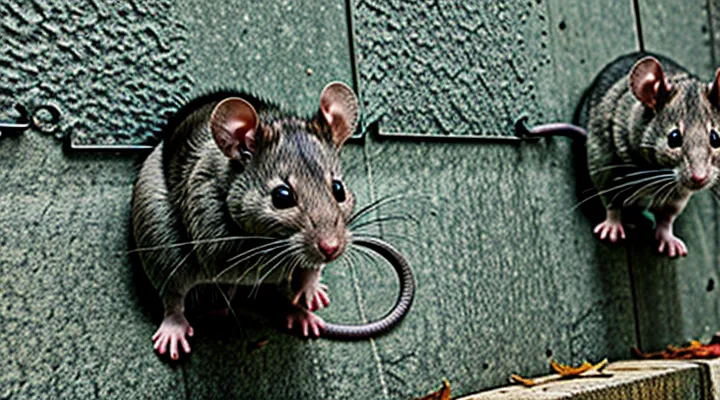
Understanding Rat Climbing Abilities
Why Rats Climb
Physical Adaptations for Climbing
Physical traits enable rodents to ascend vertical surfaces despite smooth textures. Muscular forelimbs generate high grip force, while elongated digits increase contact area. Specialized pads contain keratinized scales that interlock with microscopic irregularities, creating friction sufficient to counteract gravity.
Key adaptations include:
- Curved claws that penetrate tiny fissures, providing anchorage points.
- Flexible wrist joints allowing rapid repositioning of paws during vertical movement.
- Enhanced proprioceptive feedback from whisker receptors, enabling precise spatial awareness.
- Elevated aerobic capacity, supporting sustained effort during ascent.
Skeletal modifications complement these features. Reduced limb mass lowers inertia, while reinforced vertebral columns distribute mechanical stress across the spine. Together, these characteristics form an integrated system that equips rats with the ability to scale walls efficiently.
Motivation for Climbing
Rats ascend vertical surfaces primarily to locate resources unavailable at ground level. Food stores hidden behind fixtures, moisture accumulation in cracks, and warm microclimates created by sun‑exposed walls attract individuals seeking sustenance, hydration, and thermal comfort. Additionally, elevated positions provide safety from ground predators and facilitate observation of surrounding activity, supporting both escape routes and territorial assessment.
- Access to unsecured food sources
- Exploitation of moisture pockets
- Utilization of heat‑rich zones
- Avoidance of terrestrial threats
- Surveillance for mating opportunities
- Navigation of structural pathways toward new habitats
Understanding these drivers informs control measures. Sealing gaps eliminates entry points, reducing access to concealed food and water. Insulating surfaces lowers temperature gradients that draw rodents upward. Installing predator‑deterrent devices at lower levels discourages upward movement. Each intervention targets a specific incentive, thereby decreasing the frequency of wall‑climbing incidents.
Common Climbing Routes for Rats
Exterior Wall Surfaces
Exterior wall surfaces constitute the primary interface between a building and the surrounding environment, providing numerous opportunities for rodents to gain access. Cracks, gaps around joints, and penetrations for utilities create pathways that rats readily exploit.
Different façade materials exhibit varying levels of susceptibility. Brickwork often contains mortar joints that can develop fissures over time. Stucco may develop hairline cracks due to thermal expansion. Concrete panels can suffer from spalling, exposing reinforcement. Metal cladding, while less prone to cracking, may have seams and fastener holes that remain unsealed.
Effective prevention relies on a combination of physical barriers and regular maintenance. Recommended actions include:
- Apply high‑quality steel wool or copper mesh to fill gaps larger than ¼ inch.
- Install metal flashing at the base of wall sections, directing water away from seams.
- Seal joints with elastomeric caulk that retains flexibility under temperature fluctuations.
- Cover utility penetrations with stainless‑steel collars and gasketed sleeves.
- Conduct quarterly visual inspections, focusing on mortar condition, stucco integrity, and fastener alignment.
Professional rodent‑exclusion services can reinforce vulnerable areas with cementitious sealants and pressure‑injected foam. Timely repairs following storm damage or settlement prevent the formation of new entry points, maintaining the integrity of the exterior envelope.
Interior Structures and Pipes
Rats exploit gaps in interior structures and pipes to gain access to wall surfaces. Openings around pipe sleeves, conduit penetrations, and junction boxes create continuous routes from basements or crawl spaces to upper floors. Moisture accumulation inside pipe insulation attracts rodents, while loose drywall or unfinished cavities serve as hidden pathways.
Effective mitigation focuses on sealing, reinforcing, and monitoring these components.
- Install stainless‑steel sleeves or rigid metal collars around all pipe penetrations; fasten with corrosion‑resistant clamps.
- Apply expanding polyurethane foam or cement‑based sealant to fill gaps between pipe outer walls and surrounding framing.
- Replace flexible pipe wrap with rigid, rodent‑proof insulation; ensure seams overlap and are taped with metal‑grade tape.
- Secure drywall joints and cavity openings with metal mesh or heavy‑duty wire mesh; avoid using only gypsum tape.
- Conduct quarterly visual inspections of interior structures, paying special attention to moisture stains, gnaw marks, and displaced fasteners.
- Install motion‑activated deterrent devices or ultrasonic emitters near high‑risk pipe runs; position units away from water sources to prevent damage.
By treating interior structures and pipes as critical junctions, the continuity of rat pathways is disrupted, reducing the likelihood of vertical climbing incidents. Regular maintenance and the use of durable, non‑chewable materials maintain a barrier that rodents cannot easily breach.
Comprehensive Prevention Strategies
Sealing Entry Points
Inspecting and Repairing Exterior Gaps
Inspecting exterior gaps forms the foundation of any rat‑prevention strategy for building façades. Regular visual surveys identify openings created by weathering, settlement, or previous repairs. Focus on areas where walls meet roofs, windows, doors, utility penetrations, and foundation walls. Detect gaps larger than a quarter‑inch, as rodents can squeeze through openings as small as a half‑inch.
Repairing identified gaps requires durable, rodent‑resistant materials and proper application techniques. Follow these steps:
- Clean the opening to remove debris, loose mortar, and any nesting material.
- Apply a high‑quality sealant, such as silicone‑based or polyurethane caulk, ensuring full coverage of the gap perimeter.
- Install metal flashing or hardware cloth (minimum ¼‑inch mesh) over larger voids before sealing.
- Use expanding foam insulation for irregular spaces, trimming excess once cured.
- Finish with a weather‑resistant coating to match the surrounding exterior surface.
Document each inspection, noting location, size of the gap, and repair method used. Schedule follow‑up checks at six‑month intervals, or after severe weather events, to confirm the integrity of repairs and address any new openings promptly. Maintaining a systematic inspection‑repair cycle reduces the likelihood of rodents gaining access to wall cavities.
Addressing Interior Access Points
Rats exploit interior openings to reach upper levels, making wall‑climbing incidents inevitable when access points remain unsecured. Every gap, vent, or utility penetration creates a pathway that rodents can navigate with ease. Identifying and treating these vulnerabilities is essential for long‑term control.
Typical entry routes include:
- Openings around pipes, cables, and conduit sleeves
- Gaps beneath doors and windows
- Unsealed cracks in foundation walls and floor joists
- Exhaust fans and dryer vents lacking proper flaps
Effective mitigation involves a systematic approach. First, conduct a thorough inspection of all interior surfaces to locate potential ingress points. Second, apply appropriate sealing materials—steel wool, copper mesh, or high‑grade silicone—matched to the size and location of each gap. Third, install self‑closing door sweeps and weatherstripping to maintain a continuous barrier. Fourth, fit rodent‑proof vent covers equipped with hinged flaps that close automatically after use.
Maintenance practices reinforce the initial effort. Regularly check seal integrity, especially after renovations or seasonal temperature shifts. Replace worn or damaged barriers promptly to prevent re‑establishment of pathways. Document inspection results and corrective actions to track progress and ensure accountability.
«Seal all gaps to deny entry», advises a leading pest‑management specialist. This principle, applied consistently across interior access points, eliminates the primary conduit for rats to ascend walls, thereby reducing the likelihood of climbing incidents.
Deterring Rats from Climbing
Physical Barriers and Guards
Physical barriers provide the most reliable method for stopping rodents from scaling vertical surfaces. Metal flashing installed at the base of walls creates a smooth, unclimbable surface that forces rats to retreat. Concrete or brick extensions that project outward by at least six inches interrupt the animals’ grip and prevent upward movement. Mesh screens of stainless steel, with apertures no larger than four millimeters, can be fitted over vents and gaps, eliminating footholds while maintaining airflow.
Guards complement barriers by targeting specific entry points. Cable guards mounted on utility lines deter climbing by adding a rigid, abrasive layer that rats cannot grasp. Roof‑edge guards, fashioned from hardened aluminum, extend beyond the eave and block access to roof tiles. Pipe guards, constructed from welded wire, encircle exposed conduits and resist gnawing.
Effective implementation follows a systematic approach:
- Survey all exterior walls, roofs, and utility installations for potential climbing routes.
- Prioritize high‑traffic zones where rodent activity has been observed.
- Install suitable barrier material, ensuring continuous coverage without gaps.
- Attach appropriate guards to vulnerable protrusions and penetrations.
- Conduct regular inspections to verify integrity and replace damaged components promptly.
Maintenance schedules should include cleaning debris from barrier surfaces, tightening fasteners on guards, and monitoring for signs of tampering. By integrating robust physical obstacles with targeted protective devices, the likelihood of rodent ascent is markedly reduced.
Repellents and Scents
Rats scaling exterior surfaces compromise building integrity and create sanitation hazards. Chemical repellents interrupt the olfactory cues that motivate climbing behavior.
- Petroleum‑based deterrents create a volatile barrier that rodents avoid.
- Ammonia solutions generate an irritant vapor; application requires sealed containers to prevent human exposure.
- Capsaicin formulations exploit the pain response in rodent nasal passages; concentrations above 0.5 % provide measurable deterrence.
Natural scents offer complementary protection without synthetic additives.
- «peppermint oil» disrupts sensory receptors; diffusion devices maintain efficacy for up to 48 hours.
- «eucalyptus» extracts produce a strong aromatic profile that rats find aversive; periodic re‑application compensates for volatilization.
- «citronella» blends function similarly, especially in humid climates.
- Predator urine, such as fox or ferret, triggers instinctual avoidance; sealed dispensers prolong active periods.
Application guidelines ensure consistent performance.
- Apply repellents at base of walls, near entry points, and on vertical surfaces where tracks appear.
- Re‑treat every 2–3 weeks, or after heavy rainfall, to maintain active concentration.
- Use protective gloves and goggles when handling chemical agents; store products out of reach of children and pets.
Effectiveness depends on concentration, environmental conditions, and integration with physical barriers. High humidity accelerates scent dissipation, requiring more frequent re‑application. Combining repellents with sealing cracks and installing rodent‑proof mesh yields the most reliable prevention of wall‑climbing activity.
Environmental Management
Eliminating Food and Water Sources
Eliminating accessible food and water removes primary incentives for rodents to ascend vertical surfaces. When nourishment and hydration are unavailable, the likelihood of rats seeking alternative routes, such as climbing walls, declines sharply.
Practical measures include:
- Store all food in sealed, rodent‑proof containers; avoid open bins and uncovered pallets.
- Remove food debris promptly; sweep floors, clean countertops, and dispose of waste in containers equipped with tight‑fitting lids.
- Keep garbage areas away from building exteriors; use metal dumpsters with secure doors and schedule frequent collection.
- Inspect and repair structural gaps that allow food to enter wall cavities; seal cracks with steel wool and appropriate caulking.
Water management requires equal attention:
- Repair leaky pipes, faucets, and roof drains; eliminate dripping sources that create moisture pools.
- Cover outdoor water sources, such as bird baths and pet dishes, when not in use; employ lids or relocate them to enclosed areas.
- Ensure drainage systems direct water away from foundations; grade surfaces to prevent standing water near walls.
Continuous monitoring sustains effectiveness. Conduct regular inspections for residual food particles, water accumulation, and signs of rodent activity. Immediate remediation of identified issues maintains an environment that discourages rats from exploiting wall surfaces.
Maintaining a Clean and Tidy Environment
Maintaining a clean and orderly environment directly reduces the likelihood of rodents gaining access to vertical surfaces. Food residues, spilled liquids, and clutter provide nourishment and hiding places that encourage rats to explore walls in search of resources. Elimination of these attractants removes the incentive for climbing behavior.
Practical steps to ensure cleanliness:
- Store all food items in sealed containers; avoid open bins or uncovered supplies.
- Dispose of waste daily in tightly closed bins; clean bins regularly to prevent odor buildup.
- Sweep and mop floors promptly after any spillage; remove crumbs and debris from work areas.
- Keep storage rooms tidy; stack materials away from walls and maintain clear pathways.
- Conduct weekly inspections of ceilings, rafters, and wall junctions for droppings or gnaw marks; address findings immediately.
A disciplined cleaning schedule reinforces these measures. Regularly scheduled deep cleaning of hard‑to‑reach zones, combined with prompt removal of trash, creates an environment that offers no food source or shelter for rats. Integrated pest‑management programs rely on this baseline hygiene to enhance the effectiveness of traps and barriers.
«A clean environment reduces rodent activity», illustrating the core principle that sanitation deprives rats of the conditions needed to climb and colonize walls. Continuous adherence to these practices forms a reliable barrier against unwanted rodent intrusion.
Professional Pest Control Intervention
When to Call an Expert
Rats can breach exterior surfaces, creating structural damage and health hazards. Homeowners often attempt DIY measures, yet certain conditions demand professional intervention.
Signs that an expert should be consulted include:
- Persistent activity despite traps, bait stations, or sealing attempts.
- Evidence of gnawing on structural components such as studs, joists, or insulation.
- Presence of droppings in concealed areas, indicating hidden colonies.
- Water damage or mold growth linked to rat‑induced ventilation blockages.
- Legal or insurance requirements mandating certified pest‑control documentation.
Professional services provide comprehensive assessment, identification of entry points inaccessible to untrained individuals, and implementation of integrated pest‑management strategies. Certified technicians possess tools for safe removal, disinfection, and long‑term exclusion, reducing the risk of recurrence.
Delaying consultation can exacerbate damage, inflate repair costs, and increase exposure to diseases carried by rodents. Prompt engagement with qualified specialists ensures effective mitigation and preservation of building integrity.
Types of Professional Solutions
Professional approaches to stop rodents from scaling vertical surfaces focus on structural, chemical, and biological interventions. Each method targets the specific behaviors that enable rats to gain traction and ascend walls, reducing the risk of infestation in residential and commercial properties.
«Structural barriers» include metal flashing, concrete skirts, and sealed openings. Installation of smooth, non‑adhesive surfaces on exterior walls eliminates footholds. Reinforcement of roof eaves, soffits, and vent pipes with stainless‑steel mesh prevents entry points that rodents exploit.
«Chemical deterrents» comprise rodent‑resistant coatings and repellent sprays. Formulations containing bittering agents or scent‑based repellents are applied to wall surfaces and adjacent structures. Regular reapplication maintains efficacy, especially after weather exposure.
«Biological control» employs predator‑based solutions and habitat modification. Introduction of barn owls or trained feral cats in the vicinity creates a natural deterrent. Concurrently, removal of food sources, debris, and vegetation near building foundations reduces attractants that encourage climbing activity.
Key considerations for selecting a professional solution:
- Compatibility with building materials and local regulations.
- Longevity of treatment and maintenance requirements.
- Safety for occupants, pets, and non‑target wildlife.
- Cost‑effectiveness relative to the severity of the rodent problem.
Combining structural reinforcement with targeted chemical applications and strategic biological measures yields the most reliable protection against rats scaling walls. Professional assessment ensures proper integration of these solutions, tailored to the specific architecture and environmental conditions of each property.