
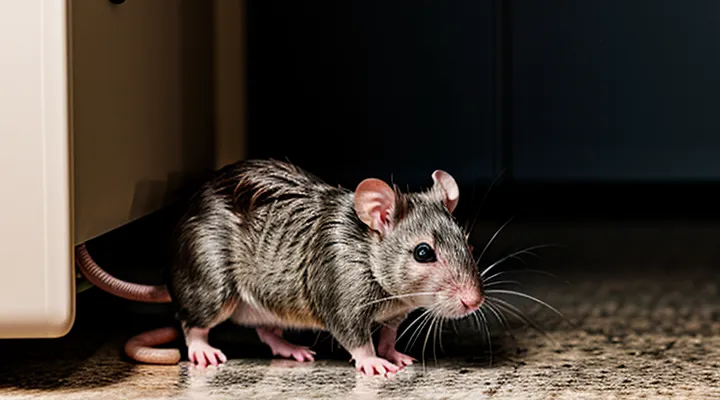
Understanding Rat Vaginitis
What is Vaginitis in Rats?
Vaginitis in rats refers to inflammation of the vaginal mucosa and associated tissues. The condition results from infectious agents, chemical irritants, or hormonal imbalances that disrupt the normal epithelial barrier. Histopathological examination typically reveals edema, leukocytic infiltration, and epithelial necrosis.
Common etiological factors include:
- Gram‑negative bacteria such as Escherichia coli and Proteus spp.
- Opportunistic fungi, notably Candida species.
- Persistent exposure to estrogenic compounds that alter mucosal immunity.
- Traumatic injury or abrasive bedding materials.
Clinical manifestations are observable as:
- Purulent or serous vaginal discharge.
- Redness and swelling of the vulvar region.
- Increased licking or grooming of the perineal area.
- Altered estrous cycle patterns detectable by vaginal cytology.
Early detection relies on systematic observation of behavioral changes and routine cytological sampling. Prompt antimicrobial or antifungal therapy, coupled with environmental modifications, reduces morbidity and prevents progression to systemic infection.
Causes of Vaginitis in Rats
Bacterial Infections
Bacterial vaginitis in rats manifests through distinct clinical signs that signal the beginning of infection. Common pathogens include Streptococcus species, Escherichia coli, Proteus and Clostridium strains. Infected females often exhibit vaginal discharge, swelling, erythema and reduced grooming of the genital area. Behavioral changes such as decreased nesting activity may accompany physical symptoms.
Accurate detection relies on systematic observation and laboratory confirmation. The following steps constitute a reliable protocol:
- Visual inspection of the vulvar region at least twice daily for abnormal secretions or edema.
- Collection of a sterile swab from the vaginal opening using a calibrated applicator; avoid contamination of surrounding fur.
- Immediate placement of the swab in transport medium appropriate for aerobic and anaerobic cultures.
- Microscopic examination of Gram‑stained smears to identify bacterial morphology.
- Quantitative culture on selective agar to isolate predominant species; record colony‑forming units per milliliter.
- Sensitivity testing of isolated strains to guide antimicrobial therapy.
Early intervention reduces tissue damage and prevents systemic spread. Empirical treatment may begin with broad‑spectrum antibiotics pending culture results, but adjustment based on susceptibility patterns is essential for optimal outcomes. Continuous monitoring of discharge characteristics and body condition ensures timely assessment of therapeutic efficacy.
Fungal Infections
Fungal agents are frequent contributors to vaginal inflammation in laboratory rats. Recognizing fungal involvement accelerates detection of the condition and guides appropriate treatment.
Typical pathogens include Candida spp., Aspergillus spp., and Mucorales. These organisms thrive in humid cages, moist bedding, and contaminated feed. Colonization often follows disruption of normal microbiota or immunosuppression.
Observable indicators of a fungal component are:
- Purulent discharge with a yeasty odor
- Redness and edema of the vaginal mucosa
- Presence of white, creamy plaques on the epithelium
- Elevated temperature and reduced activity in the affected animal
Diagnostic confirmation relies on:
- Direct microscopic examination of vaginal swabs using potassium hydroxide preparation
- Culture on Sabouraud dextrose agar for species identification
- Polymerase chain reaction assays for rapid detection of fungal DNA
Therapeutic measures consist of topical azole formulations, systemic antifungal agents when dissemination is suspected, and environmental modifications to reduce humidity and improve cage hygiene. Routine monitoring of vaginal health, combined with prompt laboratory analysis, minimizes disease progression and supports colony welfare.
Parasitic Infections
Parasitic agents represent a significant etiological group for the early stages of vaginal inflammation in laboratory rats. Infection by protozoa, nematodes, and arthropods can trigger epithelial disruption, mucosal exudate, and behavioral changes that precede overt clinical signs.
Common parasites implicated include: - Protozoan Trichomonas species, producing frothy discharge and irritation. - Nematode Capillaria sp., causing submucosal inflammation and ulceration. - Mite Myobia sp., leading to pruritus, erythema, and secondary bacterial overgrowth. - Cestode Hymenolepis sp., associated with systemic immune modulation that may exacerbate vaginal pathology.
Early detection relies on observable criteria: - Increased perineal licking or grooming. - Presence of abnormal vaginal secretions, often thin, yellow‑white, or frothy. - Localized erythema or edema without external trauma. - Behavioral lethargy combined with weight loss, suggesting systemic involvement.
Laboratory assessment should combine direct microscopic examination of vaginal swabs with polymerase chain reaction (PCR) targeting parasite‑specific genetic markers. Histopathological analysis of biopsy samples provides confirmation of tissue invasion and inflammatory response. Timely identification of parasitic infection permits targeted anti‑parasitic therapy, reducing progression to severe vaginitis and preserving experimental integrity.
Irritants and Allergens
Irritants and allergens constitute a primary class of factors that can precipitate the early stages of vaginal inflammation in laboratory rats. Exposure to substances that disrupt the mucosal barrier or provoke immune hypersensitivity often precedes observable clinical signs, making recognition of these agents essential for timely diagnosis.
Common agents include:
- « chlorhexidine » – antiseptic solution applied to bedding or cages can cause epithelial irritation.
- « phenoxyethanol » – preservative found in some liquid diets, known to elicit contact dermatitis.
- « paraffin oil » – lubricant used in husbandry equipment, capable of occluding vaginal secretions.
- « latex » – gloves or tubing that contact the perineal area may trigger allergic reactions.
- « dust‑borne mold spores » – prevalent in low‑quality bedding, provoke inflammatory responses.
- « soy protein » – component of certain feed formulations, associated with hypersensitivity in some strains.
When rats encounter these agents, early indicators often appear before overt discharge or swelling. Behavioral changes such as increased grooming of the perineal region, reduced nesting activity, and subtle alterations in estrous cycle timing serve as indirect clues. Physical examination may reveal mild erythema, localized edema, or a slight increase in vaginal pH, each suggesting irritant or allergen involvement.
Distinguishing irritant‑induced onset from infectious causes requires correlation of environmental records with observed signs. Documentation of recent changes in cage cleaning agents, feed composition, or enclosure materials provides a practical framework for attributing vaginal inflammation to specific irritants or allergens, thereby facilitating prompt intervention and prevention of progression.
Hormonal Imbalances
Hormonal disturbances frequently precede the appearance of vaginal inflammation in laboratory rats, providing a measurable indicator for early detection.
Fluctuations in estrogen, progesterone, and prolactin levels modify the epithelial barrier, alter mucus composition, and influence immune responsiveness.
Key clinical observations linked to endocrine disruption include:
- Irregular estrous cycles or prolonged diestrus
- Enlarged vulvar tissue with edema
- Purulent or mucoid discharge differing from normal estrous fluid
Laboratory evaluation combines serum hormone quantification with daily vaginal cytology to establish a temporal relationship between endocrine shifts and inflammatory onset. Correlation of elevated estrogen with increased vaginal pH, or reduced progesterone with impaired leukocyte recruitment, strengthens diagnostic confidence.
Therapeutic strategies target the underlying endocrine imbalance. Administration of controlled‑release progesterone analogues restores mucosal integrity, while environmental enrichment minimizes stress‑induced hyperprolactinemia. Continuous monitoring of hormonal profiles ensures timely adjustment of interventions and reduces progression to severe vaginitis.
Recognizing the Symptoms
Behavioral Changes
Increased Grooming
Increased grooming frequently signals the early phase of vaginal inflammation in laboratory rats. The behavior manifests as repetitive licking, nibbling, or cleaning of the perineal region, often accompanied by prolonged bouts that exceed normal self‑maintenance cycles.
Observers should note the following characteristics:
- Frequency rises above baseline measurements recorded for the specific strain.
- Duration of each grooming episode extends beyond typical short cleaning actions.
- Preference for the genital area becomes pronounced, with reduced attention to other body parts.
The escalation in grooming typically emerges within 24–48 hours after the initial pathogenic insult, aligning with the onset of mucosal irritation and edema. Early detection relies on systematic monitoring rather than sporadic observation.
Practical guidelines for accurate assessment:
- Establish baseline grooming rates during a pre‑experimental acclimation period.
- Conduct timed observations twice daily, recording episode count and average duration.
- Compare current data against baseline; a sustained increase of 30 % or more warrants further diagnostic evaluation.
Prompt recognition of heightened grooming enables timely intervention, reducing the risk of severe pathology and preserving experimental integrity.
Lethargy and Irritability
Lethargy and irritability frequently appear as the first behavioral changes when a female rat develops a reproductive‑tract infection. Reduced movement, diminished grooming, and a noticeable decline in food intake signal systemic discomfort. Typical manifestations include:
- Decreased exploration of the cage environment.
- Preference for hiding or remaining motionless for extended periods.
- Lack of interest in nesting material or enrichment objects.
Irritability often accompanies the same condition, reflecting heightened sensitivity to pain and inflammation. Observable signs consist of:
- Increased aggression toward cage mates or handlers.
- Frequent vocalizations during routine care.
- Reflexive withdrawal or snapping when approached.
These symptoms precede external signs such as vaginal discharge, allowing early detection. Continuous observation of activity levels and temperament enables prompt isolation of the affected animal and timely veterinary consultation. Early intervention reduces the risk of severe inflammation and supports recovery.
Decreased Appetite
Decreased appetite frequently signals the early stage of vaginitis in laboratory rats. The condition disrupts normal feeding behavior, leading to a measurable reduction in food intake within 24–48 hours after symptom onset. Monitoring consumption levels provides a rapid, non‑invasive indicator that can prompt further diagnostic evaluation.
Key observations related to reduced feeding include:
- Consistent drop of 15 % or more in daily ration compared with baseline.
- Preference for water over solid food, often accompanied by increased drinking.
- Absence of other acute illness signs, suggesting a primary reproductive tract issue.
When decreased appetite coincides with vaginal discharge, swelling, or changes in grooming patterns, the likelihood of vaginitis increases. Immediate veterinary assessment, including vaginal cytology and microbial culture, confirms the diagnosis and guides appropriate treatment.
Physical Signs
Swelling and Redness of the Vulva
Swelling and redness of the vulva represent the most visible external sign that a rat is entering the early phase of vaginitis. The tissue becomes noticeably enlarged, often extending beyond the normal anatomical margins, and the surface acquires a vivid pink to deep red hue indicating inflammation.
Typical characteristics include:
- Uniform edema that may feel soft to the touch;
- Erythema that intensifies under gentle pressure;
- Accompanying mucous or purulent discharge in advanced cases;
- Increased grooming or licking of the affected area, signaling discomfort.
Observation of these changes should prompt immediate veterinary assessment. Early intervention, such as targeted antimicrobial therapy and supportive care, reduces the risk of progression to severe infection and systemic involvement. Continuous monitoring of vulvar condition, along with recording any fluctuation in size or color, provides essential data for treatment efficacy evaluation.
Discharge Characteristics
Discharge characteristics provide the most reliable external indicator of vaginal inflammation onset in laboratory rats. Careful observation of color, consistency, odor, volume, and timing allows early detection and timely intervention.
- Color: pink‑white to clear discharge is typical; yellow, green, or blood‑tinged fluid signals pathology.
- Consistency: thin, watery secretions are normal; thick, mucous‑like or curdled material suggests infection.
- Odor: absent or faint scent accompanies healthy discharge; strong, foul, or fetid odor indicates bacterial overgrowth.
- Volume: occasional droplets are expected; persistent or abundant flow warrants further examination.
- Timing: sudden increase in frequency or continuous presence over 24‑48 hours marks the transition from physiological to pathological state.
Monitoring these parameters at least twice daily during the breeding cycle enhances the ability to distinguish early inflammatory changes from normal estrous variations. Prompt recognition based on discharge traits supports accurate diagnosis and reduces the risk of complications.
Color and Consistency
Color and consistency of vaginal discharge provide the most immediate clues to the beginning of inflammation in laboratory rats. Changes are observable without specialized equipment and can be recorded during routine health checks.
Typical observations include:
- Clear to slightly cloudy fluid – indicates normal secretions or mild irritation.
- Yellowish or greenish tint – suggests bacterial involvement or progressing infection.
- Blood‑stained or reddish hue – points to severe inflammation, possible ulceration, or trauma.
Consistency offers complementary information:
- Watery or thin – aligns with early-stage irritation, often reversible with environmental adjustments.
- Viscous, mucous‑like – reflects heightened inflammatory response, commonly associated with bacterial colonization.
- Thick, pus‑filled – denotes advanced infection, requiring immediate therapeutic intervention.
Accurate documentation of both parameters enables rapid differentiation between benign variations and pathological conditions, facilitating timely treatment decisions and reducing the risk of complications in research colonies.
Odor
Odor provides a reliable early indicator of vaginal inflammation in laboratory rats. A noticeable change from the normal, mild scent to a strong, fetid, or ammonia‑like smell often precedes visible discharge or swelling. The malodor results from bacterial overgrowth and tissue necrosis, which release volatile compounds detectable by trained personnel.
Key characteristics of the odor associated with the condition include:
- Persistence despite routine cage cleaning
- Intensification after the animal’s activity or during handling
- Presence of a sour or putrid quality distinct from normal bedding odors
Monitoring protocols should incorporate regular olfactory assessment during daily health checks. If an abnormal scent is detected, immediate steps include:
- Isolating the affected animal to prevent cross‑contamination
- Collecting a vaginal swab for microbiological analysis
- Initiating appropriate antimicrobial therapy based on culture results
Accurate identification of the odor signal enables prompt intervention, reducing the risk of severe infection and minimizing impact on experimental outcomes.
Lesions or Sores
Lesions or sores on the vulvar region serve as a primary visual indicator of vaginal inflammation in rats. These lesions typically present as erythematous patches, ulcerations, or necrotic areas that may be accompanied by swelling or discharge. Early detection relies on careful observation of the following characteristics:
- Redness extending beyond the normal coloration of the mucosa
- Presence of raised or crater‑like ulcers, often with a white or yellowish base
- Evident tissue loss or necrosis, which may appear as blackened spots
- Associated edema that makes the surrounding tissue appear puffy or distorted
The progression of lesions often follows a predictable pattern. Initial mild erythema can develop into discrete ulcers within 24–48 hours, after which coalescence may produce larger necrotic zones. Persistent lesions beyond a week suggest secondary infection or chronic inflammation, warranting immediate veterinary intervention.
Accurate assessment requires routine inspection of the genital area during handling or cage cleaning. Photographic documentation using a macro lens enhances record‑keeping and facilitates comparison over time. Any deviation from normal tissue integrity, especially the emergence of the signs listed above, should prompt diagnostic testing for bacterial or fungal pathogens to confirm the underlying cause of the inflammation.
Pain or Discomfort During Palpation
Pain or discomfort observed when a clinician palpates the vaginal region of a laboratory rat provides a direct indicator of inflammatory processes. The response is measurable through resistance, vocalization, or abrupt movement, and it correlates with mucosal edema, exudate accumulation, or ulceration. Accurate interpretation requires consistent technique: gentle, progressive pressure applied with a gloved fingertip or calibrated probe, while monitoring the animal’s behavioral cues.
Key assessment points include:
- Immediate withdrawal or escape attempts during gentle pressure.
- Audible vocalizations or squeaks indicating acute discomfort.
- Increased tension of the perineal musculature, perceived as a firm, non‑compliant wall.
- Presence of localized swelling that yields a distinct, painful sensation upon compression.
These observations should be recorded alongside temperature, discharge characteristics, and body condition scores. Repeated detection of pain or discomfort during palpation, especially when accompanied by abnormal discharge, strongly suggests the onset of vaginal inflammation and warrants prompt diagnostic confirmation and therapeutic intervention.
Diagnostic Approaches
Visual Inspection
Visual examination provides the quickest indication that vaginal inflammation has begun in laboratory rats. The method requires minimal equipment and can be performed repeatedly without causing stress.
Normal anatomy appears as a smooth, pink mucosal surface with a thin, translucent discharge that may be absent. The vulvar folds remain tightly apposed, and no swelling is evident.
Signs of early vaginitis include reddened or edematous tissue, increased moisture, and a thickened, white or yellowish discharge. The vulvar opening may become enlarged, and the surrounding fur can appear soiled or clumped with secretions.
Key steps for a reliable visual assessment:
- Restrain the animal gently using a calibrated holder or a trained assistant.
- Part the fur around the perineal region with a soft brush to expose the vulva.
- Observe the color and texture of the mucosa, noting any deviation from pink, smooth appearance.
- Examine the discharge for consistency, color, and volume.
- Record findings immediately in a standardized log, including time of day and observer identifier.
Interpretation guidelines:
- Redness limited to the outer labia, with clear discharge, suggests mild irritation; monitor daily.
- Persistent edema combined with opaque, foul‑smelling discharge indicates moderate to severe inflammation; initiate diagnostic sampling and therapeutic intervention.
- Absence of visible changes does not exclude subclinical infection; consider adjunctive methods such as cytology if clinical suspicion remains high.
Swab and Culture
Swab and culture constitute the primary laboratory approach for confirming the early stage of vaginal inflammation in laboratory rats. Proper technique ensures reliable detection of pathogenic organisms and guides therapeutic decisions.
A sterile polyester‑tipped swab is inserted gently into the vaginal canal, rotating 360 degrees to collect epithelial cells and exudate. Immediate placement of the swab into a transport medium, such as Amies agar, preserves viability of aerobic and anaerobic bacteria. Samples must be kept at 4 °C and delivered to the microbiology laboratory within two hours to prevent overgrowth or loss of fastidious organisms.
The culture process begins with inoculation onto selective and non‑selective agar plates, including blood agar, MacConkey agar, and anaerobic media. Incubation parameters are as follows:
- Temperature: 35‑37 °C
- Atmosphere: aerobic, with a parallel set under anaerobic conditions
- Duration: 24–48 hours for primary growth, extended to 72 hours for slow‑growing species
Colony morphology, hemolysis patterns, and Gram stain results guide preliminary identification. Subsequent biochemical panels or matrix‑assisted laser desorption/ionization‑time‑of‑flight (MALDI‑TOF) analysis provide definitive species determination. Sensitivity testing follows standard CLSI guidelines, delivering antimicrobial susceptibility profiles relevant to the infection stage.
Interpretation of culture outcomes focuses on the presence of known vaginal pathogens (e.g., Streptococcus pluranimalium, Escherichia coli, Pasteurella multocida) and the quantitative load of isolates. A high colony‑forming unit count coupled with inflammatory cell presence on microscopic examination indicates active infection, confirming the onset of vaginitis. Negative cultures, when combined with clinical signs, suggest non‑infectious etiologies and prompt further diagnostic evaluation.
Urinalysis
Urinalysis provides objective data that can signal the early stage of vaginal inflammation in laboratory rats. The test detects alterations in urinary composition that often accompany infectious processes affecting the reproductive tract.
Collect urine directly from the bladder using a sterile catheter or by gentle abdominal massage into a clean container. Transfer the sample to a refrigerated tube and analyze within two hours to prevent degradation of cellular elements.
Key urinary parameters relevant to the detection of onset include:
- pH: elevation may reflect bacterial metabolism.
- Specific gravity: significant decrease can indicate systemic fluid shifts.
- Leukocyte esterase: positive result suggests presence of white blood cells.
- Nitrite: positive conversion indicates gram‑negative bacterial activity.
- Protein: emergence of low‑level proteinuria may accompany inflammatory stress.
- Microscopic sediment: presence of bacteria, epithelial cells, and neutrophils provides direct evidence of infection.
Interpretation follows a pattern of concurrent abnormalities. Elevated leukocyte esterase combined with nitrite positivity and microscopic identification of neutrophils strongly points to an active infection. A rise in pH together with bacterial presence reinforces the diagnosis. Isolated changes without supporting findings should be considered inconclusive and warrant repeat testing.
Urinalysis results complement clinical observation and, when necessary, microbiological culture of vaginal swabs. Integration of these data streams refines the timeline of disease onset and guides timely intervention.
Blood Tests
Blood analysis provides objective data for detecting the early stage of vaginal inflammation in laboratory rats. Serum samples collected via tail vein or retro-orbital puncture should be processed within two hours to preserve labile biomarkers.
Key parameters include:
- White‑blood‑cell count (WBC) and differential: elevation of neutrophils often signals acute infection, while a rise in lymphocytes may indicate a developing chronic response.
- C‑reactive protein (CRP): rapid increase correlates with inflammatory onset, typically detectable 12–24 hours after pathogen exposure.
- Pro‑inflammatory cytokines (IL‑1β, IL‑6, TNF‑α): quantification by ELISA or multiplex assays reveals cytokine storms preceding visible discharge.
- Hormone levels (estradiol, progesterone): abnormal fluctuations can predispose to mucosal breakdown, enhancing susceptibility to infection.
Interpretation requires comparison with baseline values established for the specific strain and age group. A single abnormal result does not confirm disease; patterns across multiple markers strengthen diagnostic confidence. Repeated sampling every 24 hours during the suspected window improves temporal resolution and helps differentiate transient physiological changes from true pathological onset.
Limitations include potential stress‑induced leukocytosis, assay variability, and the need for adequate sample volume. Combining blood test results with clinical observation of behavior and vaginal secretions yields the most reliable assessment of early vaginitis in rats.
Management and Prevention
Treatment Options
Antibiotics
Antibiotic therapy is a critical component in managing bacterial vaginitis in laboratory rats once clinical signs emerge. Early identification of infection relies on observation of discharge, erythema, and increased grooming behavior. Prompt antimicrobial intervention reduces tissue damage and prevents systemic spread.
Selection of an appropriate agent depends on the likely pathogen spectrum. Commonly isolated organisms include Streptococcus spp., Staphylococcus spp., and Escherichia coli. Empirical choices often comprise:
- Enrofloxacin, broad‑spectrum fluoroquinolone effective against Gram‑negative rods and some Gram‑positive cocci.
- Trimethoprim‑sulfamethoxazole, synergistic combination targeting a wide range of facultative anaerobes.
- Amoxicillin‑clavulanate, β‑lactam/beta‑lactamase inhibitor pair suitable for mixed flora.
Dosage regimens must consider the animal’s weight, age, and renal function. Standard protocols recommend 10‑15 mg/kg body weight for enrofloxacin administered orally or subcutaneously once daily for 5–7 days. Trimethoprim‑sulfamethoxazole is typically given at 30 mg/kg of the trimethoprim component, divided into two daily doses. Amoxicillin‑clavulanate dosage ranges from 20‑30 mg/kg twice daily.
Monitoring therapeutic response includes daily assessment of vaginal discharge volume and color, as well as body temperature. Reduction in purulent material and normalization of temperature within 48 hours indicate effective antimicrobial activity. Failure to observe improvement warrants culture and sensitivity testing to adjust the regimen and address potential resistance.
Resistance development poses a significant risk when antibiotics are used indiscriminately. Rotation of drug classes, adherence to prescribed durations, and avoidance of prophylactic administration without confirmed infection are essential strategies to preserve efficacy.
In summary, accurate detection of vaginitis onset in rats enables timely antibiotic intervention, selection of agents based on likely pathogens, and diligent monitoring to ensure resolution while mitigating resistance concerns.
Antifungals
Antifungal therapy is essential when bacterial infection is ruled out and fungal agents are identified as the cause of vaginal inflammation in rodents. Early detection of fungal involvement relies on microscopic examination of vaginal swabs, culture on Sabouraud agar, and polymerase chain reaction assays that target Candida spp. and other opportunistic yeasts.
Effective agents include:
- «Fluconazole» – azole class, inhibits ergosterol synthesis; oral dose 5 mg/kg once daily for 7 days.
- «Itraconazole» – broad‑spectrum azole, penetrates vaginal tissues; loading dose 10 mg/kg, then 5 mg/kg daily.
- «Nystatin» – polyene formulation, applied intravaginally as a suspension; 100 000 IU per dose, three times a day.
- «Miconazole» – imidazole derivative, available as a cream; 2 % concentration, applied twice daily.
Selection criteria focus on pathogen susceptibility, severity of clinical signs, and the animal’s overall health status. Azoles are preferred for systemic involvement, while polyenes are reserved for localized infections resistant to azoles. Monitoring includes repeat cultures after the treatment course and observation for recurrence, which may indicate resistant strains or underlying immunosuppression.
Adjunct measures such as maintaining a dry environment, reducing stressors, and ensuring proper nutrition support antifungal efficacy and minimize relapse risk.
Anti-inflammatory Medications
Anti‑inflammatory agents mitigate the swelling and pain that accompany the initial phase of vaginal inflammation in rodents. By reducing edema, they can obscure visual cues such as reddening and discharge, potentially delaying recognition of disease onset. Clinicians must therefore balance therapeutic benefit with diagnostic clarity.
Key drug categories include:
- Non‑steroidal anti‑inflammatory drugs (NSAIDs) – inhibit cyclo‑oxygenase enzymes, lower prostaglandin synthesis, and provide rapid analgesia.
- Corticosteroids – suppress broader immune responses, diminish leukocyte infiltration, and produce pronounced reduction of tissue swelling.
- Selective COX‑2 inhibitors – target inflammatory prostaglandins while sparing gastrointestinal protection, useful when prolonged treatment is required.
Dosage selection should reflect the animal’s weight, severity of symptoms, and the need for unobstructed observation. Low‑dose regimens preserve detectable signs, whereas high‑dose protocols may mask early manifestations. Monitoring schedules must incorporate regular physical examination and, when feasible, cytological sampling to confirm the presence of infection despite anti‑inflammatory therapy.
Topical Treatments
Topical therapy offers a direct approach for managing early signs of vaginal inflammation in laboratory rats. Local application reduces systemic exposure while delivering anti‑inflammatory and antimicrobial agents to the affected mucosa.
Commonly used topical preparations include:
- Mupirocin 2 % ointment, applied twice daily for 5–7 days;
- Clindamycin 1 % gel, applied once daily for 3–5 days;
- Hydrocortisone 1 % cream, applied two to three times daily for up to 4 days;
- Silver sulfadiazine 1 % cream, applied once daily for 5 days in cases with secondary bacterial infection.
Application technique requires gentle restraint, cleaning the perineal area with sterile saline, and using a cotton swab to spread a thin layer of the selected product over the vaginal opening and surrounding skin. Avoid excessive pressure that could cause trauma. Dosage volumes should not exceed 0.05 ml per application to prevent overflow onto the fur.
Monitoring involves daily inspection for erythema, edema, discharge, and behavioral changes such as reduced grooming. Record any adverse reactions, including local irritation, ulceration, or systemic signs of toxicity. If symptoms persist beyond the recommended treatment period, consider culture‑guided systemic therapy.
Proper storage of topical agents at recommended temperatures and adherence to expiration dates maintain potency and prevent contamination. Documentation of treatment dates, agents used, and observed outcomes supports reproducibility in research settings.
Supportive Care
Pain Management
Pain associated with early‑stage vaginal inflammation in laboratory rats requires prompt, targeted intervention to prevent secondary complications. Analgesic selection should prioritize agents with proven efficacy in rodents and minimal impact on diagnostic assessments.
• Non‑steroidal anti‑inflammatory drugs (e.g., meloxicam) provide anti‑inflammatory and analgesic effects; dosage must align with body weight and not interfere with hormonal assays.
• Opioid analgesics (e.g., buprenorphine) deliver potent relief; monitor respiratory rate and avoid excessive sedation that could mask behavioral signs of disease progression.
• Local anesthetic gels applied to the perineal area reduce tactile discomfort during physical examinations; ensure sterile preparation to prevent additional infection.
Adjunctive measures support pharmacologic therapy. Warm, dry bedding mitigates thermal stress, while gentle handling limits stress‑induced hyperalgesia. Regular monitoring of pain scores—using validated rodent scales—guides dose adjustments and determines the need for supplemental analgesia.
Documentation of analgesic regimen, dosing intervals, and observed responses is essential for reproducibility and ethical compliance. Continuous evaluation ensures that pain control does not obscure early clinical indicators, preserving the integrity of onset detection protocols.
Hygiene Practices
Effective hygiene is essential for early detection of vaginal inflammation in laboratory rats. Regular cleaning of cages reduces bacterial load, minimizing the risk of infection. Monitoring bedding moisture prevents conditions that favor pathogen growth. Prompt removal of soiled material limits exposure to irritants that could mask early symptoms.
Key practices include:
- Daily inspection of cage interiors for discoloration, odor, or excess moisture.
- Weekly replacement of bedding with sterile, absorbent material.
- Routine washing of feeding and watering equipment using disinfectants approved for rodent use.
- Implementation of hand‑washing protocols before and after handling each animal, employing antimicrobial soap and disposable gloves.
- Periodic sanitation of the animal facility floor with a dilute bleach solution, ensuring thorough rinsing to avoid chemical residue.
Observational checks should focus on changes in vaginal discharge, swelling, or behavioral signs such as increased grooming of the genital area. Recording these observations alongside hygiene logs facilitates correlation between environmental cleanliness and the onset of inflammation, enabling timely veterinary intervention.
Preventive Measures
Maintaining a Clean Environment
Maintaining a clean environment is essential for early detection of vaginal inflammation in laboratory rats. Contaminated bedding, excess moisture, and accumulated waste create conditions that mask early signs such as discharge or behavioral changes. Regular sanitation reduces background noise, allowing subtle clinical indicators to become apparent.
Key practices include:
- Daily removal of soiled bedding and droppings; replace with fresh, low‑dust material.
- Weekly deep cleaning of cages, feeders, and water bottles with mild disinfectant; rinse thoroughly to avoid residue.
- Monitoring humidity levels; keep relative humidity between 40 % and 60 % to prevent fungal growth.
- Implementing a schedule for cage change every 2–3 days; record dates to track consistency.
- Using disposable gloves and sterile tools when handling animals; discard after each use to avoid cross‑contamination.
Consistent documentation of cleaning activities supports correlation between hygiene standards and the appearance of clinical signs. When an unexpected increase in discharge or altered grooming behavior occurs, investigators can confidently attribute observations to the animal’s condition rather than environmental variables. This approach enhances reliability of onset identification and improves overall animal welfare.
Proper Nutrition
Proper nutrition directly influences the physiological markers that signal the beginning of vaginal inflammation in rats. Adequate dietary intake stabilizes hormone levels, maintains mucosal integrity, and supports immune defenses, making early symptoms more discernible during observation.
Key nutrients supporting these functions include:
- High‑quality protein for tissue repair;
- Vitamin A to preserve epithelial health;
- Vitamin E and omega‑3 fatty acids for anti‑inflammatory action;
- Zinc for enzymatic activity in immune cells.
A balanced diet promotes a stable vaginal microbiota, reducing opportunistic bacterial overgrowth that can obscure the onset of infection. Consistent nutrient supply also prevents fluctuations in mucus production, allowing clinicians to detect subtle changes in discharge volume and consistency.
Feeding recommendations for laboratory or pet rats:
- Commercial rodent pellets formulated to meet nutrient requirements;
- Fresh leafy greens such as kale or romaine, provided daily in limited amounts;
- Occasional fruits (e.g., apple slices) with minimal sugar content;
- Strict avoidance of high‑sugar treats and processed foods that disrupt gut flora.
Implementing these nutritional standards creates a reliable baseline, facilitating accurate identification of early vaginal inflammation without reliance on ambiguous clinical signs.
Regular Veterinary Check-ups
Regular veterinary examinations provide systematic observation of reproductive health in laboratory and pet rats. During each visit, a veterinarian assesses vaginal discharge, swelling, and behavior changes that may signal the beginning of an inflammatory condition. Early detection relies on consistent measurement of vaginal cytology, inspection for erythema, and recording of any abnormal odor or moisture.
Routine check-ups enable comparison with baseline data established at a young age. By documenting variations in uterine size, glandular activity, and hormonal cycles, clinicians can differentiate normal estrous fluctuations from pathological onset. Timely intervention reduces the risk of severe infection and associated complications.
Key components of a preventive schedule include:
- Monthly physical examination focusing on the perineal area.
- Quarterly vaginal cytology smears evaluated by a trained pathologist.
- Biannual blood panels to monitor inflammatory markers.
- Immediate reporting of any sudden increase in discharge volume or change in color.
Early Detection Strategies
Early detection of vaginal inflammation in laboratory rats requires systematic observation of behavioral and physiological indicators. Subtle changes in grooming, reduced activity, and abnormal discharge often precede overt clinical signs.
Effective monitoring combines visual inspection, quantitative measurement, and environmental assessment. Key components include:
- Daily examination of perineal region for discoloration or swelling, using magnification when necessary.
- Recording of weight fluctuations and food‑water intake, as declines may correlate with discomfort.
- Implementation of a scoring system for vaginal secretions, assigning numeric values to consistency and volume.
- Utilization of urine dipsticks to detect elevated leukocyte counts, providing indirect evidence of infection.
- Maintenance of consistent cage temperature and humidity, minimizing stress‑related exacerbation.
Laboratory personnel should document all observations in a centralized log, enabling trend analysis and prompt intervention. Early therapeutic measures, such as targeted antimicrobial administration, prove most successful when initiated at the first indication of abnormal parameters.