
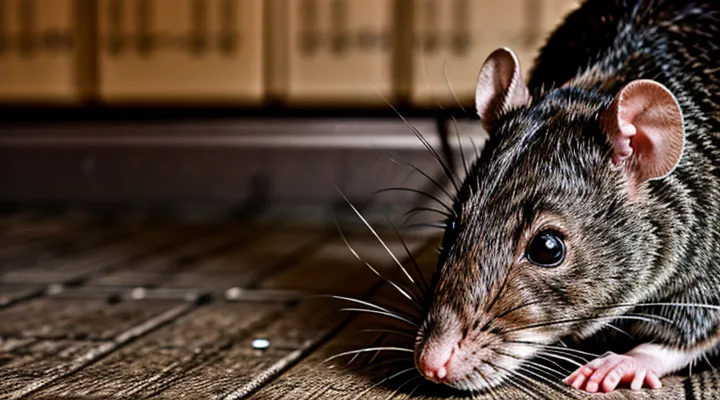
Understanding Rat Stroke
Types of Stroke in Rats
Ischemic Stroke
Ischemic stroke in rats serves as a primary experimental platform for evaluating acute interventions and long‑term functional recovery. The model typically employs transient middle‑cerebral‑artery occlusion, producing a focal reduction in cerebral blood flow that mimics human infarction. Infarct size, neurological deficit scores, and histopathological markers such as TTC staining provide quantitative endpoints for therapeutic efficacy.
Key pharmacological strategies target the early cascade of excitotoxicity, oxidative stress, and inflammation. Administration of thrombolytic agents within the therapeutic window reduces clot burden, while neuroprotective compounds—NMDA antagonists, free‑radical scavengers, and anti‑inflammatory cytokine modulators—attenuate secondary injury. Combination protocols that pair reperfusion with adjunctive neuroprotection have demonstrated synergistic reductions in lesion volume.
Rehabilitation protocols focus on restoring motor function and sensorimotor integration. Effective approaches include:
- Constraint‑induced movement therapy, applying forced use of the impaired limb to promote cortical reorganization.
- Treadmill training, delivering repetitive locomotor activity that enhances neuroplasticity.
- Enriched environment exposure, providing sensory, cognitive, and social stimulation that accelerates functional gains.
Outcome measures for rehabilitation encompass grip strength, forelimb placement accuracy, and gait analysis using automated runway systems. Integration of electrophysiological recordings reveals activity‑dependent plastic changes in peri‑infarct cortex, supporting the mechanistic basis of functional improvement.
Overall, the rat ischemic stroke paradigm offers a controlled setting for testing acute pharmacologic agents and structured rehabilitation regimens, enabling translation of findings toward optimized clinical management of cerebrovascular injury.
Hemorrhagic Stroke
Hemorrhagic stroke in rodents results from the rupture of cerebral vessels, producing a mass of extravasated blood that compresses surrounding tissue and triggers inflammatory cascades. The model most frequently employed in rats involves stereotactic injection of collagenase or autologous blood into the striatum, creating a reproducible intracerebral hemorrhage that mimics human pathology. This approach allows precise control of lesion size, assessment of peri‑hematomal edema, and monitoring of neurological deficits through established scoring systems.
Therapeutic interventions studied in these models include:
- Surgical evacuation – minimally invasive catheter drainage reduces mass effect and improves survival in acute phases.
- Pharmacologic agents – iron chelators (e.g., deferoxamine), anti‑inflammatory compounds (e.g., minocycline), and agents that stabilize the blood‑brain barrier (e.g., statins) demonstrate attenuation of secondary injury.
- Neuroprotective peptides – administration of N‑acetyl‑seryl‑aspartyl‑lysyl‑proline (NAP) limits neuronal loss and supports synaptic integrity.
Rehabilitation protocols are integrated after the acute stage to promote functional recovery. Commonly applied strategies consist of:
- Task‑specific locomotor training – treadmill or runway exercises improve gait symmetry and coordination.
- Enriched environment exposure – complex cages with novel objects enhance cortical plasticity and reduce depressive‑like behavior.
- Sensory stimulation – whisker or forelimb tactile training facilitates cortical remapping and improves sensorimotor integration.
Outcome measures encompass histological quantification of hematoma volume, magnetic resonance imaging of edema, and behavioral tests such as the forelimb placing test and cylinder assay. Data from rat studies inform the design of clinical trials by identifying effective dosing windows, potential adverse effects, and markers of functional improvement. Continuous refinement of hemorrhagic stroke models and rehabilitation regimens strengthens translational relevance, advancing therapeutic options for patients suffering from intracerebral bleeding.
Causes and Risk Factors
Genetic Predisposition
Genetic predisposition refers to inherited variations that increase the likelihood of cerebral ischemia in laboratory rats. Specific alleles modulate vascular integrity, inflammatory signaling, and neuronal resilience, thereby shaping the severity of ischemic injury and the trajectory of functional recovery.
Research has identified several loci linked to heightened stroke risk in rodents:
- Cdh5 (VE‑cadherin) polymorphisms – affect blood‑brain barrier stability and exacerbate hemorrhagic transformation.
- Nox2 (Cybb) variants – amplify oxidative stress during reperfusion, enlarging infarct size.
- ApoE isoforms – influence lipid transport and post‑ischemic inflammation, with the ε4‑like allele correlating with poorer outcomes.
- Mthfr mutations – reduce folate metabolism, impairing neurovascular repair mechanisms.
These genetic factors alter the efficacy of pharmacologic interventions. For example, rats carrying the Nox2 hyperactive allele show reduced benefit from antioxidant therapy, whereas ApoE‑ε4 carriers respond less to statin‑mediated neuroprotection. Similarly, rehabilitation protocols that rely on activity‑dependent plasticity produce variable gains depending on the presence of Cdh5 variants, which modulate synaptic remodeling capacity.
In experimental practice, integrating genotypic assessment improves the reliability of therapeutic studies. Recommended steps include:
- Perform baseline DNA sequencing for known stroke‑associated loci before group allocation.
- Stratify subjects by genotype to balance susceptibility across treatment arms.
- Report genotype‑specific outcomes alongside aggregate data to reveal differential treatment effects.
Applying these measures aligns animal models with the genetic complexity observed in human cerebrovascular disease, enhancing translational relevance of therapeutic and rehabilitative strategies.
Environmental Factors
Environmental conditions exert measurable influence on therapeutic efficacy and functional recovery in rodent models of cerebral ischemia. Variations in housing, ambient parameters, and handling protocols generate differences in lesion size, neuroinflammation, and behavioral performance, thereby affecting the interpretation of treatment outcomes.
- Cage size and enrichment: larger enclosures and the presence of nesting material or objects modify locomotor activity and stress levels, which correlate with post‑stroke motor scores.
- Temperature and humidity: deviations of ±2 °C from the standard 22 °C range alter cerebral blood flow and metabolic demand, influencing infarct evolution.
- Light‑dark cycle: inconsistent photoperiods disrupt circadian regulation of neuroprotective hormones, leading to fluctuations in neuroplasticity markers.
- Noise and vibration: chronic exposure to high decibel levels heightens glucocorticoid release, exacerbating neuronal loss.
- Diet composition: high‑fat or low‑protein regimens modify lipid profiles and oxidative stress, impacting tissue repair processes.
Experimental protocols that neglect these variables risk confounding treatment effects with environmental bias. Standardized reporting of housing dimensions, bedding type, temperature logs, light schedules, acoustic levels, and dietary content is essential for reproducibility. When evaluating pharmacological or rehabilitative interventions, researchers should maintain tight control of these parameters or incorporate them as covariates in statistical models. Consistent environmental management enhances the translational relevance of preclinical stroke studies and supports reliable assessment of therapeutic strategies.
Clinical Signs and Diagnosis
Behavioral Changes
Behavioral alterations following cerebral ischemia in rodents provide essential data for evaluating therapeutic strategies and guiding rehabilitation protocols. Acute deficits commonly include reduced locomotor activity, impaired balance, and decreased exploratory drive, which can be quantified with open‑field testing, beam‑walk performance, and rotarod latency. Longer‑term observations reveal persistent changes such as diminished social interaction, altered grooming patterns, and deficits in sensorimotor coordination that emerge during the sub‑acute and chronic phases.
Key behavioral manifestations:
- Decreased spontaneous movement and rearing frequency in novel environments.
- Impaired forelimb strength and fine motor control measured by skilled reaching tasks.
- Reduced nest‑building activity indicating compromised motivation and executive function.
- Altered ultrasonic vocalization patterns reflecting affective disturbances.
Assessment tools must be standardized, reproducible, and sensitive to subtle improvements. Repeated measures across multiple time points allow detection of recovery trajectories and the impact of pharmacological or physical interventions. Integration of automated tracking systems with manual scoring enhances data reliability.
Therapeutic implications focus on interventions that restore motor function, improve cognitive flexibility, and normalize affective behavior. Early physical therapy, enriched housing, and targeted neuroprotective agents demonstrate efficacy in mitigating the described deficits. Continuous behavioral monitoring informs dosage adjustments, timing of rehabilitation sessions, and the selection of combinatorial treatment approaches.
Neurological Deficits
Neurological deficits following experimental cerebral ischemia in rodents encompass motor, sensory, and cognitive impairments that directly influence therapeutic outcomes. Motor dysfunction manifests as reduced forelimb grip strength, gait asymmetry, and impaired coordination, measurable with rotarod, beam-walk, and ladder rung tests. Sensory loss appears as diminished tactile response on the affected side, assessed through von Freund or adhesive removal tests. Cognitive decline includes deficits in spatial learning and memory, evaluated by Morris water maze or novel object recognition tasks.
Effective rehabilitation protocols target these deficits through a combination of pharmacological and physical interventions. Antidepressant and neuroprotective agents mitigate secondary neuronal injury, while activity‑dependent therapies such as treadmill training, constrained‑use paradigms, and skilled reaching exercises promote cortical reorganization. Timing of intervention is critical; early initiation (within 24–48 hours post‑stroke) maximizes plasticity, whereas delayed therapy (after the acute phase) sustains functional gains.
Outcome monitoring relies on repeated behavioral assessments, electrophysiological recordings, and imaging biomarkers. Serial measurement of infarct volume by MRI, coupled with functional connectivity analysis, correlates structural recovery with performance improvements. Integration of these data informs dose adjustments, progression of task difficulty, and selection of adjunctive therapies.
Key considerations for translating rodent findings to clinical practice include species‑specific differences in neuroanatomy, the need for standardized deficit scoring systems, and alignment of rehabilitation intensity with human protocols. Maintaining rigorous experimental design and transparent reporting ensures that observed neurological improvements are reproducible and applicable to patient care.
Acute Treatment Strategies
Immediate Medical Interventions
Thrombolytic Therapy
Thrombolytic therapy is the primary pharmacologic approach for dissolving occlusive clots in experimental cerebral ischemia models. Recombinant tissue‑type plasminogen activator (rt‑PA) is the agent most frequently employed, administered intravenously at doses scaled to the animal’s weight (typically 0.9–10 mg/kg). The therapeutic window in rats mirrors that observed in clinical practice, with maximal efficacy when the drug is delivered within 3 hours after arterial occlusion. Early administration restores perfusion, reduces infarct volume, and improves neurological scores measured by standardized rodent scales.
Key parameters influencing outcome include:
- Dose optimization – lower doses minimize hemorrhagic transformation while maintaining reperfusion benefits.
- Timing of infusion – delays beyond 4 hours markedly diminish tissue salvage and increase mortality.
- Adjunctive agents – antiplatelet or anticoagulant co‑therapy can enhance clot dissolution but raise bleeding risk.
- Delivery route – intra‑arterial infusion provides higher local concentration at the occlusion site, offering superior recanalization rates in some studies.
Integration with rehabilitation protocols begins after the acute phase, once hemostatic stability is confirmed. Physical therapy, enriched environment exposure, and task‑specific training amplify functional recovery when combined with thrombolysis. Evidence from longitudinal studies shows that rats receiving early rt‑PA followed by daily treadmill sessions exhibit greater gait symmetry and reduced forelimb deficits compared with thrombolysis alone.
Limitations of the model involve species‑specific fibrinolytic pathways, variability in clot composition, and the propensity for intracerebral hemorrhage at higher drug concentrations. Ongoing investigations aim to refine dosing algorithms, explore novel plasminogen activators with longer half‑lives, and assess combination strategies that pair thrombolysis with neuroprotective compounds to further enhance post‑stroke rehabilitation outcomes.
Neuroprotective Agents
Neuroprotective agents are a central component of experimental strategies aimed at limiting neuronal loss after cerebral ischemia in rodent models. Their primary objective is to intervene in the cascade of excitotoxicity, oxidative stress, inflammation, and apoptotic signaling that follows arterial occlusion.
Key classes of compounds with demonstrated efficacy include:
- Glutamate receptor antagonists – attenuate calcium influx by blocking NMDA or AMPA receptors, reducing excitotoxic damage.
- Free‑radical scavengers – molecules such as edaravone and N‑acetylcysteine neutralize reactive oxygen species, preserving membrane integrity.
- Anti‑inflammatory agents – minocycline and selective COX‑2 inhibitors suppress microglial activation and cytokine release.
- Mitochondrial stabilizers – cyclosporine A and cytochrome c oxidase modulators maintain ATP production and prevent cytochrome‑c release.
- Growth‑factor mimetics – BDNF analogues and erythropoietin derivatives promote neuronal survival and plasticity.
Timing of administration critically influences outcomes. Pre‑ischemic or immediate post‑ischemic delivery (within 30 minutes) yields the greatest reduction in infarct volume, whereas delayed treatment (beyond 6 hours) provides limited benefit. Dose‑response relationships are typically steep; sub‑therapeutic concentrations fail to achieve neuroprotection, while excessive dosing may exacerbate toxicity.
Integration with rehabilitation protocols enhances functional recovery. Studies show that combining early physical therapy with agents that modulate synaptic plasticity, such as selective serotonin reuptake inhibitors, accelerates motor relearning and cortical reorganization. Sequential treatment—initial neuroprotection followed by activity‑dependent training—aligns with the temporal evolution of the injury, addressing acute cell death first and later supporting network remodeling.
Challenges remain in translating these findings. Species‑specific pharmacokinetics, blood‑brain barrier permeability, and variability in stroke severity complicate dose extrapolation to clinical settings. Ongoing research focuses on multi‑targeted molecules that simultaneously address excitotoxicity, oxidative injury, and inflammation, aiming to reduce the need for precise timing and improve therapeutic windows.
In summary, neuroprotective agents in rodent ischemic models function through distinct molecular pathways, require early administration, and demonstrate synergistic effects when paired with structured rehabilitation. Their continued development informs translational efforts toward comprehensive stroke care.
Supportive Care
Fluid Management
Fluid management is a central component of experimental stroke protocols in rats. Precise control of intravascular volume influences cerebral perfusion, edema formation, and overall survival. In the acute phase, within the first 24 hours after ischemic induction, isotonic crystalloids are administered to maintain normovolemia and prevent hypotension that could exacerbate ischemic injury.
Key practices include:
- Initiating a bolus of 10 ml/kg isotonic saline or lactated Ringer’s solution over 10 minutes, followed by continuous infusion at 2–3 ml/kg/h.
- Adjusting infusion rates based on mean arterial pressure, urine output, and serum sodium levels.
- Switching to hypertonic saline (3 %) when intracerebral edema threatens to increase intracranial pressure; typical dosing is 2 ml/kg over 5 minutes, repeated as needed.
- Monitoring hematocrit and plasma osmolality every 6 hours to detect hemodilution or hyperosmolar states.
During the subacute period (days 2–7), fluid goals shift toward supporting tissue repair while avoiding fluid overload. Maintenance fluids are reduced to 1 ml/kg/h, and diuretic therapy may be introduced if urinary output exceeds 1 ml/kg/h consistently. Electrolyte replacement follows standard veterinary guidelines, with particular attention to potassium and magnesium, which affect neuronal excitability and vascular tone.
Outcome measures—neurological scoring, infarct volume, and histopathology—correlate directly with adherence to these fluid protocols. Consistent application of the outlined regimen reduces variability between subjects and enhances reproducibility of therapeutic interventions.
Temperature Control
Temperature regulation is a fundamental parameter in experimental rodent models of cerebral ischemia. Precise control of core and ambient temperature reduces variability in lesion size, functional deficits, and survival rates, thereby enhancing the reliability of therapeutic and rehabilitative interventions.
Effective temperature management includes:
- Continuous rectal thermometry with feedback‑controlled heating blankets to maintain core temperature at 37 ± 0.5 °C during surgery and the acute phase.
- Ambient chamber temperature set between 22–24 °C, monitored with calibrated thermometers.
- Pre‑warmed recovery cages equipped with infrared heating pads for the first 24 hours post‑stroke.
- Optional mild hypothermia (33–35 °C) applied for 2–4 hours when investigating neuroprotective strategies, using chilled circulating water blankets and validated temperature probes.
Normothermia during the rehabilitation period supports consistent motor training outcomes. Protocols recommend daily verification of body temperature before each therapy session and adjustment of cage heating elements to prevent inadvertent hypothermia or hyperthermia, which can distort behavioral assessments.
Adherence to these temperature control measures standardizes experimental conditions, facilitates comparison across studies, and improves the translational relevance of findings in rat models of cerebral infarction.
Long-Term Rehabilitation
Physical Therapy Techniques
Exercise Regimens
Exercise regimens constitute a core component of post‑stroke recovery in rodent models. Structured physical activity promotes neuroplasticity, improves motor coordination, and mitigates secondary complications such as muscle atrophy and cardiovascular deconditioning.
Typical protocols incorporate the following elements:
- Treadmill walking: Gradual speed increments from 5 m/min to 15 m/min, 20‑minute sessions, five days per week. Incline adjustments introduce progressive resistance.
- Wheel running: Voluntary access to a running wheel for 1–2 hours daily, encouraging self‑paced aerobic activity.
- Obstacle navigation: Customized mazes with variable gaps and elevations, conducted for 15 minutes, three times weekly, to challenge balance and limb placement.
- Forelimb reaching tasks: Precision grip exercises using food pellets, 10 minutes per session, five days weekly, to refine fine motor control.
Intensity and duration should be titrated to the individual animal’s functional status. Baseline assessments of gait, grip strength, and limb symmetry guide progression. Early initiation—within 24–48 hours after ischemic onset—optimizes benefits, while continued training for at least six weeks sustains improvements.
Monitoring parameters include heart rate, blood pressure, and body weight to detect adverse responses. Adjustments, such as reduced speed or increased rest intervals, are implemented when physiological stress markers rise.
Combining aerobic, strength, and skill‑based exercises yields synergistic effects on cortical reorganization and synaptic connectivity. Consistent application of these regimens enhances functional outcomes and supports translational relevance to human stroke rehabilitation.
Environmental Enrichment
Environmental enrichment (EE) refers to the systematic modification of housing conditions to provide rats with increased sensory, motor, and social stimulation after cerebral ischemia. The approach replaces standard cages with larger compartments, varied bedding, nesting material, tunnels, running wheels, and opportunities for peer interaction.
Implementation of EE typically includes three elements:
- Physical complexity: platforms, ramps, and climbing structures that encourage voluntary exercise and balance training.
- Cognitive challenge: objects that change location or shape, puzzle feeders, and novel toys that require problem‑solving.
- Social interaction: group housing of compatible individuals to promote affiliative behaviors and reduce isolation stress.
Research demonstrates that EE accelerates functional recovery in rodent models of stroke. Enhanced locomotor performance, improved forelimb reaching, and better spatial memory have been recorded within weeks of exposure. Underlying mechanisms involve up‑regulation of brain‑derived neurotrophic factor, promotion of synaptic remodeling, and increased angiogenic signaling in peri‑infarct tissue.
Timing influences efficacy. Initiating EE within 24–48 hours after reperfusion yields greater neuroplastic changes than delayed introduction, yet sustained enrichment for several weeks continues to augment motor and cognitive outcomes even in chronic phases.
Practical considerations for laboratory application include:
- Maintaining a consistent enrichment schedule (e.g., 4–6 hours daily) to control for variability.
- Monitoring cage hygiene to prevent infections associated with increased bedding and objects.
- Documenting object rotation and novelty cycles to ensure continuous stimulus.
When combined with pharmacological or physical therapy protocols, EE provides additive benefits, reducing lesion‑induced deficits without introducing confounding stressors. Incorporating enrichment into post‑stroke experimental designs therefore enhances translational relevance and supports robust recovery metrics.
Pharmacological Support for Recovery
Anti-inflammatory Drugs
Anti‑inflammatory agents are integral to experimental stroke protocols in rodents, targeting the acute neuroinflammatory cascade that follows cerebral ischemia. By attenuating leukocyte infiltration, cytokine release, and microglial activation, these drugs reduce secondary neuronal injury and improve functional recovery.
Commonly employed compounds include:
- Non‑steroidal anti‑inflammatory drugs (e.g., ibuprofen, diclofenac) that inhibit cyclo‑oxygenase enzymes and lower prostaglandin synthesis.
- Selective COX‑2 inhibitors (e.g., celecoxib) that provide anti‑inflammatory effects with reduced gastrointestinal toxicity.
- Corticosteroids (e.g., dexamethasone) that suppress broad immune responses and stabilize the blood‑brain barrier.
- Tetracycline derivatives (e.g., minocycline) that inhibit microglial activation and matrix metalloproteinase activity.
Effective dosing regimens depend on the drug’s pharmacokinetics and the timing of administration. Early delivery—within the first few hours after occlusion—maximizes suppression of the initial inflammatory surge. Repeated dosing over the first 24–72 hours sustains anti‑inflammatory pressure during the sub‑acute phase, which coincides with the onset of motor and cognitive deficits.
Integration with rehabilitative interventions, such as treadmill training or skilled reaching tasks, enhances neuroplasticity. Anti‑inflammatory treatment reduces edema and improves the signal‑to‑noise ratio of activity‑dependent synaptic remodeling, thereby facilitating the acquisition of motor skills during therapy.
Safety considerations include monitoring for renal impairment, gastrointestinal bleeding, and immunosuppression. Dose adjustments are necessary for agents with narrow therapeutic windows, and combination therapy should avoid overlapping mechanisms that increase toxicity.
Future research focuses on selective modulation of inflammasome pathways, nanocarrier delivery systems for targeted drug release, and the identification of biomarkers that predict individual response to anti‑inflammatory therapy in rodent stroke models.
Cognitive Enhancers
Cognitive enhancers have emerged as a pharmacological strategy to improve post‑ischemic outcomes in rodent models of cerebral infarction. Their primary objective is to restore impaired neural circuits that underlie learning, memory, and attention deficits observed after experimental stroke.
Mechanistic actions include modulation of cholinergic transmission, up‑regulation of brain‑derived neurotrophic factor, and facilitation of long‑term potentiation. These effects converge on synaptic plasticity, thereby accelerating functional reorganization of peri‑infarct tissue.
Key agents investigated in rat studies:
- Acetylcholinesterase inhibitors (e.g., donepezil, rivastigmine): enhance cholinergic signaling; reported to reduce maze errors by 25‑30 % when administered from day 3 post‑stroke.
- Ampakines (e.g., CX546, LY451395): potentiate AMPA‑receptor activity; associated with a 20 % increase in cortical evoked potentials and improved object‑recognition performance.
- Modafinil: promotes wakefulness and dopaminergic tone; yields faster acquisition of skilled reaching tasks when given during the first week of recovery.
- Caffeine and nicotine: act as non‑selective adenosine and nicotinic receptor antagonists; demonstrate modest improvements in spatial navigation without significant cardiovascular side effects.
Effective implementation requires precise dosing (typically 0.1–1 mg kg⁻¹ day⁻¹ for ampakines, 1–3 mg kg⁻¹ day⁻¹ for donepezil), initiation during the sub‑acute phase (48–72 h after occlusion), and consistent administration for at least four weeks. Toxicity monitoring focuses on hepatic enzymes, blood pressure, and seizure threshold.
Combining pharmacological enhancement with task‑specific training amplifies benefits. Studies report that rats receiving both donepezil and daily ladder‑rung walking exhibit a 35 % greater reduction in forelimb asymmetry than those receiving either intervention alone. Environmental enrichment further potentiates drug‑induced plasticity, suggesting a synergistic framework for translational protocols.
Monitoring and Prognosis
Assessing Recovery Milestones
Assessing recovery milestones provides quantitative benchmarks for evaluating therapeutic efficacy in experimental stroke models using rats. Precise milestone identification enables comparison across interventions and facilitates translation of preclinical findings.
Early post‑stroke milestones focus on acute neurological function. Common measures include:
- Standardized neurological deficit scales (e.g., Bederson, Garcia) recorded at 24 h, 48 h, and 72 h.
- Forelimb grip strength measured with a dynamometer.
- Hindlimb placing reflex assessed by tactile stimulation.
Intermediate milestones capture restoration of coordinated movement and sensorimotor integration. Typical assessments are:
- Gait parameters obtained from automated runway systems (stride length, swing time, inter‑limb coordination).
- Cylinder test quantifying forelimb use asymmetry during spontaneous rearing.
- Ladder rung walking test evaluating foot‑placement accuracy.
Long‑term milestones reflect higher‑order recovery and functional independence. Standard tests include:
- Morris water maze or novel object recognition for spatial learning and memory, performed from week 4 onward.
- Open‑field activity monitoring to gauge spontaneous locomotion and anxiety‑related behavior.
- Skilled reaching tasks measuring fine motor control after week 6.
Timing of assessments follows a structured schedule: baseline (pre‑stroke), acute phase (days 1–3), sub‑acute phase (weeks 1–3), and chronic phase (weeks 4–8). Consistent interval testing reduces variability and highlights the trajectory of improvement or plateau.
Data interpretation requires statistical comparison of milestone trajectories between treated and control groups, emphasizing effect size and confidence intervals rather than mere p‑values. Reporting should include raw scores, normalized changes from baseline, and longitudinal plots to illustrate recovery patterns.
Managing Recurrence Risk
Effective control of recurrence risk after cerebral ischemia in laboratory rodents requires a multifaceted approach that integrates physiological monitoring, pharmacological prophylaxis, and environmental modification. Continuous blood pressure measurement, preferably via telemetry, identifies hypertensive spikes that predispose to secondary events. When elevated pressures persist, administration of angiotensin‑converting enzyme inhibitors or calcium‑channel blockers reduces vascular stress and limits lesion expansion.
Antithrombotic therapy forms the cornerstone of secondary prevention. Low‑dose aspirin (10–30 mg kg⁻¹ day⁻¹) or clopidogrel (5 mg kg⁻¹ day⁻¹) maintains platelet inhibition without excessive bleeding. In models involving cardioembolic mechanisms, direct oral anticoagulants (e.g., rivaroxaban 2 mg kg⁻¹ day⁻¹) provide superior protection against recurrent occlusion.
Nutritional management contributes to vascular stability. Diets enriched with omega‑3 fatty acids, antioxidants (vitamin E, C), and low in saturated fats improve endothelial function. Regular provision of high‑fiber chow supports metabolic health and reduces atherosclerotic burden.
Physical activity mitigates post‑stroke deconditioning. Daily cage enrichment that encourages voluntary wheel running for 30–45 minutes maintains cerebral perfusion and promotes neuroplasticity. Structured treadmill sessions at moderate intensity (10 m min⁻¹ for 20 minutes) further enhance collateral circulation.
Surveillance imaging detects asymptomatic re‑occlusion. Weekly magnetic resonance angiography, complemented by diffusion‑weighted sequences, identifies early vessel narrowing. Prompt adjustment of therapeutic regimens follows any radiographic evidence of progression.
Genetic background influences susceptibility to recurrent ischemia. Breeding strategies that favor strains with robust collateral networks (e.g., Sprague‑Dawley) lower baseline recurrence rates. When using genetically modified lines, confirm that introduced mutations do not exacerbate pro‑thrombotic pathways.
A concise protocol for managing recurrence risk may be summarized as follows:
- Implant telemetry for real‑time blood pressure monitoring.
- Initiate antiplatelet or anticoagulant therapy based on stroke etiology.
- Provide omega‑3‑rich, low‑saturated‑fat diet supplemented with antioxidants.
- Implement daily voluntary wheel access and scheduled treadmill sessions.
- Conduct weekly MRI/MRA with diffusion imaging; adjust treatment upon detection of vessel changes.
- Select or verify strain genetics to ensure optimal collateral circulation.
Adherence to this regimen reduces the probability of secondary cerebral events, stabilizes functional outcomes, and enhances the translational relevance of rodent stroke studies.