
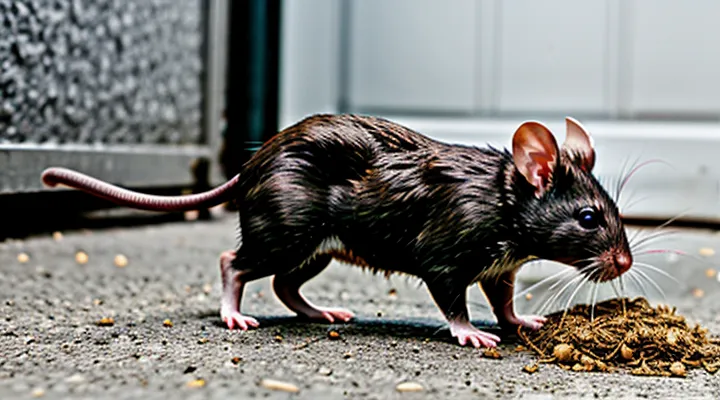
The Miracle of Birth: From Pregnancy to Pups
Gestation Period and Signs
The gestation period for rats averages 21‑23 days, with slight variation depending on strain and environmental conditions. A single pregnancy can produce anywhere from 6 to 14 offspring, and females are capable of conceiving again within a few days after giving birth, allowing multiple litters each year.
Observable indicators that a female rat is pregnant include:
- Gradual increase in abdominal size, noticeable after the second week.
- Enlargement and darkening of the nipples, which become more prominent as the pregnancy progresses.
- Development of nesting behavior, such as gathering bedding material and arranging it in a secluded corner.
- Reduced activity levels and a tendency to spend more time resting.
- Slight increase in food consumption, often accompanied by modest weight gain.
These signs typically emerge sequentially, beginning with subtle changes in behavior and culminating in physical alterations that become evident by the third week of gestation.
Birthing Process and Mother«s Role
Rats give birth after a gestation period of approximately 21‑23 days. A single litter commonly contains 6‑12 pups, though numbers can range from 2 to 20 depending on strain, age and nutrition of the dam. Birth occurs in a nest constructed from shredded material, which the female prepares several days before parturition. The neonates are altricial: eyes remain closed, ears are folded, and they rely entirely on the mother for warmth and nutrition.
The dam’s responsibilities begin immediately after delivery and continue until weaning, typically at 21 days of age. Primary functions include:
- Maintaining nest temperature through body heat and periodic rearrangement of bedding.
- Providing milk by stimulating the pups’ suckling reflex; milk composition changes to meet growth demands.
- Grooming each pup to stimulate circulation and remove debris.
- Protecting the litter from predators, conspecific aggression and environmental stressors.
- Monitoring pup development and adjusting care intensity as offspring mature.
Photographic records of rat litters capture these stages without disturbing natural behavior. Effective imaging requires low‑intensity lighting, minimal handling, and a stable platform to avoid stress. Images taken at consistent intervals illustrate developmental milestones such as fur emergence, ear unfolding and locomotor activity, offering valuable visual data for research and education.
Anatomy and Development of Rat Pups
Newborn Stage: Blind and Helpless
Newborn rats emerge from the womb hairless, eyes sealed, and incapable of independent movement. At birth they weigh between 1.5 and 2.5 g and depend entirely on the dam for warmth, nutrition, and protection.
Sensory development begins immediately after delivery:
- Vision: eyelids open at 10–14 days; prior to that light perception is absent.
- Hearing: auditory cortex matures around 12 days; newborns respond only to tactile stimulation.
- Olfaction: scent detection is functional within hours, guiding pups toward the mother’s nipples.
Motor abilities are limited to reflexive motions. The righting reflex appears at 4 days, while coordinated crawling develops by 7 days. Until these milestones, pups remain immobile on the nest surface and cannot regulate body temperature, relying on the mother’s body heat.
Maternal care compensates for the pups’ deficiencies. The dam provides:
- Thermoregulation: continuous contact maintains a stable nest temperature of 30–32 °C.
- Nutrition: milk delivers essential antibodies, proteins, and fats required for rapid growth.
- Protection: frequent grooming removes waste and stimulates physiological functions such as urination and defecation.
Survival rates correlate directly with the dam’s attentiveness during this vulnerable period. Any disruption—temperature fluctuation, inadequate nursing, or premature separation—significantly increases mortality. Consequently, the early stage is characterized by complete reliance on maternal behavior and the absence of self‑sufficient sensory and motor systems.
Rapid Growth: Eyes Open and First Steps
The early development of newborn rats proceeds at a pace that distinguishes them from many other mammals. Within the first week after birth, the eyes, initially sealed, begin to separate and become responsive to light. By day 10, visual acuity improves enough for the pups to locate the nest entrance and recognize the mother’s silhouette. This ocular milestone coincides with the onset of coordinated locomotion.
Key developmental events during this period include:
- Eye opening: occurs between days 9 and 12; pupils react to changes in illumination.
- First steps: start around day 12; pups experiment with short, tentative movements before achieving stable gait by day 14.
- Scent recognition: simultaneous with visual maturation, the offspring develop the ability to follow the mother’s odor trail, supporting successful foraging and safety.
Rapid growth is reflected in weight gain of approximately 2 g per day, driven by high metabolic demand and frequent nursing. Muscular development follows a predictable pattern: forelimb strength increases first, enabling the pups to cling to the dam, while hind‑limb coordination emerges later, facilitating independent exploration of the nesting area.
These observations, documented through photographic series of litters, provide a reliable framework for assessing normal versus abnormal development in laboratory and pet rat populations.
Weaning and Independence
Rat pups separate from the mother’s milk around day 14‑21, a period known as weaning. During this interval the litter exhibits rapid growth of incisors, increased chewing activity, and a shift from a white, milk‑based diet to solid food. Pup weight typically rises 2‑3 g per day, reflecting efficient nutrient absorption from newly consumed grains, seeds, and laboratory chow.
The transition to independence involves several observable behaviors:
- Exploration of the nest perimeter, followed by brief forays outside the enclosure.
- Increased grooming of littermates, indicating social bonding and hygiene maintenance.
- Development of auditory and olfactory cues that trigger coordinated movement away from the dam.
- Reduction in nursing bouts to less than 10 minutes per session by the third week.
By the fourth week, most rats can locate and consume food without maternal assistance, exhibit self‑regulation of body temperature, and display heightened alertness to predators. Photographic records show a progressive change in fur coloration from the neonatal pink to the adult brown or black, alongside a broader range of motion in the forelimbs and hindlimbs.
Successful weaning correlates with stable ambient temperature (22‑24 °C) and consistent lighting cycles, which support circadian rhythm development. Inadequate nutrition or excessive stress during this stage can delay independence, leading to prolonged reliance on the mother and increased susceptibility to disease.
Diverse Appearances: A Photo Gallery
Coat Colors and Markings
Coat colors and markings provide the most immediate visual cues for identifying individual rat pups within a litter. Photographic documentation captures these traits accurately, allowing comparison across breeding cycles.
Common coat colors include:
- Black: uniform dark pigmentation.
- White: lack of pigment, often with pink eyes.
- Agouti: banded hairs creating a speckled appearance.
- Cinnamon: warm reddish‑brown tone.
- Chocolate: deep brown hue.
- Blue: dilute black resulting in a slate‑gray shade.
- Red: vivid orange‑red coloration.
- Fawn: pale, diluted cinnamon.
Markings describe patterns superimposed on the base color. Typical varieties are:
- Hooded: dark coloration confined to the head and shoulders, lighter body.
- Berkshire: dark ears, mask, and tail with a lighter torso.
- Saddle: dark patch covering the back, resembling a saddle, with contrasting sides.
- Blaze: white or lighter stripe extending from the nose across the forehead.
- Piebald: irregular patches of two contrasting colors, often white and dark.
High‑resolution images reveal subtle gradations in hue and the exact placement of markings, information essential for selective breeding, health monitoring, and record keeping. Consistent photographic records enable breeders to track inheritance patterns and maintain desired phenotypes across generations.
Eye Colors and Variations
Eye coloration in young rats provides a reliable indicator of genetic background and visual appeal for photographic documentation of litters. Pigmentation originates from melanin concentration, distribution of pigment cells, and the presence of structural coloration, resulting in a range of observable hues.
Common eye colors include:
- Black or dark brown – high melanin density, typical of most laboratory and wild‑type strains.
- Red or ruby – low melanin, associated with albino genotypes; vessels appear through the transparent iris.
- Pink – similar to red but with a more translucent appearance, often seen in partial‑albino variations.
- Blue – reduced melanin combined with light scattering, characteristic of certain coat‑color mutations.
- Yellow or amber – moderate melanin with carotenoid‑like reflection, found in specific breeding lines.
Variations arise from:
- Allelic interactions – dominant, recessive, and co‑dominant mutations modify melanin synthesis.
- Polygenic influences – multiple genes contribute to subtle shifts in hue and intensity.
- Environmental factors – lighting conditions during photography can accentuate or diminish perceived color.
Accurate representation of eye color requires consistent illumination, neutral background, and high‑resolution imaging to capture the fine details of iris structure. Selecting appropriate camera settings and post‑processing techniques preserves the authentic appearance of each pup’s eyes, supporting both scientific record‑keeping and visual presentation of the litter.
Breed-Specific Features (if applicable)
Rat litters exhibit distinct characteristics that correspond to the breed of the parents. Recognizing these traits aids breeders, researchers, and hobbyists in accurate identification and health assessment.
- Standard Fancy – newborns display uniform coat colors, smooth fur, and a compact body shape; common patterns include solid, hooded, and broken.
- Dumbo – ears are markedly larger and set lower on the head; pups have a rounded skull and a slightly longer torso.
- Hairless – lack of fur reveals pink or lightly pigmented skin; visible whisker pads and delicate tail are typical.
- Rex – curly, velvety fur covers the entire body; whiskers may appear shorter due to the texture.
- Satin – glossy, reflective fur with a sleek appearance; coat may show a subtle sheen under proper lighting.
- Manx – shortened or absent tail; tail length varies from a few vertebrae to complete absence, easily seen in neonatal photographs.
- Giant – larger body dimensions, longer limbs, and proportionally bigger heads; weight at birth exceeds that of standard breeds.
Photographic records capture these attributes, allowing side‑by‑side comparison across litters. Consistent lighting and scale references in images enhance the reliability of visual assessments.
Care and Handling of Young Rats
Nutritional Needs of Mother and Pups
The mother rat requires a high‑energy diet to sustain milk production for a litter of up to twelve pups. Commercial rodent chow provides a balanced base of protein (18‑20 %), fat (5‑7 %), and essential vitamins and minerals. Supplementary foods such as boiled eggs, cooked lean meat, and small quantities of whole‑grain cereal increase caloric intake without introducing excess sugars. Fresh water must be available at all times to prevent dehydration, which can reduce milk output.
During lactation the mother’s protein demand rises to approximately 30 % of total intake. Amino acids support the synthesis of casein and whey proteins that constitute the bulk of pup nutrition. Calcium and phosphorus levels must be maintained at a ratio near 1.5:1 to ensure proper skeletal development in the offspring. Vitamin D supplementation aids calcium absorption, while vitamin E and selenium protect both dam and pups from oxidative stress.
Pup nutrition depends entirely on the quality and quantity of maternal milk for the first three weeks. Key components delivered through milk include:
- Proteins: 8‑10 % of milk weight, providing essential building blocks.
- Lipids: 7‑9 % of milk weight, supplying long‑chain fatty acids for brain growth.
- Lactose: primary carbohydrate, delivering readily available energy.
- Immunoglobulins: passive immunity transferred to protect against pathogens.
- Minerals: calcium, phosphorus, magnesium, and trace elements for bone and organ development.
After weaning, pups transition to solid food. Introducing the same high‑protein chow used by the mother, along with small pieces of fresh fruit and vegetables, supports continued growth. Monitoring body weight and coat condition confirms that nutritional requirements are being met throughout the developmental period.
Creating a Safe Environment
A safe environment for handling rodent droppings requires strict control of contamination sources, protective equipment, and proper sanitation procedures. Personal protective gear—gloves, disposable gowns, and sealed eye protection—must be worn before any contact with litter. Hand hygiene should be performed immediately after removal of gloves, using an antiseptic solution.
Cleaning protocols must include:
- Collection of droppings with sealed, puncture‑resistant containers.
- Disinfection of surfaces using a 10 % bleach solution or an EPA‑registered rodent pathogen sanitizer.
- Disposal of contaminated materials in double‑bagged, biohazard‑labeled waste for incineration or approved landfill processing.
Ventilation is essential; ensure that work areas are equipped with high‑efficiency particulate air (HEPA) filters and that airflow direction prevents spread of airborne particles. Regular monitoring of air quality, through settled‑dust sampling or aerosol testing, confirms that containment levels remain within acceptable limits.
Training programs should cover identification of hazardous droppings, correct donning and doffing of protective gear, and emergency response steps in case of accidental exposure. Documentation of each cleaning cycle, including date, personnel, and disinfectant concentration, creates an audit trail that supports compliance with health‑safety regulations.
Early Socialization and Handling
Early interaction with newborn rats establishes the foundation for calm, adaptable adults. Handling should begin within the first week after birth, when pups are still dependent on the dam but capable of brief tactile exposure. Short, gentle sessions of 30–60 seconds, three times daily, reduce fear responses and encourage curiosity without disrupting nursing.
Key practices include:
- Warm, clean hands – wash and dry thoroughly; avoid scented soaps that could deter the mother.
- Support the body – cradle the pup under the torso, never lift by the tail, to prevent spinal injury.
- Observe behavior – note ear position, whisker orientation, and coat condition; these visual cues indicate stress or health issues.
- Gradual increase – extend handling time by 10–15 seconds each day, introducing mild stimuli such as a soft brush or a small plastic tube.
- Maintain dam proximity – keep the mother nearby; her presence stabilizes the litter and prevents aggression.
Photographic records of the litter provide measurable markers of development. High‑resolution images reveal coat texture, eye opening progress, and body mass growth. Consistent lighting and scale references allow comparison across handling sessions, confirming that gentle exposure does not impair physical development.
By adhering to these protocols, caretakers achieve a well‑socialized colony, characterized by reduced aggression, efficient grooming, and reliable performance in experimental or pet environments.
Common Issues and Health Concerns
Illnesses Affecting Litters
Newborn rats are vulnerable to a range of infectious and non‑infectious conditions that can compromise survival and growth. Early identification and appropriate management are essential for maintaining healthy litters.
- Streptococcosis – Caused by Streptococcus spp.; presents with lethargy, swollen neck, and respiratory distress. Transmission occurs through contaminated bedding or maternal secretions. Antibiotic therapy with penicillin or ampicillin is effective if administered promptly.
- Salmonellosis – Result of Salmonella infection; symptoms include diarrhea, dehydration, and weight loss. Outbreaks often follow exposure to raw food or unsanitary environments. Treatment combines supportive fluid therapy and appropriate antimicrobials; strict hygiene prevents recurrence.
- Mycoplasma pulmonis – Respiratory pathogen leading to chronic rhinitis, coughing, and otitis. Spread through aerosolized droplets and direct contact. Management relies on tetracycline‑based antibiotics and isolation of affected pups.
- Pneumonia (bacterial or viral) – Manifests as labored breathing, nasal discharge, and reduced activity. Common agents include Klebsiella spp. and Sendai virus. Early antimicrobial intervention and environmental control (temperature, ventilation) reduce mortality.
- Mastitis – Inflammation of mammary glands in the dam, resulting in reduced milk production and secondary starvation of pups. Clinical signs include swollen, painful nipples and abnormal milk. Antibiotic treatment of the mother and supplemental feeding of the litter are required.
- Parasitic infestations – Include mites (Myobia spp.) and pinworms (Syphacia spp.). Infested pups display pruritus, skin lesions, and weight loss. Topical acaricides and anti‑helminthic drugs, coupled with thorough cage cleaning, eliminate parasites.
- Nutritional deficiencies – Deficits in essential fatty acids or vitamins lead to stunted growth and poor coat condition. Ensuring the dam receives a balanced diet and providing supplemental formula for weak pups corrects deficiencies.
Preventive measures encompass regular sanitation of cages, quarantine of new breeding stock, routine health monitoring, and vaccination where available. Maintaining optimal temperature (22‑25 °C) and humidity reduces stress, thereby lowering susceptibility to disease.
Preventing and Addressing Complications
Proper management of rat bedding is essential to avoid health risks and maintain a stable environment. Regular removal of soiled material reduces the buildup of ammonia, which can irritate respiratory passages and increase susceptibility to infections. Implement a schedule that replaces all substrate at least once a week, with more frequent spot cleaning in high‑traffic areas.
Preventive measures include:
- Using low‑dust, absorbent bedding to minimize airborne particles.
- Monitoring humidity levels; keep them below 60 % to discourage mold growth.
- Providing adequate ventilation to disperse odors and gases.
- Conducting weekly visual inspections for clumps, stains, or unusual debris.
When complications arise, immediate corrective actions are required. Identify the source—whether it is excessive waste accumulation, spillage of water, or contamination by food residues. Remove the affected section, disinfect the surface with a rodent‑safe sanitizer, and replace the bedding with fresh material. If respiratory symptoms appear in the animals, isolate the affected individuals and consult a veterinarian for appropriate treatment.
Long‑term control relies on consistent record‑keeping. Log cleaning dates, observed issues, and corrective steps taken. Review the data monthly to adjust cleaning frequency or select alternative substrate types if recurring problems are detected. This systematic approach limits health complications and preserves a clean, functional habitat for the rats.
Recognizing Healthy Development
Evaluating the condition of a newborn rat cohort requires precise observation of physical and behavioral markers. Body mass measured against species‑specific growth curves identifies deviations from expected development. Coat texture, coloration, and the presence of any lesions reveal health status; a smooth, evenly pigmented fur without bald patches indicates normal maturation. Eyes should open between days 13 and 15, and any delay may signal underlying issues.
Feeding behavior offers direct insight into vitality. Pups that actively seek the dam’s nipples and exhibit regular suckling cycles demonstrate adequate nutrition intake. Respiratory rhythm, characterized by steady, quiet breaths, distinguishes healthy respiration from labored effort. Activity levels, including spontaneous locomotion and exploratory crawling, correlate with neuromuscular development.
Key indicators of robust growth:
- Weight gain of 2–3 g per day during the first two weeks.
- Uniform fur covering the entire body by day 10.
- Eye opening by day 14 ± 1.
- Consistent, vigorous suckling sessions lasting 2–3 minutes.
- Absence of audible wheezing or irregular breathing patterns.
The Joys and Responsibilities of Rat Breeding
Ethical Considerations
Photographic documentation of rat offspring raises specific ethical responsibilities that must be addressed before any image collection or analysis begins. Researchers must demonstrate that visual observation directly supports a defined scientific objective and cannot be achieved through less invasive methods. The welfare of the animals takes precedence; handling should be brief, gentle, and performed by trained personnel to minimize stress and prevent injury. Any procedure that could alter maternal behavior or litter development requires justification and approval by an institutional animal care committee.
- Ensure that all visual work complies with the relevant animal use protocols and national regulations.
- Record environmental conditions (temperature, lighting, cage enrichment) to contextualize images without compromising animal well‑being.
- Store photographs securely, restrict access to authorized personnel, and anonymize any identifying information related to the research facility.
- Provide transparent documentation of the methodology, including the number of litters photographed, handling duration, and any interventions performed.
Ethical review boards should evaluate the balance between scientific gain and potential harm, requiring investigators to present a risk–benefit analysis. Continuous monitoring of the litters for signs of distress, coupled with immediate cessation of photography if adverse effects emerge, reinforces the commitment to humane treatment. The final presentation of images must avoid sensationalism, focusing solely on the biological features relevant to the study.
Finding Forever Homes
Photographs of rat litters provide essential visual cues for prospective adopters, allowing them to assess size, coloration, and temperament at a glance. Clear, high‑resolution images paired with concise descriptions of each rat’s personality traits streamline the matching process between animals and owners.
Key steps to secure permanent placements include:
- Publishing a curated gallery that highlights distinctive markings and health indicators.
- Detailing behavioral observations (e.g., activity level, sociability) alongside each photo.
- Offering potential adopters a structured questionnaire to gauge compatibility with their living conditions and experience level.
- Coordinating scheduled meet‑and‑greets in a controlled environment to observe interaction dynamics before finalizing adoption.
Maintaining accurate records of each rat’s lineage and medical history further reassures adopters of responsible breeding practices and long‑term welfare. By integrating visual documentation with transparent information, shelters and breeders increase the likelihood that each rat finds a stable, caring home.
The Emotional Bond with a Litter
Observing a rat litter through photographs reveals the depth of the emotional connection that develops between caretaker and offspring. Visual records capture moments of nursing, grooming, and early play, each reinforcing caregiver attachment. The bond manifests in several observable behaviors:
- Frequent handling of pups, accompanied by gentle vocalizations, signals trust and reduces stress for both parties.
- Consistent monitoring of temperature, humidity, and nutrition demonstrates responsibility and nurtures a sense of security within the litter.
- Recording growth milestones—such as eye opening, fur development, and weaning—provides measurable evidence of progress and strengthens emotional investment.
Scientific observations confirm that caretakers who engage regularly with the litter experience reduced cortisol levels, indicating physiological benefits of the relationship. Simultaneously, rats exposed to consistent, calm interaction exhibit accelerated development and lower mortality rates.
Effective bonding requires:
- Structured interaction schedule, balancing exposure and rest.
- Minimal disturbance during critical periods, such as birth and early feeding.
- Documentation of behavioral changes to adjust care strategies promptly.
By integrating photographic evidence with attentive husbandry, the caretaker cultivates a resilient emotional bond that supports the health and welfare of the rat litter.