
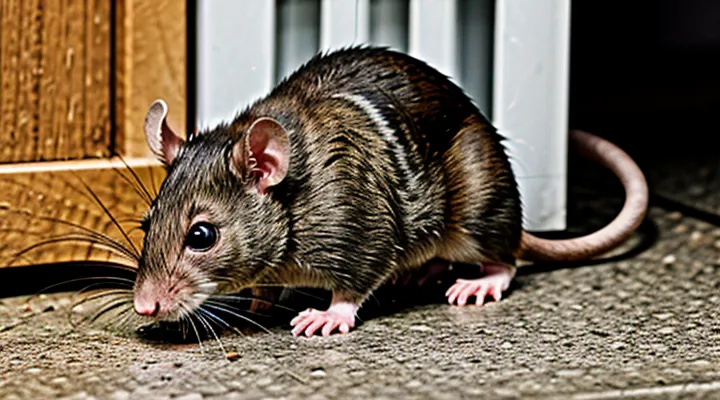
«Understanding Euthanasia for Rats»
«What is Euthanasia?»
«Euthanasia» denotes the intentional, painless termination of a living organism to alleviate suffering. The practice relies on methods that cause rapid loss of consciousness followed by irreversible cessation of vital functions. Veterinary and laboratory guidelines classify acceptable techniques according to species‑specific physiology and ethical standards.
In rodents, euthanasia must achieve three objectives: immediate insensibility, reliable death, and minimal distress for both animal and personnel. Methods approved for rats include:
- Inhalation of a saturated concentration of an anesthetic gas (e.g., isoflurane) until loss of reflexes, then a secondary agent such as carbon dioxide to ensure cardiac arrest.
- Intracardiac injection of a barbiturate overdose, performed after confirmed deep anesthesia.
- Physical destruction of the brain (e.g., captive bolt) followed by immediate secondary confirmation of death.
Selection of a method depends on experimental constraints, equipment availability, and regulatory requirements. Documentation of the procedure, including agent concentrations, exposure times, and verification of death, is mandatory for compliance and reproducibility.
«When is Euthanasia Necessary for a Rat?»
«Chronic Illnesses»
Chronic illnesses in laboratory rats create ethical and procedural challenges for humane termination. Persistent conditions such as renal failure, neoplastic disease, progressive respiratory distress, and neurodegenerative disorders compromise welfare and diminish the reliability of experimental data. When a rat exhibits a chronic ailment, objective criteria—including weight loss exceeding 20 % of baseline, inability to maintain normal grooming, and persistent pain indicators—signal the need for euthanasia.
Assessment protocols require regular health monitoring, documentation of clinical signs, and veterinary evaluation. A decision matrix may include:
- Diagnosis of a progressive disease confirmed by diagnostic imaging or pathology.
- Evidence of irreversible decline in physiological function.
- Failure of supportive care to restore baseline quality of life.
Once criteria are satisfied, the selected method must ensure rapid loss of consciousness and minimal suffering. Preferred techniques involve overdose of an approved anesthetic agent administered via intraperitoneal injection, followed by secondary confirmation of death through cessation of cardiac activity. Documentation of drug dosage, route, and time of administration is essential for compliance with institutional animal care guidelines.
Post‑procedure considerations involve proper carcass disposal, review of the chronic condition’s impact on study outcomes, and implementation of preventative measures to reduce future incidence of similar illnesses. Continuous refinement of health surveillance and humane endpoints supports both scientific integrity and animal welfare.
«Severe Injuries»
Severe injuries in rats present immediate welfare concerns that require prompt evaluation. Indicators include extensive tissue loss, uncontrolled bleeding, fractured limbs, spinal damage, or organ rupture. Such conditions compromise physiological stability and often preclude recovery.
Assessment must be objective and repeatable. Observe the animal for loss of consciousness, unresponsive reflexes, and rapid deterioration of vital signs. Record injury location, depth, and associated hemorrhage. When multiple criteria align, the situation qualifies as a critical injury demanding humane termination.
Decision-making prioritizes the avoidance of prolonged suffering. If injuries meet the defined thresholds, euthanasia should be performed without delay. Deliberation should consider the likelihood of successful treatment, the animal’s pain level, and ethical obligations to minimize distress.
Recommended procedures for humane termination of severely injured rats:
- Prepare an approved anesthetic agent (e.g., isoflurane) to induce deep unconsciousness.
- Verify loss of reflexes before proceeding to the secondary method.
- Apply a rapid, irreversible technique such as cervical dislocation or a penetrating captive bolt, ensuring immediate cessation of brain activity.
- Confirm death by checking for absence of heartbeat and respiratory movements.
- Document the method, time, and personnel involved for compliance records.
Adhering to these steps ensures that rats suffering from «severe injuries» receive swift and compassionate care consistent with best practice standards.
«Untreatable Pain»
Untreatable pain in laboratory rats represents a condition where analgesic therapy fails to alleviate suffering. Persistent nociceptive signals, unresponsive to multimodal analgesia, indicate a threshold beyond humane intervention.
Clinical assessment relies on observable metrics: reduced mobility, abnormal grooming, facial expression changes, and altered feeding behavior. Continuous monitoring of these parameters enables early identification of refractory pain states.
When pain remains refractory, euthanasia becomes the ethically mandated response. Decision criteria include documented analgesic failure, progression of disease, and inability to restore quality of life.
The euthanasia protocol for rats experiencing «Untreatable Pain» follows these steps:
- Administer a rapid‑acting barbiturate agent (e.g., sodium pentobarbital) at a dose of 150 mg/kg intraperitoneally.
- Verify loss of consciousness within 30 seconds by absence of righting reflex.
- Confirm cessation of cardiac activity through auscultation before disposal.
All procedures must adhere to institutional animal care guidelines and be performed by trained personnel to ensure a humane end‑point.
«Quality of Life Assessment»
Assessing the quality of life of laboratory rats determines the ethical timing of humane termination. The evaluation captures physical condition, behavioral patterns, and pain indicators to ensure that euthanasia occurs only when suffering outweighs any remaining welfare benefits.
Key indicators include:
- Body weight stability or loss
- Grooming frequency and coat condition
- Mobility and gait abnormalities
- Food and water intake
- Vocalization or grimace responses
- Disease‑specific symptoms such as tumor burden or respiratory distress
Standardized scoring systems translate observations into numerical values. Each parameter receives a rating from 0 (normal) to 3 (severe), with cumulative scores guiding clinical judgment. Assessments should be performed at consistent intervals—typically daily for acute conditions and weekly for chronic studies—to track trends rather than isolated measurements.
Decision thresholds are defined by predetermined score limits. When the total exceeds the established cutoff, or when any single parameter reaches the maximum severity, immediate euthanasia is warranted. Documentation of scores, observer identity, and supporting clinical notes provides accountability and facilitates review by institutional animal care committees.
«Ethical Considerations»
«Minimizing Suffering»
Minimizing suffering during rodent euthanasia requires precise preparation, appropriate agent selection, and diligent monitoring.
Prior to the procedure, assess each animal’s health status, weight, and stress level. Allow a brief acclimation period in a calm environment to reduce anxiety. Handle gently, using restraint methods that avoid excessive pressure or pain.
Select a euthanasia agent that provides rapid loss of consciousness followed by swift cessation of cardiac activity. Preferred agents include injectable barbiturates such as sodium pentobarbital, administered at a dose of 150 mg kg⁻¹ intraperitoneally, or inhalant anesthetics like isoflurane delivered to a surgical plane before overdose. Ensure the solution is at body temperature to prevent thermal shock.
Administer the agent with the following technique:
- Position the rat on a flat surface, head slightly elevated.
- Use a 25‑gauge needle for intraperitoneal injection, inserting at a 30‑degree angle to avoid organ puncture.
- Deliver the calculated volume in a single, smooth motion to prevent tissue trauma.
Observe physiological indicators immediately after injection. Loss of righting reflex, absence of corneal reflex, and cessation of breathing confirm deep unconsciousness. Record the time interval from injection to confirmed death; a period of 2–3 minutes indicates effective agent performance.
After confirmation, perform secondary verification by checking for a lack of heartbeat using a stethoscope. Dispose of carcasses according to institutional biohazard protocols, and sterilize all equipment to prevent cross‑contamination. Document the agent, dose, administration route, and time stamps for each case to maintain accountability and facilitate continuous improvement.
«Informed Decision-Making»
Informed decision‑making requires a clear assessment of clinical indications, ethical considerations, and procedural options before initiating humane termination of rats. The decision‑maker must evaluate the animal’s health status, the likelihood of recovery, and the potential for suffering. Objective criteria, such as irreversible organ failure, uncontrolled pain, or severe disease progression, provide a factual basis for the choice. Ethical frameworks, including the principle of minimizing distress and adhering to institutional animal‑care policies, guide the moral justification.
Procedural selection follows from the assessment. Commonly accepted methods include:
- Inhalant agents (e.g., isoflurane) administered to achieve deep anesthesia before overdose injection.
- Injectable agents (e.g., sodium pentobarbital) delivered at a dosage calculated per body weight.
- Physical methods (e.g., cervical dislocation) performed only by trained personnel when chemical options are unavailable.
Each method demands verification of efficacy through observable loss of reflexes and cessation of cardiac activity. Documentation of the decision‑making process, including the rationale, chosen method, and post‑procedure confirmation, ensures accountability and compliance with regulatory standards. The use of French quotation marks can highlight key references, such as «The AVMA Guidelines for the Euthanasia of Animals» and «Institutional Animal Care and Use Committee (IACUC) policies».
«The Owner’s Emotional Well-being»
Euthanizing a pet rat generates intense grief for the caretaker, often manifesting as guilt, sadness, and self‑questioning. Recognizing these reactions prevents prolonged distress and supports healthy adjustment.
- Allow a period of quiet reflection immediately after the procedure.
- Record personal thoughts in a journal to externalize emotions.
- Share the experience with trusted friends or online communities familiar with small‑animal loss.
- Engage in physical activity, such as a brief walk, to reduce physiological stress responses.
Professional guidance offers structured support. Veterinary clinicians may provide brief counseling, while licensed therapists specialize in animal‑related bereavement. Access to grief‑focused literature and crisis hotlines adds additional layers of assistance.
After the euthanasia, maintain a respectful memorial routine. Preserve a favorite toy, photograph, or a small keepsake in a designated area. Dispose of the body according to local regulations, ensuring the process aligns with personal values. Consistent follow‑up with supportive resources reinforces emotional resilience and facilitates gradual healing.
«Methods of Euthanasia»
«Veterinarian-Administered Euthanasia»
«Injectable Anesthetics and Euthanasia Solutions»
The administration of injectable anesthetics before euthanasia ensures loss of consciousness and minimizes distress in laboratory rats. Selecting agents with rapid onset, predictable depth, and reliable reversal facilitates humane endpoints.
Common injectable anesthetic protocols include:
- Ketamine (50–100 mg kg⁻¹) combined with xylazine (5–10 mg kg⁻¹) administered intraperitoneally.
- Medetomidine (0.1 mg kg⁻¹) with ketamine (50 mg kg⁻¹) intraperitoneally.
- Isoflurane induction followed by intraperitoneal injection of a short‑acting barbiturate for terminal procedures.
Euthanasia solutions approved for rodents consist primarily of pentobarbital sodium at concentrations of 150–200 mg ml⁻¹. Recommended dosing is 200 mg kg⁻¹ delivered intravenously or intracardiacally after confirming deep anesthesia. Alternative formulations may contain a combination of pentobarbital and phenytoin to reduce the risk of convulsions.
Proper technique requires:
- Verification of anesthetic depth through lack of reflexes before injection.
- Use of a sterile 1‑ml syringe with a 25‑gauge needle to minimize tissue trauma.
- Injection at a site free of adipose tissue to ensure rapid systemic absorption.
- Immediate monitoring for apnea and cessation of cardiac activity.
- Disposal of carcasses and sharps according to institutional biosafety protocols, with liquid waste deactivated by alkaline solution before disposal.
Adherence to these guidelines under the scope of «Injectable Anesthetics and Euthanasia Solutions» supports ethical research practices and complies with regulatory standards.
«Pros and Cons of Professional Euthanasia»
Professional euthanasia for laboratory or pet rodents offers distinct advantages and notable drawbacks that influence decision‑making.
Advantages include rapid loss of consciousness, minimizing physiological stress and reducing the risk of accidental injury to personnel. Certified practitioners follow standardized protocols, ensuring compliance with ethical guidelines and legal requirements. Consistent dosage calculations lower the probability of under‑dosing, which can prolong suffering. Documentation generated by qualified providers supports traceability and accountability, facilitating audit processes and research reproducibility.
Disadvantages involve higher financial cost compared to self‑administered methods. Dependence on external specialists may introduce scheduling delays, potentially extending the period before humane termination. Limited availability of trained professionals in remote locations can restrict access. Additionally, reliance on third‑party services may raise concerns about confidentiality and animal‑owner preferences.
Key considerations for selecting professional services:
- Cost‑benefit analysis relative to budget constraints.
- Timing requirements dictated by experimental protocols or health status.
- Availability of accredited providers within the required geographic area.
- Alignment with institutional animal‑care policies and ethical review board recommendations.
Balancing these factors enables informed choices that prioritize animal welfare while respecting operational constraints.
«At-Home Euthanasia (Cautionary Note)»
«Carbon Dioxide (CO2) Euthanasia (Considerations and Risks)»
Carbon dioxide (CO₂) euthanasia is widely employed for laboratory rats due to its rapid induction of unconsciousness and compliance with many regulatory guidelines. The method relies on a gradual increase of CO₂ concentration within a sealed chamber, leading to hypoxia and subsequent loss of consciousness. Proper execution demands precise control of flow rate, chamber volume, and exposure duration to minimize distress and ensure humane outcomes.
Key considerations include:
- Flow rate should not exceed 30 % of the chamber volume per minute; higher rates can cause nociceptive responses before unconsciousness.
- Gradual concentration rise, typically reaching 70 % CO₂, allows for loss of righting reflex without triggering panic or vocalization.
- Continuous monitoring of animal behavior and physiological signs (e.g., loss of posture, cessation of movement) confirms the onset of unconsciousness.
- Immediate cessation of gas flow after confirmed unconsciousness prevents prolonged exposure and potential tissue damage.
Risks associated with CO₂ euthanasia encompass:
- Activation of chemoreceptor pathways that may produce aversive sensations, potentially compromising the humane aspect of the procedure.
- Incomplete euthanasia if flow parameters are inadequate, leading to prolonged hypoxia and possible pain.
- Residual gas exposure to personnel, requiring adequate ventilation and personal protective equipment to avoid respiratory irritation.
Adherence to calibrated equipment, documented protocols, and post‑procedure verification ensures that CO₂ euthanasia remains a reliable, ethically acceptable method for rat termination in research settings.
«Proper Setup for CO2 Chambers»
Proper configuration of carbon‑dioxide euthanasia chambers ensures rapid, humane loss of consciousness in laboratory rats. The chamber must accommodate the animal’s size without excessive space, preventing prolonged exposure to low gas concentrations. Transparent, non‑porous material such as acrylic or polycarbonate allows visual monitoring while maintaining airtight integrity.
Key components include a calibrated CO₂ source, a high‑precision flow regulator, an exhaust vent, and a continuous gas‑concentration monitor. The regulator should deliver a flow rate of 30 %‑50 % of the chamber volume per minute, as recommended by veterinary guidelines. The monitor must display real‑time CO₂ levels and trigger an alarm if concentrations fall outside the target range.
- Verify chamber seals; apply silicone gaskets where joints meet.
- Install the flow regulator on the inlet line; test for leaks with soapy water.
- Position the gas‑concentration probe at animal head height for accurate readings.
- Connect the exhaust vent to a certified scavenging system; ensure negative pressure prevents gas escape.
- Program the regulator to achieve the desired flow rate; record the initial setting.
During operation, introduce the rat into the chamber, close the lid securely, and start the CO₂ flow. Observe the concentration gauge; maintain the target range until the animal exhibits loss of reflexes, typically within 2–3 minutes. After confirming death, ventilate the chamber with fresh air before removal of the carcass. Regular calibration of the flow regulator and gas monitor preserves reliability across repeated procedures.
«Safety Precautions for CO2 Use»
When carbon dioxide (CO₂) is employed to humanely terminate rats, strict safety measures protect both personnel and surrounding animals. The gas must be supplied from a calibrated regulator to maintain the intended concentration, typically 70 %–100 % CO₂ in the chamber. Continuous monitoring with a digital sensor verifies that the target level is achieved and sustained throughout the procedure.
- Verify that the chamber is sealed and free of leaks before introducing CO₂.
- Use personal protective equipment: goggles, nitrile gloves, and a lab coat resistant to gas permeation.
- Install an exhaust ventilation system to prevent accumulation of CO₂ in the laboratory environment.
- Position the gas source outside the immediate work area, employing a flexible, chemically compatible hose.
- Conduct a pre‑procedure risk assessment, documenting emergency shutdown steps and the location of a CO₂ fire extinguisher.
- Store CO₂ cylinders upright, secured with a chain or strap, and keep them away from heat sources.
Documentation of each euthanasia session, including CO₂ concentration, exposure duration, and verification of death, ensures compliance with ethical standards and facilitates review by oversight committees. Regular maintenance of regulators, sensors, and ventilation components preserves system integrity and reduces the likelihood of accidental exposure.
«Over-the-Counter Medications (Not Recommended)»
When considering humane termination of laboratory rats, the temptation to employ readily available medications often arises. The category identified as «Over-the-Counter Medications (Not Recommended)» fails to meet established veterinary standards for euthanasia.
Key drawbacks include:
- Unreliable potency leading to sub‑therapeutic dosing.
- Induction of prolonged distress rather than rapid loss of consciousness.
- Absence of regulatory approval for use in rodents.
- Potential contamination of the animal facility environment.
- Legal exposure for personnel administering unapproved substances.
Approved alternatives provide predictable outcomes and comply with ethical guidelines. Injectable agents such as sodium pentobarbital, administered at calculated dosages, achieve swift unconsciousness followed by cardiac arrest. Inhalant gases, notably carbon dioxide delivered at controlled flow rates, also meet criteria for humane cessation when performed correctly. Both methods are documented in veterinary reference manuals and endorsed by institutional animal care committees.
«Other Methods (Highly Discouraged and Potentially Inhumane)»
Alternative approaches to rat euthanasia exist, yet professional guidelines classify them as highly discouraged because they often cause unnecessary distress. The following methods illustrate common practices that fail to meet accepted standards of humane termination.
- Carbon dioxide exposure without proper flow‑rate control. Rapid influx creates severe respiratory irritation, leading to panic and prolonged suffering.
- Physical trauma such as blunt force or cervical dislocation performed without verified proficiency. Inconsistent execution results in incomplete loss of consciousness and possible pain.
- Drowning in water or other liquids. The animal experiences suffocation, triggering intense physiological stress before loss of consciousness.
- Freezing in a refrigerated environment. Gradual temperature decline induces hypothermia, a process that can extend the period of awareness and discomfort.
- Chemical agents administered orally or via injection without veterinary oversight. Dosage errors or unsuitable compounds may cause prolonged convulsions or organ failure before death.
Each listed technique carries a substantial risk of violating the principle of rapid, painless cessation. Evidence indicates that animals subjected to these methods display behavioral and physiological markers of distress, including vocalization, frantic movement, and elevated stress hormones. Moreover, regulatory bodies in many jurisdictions consider such practices non‑compliant with animal welfare legislation, exposing institutions to legal and ethical repercussions.
Adherence to validated protocols—such as approved inhalant anesthetic systems, properly calibrated carbon dioxide chambers, or injectable barbiturates administered by qualified personnel—remains the only reliable pathway to ensure humane outcomes. Institutions are urged to align procedures with recognized standards, document each step, and provide training that eliminates reliance on the discouraged methods outlined above.
«Preparing for Euthanasia»
«Consulting with a Veterinarian»
Consultation with a qualified veterinarian is a prerequisite for humane rat euthanasia. A professional assessment confirms that the chosen method complies with veterinary standards, minimizes distress, and respects legal regulations.
Key points to address during the veterinary appointment include:
- Confirmation of the rat’s health status and eligibility for euthanasia.
- Selection of an appropriate drug or technique (e.g., injectable barbiturate, inhalant anesthetic).
- Determination of dosage based on the animal’s weight and species‑specific guidelines.
- Guidance on pre‑euthanasia handling to reduce stress.
- Instructions for post‑procedure disposal of carcass and hazardous materials.
Veterinarians provide documentation that may be required for shelters, research facilities, or regulatory bodies. Their expertise ensures that the procedure aligns with ethical best practices and avoids complications such as incomplete loss of consciousness or prolonged suffering. Direct adherence to veterinary recommendations upholds the highest standards of animal welfare.
«Creating a Peaceful Environment»
A tranquil setting reduces stress for both the animal and the practitioner during humane rat euthanasia. Calm lighting, minimal noise, and a clean, uncluttered workspace contribute to a stable atmosphere.
Key elements of a peaceful environment include:
- Soft, indirect lighting to avoid glare.
- Background noise limited to low‑volume ambient sounds or silence.
- Temperature maintained within the species‑appropriate range (approximately 20–24 °C).
- Surfaces disinfected and free of strong odors.
- Equipment arranged to allow smooth, uninterrupted workflow.
Implementation steps:
- Prepare the room in advance, removing extraneous items that could generate visual or auditory disturbances.
- Verify that ventilation provides fresh air without creating drafts that may alarm the animal.
- Position the euthanasia apparatus on a stable surface, ensuring all necessary supplies are within arm’s reach.
- Introduce the rat gently, allowing a brief acclimation period before proceeding.
- Maintain a steady, soothing voice if verbal communication is required, avoiding sudden tonal shifts.
Following these guidelines establishes «Creating a Peaceful Environment», thereby supporting a humane and efficient procedure.
«Handling and Comforting Your Rat»
The process of preparing a rat for a humane end requires calm, precise handling and immediate comfort measures. Gentle contact reduces panic, stabilizes heart rate, and facilitates the subsequent procedure.
Key handling techniques:
- Approach the cage slowly, allowing the rat to see the hand before contact.
- Place one hand under the chest, the other supporting the hindquarters, creating a secure yet relaxed grip.
- Maintain the animal’s body alignment to prevent spinal strain.
- Keep movements smooth; abrupt actions trigger stress hormones.
Comforting actions before and during the procedure:
- Ensure a quiet, dimly lit area to limit sensory overload.
- Provide a familiar bedding surface; replace with soft, temperature‑controlled material if needed.
- Speak in a low, steady tone; the sound of the caretaker’s voice can have a soothing effect.
- Apply a warm, moist cloth to the paws for a brief period, offering tactile reassurance.
Restraint considerations:
- Use a soft, flexible towel or a specialized small‑animal restrainer that distributes pressure evenly.
- Avoid excessive force; the goal is to keep the rat immobile without causing pain.
- Monitor respiration continuously; any signs of distress indicate the need for immediate adjustment.
Final checklist:
- Prepare a calm environment.
- Approach and secure the rat with a balanced grip.
- Apply comforting stimuli (temperature, scent, voice).
- Verify that restraint is gentle and effective.
- Proceed with the euthanasia technique according to veterinary guidelines.
Adhering to these steps maximizes the rat’s comfort, minimizes physiological stress, and supports an ethical conclusion to the animal’s life.
«The Euthanasia Process»
«During the Procedure»
The practitioner must wear disposable gloves, a mask, and eye protection before contacting the animal. All equipment, including the euthanasia agent and delivery device, should be inspected for integrity and calibrated according to manufacturer specifications. The work area should be ventilated and free of distractions.
During the injection phase, follow these steps:
- Verify the correct concentration of the anesthetic or barbiturate solution.
- Calculate the dose based on the rat’s body weight, using the formula dose = mg × kg⁻¹.
- Load the syringe with the exact volume required; avoid air bubbles.
- Restrain the animal gently but securely, minimizing stress.
- Insert the needle into the appropriate site—commonly the lateral tail vein or the intraperitoneal cavity—ensuring proper depth and angle.
- Deliver the solution steadily, observing for resistance or leakage.
After administration, monitor the rat for loss of righting reflex, cessation of breathing, and absence of corneal reflex. Continue observation for at least five minutes to confirm irreversible loss of consciousness. If reflexes persist, repeat the dose according to the same calculation method.
When death is confirmed, proceed with disposal. Place the carcass in a sealed biohazard bag, label it with the date and method of euthanasia, and transfer it to an approved incineration or deep‑freezing facility. Clean and disinfect all instruments and surfaces according to institutional biosafety protocols. Documentation of the procedure, including agent, dose, and time of death, should be recorded in the laboratory logbook.
«Recognizing Signs of Passing»
When a rat approaches the end of life, observable indicators allow caregivers to confirm that euthanasia is imminent and to act with appropriate timing. Recognizing these signs prevents unnecessary prolongation of distress and ensures that the procedure is carried out with precision.
Key physiological and behavioral cues include:
- Diminished responsiveness to stimuli; the animal shows little or no reaction to gentle touch or sound.
- Altered respiration: shallow, irregular breathing or prolonged pauses between breaths.
- Loss of muscle tone; the body becomes limp, and the rat may assume a recumbent posture.
- Reduced or absent grooming behavior; fur appears unkempt and may become matted.
- Decreased mobility; attempts to move result in weak, uncoordinated steps or complete inability to stand.
- Darkened or sunken eyes; the sclera may appear opaque, and the pupils become fixed.
- Noticeable weight loss; abdominal cavity appears sunken, and ribs become visible.
- Decreased appetite and water intake; the rat ignores offered food and water for an extended period.
Additional observations can reinforce the assessment:
- Vocalization changes; the animal emits faint or absent sounds.
- Temperature drop; extremities feel cooler to the touch compared to normal body heat.
- Abnormal excretory patterns; feces may become dry or absent.
By systematically monitoring these parameters, practitioners can accurately determine when a rat is nearing the end of its natural course. Prompt identification of «Recognizing Signs of Passing» facilitates humane intervention and aligns with best practices for rodent end‑of‑life care.
«After Euthanasia»
«Coping with Grief»
Coping with grief after humane termination of laboratory rats requires deliberate emotional management. Recognizing the psychological impact of ending an animal’s life helps maintain professional integrity and personal well‑being.
Effective strategies include:
- Structured debriefing with colleagues to discuss procedural outcomes and emotional reactions.
- Access to counseling services specialized in animal‑related loss.
- Implementation of reflective journaling, noting specific feelings and observations without judgment.
- Allocation of scheduled breaks between procedures to prevent cumulative stress.
Professional guidelines recommend documenting each euthanasia event, noting both technical details and any emotional responses. This record supports pattern identification and informs targeted support interventions.
«Grief is a natural response to loss»; acknowledging this truth allows the practitioner to channel emotions into improved practice, ensuring that future procedures remain both ethically sound and psychologically sustainable.
«Memorializing Your Pet»
Memorializing a pet after humane end‑of‑life care provides closure and honors the animal’s role in the household. The process begins with selecting a physical reminder. Options include:
- Engraved plaque or stone placed in a garden or indoor space.
- Personalized photo frame displaying a favorite image.
- Custom jewelry containing a small portion of the pet’s fur or ash.
Next, consider creating a written tribute. A brief note describing memorable behaviors, dates, and the pet’s personality can be stored in a scrapbook or digital file. Recording a voice‑over or video montage adds auditory and visual depth to the remembrance.
Preserving a scent can reinforce emotional connection. A few drops of essential oil applied to a cloth placed near the memorial site evoke familiar aromas without overwhelming the environment.
Finally, integrate the memorial into routine activities. Lighting a candle during quiet evenings, offering a small treat to a new pet, or pausing to reflect at the chosen spot reinforces the significance of the loss and supports the grieving process.
«Disposal or Burial Options»
After a humane rodent euthanasia procedure, the final step involves removing the carcass in a manner that prevents disease transmission, respects local regulations, and minimizes environmental impact. Two primary pathways exist: burial and alternative disposal methods.
-
« Burial »
• Select a site at least three feet below the surface, away from water sources and food storage areas.
• Encase the body in a biodegradable container or heavy-duty plastic bag to deter scavengers.
• Cover with compacted soil and mark the location for future reference. -
« Cremation »
• Use a dedicated small‑scale cremation unit designed for laboratory or veterinary waste.
• Ensure complete combustion to eliminate pathogens.
• Dispose of ash in a sealed container, following local hazardous waste guidelines. -
« Landfill disposal »
• Place the carcass in an approved biohazard bag, sealed tightly.
• Label the package with appropriate hazard symbols.
• Deliver to a licensed medical waste landfill; avoid regular municipal trash. -
« Composting » (where permitted)
• Incorporate the body into a high‑temperature compost system, maintaining temperatures above 55 °C for at least three days.
• Monitor moisture and aeration to achieve rapid decomposition.
• Verify that local health authorities allow animal remains in compost streams.
Compliance with municipal ordinances, veterinary regulations, and institutional policies is mandatory for all options. Documentation of the chosen method, including date, location, and responsible party, should be retained for audit purposes. Proper execution of these disposal or burial practices ensures biosecurity, legal conformity, and ethical stewardship of animal remains.