
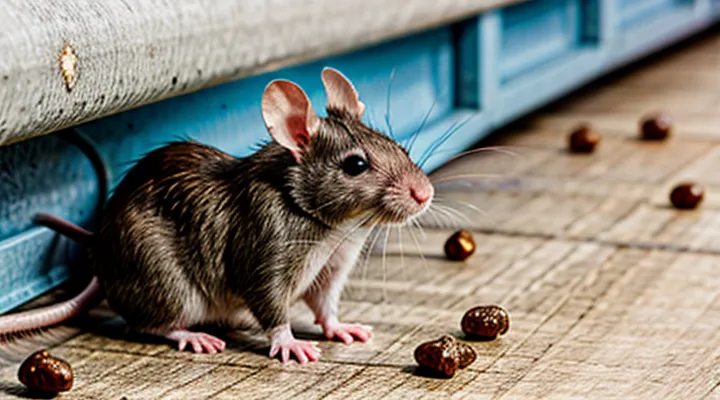
Understanding Rat Droppings
What are Rat Droppings?
Rat droppings are small, cylindrical fecal pellets produced by the common Norway rat (Rattus norvegicus) and related species. Typical dimensions range from 0.3 cm to 0.6 cm in length and 0.1 cm to 0.2 cm in diameter. Fresh pellets appear dark brown to black, become lighter as they age, and retain a firm, slightly glossy texture. The exterior surface is smooth, lacking the ridges or spines found in some other rodent droppings.
Identification of «rat droppings» provides essential information for pest‑management decisions and public‑health assessments. Presence indicates active infestation, potential contamination of foodstuffs, and increased risk of disease transmission through pathogens such as hantavirus, leptospirosis, and salmonella.
Key characteristics for accurate assessment include:
- Length: 3–6 mm distinguishes rat pellets from mouse droppings, which are typically under 3 mm.
- Shape: Uniformly cylindrical, with rounded ends; deviation may suggest other species.
- Color: Dark brown to black when fresh; gradual lightening signals exposure to air and age.
- Consistency: Firm and intact; fragmentation indicates moisture exposure or advanced decomposition.
- Odor: A faint, musky scent may be detectable; strong ammonia odor suggests urine contamination.
- Location: Concentrations near food storage, burrow entrances, or along walls point to active nesting sites.
- Clustering pattern: Small piles (5–10 pellets) often accompany a single rat, while larger accumulations imply multiple individuals.
Understanding these attributes enables precise evaluation of infestation severity and informs targeted control measures.
Why is Proper Assessment Crucial?
Accurate evaluation of rodent fecal material protects public health by identifying pathogenic agents such as Salmonella, Leptospira and hantavirus. Early detection prevents outbreaks, reduces medical expenses and limits operational downtime.
Proper assessment also ensures compliance with health‑safety regulations. Agencies require documented evidence of contamination levels; failure to provide reliable data can result in fines, license suspension or legal action.
Economic considerations reinforce the need for precise analysis. Targeted remediation, guided by validated results, optimizes resource allocation and avoids unnecessary extensive decontamination procedures.
Key reasons for rigorous evaluation:
- Confirmation of disease‑causing microorganisms
- Verification of regulatory standards compliance
- Informed decision‑making for remediation strategies
- Minimization of financial loss through focused interventions
Neglecting thorough assessment compromises safety, violates legal obligations and inflates remediation costs.
Identifying Rat Droppings
Characteristics of Rat Droppings
Size and Shape
Understanding the dimensions of rodent feces provides a reliable indicator of species presence. Typical rat excrement measures between 10 mm and 20 mm in length, with a width of 2 mm to 5 mm. Lengths exceeding 20 mm often suggest larger species such as a Norway rat, while lengths under 10 mm may point to a house mouse.
The form of the droppings is characteristically cylindrical, tapering toward one end. A smooth, glossy surface accompanies the cylindrical shape, distinguishing it from the more pointed, irregular pellets of squirrels. When moisture is low, the droppings retain a firm texture; high humidity may cause slight flattening but does not alter the fundamental cylindrical profile.
Key comparative traits:
- Length > 15 mm, width > 3 mm → larger rat species.
- Length < 12 mm, width < 3 mm → smaller rodent or mouse.
- Uniform taper → rat; irregular edges → other mammals.
- Glossy surface → rat; matte or crumbly → non‑rat.
Practical assessment steps:
- Collect a sample with gloves to avoid contamination.
- Measure length and width using a calibrated ruler or calipers.
- Observe the overall contour; note tapering and surface texture.
- Compare measurements and shape with the reference criteria listed above.
Accurate interpretation of «size» and «shape» reduces misidentification, supporting effective pest‑management decisions.
Color and Texture
Rat droppings provide immediate clues about health status and infestation level. Accurate interpretation begins with visual examination of color and texture, which together indicate diet, disease presence, and environmental conditions.
Typical color range spans from dark brown to black, reflecting normal rodent metabolism. Lighter shades—gray, yellow, or reddish—often signal dietary changes, liver dysfunction, or blood contamination. Unusual hues such as green or white suggest ingestion of foreign materials or fungal growth.
Texture assessment distinguishes viable specimens from degraded material. Fresh feces feel moist, slightly pliable, and retain a defined shape. Dry droppings become brittle, crumble easily, and lose structural integrity. A gelatinous coating may indicate high moisture content or the presence of mucus, while a greasy surface suggests excess fat in the diet.
Key observations:
- Dark, uniform color + moist, firm texture → healthy, recent deposition.
- Light or discolored pellets + dry, crumbly texture → possible illness or environmental exposure.
- Presence of blood stains, mucus, or fungal growth → immediate investigation required.
Differentiating from Other Pests
Mouse Droppings
Mouse droppings are small, dark, cylindrical pellets measuring 3–6 mm in length and 0.5–1 mm in width. Fresh specimens exhibit a moist sheen, while older droppings become dry, brittle, and may crack along the length. The typical shape includes rounded ends and a smooth surface, distinguishing them from the larger, more robust rat feces.
Key identification points include:
- Length: 3–6 mm
- Width: 0.5–1 mm
- Color: black to brown, sometimes with a reddish tint
- Consistency: moist when fresh, dry and crumbly after several days
- Location: near food sources, nesting areas, and along walls or baseboards
Mouse droppings can transmit pathogens such as hantavirus, salmonella, and leptospirosis. Inhalation of aerosolized particles from dried feces poses a respiratory risk, while direct contact may cause gastrointestinal infection. Prompt detection limits exposure and guides remediation efforts.
A systematic assessment proceeds as follows:
- Conduct a visual sweep of suspected zones, focusing on corners, cabinets, and concealed spaces.
- Collect representative samples using disposable gloves and a sealed container; avoid crushing specimens to preserve integrity.
- Record measurements, color, and moisture level for each sample.
- Submit specimens to a certified laboratory for pathogen analysis if health concerns arise.
- Document findings in a concise report, noting concentration levels and recommended actions.
Effective mitigation requires thorough cleaning with a disinfectant approved for rodent contamination. Remove all droppings, then apply an EPA‑registered sanitizer to the affected area. Seal entry points, eliminate food and water sources, and install traps to prevent recurrence. Continuous monitoring after intervention confirms the success of the control measures.
Bat Droppings
Bat droppings frequently appear in environments where rodent activity is investigated, requiring clear differentiation from rat excreta. Accurate identification prevents misinterpretation of contamination sources and guides appropriate remediation.
Key identification features include:
- Length 1–2 cm, markedly smaller than typical rat feces.
- Cylindrical shape with pointed ends, often resembling a tiny pencil.
- Dark brown to black coloration, sometimes with a glossy surface.
- Distinct, acrid odor that intensifies when moist.
- Presence of fine, hair‑like filaments resulting from wing membranes.
Health considerations differ from those associated with rodent droppings. Bat guano can harbor fungi such as Histoplasma capsulatum, bacteria including Leptospira spp., and viral agents like rabies‑related lyssaviruses. Inhalation of aerosolized particles poses respiratory risk, while direct contact may lead to skin irritation or infection.
Assessment protocol:
- Collect specimens using nitrile gloves and sterile containers, avoiding cross‑contamination with other debris.
- Preserve samples at 4 °C if laboratory analysis will occur within 24 hours; otherwise, freeze at ‑20 °C.
- Submit material for microscopic examination to confirm morphology and for culture or PCR testing to detect pathogenic organisms.
- Compare findings with established rat droppings criteria to verify source attribution.
Control measures focus on habitat exclusion and sanitation. Seal entry points such as roof vents and eaves, install bat‑friendly exclusion devices, and maintain regular cleaning of attics and crawl spaces. Documentation of bat droppings alongside rodent evidence supports comprehensive pest‑management planning.
Cockroach Droppings
Cockroach feces, commonly called frass, appear as small, cylindrical pellets measuring 1–3 mm in length. The color ranges from dark brown to black, often with a glossy surface. Unlike rodent droppings, which are larger and rod‑shaped, cockroach frass is uniform in size and shape, making visual identification straightforward.
Key characteristics for proper assessment:
- Size: 1–3 mm, consistent across specimens.
- Shape: cylindrical, slightly tapered at ends.
- Texture: dry, brittle, may crumble when handled.
- Distribution: found near food sources, in cracks, behind appliances, and within insulation.
Health implications stem from the potential presence of allergens, bacterial pathogens, and fungal spores. Frass can trigger asthma attacks and allergic reactions, especially in sensitive individuals. Additionally, cockroach saliva and excrement may contaminate surfaces, leading to foodborne illnesses.
Effective monitoring involves regular visual inspections, placement of sticky traps, and use of ultraviolet light to highlight droppings against dark backgrounds. When frass is detected, immediate removal with disposable gloves, followed by thorough cleaning of the area with an EPA‑approved disinfectant, reduces contamination risk. Sealing entry points and maintaining low humidity levels further prevent reinfestation.
Locating Rat Droppings
Common Hiding Spots
Kitchens and Pantries
Rat droppings in kitchen and pantry areas signal potential health hazards and require systematic evaluation. Immediate visual inspection determines the extent of contamination and guides subsequent actions.
Typical droppings measure 0.5–0.8 cm, appear dark brown to black, and possess a tapered shape. Accumulations often cluster near food storage, waste bins, or along baseboards. Moisture or strong odor may indicate recent activity.
Assessment protocol:
- Conduct thorough sweep of all surfaces, noting droppings density and distribution.
- Collect representative samples using disposable gloves and sealed containers.
- Submit specimens to a certified laboratory for species confirmation and pathogen testing.
- Record findings in a standardized log, including location, quantity, and date of collection.
Remediation measures:
- Remove all contaminated debris, then clean surfaces with a detergent followed by an EPA‑registered disinfectant.
- Inspect storage containers for damage; replace compromised items.
- Seal cracks, gaps, and openings that permit rodent entry; install door sweeps and mesh screens where appropriate.
- Engage a licensed pest‑control provider to implement baiting or trapping programs, monitoring effectiveness weekly.
Continuous monitoring maintains a safe environment for food preparation and storage, reducing the risk of disease transmission.
Attics and Basements
Attics and basements are common sites where rodent fecal matter accumulates, requiring systematic evaluation to determine health risks and remediation needs. Identification begins with visual inspection of corners, joist spaces, and insulation for dark, pellet‑shaped droppings measuring ¼ to ½ inch. Presence of droppings alongside gnaw marks, urine stains, or nesting material confirms active infestation.
In attics, limited ventilation and stored items create microenvironments that preserve droppings and amplify airborne particles. Inspectors should lift insulation carefully, using a flashlight to expose concealed deposits. In basements, moisture levels often increase droplet fragmentation, making droppings appear lighter in color. Examine perimeter walls, utility chases, and pipe insulation for clusters that indicate travel pathways.
Safety protocols mandate personal protective equipment: N95 respirator, disposable gloves, and eye protection. All surfaces contacted during inspection must be treated as potentially infectious. After sampling, place droppings in sealed, labeled containers for laboratory analysis if disease screening is required.
Recommended assessment steps:
- Seal off the area to prevent contaminant spread.
- Don appropriate PPE before entry.
- Conduct a systematic sweep, documenting droplet density per square foot.
- Collect representative samples using sterile tools; avoid cross‑contamination.
- Transfer samples to sealed containers, label with location and date.
- Submit specimens to a certified lab for pathogen testing, if indicated.
- Record findings and recommend targeted remediation, including sealing entry points and removing contaminated insulation.
Effective control hinges on eliminating access routes, repairing structural gaps, and maintaining low humidity. Regular monitoring of attics and basements, especially after seasonal changes, ensures early detection and reduces health hazards associated with rodent feces.
Walls and Ceilings
Rats frequently deposit feces on vertical and overhead surfaces, making walls and ceilings primary indicators of infestation severity. Direct observation reveals concentration patterns, droplet morphology, and associated staining, which together inform risk evaluation.
Key inspection actions include:
- Scanning for dark, pellet‑shaped deposits ranging from 4 mm to 12 mm in length.
- Noting discoloration or corrosion of paint, plaster, or drywall adjacent to droppings.
- Recording moisture presence, as damp substrates preserve fecal matter and promote pathogen survival.
When visual signs suggest contamination, collect samples using sterile swabs or disposable containers. Seal each specimen, label with location coordinates, and submit to a certified laboratory for microbial analysis. Laboratory results should specify bacterial load, presence of hantavirus, or other zoonotic agents.
Assessment criteria focus on:
- Droplet size distribution – larger pellets often indicate mature rodents.
- Spatial density – clusters exceeding five pellets per square foot signal active nesting.
- Substrate condition – water‑damage or mold growth amplifies health hazards.
- Laboratory findings – pathogen concentration thresholds guide remediation urgency.
Elevated pathogen levels or extensive droplet clusters necessitate professional abatement. Recommended measures comprise thorough removal of contaminated material, application of EPA‑approved disinfectants, and sealing of entry points to prevent recurrence. Continuous monitoring of walls and ceilings after treatment verifies the effectiveness of interventions.
Signs of Rat Activity
Gnaw Marks
Gnaw marks provide essential evidence when evaluating rodent fecal contamination. Their presence confirms recent activity, distinguishes living infestations from historical presence, and helps locate pathways used by the animals.
Key characteristics to assess include:
- Size and depth: larger, deeper incisions suggest mature individuals; shallow nicks indicate juveniles.
- Location: marks on structural timber, insulation, or food containers point to direct access routes.
- Pattern: parallel or intersecting cuts reveal repetitive chewing behavior, often aligning with escape routes.
- Freshness: discoloration or moisture on the cut surface signals recent activity; dry, brittle edges suggest older damage.
Interpretation guidelines:
- Correlate gnaw marks with droplet distribution; overlapping zones increase confidence in identifying active sites.
- Prioritize areas where marks intersect with food sources, as these represent high‑risk zones for contamination.
- Document each instance with measurements and photographic evidence to support remediation planning.
«Gnaw marks indicate active feeding behavior and serve as a reliable indicator of current infestation». Incorporating this data into a comprehensive assessment enhances accuracy in determining the severity of rodent presence and informs targeted control measures.
Urine Stains
Urine stains frequently accompany rodent fecal deposits and provide essential clues for accurate assessment. Their presence confirms active habitation, while the pattern, size, and location of the stains help determine the extent of infestation. Stains that appear on porous surfaces, such as wood or fabric, retain moisture longer and may support bacterial growth, increasing health risks.
Key considerations for evaluating urine stains include:
- Visual identification of glossy, amber‑colored patches, often accompanied by a characteristic musky odor.
- Use of ultraviolet (UV) light to reveal fluorescence, which highlights otherwise invisible residues.
- Sampling with sterile swabs for laboratory analysis, enabling detection of pathogens such as Leptospira or Hantavirus.
- Documentation of stain dimensions and proximity to droppings, supporting a comprehensive infestation map.
Proper mitigation involves thorough cleaning with enzymatic detergents that break down organic compounds, followed by disinfection with EPA‑registered products. After treatment, re‑inspection under UV light verifies removal of residual contamination. Maintaining records of stain locations and remediation actions assists in tracking infestation trends and informing future pest‑management strategies.
Runways and Nests
Runways are the well‑worn pathways that rats use to travel between food sources, water, and shelter. Identifying these routes allows investigators to predict where fresh droppings will accumulate. Signs of a runway include parallel tracks of gnaw marks, smudge stains, and a continuous line of feces. Mapping runways on a floor plan helps focus sampling efforts and reduces time spent searching irrelevant areas.
Nests are the central locations where rats rest, breed, and store food. Typical nest sites include wall voids, beneath insulation, in ceiling cavities, and within cluttered storage areas. Droppings found near a nest are usually larger, darker, and more abundant than those on runways. Collecting samples from both the immediate vicinity of a nest and the adjoining runways provides a comprehensive picture of infestation intensity.
Key steps for a systematic assessment:
- Survey the environment for visible runways and potential nest sites.
- Mark each identified runway and nest on a diagram.
- Collect droppings from at least three points along each runway, using a sterile swab or disposable scoop.
- Gather droppings directly adjacent to the nest entrance and within the nest material if accessible.
- Record the number, size, and moisture level of each sample.
- Submit samples to a laboratory for species confirmation and pathogen screening.
Interpreting results hinges on the distribution pattern. Concentrated, high‑volume deposits near nests indicate an established colony, while scattered, low‑volume droppings along runways suggest transient activity. Combining runway mapping with nest identification yields a reliable framework for evaluating the severity of a rat fecal problem and planning targeted control measures.
Interpreting Dropping Distribution
Fresh vs. Old Droppings
Indicators of Recent Activity
Recent activity in a rodent infestation can be confirmed by examining droppings for specific physical and contextual cues.
Key indicators include:
- Moisture level: freshly deposited feces retain a glossy surface, whereas older specimens appear dry and crumbly.
- Color intensity: bright brown or black pellets suggest recent excretion; faded or gray tones imply aging.
- Size uniformity: consistent dimensions (approximately 0.2–0.5 inches long) point to active feeding, while irregular, fragmented pieces may result from degradation.
- Odor strength: a sharp, ammonia‑like scent indicates recent presence; a faint or absent smell suggests decay.
- Placement: droppings found directly beneath food sources, in active runways, or within nesting material denote current use of the area.
- Associated signs: gnaw marks, gnawed food, and urine stains alongside fresh pellets reinforce the conclusion of ongoing activity.
Interpretation of these signs follows a logical sequence: assess moisture first, then verify color, and corroborate with location and ancillary evidence. Consistent alignment of multiple indicators strengthens confidence in the assessment.
When recent activity is confirmed, immediate remediation steps are warranted: seal entry points, remove contaminated material, deploy bait stations, and schedule follow‑up inspections to verify elimination of the infestation.
Determining Infestation Duration
Assessing how long a rat problem has persisted relies on analyzing droppings and associated evidence. The age of fecal deposits provides a timeline that informs control strategies and prevents recurrence.
Key indicators of infestation duration include:
- Dropping size and shape – fresh pellets are moist, dark, and retain a glossy surface; older samples become brittle, lighter, and may crumble.
- Moisture content – high humidity environments preserve droppings longer, while dry conditions accelerate desiccation.
- Layering patterns – multiple strata suggest continuous activity; a single thin layer points to recent intrusion.
- Surrounding signs – gnaw marks, urine stains, and nesting material corroborate the timeline derived from feces.
The assessment process follows a systematic approach:
- Collect representative samples from various locations within the affected area, using gloves and sealed containers to avoid contamination.
- Measure pellet dimensions with a calibrated ruler or caliper; record average length and diameter.
- Determine moisture level by weighing each sample before and after oven-drying at 105 °C for 24 hours; calculate percentage loss.
- Compare findings against established accumulation charts that relate pellet size, moisture, and layer thickness to time frames ranging from a few days to several months.
- Document environmental factors such as temperature, ventilation, and food sources, which influence decomposition rates and may adjust the inferred timeline.
Accurate duration estimation enables targeted remediation, appropriate bait placement, and verification of eradication success. Regular monitoring of droppings after intervention confirms whether the infestation has ceased or requires further action.
Quantity and Location as Indicators
Estimating Population Size
Estimating the number of rodents present in a given area relies on systematic analysis of fecal deposits. The process begins with defining a sampling grid that covers the target environment. Each grid cell receives a fixed‑area collection tray or a marked surface where droppings accumulate over a set period. After the collection interval, the total count of pellets within each cell is recorded.
The relationship between pellet density and animal abundance is expressed through a conversion factor derived from controlled observations. In laboratory settings, a known number of rats is confined to a measured area, and the resulting pellet production is monitored for several days. The average number of droppings per individual per day provides the baseline factor. Applying this factor to field data yields an estimate of the population size:
• Count pellets per cell.
• Divide the count by the daily pellet output per rat.
• Multiply by the number of days represented by the collection period.
• Sum results across all cells for the total estimate.
Adjustments account for variables such as pellet degradation, food availability, and seasonal activity patterns. Moisture and temperature influence decay rates; therefore, correction coefficients are incorporated based on empirical decay studies. Additionally, the method assumes a relatively stable defecation rate, which may vary with age, health, and reproductive status. Stratifying the sample by habitat type (e.g., sewer, attic, outdoor burrow) refines the estimate by reflecting differing colony densities.
Statistical confidence improves with increased sample size and replication. Confidence intervals are calculated using Poisson or negative binomial models, depending on the observed dispersion of pellet counts. Reporting the estimate alongside its confidence range provides a transparent assessment of population size and supports informed pest‑management decisions. «Accurate quantification of rodent activity hinges on rigorous sampling and calibrated conversion metrics».
Identifying Entry Points
Identifying the pathways through which rodents gain access to a building is a prerequisite for reliable droppings assessment. Without locating these routes, contamination sources remain hidden, leading to incomplete remediation.
Common pathways include:
- Gaps beneath exterior doors and windows
- Openings around utility pipes, cables, and vent shafts
- Cracks in foundation walls or slab edges
- Damaged roof eaves, soffits, and vent caps
- Unsealed gaps around HVAC ducts and chimney flues
- Openings in sewer and drainage lines
A systematic inspection proceeds as follows:
- Conduct a visual sweep of the exterior envelope, focusing on the listed locations.
- Employ a high‑intensity flashlight to reveal minute fissures and deteriorated sealants.
- Apply tracking powder or non‑toxic fluorescent dust at suspected points; observe for rodent footprints during nocturnal activity.
- Record all findings in a structured log, noting dimensions and material condition.
Sealing identified routes requires durable, rodent‑resistant materials: steel wool, copper mesh, silicone caulk, expanding foam, and metal flashing. Apply the chosen barrier to each opening, ensuring a tight fit that eliminates any residual gap. After sealing, repeat the inspection to verify integrity before proceeding with droppings analysis.
Safety and Hygiene
Health Risks Associated with Rat Droppings
Diseases Transmitted by Rats
Rats contaminate environments with feces that can harbor a range of pathogenic agents. Contact with droppings, inhalation of aerosolized particles, or ingestion of contaminated food and water constitute primary exposure routes. The following diseases are most frequently associated with rat fecal material:
- Leptospirosis – caused by Leptospira spp.; enters through skin abrasions or mucous membranes; symptoms include fever, headache, muscle pain, and possible kidney or liver failure.
- Hantavirus pulmonary syndrome – transmitted by inhalation of aerosolized droppings; initial signs are fever, muscle aches, progressing to severe respiratory distress.
- Salmonellosis – Salmonella spp. spread via ingestion of contaminated food; clinical picture features diarrhea, abdominal cramps, fever.
- Rat‑bite fever – Streptobacillus moniliformis infection acquired through handling of droppings or bites; presents with fever, rash, polyarthralgia.
- Plague – Yersinia pestis can persist in rodent excreta; inhalation leads to pneumonic form with high mortality if untreated.
- Lymphocytic choriomeningitis virus – exposure through aerosolized droppings; may cause flu‑like illness, meningitis, or encephalitis.
- Tularemia – Francisella tularensis occasionally found in rodent waste; symptoms range from ulceroglandular lesions to severe systemic infection.
Effective assessment of rodent feces includes visual inspection for moisture and odor, microscopic examination for ova or parasites, and laboratory testing such as PCR or culture to identify specific pathogens. Prompt identification of these diseases guides appropriate medical treatment and informs public‑health interventions aimed at reducing exposure risks.
Allergic Reactions
Allergic reactions to rodent fecal material represent a significant health concern when evaluating contamination. Exposure occurs through inhalation of aerosolized particles, direct contact with skin, or ingestion of contaminated food. The immune response may manifest within minutes to several hours after exposure.
Common clinical signs include:
- Sneezing, nasal congestion, and rhinorrhea
- Itchy, red, or swollen skin lesions, especially around the eyes and hands
- Wheezing, shortness of breath, or bronchospasm
- Gastrointestinal distress such as nausea, vomiting, or abdominal cramps
Risk assessment should incorporate the following steps:
- Identify areas with visible droppings or strong rodent odor.
- Conduct surface sampling using sterile swabs or tape lifts to confirm the presence of fecal matter.
- Measure airborne particulate concentrations with a calibrated sampler, focusing on particles smaller than 10 µm.
- Document any reported symptoms among occupants, correlating timing with exposure events.
- Implement immediate containment measures, including sealing entry points, removing droppings with disposable PPE, and employing HEPA filtration.
Medical management of «Allergic Reactions» requires prompt administration of antihistamines, corticosteroids, or bronchodilators, depending on severity. Individuals with a known sensitivity should avoid the contaminated environment until remediation is verified by a follow‑up assessment that confirms particle levels are below occupational safety thresholds.
Safe Handling and Cleaning Procedures
Personal Protective Equipment
When inspecting areas contaminated with rodent feces, protective barriers shield the respiratory system, skin, and eyes from pathogens and allergens. Selecting equipment that meets occupational safety standards minimizes exposure risk during sampling, laboratory analysis, and cleanup.
• Respiratory protection – N95 or higher‑efficiency particulate respirator, sealed with an adjustable headband.
• Eye protection – impact‑resistant goggles or full‑face shield with anti‑fog coating.
• Hand protection – double‑gloving with nitrile gloves, the outer layer disposable after each sample.
• Body protection – disposable Tyvek or polypropylene coveralls with sealed seams, complemented by boot covers.
Before entry, inspect each item for tears, seal integrity, and proper fit. Don the respirator first, followed by goggles, gloves, and coveralls. Secure all closures to prevent gaps. After completing the assessment, remove PPE in a designated decontamination zone, disposing of contaminated layers in sealed biohazard bags. Clean reusable components according to manufacturer instructions and verify that replacement parts are available.
Adhering to these protocols ensures reliable detection of rodent droppings while maintaining worker health and regulatory compliance.
Disinfection Methods
Effective elimination of rodent fecal contamination requires a systematic approach that combines thorough cleaning with validated disinfection agents. Residual pathogens survive on dried droppings for weeks, making prompt and complete decontamination essential for health protection.
Chemical agents approved for this purpose include:
- Sodium hypochlorite solutions (5‑10 % active chlorine) applied for a minimum contact time of 10 minutes.
- Hydrogen peroxide (3‑6 % concentration) combined with surfactants to enhance penetration of organic matter.
- Quaternary ammonium compounds formulated for high‑soil loads, requiring a 5‑minute dwell period.
- Phenolic disinfectants with at least 0.5 % active ingredient, effective against bacteria and viruses.
- Peracetic acid preparations (0.2‑0.5 % concentration) offering rapid action and low residue.
Physical methods complement chemical treatment:
- Steam cleaning at 100 °C for 15 minutes destroys microbial cells without chemical residues.
- Ultraviolet germicidal irradiation (254 nm) applied for 30 seconds per square meter reduces surface contamination.
- Controlled desiccation followed by high‑temperature exposure (≥ 80 °C) inactivates heat‑sensitive pathogens.
Standard operating procedure:
- Don appropriate personal protective equipment, including N‑95 respirators and disposable gloves.
- Remove bulk droppings using disposable tools; place material in sealed biohazard bags.
- Pre‑clean area with detergent and water to eliminate organic load.
- Apply selected disinfectant uniformly; maintain required contact time.
- Rinse or wipe surfaces if protocol specifies; allow air‑drying.
- Verify efficacy with ATP bioluminescence testing or surface swabs cultured on selective media.
Adherence to these methods ensures reliable decontamination of environments affected by rodent excreta, minimizing infection risk and supporting regulatory compliance.
Next Steps After Assessment
Professional Pest Control Considerations
Professional pest‑control operators must approach rat fecal assessment with systematic protocols that ensure accurate identification, health‑risk evaluation, and regulatory compliance.
A reliable assessment process includes three core actions. First, visual inspection determines droplet size, coloration, and distribution patterns that differentiate species and indicate infestation severity. Second, sample collection follows aseptic techniques: disposable collection tools, sealed containers, and immediate labeling prevent cross‑contamination. Third, laboratory analysis quantifies pathogen load, identifies bacterial or viral agents, and guides targeted treatment plans.
Safety measures protect personnel and prevent environmental spread. Mandatory personal protective equipment—gloves, N‑95 respirators, disposable coveralls, and eye protection—eliminates exposure to zoonotic agents. Containment procedures require isolated work zones, spill kits, and post‑task decontamination of tools and clothing.
Regulatory adherence demands thorough documentation. Records must include site coordinates, collection timestamps, sample identifiers, analytical results, and disposal methods. Documentation supports compliance audits and informs client communication.
Key considerations for professionals:
- Verification of species through morphological and molecular markers.
- Quantitative pathogen assessment to prioritize remediation.
- Integration of integrated pest‑management (IPM) strategies based on droppings density.
- Alignment with local health‑department guidelines for hazardous waste handling.
- Continuous training on biosafety updates and emerging rodent‑borne diseases.
Implementing these measures yields consistent, defensible evaluations of rodent fecal evidence, facilitating effective control actions and safeguarding public health.
DIY Extermination Methods
Traps and Baits
Effective control measures provide reliable indicators for evaluating rodent fecal contamination. Selecting appropriate traps and baits establishes a direct link between capture activity and the distribution of droppings, enabling precise assessment.
Snap traps, electronic devices, and multi‑catch live traps each offer distinct advantages. Snap traps deliver immediate mortality, allowing rapid verification of presence through captured specimens. Electronic traps record activation time, supporting temporal analysis of activity peaks. Live traps preserve specimens for laboratory examination, facilitating species identification and health assessment.
Bait choice influences capture rates and, consequently, the reliability of droppings data. High‑protein options such as peanut butter, dried fish, or bacon attract nocturnal foragers, while commercial rodenticide blocks increase lethality but require strict handling protocols. Pairing a strong attractant with a suitable trap type maximizes capture frequency, producing a clearer picture of contaminant zones.
Strategic placement enhances data accuracy. Position traps along known travel corridors, near food sources, and adjacent to visible droppings clusters. Record the exact location of each trap, the bait employed, and the capture outcome. Correlate these records with droppings density maps to identify hotspots and assess the effectiveness of sanitation measures.
Regular monitoring of trap performance and bait consumption informs adjustments. Declining capture numbers despite unchanged bait may indicate bait aversion or population decline, prompting a reassessment of sampling methodology. Consistent documentation ensures that conclusions about rodent fecal contamination remain evidence‑based and actionable.
Exclusion Techniques
Effective exclusion prevents rodent feces from contaminating indoor environments. The process begins with a comprehensive inspection of the building envelope to identify potential ingress routes. All openings larger than a quarter‑inch must be sealed with durable materials such as steel wool, silicone caulk, or metal flashing. Door sweeps fitted to the bottom of exterior doors eliminate gaps that rodents exploit. Vent openings require stainless‑steel mesh screens rated for 1 mm apertures to block entry while maintaining airflow.
Exterior landscaping contributes to exclusion. Shrubs, vines, and debris should be trimmed at least 12 inches from the structure to deny rats shelter. Overhanging branches that contact the roof are trimmed to prevent bridge formation. Ground‑level clutter, including stacked firewood or stored items, is relocated to reduce hiding places.
Structural modifications reinforce exclusion. Utility penetrations—pipes, cables, and ducts—receive metal collars or pipe wraps with a minimum thickness of 0.5 mm. Foundations are inspected for cracks; any breach is filled with hydraulic cement and reinforced with steel mesh. Crawl spaces receive continuous polyethylene sheeting overlapped by 12 inches to create a barrier against rodent movement.
Regular maintenance sustains effectiveness. Seals are inspected quarterly for wear, and damaged components are replaced promptly. Monitoring devices such as motion‑activated cameras or infrared sensors verify that exclusion measures remain intact.
Key exclusion techniques
- Seal all exterior gaps ≥ 0.25 in with steel wool, silicone, or metal flashing.
- Install door sweeps on all exterior doors.
- Fit ventilation openings with 1 mm stainless‑steel mesh.
- Trim vegetation to maintain a 12‑inch clearance from the building.
- Remove ground‑level clutter that offers shelter.
- Apply metal collars or wraps to all utility penetrations.
- Repair foundation cracks with hydraulic cement and steel reinforcement.
- Cover crawl spaces with continuous polyethylene sheeting.
- Conduct quarterly inspections of seals and barriers.
Implementation of these measures establishes a robust barrier, reducing the likelihood of rat droppings appearing in occupied spaces and supporting accurate assessment of rodent activity.