
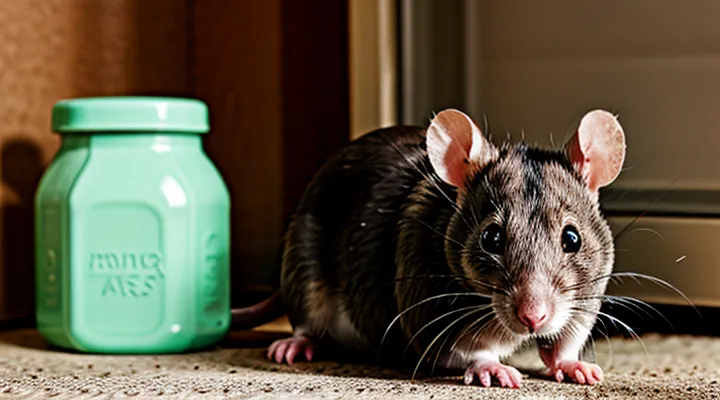
Understanding Your Pet Rat
The Domesticated Rat: A Brief Overview
The domesticated rat (Rattus norvegicus domestica) represents a compact, highly adaptable rodent that has been selectively bred for companionship. Originating from wild brown rats, the pet variant exhibits reduced aggression, increased sociability, and a broader palette of coat colors and patterns.
Physical characteristics include a body length of 20‑25 cm, a tail of comparable length, and an average weight of 250‑500 g. Mature individuals possess sharp incisors that continuously grow, necessitating constant gnawing to maintain proper length. Sensory acuity is pronounced; rats rely on whiskers, acute hearing, and a well‑developed sense of smell to navigate their environment.
Behavioral traits relevant to caretakers:
- Strong propensity for social interaction; solitary housing leads to stress and health decline.
- Natural curiosity drives exploration; enrichment objects reduce boredom and prevent stereotypic behaviors.
- Nocturnal activity pattern; peak activity occurs during evening hours, influencing feeding and play schedules.
Life expectancy under optimal conditions ranges from 2 to 3 years, extending to 4 years with meticulous health management. Common health concerns include respiratory infections, skin lesions, and dental overgrowth; early detection and routine veterinary assessment are essential.
Key considerations for prospective owners:
- Provide a spacious cage with solid flooring, multiple levels, and safe chewing materials.
- Offer a balanced diet of high‑quality rodent pellets supplemented with fresh vegetables, fruits, and occasional protein sources.
- Ensure constant access to clean water, preferably via a hanging bottle with a stainless‑steel tip to prevent contamination.
- Implement regular handling sessions to foster trust and reduce fear responses.
Understanding these fundamental aspects equips caretakers to meet the physiological and psychological needs of the pet rat, promoting a healthy, rewarding companionship.
Why Rats Make Great Pets
Rats possess high intelligence, demonstrated by rapid learning of tricks, maze navigation, and problem‑solving. Their ability to recognize owners and respond to vocal cues establishes a strong bond comparable to that of traditional companion animals.
Social behavior characterises the species; rats thrive in groups, displaying grooming, play, and cooperative activities. Group housing reduces stress, promotes mental stimulation, and mirrors their natural hierarchy, resulting in stable and content pets.
Maintenance requirements remain modest. A well‑designed cage, regular cleaning, and a balanced diet comprising grains, fresh vegetables, and occasional protein meet nutritional needs. Their small size limits space demands, while their short grooming period diminishes grooming workload for owners.
Health advantages extend to owners. Interaction with rats can lower blood pressure, reduce anxiety, and provide therapeutic companionship. Their quiet demeanor and minimal shedding make them suitable for indoor environments where allergies or noise sensitivity are concerns.
Longevity contributes to sustained companionship. Domestic rats typically live 2–3 years, allowing owners to experience multiple life stages, from juvenile curiosity to mature calmness, within a manageable timeframe.
Key attributes that support their suitability as pets:
- Cognitive agility enabling training and enrichment
- Strong social instincts encouraging group dynamics
- Low‑maintenance care routine compatible with busy lifestyles
- Positive impact on human well‑being through companionship
- Manageable lifespan offering consistent, yet finite, ownership
These factors combine to make rats a reliable, engaging, and health‑conscious choice for individuals seeking a small, intelligent, and affectionate pet.
Common Misconceptions About Rats
Pet rats often suffer from inaccurate beliefs that affect their welfare. Recognizing and correcting these myths enables owners to provide appropriate care.
«Rats are dirty pests» – Rats groom themselves frequently; a healthy coat requires regular cleaning, and they rarely carry disease when housed in a clean environment.
«Rats are aggressive and likely to bite» – Bite incidents typically result from fear or mishandling; a calm approach and gradual socialization reduce aggression.
«Rats have short lifespans and are not worth the effort» – Average lifespan reaches two to three years with proper nutrition, enrichment, and veterinary oversight, making them long‑term companions.
«Rats cannot be trained» – Positive reinforcement teaches tricks, litter‑use, and target‑following, demonstrating cognitive capabilities comparable to other small mammals.
«Rats are solitary animals» – Rats are highly social; isolation leads to stress, while group housing promotes natural behaviors and mental health.
Addressing these misconceptions improves housing standards, enriches interaction, and supports the overall well‑being of pet rats.
Preparing for Your Rat’s Arrival
Choosing the Right Cage
Cage Size and Bar Spacing
Rats require ample floor space to move, explore, and exhibit natural behaviors. A minimum enclosure size of 24 inches × 18 inches × 12 inches (length × width × height) provides sufficient room for a single adult; each additional rat adds at least 12 inches of floor length. Larger dimensions improve health outcomes and reduce stress.
Bar spacing must prevent escape while allowing adequate ventilation. The maximum distance between vertical bars should not exceed ½ inch; horizontal spacing should remain under ¼ inch. These limits accommodate the small size of a rat’s head and prevent squeezing through gaps.
Key specifications:
- Minimum floor area: 432 sq inches per rat (e.g., 24 × 18 inches).
- Height: at least 12 inches to enable climbing and vertical enrichment.
- Vertical bar spacing: ≤ ½ inch.
- Horizontal bar spacing: ≤ ¼ inch.
- Cage material: rust‑free metal or coated wire to avoid corrosion and injury.
Choosing a cage that meets these criteria supports locomotion, social interaction, and environmental enrichment, thereby promoting overall well‑being. Regular cleaning and the inclusion of platforms, tunnels, and chew toys complement the appropriate size and bar configuration, creating a secure and stimulating habitat.
Ventilation and Placement
Proper ventilation and appropriate cage placement are essential for maintaining a healthy environment for pet rats. Good airflow reduces the buildup of ammonia, humidity, and odors that can irritate respiratory systems and compromise immune function. Positioning the enclosure away from direct drafts, heating vents, and sunlight prevents temperature fluctuations and excessive drying of bedding.
Key considerations for ventilation and placement:
- Choose a cage with multiple air holes or a mesh side panel; ensure openings are small enough to prevent escape.
- Locate the cage in a quiet, low‑traffic area to minimize stress while allowing easy observation.
- Keep the enclosure at least 30 cm from windows, doors, and air‑conditioning units to avoid drafts and temperature spikes.
- Maintain ambient temperature between 18 °C and 24 °C; avoid exposure to extreme heat or cold.
- Ensure the room’s overall ventilation is adequate; a gentle exchange of fresh air without creating strong currents is optimal.
- Avoid placing the cage near strong odors such as cooking fumes, cleaning chemicals, or scented candles, as rats have a highly sensitive sense of smell.
Regular monitoring of humidity (ideally 40‑60 %) and checking for condensation on cage walls help identify ventilation issues early. Adjusting cage placement or adding a small fan on low speed can improve air circulation without causing stress. Consistent attention to these factors supports respiratory health, promotes activity, and contributes to the overall well‑being of the animals.
Essential Cage Accessories
Substrate and Bedding
Choosing an appropriate substrate and bedding is a fundamental aspect of maintaining healthy laboratory‑grade conditions for pet rats. The material must absorb moisture, control odor, remain non‑toxic, and present no sharp edges that could damage delicate foot pads.
Key selection criteria include:
- High absorbency to reduce humidity and ammonia buildup.
- Low dust generation to protect respiratory passages.
- Absence of aromatic oils or chemicals that could cause irritation.
- Easy removal for routine cleaning and complete replacement.
Recommended substrates:
- Paper‑based bedding (e.g., shredded newspaper, cellulose pellets).
- Aspen shavings, provided they are dust‑free and untreated.
- Hemp or coconut fiber, offering natural absorbency and minimal scent.
- Recycled wood pulp, suitable for short‑term use in smaller enclosures.
Maintenance practices:
- Perform spot cleaning of soiled areas daily; remove droppings and wet patches promptly.
- Replace the entire bedding layer every two to three weeks, or sooner if odor or moisture levels rise.
- Wash reusable substrates with mild, unscented detergent; rinse thoroughly before drying.
- Monitor enclosure humidity with a hygrometer; aim for 45‑55 % relative humidity.
Health considerations:
- Dust‑free substrates prevent respiratory infections such as pneumonia.
- Ingestion of loose fibers can cause gastrointestinal blockage; select tightly packed or pelletized options.
- Aromatic or scented bedding may trigger allergic reactions; opt for unscented products.
- Regular bedding changes minimize parasite proliferation and skin irritation.
Implementing these guidelines ensures a clean, comfortable environment that supports the physiological needs of domesticated rats and reduces the risk of disease.
Food and Water Dishes
Proper feeding equipment is essential for maintaining health and hygiene in pet rats. Selecting dishes that resist contamination and encourage regular consumption reduces the risk of illness and supports optimal growth.
Materials should be safe, durable, and easy to clean. Stainless steel offers antimicrobial properties, resists chewing damage, and withstands high‑temperature washing. Ceramic provides a stable surface but may chip if rats gnaw aggressively. Plastic dishes are lightweight but must be BPA‑free and replaced frequently to prevent wear.
Size and shape influence accessibility and waste control. Dishes with low rims allow easy entry for small paws while minimizing spillage. A diameter of at least 3 inches (7.5 cm) accommodates typical adult rat appetites without crowding. Flat‑bottomed designs prevent water pooling and facilitate thorough cleaning.
Placement and maintenance affect water freshness and food freshness. Position dishes on a stable platform away from bedding to avoid contamination. Replace water daily and rinse dishes with hot, soapy water after each refill. Disinfect weekly using a dilute vinegar solution or a pet‑safe sanitizer.
Recommended dish types:
- Stainless‑steel bowl with smooth interior, 3–4 inches diameter, no decorative edges.
- Heavy ceramic saucer, glazed interior, shallow depth, 3 inches diameter.
- BPA‑free polymer tray, reinforced rim, 3.5 inches diameter, for temporary use.
Adhering to these specifications ensures reliable access to clean food and water, promoting vigorous health and longevity in domesticated rats.
Hiding Places and Toys
Providing secure retreats and engaging objects supports the health and well‑being of pet rats. A concealed area reduces stress, encourages natural burrowing behavior, and offers a place for rest after active periods.
Suitable retreats include:
- Small cardboard boxes with cut‑out entrances
- Ceramic hideouts with smooth interiors
- Natural wood tunnels or hollowed branches
- PVC pipe sections sealed at one end
- Fabric pouches stitched without loose threads
Enrichment toys stimulate curiosity, promote exercise, and prevent stereotypic behaviors. Toys should be safe, easy to clean, and sized for the animal’s dexterity.
Recommended toys comprise:
- Chewable wooden blocks or untreated pine sticks
- Puzzle feeders that release treats when manipulated
- Hanging ladders and climbing ropes attached to the cage frame
- Rolling balls with textured surfaces for tactile feedback
- Foraging tubes filled with shredded paper or dried herbs
Regular rotation of hides and toys maintains interest and mirrors the dynamic environment rats experience in the wild. Cleaning and inspecting each item before reuse prevents illness and prolongs durability. «A well‑equipped cage promotes confidence and reduces aggression».
Sourcing Healthy Rats
Reputable Breeders vs. Pet Stores
Choosing the source of a pet rat influences health outcomes, temperament, and long‑term care requirements. Reputable breeders and pet stores differ markedly in breeding practices, animal welfare standards, and owner support.
Breeders with established reputations conduct health screening, maintain detailed records of lineage, and provide socialization before sale. They often offer written guarantees covering common ailments and may advise on diet, enclosure setup, and handling techniques. Documentation typically includes vaccination status, parasite treatment history, and parental health information.
Pet stores prioritize turnover and convenience. Animals are usually sourced from large‑scale operations, with limited individual health assessment. Enclosures may be overcrowded, reducing opportunities for early socialization. Prices are lower, and availability is immediate, but post‑sale guidance is often minimal.
Key comparison points:
- Health monitoring: «health guarantee» and regular veterinary checks versus basic visual inspection.
- Genetic background: documented lineage versus unknown ancestry.
- Socialization: gradual exposure to humans and conspecifics versus abrupt retail environment.
- Cost: higher upfront price versus lower retail price.
- Support: breeder advice and follow‑up versus limited store assistance.
- Availability: waiting list for specific traits versus immediate purchase.
For owners seeking stable health and predictable temperament, sourcing rats from reputable breeders aligns with best practices. When immediate acquisition is necessary, selecting a pet store that demonstrates clean housing, observable health, and staff willingness to provide basic care information can mitigate some risks.
What to Look For in a Healthy Rat
A healthy rat displays clear, bright eyes without discharge, indicating proper ocular function. The coat should be smooth and glossy, free of bald patches, excessive shedding, or parasites. Ears must remain clean, with no odor or excessive wax buildup. Teeth should be evenly worn, showing a continuous edge; overgrowth signals dental issues. Body condition reflects an appropriate weight for the animal’s size, with a firm abdomen and no visible ribs or bulging stomach.
- Alert, curious behavior; rapid response to stimuli.
- Consistent appetite, consuming a balanced diet without prolonged refusal.
- Regular, well‑formed feces, uniform in size and texture, lacking mucus or blood.
- Active grooming, maintaining cleanliness without excessive licking or self‑injury.
- Normal respiratory sounds; absence of wheezing, coughing, or nasal discharge.
Any deviation—such as lethargy, weight loss, abnormal discharge, or changes in eating habits—warrants immediate veterinary assessment. Monitoring these indicators ensures early detection of health concerns and supports optimal wellbeing for pet rats.
Daily Care and Maintenance
Diet and Nutrition
Commercial Rat Food
Commercially prepared rat diets supply a consistent nutrient profile that aligns with the physiological requirements of domesticated rodents. Formulated blends typically contain balanced ratios of protein, fat, fiber, vitamins, and minerals, reducing the risk of deficiencies that can arise from improvised feeding regimens. Product labels offer quantitative data, enabling owners to compare formulations objectively.
Critical factors for evaluating commercial rat food include:
- Protein concentration of 15‑20 % of the diet, derived from animal or plant sources, supporting growth and tissue repair.
- Fat content limited to 5‑8 % to provide energy without promoting obesity.
- Fiber level of 3‑5 % to encourage gastrointestinal motility and dental wear.
- Inclusion of essential vitamins (A, D, E, K, B‑complex) and minerals (calcium, phosphorus, magnesium) at levels meeting established rodent nutrition standards.
- Absence of artificial colors, flavors, and excessive sugars that can cause metabolic disturbances.
When selecting a product, prioritize brands that adhere to recognized pet‑food safety certifications and provide batch‑specific nutrient analyses. Store unopened packages in a cool, dry environment; reseal opened containers promptly to preserve freshness. Complement the staple diet with limited portions of fresh vegetables, fruits, and occasional protein treats, monitoring overall caloric intake to maintain optimal body condition. Regular veterinary assessment confirms that the chosen commercial feed meets the individual health needs of each rat.
Safe Fruits and Vegetables
Safe fruits and vegetables provide essential vitamins, minerals, and fiber for pet rats. Fresh produce must be washed thoroughly to remove pesticides and soil residues before offering.
Suitable options include:
- «Apple» (core removed, sliced thin)
- «Banana» (small pieces, limited to occasional treat)
- «Blueberries» (whole, washed)
- «Carrot» (grated or finely chopped)
- «Cucumber» (seedless, sliced)
- «Bell pepper» (red, yellow, or orange, diced)
- «Zucchini» (raw, cut into bite‑size pieces)
- «Spinach» (lightly wilted, offered in moderation)
- «Broccoli» (small florets, raw or lightly steamed)
Items to avoid: citrus fruits, grapes, raisins, avocado, onion, garlic, and any produce with high sugar or acid content. Toxic compounds in these foods can cause digestive upset or more severe health issues.
Feeding guidelines:
- Introduce new vegetables one at a time, observing for adverse reactions over 24–48 hours.
- Limit fruit servings to no more than 10 % of the daily diet; vegetables may comprise up to 20 % when balanced with high‑quality pellets and protein sources.
- Remove uneaten fresh produce after two hours to prevent spoilage.
Proper storage involves refrigerating washed produce in sealed containers and discarding any wilted or moldy portions. Consistent inclusion of safe fruits and vegetables enhances overall health and promotes natural foraging behavior.
Foods to Avoid
When providing nutrition for pet rats, specific items must be excluded to protect digestive health and prevent toxic reactions.
- Processed meats, including ham, bacon, and deli slices
- Sugary treats such as candy, chocolate, and baked pastries
- High‑fat foods like fried snacks, chips, and greasy leftovers
- Citrus fruits and juices, which can cause stomach irritation
- Raw beans and legumes, especially kidney beans, due to lectin toxicity
- Dairy products, including milk, cheese, and yogurt, which many rats cannot digest
- Salty foods, for instance seasoned nuts and pretzels, which can lead to electrolyte imbalance
- Avocado flesh and pit, containing persin that is harmful to rodents
These exclusions prevent common ailments: gastrointestinal upset, obesity, renal strain, and potential poisoning. Consistent avoidance of the listed items contributes to stable weight, healthy coat, and longer lifespan for the animal.
Treats and Supplements
Treats and supplements provide essential nutrition and enrichment for pet rats, supporting growth, dental health, and overall well‑being.
- Commercially formulated rat treats – balanced blends of grains, seeds, and vitamins; must be low in sugar and free of artificial colors.
- Fresh vegetables – leafy greens such as kale, romaine lettuce, and carrot tops; offer fiber and micronutrients.
- Fruit slices – apple (core removed), berries, and melon; serve as occasional rewards due to natural sugars.
- Protein sources – boiled egg white, cooked chicken breast, or mealworm larvae; supply amino acids for muscle maintenance.
Supplements complement the diet when natural sources fall short. Recommended options include:
- Vitamin C tablets – prevent scurvy, especially in aging rats.
- Calcium powder – essential for bone development and dental integrity; use sparingly to avoid hypercalcemia.
- Omega‑3 fatty acids – fish oil or algae-derived capsules; promote skin health and cognitive function.
- Probiotic blends – maintain gut flora balance, reduce digestive disturbances.
Administration guidelines:
- Offer treats no more than 10 % of total caloric intake; excess leads to obesity and dental issues.
- Provide fresh produce daily, removing uneaten portions within two hours to prevent spoilage.
- Introduce supplements gradually, monitoring for adverse reactions such as diarrhea or changes in behavior.
- Rotate treat varieties weekly to prevent habituation and ensure a broad nutrient spectrum.
Water Requirements
Rats require a consistent supply of fresh water to maintain hydration, support kidney function, and enable normal metabolic processes. An adult laboratory rat typically drinks 30–50 ml of water per 100 g of body weight each day; pet rats show similar intake patterns.
- Provide a sealed, chew‑proof bottle with a stainless‑steel or plastic sipper tube.
- Replace water daily to prevent bacterial growth and biofilm formation.
- Keep the bottle out of direct sunlight and away from heat sources; ambient temperature between 18 °C and 24 °C is optimal.
- Ensure the sipper tube is free of cracks and positioned at a comfortable height for the animal.
Monitor water consumption by observing bottle refill frequency and checking for droplets on the cage floor. A reduction of 20 % or more may indicate dehydration, illness, or a blocked sipper. In such cases, verify bottle integrity, confirm that water is not contaminated, and consider offering water in a shallow dish temporarily. Regular assessment of intake helps prevent renal stress and supports overall health.
Cage Cleaning Schedule
Spot Cleaning
Spot cleaning refers to the removal of localized waste, urine stains, or food debris from a rat enclosure without dismantling the entire habitat. Prompt spot cleaning prevents odor buildup, reduces bacterial growth, and maintains a healthy environment for the animals.
Effective spot cleaning follows these steps:
- Identify the affected area immediately after the incident.
- Use a disposable paper towel or soft cloth to absorb liquid, applying gentle pressure to avoid spreading the stain.
- Apply a rat‑safe cleaning solution—such as a diluted white‑vinegar mixture (one part vinegar to three parts water) or a commercial enzymatic cleaner labeled for small mammals.
- Rinse the cleaned surface with a damp cloth moistened with plain water to remove residual cleaning agent.
- Pat the area dry with a clean towel; ensure the substrate remains dry to discourage mold formation.
Frequency guidelines depend on the enclosure size and the number of occupants. For a single adult rat, spot cleaning should occur within minutes of any accident. In multi‑rat setups, check the habitat at least twice daily and address spills promptly. Avoid harsh chemicals, bleach, or ammonia, as these substances can irritate the respiratory system and damage the cage material.
Regular spot cleaning, combined with a weekly deep clean, sustains a hygienic environment and supports the well‑being of pet rats.
Full Cage Cleaning
Proper cage sanitation prevents disease, eliminates odors, and promotes a healthy environment for pet rats. A systematic cleaning routine ensures all surfaces are free from urine, feces, and residual food particles that can harbor pathogens.
Steps for a thorough cleaning:
- Remove all accessories, bedding, and toys. Discard soiled bedding; wash reusable items in hot water (≥ 60 °C) with a mild, fragrance‑free detergent. Rinse thoroughly and air‑dry.
- Scrape the cage interior to eliminate adherent waste. Apply a diluted white‑vinegar solution (1 part vinegar to 4 parts water) to all surfaces. Allow the solution to sit for 5 minutes, then scrub with a non‑abrasive brush.
- Rinse the cage with clean water, ensuring no cleaning solution remains. Dry the interior with a lint‑free cloth or allow it to air‑dry completely before reassembly.
- Replace bedding with a fresh, absorbent substrate such as paper‑based or aspen chips. Reintroduce cleaned accessories and toys, arranging them to provide hiding spots and climbing opportunities.
Regular full‑cage cleaning, performed at least once a month or whenever visible contamination occurs, maintains optimal hygiene and supports the well‑being of pet rats.
Handling and Socialization
Building Trust
Building trust establishes a reliable connection that simplifies handling, training, and health monitoring for pet rats. Consistent interaction creates predictable expectations, reducing stress and encouraging cooperation.
- Offer food from the hand at the same time each day.
- Approach the cage slowly, allowing the rat to observe movement.
- Use gentle, steady strokes on the neck and back.
- Reward calm behavior with treats or brief play sessions.
- Avoid sudden noises, rapid motions, or abrupt cage rearrangements.
Recognizable indicators of trust include a relaxed posture, frequent grooming of the handler’s hand, and voluntary approach to the cage opening. When these signs appear, increase the duration of direct contact while maintaining a calm demeanor.
Sustaining trust requires regular, brief sessions rather than occasional lengthy interactions. Introduce new toys or enrichment items gradually, observing the rat’s reaction before expanding exposure. Maintaining a stable environment and predictable routine reinforces the established bond.
Playtime and Enrichment
Providing rats with regular play sessions and mental stimulation prevents boredom, supports physical health, and encourages natural behaviors. Structured interaction also reduces stress‑related issues and promotes a strong bond between animal and caretaker.
Key elements of effective enrichment include:
- Diverse climbing structures such as wooden branches, rope ladders, and angled platforms that mimic burrow environments.
- Safe chewable items, for example untreated apple sticks, mineral blocks, and natural twine, to satisfy dental wear requirements.
- Puzzle feeders that dispense treats only after manipulation, encouraging problem‑solving and extending feeding time.
- Rotating toy collections weekly to maintain novelty and prevent habituation.
Optimal playtime schedules consist of short, frequent sessions rather than extended periods. A typical routine involves three to four intervals of 10‑15 minutes each day, aligned with the rat’s crepuscular activity pattern. During these intervals, owners should supervise interaction, offer varied toys, and allow the animal to explore a secure playpen or supervised free‑range area.
Environmental complexity should extend beyond play sessions. Incorporating tunnels, hideouts, and nesting materials within the cage creates a stimulating daily backdrop. Regularly rearranging these elements preserves curiosity and encourages exploratory behavior without compromising safety.
Monitoring rat responses provides feedback for enrichment adjustments. Signs of engagement—such as active climbing, frequent gnawing, and purposeful manipulation of objects—indicate a well‑stimulated pet. Conversely, persistent inactivity or repetitive pacing may signal the need for additional or altered enrichment resources.
Environmental Enrichment
Toys and Chews
Providing appropriate toys and chews is essential for the health and well‑being of pet rats. Proper enrichment reduces stress, encourages natural foraging behavior, and supports continual tooth wear.
- tunnels and tubes made of untreated wood or safe plastic
- climbing ladders and platforms with textured surfaces
- puzzle devices that dispense treats when manipulated
- chew blocks, sticks, or natural branches free of pesticides
- small balls or rolling toys that fit comfortably in a rat’s paws
Safety guidelines demand that all items be free of toxic chemicals, have no sharp edges, and be large enough to prevent accidental ingestion. Regular cleaning with mild, rodent‑safe disinfectant prolongs usability and prevents disease transmission.
Rotating objects every few days maintains curiosity and prevents habituation. Introducing a new chew or toy after a short interval stimulates exploration and promotes active play.
Choosing durable, non‑hazardous enrichment supports dental health, mental stimulation, and overall vitality in companion rats.
Exercise and Exploration
Physical activity and environmental enrichment directly influence a rat’s physiological health and mental well‑being. Regular movement promotes cardiovascular function, muscle tone, and bone density, while varied surroundings stimulate natural foraging and exploratory instincts.
Daily exercise can be structured around several proven elements:
- A solid‑surface wheel of at least 12 inches in diameter, free of metal bars, allows continuous running without injury.
- A dedicated playpen or supervised floor time provides opportunities for climbing, jumping, and tactile interaction.
- Interconnected tunnels and tubes mimic burrowing behavior, encouraging spontaneous locomotion.
Exploration benefits derive from strategic cage design. Incorporate vertical platforms, rope ladders, and hide‑away chambers to replicate a multi‑level habitat. Rotate toys and rearrange accessories weekly; this prevents habituation and maintains curiosity. Provide chewable natural materials such as untreated wood or cardboard to satisfy gnawing urges and support dental health.
Safety measures must accompany all enrichment. Verify wheel clearance to avoid entrapment, secure all accessories to prevent collapse, and remove any small objects that could be swallowed. Supervised floor sessions reduce the risk of escape and allow immediate response to potential hazards.
Consistent implementation of these practices sustains active, contented rats and aligns with comprehensive guidance for responsible pet ownership.
Health and Wellness
Recognizing Common Health Issues
Respiratory Problems
Respiratory problems are a leading health concern for pet rats. Common conditions include bacterial infections such as Mycoplasma pulmonis, viral agents like Sendai virus, and fungal diseases such as aspergillosis. Early detection relies on observing clinical signs: sneezing, nasal discharge, labored breathing, reduced activity, and weight loss. Prompt veterinary assessment is essential because untreated infections can progress rapidly.
Prevention focuses on environmental control and hygiene. Maintain cage temperature between 18‑24 °C and humidity below 60 %. Provide adequate ventilation while avoiding drafts that chill the animal. Use bedding made from paper or aspen to reduce dust accumulation; avoid cedar and pine, which release irritant oils. Clean food and water containers daily, and replace soiled bedding at least once a week. Regular health monitoring, including weekly visual checks of the nasal and oral cavities, supports early identification of issues.
If respiratory disease is diagnosed, treatment protocols typically involve:
- Targeted antibiotics prescribed by a veterinarian, selected based on culture and sensitivity results when feasible.
- Supportive care, including warmed, humidified air to ease breathing and encourage fluid intake.
- Isolation of the affected rat to prevent spread to cage mates, with strict sanitation of the enclosure and equipment.
Long‑term management may require periodic veterinary follow‑up to confirm resolution and to adjust treatment if relapse occurs. Documentation of symptoms, medication dosages, and response to therapy enhances future care decisions.
Skin Conditions
Skin health directly influences a rat’s comfort, immunity and longevity. Healthy integument prevents secondary infections and supports normal thermoregulation.
Common dermal problems include:
- Dry, flaky patches caused by low humidity or inadequate nutrition.
- Crusting and hair loss associated with mites or fungal overgrowth.
- Red, inflamed areas indicating bacterial dermatitis.
- Ulcerative lesions often linked to pressure points or traumatic injury.
Maintain optimal skin condition by providing a balanced diet rich in essential fatty acids, ensuring cage humidity between 40 % and 60 %, and scheduling regular examinations. Promptly isolate individuals showing lesions, clean affected areas with a mild antiseptic solution, and apply veterinarian‑approved topical treatments. For parasitic infestations, administer appropriate ectoparasitic medication following professional guidance. Regular grooming, minimal handling stress and a clean environment collectively reduce the incidence of skin disorders.
Tumors
Tumor development in pet rats requires prompt identification and appropriate management. Early detection improves prognosis and expands therapeutic options.
Common clinical signs include:
- Unexplained weight loss
- Swelling or palpable masses under the skin
- Lethargy or reduced activity
- Changes in grooming behavior
- Difficulty eating or drinking
Physical examination combined with imaging techniques such as radiography or ultrasound confirms the presence and extent of neoplastic growth. Fine‑needle aspiration or biopsy provides definitive diagnosis and guides treatment decisions.
Treatment strategies depend on tumor type, location, and stage. Surgical excision offers curative potential for localized masses; complete removal reduces recurrence risk. Radiation therapy and chemotherapy serve as adjuncts for malignant or incompletely resected tumors, though dosage must be adjusted for the rat’s small size. Palliative care, including analgesics and nutritional support, maintains quality of life when curative options are unavailable.
Preventive measures focus on minimizing risk factors. Maintaining a clean environment, providing a balanced diet rich in antioxidants, and avoiding exposure to known carcinogens lower incidence. Regular health checks by a veterinarian familiar with rodent medicine enable early intervention and improve outcomes.
Dental Problems
Dental health is a critical aspect of overall well‑being for pet rats. The continuously growing incisors require constant wear; insufficient abrasion leads to overgrowth, misalignment, or malocclusion. Overgrown teeth can cause difficulty eating, weight loss, and oral injuries.
Common dental problems include:
- Overgrown incisors, visible as elongated or curved teeth
- Malocclusion, where teeth grind against each other unevenly
- Periodontal disease, marked by swollen gums and plaque buildup
- Tooth fractures, often resulting from chewing hard objects
Early detection relies on observing specific signs. Reduced food intake, dropping food, excessive salivation, facial swelling, or visible changes in tooth shape indicate a problem. Regular visual checks of the mouth, performed gently with a flashlight, help identify issues before they worsen.
Prevention centers on diet and environment. Provide unlimited access to chew‑friendly materials such as untreated wood blocks, cardboard, and safe toys. Include high‑fiber foods like fresh vegetables and whole‑grain pellets to encourage natural tooth wear. Avoid offering hard items such as nuts in shells or metal accessories that could damage teeth.
When dental abnormalities are suspected, professional veterinary assessment is essential. A veterinarian can trim overgrown incisors, correct malocclusion with orthodontic devices, and treat infections with appropriate medication. Follow‑up appointments ensure proper healing and prevent recurrence.
Routine oral care complements preventive measures. Clean the mouth gently with a soft, damp cotton swab to remove debris. Monitor weight and food consumption weekly; sudden changes may signal underlying dental distress. Maintaining a clean cage reduces bacterial load, supporting gum health.
In summary, proactive management—balanced chewing opportunities, regular inspections, and prompt veterinary intervention—maintains optimal dental function and contributes to the longevity and quality of life for domesticated rats.
Preventing Illness
Good Hygiene Practices
Maintaining a clean environment is essential for the health and well‑being of pet rats. Regular removal of waste, thorough disinfection of the cage, and consistent personal hygiene reduce the risk of bacterial infections, respiratory problems, and skin conditions.
Key hygiene actions include:
- Daily removal of soiled bedding and droppings; replace with fresh material to prevent odor buildup and pathogen growth.
- Weekly deep cleaning of the cage: empty all contents, scrub surfaces with a mild, non‑toxic cleaner, rinse thoroughly, and allow to dry before reassembly.
- Hand washing before and after handling rats; use soap and warm water for at least 20 seconds to eliminate potential contaminants.
- Monitoring and trimming of nails when necessary; overgrown claws can cause injuries and harbor debris.
- Regular inspection of food dishes and water bottles; clean with hot water and a brush to prevent mold and bacterial colonisation.
- Use of disposable gloves when cleaning heavily soiled areas; discard gloves safely after each session.
Adhering to these practices creates a sanitary habitat, supports robust immune function, and promotes a longer, healthier life for the animal.
Proper Nutrition
Proper nutrition is essential for the health and longevity of pet rats. A balanced diet supplies the energy, vitamins, and minerals needed for growth, reproduction, and immune function. Commercially formulated rat pellets provide a reliable foundation, delivering consistent nutrient ratios and preventing dietary deficiencies.
Supplement the pellet base with fresh foods that offer complementary nutrients. Include small portions of the following items daily:
- Leafy greens such as kale, spinach, and romaine lettuce
- Fresh vegetables like carrots, bell peppers, and broccoli
- Fruit in limited quantities, for example apple slices, berries, or melon
- Protein sources such as boiled egg, cooked chicken, or mealworms (occasionally)
Avoid foods that are toxic or hard to digest. Exclude chocolate, caffeine, alcohol, raw beans, and excessive sugary or salty snacks. Ensure water is clean, fresh, and available at all times. Regularly monitor body condition and adjust portion sizes to maintain a healthy weight.
Regular Veterinary Check-ups
Regular veterinary examinations form a cornerstone of responsible rat ownership. Professional assessment detects health issues that owners may overlook, such as respiratory infections, dental overgrowth, or internal parasites. Early detection reduces treatment complexity and improves recovery rates.
Veterinarians typically recommend a full health check at least twice a year for adult rats, with quarterly examinations for juveniles or individuals with known medical conditions. An annual comprehensive review, including blood work and imaging when indicated, supports long‑term well‑being.
During a routine visit, the practitioner evaluates weight, body condition, fur quality, and ear health; inspects oral structures for proper tooth alignment; auscultates heart and lungs; and screens for common pathogens using nasal swabs or fecal analysis. Preventive measures, such as vaccinations against viral hemorrhagic disease where available, are administered according to regional guidelines.
Immediate veterinary attention is warranted if any of the following signs appear:
- Persistent sneezing or nasal discharge
- Labored breathing or audible wheezing
- Sudden weight loss or failure to gain weight
- Red or swollen gums, drooling, or difficulty chewing
- Lethargy, unresponsiveness, or abnormal posture
Prompt consultation under these circumstances reduces the risk of severe complications and aligns care with best‑practice standards for small‑animal health.
Finding a Rat-Savvy Veterinarian
Finding a veterinarian experienced with rats requires deliberate effort. Begin by searching online directories that allow filtering by species specialty. Veterinary clinics that list small‑animal or exotic‑pet services often include rats among the animals they treat.
Contact local rat‑owner groups, shelters, or university animal‑care departments. Request recommendations for practitioners who have demonstrated competence in diagnosing and treating common rat ailments such as respiratory infections, dental overgrowth, and gastrointestinal issues.
When evaluating potential clinics, verify the following criteria:
- Veterinarian holds a valid license and additional certification in exotic‑animal medicine.
- Practice maintains appropriate equipment for small‑animal examinations, including magnification tools and specialized surgical instruments.
- Staff exhibits familiarity with rat handling techniques that minimize stress and injury.
- Clinic offers emergency coverage or has an established referral network for urgent cases.
Schedule an initial consultation to assess the veterinarian’s knowledge. Prepare specific questions, for example:
«What protocols does the clinic follow for routine health checks of pet rats?»
«How does the practice handle anesthesia and postoperative care for rodents?»
«Are there recommended preventive measures for common rat diseases?»
Observe the interaction between the veterinarian and the rat during the visit. Professional handling, gentle restraint, and clear communication indicate a high level of expertise.
Consider logistical factors such as location, appointment availability, and cost structure. A clinic that aligns with these practical considerations while meeting the clinical standards outlined above will provide reliable medical support for rat owners.
Administering Medication
Administering medication to pet rats requires precision and calm handling to ensure effective treatment and minimize stress.
Before giving any drug, verify the prescription dosage, expiration date, and storage conditions. Prepare a clean work area, gather the required tools (syringe, dropper, or pill crusher), and wash hands thoroughly. Keep the medication at the recommended temperature, and label the container with the rat’s name, drug name, and dosage.
Steps for oral medication
- Place the rat on a soft, non‑slippery surface.
- Secure the head gently with one hand, keeping the mouth slightly open.
- Use a calibrated dropper or syringe to deliver the exact volume onto the back of the tongue.
- Allow the rat to swallow naturally; avoid forcing the mouth closed.
Steps for injectable medication
- Choose the appropriate injection site (scruff of the neck for subcutaneous, hind leg for intramuscular) and shave a small area if necessary.
- Disinfect the skin with a sterile swab.
- Insert the needle at the correct angle (usually 45° for subcutaneous, 90° for intramuscular) and aspirate to confirm no blood entry.
- Inject the prescribed volume slowly, then withdraw the needle and apply gentle pressure to the site.
After administration, observe the rat for at least 30 minutes. Watch for signs of distress, abnormal breathing, or adverse reactions such as vomiting or excessive lethargy. Record the time, dose, and any observed effects in a medication log to track treatment progress and adjust future dosing if needed.
End-of-Life Care
Providing attentive care during a rat’s final stage is essential for minimizing distress and preserving dignity. Recognizing the transition early allows timely interventions that improve quality of life.
Key indicators of declining health include reduced activity, loss of appetite, labored breathing, and changes in grooming behavior. Monitoring these signs daily enables prompt response.
Comfort measures focus on environmental adjustments, nutrition, and gentle handling. Recommended actions are:
- Place a soft, absorbent bedding layer to keep the animal dry and warm.
- Maintain ambient temperature between 20 °C and 24 °C to prevent hypothermia.
- Offer easily digestible foods such as softened pellets or fresh vegetables, served in small, frequent portions.
- Limit handling to brief, calm interactions; avoid restraining the rat.
- Provide a quiet, low‑light area free from sudden noises or vibrations.
Pain assessment should involve observation of facial expressions, vocalizations, and movement patterns. Administering veterinary‑prescribed analgesics, adhering strictly to dosage guidelines, alleviates suffering. Regular consultation with a small‑animal veterinarian ensures appropriate medication selection and dosage adjustments.
When the rat’s condition deteriorates despite supportive care, humane euthanasia becomes a responsible option. Decision‑making should consider the animal’s pain level, ability to eat or drink, and overall prognosis. Discussing expectations with a veterinary professional clarifies the procedure and reduces emotional burden for the owner.
«Comfort is paramount»; implementing these practices upholds the highest standards of end‑of‑life care for pet rats.
Advanced Rat Care
Multi-Rat Households
Introducing New Rats
When a new rat joins an established group, careful preparation reduces stress and prevents illness. Begin by isolating the newcomer in a separate cage for at least seven days. During this period, monitor weight, coat condition, and signs of respiratory or gastrointestinal problems. Conduct a brief health assessment that includes checking the eyes, ears, and teeth for abnormalities.
After the quarantine, introduce the rats gradually. Place the cages side by side with a solid barrier, allowing visual and scent exchange for several days. Observe interactions through the barrier; calm, non‑aggressive behavior indicates readiness for direct contact. When the barrier is removed, supervise the initial encounter closely, intervening if fighting or excessive chasing occurs.
Feeding routines should remain consistent for all animals. Offer the same type of pellets, fresh vegetables, and occasional treats to avoid competition. Provide multiple water bottles and nesting material to prevent resource guarding. Clean the enclosure thoroughly before the new rat moves in, using a mild, rat‑safe disinfectant and rinsing well.
Key steps for successful integration:
- Quarantine the newcomer for a minimum of seven days.
- Perform a health check focusing on eyes, ears, teeth, and coat.
- Use a barrier cage to allow visual and olfactory familiarity.
- Supervise the first direct interaction, ready to separate if aggression appears.
- Maintain uniform diet and ample resources to reduce competition.
Consistent observation during the first two weeks after integration ensures any emerging issues are addressed promptly, supporting a harmonious and healthy rat community.
Group Dynamics
Rats thrive in stable social units; a clear hierarchy emerges, influencing feeding patterns, grooming behavior, and stress levels. Disruptions to the group structure often manifest as increased aggression, reduced appetite, and heightened susceptibility to illness. Recognizing the natural order allows caretakers to anticipate needs and intervene before conflicts escalate.
Effective management of rat colonies relies on several practical measures.
- Maintain groups of at least two individuals to satisfy social requirements.
- Introduce new members gradually, using neutral zones and short supervised sessions.
- Observe body language for signs of dominance, such as upright posture, tail flicking, or scent marking.
- Provide multiple nesting boxes, food stations, and chewable objects to reduce competition.
- Separate individuals displaying persistent aggression or illness to prevent contagion and stress.
Consistent monitoring of group interactions supports optimal health, promotes natural behaviors, and enhances overall well‑being. Implementing these guidelines ensures a harmonious environment that aligns with the species’ innate social structure.
Training Your Rat
Litter Training
Litter training improves hygiene, reduces odor, and simplifies cage cleaning for pet rats. A dedicated litter area encourages consistent use and prevents waste from spreading throughout the enclosure.
Select a shallow, non‑absorbent tray that fits comfortably in one corner of the cage. Fill the tray with a small amount of dust‑free, non‑clumping bedding such as paper pellets or aspen shavings. Place the tray near a corner where rats naturally congregate, but away from food and water stations.
Steps for successful training:
- Observe the rat’s natural elimination spots during the first few days.
- Gently move the waste to the tray each time it appears; repeat consistently.
- Reinforce correct behavior with a brief, quiet verbal cue such as «good».
- Limit access to other cage areas for a short period after each successful use to strengthen the association.
Maintain the tray by removing clumped waste daily and refreshing the bedding weekly. Clean the tray with mild, unscented soap and rinse thoroughly to avoid residue that could deter use.
If a rat continues to eliminate outside the tray, verify that the tray size is adequate, the bedding is comfortable, and the location is not too close to food. Adjust one variable at a time to identify the cause and restore proper litter habits.
Basic Tricks
Rats respond well to simple training exercises that strengthen the bond with their caretaker and enhance mental stimulation. Consistent, short sessions conducted several times a day produce reliable results without causing stress.
Key basic tricks include:
- «Spin»: encourage the rat to rotate on command by guiding it with a treat and adding a verbal cue such as “spin”. Repetition builds the association.
- «Come»: teach the animal to approach the hand when called. Use a distinct sound, for example a click, followed immediately by a reward.
- «Target»: introduce a small stick or fingertip as a target. Reward the rat each time it touches the target with its nose, then extend the distance gradually.
- «Fetch»: start with a lightweight object that the rat can easily carry. Allow the rat to pick it up, then call it back and reward upon return.
Successful implementation relies on positive reinforcement, clear signals, and a calm environment. Avoid lengthy sessions; five‑minute intervals maintain attention and prevent fatigue. Regular practice of these foundational commands contributes to a well‑adjusted pet and supports overall health and wellbeing.
Traveling with Your Rat
Traveling with a pet rat requires careful planning to ensure the animal’s safety and comfort. Secure a well‑ventilated carrier that fits the rat’s size, provides a solid floor, and includes a removable lid for easy cleaning. Line the carrier with absorbent bedding and a small water bottle to maintain hydration during the journey.
Before departure, schedule a health check with a veterinarian familiar with rodents. Verify that vaccinations are up to date and obtain any necessary travel permits. Acclimate the rat to the carrier by allowing short, supervised sessions at home; this reduces stress when the trip begins.
During transport, keep the carrier stable, away from direct sunlight, and protected from extreme temperatures. Place the carrier in a quiet area of the vehicle, limiting exposure to loud noises and sudden movements. Offer fresh food and water at regular intervals, but avoid overfeeding to prevent digestive issues.
Upon arrival, provide a calm environment for the rat to explore. Set up a temporary enclosure with familiar bedding, hiding spots, and enrichment items such as tunnels or chew toys. Monitor the animal for signs of stress, including changes in grooming, appetite, or activity level, and consult a veterinarian if abnormalities persist.
Key considerations for safe travel:
- Carrier dimensions: at least 2 × 2 × 2 inches per rat, with extra space for bedding.
- Temperature range: maintain between 65 °F and 75 °F (18 °C–24 °C).
- Hydration: refill water bottle every 4 hours.
- Documentation: carry health certificate and travel permits.
- Emergency plan: identify nearby veterinary clinics before departure.
Emergency Preparedness
Effective emergency preparedness safeguards pet rats against sudden disruptions. A comprehensive plan includes essential supplies, clear procedures, and reliable contacts.
Key items to store in a readily accessible emergency kit:
- Portable cage with secure lid and ventilation
- Sufficient quantity of the rat’s regular diet, plus supplemental treats
- Fresh water bottles or sealed containers
- Bedding material that remains dry and odor‑free
- Small carrier or backpack designed for small mammals
- Health records, vaccination dates, and a list of medications
- Contact details for the regular veterinarian and an emergency animal clinic
Procedural steps during an emergency:
- Assess the situation quickly; prioritize the safety of the rats and the owner.
- Relocate the animals to the portable cage, ensuring the lid is locked and the cage is stable.
- Transport the cage using the carrier, keeping it upright and protected from extreme temperatures.
- Provide water and food immediately after relocation; monitor for signs of stress or injury.
- Contact the veterinarian to inform them of the incident and receive guidance on any required medical attention.
- Maintain a log of events, including time of evacuation, conditions observed, and actions taken.
Regular drills reinforce readiness. Schedule quarterly practice sessions, simulate power loss or natural disaster scenarios, and evaluate the effectiveness of the kit and procedures. Updating supplies and contact information annually eliminates gaps in protection.
By integrating these measures into routine rat husbandry, owners ensure rapid, organized responses that minimize risk to their small companions.
Living with Rats: Long-Term Considerations
Understanding Rat Behavior
Communication Cues
Rats convey emotions and needs through a distinct set of signals. Recognizing these cues enables owners to respond appropriately, fostering a safe and enriched environment.
Key visual cues include:
- Erected whiskers indicate heightened alertness or curiosity.
- A relaxed posture, with limbs loosely extended, signals comfort.
- Rapid, short bursts of movement, often termed “sprinting,” reflect excitement or a desire for play.
- A tucked tail, pressed close to the body, denotes fear or stress.
- Open, wide eyes accompanied by a steady gaze suggest focused attention.
Auditory signals provide additional information:
- Soft, rhythmic chirps accompany grooming or contentment.
- Sharp, high‑pitched squeaks signal distress or a request for attention.
- Low, repetitive squeals often precede aggressive behavior or territorial defense.
Olfactory communication plays a subtle yet vital role. Runners frequently deposit scent marks on bedding or cage walls; these deposits convey territorial boundaries and individual identity. Owners should monitor changes in scent distribution, as sudden reductions may indicate illness or discomfort.
Behavioral patterns reveal preferences and health status. Consistent nesting activity demonstrates a secure environment, while excessive grooming can be a stress indicator. Sudden lethargy, reduced exploration, or refusal to engage with familiar objects warrants immediate veterinary assessment.
By systematically observing posture, vocalizations, scent marking, and activity levels, owners can interpret rat communication accurately, ensuring timely interventions and optimal well‑being.
Social Structures
Understanding rat social structures is fundamental for effective pet management. Recognizing the natural hierarchy prevents stress and promotes group stability.
Rats establish a fluid hierarchy based on dominance, affiliation, and territoriality. Dominant individuals often control access to resources, while subordinate members maintain close physical contact and scent exchange. Communication occurs through ultrasonic vocalizations, scent marking, and grooming. These behaviors reinforce bonds and signal position within the group.
Key aspects to monitor:
- Access to food and water; ensure equitable distribution.
- Frequency of grooming; increased grooming among peers indicates cohesion.
- Levels of aggression; frequent fighting suggests an unbalanced hierarchy.
- Nesting arrangements; shared nests reflect strong social ties.
Practical recommendations for owners:
- Provide multiple feeding stations to reduce competition.
- Offer abundant nesting material to facilitate communal nesting.
- Introduce new rats gradually, allowing established members to assess newcomers.
- Observe interactions daily; intervene only when persistent aggression threatens welfare.
Maintaining a balanced social environment supports health, reduces disease transmission, and enhances overall well‑being.
Bonding with Your Rat
Bonding with a pet rat enhances trust, reduces stress, and encourages cooperative behavior. Consistent, gentle interaction creates a reliable association between the owner and the animal, making handling easier and more enjoyable for both parties.
Effective bonding methods include:
- Offering small, hand‑fed treats such as millet or fruit pieces, allowing the rat to approach voluntarily.
- Spending several minutes each day in the cage, moving slowly, speaking softly, and allowing the rat to explore the hand.
- Introducing a safe, enclosed play area where the rat can climb and explore while the owner remains nearby.
- Using a calm scent, such as a cotton ball with a few drops of diluted chamomile, to create a pleasant environment during sessions.
Progress should be measured by observable signs: relaxed posture, grooming of the hand, and willingness to climb onto the palm without hesitation. If a rat retreats or displays defensive behavior, reduce session length and increase the frequency of gentle exposure.
Regular bonding reinforces the social nature of rats, supports mental stimulation, and contributes to overall health. Maintaining a predictable routine ensures the relationship remains strong and mutually beneficial.
Enjoying Your Pet Rat
Pet rats provide companionship that thrives on mental stimulation and social interaction. Owners who create a dynamic environment enable their rodents to display natural behaviors, enhancing mutual enjoyment.
Key elements of enrichment include:
- Varied climbing structures such as wooden branches, PVC tunnels, and rope ladders;
- Puzzle feeders that require problem‑solving to access treats;
- Regularly rotated toys to prevent habituation;
- Safe, chew‑able items like untreated cardboard and mineral blocks.
Interactive play sessions strengthen bonds. Short, frequent handling periods encourage trust while allowing rats to explore hands and gentle petting. Gentle restraint, followed by release onto a secure playpen, gives the animal freedom to run, explore, and exhibit curiosity.
Routine health checks support a positive experience. Observe coat condition, activity level, and appetite daily; any deviation warrants veterinary consultation. Balanced nutrition, fresh water, and a clean cage contribute to overall well‑being, ensuring the pet remains active and responsive during shared activities.