
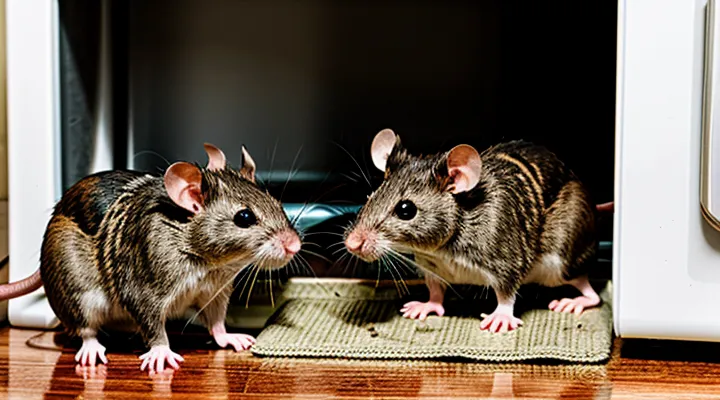
Identifying Rodent Droppings
Rat vs. Mouse Droppings: Size and Shape
Rodent feces provide a direct indicator of infestation severity and hygiene risk. Distinguishing between rat and mouse droppings allows targeted control measures and accurate assessment of contamination levels.
Size characteristics
- Rat droppings: ¼ – ½ inch (6–12 mm) long, ⅛ – ¼ inch (3–6 mm) wide.
- Mouse droppings: ¼ inch (6 mm) or less in length, ⅛ inch (3 mm) or less in width.
- Length variation: rat pellets exhibit a broader range, often exceeding ½ inch; mouse pellets rarely surpass ¼ inch.
Shape characteristics
- Rat feces: elongated, slightly tapered at both ends, with a smooth, glossy surface.
- Mouse feces: more uniform, cylindrical, blunt at ends, and may appear dry or crumbly.
- Edge definition: rat droppings display a subtle curvature; mouse droppings maintain a straight profile.
Accurate identification of these dimensions and forms supports effective sanitation audits. Larger, tapered specimens signal the presence of larger rodents, which can transport higher pathogen loads. Smaller, blunt pellets suggest mouse activity, often linked to concealed entry points. Recognizing these patterns enables precise remediation and reduces health hazards.
Fresh vs. Old: Color and Texture
Fresh rodent droppings appear dark brown to black, have a moist surface, and retain a distinct, slightly glossy sheen. Their edges are smooth, and the interior remains pliable when handled with gloved fingers. Because moisture evaporates quickly, these specimens indicate recent activity, often within the past 24‑48 hours.
Older droppings shift to a lighter, tan or gray hue as pigments oxidize and moisture dissipates. The texture becomes dry, crumbly, and may fracture into powdery fragments. Edges lose definition, and the overall shape may flatten or curl. Such characteristics typically develop after several days of exposure to ambient air.
The contrast between fresh and aged feces informs sanitation assessment:
- Dark, moist droppings → immediate presence of rodents, heightened risk of pathogen transmission.
- Light, dry droppings → established infestation, prolonged contamination, potential for accumulated bacterial growth in surrounding dust.
- Mixed populations → intermittent activity, suggesting incomplete control measures.
Identifying color and texture allows homeowners and pest‑management professionals to prioritize cleaning protocols, select appropriate disinfectants, and schedule follow‑up inspections with evidence‑based precision.
Location, Location, Location: Where to Find Them
Rats and mice leave droppings wherever they travel, and the pattern of deposition reveals the cleanliness of a dwelling. Identifying the typical sites helps homeowners target inspections and sanitation efforts.
- Kitchen cabinets, pantry shelves, and behind appliances
- Under sinks, around faucet bases, and inside drain traps
- Attic insulation, roof joists, and ceiling corners
- Basement walls, utility rooms, and around plumbing stacks
- Behind furniture, especially low‑lying pieces such as sofas or dressers
- Inside wall voids, crawl spaces, and floor joists
- Garages, sheds, and storage closets
- Near pet food containers and feeding areas
Droppings accumulate in dark, undisturbed areas that provide food residue or water sources. Their presence near food storage indicates direct contamination risk, while finds in structural cavities point to larger infestation and potential for disease spread. Regular visual checks in the listed zones, combined with proper sealing of entry points, reduce the likelihood of hidden colonies and maintain a healthier indoor environment.
Beyond Droppings: Other Signs of Infestation
Gnaw Marks: What to Look For
Gnaw marks provide direct evidence of rodent presence and help assess the severity of an infestation. They appear where animals bite or chew hard surfaces to shape nesting material, access food, or create pathways.
Typical gnaw marks are shallow, V‑shaped cuts with smooth, rounded edges. The width of each bite usually matches the size of the animal’s incisors: rats produce marks 6–10 mm wide, while mice leave 2–4 mm impressions. The cuts often intersect at angles of 30°–45°, reflecting the natural motion of the jaw. Fresh gnawing shows bright, unweathered wood or plastic; older marks may darken and develop splintered edges.
Key indicators to examine:
- Parallel rows of identical bites along baseboards, cabinets, or wiring.
- Irregular, jagged edges on cardboard boxes, insulation, or stored food containers.
- Chewed holes that penetrate through walls, vent covers, or pipe sleeves.
- Residual saliva or rust stains near the bite, suggesting recent activity.
- Patterns that intersect with droppings or urine trails, confirming a shared travel route.
Identifying these characteristics allows homeowners to locate entry points, prioritize repairs, and implement targeted sanitation measures. Prompt removal of gnawed material and sealing of damaged openings reduce the risk of disease transmission and further contamination.
Rodent Runways: Oily Trails and Smudges
Rodent runways appear as dark, greasy lines on walls, baseboards, and pantry shelves. These marks result from the animal’s oily fur and saliva leaving a residue as it travels along preferred pathways. The presence of such trails indicates repeated traffic, confirming that the pest has established a regular route through the interior space.
The composition of the smudges includes sebaceous secretions, dust, and food particles. When mixed with moisture, the residue becomes tacky, allowing it to adhere to surfaces for extended periods. Detection of these trails provides early evidence of infestation before droppings become abundant, offering a practical indicator for homeowners and pest‑control professionals.
Key observations that confirm rodent activity:
- Continuous, parallel lines that follow structural seams or hidden corners.
- Smudged areas that become progressively darker with repeated use.
- Residual oil that feels slightly slippery to the touch.
Effective remediation requires removal of the trail and elimination of the underlying cause. Recommended steps:
- Wear disposable gloves and a mask to avoid contaminant exposure.
- Apply a degreasing cleaner or a solution of warm water and mild detergent to the affected area.
- Scrub with a non‑abrasive pad until the oily film disappears.
- Rinse with clean water and dry thoroughly to prevent moisture buildup.
- Seal entry points identified near the runway to disrupt the rodent’s movement pattern.
Persistent oily trails after cleaning suggest ongoing access. Immediate sealing of gaps and placement of bait stations or traps are essential to halt further contamination and restore sanitary conditions.
Unique Rodent Odors: The Musky Scent
Rodent excrement often carries a distinctive musky odor that differs from typical household smells. The scent originates from secretions in the rodent’s anal glands and the breakdown of uric acid in droppings. These volatile organic compounds include ammonia, sulfides, and fatty acids, which together create a sharp, earthy aroma detectable even at low concentrations.
The presence of this musky odor signals active infestation or recent rodent activity. Because the smell persists after the animals have left, it can serve as an early warning sign for hidden contamination. Homeowners who notice the odor should inspect concealed areas such as wall voids, attics, and crawl spaces, where droppings accumulate unnoticed.
Effective response includes:
- Locating and removing all droppings with disposable gloves and sealed bags.
- Disinfecting surfaces with a solution containing at least 10 % bleach or an EPA‑approved sanitizer.
- Ventilating the area for several hours to disperse residual vapors.
- Sealing entry points to prevent re‑infestation.
Regular monitoring of ambient odor levels, combined with visual inspection of droppings, enhances sanitation protocols and reduces the risk of disease transmission associated with rodent waste.
Health Risks Associated with Rodent Droppings
Hantavirus: A Serious Threat
Rodent urine, feces, and saliva can harbor hantavirus, a pathogen that causes severe respiratory illness in humans. Inhalation of aerosolized particles from contaminated droppings is the primary route of infection, making indoor sanitation a critical factor in preventing outbreaks.
Symptoms appear after an incubation period of one to three weeks and may include fever, muscle aches, and coughing. Rapid progression can lead to hantavirus pulmonary syndrome, characterized by fluid accumulation in the lungs and a mortality rate of up to 40 % without prompt medical intervention.
Effective risk mitigation requires strict hygiene practices:
- Seal entry points to block rodents from accessing living spaces.
- Eliminate food sources by storing perishables in airtight containers and removing waste promptly.
- Wear protective gloves and a mask when cleaning areas with visible droppings or nests.
- Disinfect surfaces with a solution containing at least 1 % bleach, allowing a minimum of 10 minutes of contact time.
- Dispose of contaminated materials in sealed bags and remove them from the premises immediately.
Early recognition of hantavirus infection and immediate hospitalization improve survival odds. Public awareness of the link between rodent waste and disease reinforces the necessity of maintaining a clean, rodent‑free home environment.
Salmonella and Other Bacterial Contaminants
Rats and mice leave fecal deposits that frequently contain Salmonella, a pathogen capable of causing severe gastrointestinal illness. When these droppings contaminate food preparation surfaces, utensils, or pantry items, the bacteria can survive for weeks, especially in warm, moist environments. Direct ingestion or cross‑contamination from hands or kitchen tools provides a primary route for infection.
Other bacterial agents commonly identified in rodent feces include:
- Campylobacter jejuni – induces diarrhea, fever, and abdominal cramps.
- Leptospira interrogans – spreads through urine but may be present on droppings; can lead to kidney damage and meningitis.
- Staphylococcus aureus – produces toxins that survive cooking temperatures, risking food poisoning.
- Escherichia coli O157:H7 – causes hemorrhagic colitis and can progress to kidney failure.
- Bacillus cereus – forms heat‑resistant spores that survive improper storage, resulting in vomiting or diarrheal syndromes.
Effective home sanitation requires prompt removal of rodent droppings, thorough disinfection of affected areas with EPA‑registered sanitizers, and regular inspection for entry points. Maintaining dry, clutter‑free storage spaces reduces bacterial proliferation and limits the risk of pathogen transmission to occupants.
Allergic Reactions and Asthma Triggers
Rodent feces introduce biologically active proteins that can sensitize the respiratory system. When these proteins become airborne as dust particles, they interact with the immune system of susceptible individuals, leading to IgE‑mediated allergic reactions. Typical manifestations include sneezing, nasal congestion, itchy eyes, and skin rashes. In people with pre‑existing asthma, inhalation of contaminated dust can provoke bronchoconstriction, increased mucus production, and heightened airway hyper‑responsiveness, potentially resulting in severe asthma attacks.
Key allergenic components found in rodent droppings and urine include:
- Lipocalin‑type proteins that bind small molecules and trigger IgE responses.
- Serum albumin fragments that act as cross‑reactive allergens.
- Bacterial endotoxins released from the droppings, which amplify inflammatory pathways.
These substances persist on surfaces for weeks, especially in concealed areas such as wall voids, attics, and behind appliances. Disturbance of contaminated material during cleaning or renovation releases particles into the indoor air, raising exposure risk. Continuous low‑level exposure can lead to chronic sensitization, even in individuals without prior allergic history.
Effective mitigation requires:
- Identification of rodent activity through visual inspection of droppings, gnaw marks, and nesting material.
- Safe removal of contaminated debris using disposable gloves, sealed bags, and HEPA‑rated vacuums.
- Disinfection with EPA‑approved agents that degrade protein allergens.
- Sealing entry points to prevent re‑infestation, thereby limiting future allergen sources.
- Monitoring indoor air quality post‑remediation with particulate counters to confirm reduction of allergen load.
Prompt and thorough sanitation reduces the concentration of airborne rodent allergens, decreasing the likelihood of allergic reactions and asthma exacerbations within the home environment.
Practical Steps for Safe Dropping Removal
Personal Protective Equipment (PPE) Essentials
When rodent feces are discovered, contact with the material can transmit pathogens such as hantavirus, leptospirosis, and salmonella. Protective barriers prevent skin exposure, inhalation, and accidental ingestion.
- Disposable nitrile gloves: resist puncture, chemical solvents, and biological fluids; replace after each contaminated area.
- N95 or higher‑efficiency respirator: filter airborne particles; perform fit check before entry.
- Disposable coveralls or Tyvek suits: shield clothing and skin; seal cuffs and ankles with tape.
- Eye protection (goggles or face shield): block splashes and dust; ensure a tight seal.
- Waterproof boot covers: protect footwear; discard after use.
Apply PPE in the following order: gloves, boot covers, coveralls, eye protection, respirator. Verify that each item remains intact before entering the contaminated zone. After work, remove items by turning them inside out, place in sealed biohazard bags, and dispose according to local regulations. Decontaminate reusable respirators with approved disinfectants; wash hands thoroughly after glove removal.
Regular inspection of PPE for tears, compromised seals, or expired filters maintains effectiveness. Record usage, replacement dates, and disposal logs to ensure compliance with health‑safety standards.
Proper Cleaning Solutions and Disinfectants
Rodent droppings indicate potential contamination by pathogens such as Hantavirus, Salmonella, and Leptospira. Effective remediation requires a two‑step approach: removal of organic material followed by disinfection of the affected area.
Cleaning phase
- Wear disposable gloves, N95 respirator, and eye protection.
- Sweep or vacuum droppings with a HEPA‑rated vacuum; avoid dry sweeping that can aerosolize particles.
- Apply a detergent solution (e.g., liquid dish soap diluted 1 % in warm water) to wet the material.
- Scrub surfaces with a stiff brush until visible residue disappears.
- Rinse with clean water and allow surfaces to dry completely before disinfecting.
Disinfection phase
- Use an EPA‑registered disinfectant proven against rodent‑borne viruses and bacteria. Acceptable options include:
- Sodium hypochlorite solution, 1 % (10 mL bleach per liter of water), contact time ≥ 10 minutes.
- Hydrogen peroxide, 3 % solution, contact time ≥ 5 minutes.
- Quaternary ammonium compounds meeting label specifications, contact time ≥ 10 minutes.
- Apply disinfectant uniformly; ensure full coverage of all porous and non‑porous surfaces.
- Maintain required contact time; avoid wiping dry before the interval elapses.
- After disinfection, ventilate the area for at least 30 minutes to reduce residual odors and fumes.
Verification
- Perform visual inspection for remaining stains or moisture.
- Use ATP‑luminescence testing or surface swabs, if available, to confirm microbial reduction.
Adhering to this protocol removes contaminant load, minimizes infection risk, and restores a sanitary environment after rodent activity.
Disposal Methods: Preventing Further Contamination
Proper handling of rodent feces is essential to stop the transmission of bacteria, viruses, and parasites that thrive in household environments. Failure to remove droppings safely can re‑contaminate surfaces, air ducts, and food supplies, undermining any sanitation effort.
- Wear disposable gloves, a protective mask, and eye protection before contact.
- Lightly mist the droppings with a disinfectant solution (e.g., 1 % bleach) or a commercial rodent‑specific sanitizer; the moisture prevents particles from becoming airborne.
- Use a disposable paper towel or a stiff brush to gather the saturated material.
- Place the material in a sealable plastic bag, expel excess air, and tie the bag securely.
- Disinfect the work area with the same solution, then wash hands thoroughly after removing gloves.
Disposal options depend on local regulations but follow a consistent protocol:
- Municipal waste – sealed bag placed in a regular trash bin that is collected weekly.
- Secure landfill – for larger accumulations, double‑bag the material and transport it to a licensed landfill.
- Professional pest‑control service – request pick‑up and disposal according to health‑department guidelines; the service often includes on‑site decontamination.
After removal, replace any contaminated insulation, bedding, or stored food items. Conduct a final inspection to confirm that no droppings remain and that the area is dry, reducing the likelihood of future pathogen growth.
Preventing Future Infestations
Sealing Entry Points: A Comprehensive Approach
Rodent droppings in a residence often indicate that small mammals have accessed the interior through unsealed openings. These signs warn of potential health hazards and signal the need for a systematic barrier strategy.
A comprehensive sealing program begins with a thorough inspection. Inspectors should examine the building envelope from foundation to roof, noting any cracks, gaps around utilities, and openings around vents, doors, and windows. All identified breaches must be documented for prioritized treatment.
Key actions include:
- Filling foundation cracks with hydraulic cement or epoxy sealant, ensuring the material adheres to damp surfaces.
- Installing steel wool or copper mesh in gaps around pipes, then covering with expanding foam or caulk for a double barrier.
- Fitting door sweeps and weatherstripping on exterior doors, adjusting for a tight seal without restricting operation.
- Securing vent covers with heavy‑gauge metal screens, inspecting regularly for damage.
- Applying silicone or polyurethane caulk to seal gaps around window frames, baseboards, and electrical boxes.
After installation, conduct a follow‑up inspection to verify integrity. Record any residual openings and schedule routine checks, especially after seasonal temperature shifts or building renovations. Maintaining a sealed envelope reduces the likelihood of rodent ingress, directly limiting the presence of droppings and associated contamination.
Food Storage Best Practices
Rats and mice leave droppings that directly signal deficiencies in how food is stored and protected. When food remains exposed, crumbs accumulate, and containers are left open, rodents are attracted, and their waste spreads pathogens throughout the household.
- Store dry goods in airtight, rigid containers made of metal or heavy‑wall plastic.
- Keep pantry shelves clear of debris; wipe surfaces after each use.
- Separate bulk purchases into smaller, sealed portions to limit exposure time.
- Position food storage areas away from walls and utilities to reduce concealment opportunities.
- Rotate inventory using a first‑in, first‑out system; discard items past their expiration dates promptly.
- Inspect containers regularly for tears, holes, or signs of gnawing; replace compromised packaging immediately.
Consistent application of these measures eliminates food sources that attract rodents, thereby reducing droppings and enhancing overall household hygiene. Regular audits of storage conditions reinforce preventive sanitation and protect occupants from health hazards associated with rodent contamination.
Regular Cleaning and Sanitation Routines
Rodent feces serve as a direct indicator of hygiene standards within a residence. Their presence confirms breaches in cleaning protocols, while their absence reflects effective sanitation practices.
Routine cleaning must target areas where droppings are likely to accumulate: kitchen countertops, pantry shelves, under appliances, behind cabinets, and concealed corners. Use disposable gloves and a disinfectant approved for pathogen control. Collect material with a damp disposable cloth, seal it in a plastic bag, and discard according to local hazardous waste guidelines. Follow each collection with a thorough surface decontamination using a solution containing at least 1 % bleach or an EPA‑registered rodent‑specific sanitizer.
- Daily: wipe food preparation surfaces; inspect waste bins for signs of contamination.
- Weekly: vacuum and mop under furniture; clean behind refrigerators and stoves.
- Monthly: deep‑clean storage rooms, crawl spaces, and attic access points; replace or launder washable fabrics that may harbor droppings.
- Quarterly: conduct a systematic visual survey of all concealed spaces; document findings and adjust cleaning frequency if droppings reappear.
Verification procedures include visual inspection after each cleaning cycle and the use of UV‑light flashlights to detect residual stains invisible to the naked eye. Recording inspection results creates a baseline that enables early detection of sanitation failures and prompts corrective action before infestations become established.