
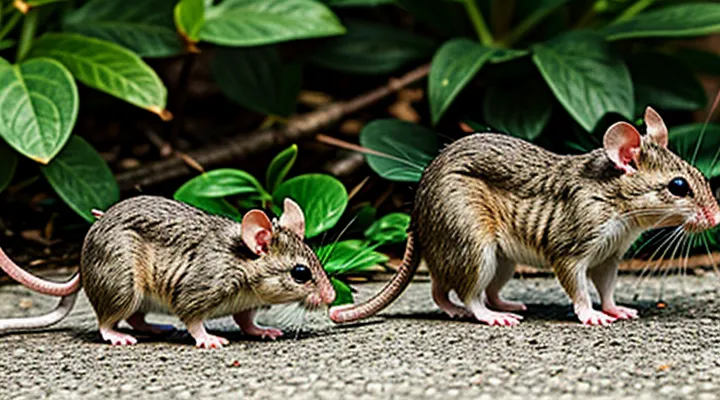
«Understanding Mouse Reproductive Biology»
«Gestation Period and Birth Processes»
The gestation of laboratory mice lasts approximately 19–21 days, measured from the detection of a vaginal plug to the delivery of pups. During this interval, the dam experiences rapid uterine expansion, a marked increase in plasma progesterone, and the development of a decidualized endometrium that supports embryo implantation.
Key developmental milestones occur on a predictable schedule:
- Day 4–5: Blastocyst implantation and formation of the placenta.
- Day 7–9: Organogenesis initiates; somite formation defines the axial skeleton.
- Day 12–14: Limb buds become evident; fetal circulation is established.
- Day 16–18: Fetal growth accelerates; hair follicles and whiskers develop.
- Day 19–21: Final maturation of pulmonary surfactant and preparation for birth.
Parturition proceeds through a coordinated hormonal cascade. A surge in estrogen and a decline in progesterone trigger uterine contractility. The dam builds a nest of shredded material, then assumes a crouched posture to facilitate pup expulsion. Each litter is typically delivered within a 30‑minute window, with pups born in an anterior‑to‑posterior sequence. Immediately after birth, the mother initiates pup retrieval, licking, and thermoregulation, actions essential for neonatal survival and for establishing the litter’s eventual size potential.
«Factors Influencing Litter Size»
«Maternal Age and Health»
Maternal age exerts a measurable influence on the number of pups produced per breeding event in laboratory mice. Younger females (approximately 6–10 weeks old) typically achieve peak litter sizes, whereas females older than 12 months exhibit a consistent decline in offspring count. This reduction correlates with age‑related ovarian follicle depletion and altered hormonal cycles.
Health status directly modulates reproductive output. Conditions that impair metabolic balance, such as obesity or chronic inflammation, lead to smaller litters. Specific observations include:
- Elevated serum leptin levels associated with excess body fat reduce ovulation frequency.
- Persistent infections increase cytokine concentrations, disrupting implantation and embryonic development.
- Nutrient deficiencies, particularly in vitamin E and selenium, diminish embryo viability, resulting in fewer viable pups.
Interactions between age and health amplify effects. An aged female with compromised health produces markedly fewer offspring than either factor alone would predict. Management strategies—maintaining optimal body condition, providing pathogen‑free environments, and supplying balanced nutrition—mitigate these declines and support maximal reproductive performance.
«Genetics and Strain Differences»
Genetic background exerts a measurable influence on the number of pups produced per breeding event in laboratory mice. Allelic variation at loci governing reproductive physiology, hormone regulation, and embryonic viability creates distinct reproductive phenotypes across inbred and outbred lines. Consequently, litter size is not a uniform trait but reflects the cumulative effect of strain‑specific alleles.
Key strain differences include:
- C57BL/6J: average litter size 5–7 pups; notable variability linked to the Hsd17b1 locus.
- BALB/cJ: average litter size 6–8 pups; higher incidence of embryonic loss associated with Mcm2 polymorphisms.
- CD-1 (outbred): average litter size 9–12 pups; broad genetic diversity yields the largest litters among common laboratory stocks.
- DBA/2J: average litter size 4–6 pups; reduced fecundity correlated with a mutation in the Gnrhr gene.
- FVB/NJ: average litter size 8–10 pups; enhanced reproductive output related to elevated Prl expression.
Understanding these genetic determinants informs colony management and experimental planning. Selecting a strain with the desired reproductive capacity optimizes resource allocation, minimizes breeding bottlenecks, and improves statistical power when litter size constitutes a variable of interest.
«Environmental Conditions and Stress»
Environmental temperature directly influences reproductive output in laboratory mice. Temperatures below the thermoneutral zone (≈30 °C) increase maternal metabolic demand, often reducing the number of pups born. Conversely, mild heat stress (≥35 °C) can impair oocyte viability and lead to smaller litters.
Nutritional availability shapes litter size through maternal energy reserves. Caloric restriction of 30 % during gestation consistently lowers pup count, whereas ad libitum feeding maintains or modestly increases offspring numbers. Protein deficiency produces a similar decrement.
Social stressors, such as overcrowding or aggressive cage mates, elevate corticosterone levels. Elevated glucocorticoids suppress follicular development and decrease implantation success, resulting in fewer pups per litter. Isolation stress, while reducing aggression, can also diminish reproductive performance if prolonged.
Light cycle disruptions affect circadian regulation of reproductive hormones. Inconsistent photoperiods cause irregular estrous cycles, which correlate with reduced litter size.
Key environmental variables affecting mouse reproductive output:
- Ambient temperature (cold vs. heat stress)
- Dietary composition and caloric intake
- Social density and aggression levels
- Light/dark cycle stability
Each factor exerts measurable effects on the number of offspring produced per gestation, underscoring the necessity of controlled conditions for reproducible breeding outcomes.
«Nutritional Intake»
Adequate dietary intake directly influences the number of pups produced by a female mouse. Energy‑dense feeds increase the probability of larger litters, while caloric restriction reduces embryonic survival and overall litter size.
Protein content determines the availability of amino acids required for fetal tissue synthesis. Diets containing 18–22 % crude protein support optimal pup numbers; lower levels (<14 %) correlate with a 10–15 % decline in offspring per litter, whereas excess protein (>30 %) yields no further increase and may impair maternal health.
Micronutrients affect reproductive efficiency. Adequate folic acid (2–4 mg kg⁻¹) prevents neural tube defects and improves embryo viability. Vitamin E supplementation (50–100 IU kg⁻¹) reduces oxidative stress in gestating females, resulting in a modest rise (≈5 %) in pups per litter. Trace elements such as zinc (30–40 mg kg⁻¹) and selenium (0.2 mg kg⁻¹) are essential for hormone synthesis and placental function.
The timing of nutritional adjustments is critical. Initiating a high‑energy, protein‑rich regimen two weeks before mating maximizes follicular development and oocyte quality. Maintaining the same diet throughout gestation sustains placental growth and prevents intra‑uterine growth restriction.
Key dietary factors influencing litter size:
- Energy density: 3.5–4.0 kcal g⁻¹
- Crude protein: 18–22 % of feed
- Folic acid: 2–4 mg kg⁻¹
- Vitamin E: 50–100 IU kg⁻¹
- Zinc: 30–40 mg kg⁻¹
- Selenium: 0.2 mg kg⁻¹
- Implementation period: start ≥14 days before mating, continue through gestation
Consistent provision of these nutrients yields reproducible increases in pup numbers, confirming that maternal diet is a primary determinant of reproductive output in laboratory mice.
«Average Litter Size Across Mouse Species»
«Common Laboratory Mouse Strains»
«C57BL/6»
The C57BL/6 mouse strain exhibits a relatively narrow range of pups per litter compared with outbred stocks. Average litter size under standard laboratory conditions falls between 5 and 7 offspring, with a median of 6. Variability arises from factors such as maternal age, parity, and environmental parameters (temperature, diet, housing density).
Key statistical characteristics:
- Mean litter size: 5.8 ± 1.2 pups
- Median: 6 pups
- Minimum recorded: 3 pups
- Maximum recorded: 9 pups
- Coefficient of variation: ≈ 20 %
Reproductive performance peaks in females aged 8–12 weeks and declines after the third parity. Nutritional supplementation (e.g., increased protein content) can raise the mean by up to 0.5 pups, while stressors (crowding, suboptimal lighting) reduce it by 1–2 pups. Consistent monitoring of these parameters enables reliable prediction of offspring yield for experimental planning.
«BALB/c»
BALB/c mice are an inbred laboratory strain widely used for reproductive studies. Their litter size is a critical parameter for experimental planning, influencing colony maintenance and statistical power.
Typical outcomes for BALB/c breeding pairs under standard conditions (controlled temperature, 12 h light cycle, ad libitum chow) are:
- Mean number of pups per litter: 5–7
- Median: 6
- Standard deviation: ≈1.2
- Frequency of litters with ≤4 pups: 10 %
- Frequency of litters with ≥9 pups: 5 %
Factors that modify these figures include maternal age, parity, and environmental stressors. First‑generation (F1) females tend to produce slightly larger litters than older dams, while repeated breeding cycles can reduce pup numbers by 0.5–1 per litter. Nutrition quality and cage density exert measurable effects; high‑fat diets raise average litter size by ~0.8 pups, whereas overcrowding lowers it by ~0.6.
Genetic background distinguishes BALB/c from other common strains. Compared with C57BL/6, BALB/c litters are consistently smaller by 1–2 pups on average. This difference persists across multiple laboratories, confirming a strain‑specific reproductive phenotype.
When designing experiments that require a defined number of offspring, researchers should incorporate the observed variability into power calculations. Scheduling breeding pairs to generate at least three litters per experimental group typically ensures sufficient sample size while accounting for occasional low‑yield litters.
«CD-1»
The CD‑1 outbred mouse is widely used for reproductive studies because its genetic heterogeneity yields litter sizes that reflect natural variation. Empirical records from commercial breeding colonies indicate an average of 7–9 pups per litter, with occasional litters reaching 12 or more. The distribution is approximately normal, centering around eight pups; extreme low or high values (four or fourteen) occur infrequently and are usually linked to specific environmental or physiological conditions.
Key determinants of the CD‑1 litter size include:
- Maternal age: peak productivity observed between 8 and 20 weeks; younger or older females show reduced pup numbers.
- Nutrition: high‑energy diets increase average litter size by 0.5–1 pup; nutrient deficiencies produce the opposite effect.
- Housing density: overcrowding elevates stress hormones and can lower offspring count by up to 20 %.
- Seasonal photoperiod: longer daylight periods correlate with modestly larger litters, likely through hormonal modulation.
When compared with inbred strains such as C57BL/6, CD‑1 females consistently produce larger litters, often exceeding those of the latter by 30–40 %. This advantage, combined with robust maternal care, makes CD‑1 a preferred model for investigations requiring ample progeny per breeding cycle.
«Wild Mouse Populations»
Wild mouse populations exhibit considerable variation in the number of pups produced per breeding event. Field studies across temperate regions report average litter sizes ranging from three to eight individuals, with extremes of two and twelve observed in isolated habitats. Seasonal fluctuations influence reproductive output; peak values occur during spring and early summer when food availability and ambient temperatures are optimal.
Key determinants of litter size in natural settings include:
- Nutrient density of available seeds and insects
- Maternal body condition and age
- Population density and competition pressure
- Predation risk influencing stress hormone levels
Genetic analyses reveal that alleles associated with higher fecundity are more prevalent in environments with abundant resources, whereas alleles linked to smaller litters dominate in resource‑limited or high‑predation zones. Longitudinal monitoring demonstrates that cohorts born with larger litters contribute disproportionately to population growth during favorable years, while smaller litters buffer against resource scarcity in adverse periods.
Methodological approaches for quantifying offspring numbers in wild rodents combine live‑trapping with nest inspection, radio‑telemetry to track maternal movements, and molecular parentage assignment to resolve multiple paternity. Accurate assessment of litter size distribution supports predictive models of population dynamics, informs conservation strategies for endemic mouse species, and clarifies the evolutionary pressures shaping reproductive strategies in free‑living murine populations.
«Factors Affecting Offspring Viability and Survival»
«Maternal Care and Nesting Behavior»
Maternal behavior directly influences the number of pups produced in a single mouse breeding event. Quality of nest construction determines thermal stability, which affects embryonic development and neonatal survival. Studies demonstrate that dams that build dense, multi‑layered nests achieve higher pup counts than those with sparse structures.
Key aspects of maternal care include:
- Nest material selection: Preference for cotton, paper, or shredded tissue improves insulation.
- Nest architecture: Multiple layers and a central depression create a microenvironment with optimal temperature and humidity.
- Maternal attendance: Frequent positioning over the litter reduces hypothermia and promotes growth.
- Lactation timing: Early initiation of nursing correlates with increased pup weight and reduced mortality.
Experimental data reveal a positive correlation between nest quality scores and average litter size. In controlled environments, enhanced nesting resources raised mean pup numbers from 6.2 ± 0.4 to 8.1 ± 0.5 per litter. Conversely, disruption of nesting material availability reduced both survival rates and total offspring count.
Effective maternal care therefore serves as a measurable predictor of reproductive output in laboratory mouse colonies. Management practices that provide ample nesting material and minimize stress on dams enhance both litter size and overall colony productivity.
«Disease and Predation Risks»
Disease and predation exert direct pressure on the number of pups a mouse can successfully raise per reproductive event. Pathogen exposure reduces uterine viability, shortens gestation, and increases embryonic mortality, thereby lowering the average litter size recorded in laboratory colonies and wild populations. Predatory encounters elevate maternal stress hormones, which suppress ovulation and can trigger premature parturition, resulting in smaller broods. Both factors create selective pressure for females to adjust reproductive output according to perceived risk.
Key mechanisms include:
- Immune activation that reallocates resources from fetal development to maternal defense.
- Elevated corticosterone levels that inhibit follicular maturation and reduce implantation success.
- Behavioral avoidance of high‑risk habitats, leading to reduced access to optimal nesting sites and consequently fewer offspring.
- Increased post‑natal mortality from predator attacks, prompting mothers to produce larger litters only when predation risk is minimal.
Empirical observations demonstrate a negative correlation between pathogen prevalence in a habitat and mean pup count per litter, while areas with dense predator populations exhibit a similar trend. Adaptive responses, such as shorter inter‑birth intervals and heightened litter size variance, reflect attempts to mitigate these losses without compromising overall reproductive fitness.
«Resource Availability»
Resource availability directly determines the number of pups a mouse can produce in a single litter. Adequate nutrition increases maternal body condition, which elevates the hormonal signals that trigger ovulation and support embryonic development. Conversely, caloric restriction reduces uterine capacity and leads to smaller litters.
Key resources influencing litter size include:
- Dietary energy – high‑calorie diets raise litter size by 10‑25 % compared with low‑calorie regimens.
- Protein supply – diets containing ≥20 % protein sustain optimal embryonic growth; diets below 12 % protein consistently produce fewer offspring.
- Micronutrients – sufficient levels of vitamin E, zinc, and selenium improve fetal viability, preventing early embryonic loss that would otherwise lower pup count.
- Nesting material – ample bedding reduces maternal stress, resulting in a measurable increase in pup number.
- Living space – cage sizes that allow unrestricted movement prevent crowding‑induced hormonal suppression, preserving maximal litter output.
Experimental data demonstrate that when all five resources are provided at recommended levels, laboratory mouse strains achieve their genetic ceiling for pup production, typically ranging from 7 to 12 pups per litter. When one or more resources are limited, litter size contracts proportionally, with the most pronounced effects observed under combined protein and energy deficits.