
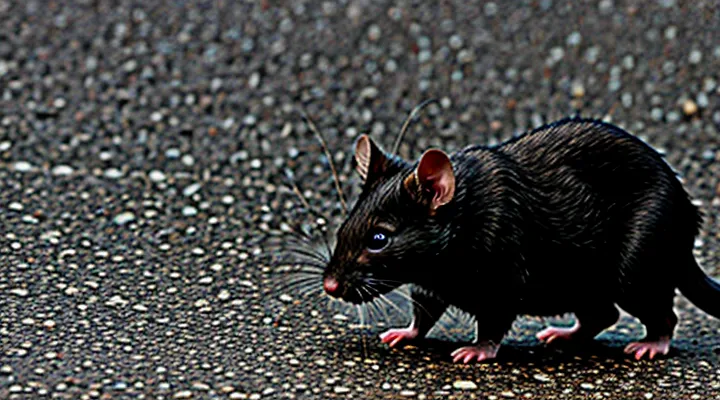
What is Porphyrin?
Chemical Structure and Properties
Porphyrin molecules consist of a planar macrocycle formed by four pyrrole rings linked through methine (‑CH=) bridges, creating a conjugated 18‑π electron system. The resulting cyclic tetrapyrrole exhibits D4h symmetry in its free base form and can coordinate a central metal ion through the four nitrogen atoms, generating metalloporphyrins. In rats, endogenous porphyrins such as protoporphyrin IX display side‑chain variations at the β‑positions, typically methyl, ethyl, or propionic acid groups, which influence solubility and biological interaction.
Key physicochemical characteristics of rat‑derived porphyrins include:
- Strong absorption bands: intense Soret band near 400 nm and Q‑bands between 500–650 nm, reflecting the delocalized π‑electron system.
- High molar absorptivity (ε ≈ 10⁵ M⁻¹ cm⁻¹) enabling sensitive spectroscopic detection.
- Amphiphilic nature: polar carboxylate substituents confer aqueous solubility, while the hydrophobic macrocycle favors membrane association.
- Redox activity: reversible oxidation–reduction of the central metal ion, essential for catalytic cycles in heme‑dependent enzymes.
- Thermal stability: decomposition onset above 250 °C, indicating robustness under physiological temperatures.
The structural rigidity and extensive conjugation render porphyrins suitable as chromophores, electron carriers, and metal ligands within rat metabolism. Coordination of iron produces heme, which participates in oxygen transport and enzymatic oxidation, whereas other metal complexes (e.g., zinc‑porphyrin) serve as fluorescence probes for imaging studies. The defined geometry and electronic properties govern interactions with proteins, membranes, and nucleic acids, dictating the functional outcomes observed in experimental rat models.
Biological Role in Mammals
Porphyrins are tetrapyrrolic macrocycles that serve as essential ligands for metal ions in a variety of enzymatic complexes within mammalian physiology. In hepatic cells, they coordinate iron to form heme, which functions as the prosthetic group for cytochrome P450 enzymes, facilitating oxidative metabolism of endogenous substrates and xenobiotics. In erythroid precursors, porphyrin synthesis culminates in heme incorporation into hemoglobin, enabling efficient oxygen transport.
Mitochondrial membranes host the initial steps of the porphyrin biosynthetic pathway, where δ‑aminolevulinic acid synthase regulates flux by responding to intracellular iron levels and erythropoietic demand. Subsequent enzymatic conversions generate protoporphyrin IX, which, upon insertion of ferrous iron by ferrochelatase, yields functional heme. Disruption of any enzymatic stage results in accumulation of intermediate porphyrins, a condition observable in rodent models and analogous to human porphyrias.
Porphyrins also act as signaling molecules. Heme binds to transcription factors such as Bach1, modulating expression of antioxidant genes. In neuronal tissue, heme oxygenase degrades heme to biliverdin, carbon monoxide, and free iron, influencing neurovascular regulation and oxidative stress responses.
Key physiological processes involving porphyrins in mammals include:
- Electron transport in mitochondria via cytochrome complexes.
- Detoxification of drugs and endogenous metabolites by cytochrome P450.
- Regulation of gene expression through heme‑responsive transcription factors.
- Antioxidant defense mediated by heme oxygenase activity.
- Oxygen delivery through hemoglobin synthesis.
Experimental investigations in rats reveal that alterations in dietary iron or exposure to porphyrinogenic compounds modify hepatic porphyrin concentrations, thereby affecting the activity of heme‑dependent enzymes. These findings provide a translational framework for understanding porphyrin metabolism across mammalian species.
Causes of Porphyrin Accumulation in Rats
Stress and Environmental Factors
Stress exposure markedly alters hepatic porphyrin accumulation in laboratory rats. Acute restraint, chronic crowding, and unpredictable noise increase the activity of δ‑aminolevulinic acid synthase, driving excess porphyrin synthesis. Elevated porphyrin concentrations correlate with heightened oxidative stress markers, indicating a direct biochemical response to physiological pressure.
Environmental conditions modulate porphyrin metabolism through temperature, lighting, and dietary composition. Elevated ambient temperature accelerates enzymatic reactions involved in the heme pathway, while irregular light cycles disrupt circadian regulation of porphyrin‑related genes. High‑iron diets suppress porphyrin buildup, whereas low‑protein regimens amplify it.
Key stressors and environmental variables influencing porphyrin levels include:
- Physical restraint or immobilization
- Social isolation or overcrowding
- Unpredictable acoustic disturbances
- Ambient temperature fluctuations above thermoneutral range
- Irregular photoperiods
- Nutrient imbalances, especially iron and protein content
Interpretation of porphyrin measurements must consider these factors. Failure to control stress and environment yields data that misrepresent baseline heme synthesis, potentially obscuring toxicological or pharmacological effects under investigation.
Nutritional Deficiencies
Porphyrin accumulation in laboratory rats often signals disruptions in heme biosynthesis that originate from inadequate dietary intake. Deficiencies of iron, vitamin B6, and folate directly impair enzymes such as aminolevulinic acid synthase and ferrochelatase, leading to elevated precursor concentrations detectable in blood, urine, and tissues.
- Iron shortage reduces ferrochelatase activity, preventing insertion of iron into protoporphyrin IX and causing protoporphyrin buildup.
- Vitamin B6 deficiency hampers aminolevulinic acid synthase, increasing aminolevulinic acid and downstream porphyrins.
- Folate insufficiency compromises mitochondrial function, indirectly affecting the porphyrin pathway and contributing to abnormal metabolite profiles.
Experimental data show that correcting these micronutrient gaps normalizes porphyrin excretion patterns within days, confirming a causal link between diet and heme synthesis integrity. Researchers must monitor dietary composition when interpreting porphyrin measurements, as variations in nutrient status can confound assessments of genetic or pharmacological interventions.
Genetic Predisposition
Porphyrin accumulation in laboratory rats serves as a measurable indicator of disruptions in heme biosynthesis, and the degree of this accumulation is strongly influenced by inherited genetic factors.
Genetic predisposition refers to the presence of allelic variants that affect enzymes, transporters, and regulatory proteins involved in the porphyrin pathway. In rats, mutations in genes such as Urod (urodylate decarboxylase), Cyp2c23 (Cytochrome P450 2C23), and Apoa1 (apo‑lipoprotein A‑I) have been linked to elevated hepatic and urinary porphyrin concentrations.
Key observations from comparative studies:
- Inbred strains (e.g., Wistar, Sprague‑Dawley) display baseline porphyrin levels that differ by up to 40 % under identical housing conditions.
- Knock‑out models lacking functional Urod exhibit spontaneous porphyria, with serum porphyrin rising threefold compared with wild‑type controls.
- Single‑nucleotide polymorphisms in the promoter region of Cyp2c23 correlate with increased enzyme activity and reduced porphyrin clearance.
Researchers must account for these genetic variables when designing experiments that involve porphyrin measurement. Selecting a strain with a known low‑baseline profile reduces background noise, while employing genetically modified lines can isolate the impact of specific pathway components. Genotyping animal colonies before study initiation ensures reproducibility and facilitates accurate interpretation of pharmacological or toxicological outcomes.
The relevance extends to translational models of human porphyrias. Rat strains possessing analogous genetic lesions provide a platform for testing gene‑editing therapies, assessing drug‑induced porphyrin accumulation, and exploring genotype‑phenotype relationships that mirror clinical presentations. Recognizing and controlling for inherited susceptibility therefore enhances the predictive value of rodent studies for human disease.
Underlying Health Conditions
Porphyrin metabolism in laboratory rats is closely linked to several pre‑existing health disorders. These conditions modify the synthesis, accumulation, or excretion of porphyrin compounds and therefore influence experimental outcomes.
- Hepatic insufficiency reduces the activity of enzymes that convert porphobilinogen to uroporphyrin, leading to elevated blood porphyrin concentrations.
- Renal failure impairs clearance of water‑soluble porphyrins, causing persistent urinary excretion and potential tissue deposition.
- Genetic defects in the heme biosynthetic pathway, such as mutations in the ferrochelatase gene, generate characteristic porphyrin patterns that mimic human porphyrias.
- Chronic inflammation alters cytokine profiles, which can suppress hepatic cytochrome P450 enzymes and shift porphyrin balance.
- Nutritional deficiencies, particularly of vitamin B6 or iron, diminish the availability of cofactors required for heme synthesis, resulting in abnormal porphyrin accumulation.
Understanding these underlying disorders is essential for interpreting porphyrin measurements in rodents, designing appropriate control groups, and extrapolating findings to broader biomedical research.
Clinical Manifestations and Symptoms
Ocular Porphyrin (Red Tears)
Ocular porphyrin, manifested as red‑tinged tears, is a visible symptom of excessive porphyrin deposition in the lacrimal glands of laboratory rats. The condition arises when the heme biosynthetic pathway is disrupted, leading to accumulation of protoporphyrin IX, which fluoresces under ultraviolet light and imparts a reddish hue to tear fluid.
The primary causes include genetic mutations affecting enzymes such as ferrochelatase, dietary deficiencies of vitamin B₆, and exposure to certain xenobiotics that inhibit porphyrin metabolism. Environmental stressors—high‑intensity lighting, overcrowding, and poor ventilation—can exacerbate the phenotype by increasing oxidative demand on the heme pathway.
Detection relies on:
- Visual inspection of tear color during routine handling.
- Spectrophotometric measurement of absorbance peaks at 400 nm and 560 nm.
- High‑performance liquid chromatography to quantify porphyrin species in tear samples.
Interpretation of ocular porphyrin levels provides insight into systemic metabolic status. Elevated tear porphyrin correlates with hepatic dysfunction, anemia, and altered cytochrome P450 activity. Consequently, red tears serve as a non‑invasive biomarker for assessing the impact of experimental treatments on heme synthesis and detoxification pathways.
Research applications exploit this marker to:
- Screen genetically engineered strains for unintended metabolic disturbances.
- Evaluate the toxicity of new pharmaceuticals that may interfere with porphyrin catabolism.
- Monitor the efficacy of dietary interventions aimed at restoring normal heme production.
In experimental design, controlling for ocular porphyrin is essential to avoid confounding variables that could affect behavior, visual acuity, and overall health of the animal cohort. Regular monitoring, combined with standardized housing conditions, minimizes the occurrence of red‑tear phenotypes and enhances the reliability of study outcomes.
Nasal Porphyrin
Nasal porphyrin refers to the accumulation of tetrapyrrole pigments within the nasal epithelium of laboratory rats. The compounds are derived from heme biosynthesis and exhibit strong fluorescence under ultraviolet illumination, facilitating visual and quantitative assessment.
Measurement of nasal porphyrin typically employs:
- Extraction with acidic acetone or dimethyl sulfoxide.
- Spectrophotometric detection at 400 nm (Soret band) and 620 nm (Q‑band).
- Fluorescence quantification using excitation at 405 nm and emission at 630 nm.
- High‑performance liquid chromatography for separation of porphyrin isomers.
Elevated nasal porphyrin levels correlate with hepatic dysfunction, as impaired ferrochelatase activity leads to systemic porphyrin excess that is excreted through the nasal mucosa. In addition, increased concentrations reflect oxidative stress and disruption of the uroporphyrinogen decarboxylase pathway, conditions frequently induced in toxicology studies.
Researchers employ nasal porphyrin as a non‑invasive biomarker to monitor:
- Hepatotoxic effects of xenobiotics.
- Genetic models of porphyria.
- Environmental exposure to heavy metals and organophosphates.
Sampling requires gentle lavage or swabbing to avoid epithelial damage; repeat measurements should consider diurnal variation and dietary porphyrin intake. Contamination from blood or nasal secretions can artificially raise readings and must be controlled through careful specimen handling.
Overall, nasal porphyrin provides a rapid, quantitative indicator of systemic porphyrin metabolism disturbances in rat models, supporting the interpretation of experimental outcomes related to liver health, oxidative burden, and chemical toxicity.
Skin and Fur Changes
Porphyrin accumulation in laboratory rats produces distinct alterations of integumentary tissues that serve as visual indicators of metabolic disruption. Elevated porphyrin levels manifest as discoloration of the coat, ranging from a reddish hue to a brownish tint, depending on the specific porphyrin species and concentration. The skin underlying affected fur often exhibits erythema or a subtle yellowish pallor, reflecting subcutaneous pigment deposition.
Typical manifestations include:
- Red or brown fur patches, especially on the dorsal and ventral surfaces.
- Skin reddening or yellowing adjacent to pigmented fur zones.
- Increased brittleness of hair shafts, leading to breakage and uneven coat texture.
- Presence of fluorescent spots visible under ultraviolet illumination, confirming porphyrin presence.
- Localized dermatitis or ulceration in severe cases, where porphyrin-induced oxidative stress compromises epidermal integrity.
These integumentary changes correlate with hepatic or hematopoietic dysfunction that impairs porphyrin catabolism. Elevated serum porphyrin concentrations drive diffusion into peripheral tissues, where the pigment binds to keratin and melanin matrices, altering optical properties and structural resilience. The observable coat and skin modifications provide a non‑invasive biomarker for assessing the severity of porphyrin dysregulation in experimental settings.
Researchers employ systematic observation of skin and fur characteristics to monitor disease progression, evaluate therapeutic interventions, and calibrate dosing regimens. Quantitative scoring of pigment intensity, combined with spectroscopic verification of porphyrin fluorescence, yields reproducible data that enhance the reliability of rodent models investigating porphyrin metabolism.
Behavioral Alterations
Research on porphyrin accumulation in laboratory rats consistently reports measurable changes in behavior. Elevated hepatic or brain porphyrin levels correlate with altered locomotor activity, heightened anxiety‑like responses, and impaired learning performance.
Specific observations include:
- Reduced total distance traveled in open‑field tests, indicating diminished exploratory drive.
- Increased time spent in the periphery of the arena, reflecting elevated anxiety.
- Longer latency to locate hidden platforms in Morris water‑maze assessments, suggesting deficits in spatial memory.
- Decreased social interaction time during pair‑housing experiments, pointing to impaired sociability.
- Lower frequency of grooming and rearing behaviors, consistent with reduced motivational states.
Mechanistic insights attribute these effects to porphyrin‑induced oxidative stress, disruption of neurotransmitter synthesis, and interference with mitochondrial function. Oxidative damage to neuronal membranes compromises signal transduction, while altered heme synthesis affects the activity of enzymes critical for dopamine and serotonin metabolism. Consequently, the observed behavioral profile aligns with neurotoxic outcomes reported in other models of porphyrin dysregulation.
These findings underscore the relevance of behavioral metrics as sensitive endpoints for evaluating the neurophysiological impact of porphyrin disturbances in rodent studies.
Diagnostic Approaches
Visual Inspection
Visual inspection of laboratory rats provides direct evidence of porphyrin accumulation, which manifests as distinct discolorations on the skin, fur, and excreta. The most reliable external marker is a reddish‑brown hue on the dorsal fur, often accompanied by similar coloration in urine and feces. These pigments arise from excess heme precursors and appear within hours of exposure to inducing agents.
Key observations during examination include:
- Uniform or patchy reddening of the coat, especially around the neck and back.
- Darkened urine that stains bedding or surfaces, indicating renal excretion of porphyrins.
- Red or brown fecal pellets, reflecting gastrointestinal passage of the compounds.
- Absence of secondary lesions such as ulcerations, which would suggest alternative pathology.
Quantifying the intensity of coloration can be achieved with standardized color charts or digital image analysis, allowing comparison across experimental groups. Correlating visual data with biochemical assays strengthens the interpretation of porphyrin dynamics and informs the physiological relevance of the findings.
Laboratory Analysis of Secretions
Laboratory examination of rat secretions provides direct insight into porphyrin metabolism and its physiological implications. Samples such as urine, feces, saliva, and glandular exudates are collected under controlled conditions to prevent contamination and to preserve analyte stability. Prior to analysis, specimens are centrifuged, filtered, and stored at –80 °C to maintain integrity of porphyrin derivatives.
Analytical procedures focus on quantifying heme precursors, porphyrin isomers, and related metabolites. Common techniques include:
- High‑performance liquid chromatography (HPLC) with fluorescence detection for separation of individual porphyrins.
- Mass spectrometry (MS) coupled to liquid chromatography for structural confirmation and sensitivity down to picomolar levels.
- Spectrophotometric assays measuring absorbance peaks characteristic of specific porphyrin species.
- Enzyme‑linked immunosorbent assays (ELISA) targeting porphyrin‑binding proteins to assess functional activity.
Interpretation of results links concentration patterns to metabolic pathways, disease models, and therapeutic interventions. Elevated urinary coproporphyrin, for example, indicates disruption of the heme biosynthetic cascade, while altered secretory profiles may reflect hepatic or renal dysfunction. Consistent analytical protocols enable reproducibility across studies, facilitating comparison of experimental outcomes and advancing understanding of porphyrin dynamics in rodent models.
Histopathological Examination
Histopathological examination provides direct evidence of tissue alterations associated with elevated porphyrin levels in rodent models. The technique quantifies cellular damage, identifies organ‑specific pathology, and supports mechanistic conclusions drawn from biochemical data.
Tissue collection follows euthanasia under approved protocols, with immediate fixation in 10 % neutral‑buffered formalin. Organs most affected by porphyrin accumulation—liver, kidney, spleen, and skin—are harvested, trimmed to ≤ 5 mm thickness, and processed through graded alcohols and xylene before paraffin embedding.
Standard staining includes hematoxylin‑eosin for general architecture, Masson’s trichrome for fibrosis, and Perls’ Prussian blue for iron deposition. Additional porphyrin‑specific fluorescence microscopy confirms intracellular pigment localization. Microscopic assessment records:
- Hepatocellular vacuolization and necrosis
- Bile duct proliferation
- Renal tubular degeneration and casts
- Splenic white pulp atrophy
- Cutaneous epidermal hyperkeratosis with pigmented granules
Lesion severity is graded on a semi‑quantitative scale (0 = none, 1 = mild, 2 = moderate, 3 = severe) to allow statistical comparison across treatment groups. Correlation of histopathological scores with serum porphyrin concentrations establishes dose‑response relationships and identifies thresholds for overt toxicity.
Interpretation integrates morphological findings with functional endpoints, clarifying whether porphyrin accumulation precipitates primary organ injury or reflects secondary metabolic disruption. The resulting pathology profile informs risk assessment, guides therapeutic intervention strategies, and validates the rat as a predictive model for porphyrin‑related disorders.
Management and Treatment Strategies
Addressing Underlying Causes
Porphyrin accumulation in laboratory rats signals metabolic disturbances that often stem from specific physiological or environmental factors. Identifying and correcting these root contributors is essential for reliable experimental outcomes and animal welfare.
Primary sources of elevated porphyrin levels include:
- Genetic mutations affecting heme biosynthesis enzymes, such as deficiencies in ferrochelatase or uroporphyrinogen decarboxylase.
- Nutritional imbalances, particularly diets low in iron, vitamin B6, or zinc, which impair enzymatic activity.
- Exposure to chemicals that inhibit heme synthesis, for example, certain herbicides, heavy metals, or industrial solvents.
- Chronic stressors, including overcrowding, excessive handling, or inadequate lighting, which can trigger adrenal-mediated responses.
- Infectious agents that disrupt liver function, leading to secondary disturbances in porphyrin metabolism.
Effective mitigation strategies focus on eliminating these triggers:
- Implement genetic screening programs to detect susceptible strains before inclusion in studies.
- Formulate feed with optimal levels of essential micronutrients and regularly monitor nutrient content.
- Maintain a controlled environment free from known heme synthesis inhibitors; conduct routine air and water quality assessments.
- Apply standardized husbandry protocols that minimize stress: appropriate cage density, consistent light cycles, and gentle handling techniques.
- Conduct regular health checks for pathogens; treat infections promptly and adjust biosecurity measures as needed.
By systematically addressing each underlying cause, researchers can reduce porphyrin-related variability, enhance data integrity, and promote the health of rodent colonies.
Environmental Enrichment
Environmental enrichment refers to modifications of the housing environment that provide sensory, cognitive, and motor stimulation for laboratory rats. Common elements include nesting material, tunnels, climbing structures, and objects that are regularly rotated to maintain novelty.
Enrichment reduces chronic stress markers, which directly influences the production and urinary excretion of porphyrins. Lower stress levels correlate with decreased porphyrin concentrations, improving the reliability of biochemical readouts in studies of rat metabolism.
Experimental designs that assess porphyrin dynamics should incorporate parallel groups: one maintained in standard cages, the other receiving a defined enrichment protocol. Researchers must record enrichment variables (type, frequency of change, duration of exposure) and control for confounding factors such as diet, lighting, and handling frequency. Porphyrin measurements should be taken at consistent intervals to capture temporal trends linked to environmental conditions.
Practical recommendations:
- Provide at least two enrichment items per cage, changing one item weekly.
- Standardize handling procedures across all groups to avoid procedural stress.
- Monitor cage cleanliness to prevent confounding effects of waste accumulation on porphyrin levels.
- Document enrichment schedules in the methods section for reproducibility.
Dietary Adjustments
Dietary composition directly influences porphyrin synthesis and clearance in laboratory rats, affecting the interpretation of biochemical and toxicological data. Standard chow often contains sufficient iron and vitamin B6 to support heme biosynthesis, yet variations in macronutrient ratios can modulate enzyme activity within the pathway.
Key adjustments include:
- Iron content: Reducing dietary iron to 30 mg kg⁻¹ lowers hepatic protoporphyrin IX accumulation, whereas supplementation above 100 mg kg⁻¹ can provoke excess free porphyrin formation.
- Vitamin B6 levels: Maintaining pyridoxine at 5 mg kg⁻¹ optimizes aminolevulinic acid synthase function; deficiency below 1 mg kg⁻¹ leads to elevated porphobilinogen concentrations.
- Protein source: Switching from soy‑based to casein‑based protein reduces phytoestrogen interference with cytochrome P450 enzymes, stabilizing porphyrin turnover rates.
- Fat composition: Incorporating 5 % linoleic acid enhances membrane fluidity, facilitating mitochondrial transport of porphyrin precursors; excessive saturated fat (>10 %) impairs this process.
Implementing these modifications yields reproducible porphyrin profiles across experimental cohorts. Researchers should document exact nutrient concentrations and monitor serum ferritin and pyridoxal‑5′‑phosphate as biomarkers of dietary compliance. Continuous verification of feed quality ensures that observed porphyrin fluctuations reflect experimental variables rather than uncontrolled nutritional factors.
Pharmacological Interventions
Pharmacological manipulation of porphyrin pathways in rodent models provides direct insight into heme biosynthesis regulation and associated toxicities. Administration of 5‑aminolevulinic acid (ALA) elevates intracellular porphyrin precursors, facilitating assessment of photodynamic sensitivity and oxidative stress. Inhibition of the same pathway relies on agents such as succinylacetone, which blocks δ‑aminolevulinic acid dehydratase, and N‑methyl‑D‑aspartate, which suppresses ferrochelatase activity. Iron chelators (e.g., deferoxamine) reduce heme incorporation, while enzyme inducers (e.g., phenobarbital) accelerate porphyrin turnover.
- ALA supplementation: oral or intraperitoneal, 50–300 mg/kg, 1–3 days.
- Succinylacetone: subcutaneous injection, 25 mg/kg, single dose.
- Deferoxamine: intraperitoneal, 100 mg/kg, daily for 5 days.
- Phenobarbital: oral, 60 mg/kg, 7 days.
Dosing regimens consider absorption kinetics, blood‑brain barrier permeability, and species‑specific metabolic rates. Intraperitoneal delivery ensures rapid systemic exposure, whereas oral administration mirrors clinical routes. Timing of sample collection aligns with peak plasma concentrations, typically 30 minutes to 2 hours post‑dose for ALA, and 4–6 hours for enzyme inhibitors.
Measured outcomes include hepatic and renal porphyrin concentrations, urinary excretion profiles, and enzymatic activity assays for ALA‑synthetase, porphobilinogen deaminase, and ferrochelatase. Elevated hepatic protoporphyrin IX correlates with increased susceptibility to light‑induced tissue damage, while reduced ferrochelatase activity manifests as accumulation of coproporphyrin III in plasma.
These interventions delineate mechanistic links between porphyrin dysregulation and organ pathology, supporting the development of therapeutic strategies for porphyric disorders. Data derived from rat experiments inform dose‑translation models and risk assessment frameworks applicable to human clinical research.
Impact on Rat Health and Welfare
Pain and Discomfort
Research on porphyrin accumulation in rodent models reveals specific patterns of nociception and physiological distress. Elevated porphyrin levels induce hepatic and renal toxicity, which manifest as measurable pain behaviors and reduced mobility.
Behavioral assays detect discomfort through:
- Increased latency in the hot‑plate test
- Decreased grooming frequency
- Elevated escape attempts in open‑field arenas
Physiological markers accompany these observations. Plasma cortisol rises in parallel with tissue porphyrin concentration, confirming activation of the stress axis. Histological analysis shows inflammatory infiltrates around bile ducts, correlating with visceral pain signals.
Analgesic intervention studies demonstrate that opioid administration reduces both behavioral and biochemical indicators, validating the pain component of porphyrin toxicity. Conversely, non‑steroidal anti‑inflammatory drugs mitigate peripheral inflammation but have limited effect on central nociceptive pathways.
These findings underscore that porphyrin‑induced pathology in rats includes quantifiable pain and discomfort, necessitating appropriate humane endpoints and analgesic protocols in experimental designs.
Impaired Vision and Respiration
Porphyrin accumulation in laboratory rats frequently coincides with measurable deficits in visual processing and respiratory function. Elevated hepatic and plasma porphyrin levels disrupt photoreceptor integrity, leading to reduced electroretinographic amplitudes and diminished visual acuity. Concurrently, excess porphyrins interfere with mitochondrial respiration in pulmonary tissue, producing hypoxemia and altered breathing patterns.
Key observations include:
- Decreased scotopic and photopic ERG responses, indicating rod and cone dysfunction.
- Progressive retinal thinning detectable by optical coherence tomography.
- Elevated arterial CO₂ and reduced O₂ saturation, reflecting impaired gas exchange.
- Irregular respiratory rhythm and increased respiratory rate under normoxic conditions.
Mechanistic links involve porphyrin‑induced oxidative stress, which damages retinal pigment epithelium and compromises cytochrome c oxidase activity in alveolar cells. The resulting cellular injury diminishes phototransduction efficiency and hampers ATP production required for normal ventilation.
These findings suggest that monitoring porphyrin concentrations provides a reliable biomarker for predicting visual and respiratory compromise in rodent models, informing both toxicological assessment and therapeutic intervention strategies.
Chronic Stress Response
Porphyrin accumulation in laboratory rodents provides a sensitive indicator of metabolic disruption caused by prolonged activation of the hypothalamic‑pituitary‑adrenal axis. Chronic exposure to unpredictable stressors elevates glucocorticoid levels, which in turn suppress hepatic enzymes responsible for heme biosynthesis. The resulting imbalance leads to measurable increases in urinary and plasma porphyrin precursors, especially coproporphyrin III and protoporphyrin IX. These metabolites reflect the organism’s inability to maintain redox homeostasis under sustained stress.
Experimental protocols that monitor porphyrin profiles alongside behavioral assays reveal a direct correlation between stress intensity and the magnitude of porphyrin excretion. Rats subjected to daily restraint or social isolation for periods exceeding three weeks display a gradual rise in porphyrin concentrations, reaching a plateau that coincides with the onset of depressive‑like phenotypes. The biochemical pattern distinguishes chronic stress from acute stress responses, which typically produce transient, lower‑amplitude fluctuations.
Key observations from rodent studies:
- Persistent elevation of plasma protoporphyrin IX after 21 days of continuous stress exposure.
- Urinary coproporphyrin III levels increase by 40–60 % relative to baseline, persisting throughout the stress period.
- Down‑regulation of ferrochelatase activity correlates with reduced heme incorporation into mitochondrial cytochromes.
- Restoration of normal porphyrin levels requires at least two weeks of stress cessation combined with antioxidant supplementation.
These findings support the use of porphyrin metrics as quantitative markers for the physiological imprint of chronic stress, offering a translational bridge to human research on stress‑related disorders.
Preventative Measures
Optimal Husbandry Practices
Porphyrin excretion in laboratory rats signals physiological disturbance; husbandry protocols must minimize stressors to prevent false‑positive results and ensure animal welfare.
- Maintain cage temperature between 20‑24 °C and relative humidity at 45‑55 %.
- Provide a 12‑hour light/dark cycle with consistent onset times.
- Use low‑noise, well‑ventilated rooms; avoid sudden temperature or airflow changes.
- Ensure bedding is absorbent, changed regularly, and free of strong odors.
Environmental enrichment reduces anxiety and limits porphyrin release. Include chewable objects, nesting material, and opportunities for voluntary exercise. Rotate enrichment items weekly to sustain novelty.
Nutrition should meet the National Research Council recommendations for rodents. Supply a balanced diet with adequate protein, vitamins, and minerals; supplement with fresh water ad libitum, replacing it daily to prevent contamination.
Health monitoring must incorporate weekly visual inspections for perianal staining, regular weight measurements, and prompt veterinary assessment of any abnormal porphyrin levels. Record keeping of environmental parameters, enrichment schedules, and health observations enables rapid identification of deviations and supports reproducible experimental outcomes.
Regular Health Monitoring
Regular health monitoring is essential for experiments that assess porphyrin concentrations in laboratory rats because physiological disturbances can alter hepatic synthesis, renal excretion, and blood‑cell turnover, all of which affect porphyrin measurements. Consistent baseline data allow researchers to distinguish treatment‑induced changes from spontaneous fluctuations.
Key parameters to record include:
- Body weight and growth rate, measured weekly.
- Food and water intake, logged daily.
- Hematology (complete blood count, hemoglobin, reticulocyte count) performed biweekly.
- Serum biochemistry (alanine aminotransferase, aspartate aminotransferase, creatinine, bilirubin) assessed every two weeks.
- Urine and feces porphyrin excretion, quantified weekly using spectrophotometric or HPLC methods.
- Behavioral observations (activity level, grooming, nesting) recorded during routine cage checks.
Monitoring schedule should align with the experimental timeline: baseline data collected for at least one week before interventions, followed by systematic sampling throughout the study. Deviations from expected ranges trigger immediate veterinary review and may necessitate protocol adjustments to preserve data integrity.
Early Detection and Intervention
Porphyrin accumulation in rodent models serves as a measurable indicator of metabolic disturbance. Detectable elevations appear before overt clinical signs, allowing researchers to identify pathological processes at a pre‑symptomatic stage.
Early identification enables timely therapeutic actions that can halt or reverse disease progression. Intervention before organ damage reduces variability in experimental outcomes and improves reproducibility across studies.
-
Spectrophotometric analysis of urine and feces for characteristic fluorescence peaks.
-
High‑performance liquid chromatography coupled with mass spectrometry to quantify specific porphyrin isoforms.
-
Non‑invasive imaging techniques employing porphyrin‑sensitive dyes for real‑time tissue distribution assessment.
-
Administration of hemin or other porphyrin‑binding agents to restore heme synthesis balance.
-
Dietary supplementation with vitamin B6, riboflavin, or antioxidants to mitigate oxidative stress associated with excess porphyrins.
-
Gene‑editing approaches targeting enzymes of the tetrapyrrole pathway to correct underlying enzymatic deficiencies.
Implementing these detection and treatment protocols refines the interpretation of experimental data and bridges the gap between animal models and human clinical research. Early-stage monitoring of porphyrin dynamics thus constitutes a critical component of translational investigations into porphyrin‑related disorders.