
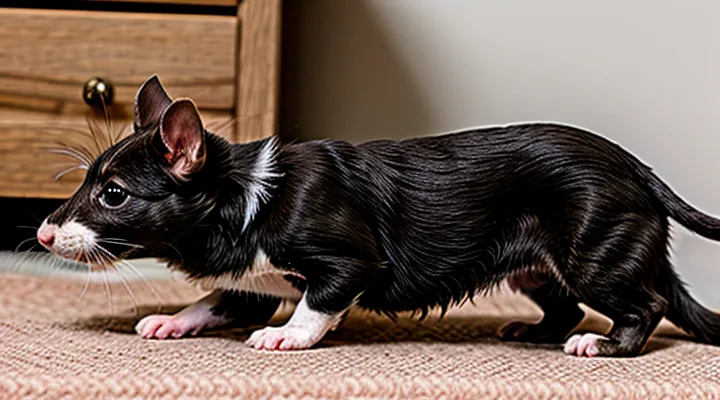
Understanding Rat Litter Sizes
Factors Influencing Litter Size
Age of the Mother Rat
The age of a female domestic rat markedly influences the size of a single litter. Younger, sexually mature females (approximately 2–3 months old) typically produce the smallest litters, averaging 5–7 pups. As the rat progresses to its prime reproductive years (4–9 months), litter size increases, with most reports documenting averages of 8–12 offspring per birth. Peak productivity often occurs between 5 and 7 months, when hormonal efficiency and uterine capacity are optimal.
Beyond the prime period, reproductive performance declines. Rats older than 10 months show a gradual reduction in pup numbers, averaging 6–8, and an elevated incidence of stillbirths. Advanced age also correlates with longer gestation intervals and higher rates of complications, which further limit the number of offspring delivered in a single event.
Key observations from controlled breeding studies:
- 2–3 months: average 5.4 pups; low variance.
- 4–5 months: average 8.9 pups; moderate variance.
- 6–7 months: average 11.2 pups; highest observed values up to 14.
- 8–9 months: average 9.3 pups; slight decline.
- 10 months and older: average 6.7 pups; increased mortality.
These patterns reflect the biological trade‑off between reproductive vigor and senescence. Managing breeding programs therefore requires selecting females within the 4–9 month window to maximize the number of pups produced per gestation.
Health and Nutrition of the Mother Rat
Maternal health directly influences reproductive output in domestic rats. Adequate body condition, as measured by weight and muscle mass, correlates with larger litters. Deficiencies in protein, essential fatty acids, and micronutrients reduce ovulation rates and increase embryonic loss.
Key nutritional components for optimal breeding performance:
- High‑quality protein (20–24 % of diet) to support follicular development and uterine growth.
- Omega‑3 fatty acids (e.g., linseed oil) to improve embryo survival.
- Calcium and phosphorus (1.2 % and 0.9 % of diet) for skeletal integrity and milk production.
- Vitamin E and selenium to protect against oxidative stress during gestation.
- Adequate energy density (300–340 kcal/100 g) to prevent weight loss during pregnancy.
Health maintenance practices that complement nutrition:
- Regular health checks to detect parasites, respiratory infections, and dental problems.
- Controlled breeding intervals; at least a 10‑day recovery period after weaning reduces maternal stress.
- Clean housing with proper ventilation to lower pathogen exposure.
- Stress minimization through stable group composition and limited handling during late gestation.
When these criteria are met, domestic rat females typically produce litters ranging from eight to twelve pups per gestation, with higher numbers observed in well‑conditioned, nutritionally balanced individuals. Conversely, suboptimal health or nutrient gaps often result in smaller litters and increased neonatal mortality.
Genetics and Breed
Domestic rats exhibit considerable variation in litter size, a trait governed primarily by genetic inheritance and breed selection. Breeds developed for laboratory use, such as the Sprague‑Dawley and Wistar strains, consistently produce litters ranging from six to twelve offspring, with averages near nine. In contrast, pet or feral varieties, including the Fancy Rat and the Brown Norway, display broader ranges, often between four and eight pups per birth.
Genetic contributions to litter size include:
- Alleles influencing reproductive hormone regulation, particularly those affecting prolactin and oxytocin pathways.
- Genes controlling uterine capacity and placental efficiency, which determine the maximum number of embryos that can be supported.
- Polygenic traits linked to overall body size; larger rats tend to accommodate more embryos.
Selective breeding amplifies these genetic effects. Breeders aiming for larger litters prioritize individuals with documented high‑yield records, applying line breeding to concentrate favorable alleles while monitoring inbreeding coefficients to avoid deleterious recessive traits. Conversely, lines selected for specific coat colors or temperament may experience reduced litter sizes if selection pressure diverts from reproductive efficiency.
Environmental factors intersect with genetics but do not override hereditary limits. Adequate nutrition, optimal lighting cycles, and minimal stress support the genetic potential, allowing the maximum number of pups predicted by breed‑specific genetic profiles to be realized.
Environmental Conditions
Domestic rats produce litters that vary widely; environmental parameters exert measurable influence on the quantity of offspring delivered in a single breeding event.
Optimal temperature ranges between 20 °C and 26 °C. Temperatures below 18 °C suppress ovulation frequency, while temperatures above 28 °C increase embryonic mortality, both resulting in smaller litters.
Relative humidity maintained at 45 %–55 % supports normal reproductive hormone cycles. Excessive dryness (below 30 %) accelerates uterine involution; high humidity (above 70 %) promotes fungal growth, leading to maternal stress and reduced pup numbers.
Consistent photoperiod of 12–14 hours of light per day stabilizes melatonin secretion, which regulates estrous cycles. Irregular lighting patterns disrupt cycle length and can halve expected litter size.
Nutrition quality directly correlates with reproductive output. Diets containing 18 %–20 % protein, adequate calcium, and balanced fatty acids produce the highest pup counts. Deficiencies in micronutrients such as vitamin E or selenium result in embryonic resorption and fewer viable offspring.
Cage space of at least 0.05 m² per adult rat limits stress‑induced hormonal suppression. Overcrowding elevates cortisol levels, decreasing ovulation rates and consequently reducing the number of pups per birth.
Stressors—including loud noises, frequent handling, and predator cues—trigger adrenal responses that inhibit gonadotropin release. Minimizing such disturbances maintains maximal litter size potential.
Key environmental factors affecting litter size:
- Temperature: 20 °C–26 °C optimal
- Humidity: 45 %–55 % optimal
- Light cycle: 12–14 h consistent illumination
- Diet: 18 %–20 % protein, balanced micronutrients
- Space: ≥0.05 m² per adult
- Stress reduction: quiet, stable environment
Adjusting these conditions aligns reproductive physiology with its maximum output, enabling domestic rats to produce the greatest possible number of offspring per birth.
Average Litter Size
Typical Range
Domestic rats commonly produce litters ranging from six to twelve pups. Breeding records show that litters smaller than six or larger than fourteen are rare. The average litter size falls between eight and ten offspring, with slight variation due to strain, age, and health of the dam. Factors such as nutrition and environmental conditions can shift the range modestly, but the typical interval remains within the six‑to‑twelve bracket.
First Litters vs. Subsequent Litters
Domestic rats generally produce modest litters during their initial breeding cycle. First litters average six to eight offspring, reflecting the physiological adjustments required for parturition after sexual maturity. The limited size results from incomplete uterine development and lower milk production capacity in inexperienced females.
Subsequent litters display a consistent increase in pup count, reaching a peak before a gradual decline associated with advancing maternal age. Typical trends include:
- Second and third litters: eight to twelve pups, representing the optimal reproductive window.
- Fourth and later litters: seven to ten pups, with occasional reductions as senescence affects hormone regulation and uterine efficiency.
- Decline phase: fewer than six pups per birth when the dam exceeds eight months of age or experiences chronic health stressors.
The disparity between initial and later reproductive events stems from physiological maturation, improved maternal care skills, and cumulative experience in nest building and lactation. Breeders can anticipate the highest pup yields during the second and third gestations, provided that nutrition, housing, and health management remain optimal.
The Birthing Process and Post-Natal Care
Gestation Period and Signs of Pregnancy
The gestation interval for a domestic rat averages 21–23 days, with slight variation depending on strain, nutrition, and ambient temperature. Ovulation occurs shortly after mating, and implantation is typically completed within 4–5 days, after which embryonic development proceeds rapidly. Litter size is directly linked to the duration of this period; any deviation from the normal range can signal reproductive issues.
Observable indicators of pregnancy include:
- Progressive abdominal enlargement, most noticeable after day 10;
- Development of mammary glands, which become pinker and more pronounced;
- Increased weight gain exceeding normal growth curves;
- Behavioral changes such as nesting activity and reduced aggression;
- Presence of a vaginal discharge that may appear milky or clear during the later stages.
These signs, when monitored alongside the expected 21‑day gestation, allow accurate prediction of parturition timing and facilitate optimal care for the dam and her offspring.
The Act of Giving Birth («Parturition»)
Parturition in the domestic rat is a rapid, hormonally driven sequence that culminates in the expulsion of a complete litter. The process lasts approximately 20–30 minutes, beginning with uterine contractions, followed by the emergence of each pup and the subsequent delivery of the placenta.
Empirical surveys report an average litter comprising 6–12 offspring, with extremes ranging from 4 to 15 pups per birthing event. Laboratory colonies frequently document a modal value of eight pups, reflecting optimal breeding conditions.
Factors that modify litter size include:
- Genetic line: selective strains exhibit consistent deviations from the population mean.
- Female age: primiparous females often produce smaller litters than mature, multiparous individuals.
- Nutritional status: diets rich in protein and energy correlate with increased offspring counts.
- Health condition: infections or chronic stress suppress reproductive output.
- Environmental parameters: ambient temperature and photoperiod affect hormonal cycles and thus litter magnitude.
Understanding the dynamics of rat parturition informs colony management, experimental design, and welfare protocols. Accurate prediction of offspring numbers enables efficient resource allocation and enhances the reliability of studies that rely on rat models.
Care of Newborn Pups
Mother's Instincts
Maternal instincts in domestic rats drive physiological and behavioral changes that directly affect the quantity of offspring produced in a single birth event. Hormonal fluctuations during gestation trigger increased uterine capacity, while heightened protective drive influences resource allocation to developing embryos.
These instincts shape litter size through several mechanisms:
- Elevated prolactin levels stimulate mammary development, preparing the mother for larger broods.
- Nest‑building behavior creates a stable microenvironment, reducing embryonic stress and supporting higher survival rates of multiple pups.
- Selective cannibalism of weak embryos reallocates nutrients to stronger ones, optimizing the final count of viable offspring.
After delivery, maternal vigilance governs pup care. The mother frequently gathers and rotates pups to maintain optimal temperature, a behavior that reduces mortality and permits the rearing of larger litters. She also emits ultrasonic vocalizations that synchronize feeding cycles, ensuring efficient milk distribution among numerous pups.
Overall, the innate drive to protect and nourish young imposes physiological limits that determine the maximum number of pups a domestic rat can successfully raise at one time.
Potential Complications
A large litter in a pet rat can strain the mother’s physiological capacity. Excessive uterine distension may lead to dystocia, prolonged labor, or hemorrhage, increasing the risk of maternal mortality. Elevated estrogen levels during gestation can exacerbate cardiovascular stress, potentially resulting in heart failure.
Neonatal outcomes deteriorate as litter size rises. Competition for milk intensifies, causing undernutrition, reduced growth rates, and higher susceptibility to infectious disease. Low birth weight pups exhibit weaker thermoregulation, making them vulnerable to hypothermia and early death. Overcrowding also hampers the dam’s ability to keep all pups clean, raising the incidence of fungal and bacterial skin infections.
Behavioral complications emerge when the mother cannot adequately attend to each offspring. Neglect or cannibalism may occur as the dam prioritizes the strongest pups. Social hierarchy within the litter can become pronounced, leading to aggression that further endangers weaker individuals.
Long‑term genetic considerations include the potential for inbreeding depression if large litters are repeatedly selected without genetic diversity. High offspring numbers can mask recessive defects, allowing deleterious alleles to persist in the population.
Key complications:
- Maternal dystocia and postpartum hemorrhage
- Increased neonatal mortality due to competition for nutrition
- Higher rates of hypothermia and infectious disease in low‑weight pups
- Maternal neglect or cannibalism
- Intra‑litter aggression
- Propagation of harmful genetic traits
Mitigating these risks requires monitoring litter size, providing supplemental feeding for the dam, ensuring a warm, low‑stress environment, and implementing selective breeding practices that maintain genetic health.